Discovering Paragliding in Bassano del Grappa

Many people dream of flying, and there are various ways to achieve it: skydiving, getting a helicopter license, obtaining your Private Pilot License, or learning to fly a glider or paraglider. Paragliding is one of the most eco-friendly and cost-effective ways to experience the thrill of flight by consuming the least fossil fuels.

My Paragliding Journey

I had dreamt of paragliding for years. To start, I took “ground handling” courses with Airsport.com in the Ardennes. After three sessions and the instructor’s approval, I booked a week to take my first real flights.

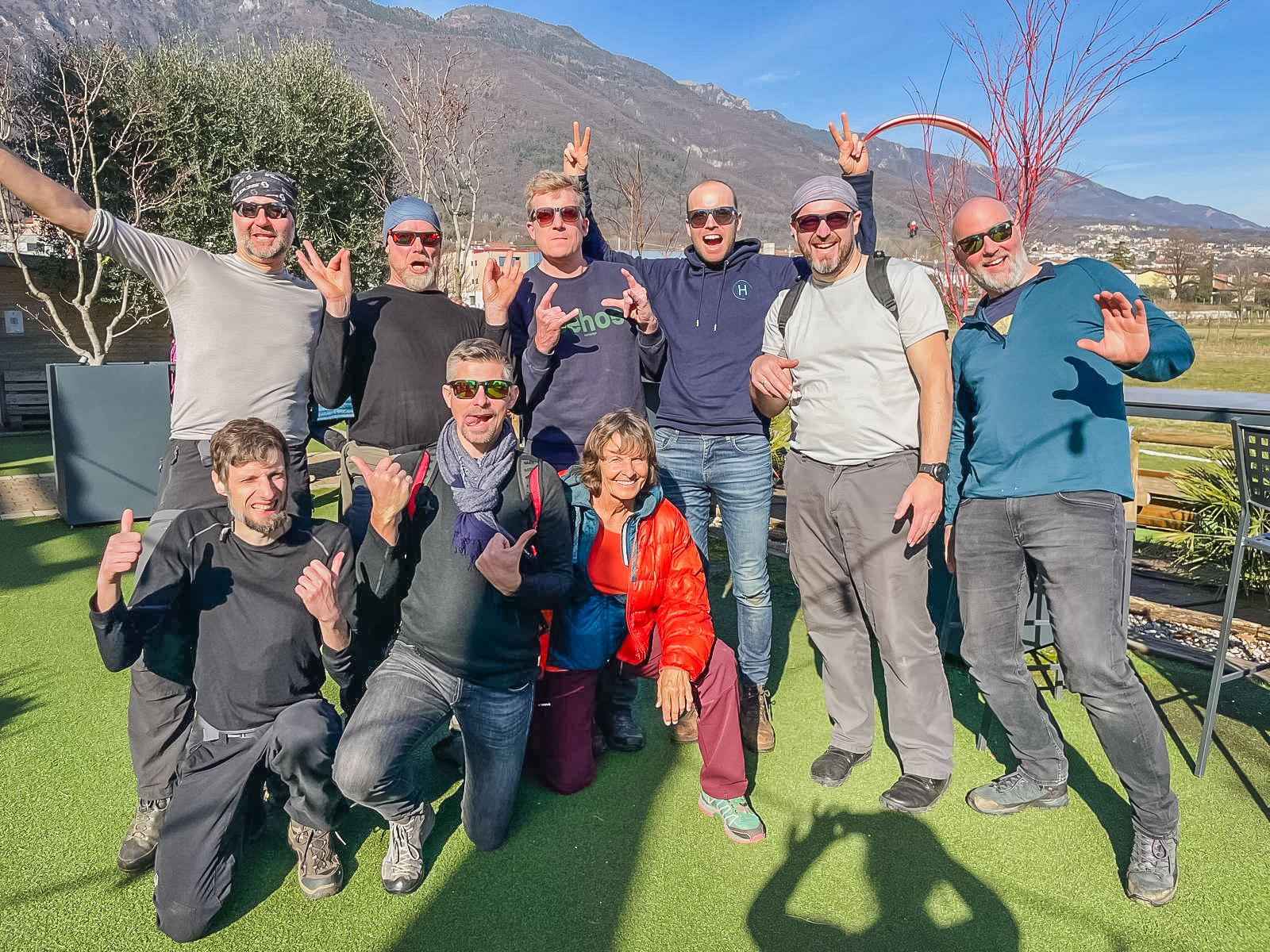
That week was incredible! We had the best teachers—Jeff, Christa, and Robin from Airsport. The weather was perfect for beginners, and our group was eager to maximize our flying time. The result? Seventeen solo flights in just one week! We practiced many safety exercises and built our confidence and wing-handling skills step by step.
Why Treviso and Bassano del Grappa

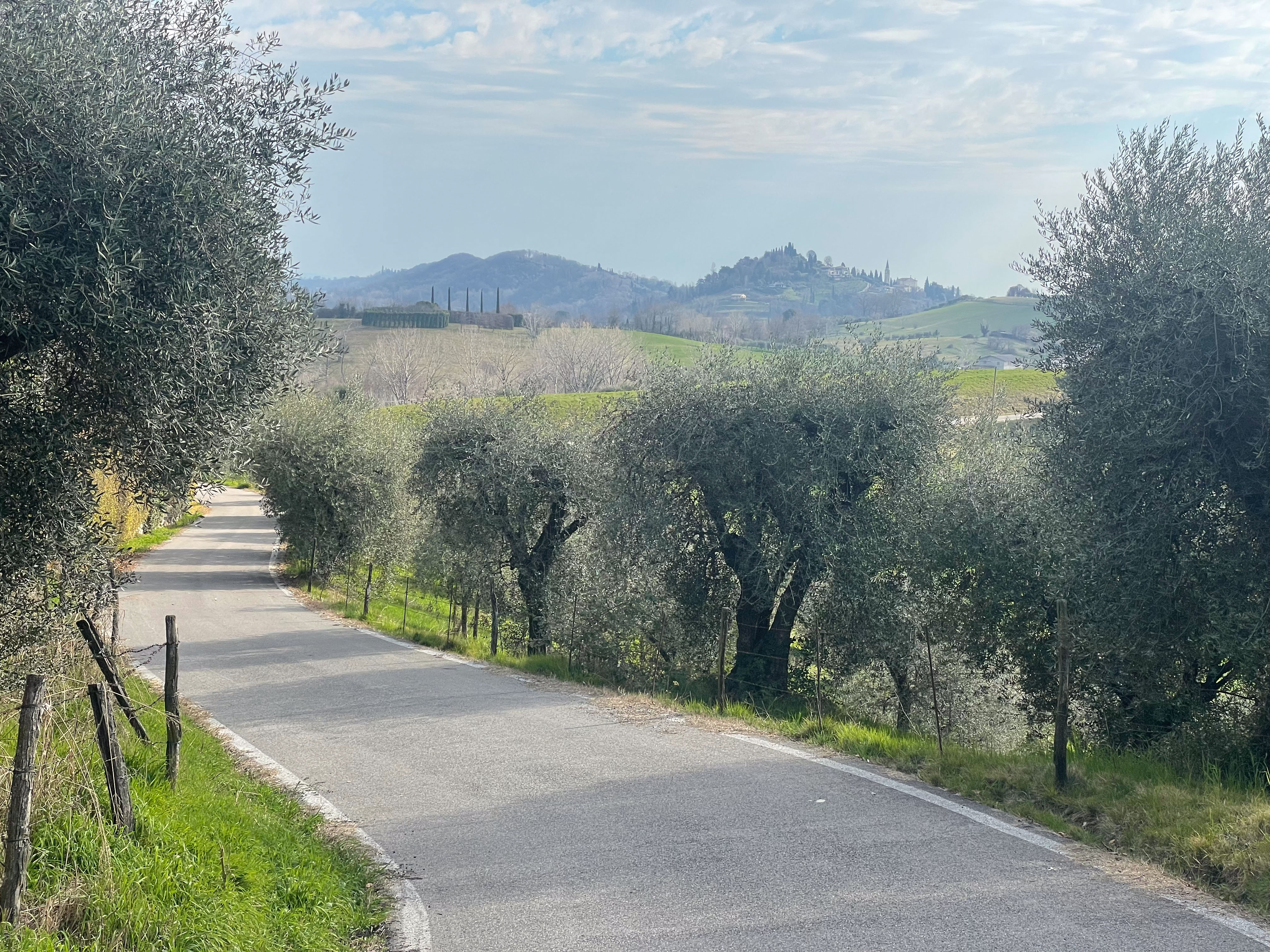
Treviso, near Bassano del Grappa, is an ideal spot for learning paragliding. It’s popular with schools year-round due to its good weather conditions and four different take-off locations catering to different skill levels and two major landing sites. Our flights started at Decollo Metri 700 and Tapetti take-off.

Paragliding inspiration

Practical Tips

  • Schools: Multiple schools offer paragliding lessons here. Ensure you choose one that teaches in a language you’re comfortable with. Airsport and Paragliding België Holland are great options if you’re based in Belgium or The Netherlands and speak Dutch.
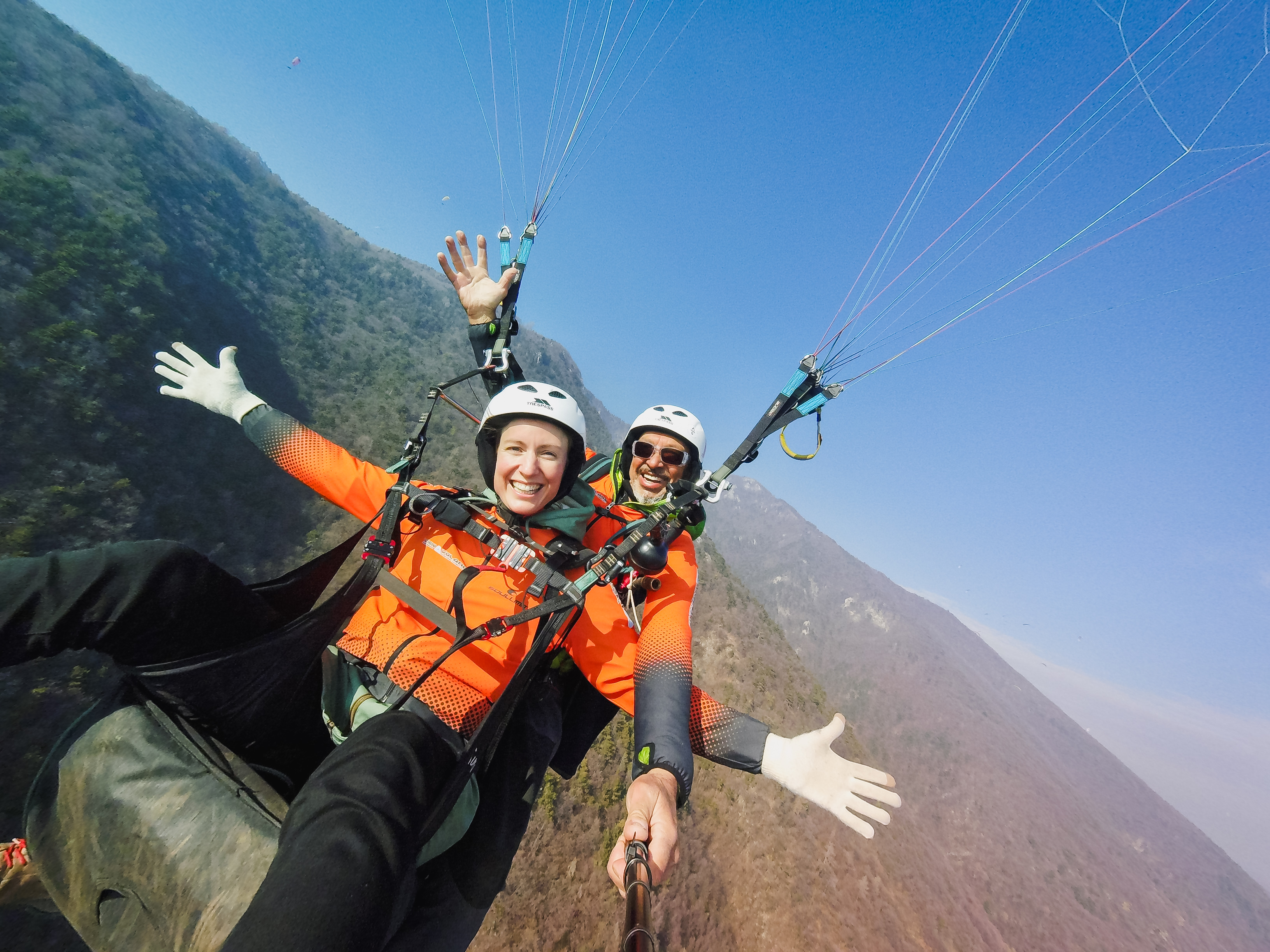
  • Duo flights: While Tine was not taking a paragliding course, she could just book a duo flight on the spot by asking around and enjoy the views and thrills of flying as well.
  • Transport: We carpooled with the Airsport school van to reach Bassano del Grappa. On the way back, I took the train from Bassano del Grappa to Milano, then to Paris and Brussels. Be prepared for last-minute changes based on the weather, with final decisions made the Wednesday before departure.
  • Accommodation: We stayed at Tillys Locanda, a cozy place aligned with our paragliding school. There’s also a campground for campers in the village and other good hotel options like Garden Relais.
  • Local Logistics: A van is necessary to transport to the different starting locations. Some paragliding spots in Spain, France, and Switzerland offer cable cars to return to the top, making it an even more environmentally friendly sport.

Additional Activities in the Region

We visited in February, and the weather was fantastic. Besides paragliding, the surroundings are perfect for:

  • Hiking: Beautiful trails for all skill levels.
  • Cycling: Scenic routes through picturesque landscapes.
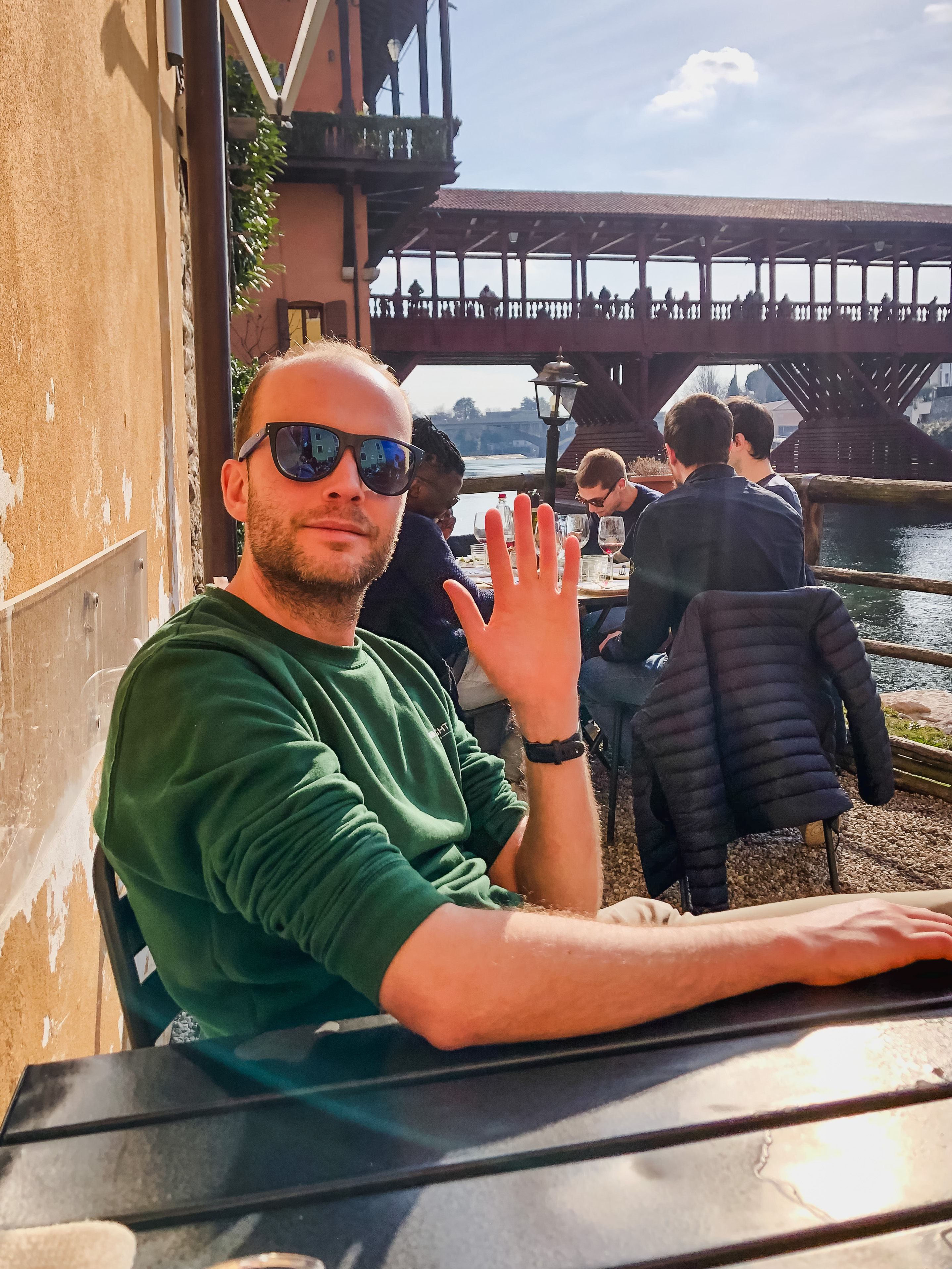
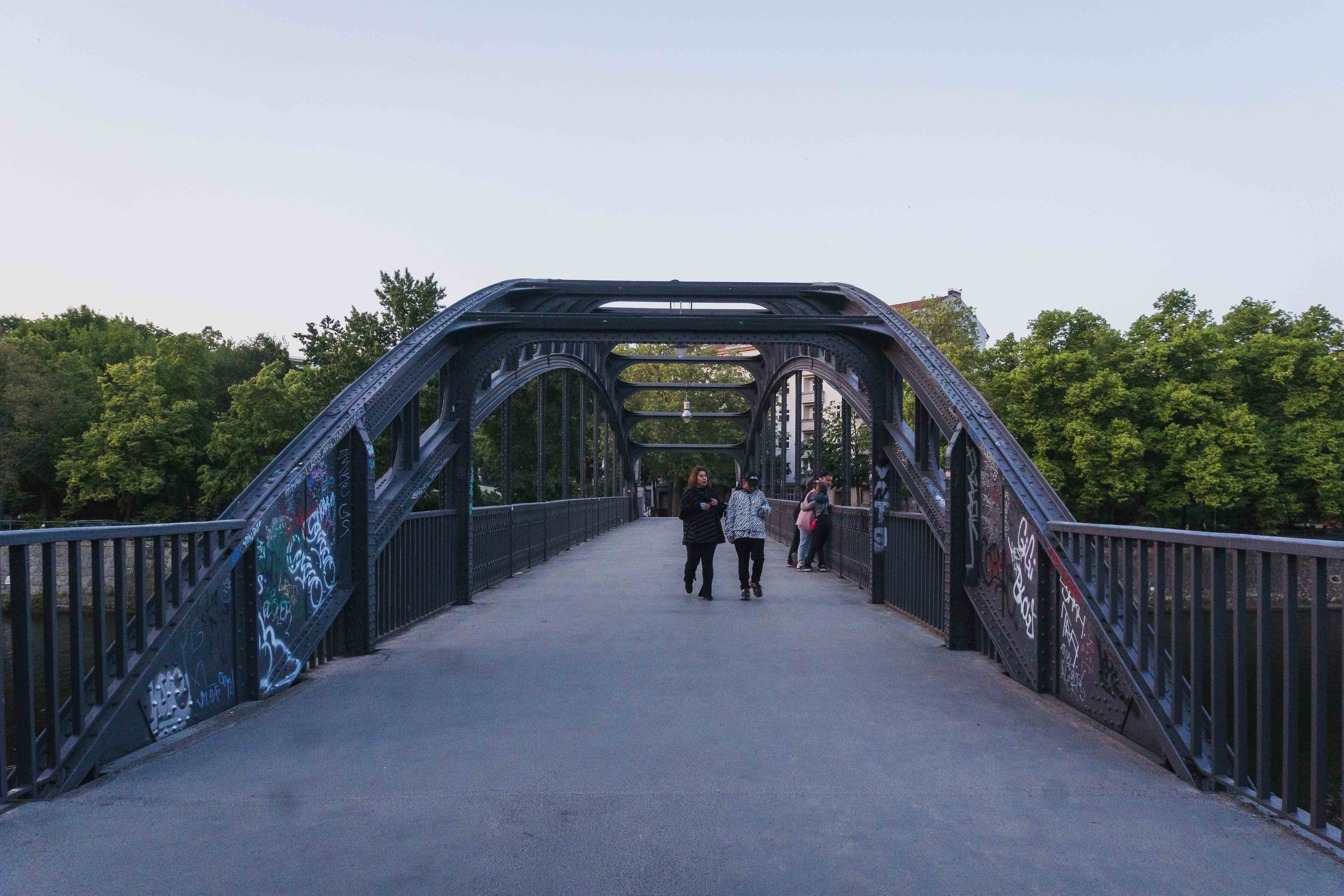
  • Culture: Visit the iconic bridge of Bassano del Grappa, the Palazzo Roberti bookshop and explore local historical sites. Have lunch on the terrace of Danieli.

We also combined this trip with a long weekend in Venice—stay tuned for another blog post on that adventure!

Discovering Sächsische Schweiz: Night Train Adventure from Brussels

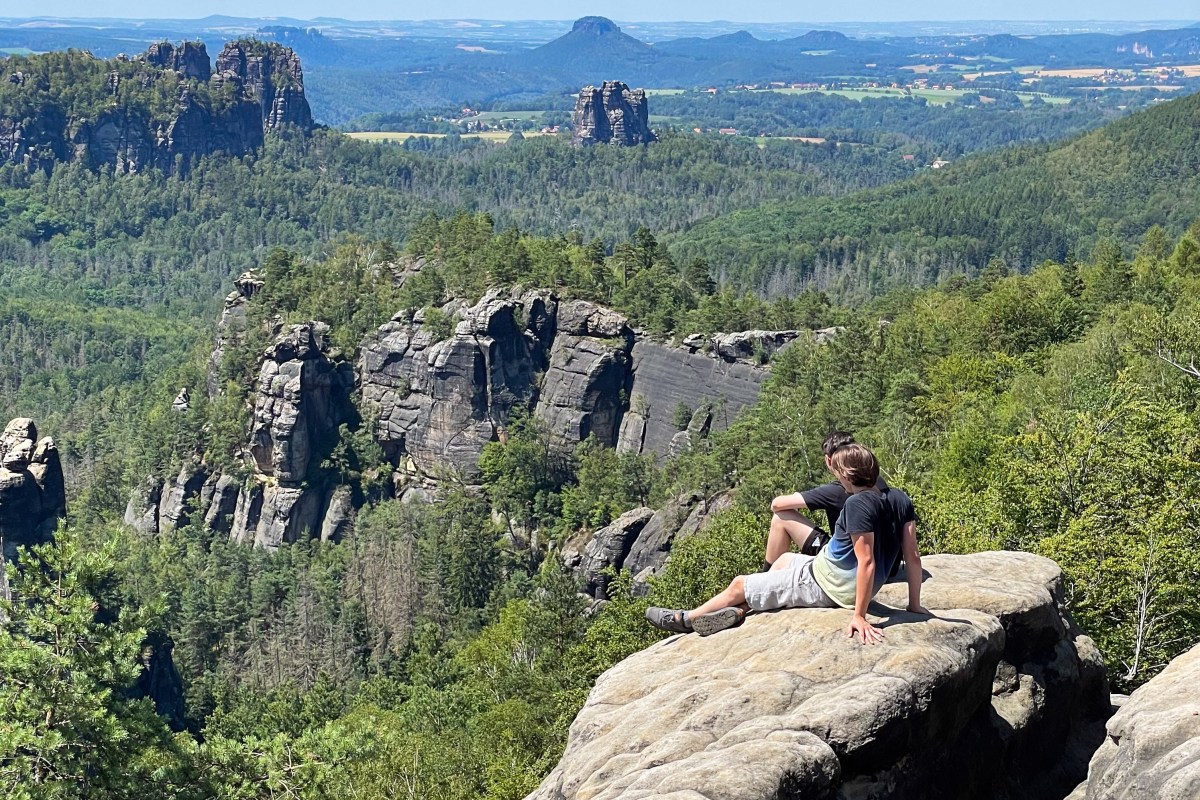
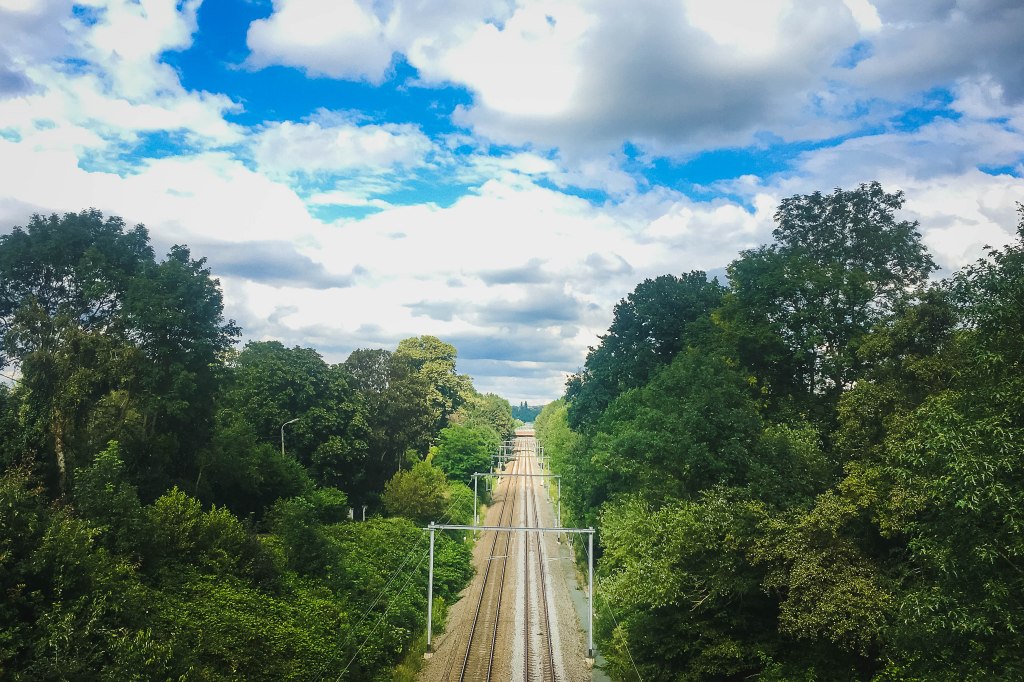
A couple of weeks ago, I discovered an impressive piece of nature only a night train away from Brussels—perfect for a long weekend trip immersed in breathtaking landscapes.

Have you ever heard about the National Park Sächsische Schweiz?

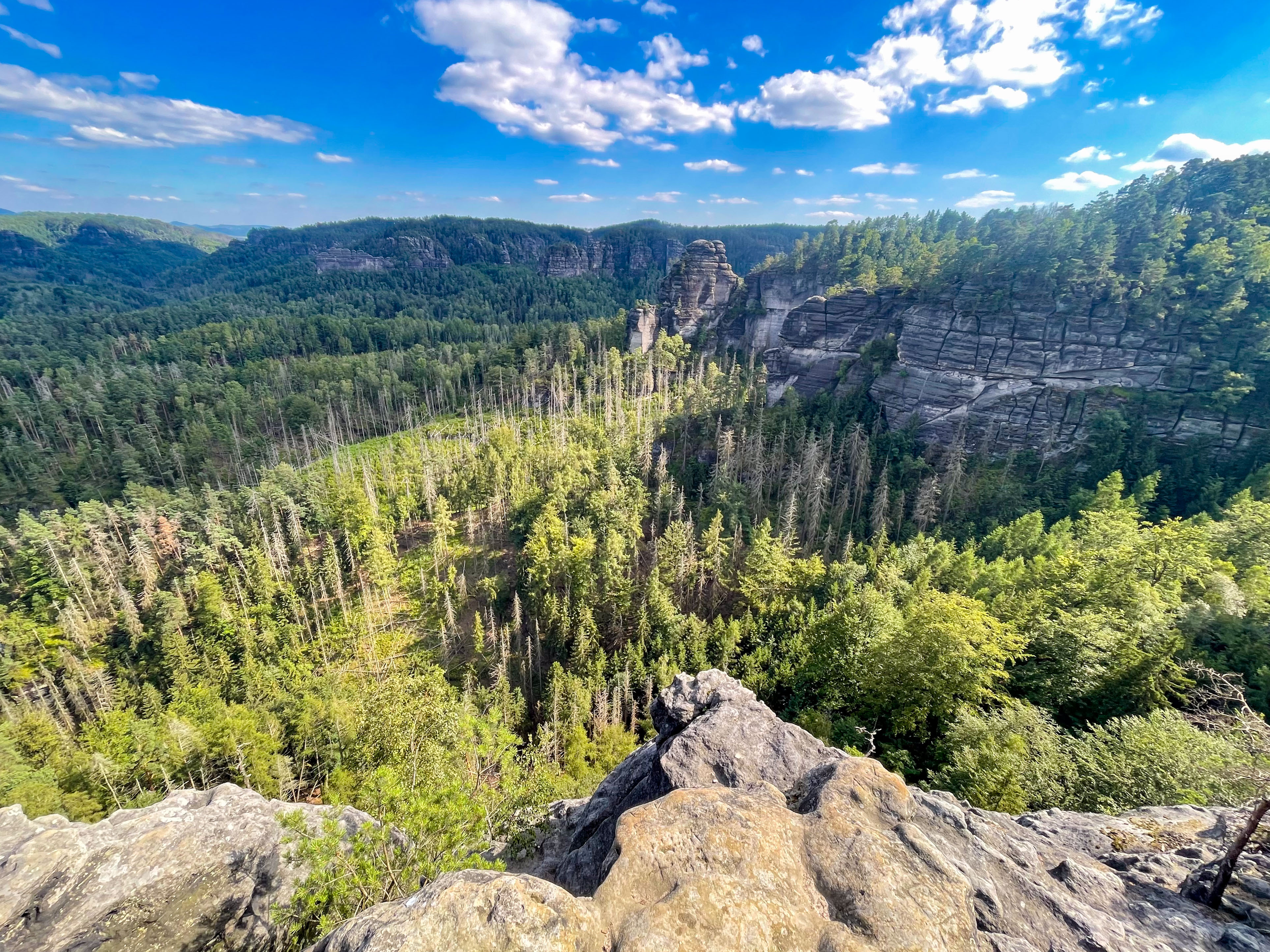
It’s a vast, mountainous forest filled with dramatic rock formations and stunning views at the German-Czech border. Let me take you there for a moment!

Family-Friendly Adventures and Thrilling Hikes

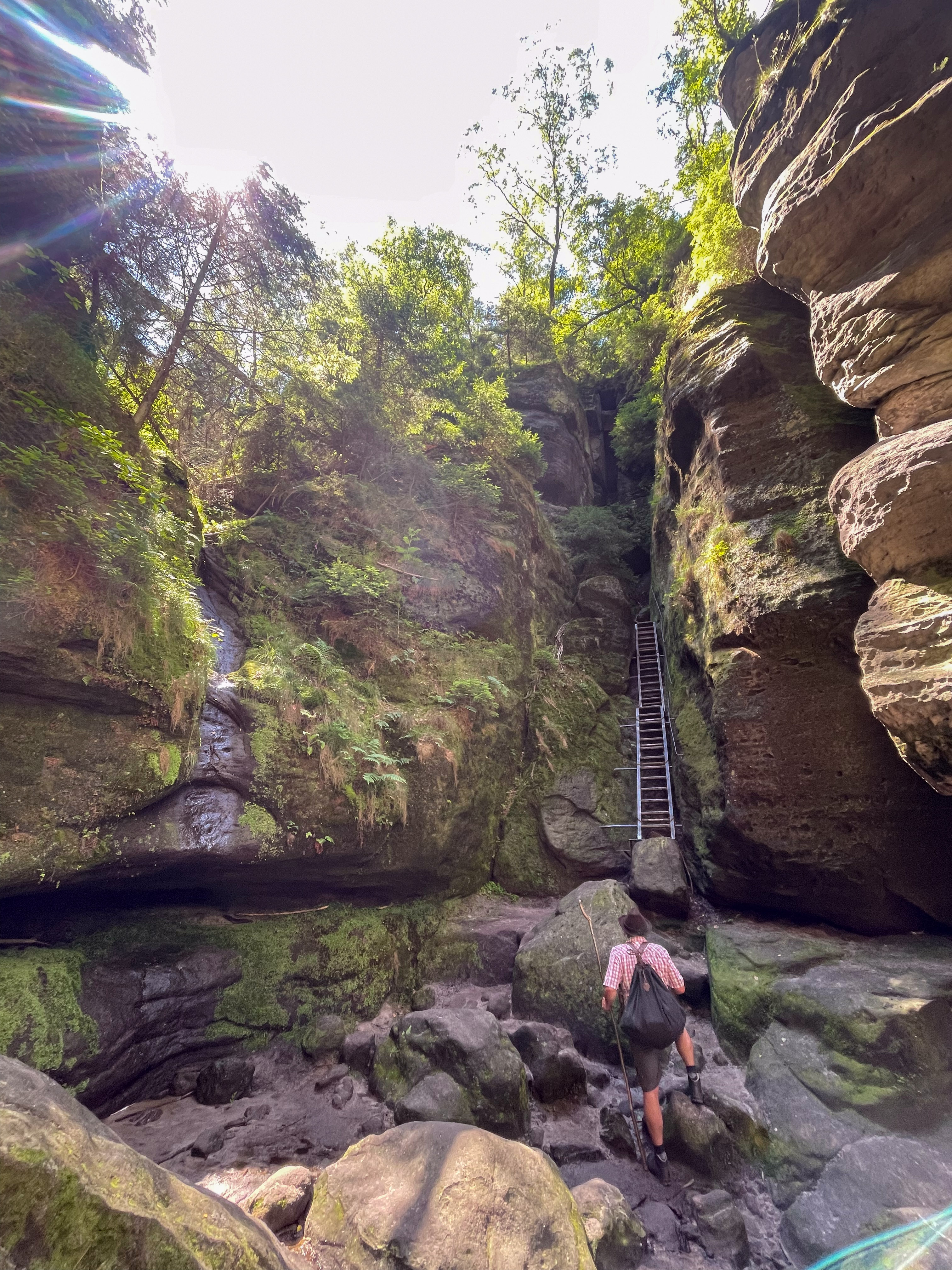
Visiting with Kids: There are plenty of charming, family-friendly routes to enjoy with the little ones. However, for those who crave adventure, I took a more challenging trail featuring metal ladders, narrow passages, and dramatic cliffs. No climbing gear is required! Here’s the GPX track I followed: Komoot Track

Safety Tips: If you choose one of the family routes, always keep your kids close, especially at the viewpoints. There are no fences, so hand-holding is essential.

Another great way to explore the park is by cycling—just remember to park your bike and take small hikes to reach those breathtaking viewpoints.

I took the walk during a Tuesday in June and was hoping to refill my water at a bar in the park… but found a closed door. Quite a disappointment since I finished my water at noon and did a detour of an hour hoping to refill at the refuge that was closed.

My 3-Day Ecological Travel Itinerary

Day 1: Departure from Brussels

  • 19:22: Board the European Sleeper night train, heading to Bad Schandau.
  • Accommodation: I stayed in a 5-bed couchette for around €125-€150 one way.

Day 2: Arrival and Hiking

  • 08:30: Arrive in Bad Schandau and grab picnic supplies at the railway station or supermarket accross the water.
  • Hike: An 8-hour hike through stunning spots like Carolafelsen, Panorama Heringsgrund and Goldsteinaussicht.
  • Accommodation: Found a cozy €35 cabin including breakfast at Zur alten Schule. Cancelled my €150 hotel room—great value for money!
  • Dinner: Enjoyed a vegetarian 4-course menu at Bio-Restaurant StrandGut.
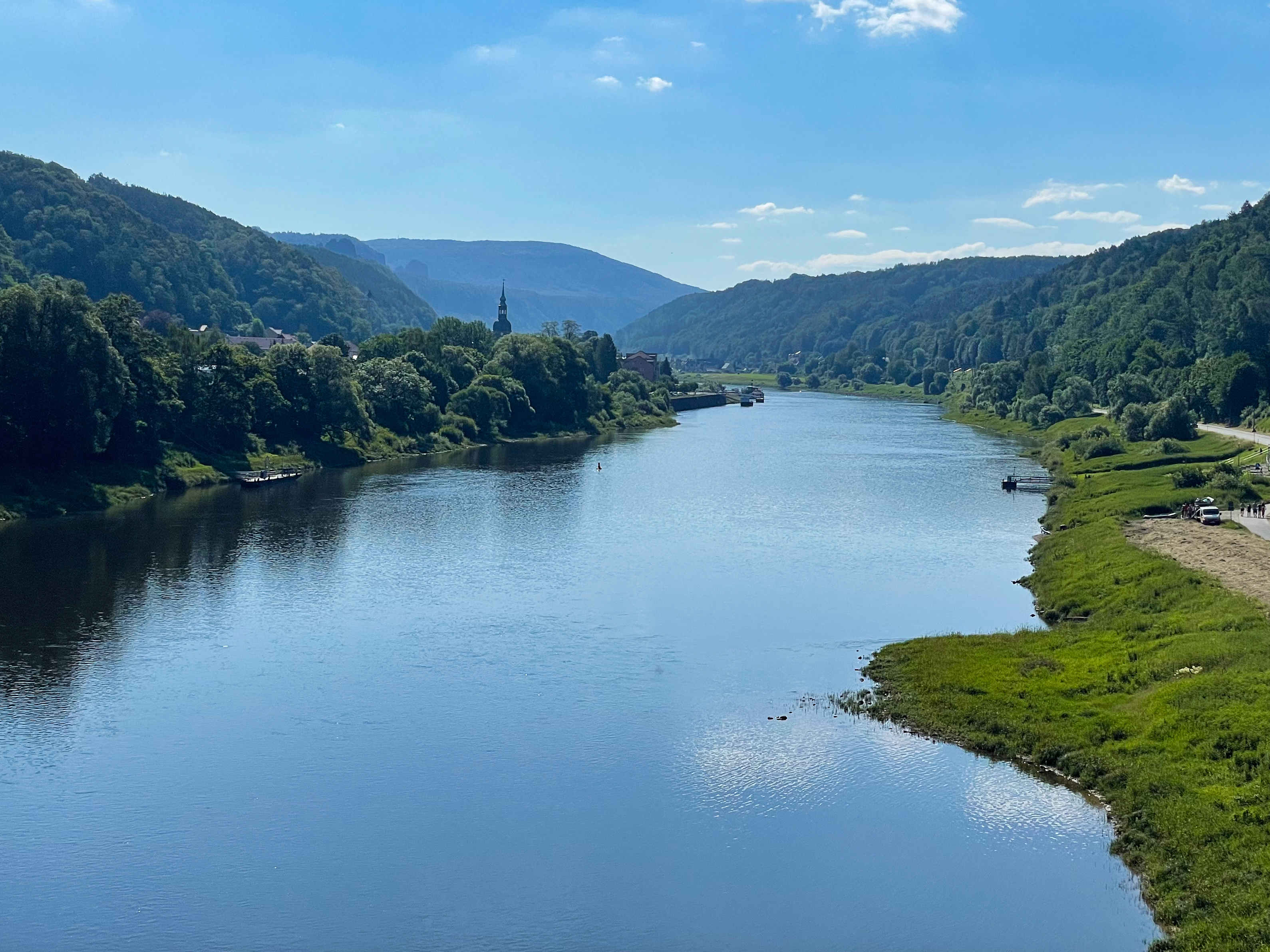
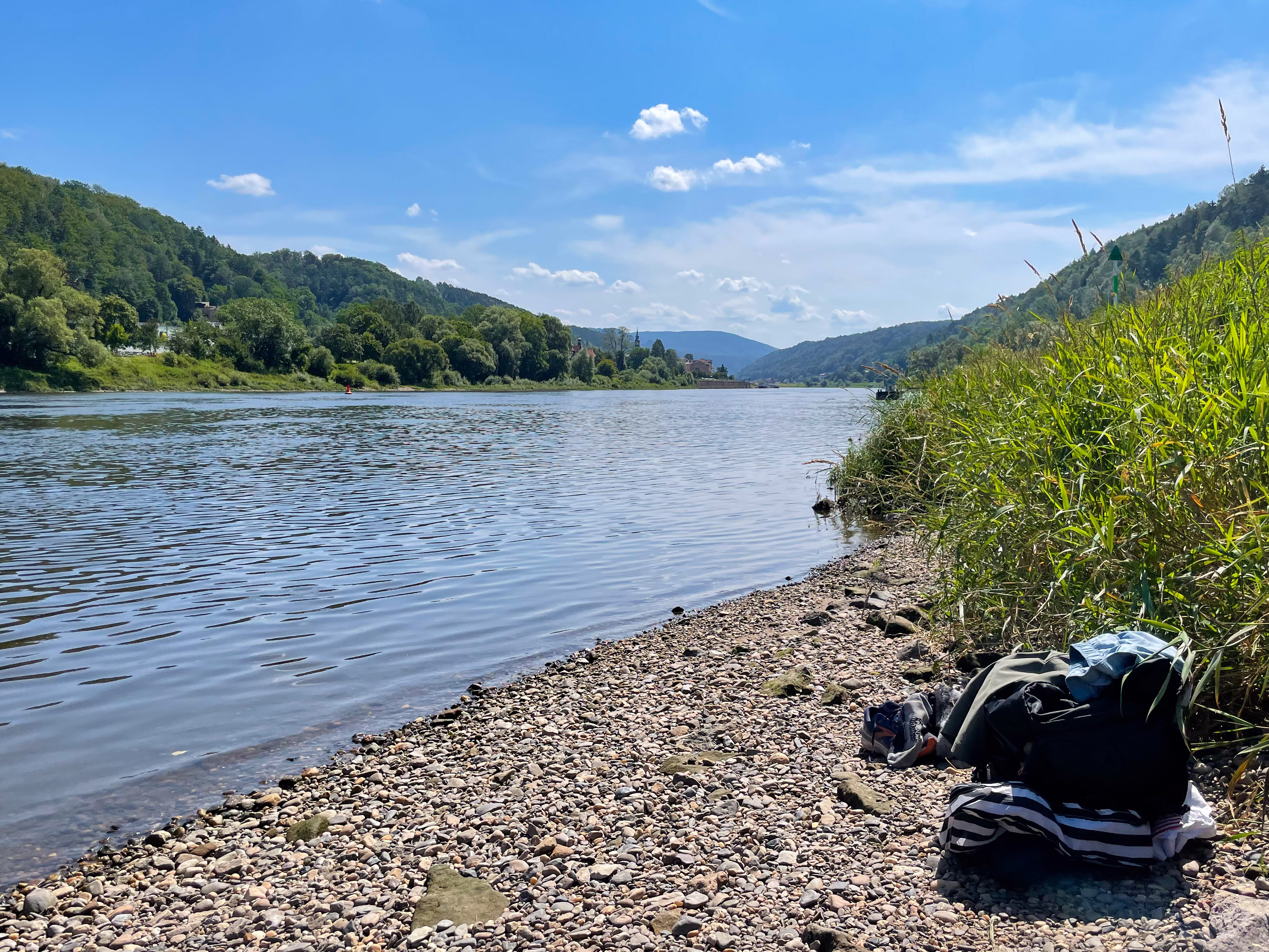
  • Swim: After dinner I took a swim in the Elbe a couple of meters downstream from where the little ferry leaves. Beware there’s quite some current, which can be dangerous… but also nice so you can swim against the current and stay in the same spot for as long as you want.

Day 3: More Adventures & Travel to Prague

  • Hiking: Explored more of the park, with options including hiking, canoeing on the Elbe, and the tram ride into the forest. I took the ferry to cross the Elbe and hiked for an hour and a half from Schmilka to Bad Schandau’s railway station where I started the journey.
  • Swim: To cool down before getting into the train, I took another swim at the small Canoe beach just in front of the railway station.
  • Travel: Took the train to Prague, but you can also return to Brussels at 19:59, arriving at 9:30 the next day.

Schmilka is a tiny but beautiful village positioning itself as eco-village. There are multiple biological hotels and restaurants, a biological educational garden along the Elbe, eco-sauna, and hot-tubs, … we found the concept to be very appealing. Nevertheless, most of the initiative is driven by one entrepreneur that supposedly owns 40 of the 80 houses in the village, where he made hotel rooms or houses for tourism purposes. Still, its inspiring to see the business model seems to work.

Night train to Berlin

Disclaimer: I’m definitely biased in this post 😉 since I have been working on Moonlight Express and for European Sleeper

If you’re looking for a cultural and fun weekend escape from Brussels or Antwerp: jump on the direct night train to Berlin!

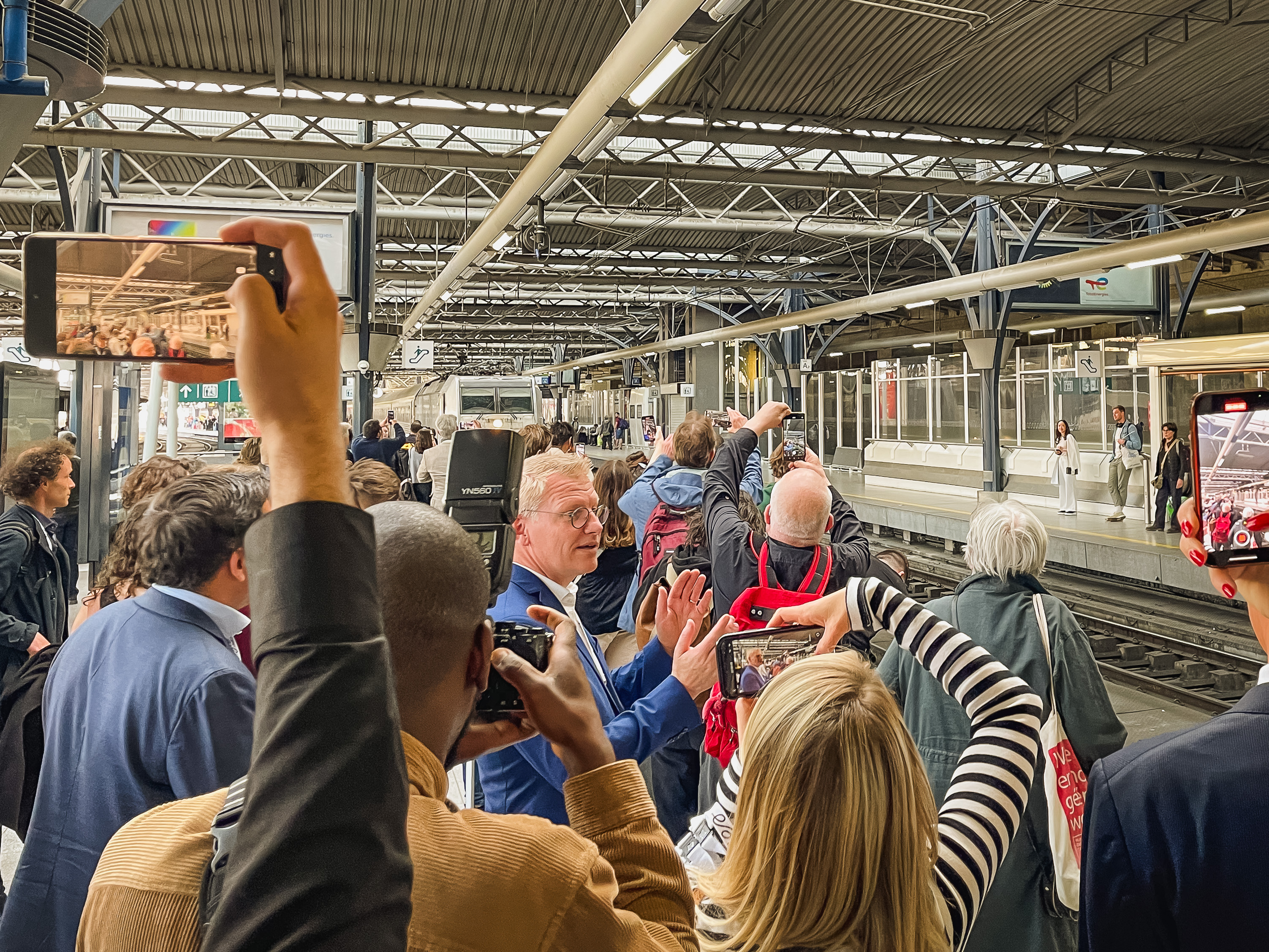
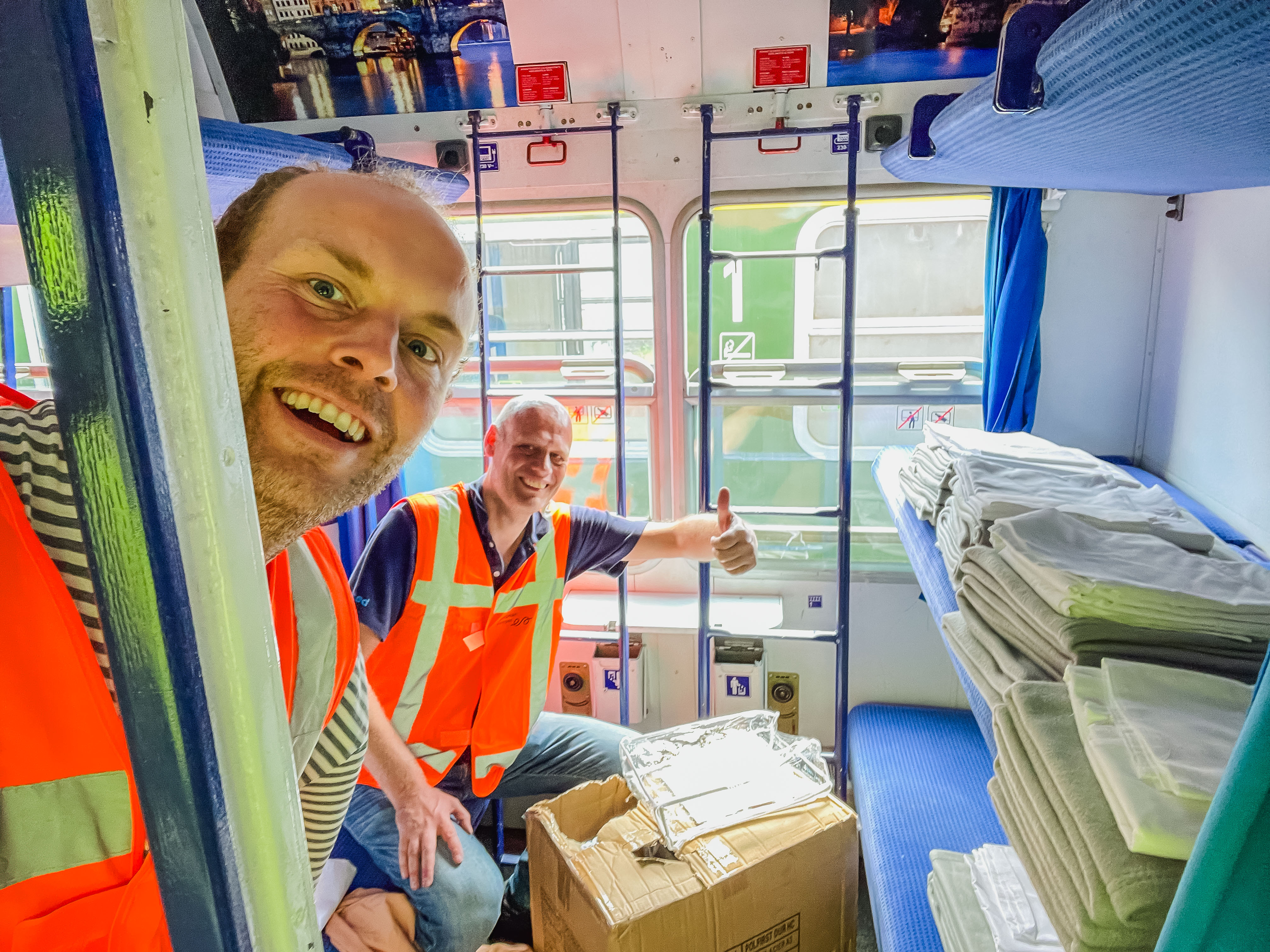
In May our night train from Brussels to Berlin started circulating. With hundreds of cooperative shareholders that contributed, the night train could finally start circulating on the 25th of May 2023. I traveled to Berlin to be part of the first trip, enjoyed Berlin for a couple of days, and helped a bit on the preparation of the maiden trip. To manage expectations, it’s important to know that the coaches are old, so the experience will be a nostalgic one rather than a luxurious trip! In the future, new coaches will be renovated and built for European Sleeper, but in the short term, these coaches are the only available ones.

If you’re planning to take this trip with kids and want to have our best tips & tricks, make sure to check out our article about train travel with kids.

It was not my first time in Berlin, so I did not feel pressured to try to see all the highlights. It’s fun to just do what you feel like and leave the rest for another trip. The places I hang around this time:

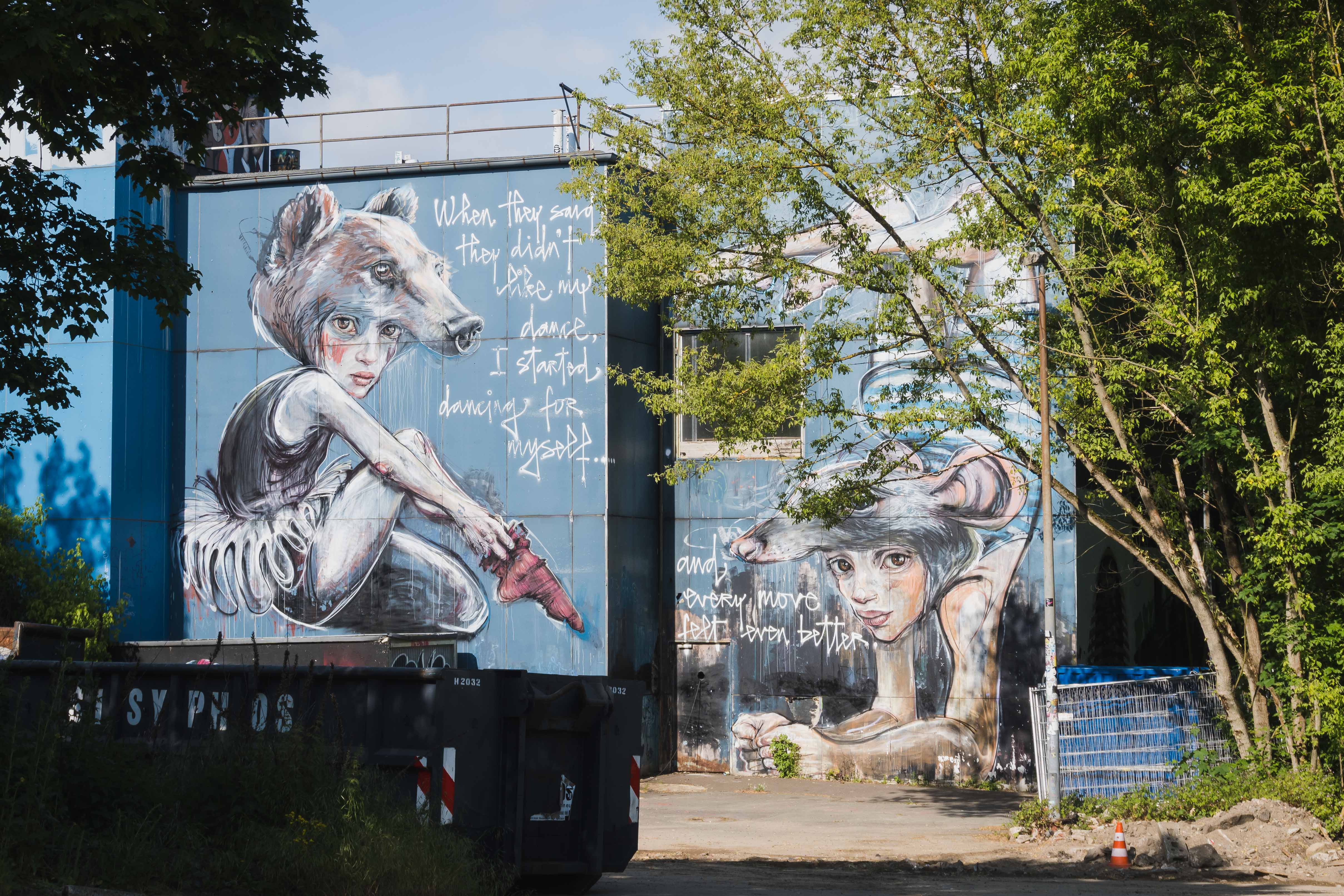
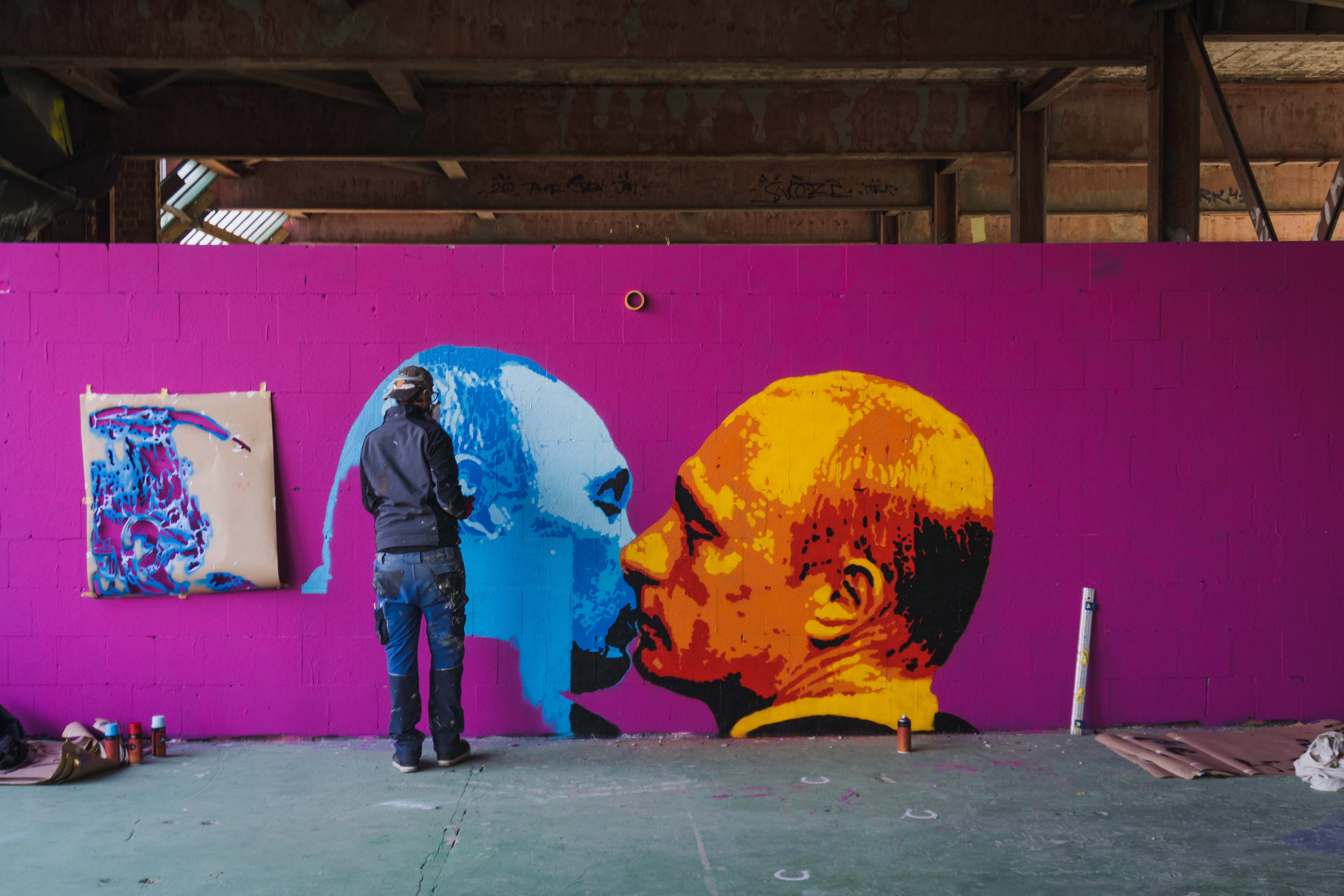
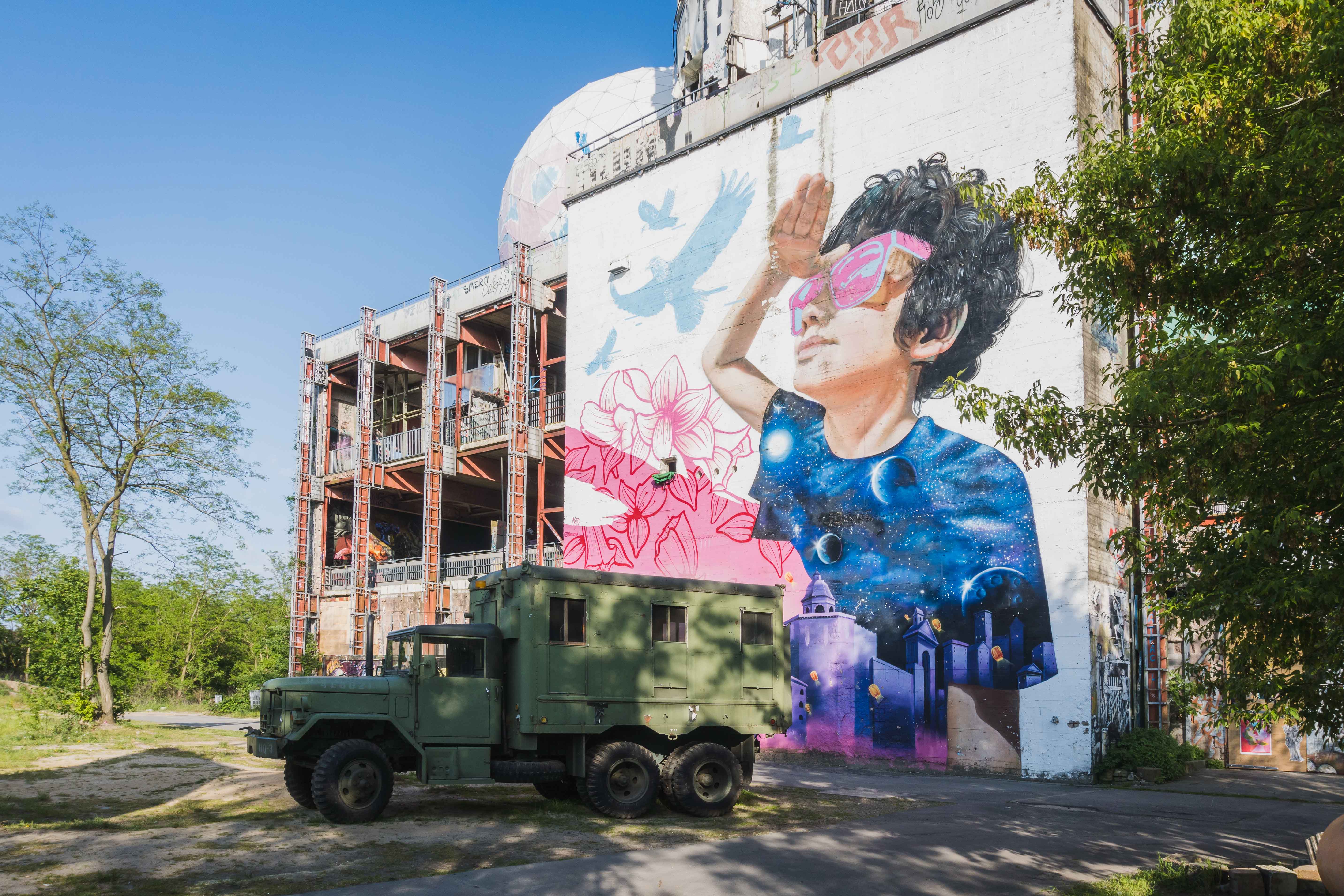
  • Climbing Teufelsberg – a beautiful hike in nature, climbing a mountain built based on the debris of World War II. On top, you can access the old military buildings full of graffiti (access for 5 euros)
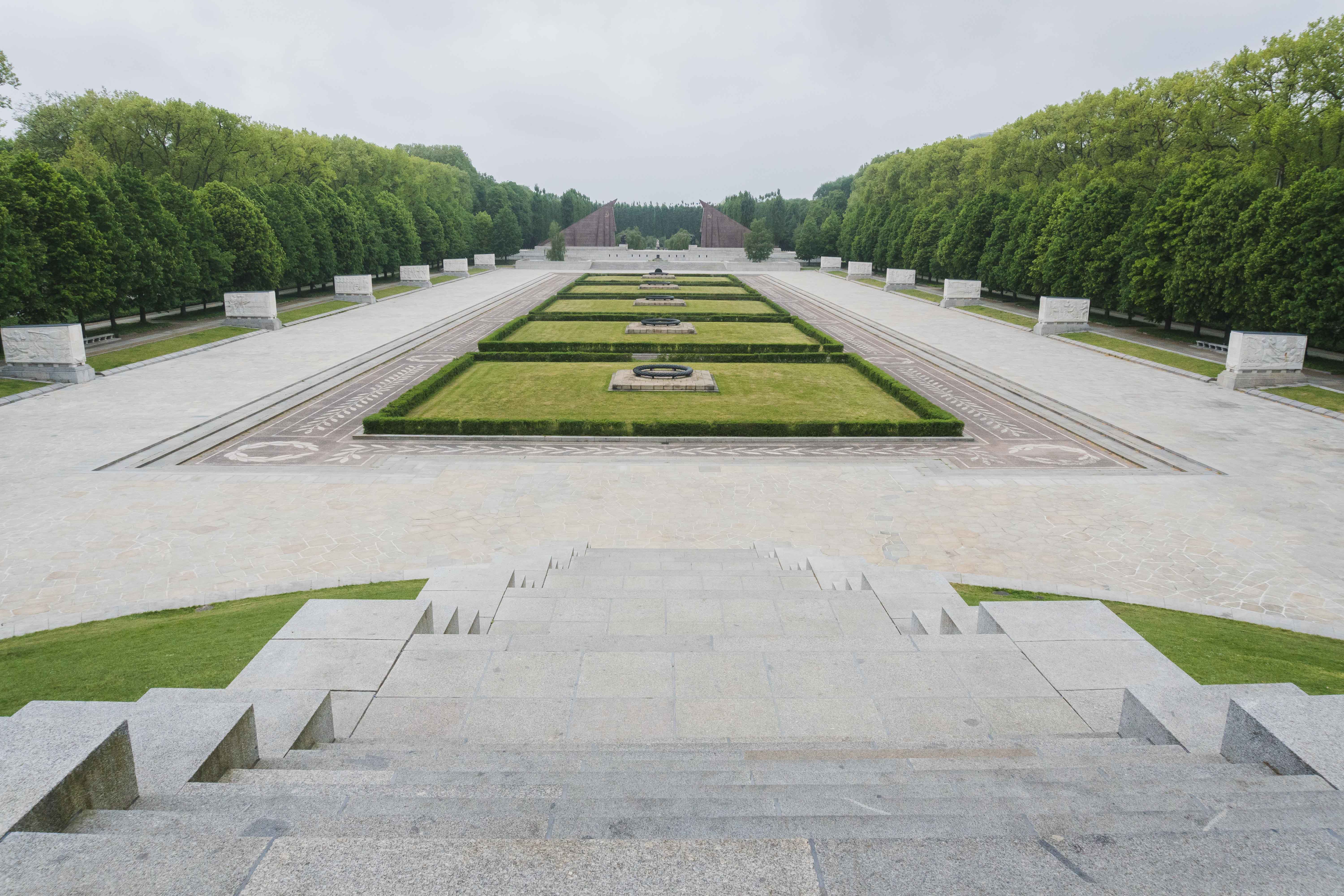
  • Soviet War Memorial Treptow – a free guided tour through the impressive soviet memorial with Guruwalk
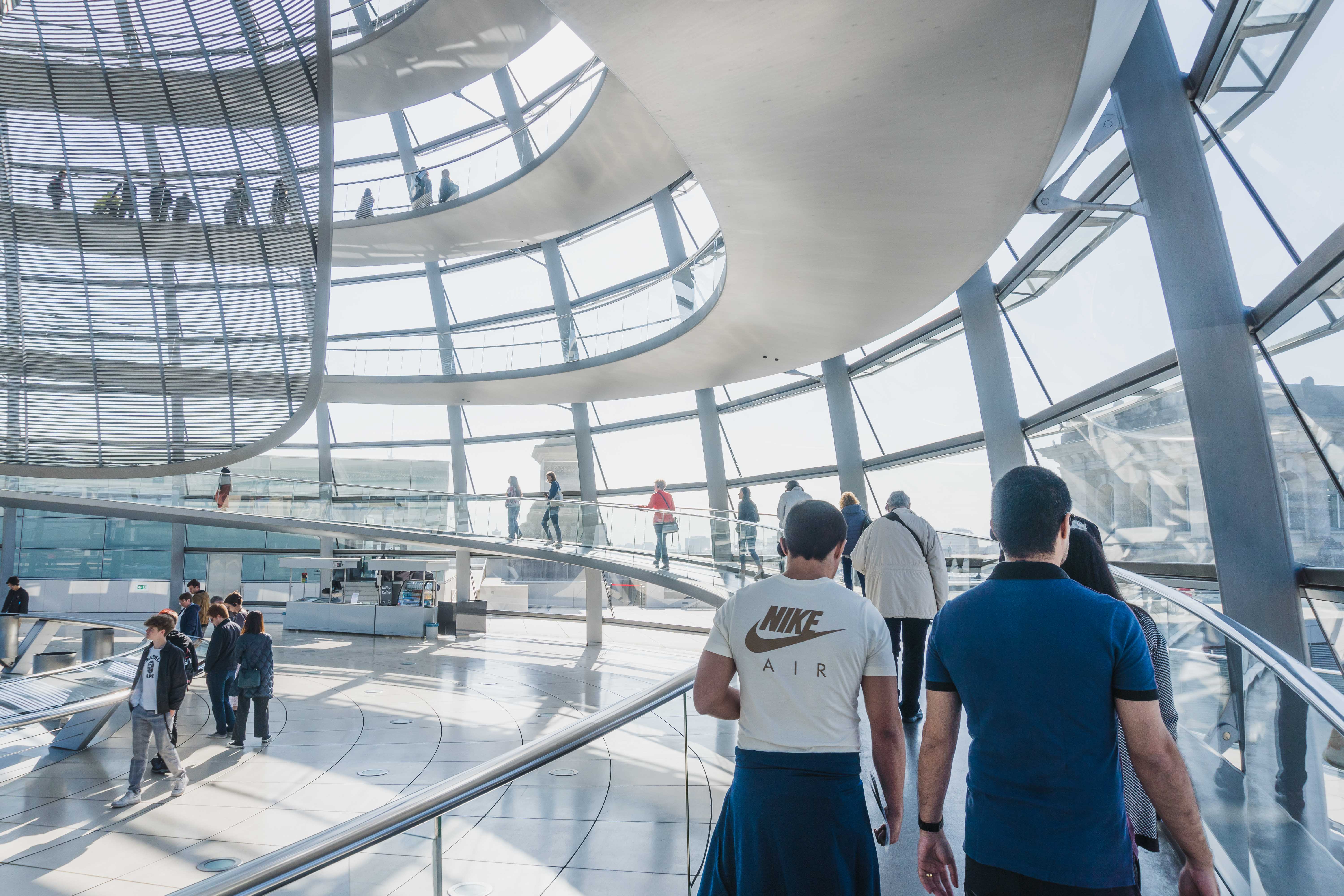
  • Reichstag – Free visit to the rooftop for impressive views, you do need to reserve online in advance.
  • East Side Gallery – Berlin wall
  • Museum island
  • Brandenburg Gate & Memorial to the Murdered Jews of Europe

While wintertime can be very cold in Berlin, the city is full of incredible museums and restaurants so that even on the coldest days you can still have an amazing trip. Of course hot summer weather is even nicer for enjoying the many parks, beer gardens, and nature around Berlin.

Just book a trip with European Sleeper and find out for yourself 🙂

Sevilla by train from Brussels

In September we attended the wedding of our good friends Victoria & Karel in Sevilla. The obvious transport mode would have been the airplane, have tons of delays and cancelations and arrive all stressed out. Instead we adventured the other option: going by high-speed train, enjoying the scenery of France, from mountains to the mediterranean and all the way south through Spanish nature. We read books, played with August, slept, ate our picknick, meditated, talked, played games and dreamed away…

The trajectory was simple but expensive: 275 EUR per person one way.

  • Brussels – Paris Nord (D1 – 29 EUR)
  • Paris Gare Lyon – Barcelona (D1 – 122 EUR)
  • Barcelona – Sevilla (D2 – 124 EUR)

We booked the trip via sncf-connect.com (where you should get a “carte avantage adulte” to get more discounts!). You can do this exact same trajectory in a single day, leaving Brussels around 6h30 in the morning and arriving in Sevilla around 22pm in the evening. The connections are tight but possible if there’s no major delays.

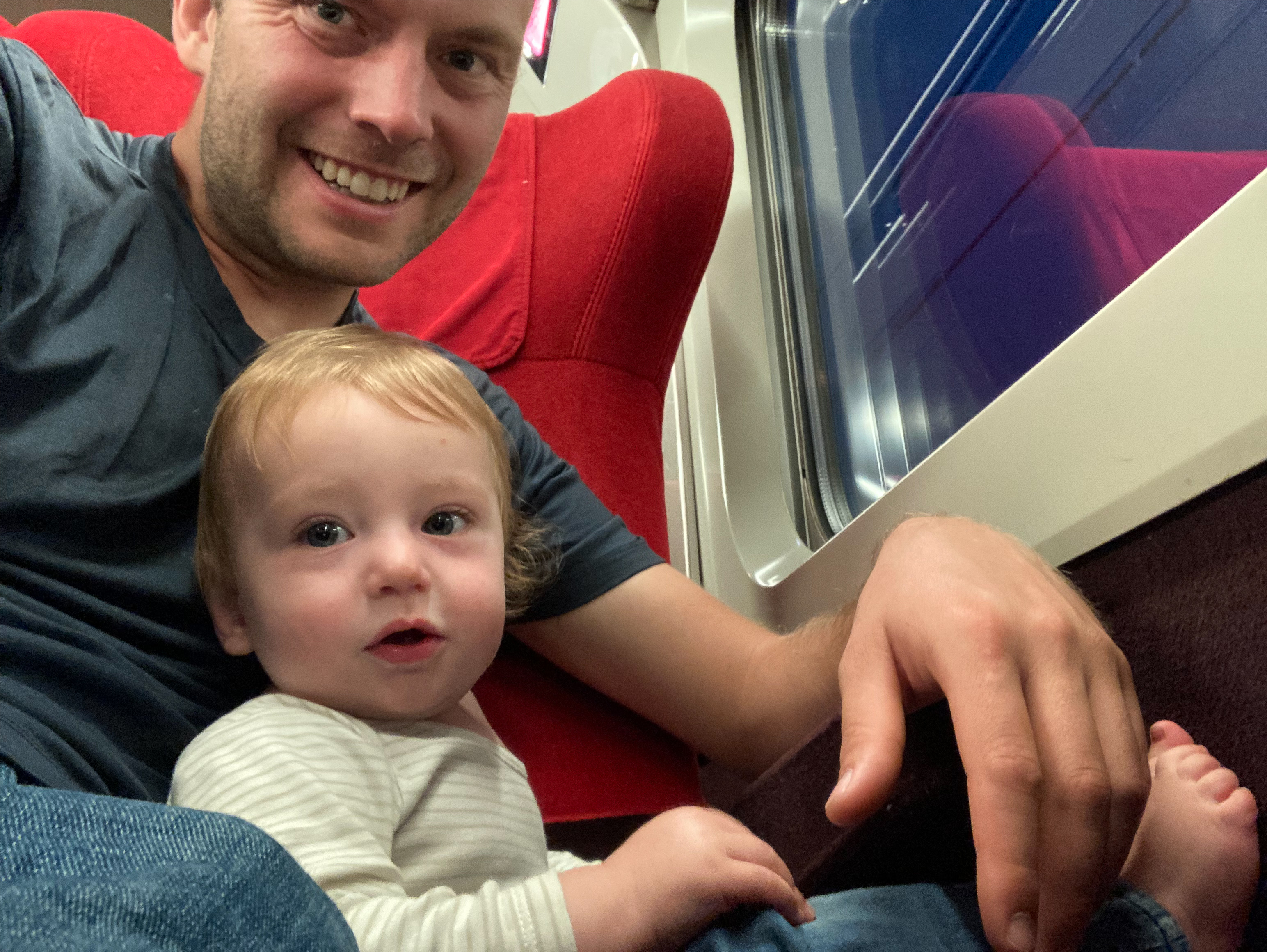
There’s also an option with a night train between Paris and Perpignan, but since we had August, our one year old baby with us, we chose to split the trip in two each time and stay for the night in Barcelona. It was a good opportunity for Tine to see some friends back and take a rest.

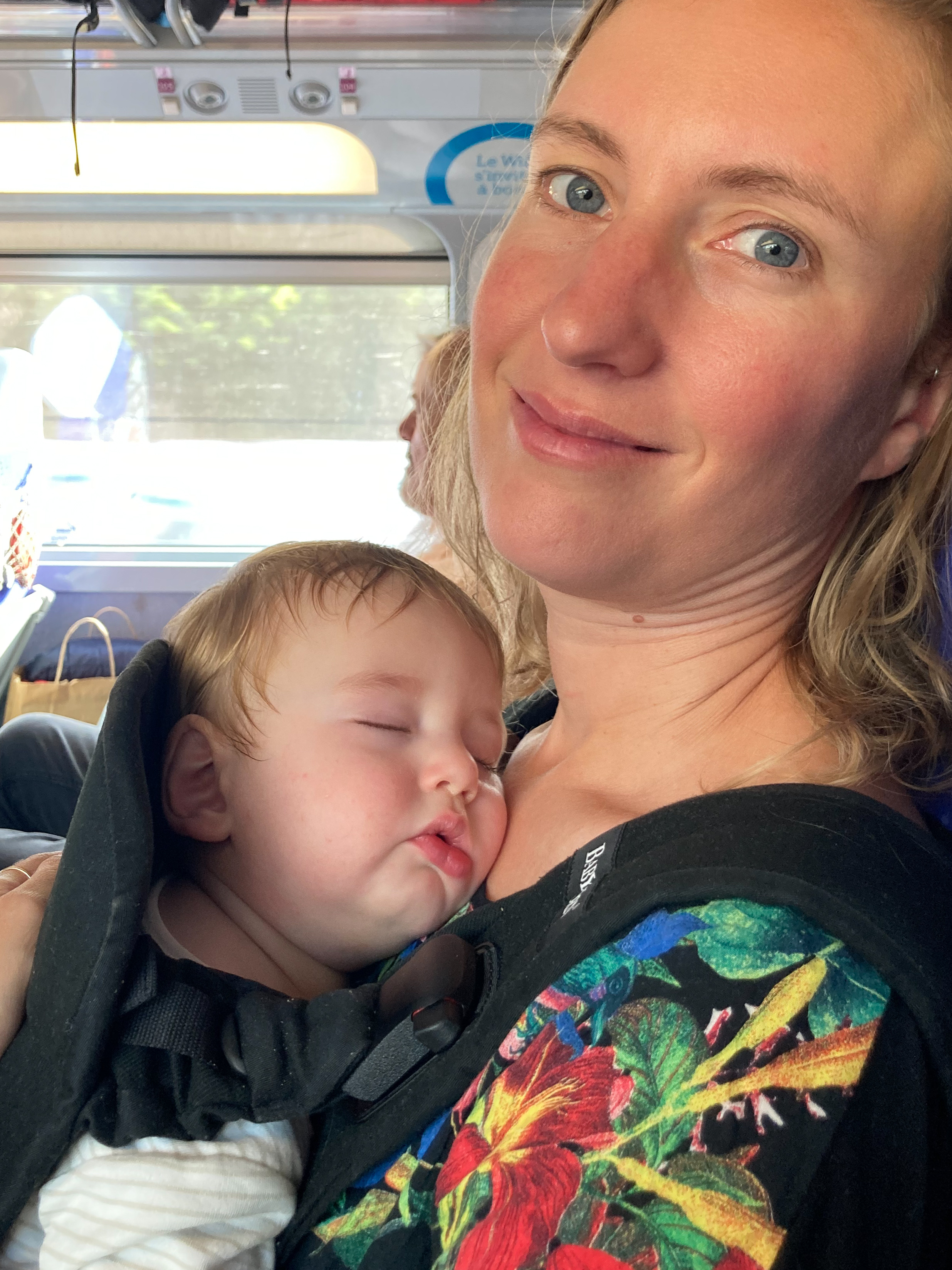
To enjoy the trip we took the baby carrier (draagzak) instead of the stroller. We spent a lot of time in the bar car where August could play on the floor with a couple of simple toys, or sleep in the carrier on our breast.

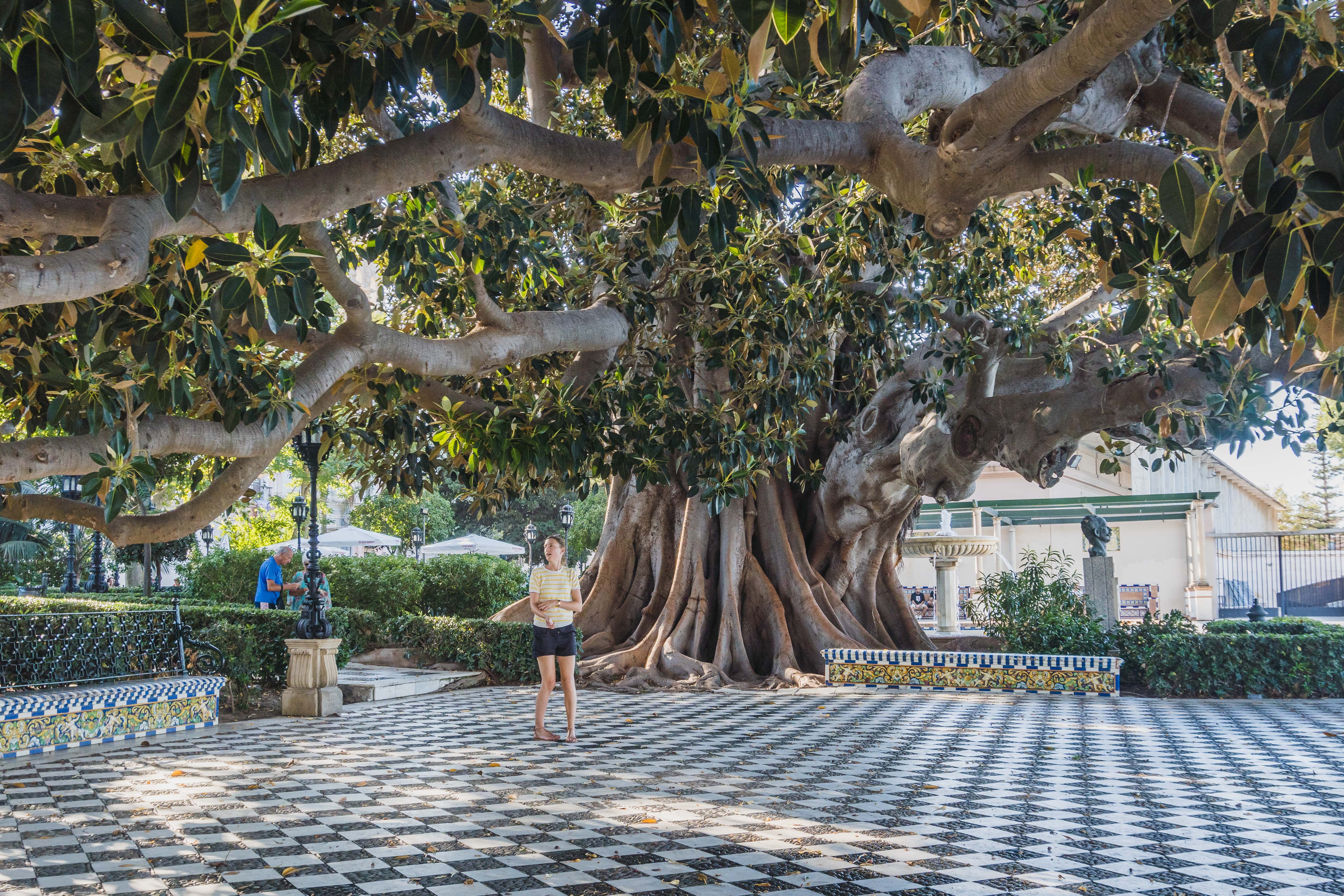
Since the journey was quite long, spread over two days, we decided to stay longer than just the weekend and added a yoga retreat in Suryalila and a visit to Cadiz. For those who enjoy veggie food, yoga and nature: this is heaven! We stayed in the glamping tents, did yoga every morning at 8am, enjoyed the best all-inclusive veggie buffet I have ever seen, read books by the pool, went for walks and just enjoyed life at its purest.

Our highlights in Sevilla:

  • Real Alcazar
  • Catedral de Sevilla (and the view from its tower)
  • Setas de Sevilla
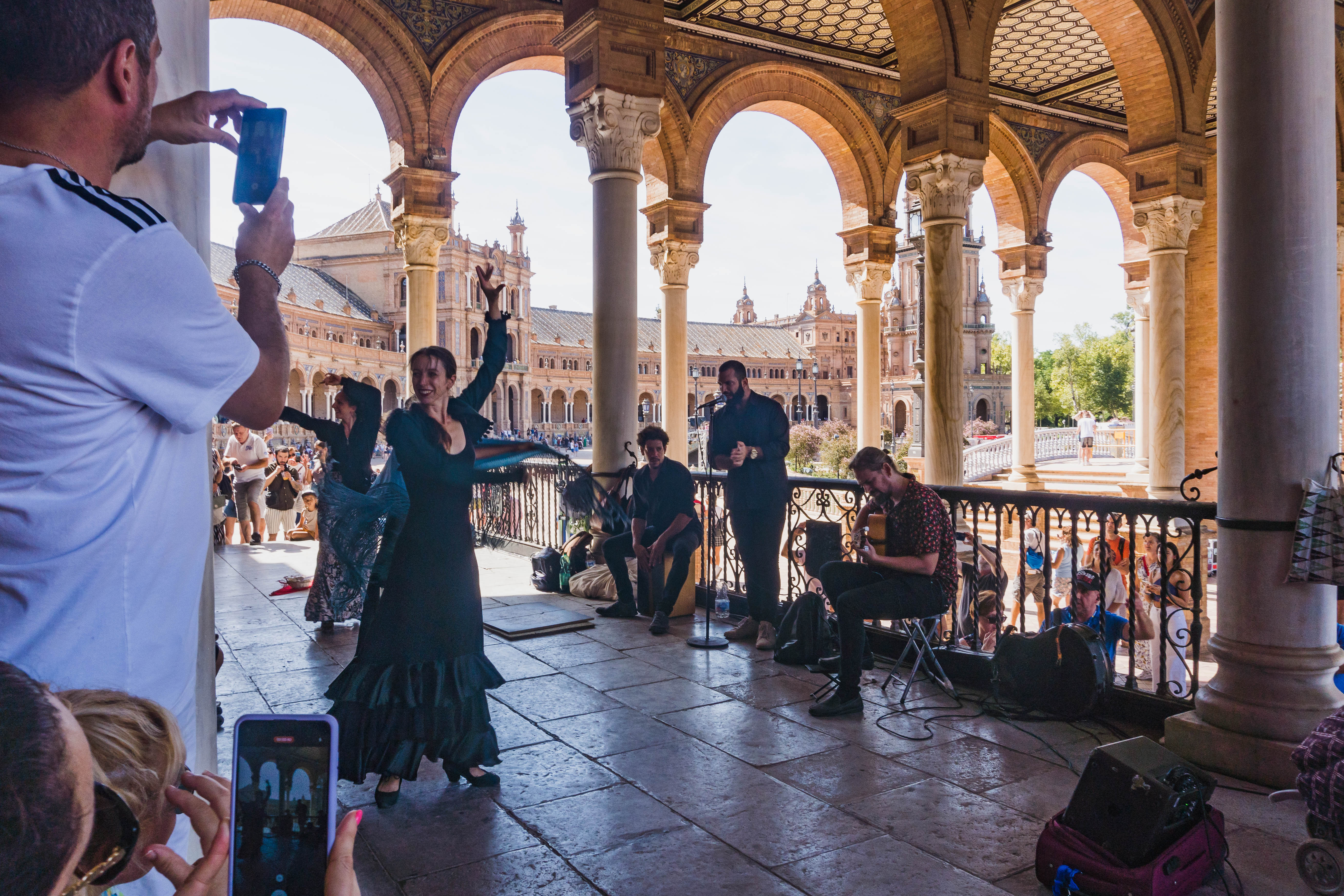
  • Plaza de Espana
  • Restaurants: El Disparate (& rooftop); Espacio Eslava

Our Highlights in Cadiz

  • Torre Tavira (amazing view and camera obscura guided tour)
  • Restaurante Contraseña
  • Breakfast in Restaurante Café Royalty
  • Jardines de Alameda Apodaca

For August we brought most of his stuff in our backpacks and bought extra milk and food in the local bio stores in Sevilla. To sleep we have a little 2″ baby tent that is way more portable than most of the travel beds for babies. We would certainly recommend this instead of a normal travel bed to anyone that likes to go on adventures. The baby carrier came in really handy, but when we arrived in Sevilla we did have a stroller that my parents brought along in their camper.

Stay tuned for our next adventure: The night train to Briançon with little August along… we are very curious ourselves if August will be able to sleep or will keep the fellow travellers awake all night…

Snow walk in Gedinne

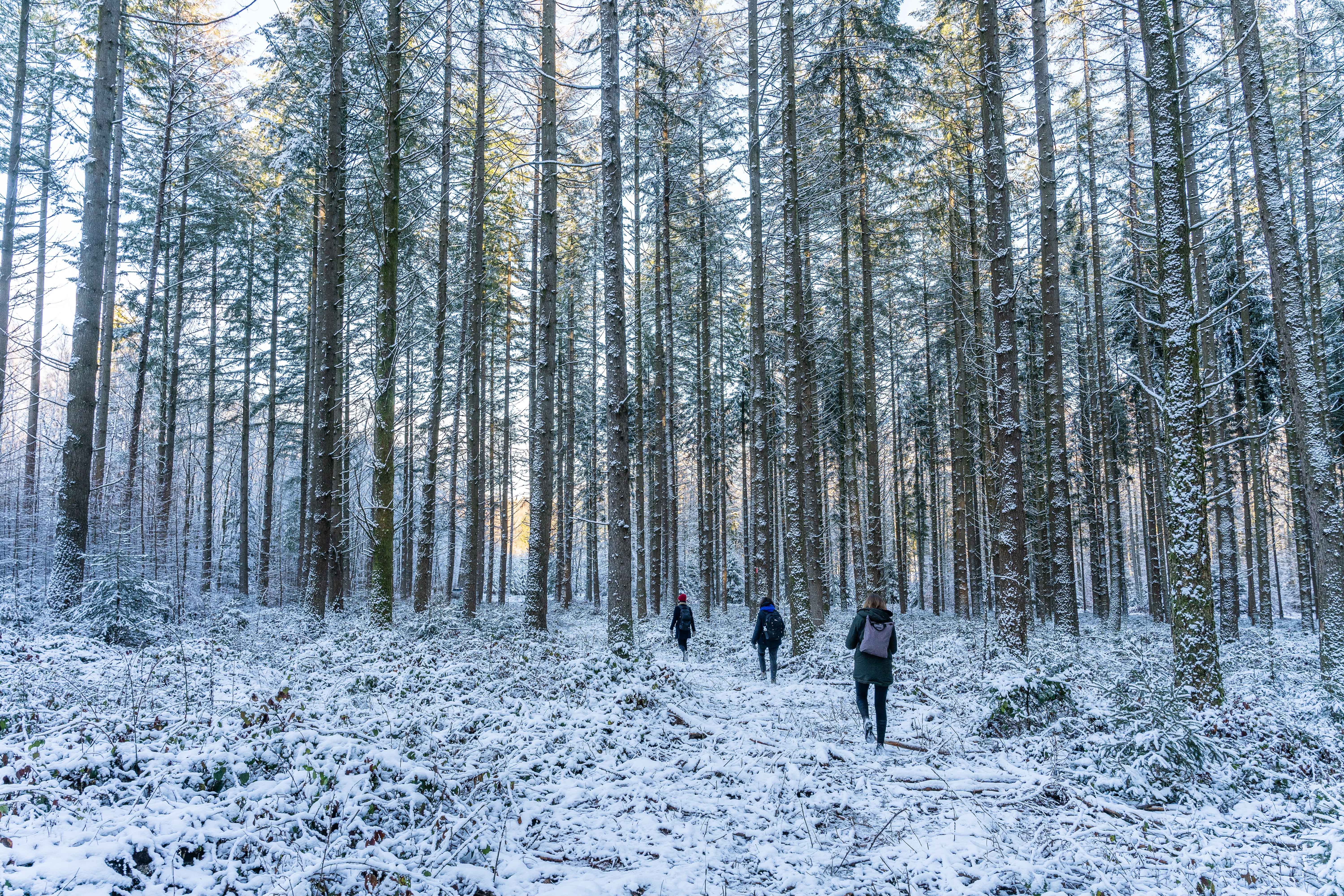
You want to go for a good hike in the woods (with or without snow)? You’re looking for the magic of the first snow in the Ardennes?

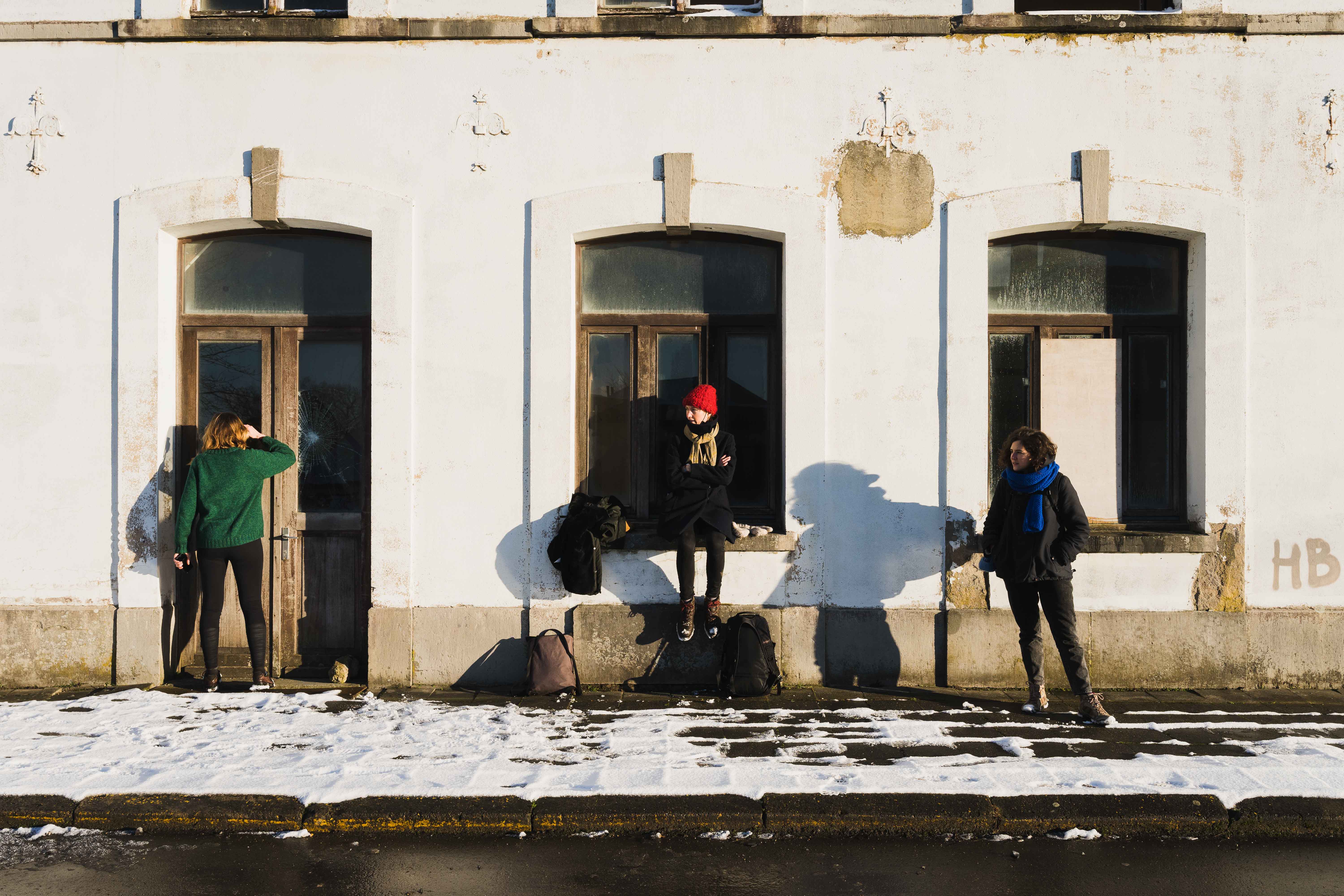
Chances of hiking in the snow are bigger the more you go to the South of Belgium. So in January earlier this year we took a train from Bruxelles-Luxembourg, made a switch in Namur and continued until Gedinne. The switch in Namur was just long enough for Carmel, Hanne and Tine to grab a coffee to continue our breakfast on the train while enjoying the view. The route between Namur and Gedinne is particularly beautiful with views on the Maas and Lesse. Even if you would not get off, it’s worth going just for the sightseeing part from the train.

When we arrived in Gedinne we started walking towards the East, following some small paths that were shown on Komoot (hiking app), towards the “Monument pour les morts de Maquis”. We just tracked time and made a random loop in the woods so that we could do a 3 hour hike and get back at the same station afterwards. It’s best to take a picknick, since we actually did not see a single restaurant or shop for the whole hike. If you make your tour bigger you could build in a stop at one of the gites around, but best to check in advance if they serve food at noon.

It’s an easy and beautiful trip. Make sure to buy the weekend ticket or your NMBS Multi card and prepare a nice breakfast and lunch picknick.

Office work in nature

Due to obvious reasons we’ve all discovered home working this year. Working away from the office gives all kinds of freedom that we never thought were possible, so let’s get the best of it. To find a place to work more effectively and alone I decided to look for a campsite at easy train distance from Brussels, and I immediately baptised it as my favourite working spot of all: Camping Les Murets.

With my camping gear, notebook and laptop I took the train from Brussels-North to Liege, and a quick train connection from Liege to Hony. From there it’s a 5 minute walk to the campsite. From door to tent it took me a big 1h30 only.

To give you an idea on my daily routine working there:

  • 7h30 wake-up + granola with fruit breakfast
  • 8h00 morning walk to the river, working on paper (structuring, brainstorming, making to-do list,…)
  • 9h-13h working on laptop on the reception terrace (with Wifi and electricity to charge phone or laptop 😉 )
  • 13h00 lunch / picknick (making a fresh salad, some canned fish…)
  • 13h30 hammock time taking a nap, reading a book, working on paper, going for a swim in the Ourthe
  • 14h-19h working on laptop in the hammock without wifi (and without distraction)
  • 19h going for a walk, run, swim in the Ourthe, find a restaurant or food
  • 21h read a little
  • Sleep – Repeat

For 11 EUR per night you get a nice plot of campground in nature, next to a swimming spot in the Ourthe, access to showers and bathrooms and a terrace with food and drinks. It’s actually cheaper per night than renting your own apartment in Brussels. The campground offers pizza’s, but at 20min walking there’s some other restaurants. There’s a GR walking route passing along the campground, so that will always make for beautiful hikes as a break.

If you know other similar working locations in Belgium, please let me know and I’ll add them to this post. Can’t wait for spring to come.

p.s. for those looking for an alternative career, the campground is for sale and still open in the meantime.

Brainstorm in nature

Imagine you want to do a good brainstorm on a new idea or startup. You want to do an offsite and combine teambuilding, meetings, brainstorm and some adventure. What do you need?

  • A notebook
  • A pencil

So why bother spending money and effort on all the rest? Take a backpack with the minimum and start walking along your closest GR route. And that’s what we did. Just keep walking.

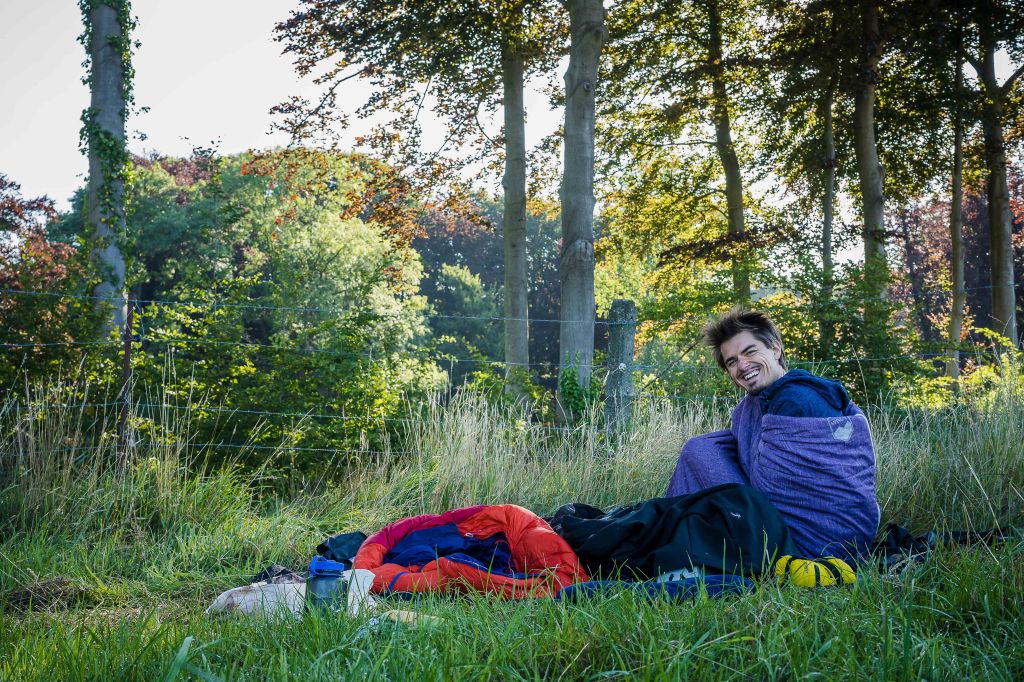
Our goal: take the first steps in launching a new night train operator. In our backpack: sleeping bag, water and some food. No tent, no mattress, no unnecessary fancy camping gear. We started following some signs in a park in Forrest (Brussels) on Friday. We stopped walking on Sunday afternoon somewhere deep in the nature south of Brussels.

Without any known destinations all that counts is the trip itself, so plenty of time to talk, sit down, take notes, challenge ideas, make some back of the envelop calculations and define next steps.

The process is so powerful that we actually decided that each new recruit we take on board should join us on a hike before we make any recruitment decision: a hike gives you time to talk, listen, think, see how a person behaves in challenging situations, how a person behaves in a team, etc.

The railway company is still under investigation. We are currently finalising the first business plan, have made the first good contacts in the industry, found good sleeping cars, a shortlist of potential investors and some very very passionate people willing to support building this dream: Travel slow, Feel every moment. The future of travelling happens overnight.

How to get lost on purpose in Flanders

To keep it fun we won’t tell you where we went for this trip. All you need to know is that we packed for 3 days and started walking from our apartment in Brussels. The rest was just purposefully getting lost in Flemish nature along the GR routes.

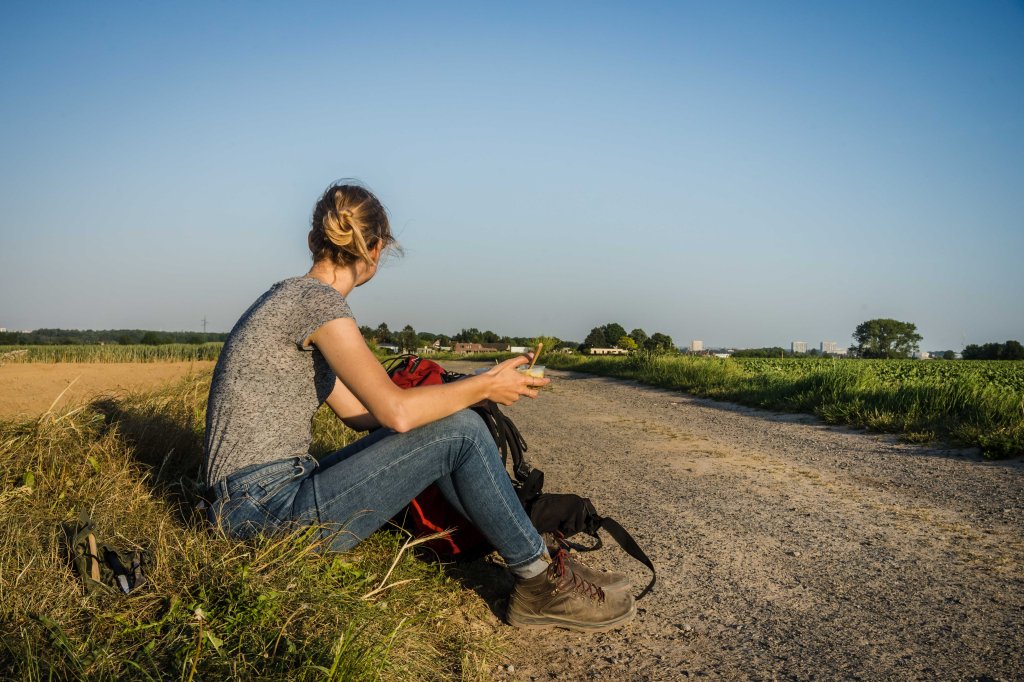
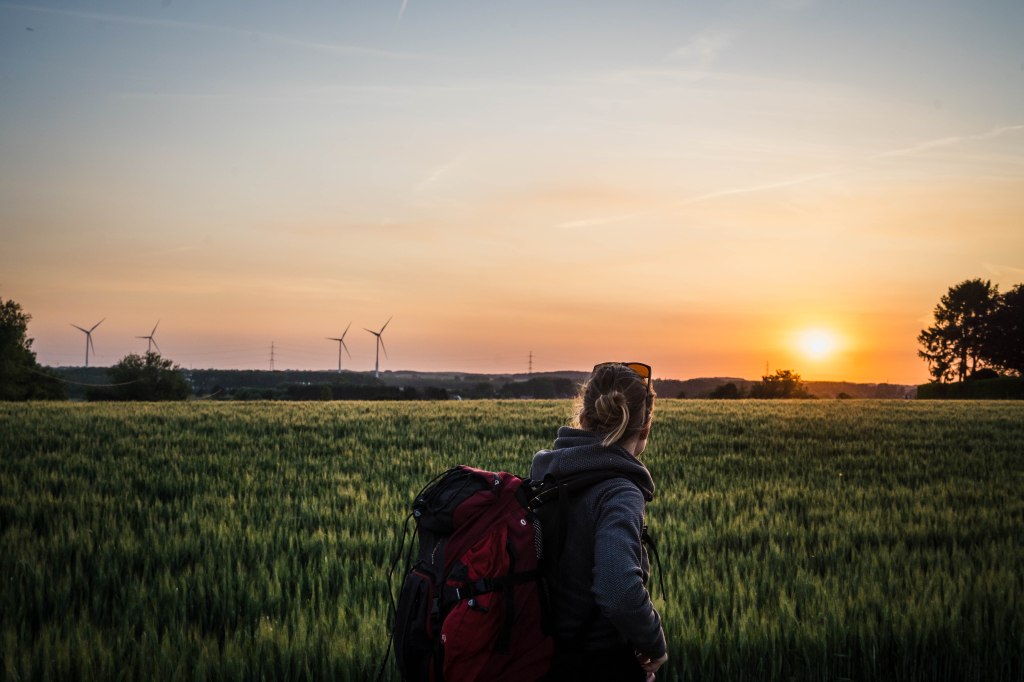
During the quarantaine we suddenly spotted the famous white-red GR sign in the King Baudouin park in Brussels. That’s when we decided to follow the signs for multiple days without looking at a GPS or map. It was all about the trail and not about the destination or a schedule to stick to. Don’t worry, these GR routes do not go straight from point A to point B but take bends and turns all the time to keep you in the fields. Not knowing your destination makes sure there is no goal for the day, no hurry or rush to get somewhere. It’s just about walking, reading, eating and sleeping.

What we felt was hard to describe, but I want to give you a glimpse just to convince you that it’s totally worth trying yourself. The GR routes have been carefully designed as long distance walking routes that go through as much nature as possible. Once in a while we crossed a village or the suburbs of a city, but very quickly the road turns left or right straight back into the fields and nature.

We’re planning to repeat this concept multiple times in the coming weeks continuing the GR where we left it, or with other routes, e.g. Compostella and other GR routes we saw crossing Brussels.

If you want it or not, when you see a sign you start setting a goal or expectation of where you think you’re going. That’s where the GR is great: it suddenly turns left or right and your expectation soon becomes unrealistic. You’re forced to keep your expectations totally open.

Prepare for 3 days: check the weather, dress appropriately and take a light backpack with the following with you: tent, mattress, sleeping bag, litres of water, picknick (more on that later), pillow, lamp, book and toiletry.

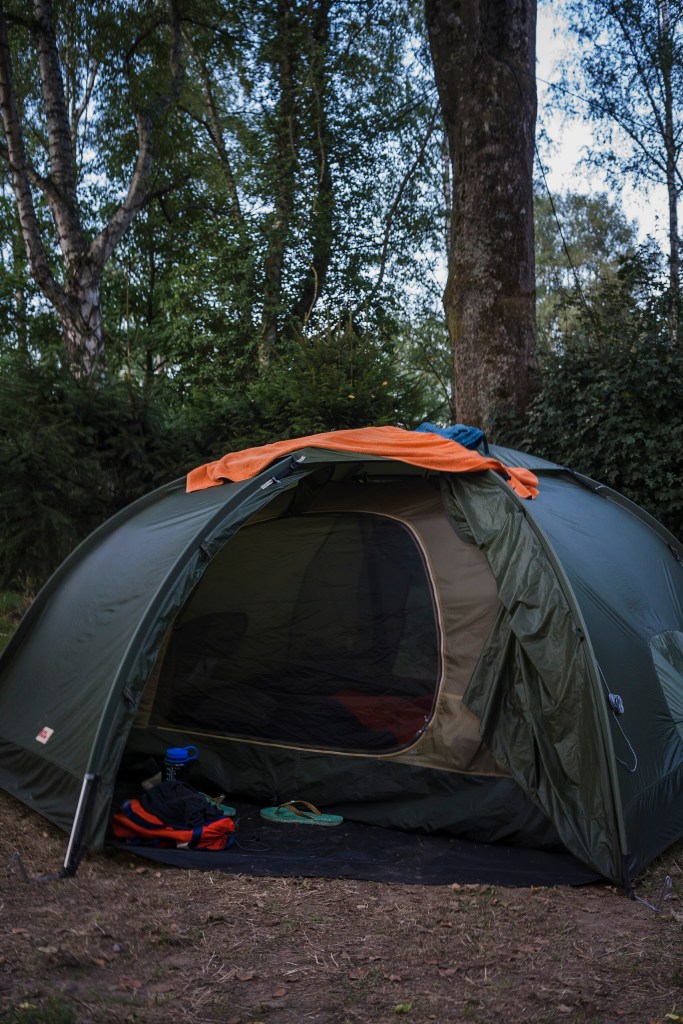
We chose our camping spot around sunset, so that we did not bother other people too much. The first evening we camped on a small plot of grass on the side of a forest, the second night we camped on the side of an open field where our tent could not easily be seen the next morning. If you like sleeping a bit longer the next morning then it helps to chose your spot in a place it will certainly not bother anyone. If you are hungry, find a nice place to sit and eat. If you’re sleepy, find a nice place to set up camp and sleep.

We would wake up around 8 or 9, have breakfast, read a bit and start walking. We took evening walks after dinner because they give beautiful light and help digest your food.

Camping in the wild at such is an interesting activity: it stretches all of your daily routines or processes. It’s not easy at first, since even the smallest or most basic process such as brushing your teeth or going to the toilet don’t go the usual way. It’s good to question yourself and your most basic needs, it gives you fresh insights and stretches the brain.

To make it a good trip enough water and good food is important. Some basic recipes of our all time favourites are the following. To keep the food fresh it’s best to take a small cooling bag in your backpack:

  • Cucumber salad with canned sardines in olive oil
  • Orange, fennel and canned mackerel salad in olive oil
  • Couscous with raisins (pre-prepared and deep frozen to eat on the second day)
  • humous (pre-prepared and deep frozen to eat on the second day)
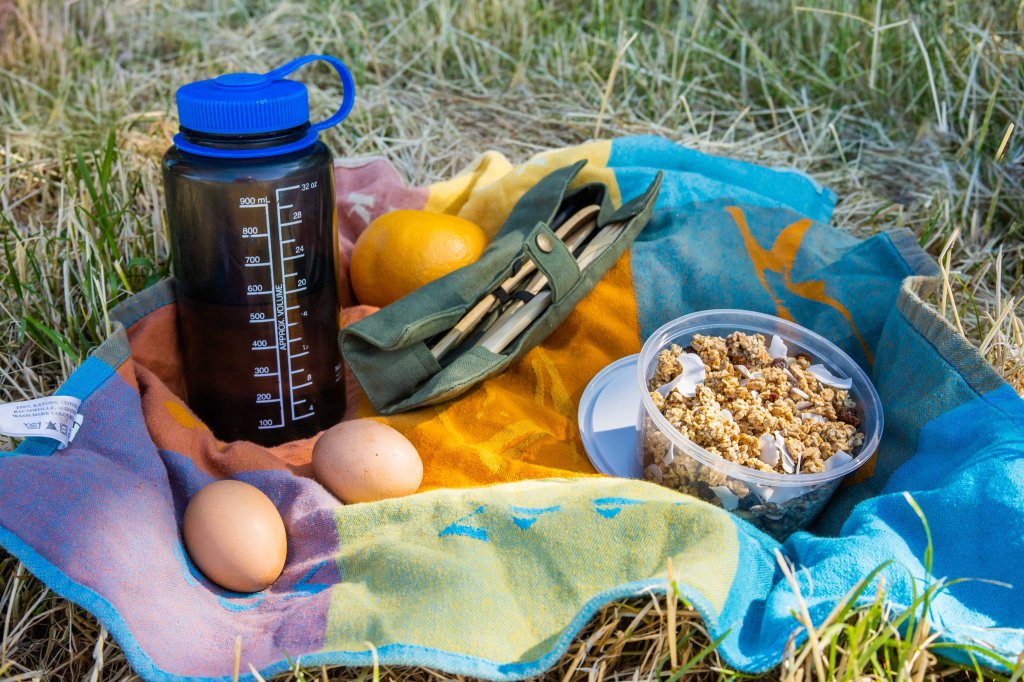
  • Boiled eggs
  • Granolla mix with seeds, dried banana, grains and oatmeal (make in re-usable packaging per breakfast). If you just add water to it before eating it the water and oatmeal becomes ‘milky’.
  • Oranges and grapefruit

Practically, any type of salad that is easy to make on the road. The canned fish with oil allows to have an on-the-go dressing so you don’t need to take any sauces or oil with you. Try to avoid any food that gets bad when pushed in a backpack: e.g. no bananas. If you need water or a shop for something you miss: ask people, don’t take out your phone or gps.

In the afternoon of the third day we took our gps to see which railway station we could go to within 2 hours of walking. That’s where we left the GR route behind, walked along the water to the station and railed back to Brussels.

Dreaming of the Snow train

Just before the Corona crisis started to break through we took a train to the Alps. Let’s just dream away to what will be possible again after this is all over.

Leaving Belgium to go skiing was easy. Tickets for the Thalys from Brussels to Paris are sold as from 25 EUR (or 7 EUR with the Izy). Our friends took the direct Thalys from Antwerp to Paris. A nice bed in the night train from Paris to Briançon is sold as from 25 EUR as well… So if you’re really short on cash and flexible in the timing you can get to the Alps for 64 EUR going and back. That’s not bad, right?

LL_01_DSC07108

We left Brussels in the late afternoon around 17h starting with an apero in the train. At 20h10 the night train left Paris Austerlitz where we enjoyed our pick-nick dinner and a bottle of wine with friends. The next morning we woke up with the sun in our cabin and the mountains sliding by.

LL_02_DSC07122

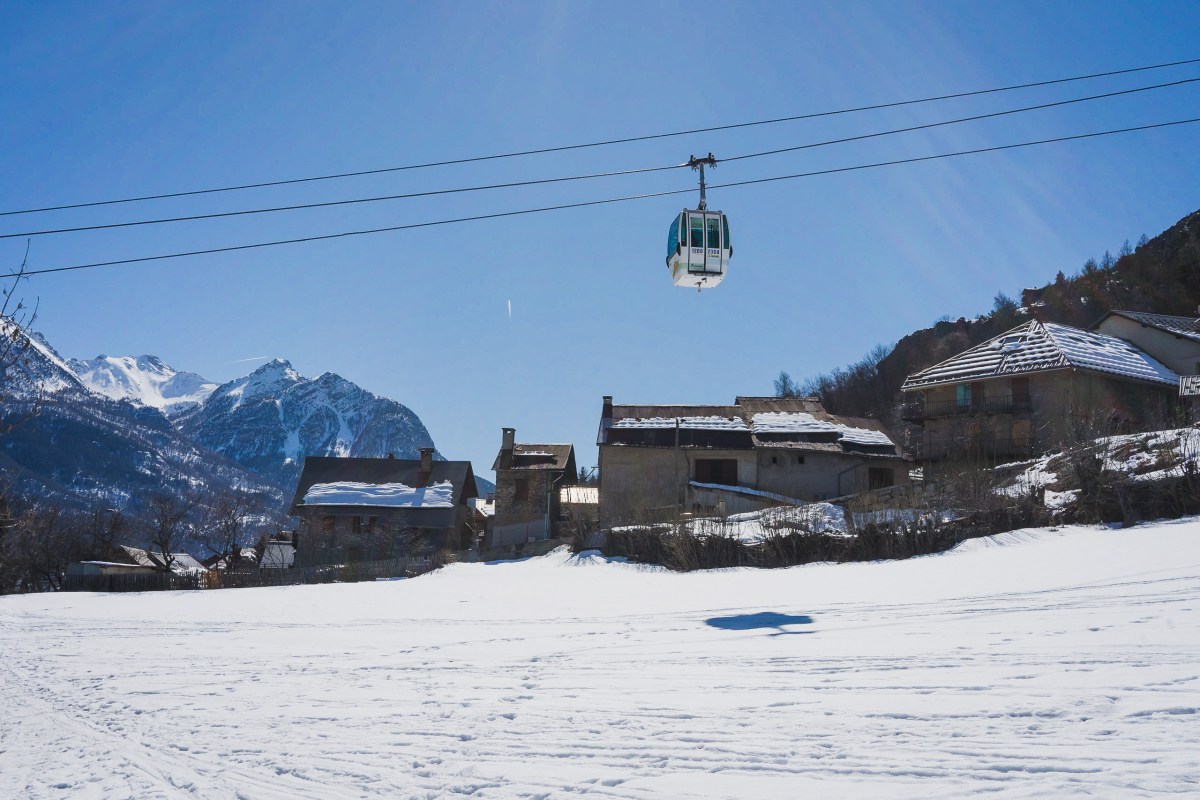
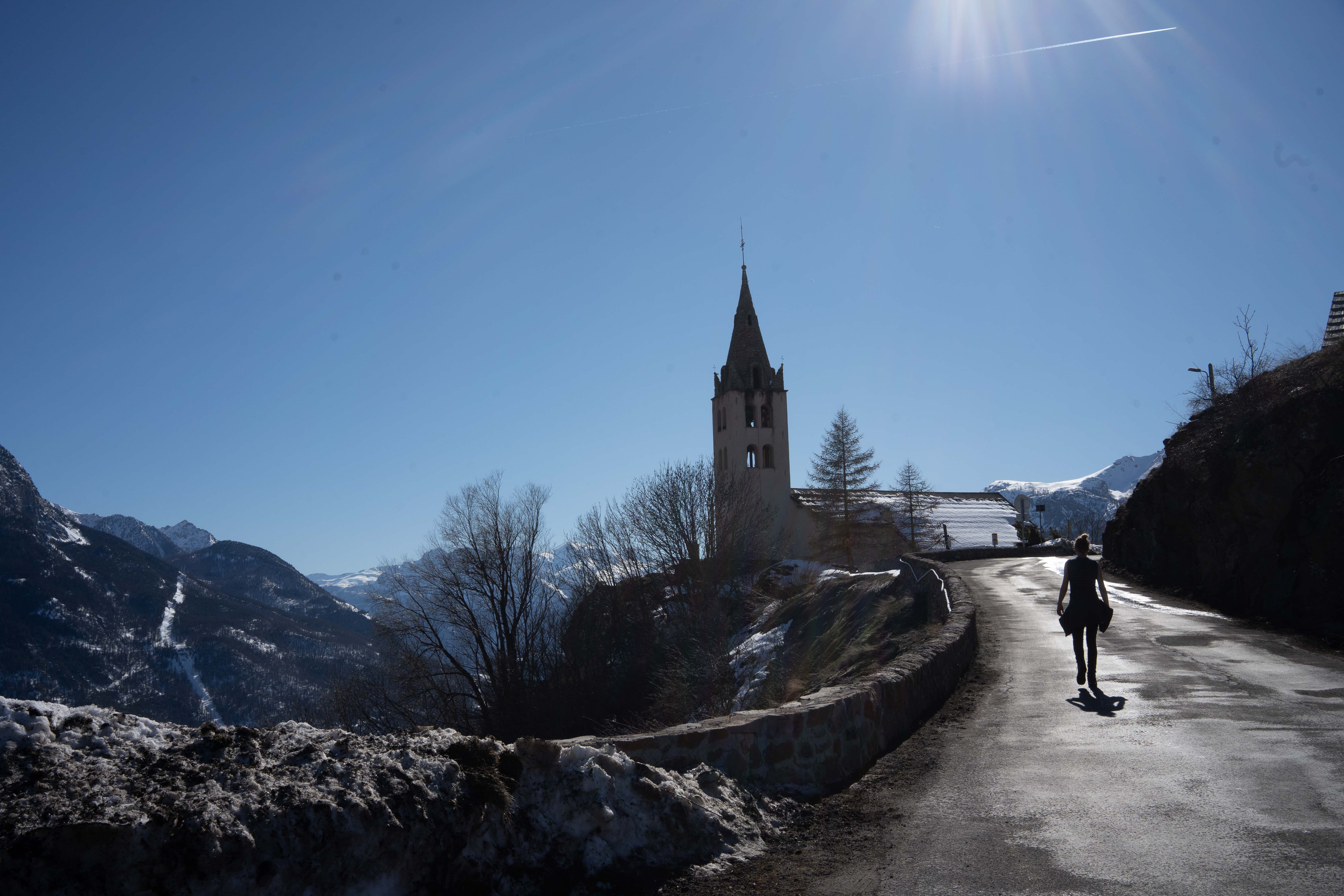
Arriving in Briançon you end up at a 10 minute walk from the telecabine and the ski slopes. There’s plenty of airbnb and hotel options around so that shouldn’t be a problem either.

DSC07148


LL_04_DSC07157

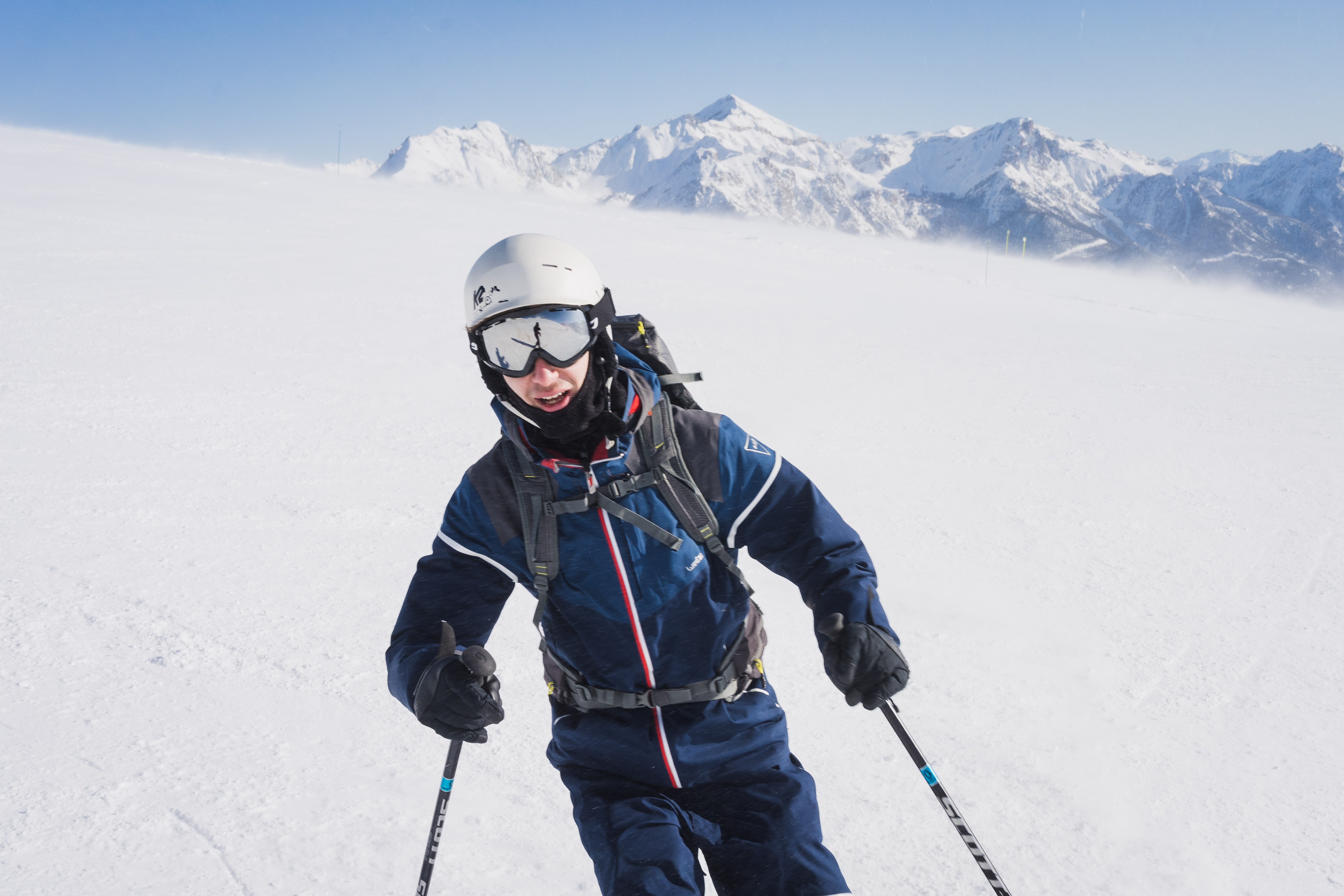
And since Sofie and Bart were there for four days only we hit the slopes of Serre Chevalier the very same morning. If you go for skiing it doesn’t promise to be a cheap holidays: around 50 euros per day for the ski pass and 25 euros for the material.

LL_06_DSC07167

LL_08_DSC07208

The slopes of Serre Chevalier are maintained very well (or we were very lucky with the snow and weather conditions). Only minor point was that “due to the wind”, a crucial ski lift was closed multiple times, so at closure time we couldn’t go back to our starting point without taking the bus.

LL_10_DSC07272

LL_15_DSC07338

This must have been more or less the point where we washed our hands that often to avoid Corona, that it started to hurt.

LL_19_DSC07528

LL_21_DSC07634

LL_22_DSC07656

With enough sun it was a pleasure to relax on the many chalet terraces. Contrary to the big après-ski scene in Austria or other resorts, we kind of had to stick to the “during”-ski terraces here.

LL_23_DSC07718

Even though Brainçon might not be known for the après-ski, it has many good restaurants:

  • Chez Maria (always fully booked, so reserve in advance)
  • Le Pied de la Gargouille (an impressive menu based on local products only, from the close-by vegetable producers, wine makers, cheese makers, …)
  • Restaurant L’Etage
  • Maison de Catherine (Puy-Saint-Pierre, also the place where I stayed last time when I came to Briançon)

LL_12_DSC07287

After four days our friends returned home with the night train and we spent another three days enjoying the Alps in a different way: relaxing, reading, hiking and some bathing.

LL_24_DSC07781

On day 5 we hiked uphill from Puy-Saint-Pierre, through hiking trails into nature.

LL_28_DSC07847

Day 6 we hiked next to a small canal on the hillside. From village to village in the direction of Le Monêtier-les-Bains. Hiking trails can be easily find online and most of the trails on the Komoot application are accessible also in winter. With the snow still there we went quite a bit slower then normal, so we didn’t make it all the way and took a bus for the last part.

LL_32_DSC07950

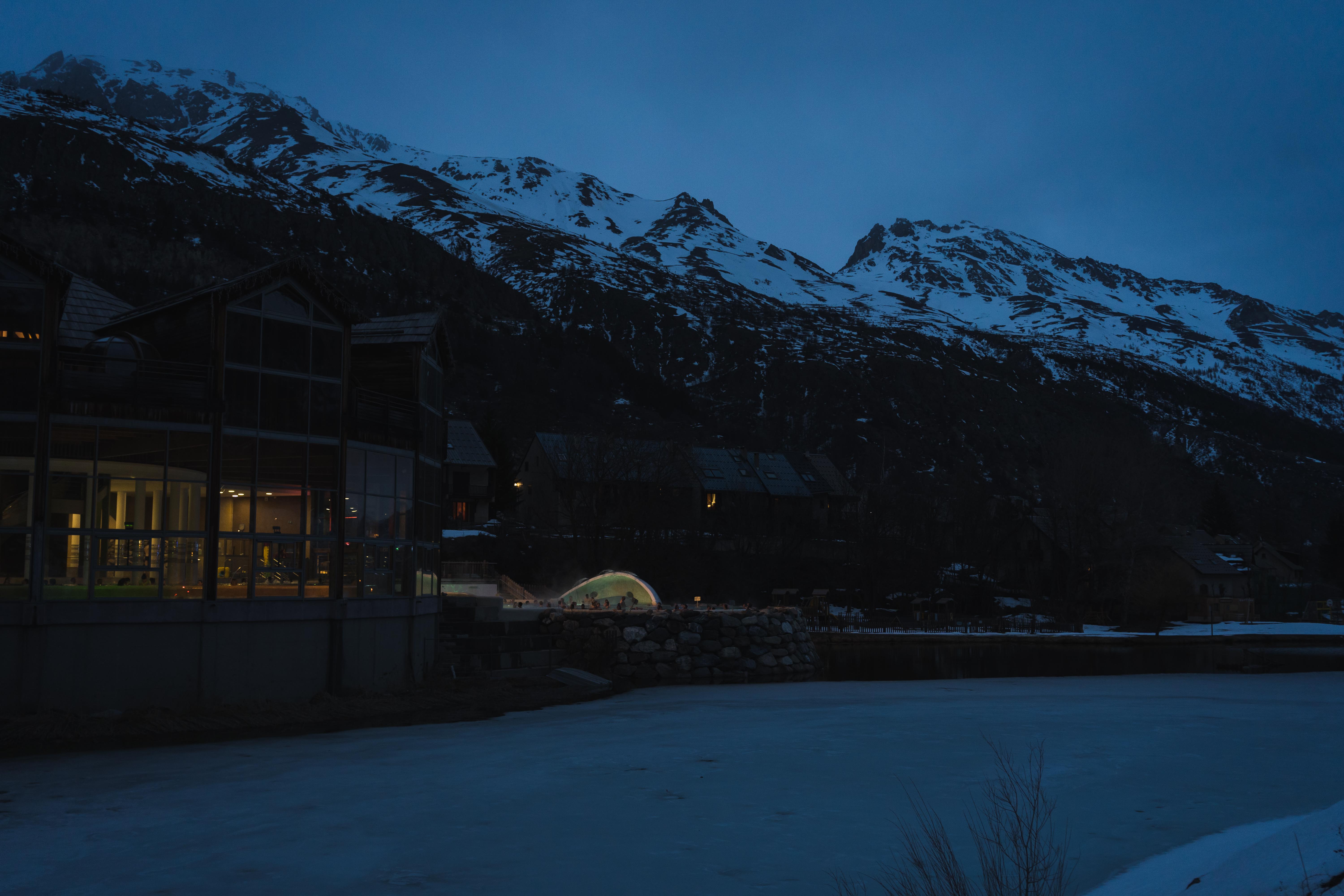
In Les Grands Bains we enjoyed the natural hot-springs with all kinds of outside and inside pools and hammam’s. Three hours of pure relaxing after the hike.

LL_33_DSC07952

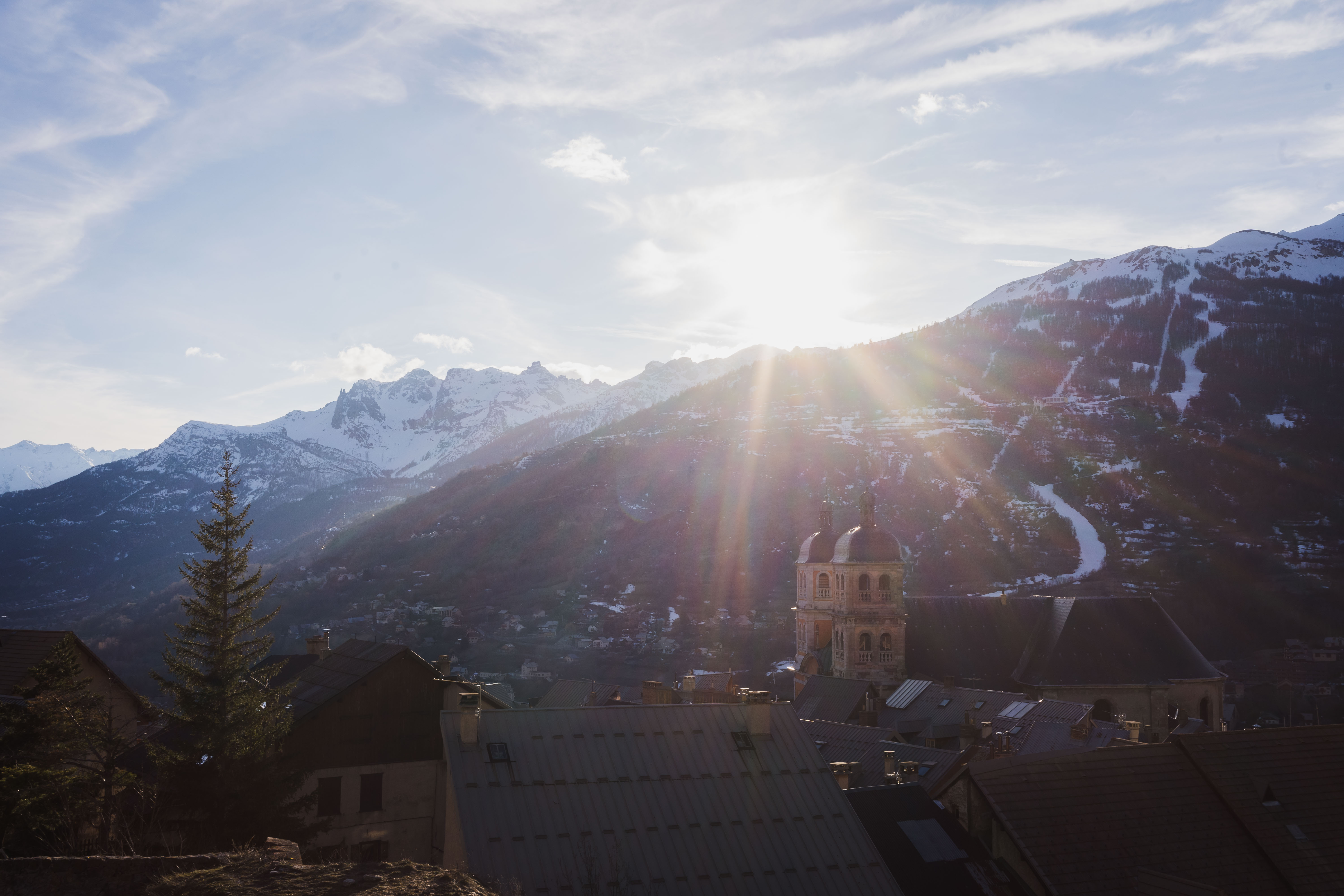
On day 7 we did a bit of culture: We visited the cité Vauban (the old fortified city center) and hiked over the Pont d’Asfeld all the way up to the Fort des Têtes. If you want to visit the insides of the fortress you have to visit Briançon during summertime, but the just the surroundings and the views are already worth it.

LL_37_DSC08046

LL_38_DSC08080

LL_43_DSC08116

Inside the cité Vauban you can go up into the Fort du Chateau to catch the last sun of the day before you dive into one of the local bars or restaurants.

Leaving Belgium to go skiing was easy. Taking the night train back to Belgium in Corona times was quite a mental challenge though. We were happy to be back home in our safe apartment. Washing hands. A lot.

We agreed with Tine that we will visit the Alps every single year. The relaxing train trip and nature in the mountains are the perfect mix for our holidays.

Paalkamperen in Belgium & other concepts that make cycling trips better

Next to sharing a cycling route, I want to share a couple of logic principles that I realised while cycling around in Flanders during my last trip. Find the three key concepts at the end of the article.

For this trip I randomly searched a route to go from Brussels to the desolated village of Doel. Then I continued to the closest camping spot and from there the next day to another campsite not too far from Brussels, so I could make it to Grimbergen on time for Christmas evening.

Planning the trip, I soon saw that on day 1 I could follow a very long part of the Schelde river, and on day 2 I could follow the Dender. In between I found the network of old railroads that are now cycling routes.

Day 1: 95km. After leaving Brussels, it takes a couple of kilometers before you end up in the countryside, but as soon as you reach the banks of the Schelde in Briel it’s all nature. You cycle past Sint-Amands on a perfect trail that continues for kilometers.

DSC04348

Depending on the time you have, you can take a straight route to Doel from Temse, or continue until Kruibeke. Before arriving in the desolated city of Doel, you cycle through the Port of Antwerp, along railroads, cranes and industry. In rainy weather it has something moody but beautiful.

DSC04396

From far away you see the nuclear power plant of Doel as a landmark on the horizon.

DSC04403

A couple of kilometers further you enter into the main street of Doel. There you find almost all houses locked up and spooky. This is where a controversial story starts of the extension plans of the Port of Antwerp.

DSC04409

If you do not know the story, just search for ‘Doel’ in Wikipedia. A long story short (sorry): the whole village had to disappear to construct a new dock for large ships, property has been bought and villagers left. The construction permit was not granted and plans were not executed. Very few people stayed, but some new people live there now, with very low rental prices. Nevertheless, the place is very desolated and looks like a ghost town.

DSC04423


DSC04459

After visiting the village, I cycled to the camping spot of “Bivakzone Stropersbos”. Just before entering into the woods, I warmed myself with a good diner in De Boshoeve. It had been raining all day, my feet were soaked and in the tent it wouldn’t get any warmer. DSC04519

The campsite is located in the middle of the forest with rivers and lots of water surrounding it. It had been raining for days in a row, so I was lucky to find 2 square meters that were not muddy to pitch my tent. With a good winter sleeping bag I managed to stay warm during the rainy night.

Day 2: 60km. On the second day I followed the old railroad to Sint-Niklaas. From Dendermonde to Okegem, I took the route following the Dender river. This route is at least as beautiful as the one next to the Schelde.

DSC04593

I camped at the campsite of Neighembos with views over the Dender valley. It’s located in the back of a private garden, but with an SMS reservation you can stay there for free.

DSC04625

The open air toilet certainly has its charm, but on rainy days you don’t stay there very long.

DSC04646

Day 3: 40km. It sounds like a very short route, but with ripped plastic bags in my shoes and wet feet for three days in a row, I was happy I wasn’t at the other side of Belgium. Again a good lesson learned: proper gear does help. Either rain covers for the shoes, or rainproof shoes.

DSC04659

Cycling around in the neighbourhood is fun: villages with the names of “Woestijn” (= desert) and “Drie-Egypten” made me frown, but the place is beautiful.

DSC04664DSC04666

On my way back I circled around Brussels to go to Grimbergen.

DSC04803

Before getting to Grimbergen I discovered one of the most beautiful views on the skyline of Brussels: de Heirbaan in Meise. While cycling through nature you see all the landmarks of Brussels in a tiny version next to you, which makes Brussels look very small.

DSC04829

To conclude, this was a nice route, getting lost on my tour bike, camping in nature and reading books in the tent while it’s raining and 3°C. I’ll do this route again during the summertime.

The three concepts that can make your cycling trip a blast, no matter if it’s a one day trip or a full week holiday:

1. Paalkamperen: plenty of beautiful nature camping spots spread over Belgium. You can use them for free all year round. If you start planning a cycling-camping trip, it’s a good way to start planning around some good sleeping locations. All of them have a dry-toilet, a dedicated camping zone, some have a fire pit or a bbq. Check out the map on bivakzone.be. A similar system exists in The Netherlands.

DSC04503

2. Old railway lines: you might have found out yourself already that all over Europe old railway lines have been converted to cycling paths. Most of them cross nature in a safe and efficient way, so if you use them for longer distances it ensures you of a nice trip. Check out this overview for Belgium or if you want to try it out in another country: UK railway lines. If you would rather cross Europe on even longer distances, than make sure to have a look on Eurovelo. You can find routes that go straight from Brussels, over the Alps all the way to the heel of Italy (Eurovelo 5).

DSC04313

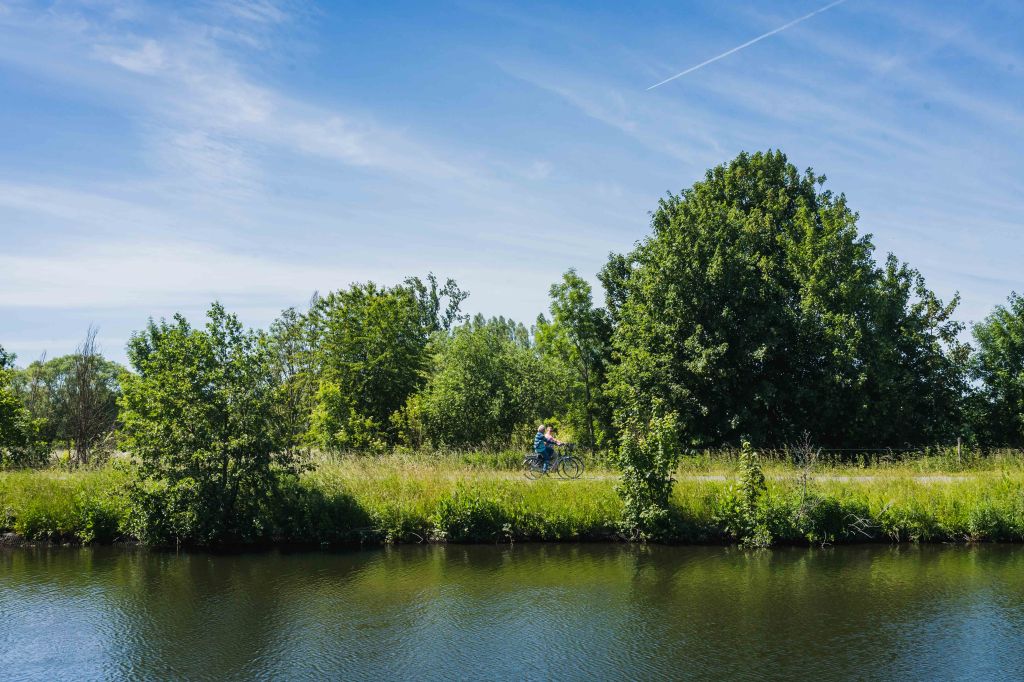
3. Canals: take a map, see if there’s a waterway and chances are big there’s a nice cycling path next to it. I cycled along the Schelde and Dender rivers for hours. It’s fast and it’s beautiful.

DSC04567