Exploring the Semois Ardennes GR16 Trail

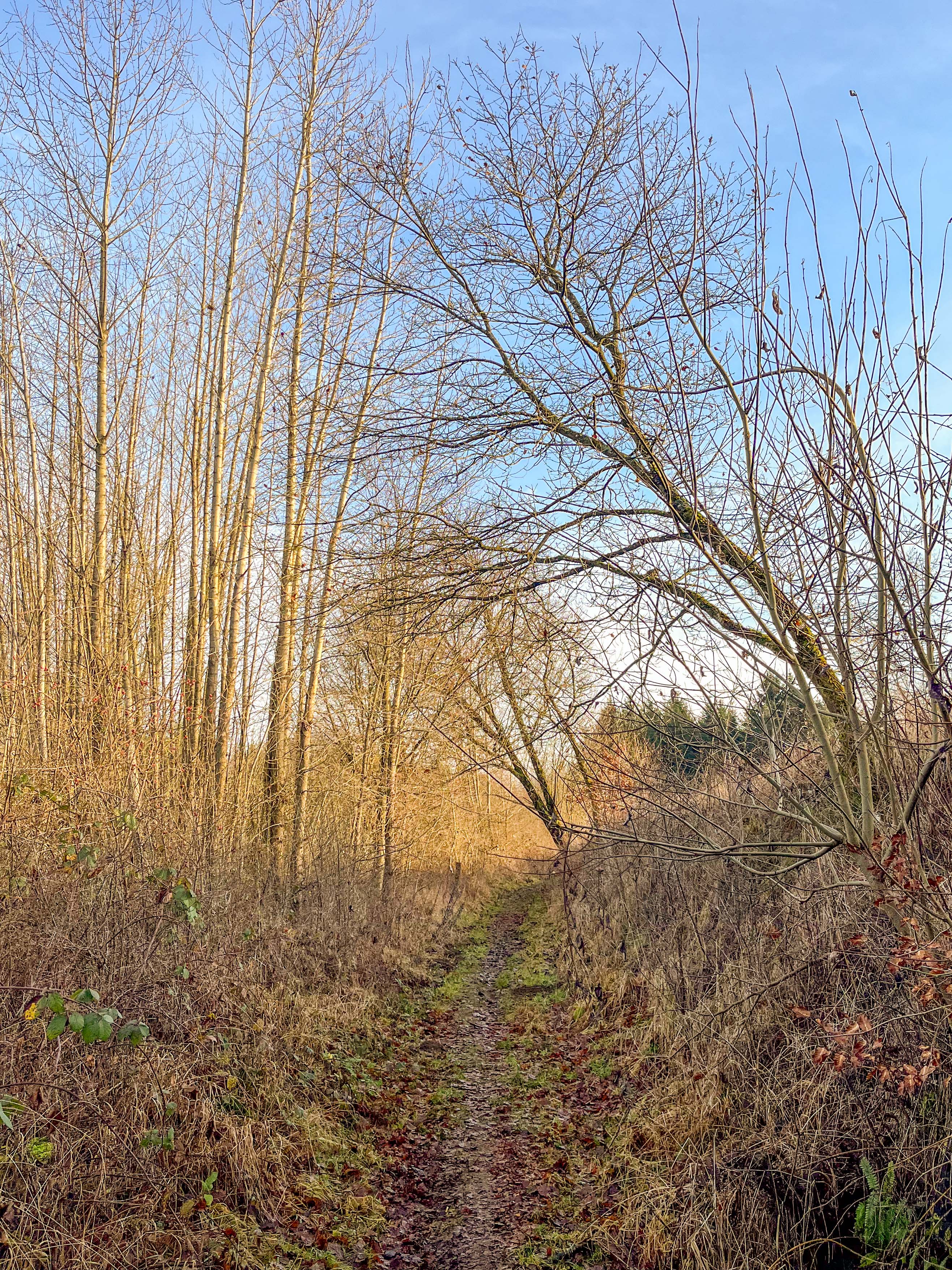
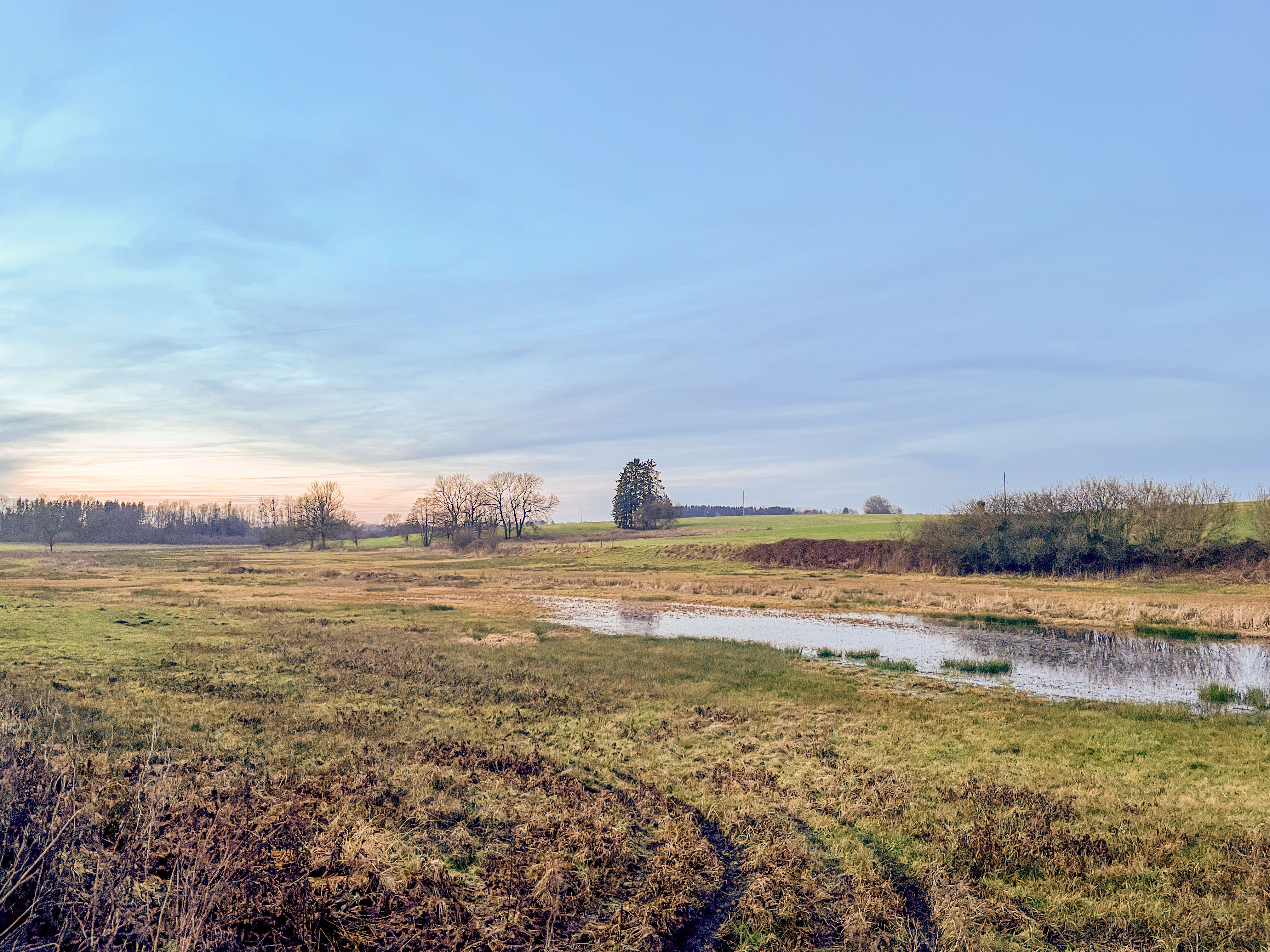
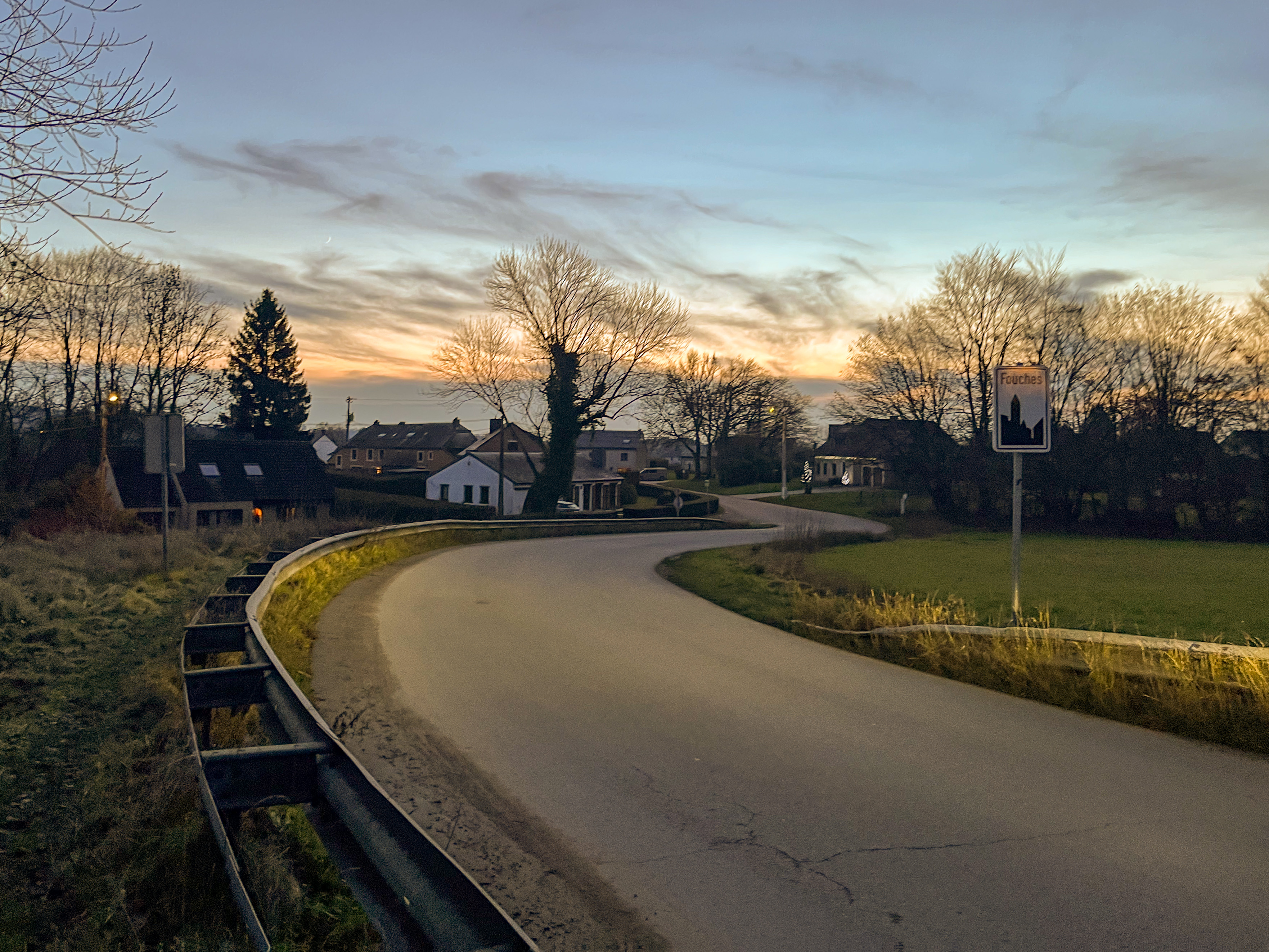
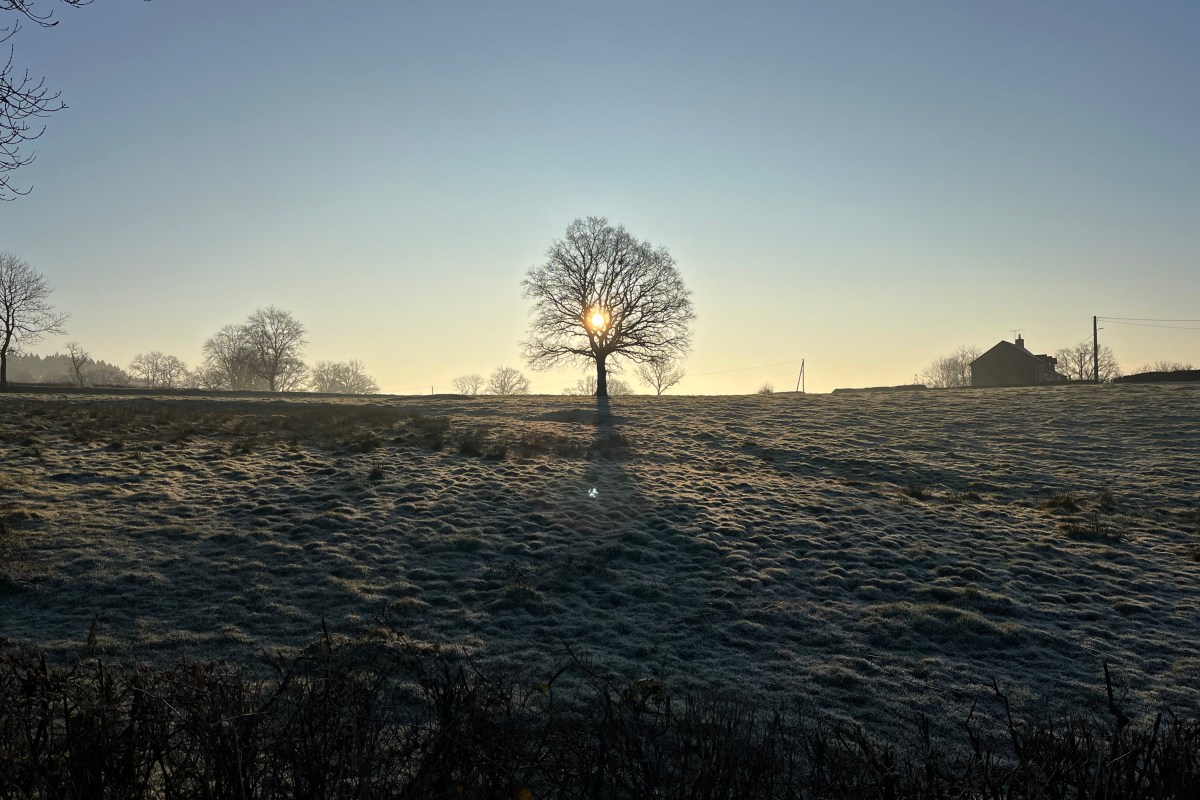
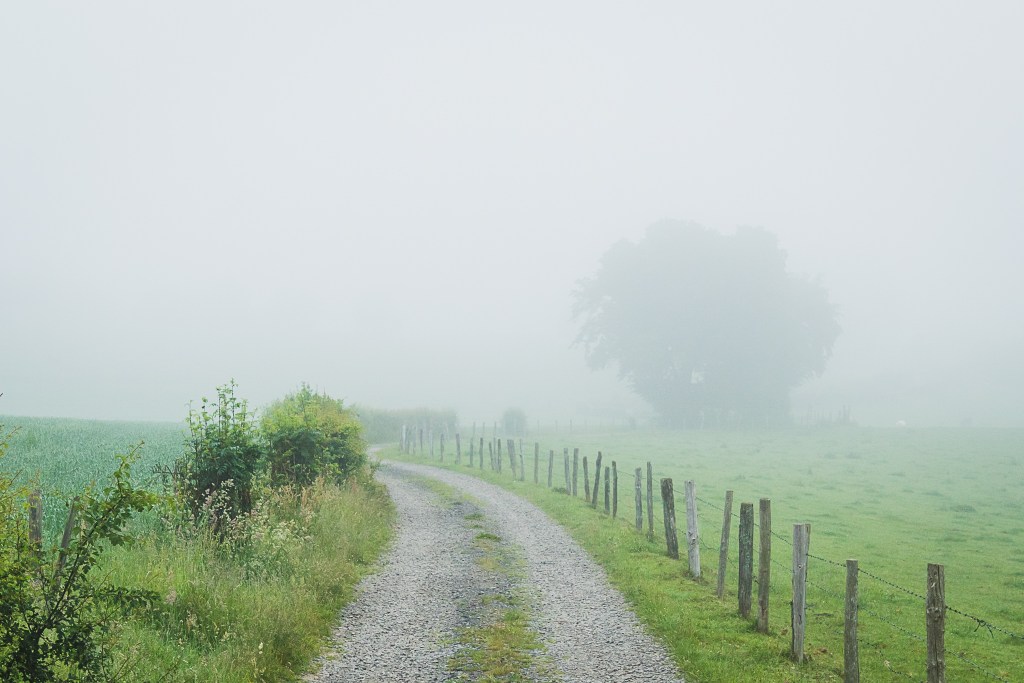
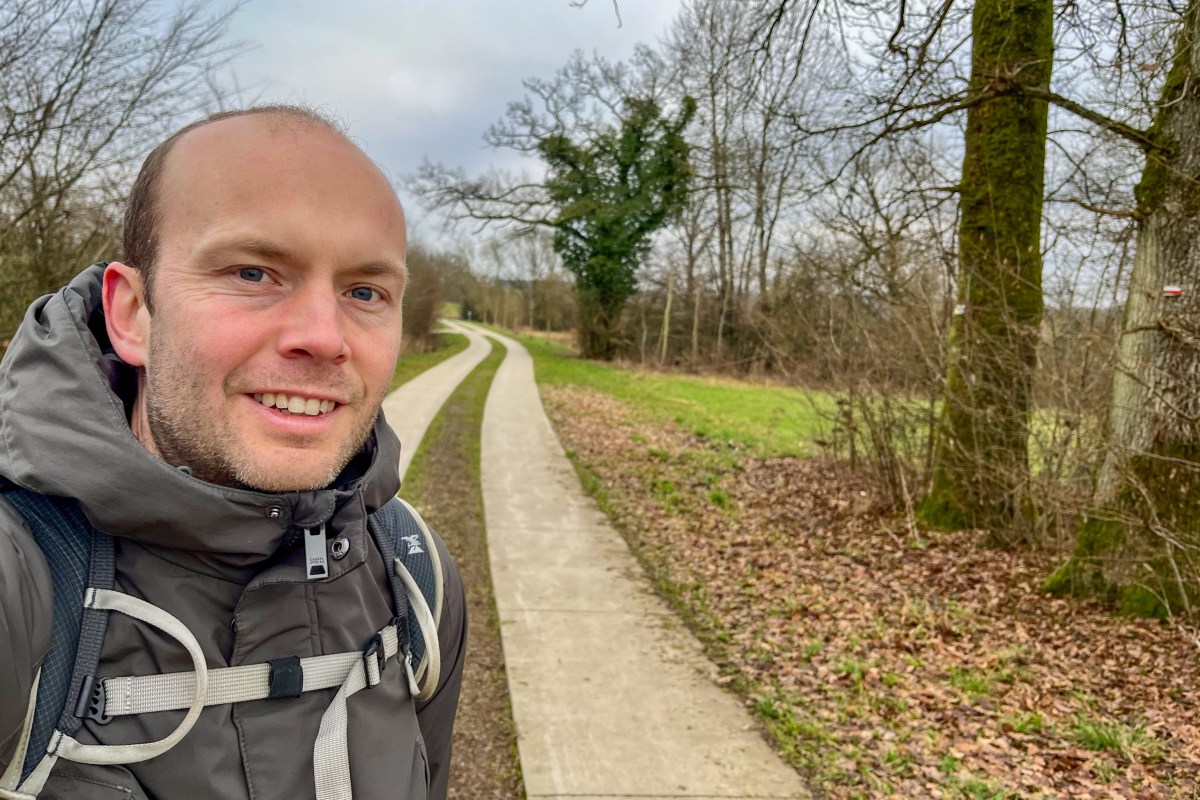
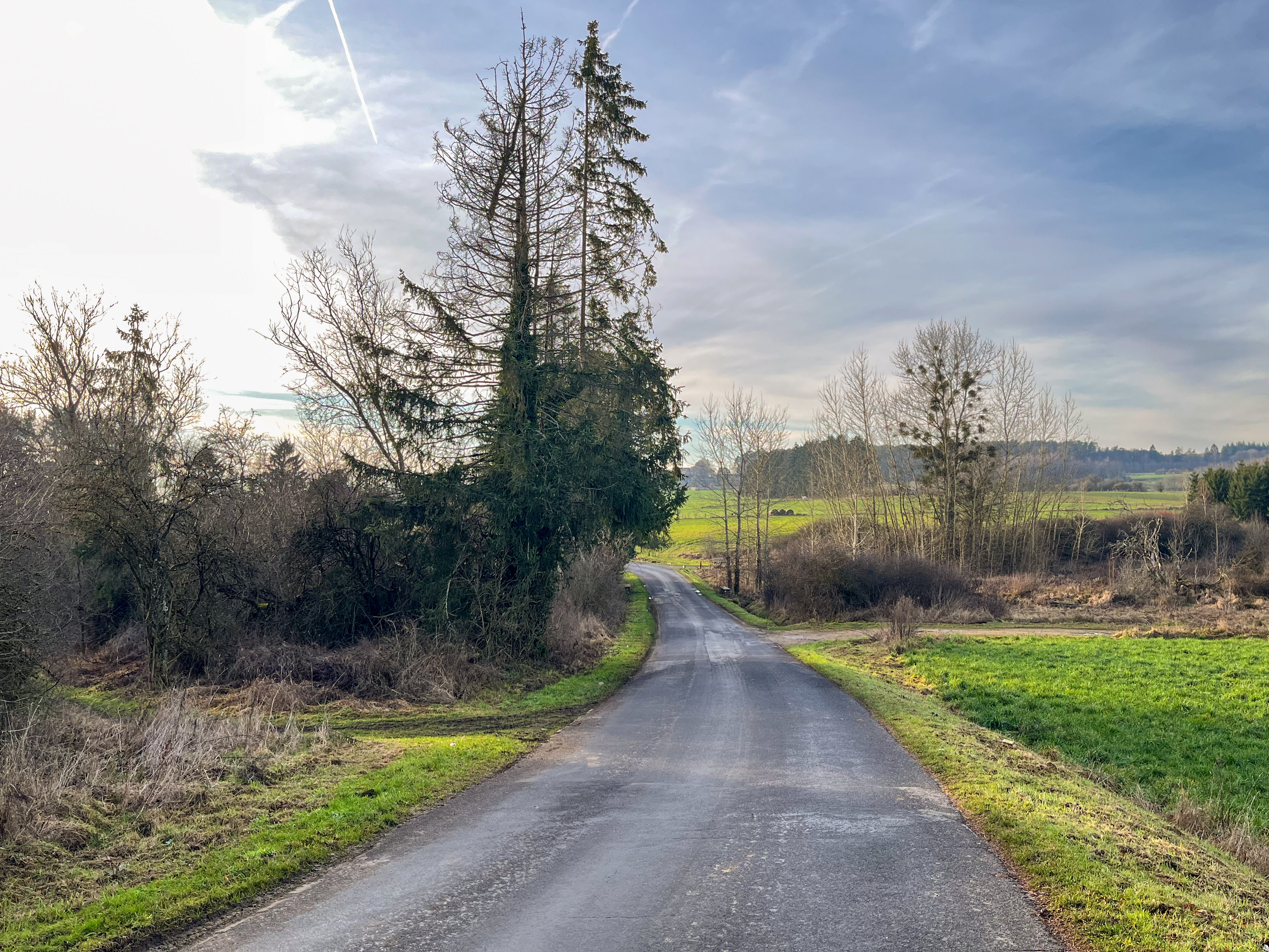
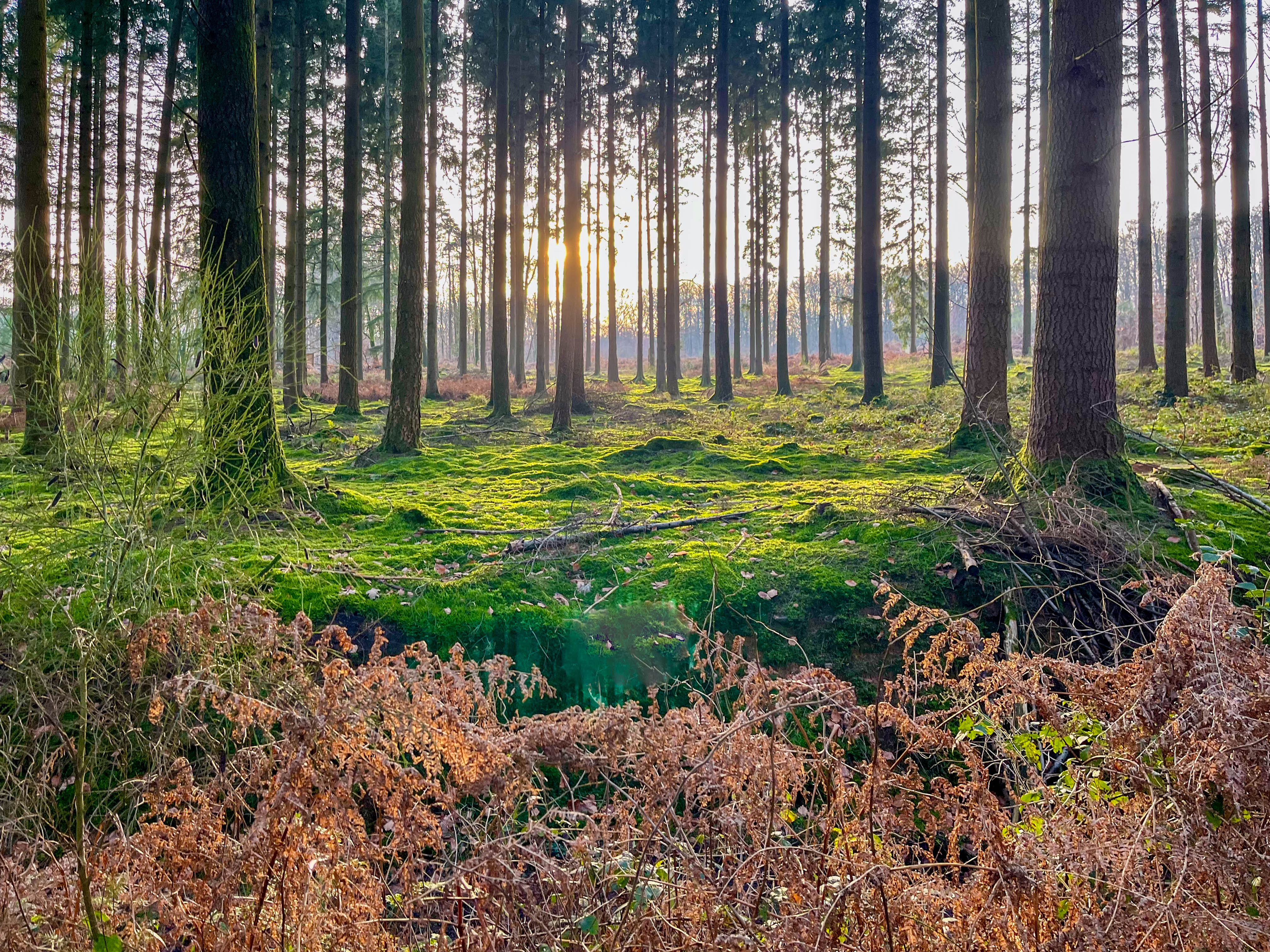
This legendary GR16 trail, sometimes called Belgium’s GR20 due to its views and elevation changes, offers a beautiful route starting rather flat from the Semois source in Arlon to its confluence with the Meuse in Monthermé. You reach it after 209 kilometers of hiking. While walking along the Semois and through forests feels peaceful in the first part, the GR16 also challenges hikers with demanding slopes requiring plenty of climbing and scrambling. The effort pays off with vast, majestic landscapes.

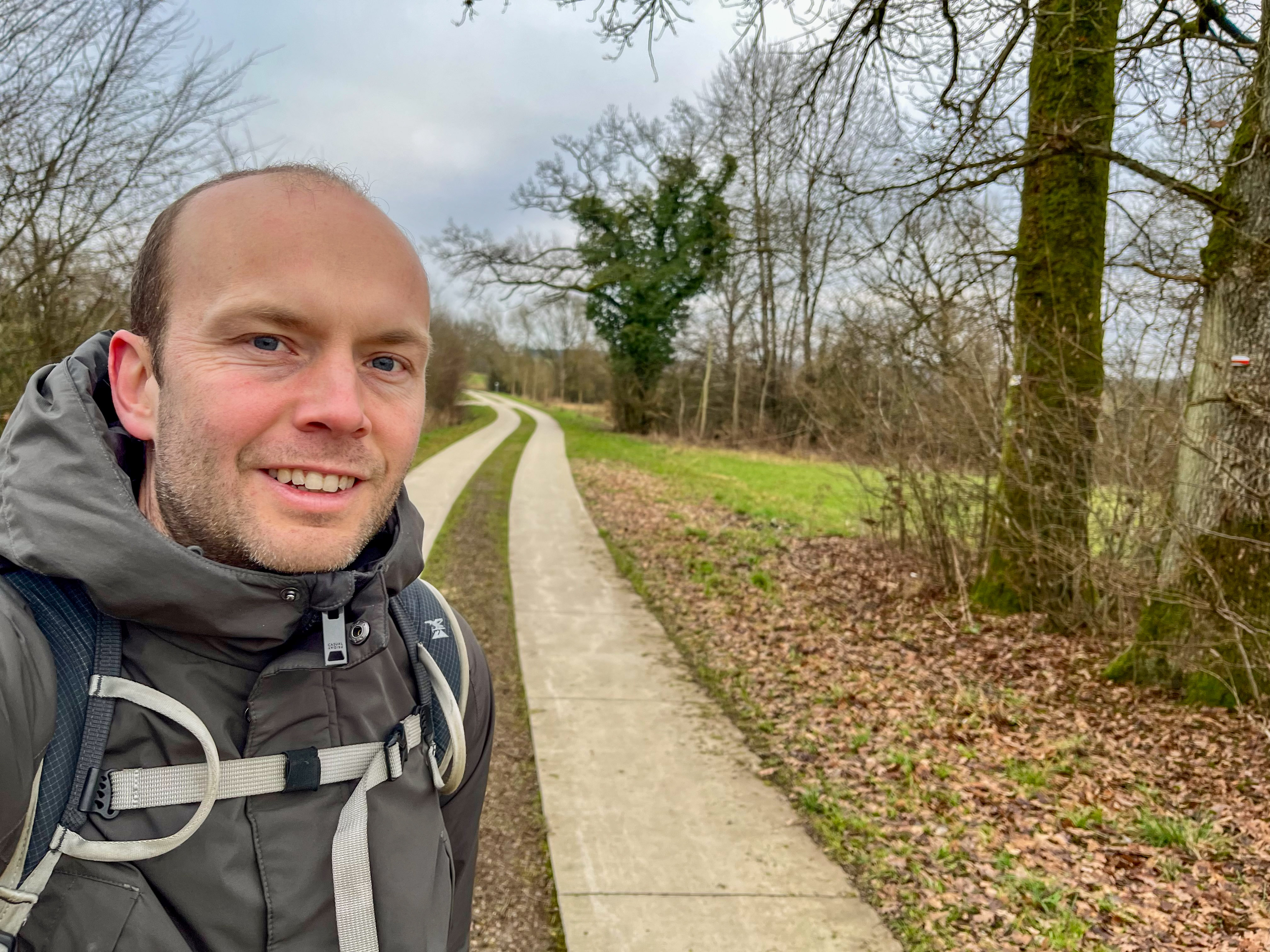
I decided to make this walk alone and have some time alone, and I hardly crossed any other hikers during these cold winter days.
Getting to Arlon

Take the direct train from Brussels-North or any other Brussels station to Arlon, running hourly. It’s a pleasant 2-hour ride, perfect for reading a book and having breakfast. With the new SNCB Train+ ticket in off-peak hours, it costs just 12.4 EUR.
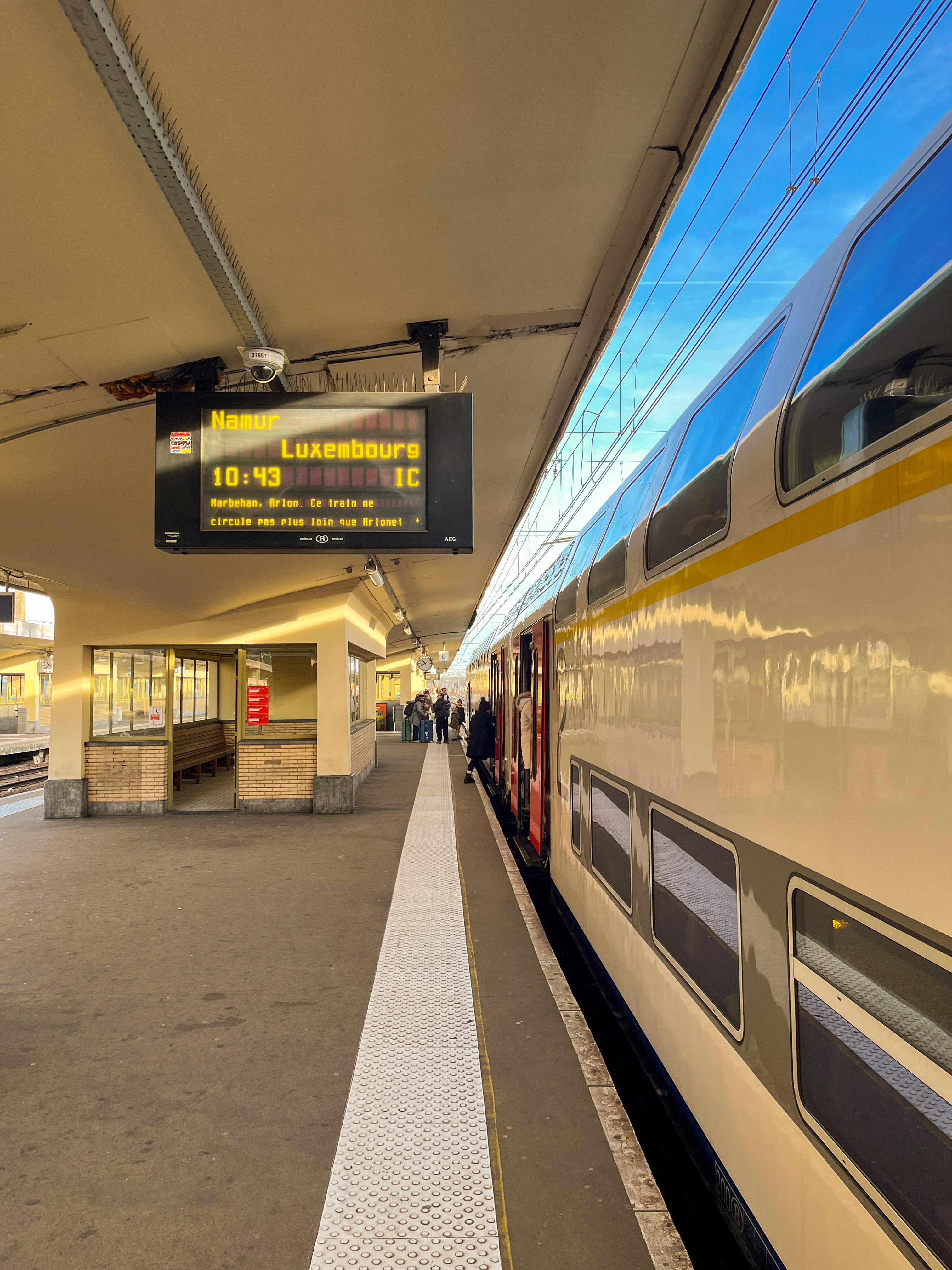
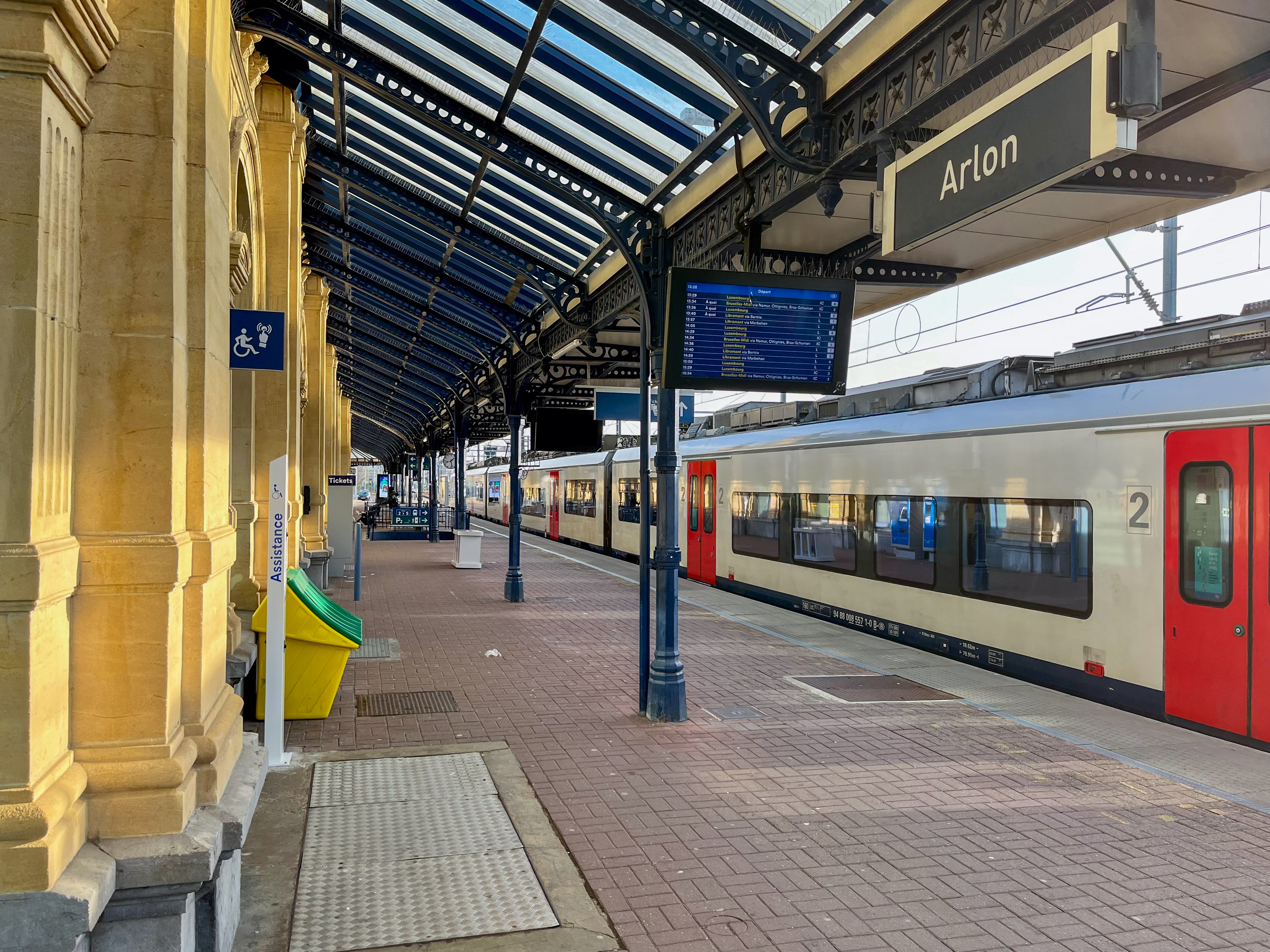
Why GR16?

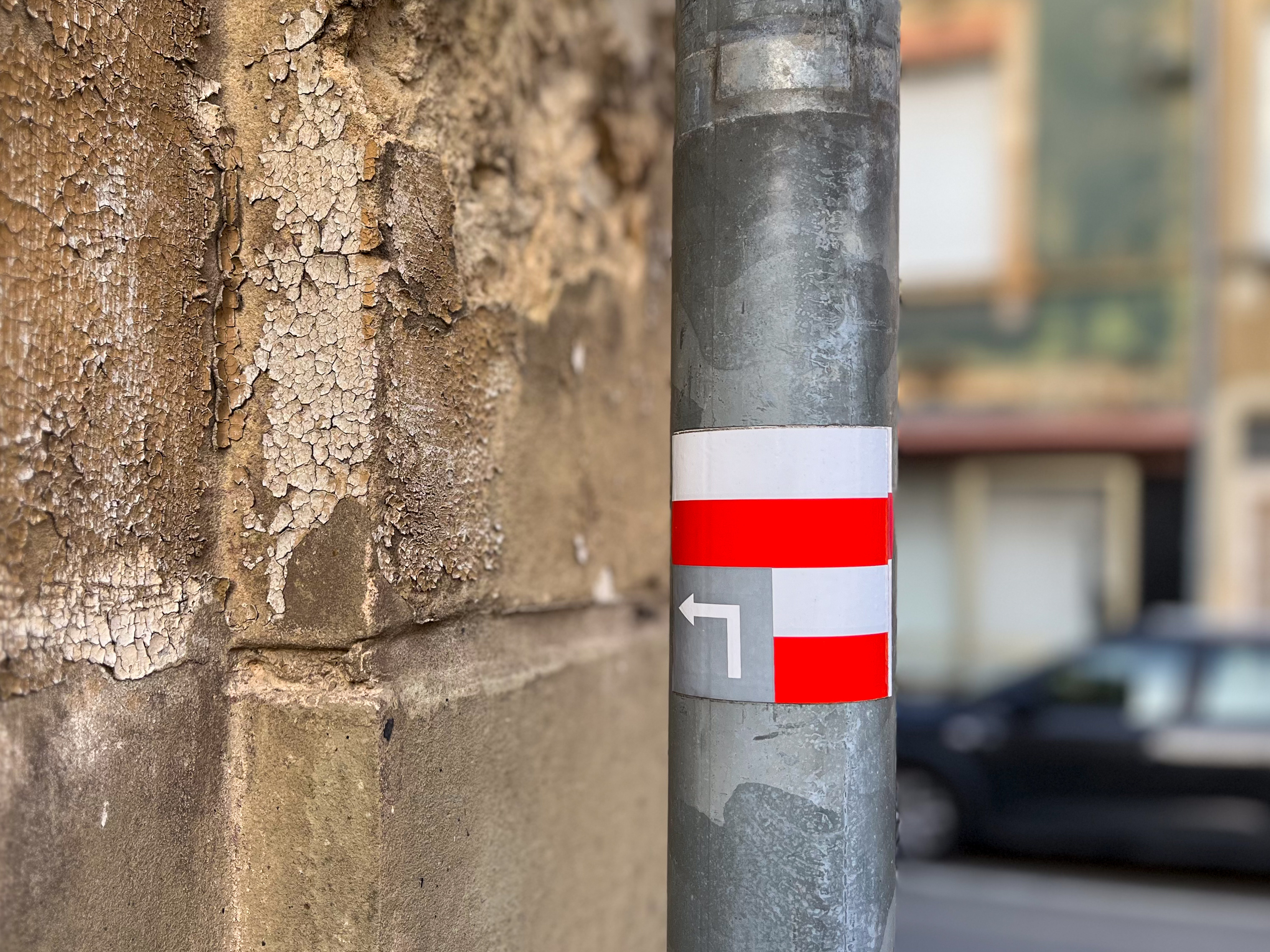
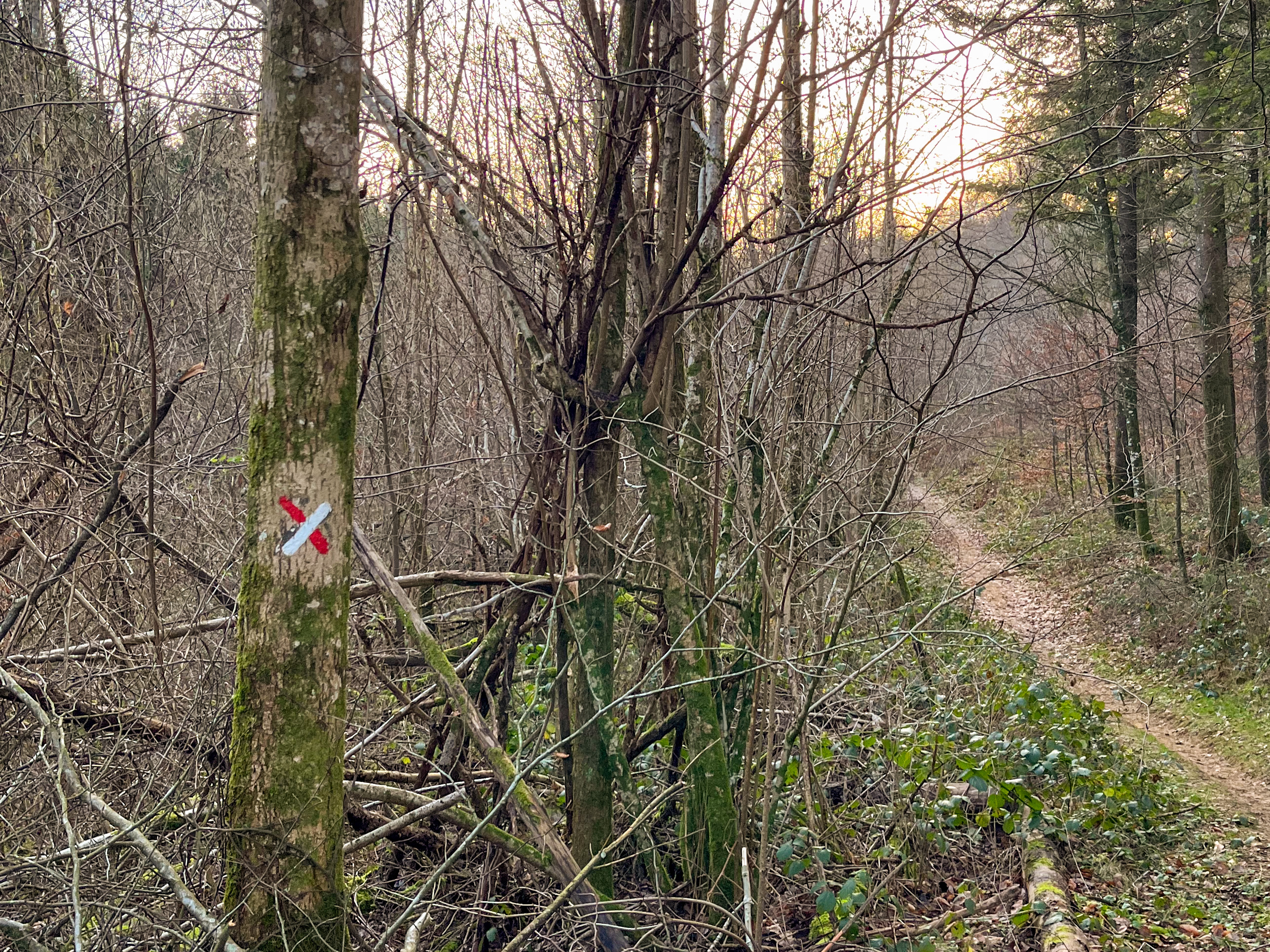
I chose GR16 for a “true” red-white marked GR trail, not a regional one, that’s still easily accessible by train in the Ardennes. The path follows the Semois Valley over about 209 km with over 4400m positive elevation, ideal for nature lovers seeking challenge. I only hiked the first tens of kilometers this time.​

Starting in Arlon

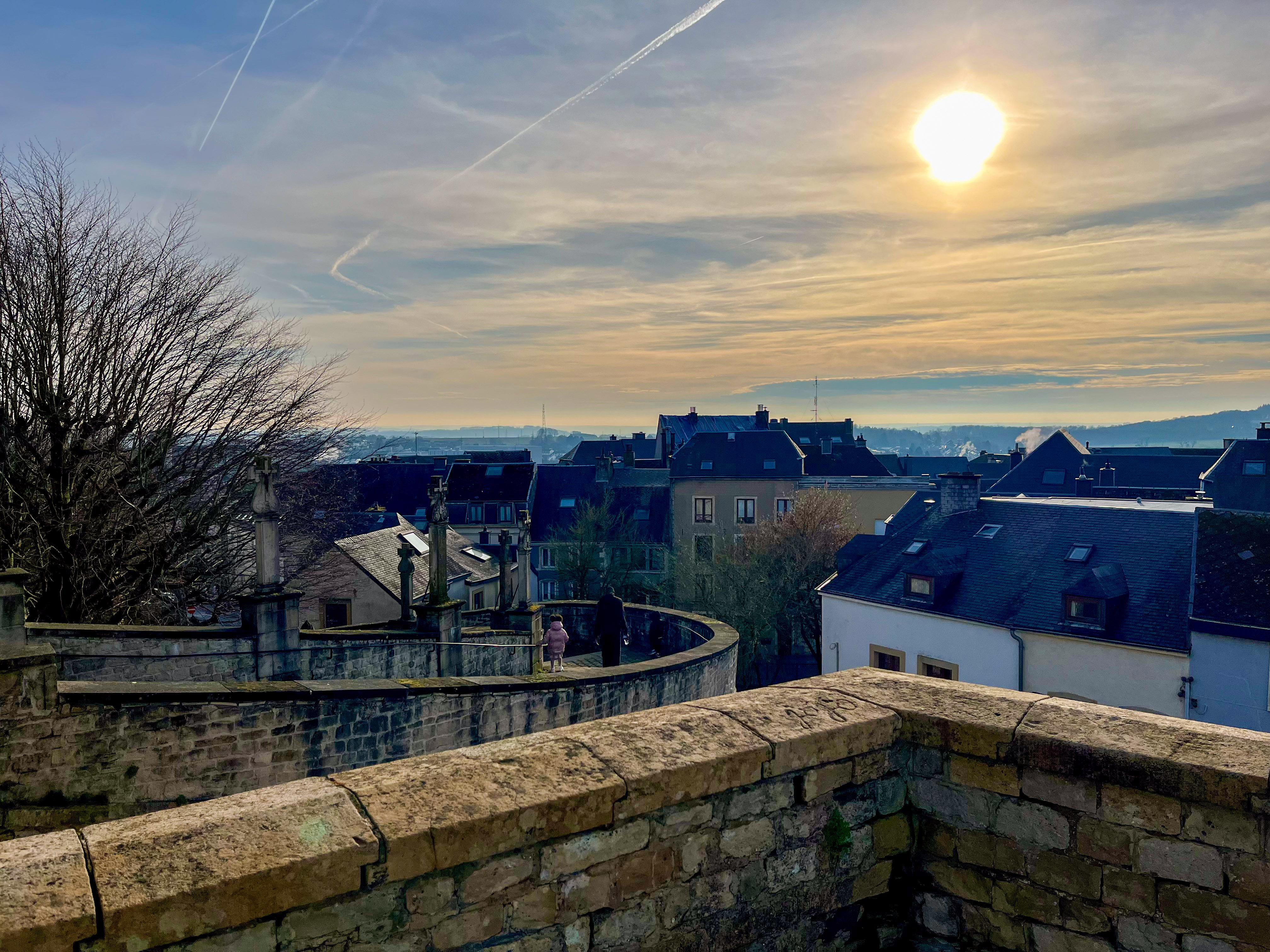
Climb to the St Donatus church viewpoint atop the hill in the city center to kick off the real hike with a good view. To skip the center of Arlon, opt for the greener GR16 alternative start from the railway station. Caution, if you take the main GR16 starting in the city center: Just outside Arlon, the trail splits—avoid the “boucle verte” or you’ll loop back to the station after an hour (as I did). Stay right and follow the GR signs straight ahead.

My First Stages

Typically, I hike step by step, hour per hour just following the signs without checking my phone or maps until around 16:00. At that time, I check my position, enough before sunset and when Booking.com prices have already dropped, and book the best hotel; day 1 aligned perfectly with Hotel Papillon d’Or for 71 EUR plus 12 EUR breakfast, at a good hour hiking along the GR16 from where I was doing my research… check the packing essentials, because you can’t be lucky every day!
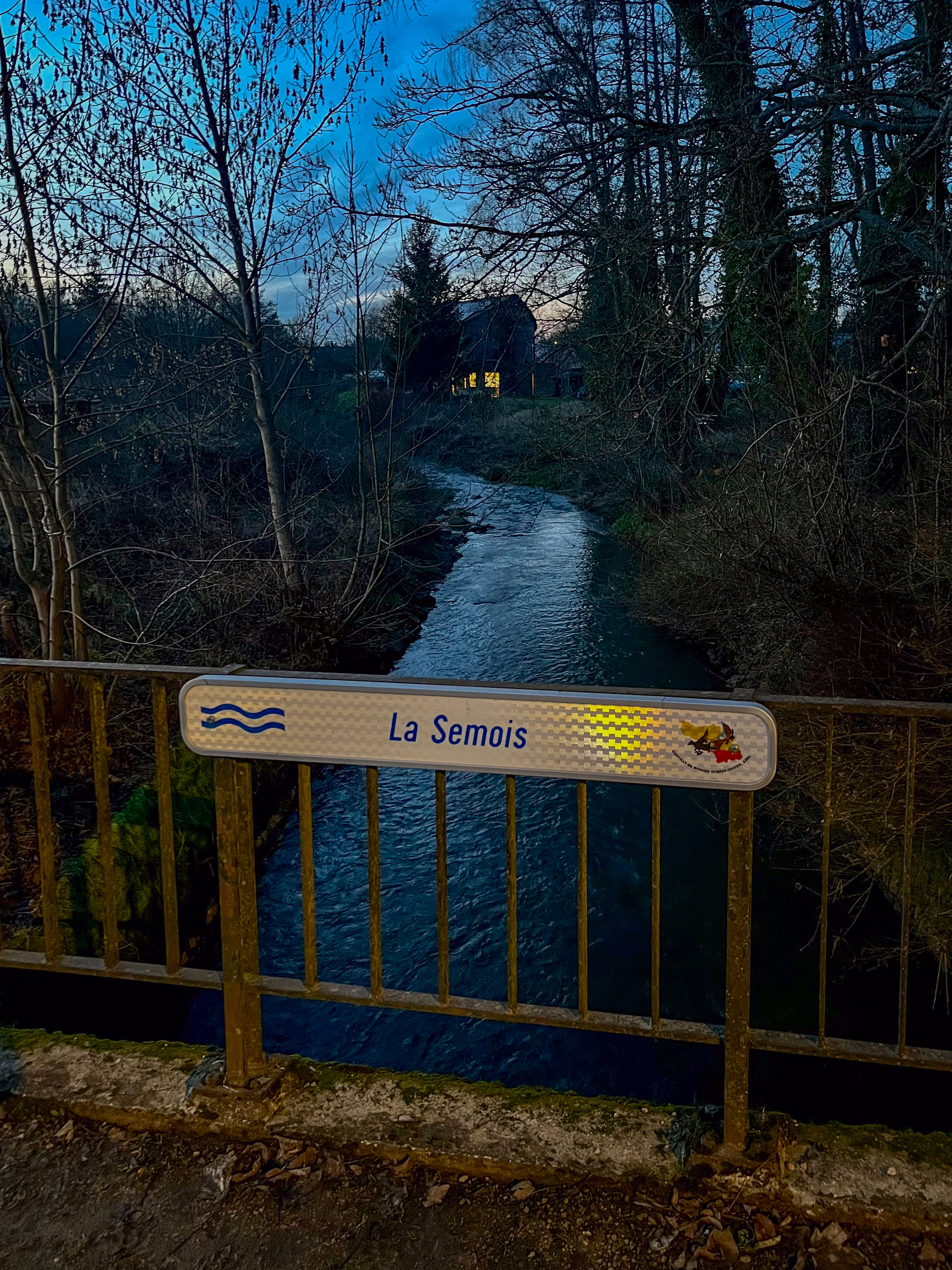
I hiked 3-4 hours on days 1 and 2, then found the nearest station on day-2 (Marbehan) and hitchhiked—the third car got me to the station in 10 minutes for the direct train to Brussels. ​

Packing Essentials

A spontaneous GR hike in winter demands more prep than summer hikes:

  • Food for 3-4 meals at least (fruits, bars, canned food, water); few shops or restaurants en route (knock on a door for water or food if needed).
  • Warm layers for rain or snow: rain pants/jacket, hat, scarf, gloves.
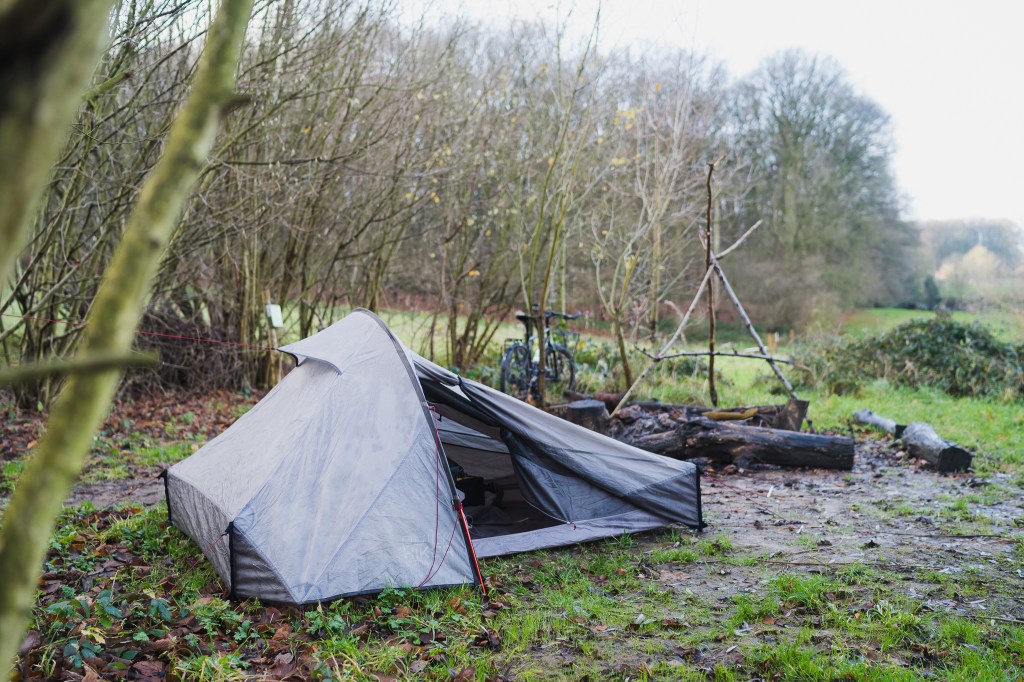
  • Emergency camping gear: knife, lighter, warm sleeping bag (hotels sparse; only one in my 2-hour hiking radius).
  • ​Offline GPX file of the route (download here) and powerbank for offline apps like GPS Hiker.

If you’re in for a good rough minimalist nature hike in the Belgian Ardennes, this one is for you!
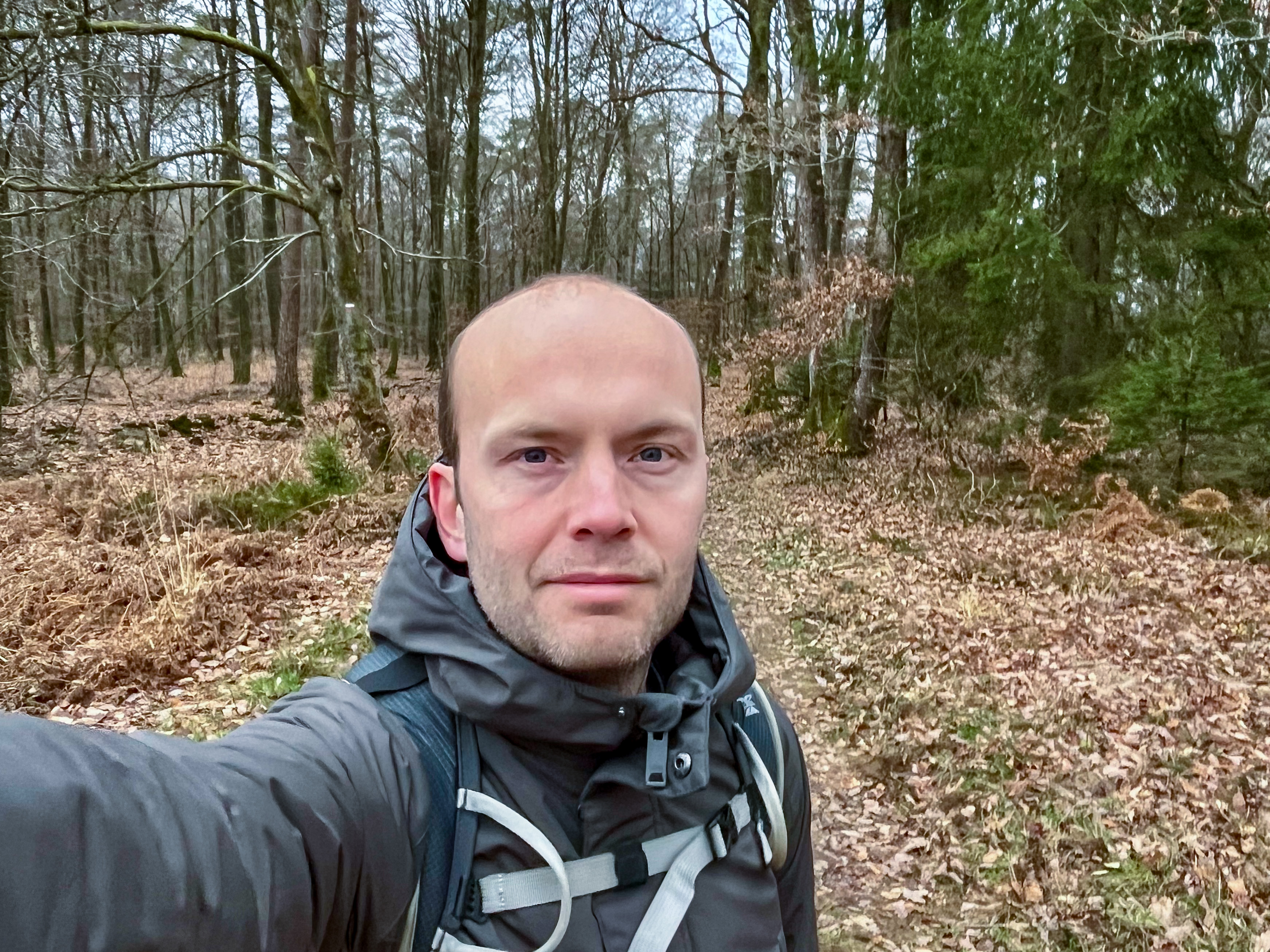
Genval lake – sports & relax just outside Brussels

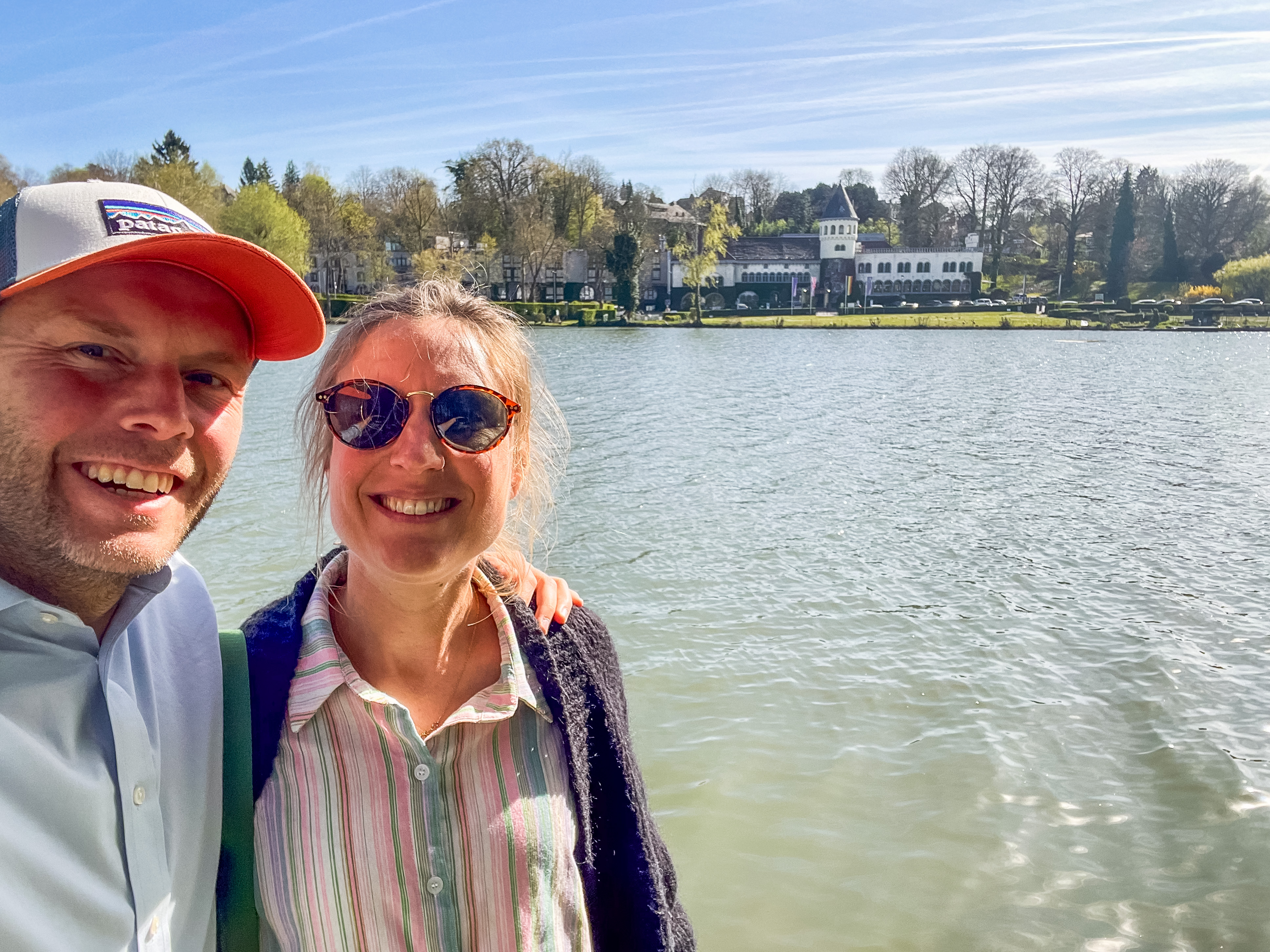
Looking for a quick family-friendly escape close to Brussels that’s both sustainable and full of adventure? For my birthday, my (very pregnant!) wife surprised me with a weekend at Lac de Genval—the perfect blend of slow travel, nature, and fun activities accessible for both big and small explorers.

Getting There the Green Way

  • Train: Hop on the direct train from Brussels North or Brussels Luxemburg station for a stress-free, low-carbon journey.
  • Bike: Feeling energetic? Cycle through the beautiful Sonian Forest for a scenic and eco-friendly route the kids will love. The trip takes between 1 and 1.5 hours from Brussels depending on where you start

What to Do at Lake Genval

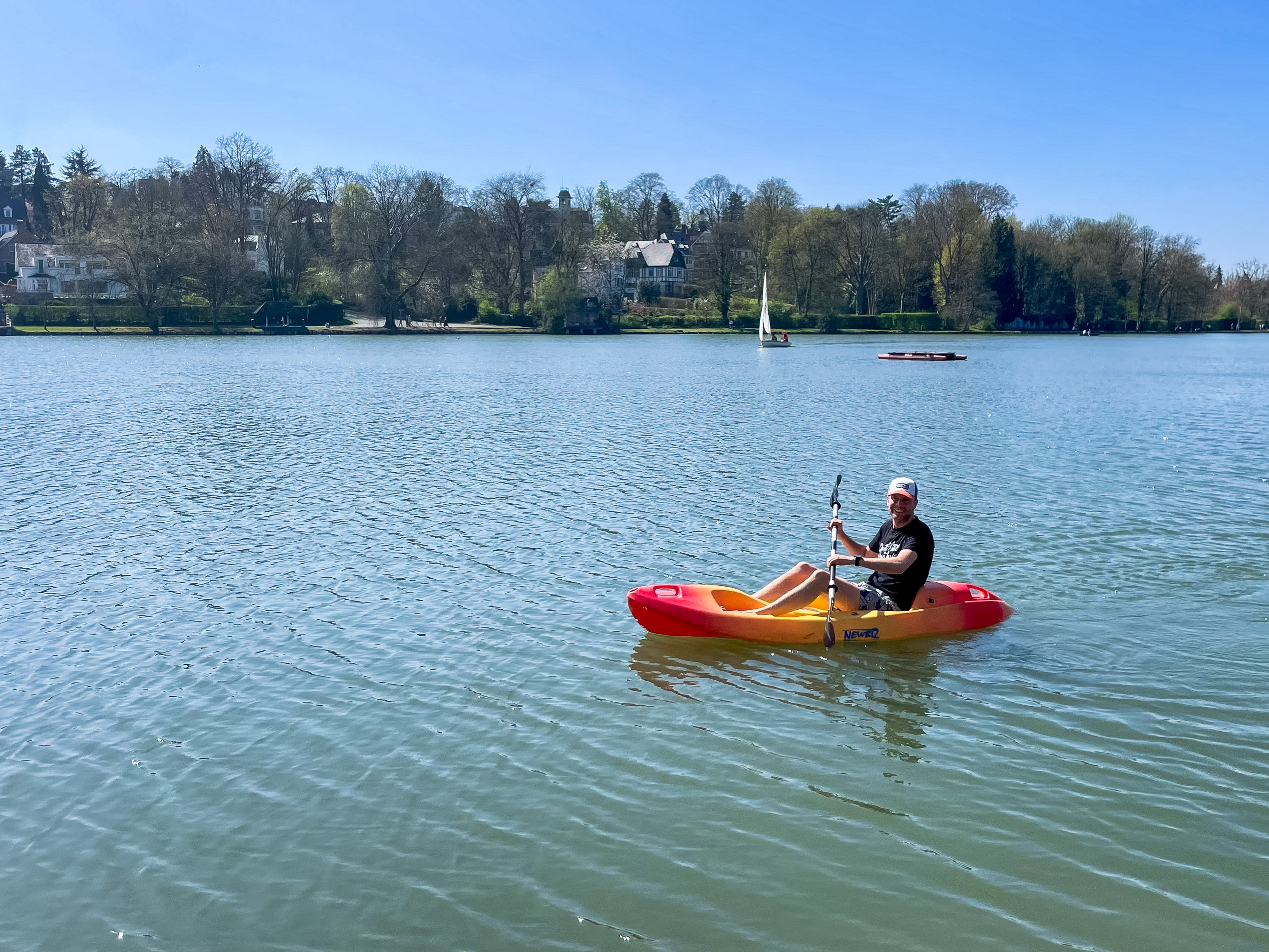
  • On the Water: Rent a kayak, pedalo, SUP, rowing boat, or sailing boat at the local yacht club. Or, relax on the club’s terrace in a comfy beach chair while the kids watch the action.
  • Run or Stroll: Go for a run or a leisurely walk around the lake—perfect for burning off some energy in nature, spotting beautiful lakeside houses and classic cars driving around during the weekends.
  • Picnic & Play: Pack a picnic to enjoy by the water. Bring a book or some games for the kids. (Swimming is officially forbidden, but I couldn’t resist a sneaky early morning dip!)
  • Wellness & Tennis: Treat yourself at the spa or tennis courts at Martin’s Château du Lac—ideal for parents needing a little recharge. The spa also has a rooftop terrace where we read our books for hours.

Where to Eat

  • Lakeside Terraces: Grab a table at one of the many restaurants with terraces overlooking the water—Lucy Chang is a favorite for families.
  • Special Occasion: For something extra special, try L’amandier (my wife’s birthday treat for me!) for a 6-course haute-cuisine lunch or dinner.
  • Don’t Miss: An ice cream from La Laguna, right by the lake—guaranteed to delight! The cue on summer days is worth the wait.
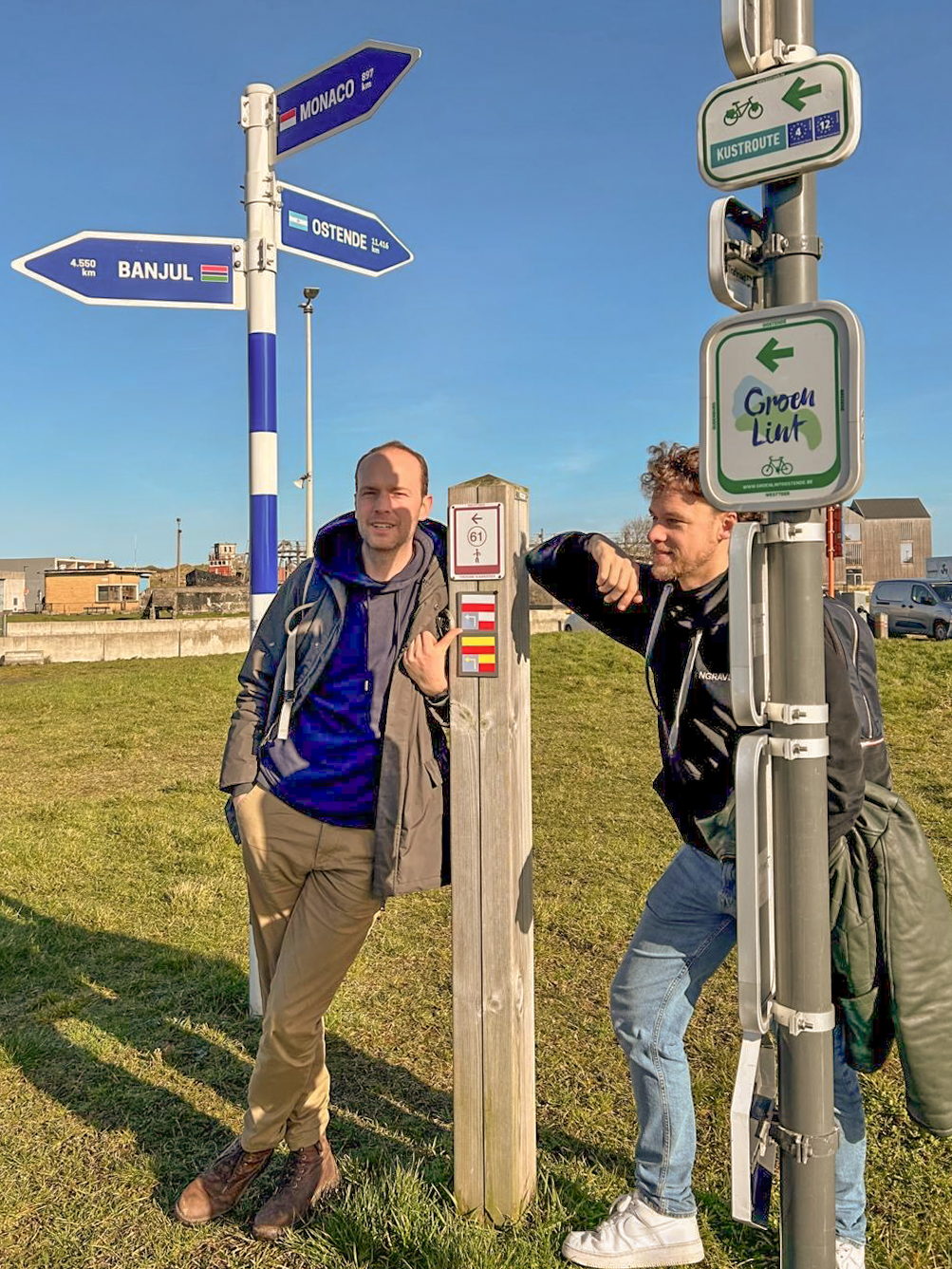
Where to Stay

  • Lakeside Cabins: Book a cozy cabin or house along the water via Airbnb for a homey, kid-friendly stay.
  • Boutique Comfort: L’amandier offers charming but pricy guest rooms.
  • Hotel: We stayed at Martin’s Château du Lac (watch for deals including spa and tennis) for a touch of luxury and plenty of space for kids to roam.

Why We Loved It

This weekend reminded us that you don’t need to travel far to create lasting memories. Slow travel—by train or bike—makes the journey part of the adventure, and Lake Genval’s mix of nature, activities, and relaxation is perfect for families with young kids (and parents-to-be!).

Want tips or help booking your own sustainable lakeside escape? Drop me a message—I’m happy to share more!

Exploring Electric Flight: A Sustainable Adventure

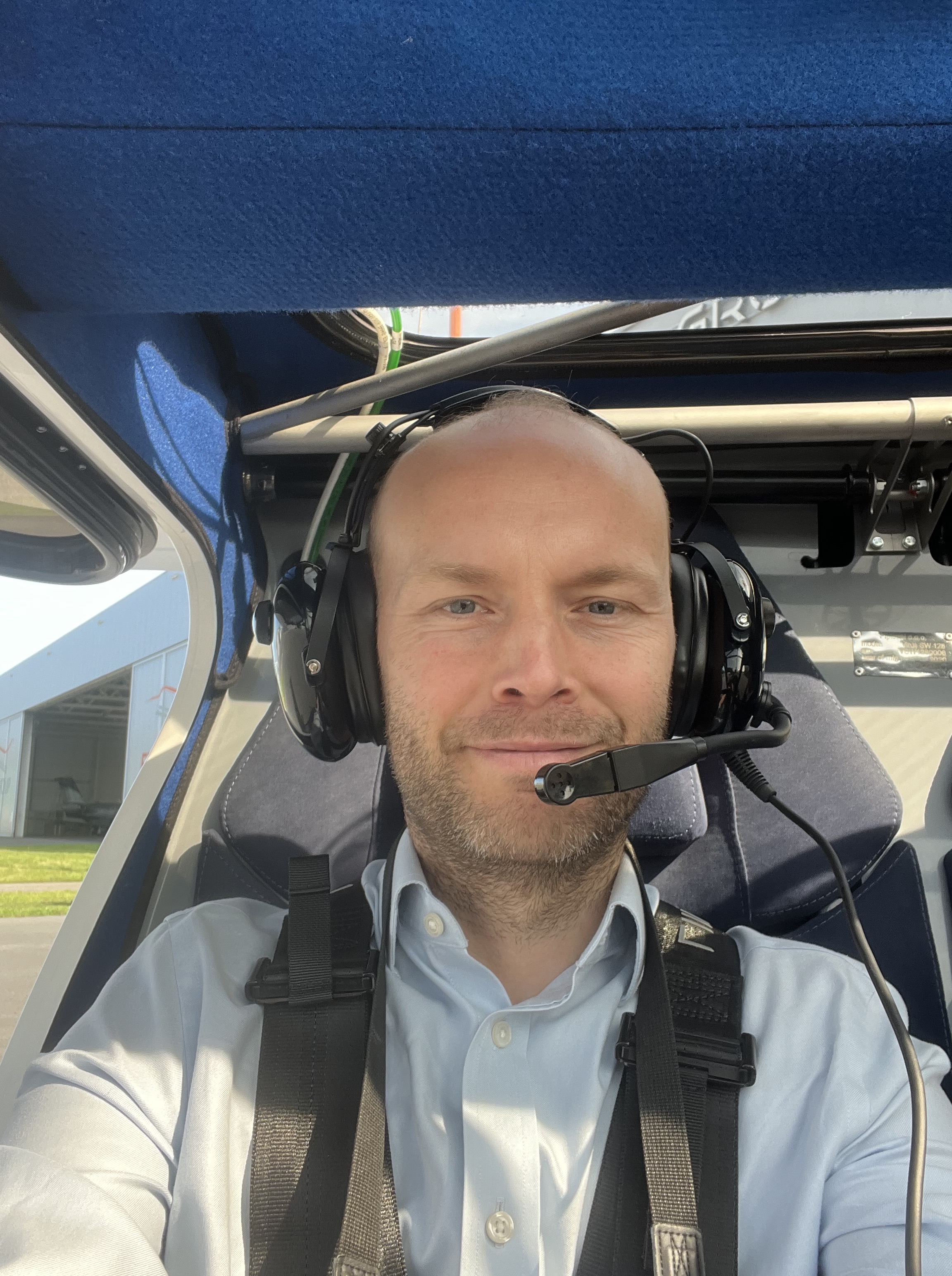
Have you ever wondered what it’s like to see the world from above, knowing your adventure leaves almost no mark on the planet? My recent flight in the electric Pipistrel Velis Electro triggered exactly that: excitement and hope for the future of aviation.

A New Perspective from the Skies

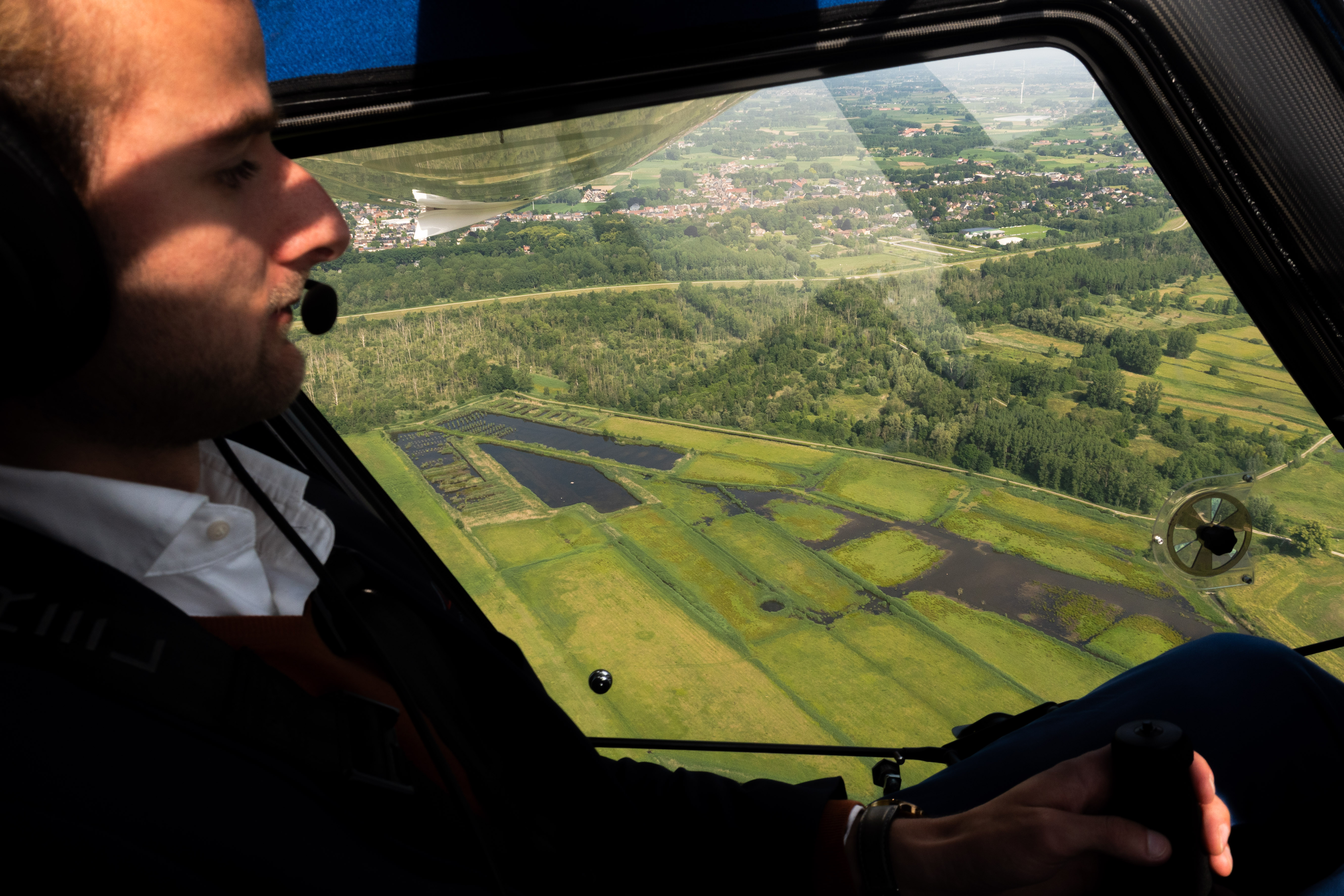
There’s something transformative about viewing the earth from the sky. The patchwork of fields, rivers, and city skylines below reminds us how immense and beautiful our planet is. It’s a humbling experience—one that often shifts our perspective and makes us appreciate nature, while recognizing how small we are in the grand scheme of things. As humans, we often overstate our dominance, but up there, the world feels vast and we feel wonderfully tiny.

Electric Flight: Where Are We Now?

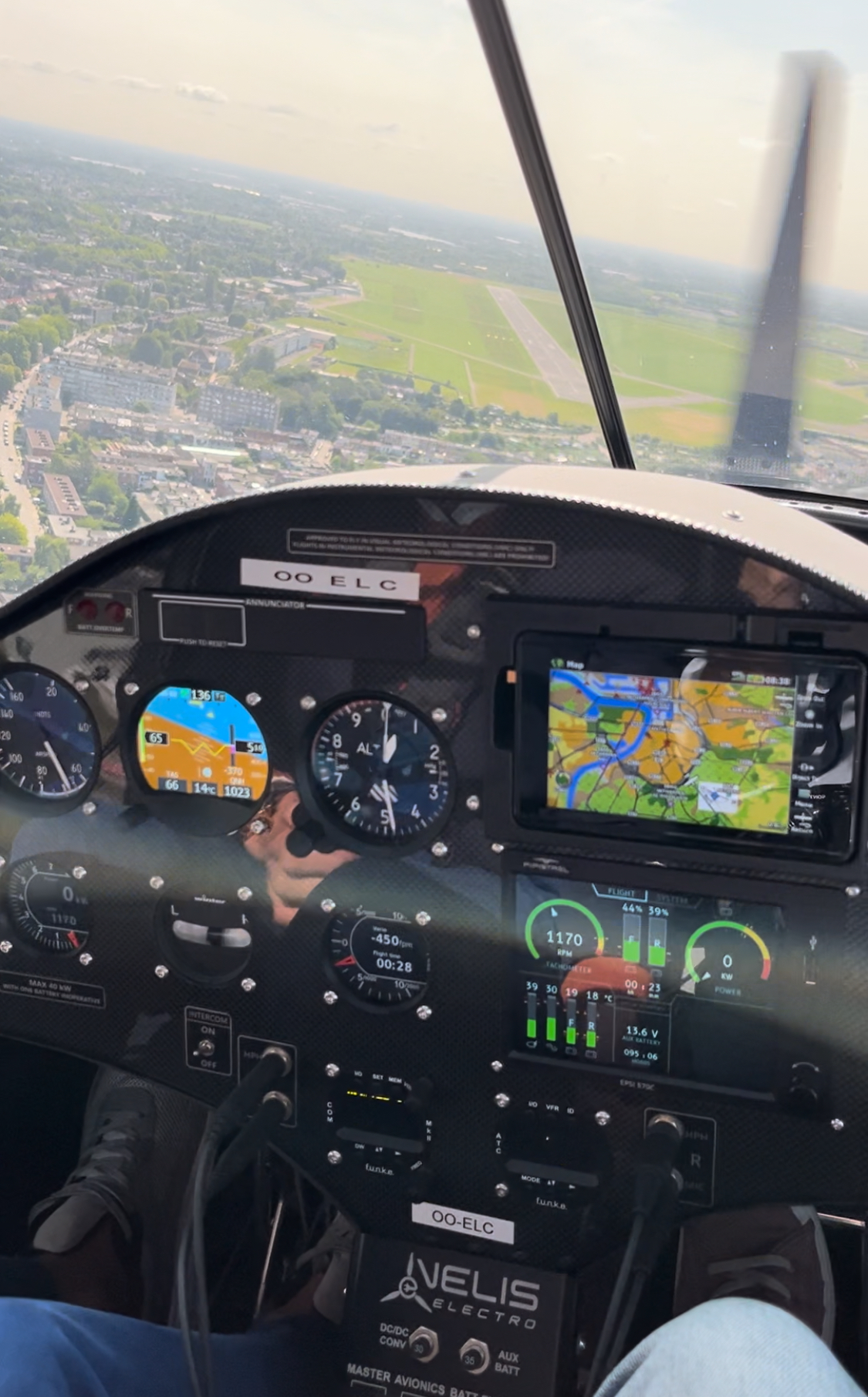
Flying the Pipistrel Velis Electro—a fully electric, zero-emission aircraft—was both thrilling and enlightening. While electric aviation is still in its early days, especially for long-distance journeys, it’s already proving itself as a fantastic option for local sightseeing and pilot training. The technology is advancing rapidly, with battery efficiency and range improving year by year and new model aircraft being developed. For now, short flights like mine (38 minutes for 150 EUR, including VAT and a thorough pre-flight briefing) are the sweet spot for electric planes.

I have a confession to make: During the flight, I truly experienced range anxiety firsthand. Flying the Pipistrel Aircraft Velis Electro—powered entirely by electric batteries—I watched the battery percentage drop rapidly as we flew. Things got even more interesting when we turned around and faced a headwind, causing the battery to drain even faster on our way back to land.

It really hit me: range anxiety in the air is very real! I’m grateful that Sustainable Aviation Fuel is available for longer commercial flights—while it’s not perfect, it’s still much cleaner than traditional fossil jet fuel. We landed safely with 38% battery remaining, which might sound like plenty, but it definitely kept my range anxiety alive. 😉

A huge thank you to Dimitri from ASL Academy for taking me up in their electric Pipistrel Velis Electro for this zero-emission flight over Antwerp. Just a little range anxiety, but absolutely no emissions!

I’m so grateful to experience the range of technological advancements in aviation firsthand—it really helps to understand what’s at stake and how the industry is evolving.

The Future: Hydrogen, SAF, and Beyond

  • Hydrogen-powered aircraft are emerging as a promising solution for sustainable aviation, offering longer ranges and faster refueling compared to batteries. Several prototypes are already in the skies, and industry leaders predict commercial hydrogen flights within the next decade… but it might not be in the first 5-10 years that we will board one.
  • Sustainable Aviation Fuel (SAF) is another key player, already in use for longer commercial flights. While not perfect, SAF drastically reduces lifecycle carbon emissions compared to traditional jet fuel and is helping bridge the gap until zero-emission technologies are ready for mass adoption. SAF is available today, even though it needs rapid scaling up and development of truly sustainable feedstock supply chains. If you want to book flights accounting for 100% SAF, have a look at our startup BookBetter.travel

Adventure and Alternatives

Sightseeing from the air in an electric plane is not only a fun adventure—it’s a technological leap toward a cleaner future for aviation. If you’re looking for an even simpler way to experience the magic of flight, paragliding (see my other blog post on paragliding here) is a fantastic, low-tech alternative that requires minimal equipment and offers a direct connection with nature.

Ready to Take Off?

Curious to try electric flight for yourself? I can connect you with the right people to reserve your own zero-emission adventure—just send me a message!

Let’s keep exploring new horizons sustainably, one flight at a time.

Solitude and Reflection in Nature: Retreats for Personal Growth

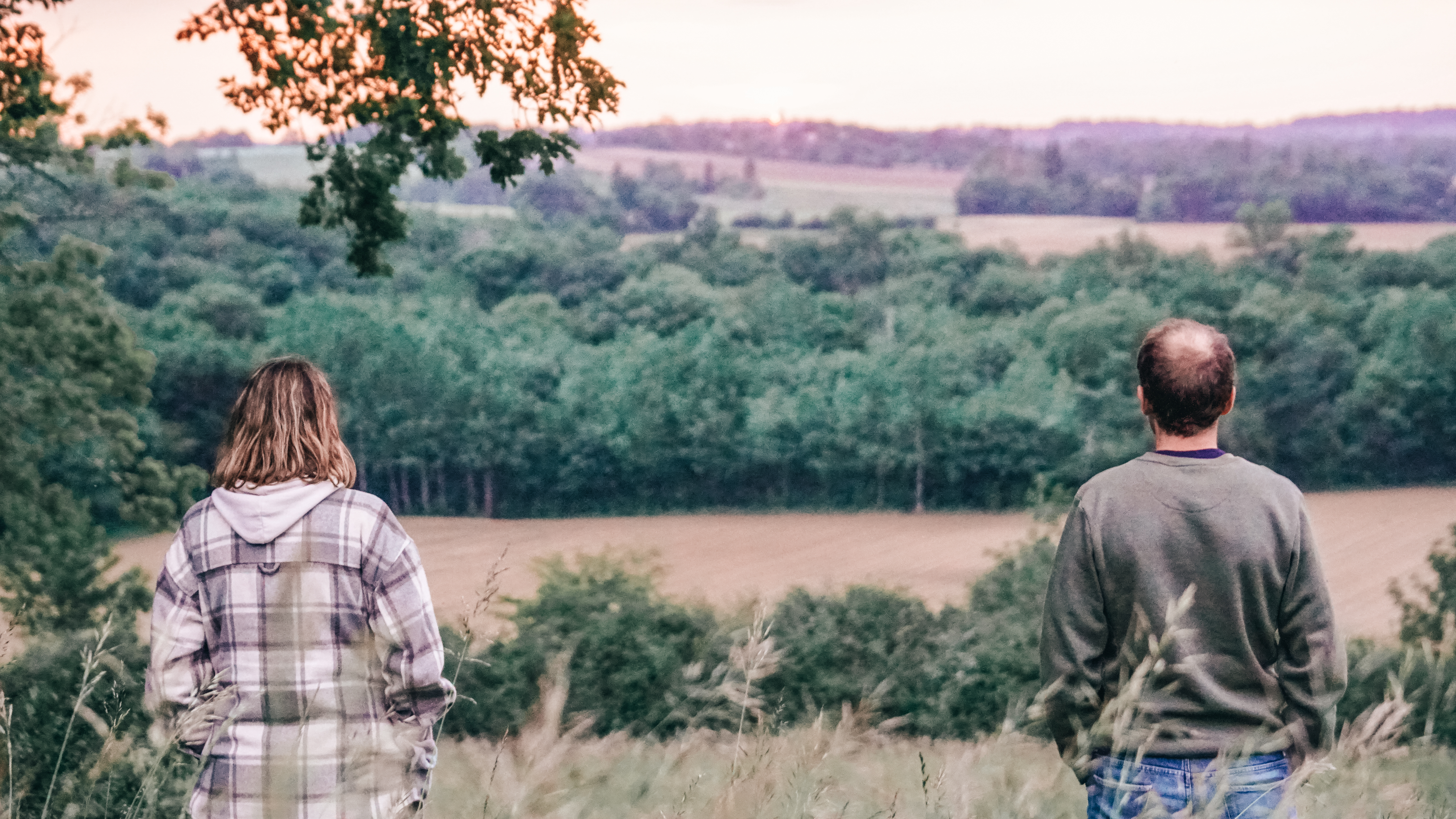
When was the last time you dedicated a full day exclusively to yourself? No work, no family commitments, no phone—just pure, uninterrupted ‘me-time.’ If you’re like many, these moments are rare to nonexistent. Embracing solitude and reconnecting with oneself can ignite creativity and provide a surge of energy that’s hard to put into words.

Recently, I embarked on a three-day dry fasting journey, surrounded by nature. I spent my days and nights watching sunsets, stars, moons, and sunrises—cycling through this routine with nothing but a sleeping bag and a rain cover. This simplest form of retreat, often referred to as a “vision quest,” was great to spark me with energy and insights. It’s also by far the easiest and least costly to organize: you only need a sleeping bag and find a bit of nature where you can hide, will not get disturbed and preferably feel some good energy with a nice view.

In this context of low-carbon adventures, here are some sustainable travel experiences and concepts I’ve personally tried and cherished:

1. Vision Quest

Immerse yourself in nature while fasting and sleeping under the stars. My recent quest included three days of fasting combined with two days in the beautiful hills of Auvergne, France, prepared with the guidance of my coach, Alessandro Schiavoni. I would not recommend the dry fasting, since not drinking any water for multiple days is heavy on the kidneys. Nevertheless, it was an amazingly impactful and simple retreat.

2. Silent Retreat

Opt for a 3-day silent retreat. I prepared by sourcing schedules from the internet, stocking up on provisions, and borrowing meditation books from the library. Locked in an apartment by the seaside in Ostend, I spent my days in silence, with occasional quiet walks along the beach, and a routine of repeated 1h meditation, 1h yoga, 2h studying, 1h eating, and sleeping.

3. Explore Retreat

Experience a psychedelic retreat organized by Carlien Cavens of Unplug 48. For a detailed insight, you can read the full article here.

4. Unplug Retreat

A reflective 3-day retreat in the South of France, focusing on past learnings, present strengths, and future missions. This transformative experience was organized by Carlien Cavens of Unplug 48, and reachable by train. You can hear my testimonial as part of this podcast episode made by Carlien.

5. Midweek Micro-Adventures

Escape for a midweek micro-adventure. Leave the office in the evening, walk along a scenic route or nearby forest, pitch a tent in a hidden spot (e.g. Sonian Forest), and spend the night in the company of a friend or alone. Resume work the next day, refreshed and reenergized.

6. Hiking with the Guys

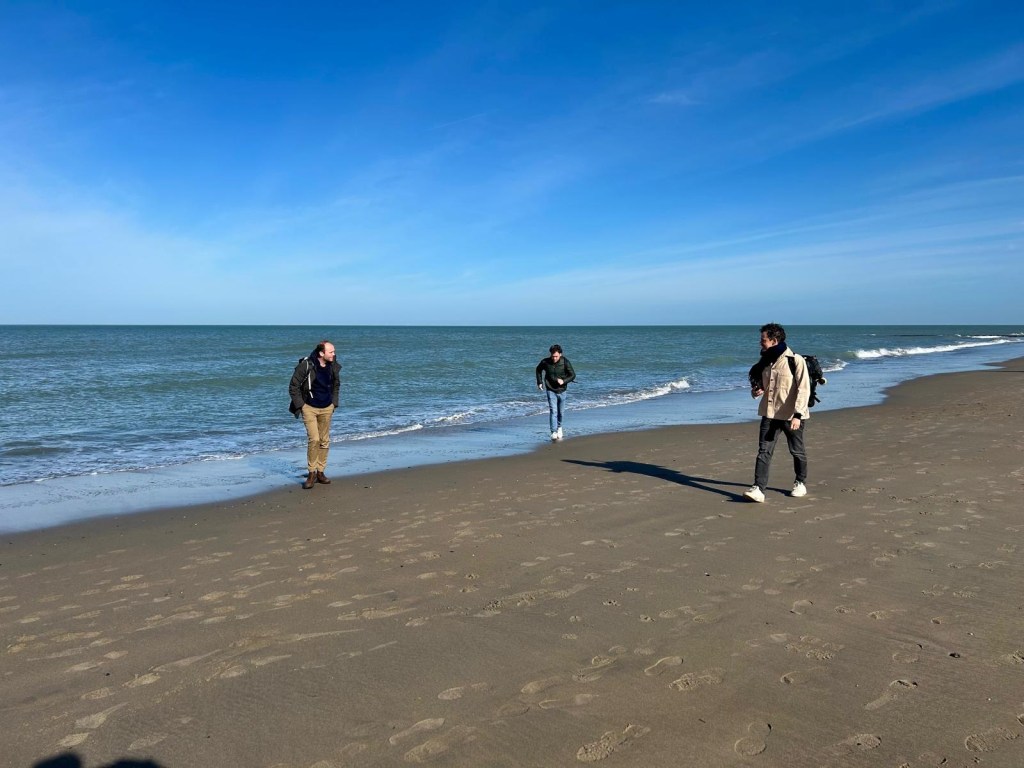
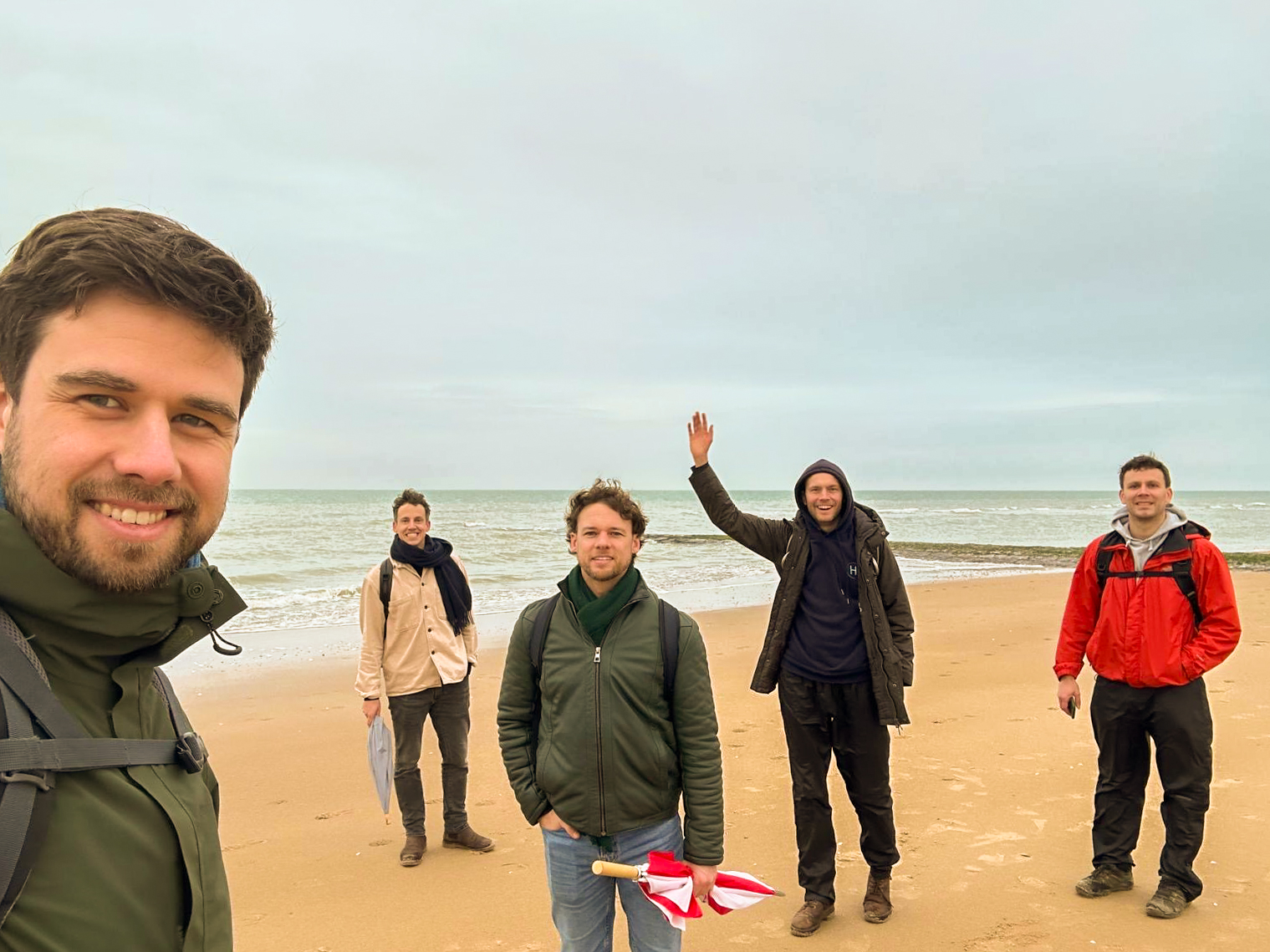
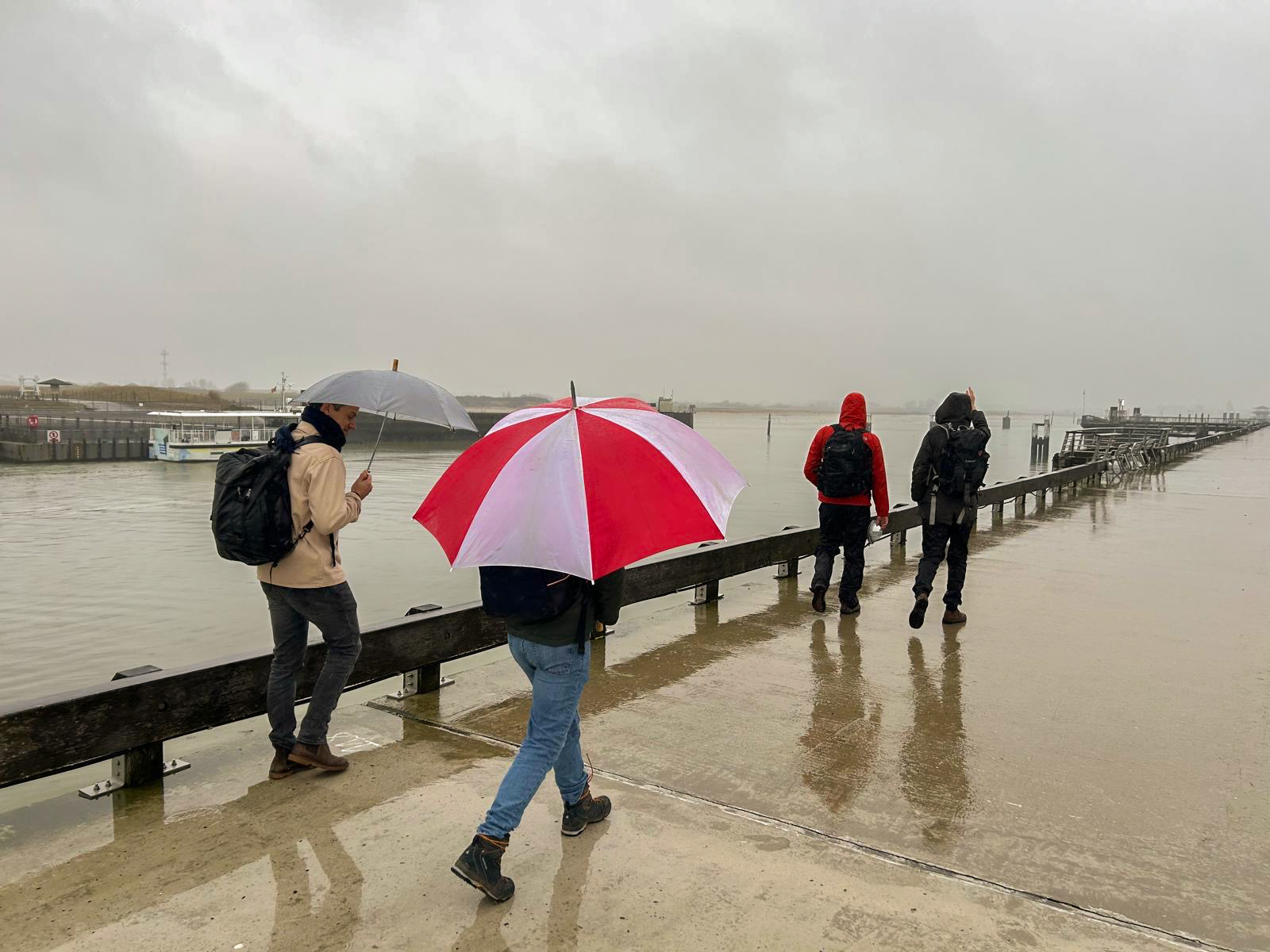
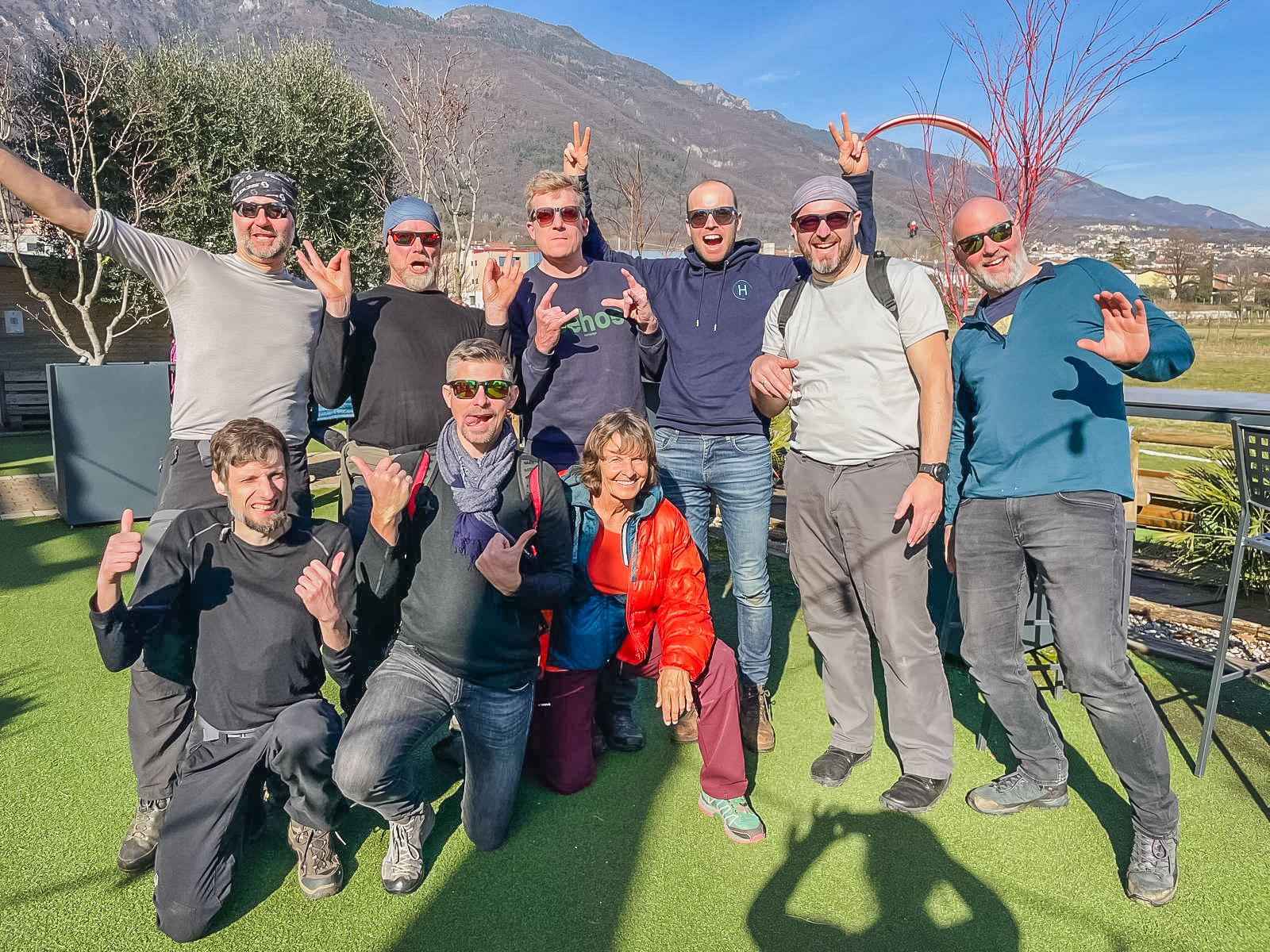
Plan a weekend hiking trip with long-time friends. Pick a GR route (see post on GR5A on the Belgian coast). Laugh, share, and reflect while exploring nature together. It’s the perfect blend of camaraderie and self-discovery.

Setting Intentions for Your Retreat

The outcome of these retreats largely depends on your intentions. Here are a few that have guided my own journeys:

  • Connect with Deepest Self: Seek out your most authentic nature.
  • Discover Life’s Purpose: Uncover your Ikigai and life’s calling.
  • Overcome Daily Fears: Face and conquer daily anxieties, embracing life with greater joy.
  • Learn Meditation: Embark on a journey of mindful meditation.
  • Trust and Connect with Nature: Build a deeper trust in life and its natural flow.

Next to clear intentions, not taking a phone or other electronics is probably the most basic starting point to prepare for a retreat. Make sure someone knows exactly where you will be, and inform those close to you that you will not be reachable for multiple days.

Closing Thoughts

These sustainable travel experiences not only minimize carbon footprints but also offer profound opportunities for personal growth and rejuvenation. Embrace solitude, reconnect with nature, and discover a more mindful, balanced life. Explore these sustainable travel adventures and let them inspire your next journey towards inner peace and environmental consciousness.

Weekend Getaway: 3-Day Hiking Tour on the Belgian Coast – GR5A

Are you looking for an eco-friendly adventure that combines lengthy beach walks and beautiful nature views, cultural activities, and the luxury of not needing to carry heavy gear? Our 3-day hiking trip along the Belgian Coast offers all this. Whether you’re planning a weekend with friends or a family trip with kids, this route is versatile, accessible, and packed with options for everyone.

Why This Coastal Hiking Route is Perfect

Easy Access to Transport and Amenities

One of the best things about this route is the coastal tram that runs alongside it. You can start your hike at any point and hop on the tram if you need a break or want to reach a destination quicker.

Additionally, there are numerous restaurants and hotels along the route, so you don’t need to carry heavy backpacks. This makes it perfect for a lightweight and stress-free hiking experience.

Cultural Activities and Refreshing Sea Dips

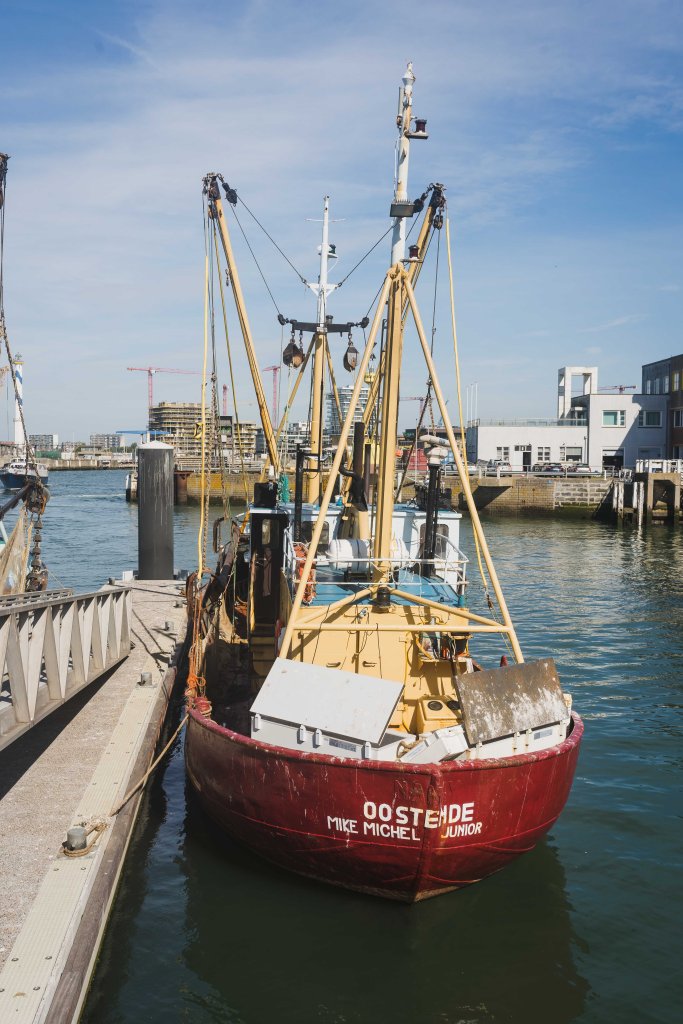
Along the way, you’ll find plenty of cultural activities to do, especially around Ostend (check out our Ostend post for more details). And what’s better than cooling off in the sea after a long day of hiking? Whether it’s in the summertime or braving the chilly winter waters, there are endless opportunities to enjoy a refreshing swim.

Family-Friendly and Flexible Routes

This hiking trip is ideal for a weekend escape with friends or a family outing with young kids. The route is so flexible that you can shorten it by taking the tram when needed. While most of the official GR5A route is stroller-friendly, some shortcuts, like the sandy stretch between Nieuwpoort-Bad and Lombardsijde-Bad, are better suited for those without strollers.

Our 3-Day Hiking Schedule

Day 1: Brussels to Nieuwpoort

  • Arrival: We took the train from Brussels to De Panne, located on the west side of the Belgian coast.
  • Evening: After arriving in De Panne, we took a tram to Nieuwpoort where we had dinner and stayed the night.

Day 2: Nieuwpoort to Ostend

  • Morning: We started our day by taking a small electric ferry from Nieuwpoort-Bad across the harbor channel. Best to check the evening in advance if it is working. The initial part of our hike was through the nature reserve, dunes and on the beach, which is both scenic and abit more challenging than on the dike.

  • Lunch: We reached Middelkerke by lunchtime and enjoyed a delicious meal at Silt restaurant, located in the new casino building with nice sea views.
  • Afternoon: Continuing on, we arrived in Raversijde where the route goes inland through dunes and nature reserves. As we approached Ostend, we passed historic landmarks like the Thermae Palace (Brasserie Albert is a great spot to stop).
  • Evening: We stayed the night in Ostend. Check out our Ostend blogpost for more recommended restaurants and activities.

Day 3: Ostend to Bredene and Back

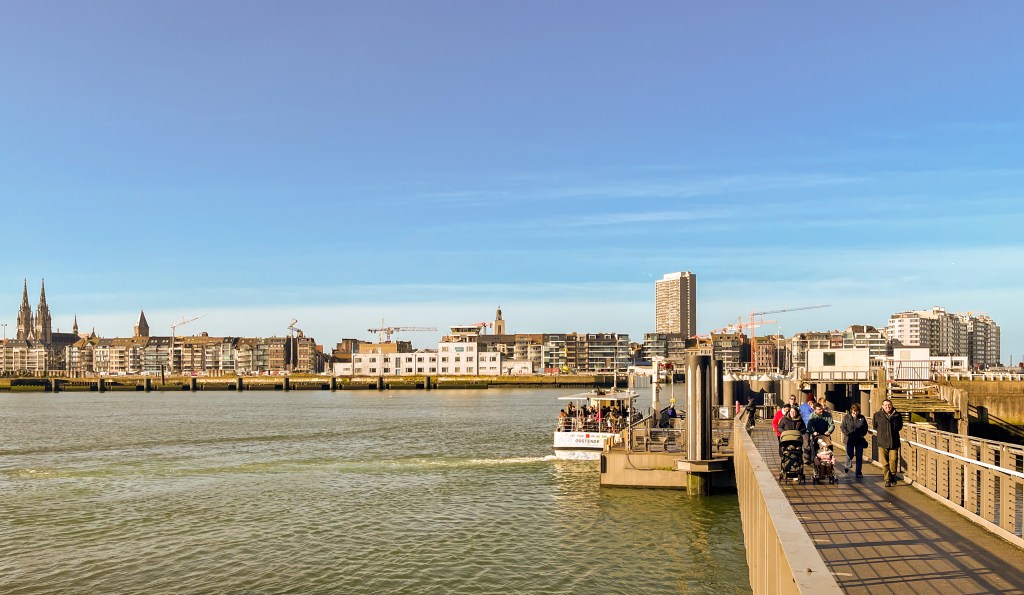
  • Morning: We took a small ferry from Ostend to the East-side of the harbor heading to Bredene, skipping the longer GR5A route around the harbor.

  • Afternoon: Hiking along Fort Napoleon and through the Bredene dunes, we enjoyed drinks and sun at Twins Club. On our way back we ran into a baby seal chilling in the sun on the beach. You can most often find seals in Ostend on the small beach next to the West-side of the harbor. We had lunch with shrimp croquettes and fish soup at De Cierk, a Fish & Food market on the east side of the harbor.
  • Return: We then headed back to Brussels. For those wanting a more extended hike, you can continue to Knokke and take the train back from there.

Weekend Cycling Adventure: Brussels to De Haan

We took this trip about two years ago, in Covid times. We found a new way to enjoy a weekend getaway: a cycling journey from Brussels to De Haan with a stay at the seaside. Whether you’re planning a winter trip with a scenic grey backdrop or a sunny summer escape, this route offers a perfect blend of nature, history, and adventure. Let’s delve into our experience and how you can recreate this journey.

Setting Off: Leave early!

Our adventure began on an early Saturday morning in Brussels. I packed a picnic and set off around 7 AM. The route was approximately 140 kilometers, guiding us through some of Belgium’s most scenic towns and cities. You can check out the detailed route here: NodeMapp Cycling Route. This system of fietsknooppunten is the best way to plan any cycling trip in Flanders.

Since Tine was pregnant then, she chose to go by train and join me for the last part of the cycling trip.

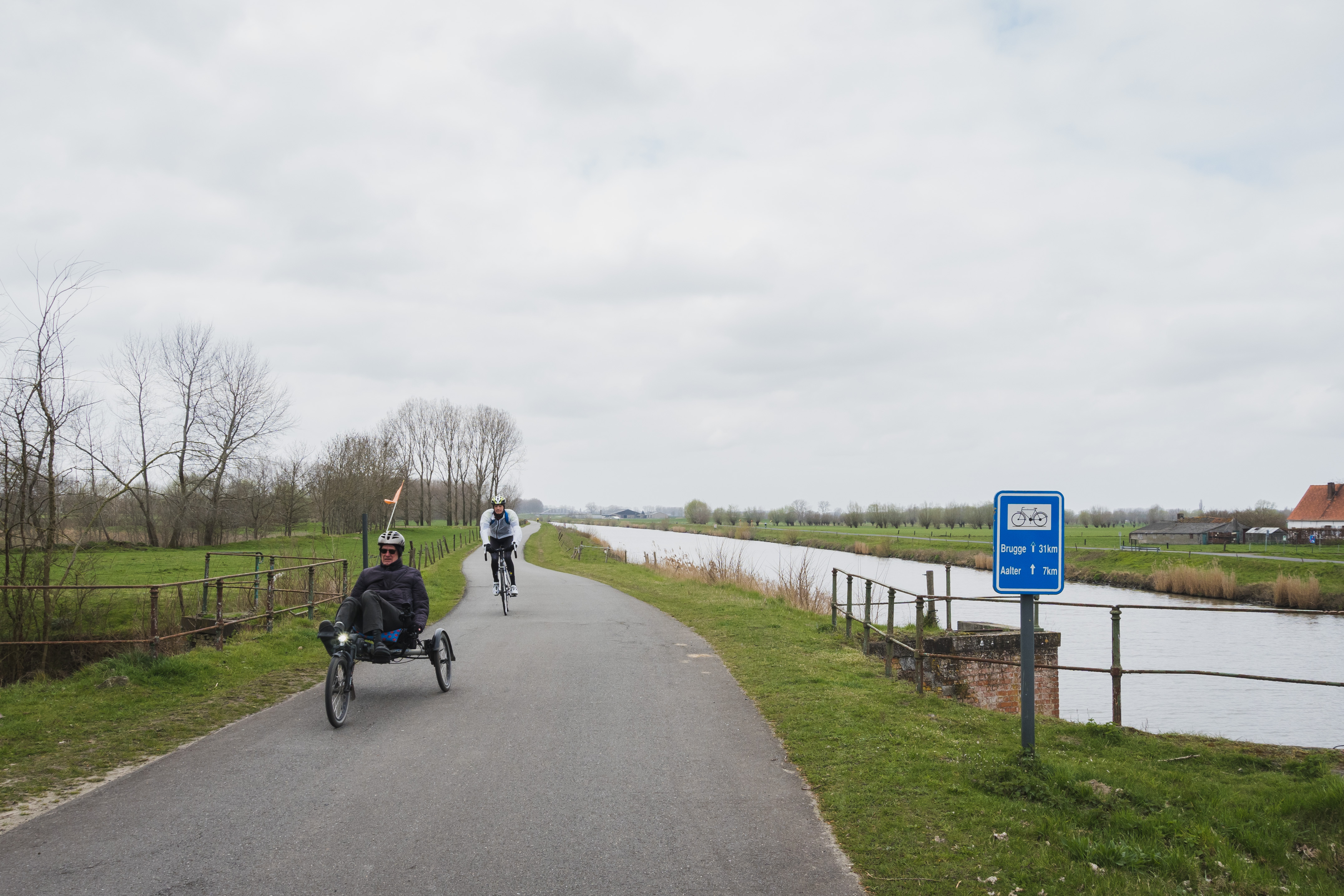
Cycling long distances can seem daunting, but planning becomes easy when following canals and rivers. These natural guides make navigation straightforward, turning the ride into a sequence of picturesque views avoid having to look at your phone or gps too often.

If you’re traveling with kids, consider using an electric bike with a bicycle cart. For those who prefer a more relaxed pace, split the trip into two days with an overnight stay in or before Ghent. This approach allows you to break up the journey, enjoy the ride, and fully appreciate your surroundings.

The Journey: From Brussels to De Haan

I maintained a slow but steady pace, with my touring bike, averaging about 20 kilometers per hour this takes 7 hours without brakes. This allowed me to enjoy the sights along the route without feeling rushed. The journey took us through Ghent, a city known for its vibrant culture and historic buildings, and Bruges, often called the “Venice of the North” for its beautiful canals and medieval architecture.

In Bruges, Tine joined me for the final leg of the trip to De Haan. This part of the journey combined scenic countryside with coastal views.

The Seaside: De Haan

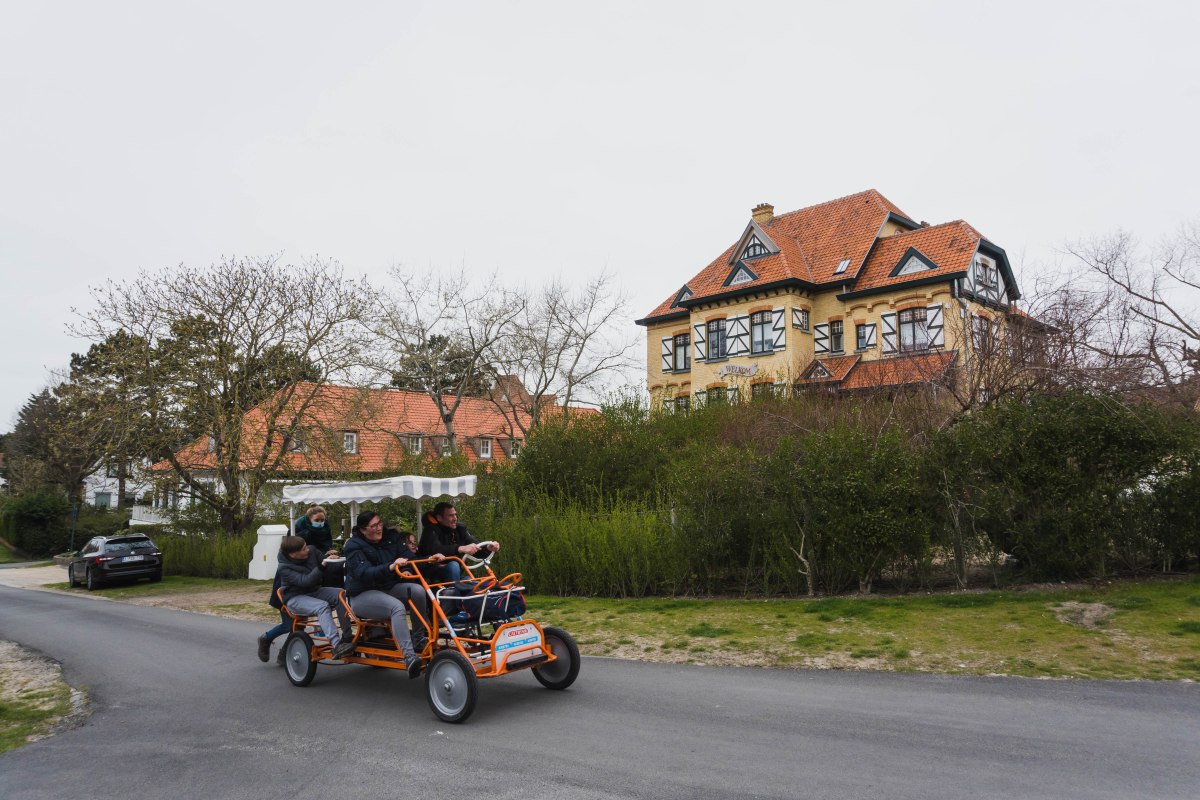
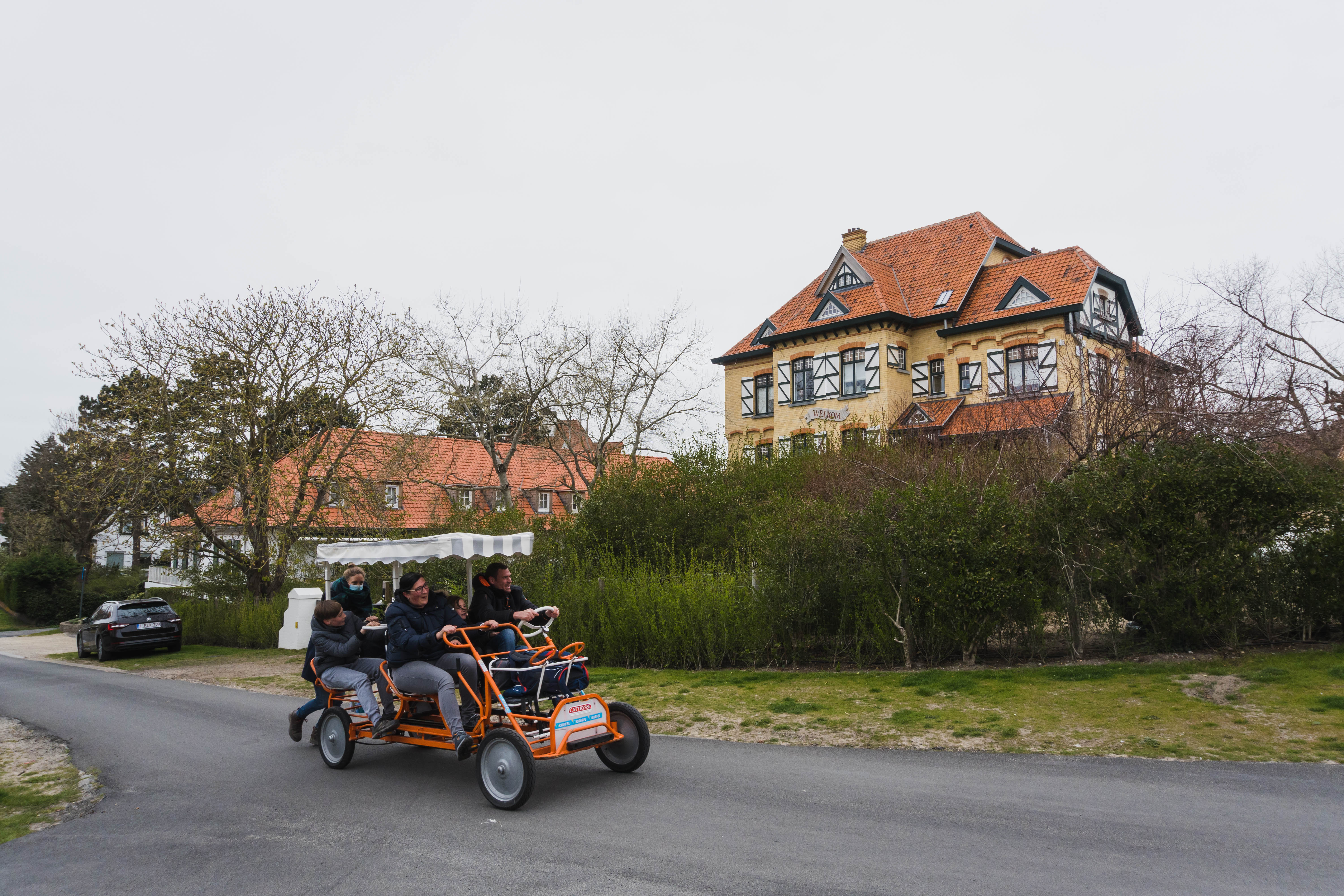
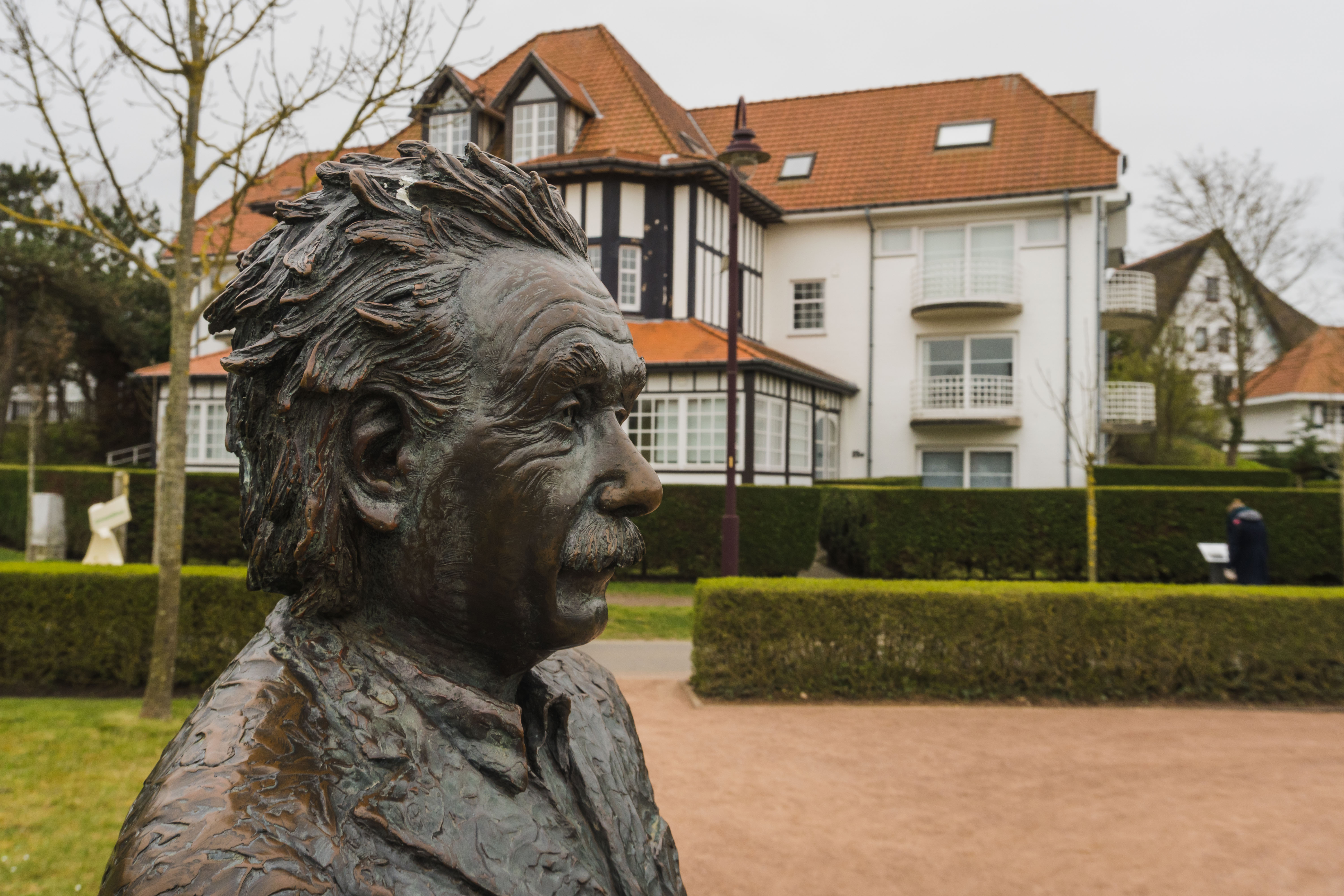
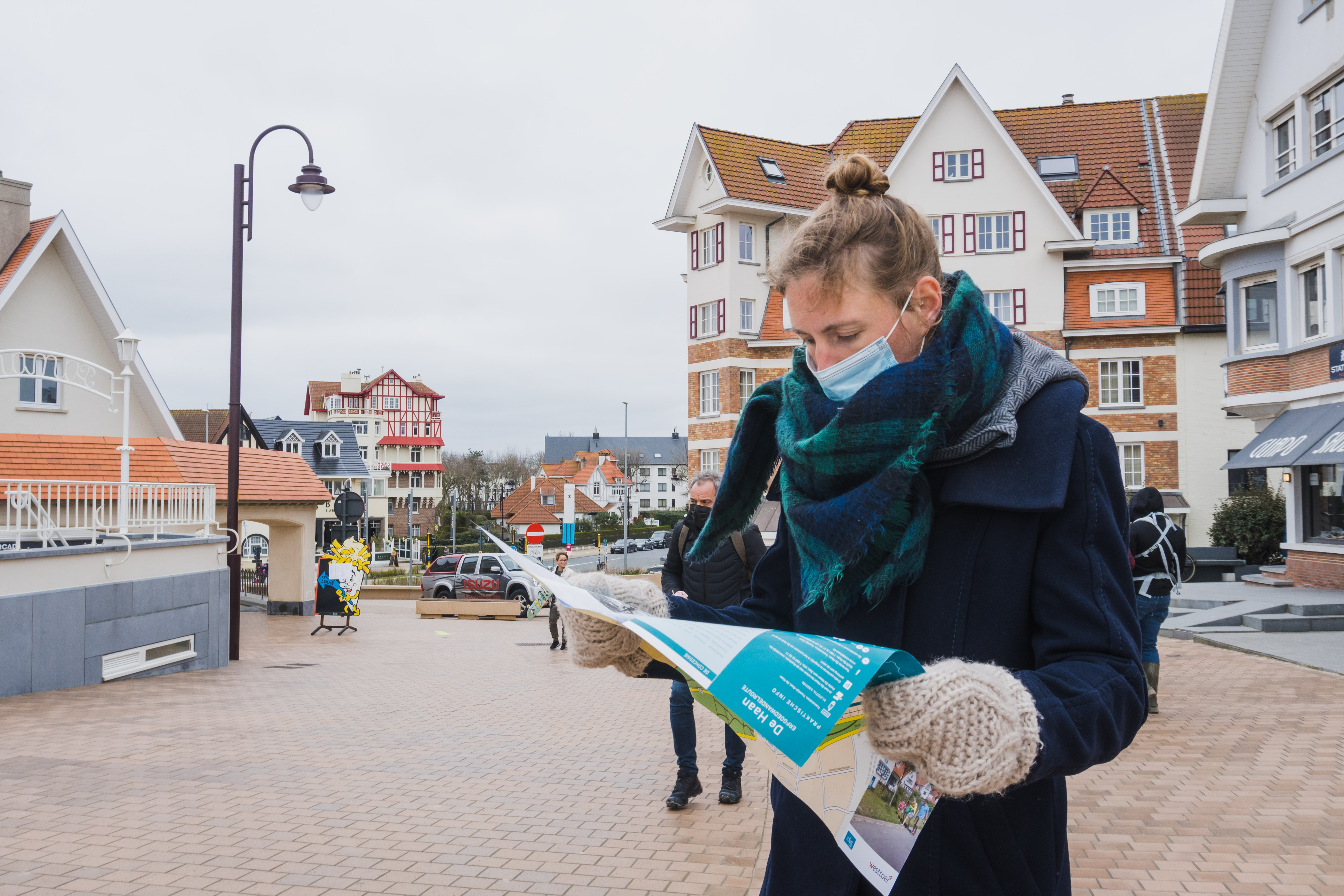
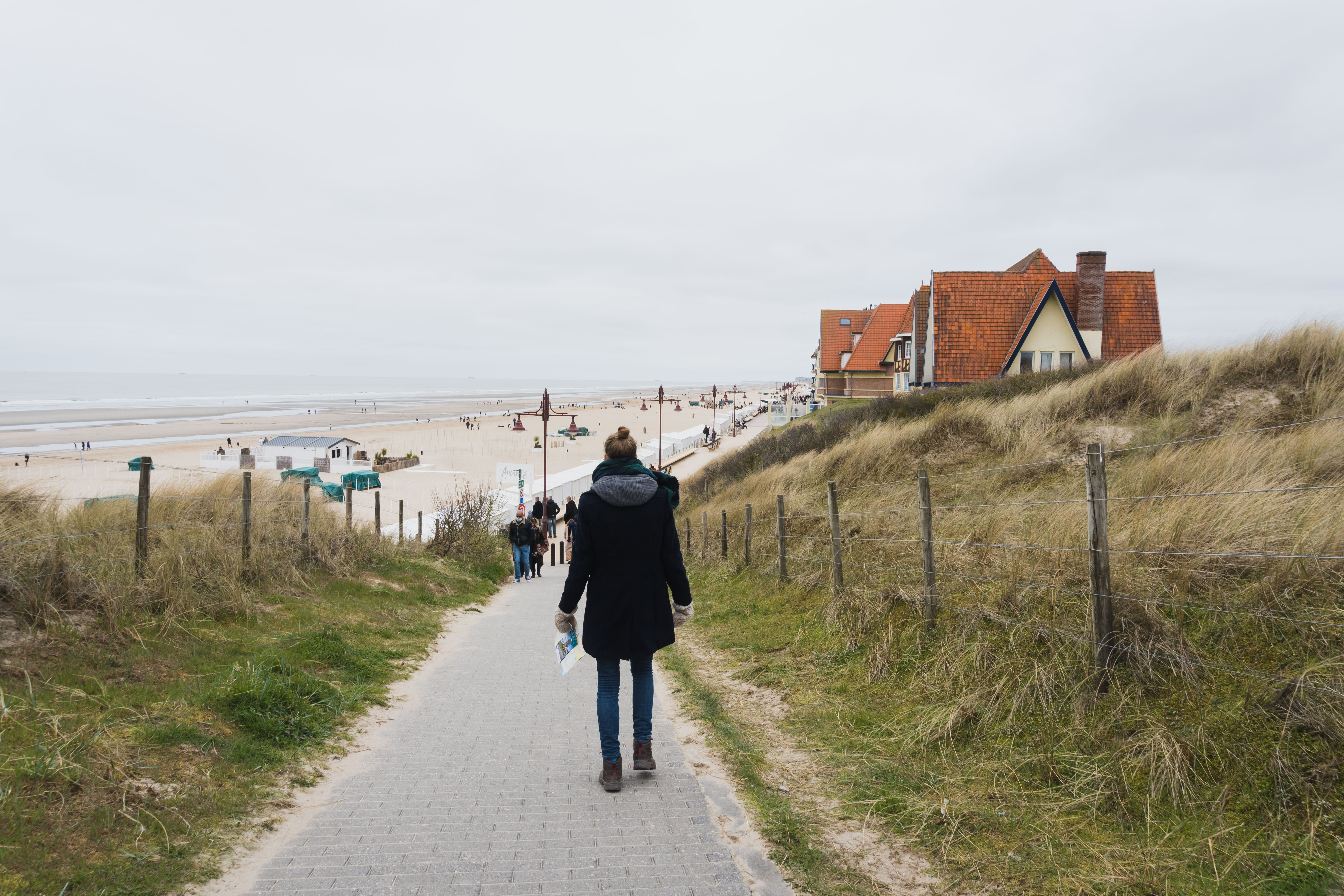
Arriving in De Haan felt like going back to the glory times of the Belgian coast. Known for its Belle Époque architecture, De Haan offers a mix of history and coastal charm. One highlight was the heritage walking route, which tells the town’s rich history, including how Einstein lived there. You can explore more about this walk here.

We stayed at Hotel Internos, located just in front of the legendary Hotel Astoria. Both situated in the center of De Haan, ensuring you’re close to all the main attractions.

Due to Covid restrictions, dining options were limited, so at that time we enjoyed dinner in our hotel room. One memorable restaurant we enjoyed during another trip was Villa Julia, set in an old house with a warm interior. Despite the restrictions, dining in such unique settings added to our experience.

Returning Home: Easy and Convenient

After a weekend filled with cycling, history, and coastal beauty, returning to Brussels by train was simple. We cycled to Ostend and took the train back to Brussels. You can easily complete the journey to Ostend by coastal tram as well.

Final Thoughts on Sustainable Travel

Cycling long distances offers an eco-friendly alternative and a deeper connection with the surroundings. Whether you’re an avid cyclist or someone looking to try something new, this journey from Brussels to De Haan is a great way to explore and relax.

So, pack your bags, hop on your bike, and set off on your own sustainable adventure. Who knows what adventures you’ll make along the way!

Eco-Friendly Travel: Mastering the Art of Reusable Diapers

Traveling with reusable diapers might seem daunting, but with the right approach, it can be both eco-friendly and manageable. We’ve had a mix of good and challenging experiences, and we’re here to share what we’ve learned to make your journey smoother.

We have made many trips with August during his first 2 years and always took reusable diapers: on a camper trip of 2 months to Spain and France, on our train adventure of a month in Sicily, on our cycling holidays through the Dolomites last summer,… It requires a bit of planning and reflection, but once you’re used to it it works well.

Our Favorite Reusable Diapers

Our top pick is the “Close Pop-in Bamboo Diaper”. These diapers are easy to wash and use, consisting of a bamboo layer, a water-absorbent insert, and waterproof over pants.

  • For soiled diapers: Simply toss the bamboo layer in the garbage.
  • For wet diapers: Wash and reuse the bamboo layer 3-4 times until it’s too decomposed.

Another setup we love:

  • “Bamboolik Cover Duo Snap” outer pants combined with “Anavy Bamboo Diaper with Velcro” and “TotsBots Bamboo Insert”.

Packing Tips

We typically prepare packaged layers in advance, taking 9-10 sets (3-4 diapers per day, adjusting as your child grows). For extra absorption at night, you can add a night booster like the “Close Pop-in Night Insert”.

Benefits and Practical Tips

  • Washing: Use a bit of eco soap to wash diapers in a lake, shower, washbasin, or toilet.
  • Drying: Lay them open in the sun or wind, or place them in a well-ventilated bicycle cart to dry.
  • Reuse: You can reuse the waterproof cover multiple times without washing if it remains clean.
  • Frequency: In hot weather, do not go longer than 2 days without washing. Use a washing machine every 3-5 days while on holiday.

Challenges & Solutions

  • Skin Irritation: In warm weather, humidity can irritate your child’s skin. Switch to disposable diapers (eco-friendly versions are available in most hypermarkets) if needed.
  • Smell: Carry a plastic bag for odor management.
  • Handling Poo: It’s not always pleasant to handle soiled diapers, but I (Louis) take on this task most often since I care most about the use of reusable diapers.

Additional Tips & Tricks

  1. Wet Bags: Invest in wet bags to store dirty diapers until you can wash them.
  2. Travel Size Detergent: Bring eco-friendly detergent in a travel size for easy washing on the go.
  3. Disposal Liners: Use biodegradable liners inside the diapers to make cleaning easier.
  4. Plan Ahead: Research your destinations for laundry facilities to ensure you can wash the diapers when needed.

Milan to Sicily Night Train Experience: Train Travel Europe with Kids

We decided to embark on an eco-friendly family adventure to Sicily by train. Discovering a direct night train from Milan to Palermo and Catania, we decided to give it a try. The journey costs between €221 (going) and €206 (returning).

Day 1: Brussels to Milan

We started our journey from Brussels to Paris and then switched stations to travel onward to Milan. Here’s a cost breakdown of the first part:

  • Eurostar: Kept August on our lap, so no ticket needed.
  • French SNCF Trains: Used the “carte avantage adulte” discount.
  • Total Cost: €190 (Brussels-Paris) + €125 (Paris-Milan) = €157/person.

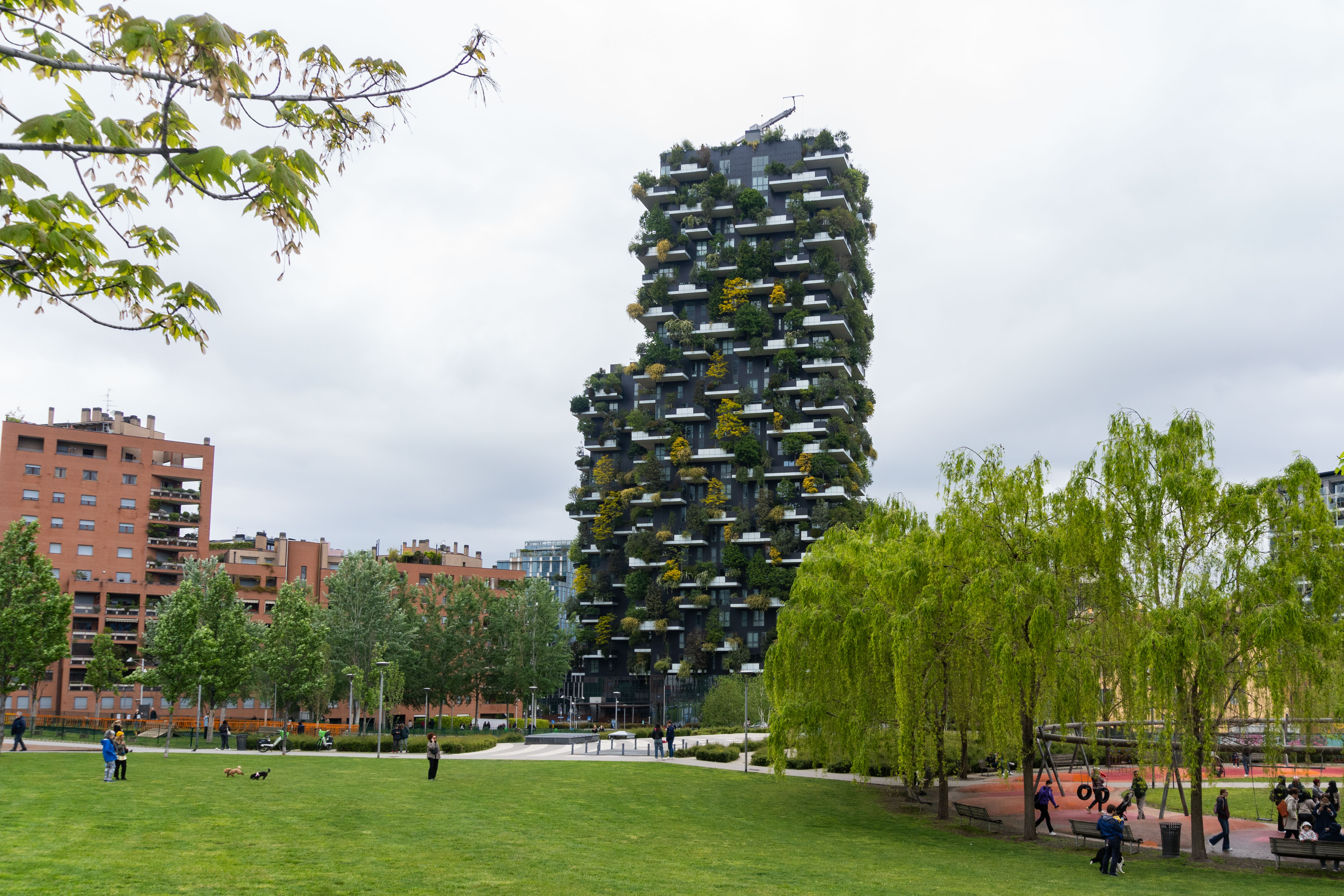
To kick off the trip in style, we had lunch at Le Train Bleu in Paris’s Gare de Lyon. The restaurant boasts a spectacular interior of the golden age of train travel. We discovered it by coincidence by hearing a waiter singing an opera song from the stairs in the station hall.

Our train from Paris to Milano arrived in Porto Garibaldi, and we still walked to Milano Central Station in the evening. We stayed at B&B Hotel Milano Aosta, conveniently near Milano Central Station, allowing us to leave our luggage the next day until our night train departure.

Day 2: Night Train to Sicily

On our second day, we explored Milan with breakfast on the hotel’s rooftop, a stroll around the city, lunch, and visits to Castello Sforzesco Park and the Leonardo da Vinci Museum of Science and Technology. August loved playing in the boats, trains, and helicopters, with plenty of kid-friendly activities.

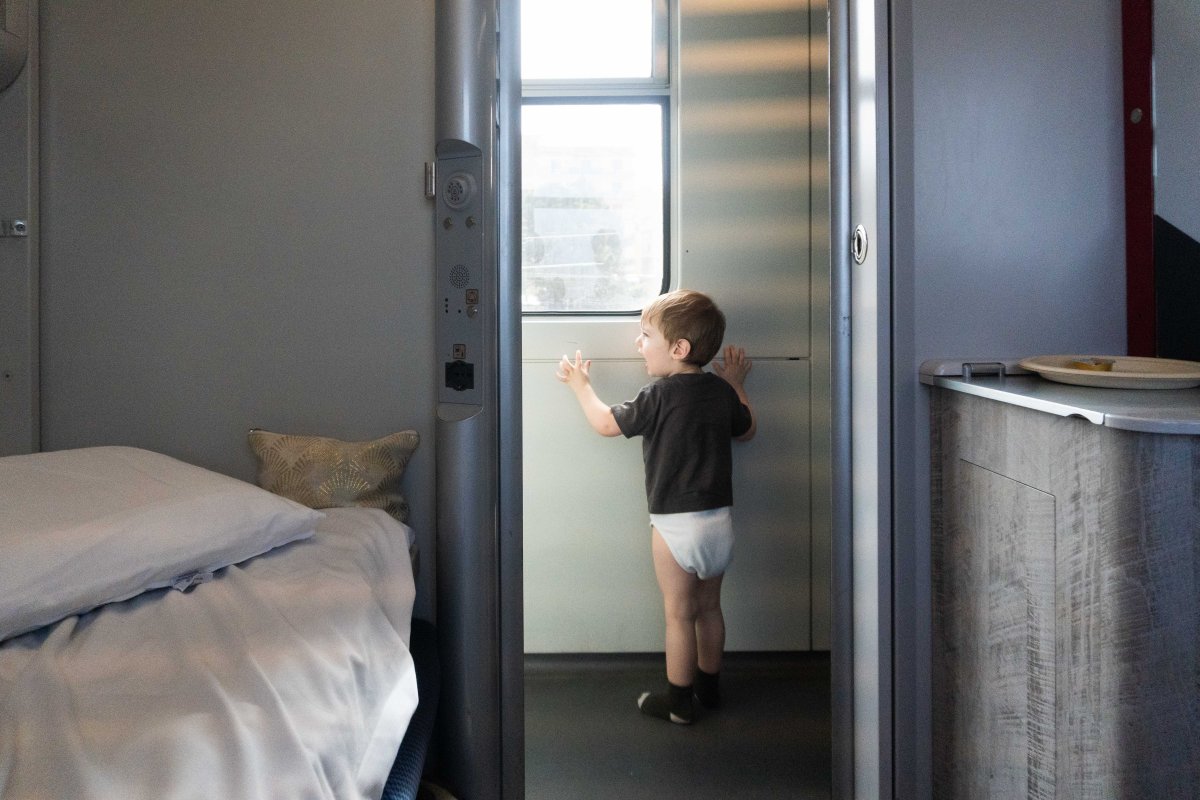
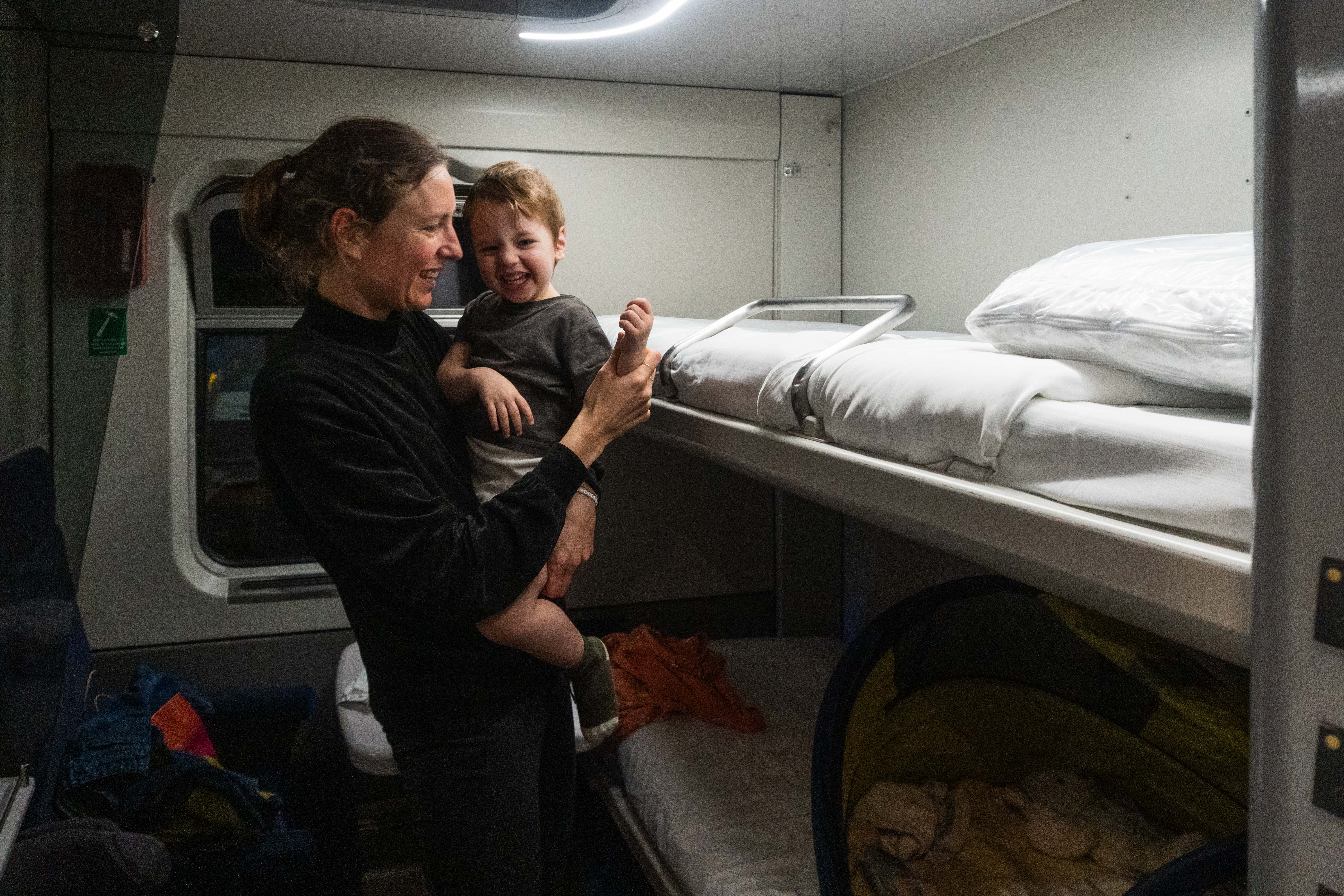
We booked a private car for our family: the “Vagone Letto Deluxe – Tripla Cabina Intera” for €198 in total, or €66 per person. Departure from Milano Centrale was at 20:10, arriving in Catania Centrale the next day by 14:32.

To make sure August was comfortable, we brought his little sleeping tent and installed it on the lower bed (see our blog post on train travel with kids here).

Day 3: Arrival in Sicily

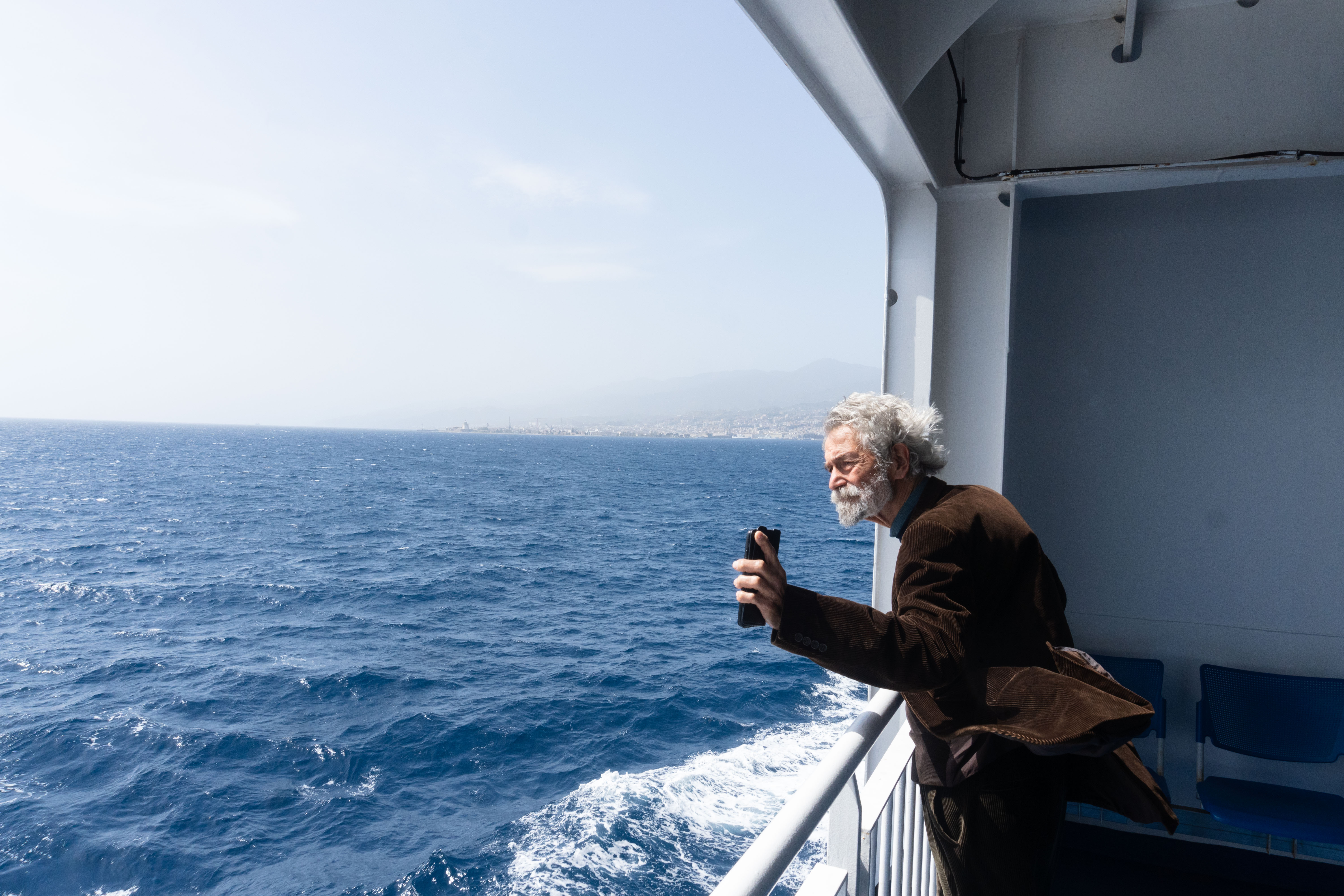
The scenic views along the Italian coast were breathtaking.

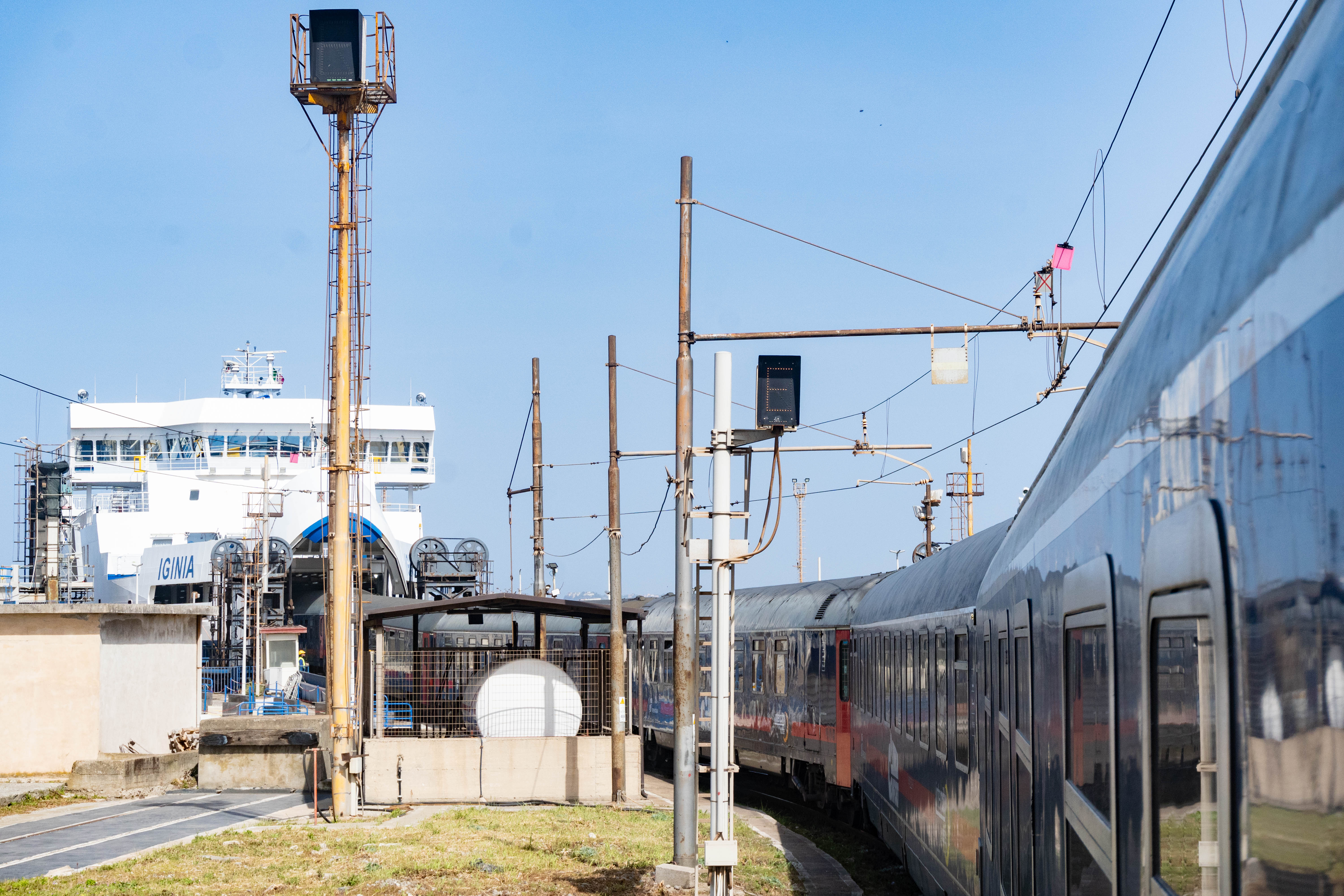
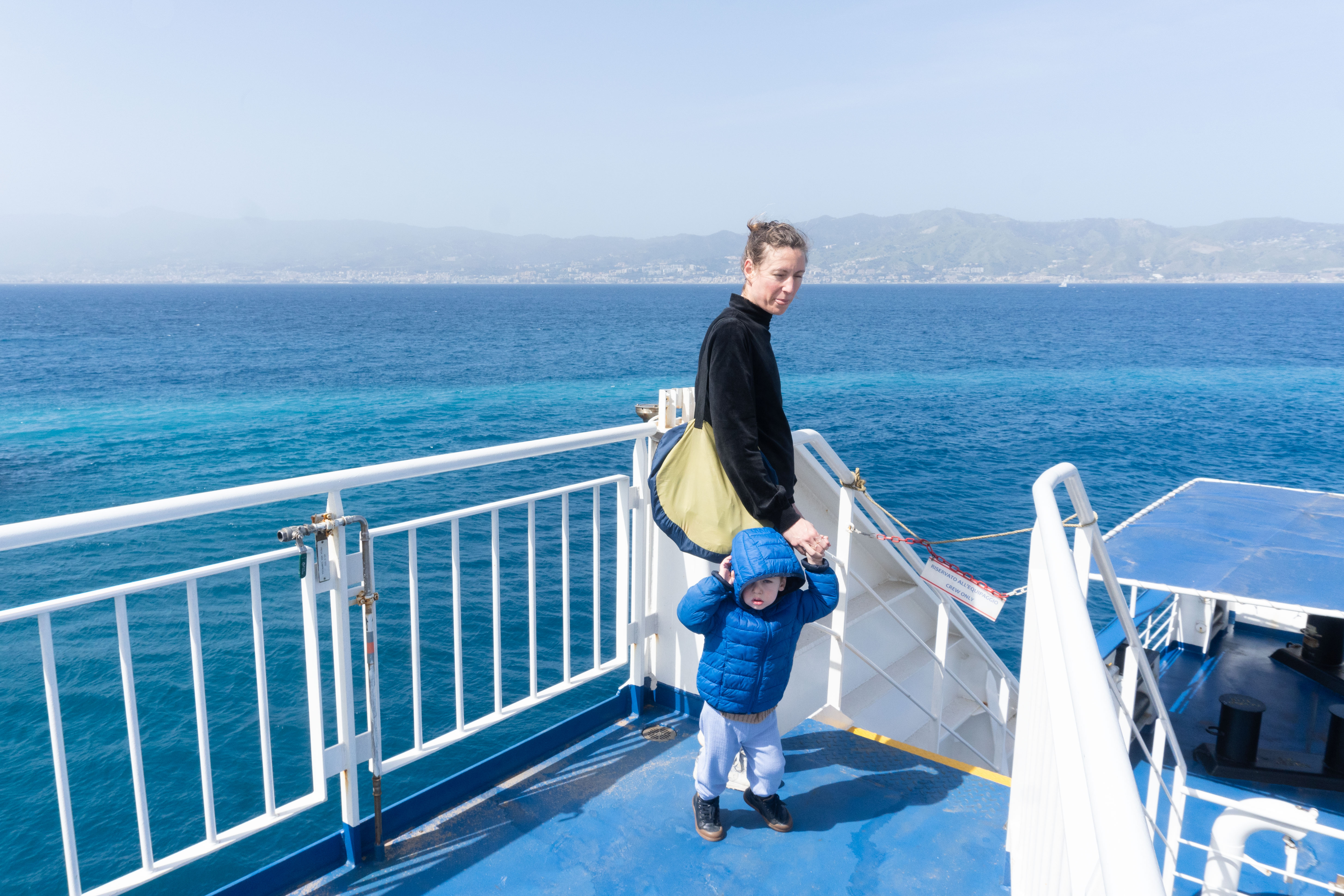
The most interesting part of the journey was in the late morning when the train was divided into sections of 3-4 cars and transported onto the ferry. You can leave most of your luggage in your coupé but take valuables with you when walking around the ship, as the cars stay open during the crossing.

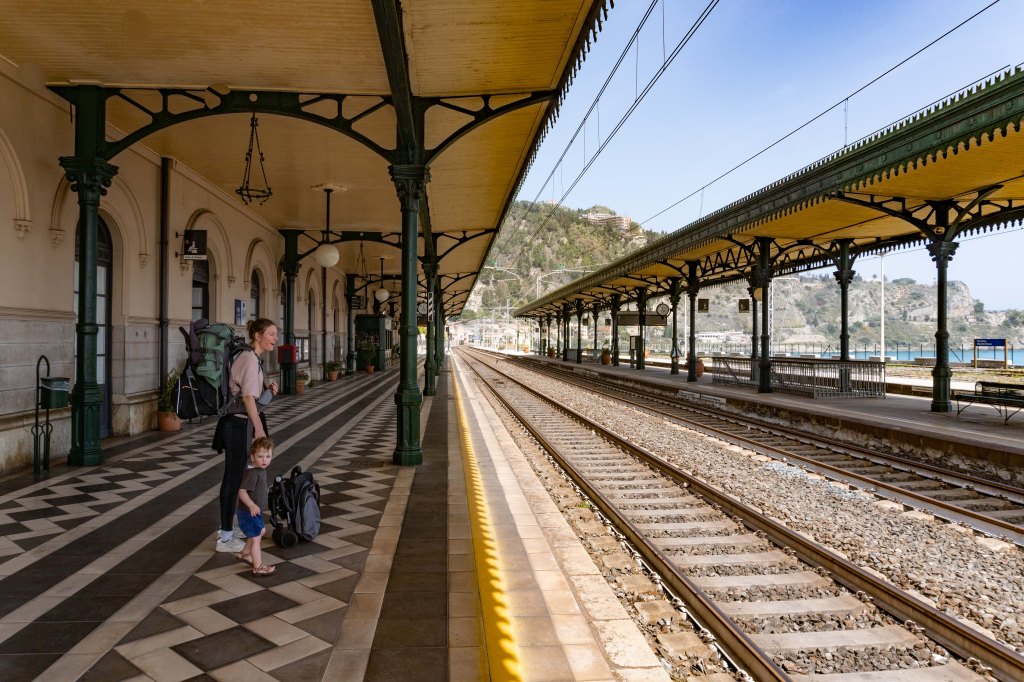
We opted to start our Sicilian adventure in Taormina, getting off the train around noon instead of the intended stop in Catania at 14:32.

Our full experience traveling around Sicily by train and bus for a month will be detailed in a separate blog post.

Return Trip

I traveled back by night train from Palermo directly to Milan, mirroring our trip to Sicily: Departure: Palermo Centrale at 12:58, Arrival: Milano Centrale at 10:10. Switching stations, having lunch and traveled on to Paris where I stayed for the night. I was back in Brussels on day-3 by 10 am.

Costs for the return journey:

  • Night Train: €45.
  • Train Milan-Paris: €62.
  • Train Paris-Brussels: €99.

Ecological Travel Tips for Train Travel with Kids

  1. Pack food and drinks: Keep a variety of healthy snacks and drinks handy for the journey.
  2. Entertainment: Bring books, coloring supplies, and small games to keep kids entertained.
  3. Comfort Items: Pack comfort items like earplugs or sleeping tents for restful nights.
  4. Frequent Breaks: Use long stops to stretch, walk around, and let kids burn off energy.
  5. Travel Light: Use backpacks and a foldable stroller for easier mobility between trains and stations. See blogpost on travelling by train with kids. We had only 4 items with us:
    • One big hiking backpack with all Tine and my clothes, books, laptop…
    • A child carrier backpack (Vaude / Deuter), also containing all clothes and supplies for August (incl diapers, milk powder,..)
    • The sleeping tent of August, containing his teddy bear and all sleeping stuff. If August was in his stroller, we would put this tent in the child carrier backpack where August normally sits.
    • Our foldable stroller

Discovering Paragliding in Bassano del Grappa

Many people dream of flying, and there are various ways to achieve it: skydiving, getting a helicopter license, obtaining your Private Pilot License, or learning to fly a glider or paraglider. Paragliding is one of the most eco-friendly and cost-effective ways to experience the thrill of flight by consuming the least fossil fuels.

My Paragliding Journey

I had dreamt of paragliding for years. To start, I took “ground handling” courses with Airsport.com in the Ardennes. After three sessions and the instructor’s approval, I booked a week to take my first real flights.

That week was incredible! We had the best teachers—Jeff, Christa, and Robin from Airsport. The weather was perfect for beginners, and our group was eager to maximize our flying time. The result? Seventeen solo flights in just one week! We practiced many safety exercises and built our confidence and wing-handling skills step by step.

Why Treviso and Bassano del Grappa

Treviso, near Bassano del Grappa, is an ideal spot for learning paragliding. It’s popular with schools year-round due to its good weather conditions and four different take-off locations catering to different skill levels and two major landing sites. Our flights started at Decollo Metri 700 and Tapetti take-off.

Paragliding inspiration

Practical Tips

  • Schools: Multiple schools offer paragliding lessons here. Ensure you choose one that teaches in a language you’re comfortable with. Airsport and Paragliding België Holland are great options if you’re based in Belgium or The Netherlands and speak Dutch.
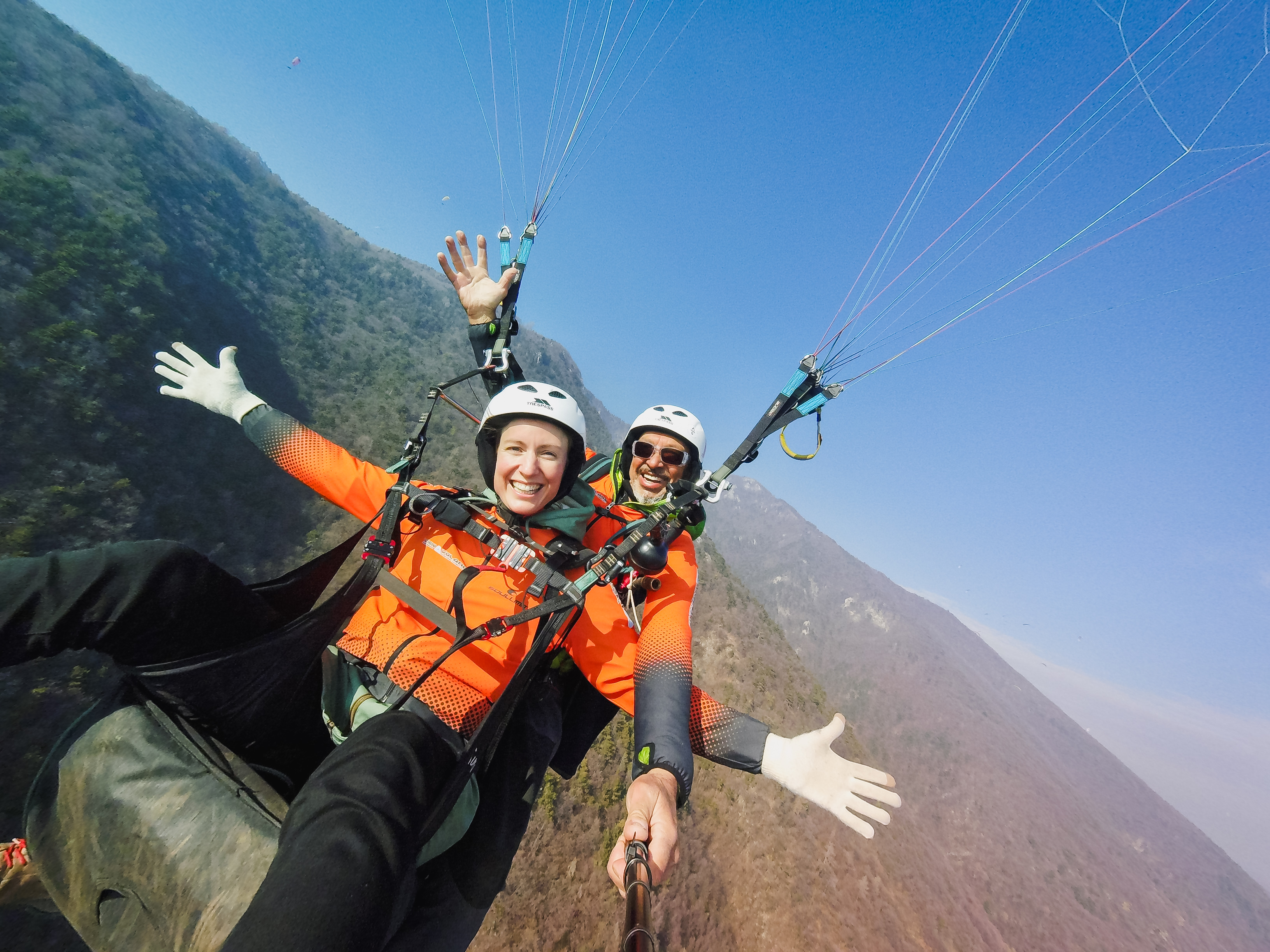
  • Duo flights: While Tine was not taking a paragliding course, she could just book a duo flight on the spot by asking around and enjoy the views and thrills of flying as well.
  • Transport: We carpooled with the Airsport school van to reach Bassano del Grappa. On the way back, I took the train from Bassano del Grappa to Milano, then to Paris and Brussels. Be prepared for last-minute changes based on the weather, with final decisions made the Wednesday before departure.
  • Accommodation: We stayed at Tillys Locanda, a cozy place aligned with our paragliding school. There’s also a campground for campers in the village and other good hotel options like Garden Relais.
  • Local Logistics: A van is necessary to transport to the different starting locations. Some paragliding spots in Spain, France, and Switzerland offer cable cars to return to the top, making it an even more environmentally friendly sport.

Additional Activities in the Region

We visited in February, and the weather was fantastic. Besides paragliding, the surroundings are perfect for:

  • Hiking: Beautiful trails for all skill levels.
  • Cycling: Scenic routes through picturesque landscapes.
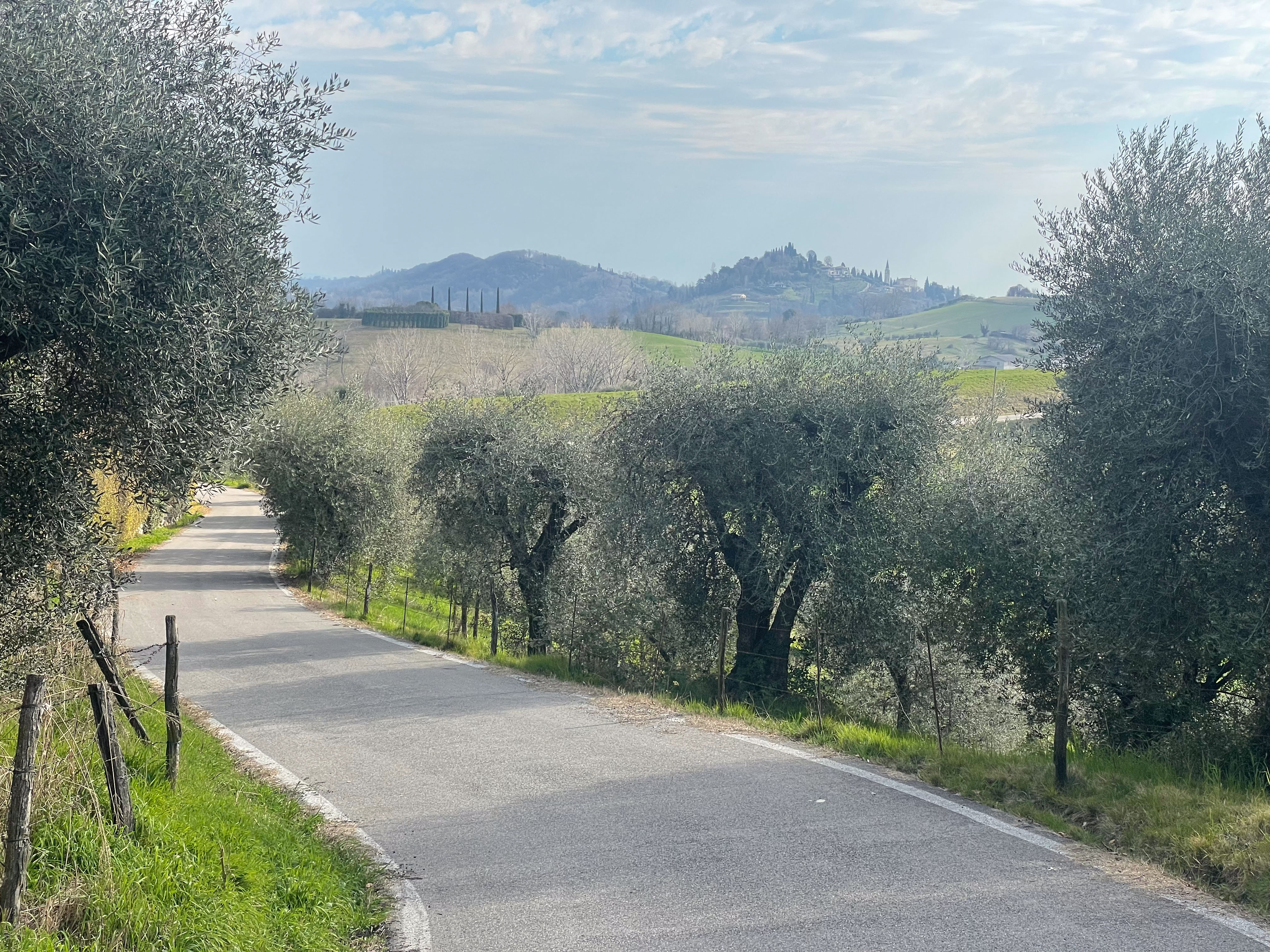
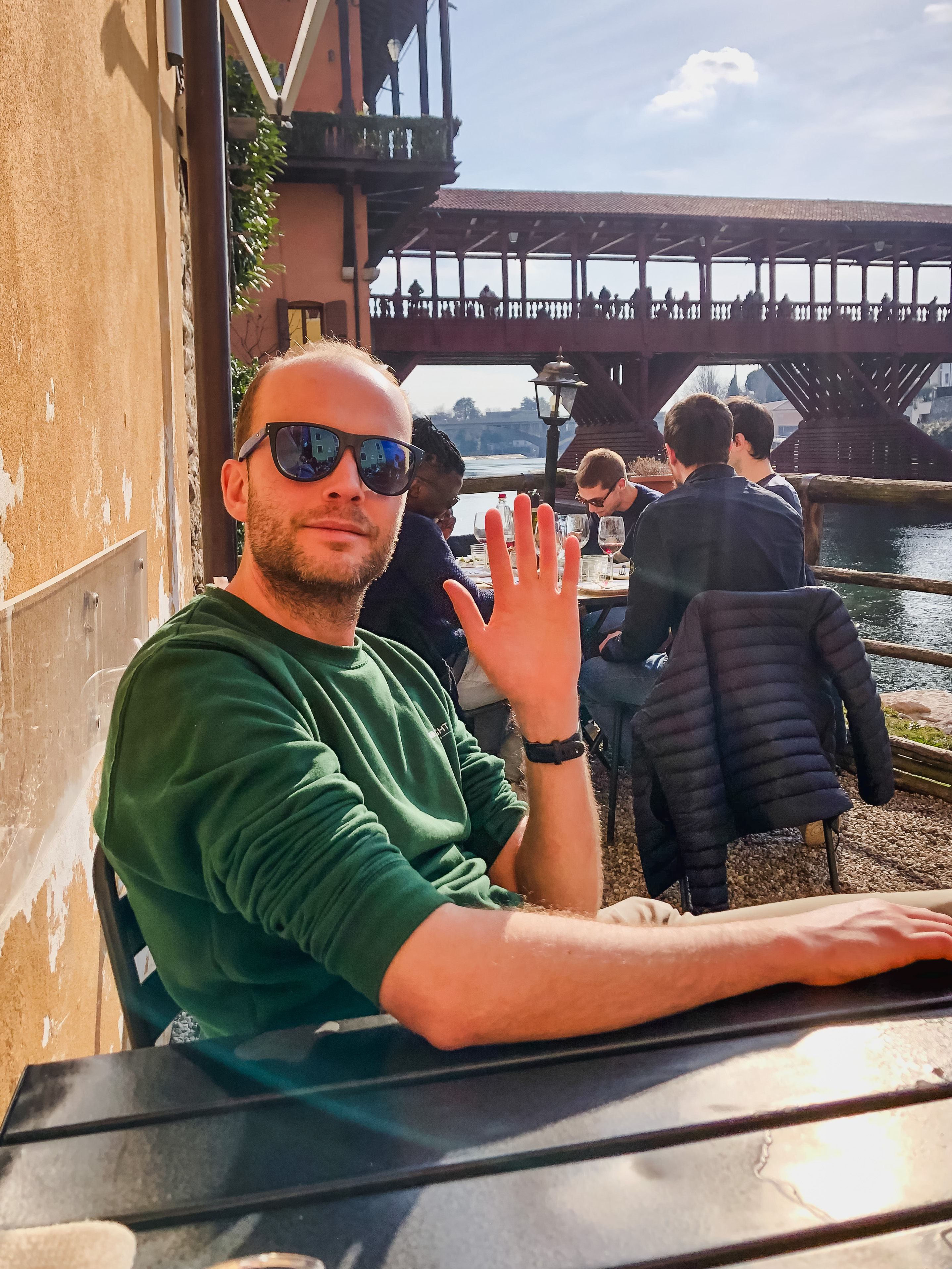
  • Culture: Visit the iconic bridge of Bassano del Grappa, the Palazzo Roberti bookshop and explore local historical sites. Have lunch on the terrace of Danieli.

We also combined this trip with a long weekend in Venice—stay tuned for another blog post on that adventure!

Eco-Friendly Prague Journey: Culture, History, and Fun

Experience the Magic of Prague’s Culture and Historic Charm

I’ve visited Prague multiple times before, but there’s always something new to discover that keeps the city intriguing. Next time I visit with my family, we’ll spend some time on Park Legií Island and explore the magnificent Prague Castle.

Day 1: Departure from Brussels

  • 19:22: Board the European Sleeper night train in Brussels, Antwerp, or from the Netherlands, heading directly to Berlin and Prague.
  • Accommodation: I stayed in a 5-bed couchette on the train for around €125-€150 one way.

Day 2: Exploring Prague

  • 10:56: Arrival at Praha main station after a scenic train ride with impressive views of the Elbe River and surrounding nature. After arrival I dropped my luggage at the hotel.
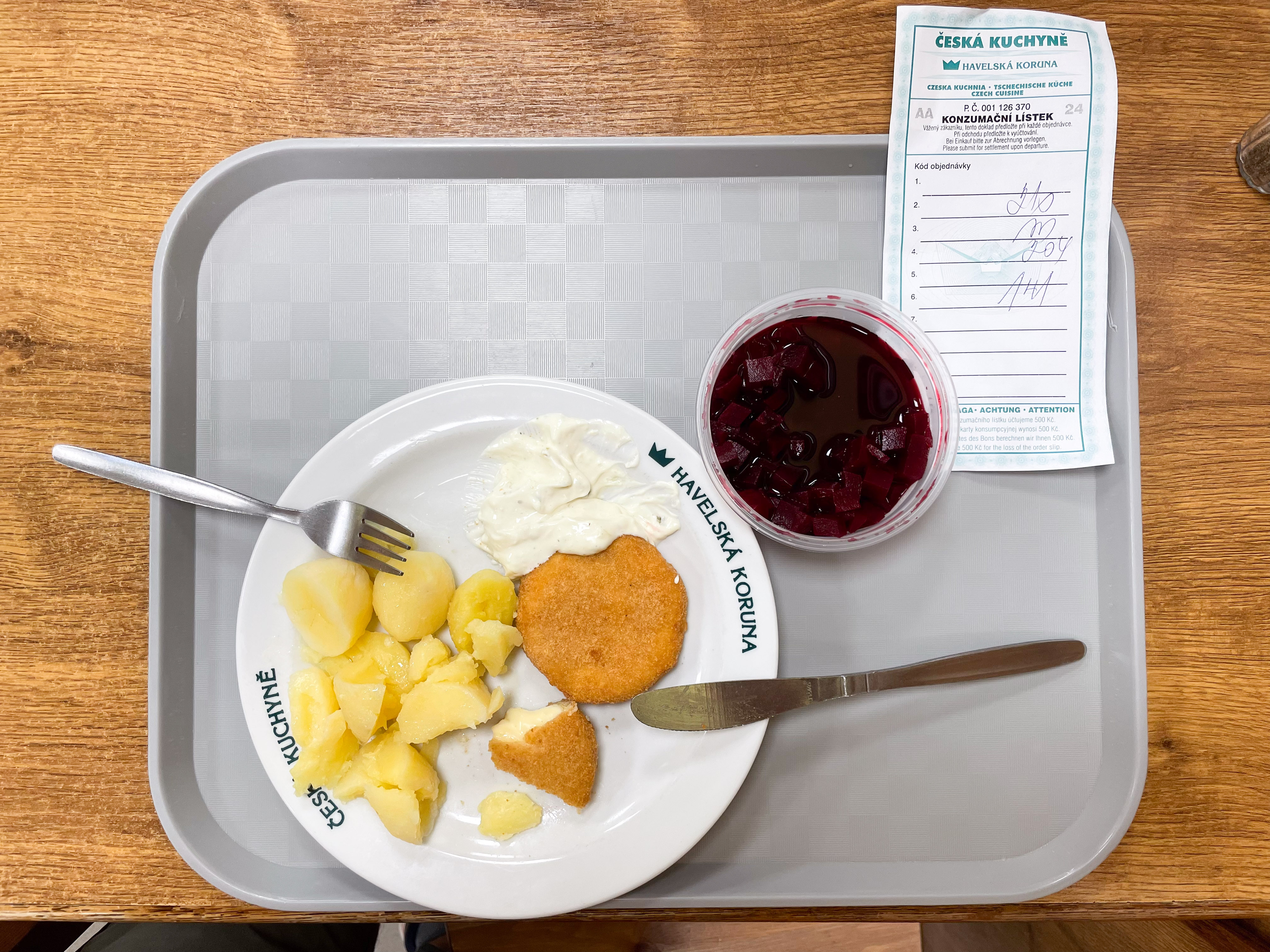
  • Lunch: For a culinary adventure, head to Havelská Koruna for a traditional Czech lunch.
  • Petřín Tower: Take the tram uphill to Petřín Park, then climb the stairs up Petřín Tower for breathtaking views of the city. It’s a nice activity to do towards sunset.
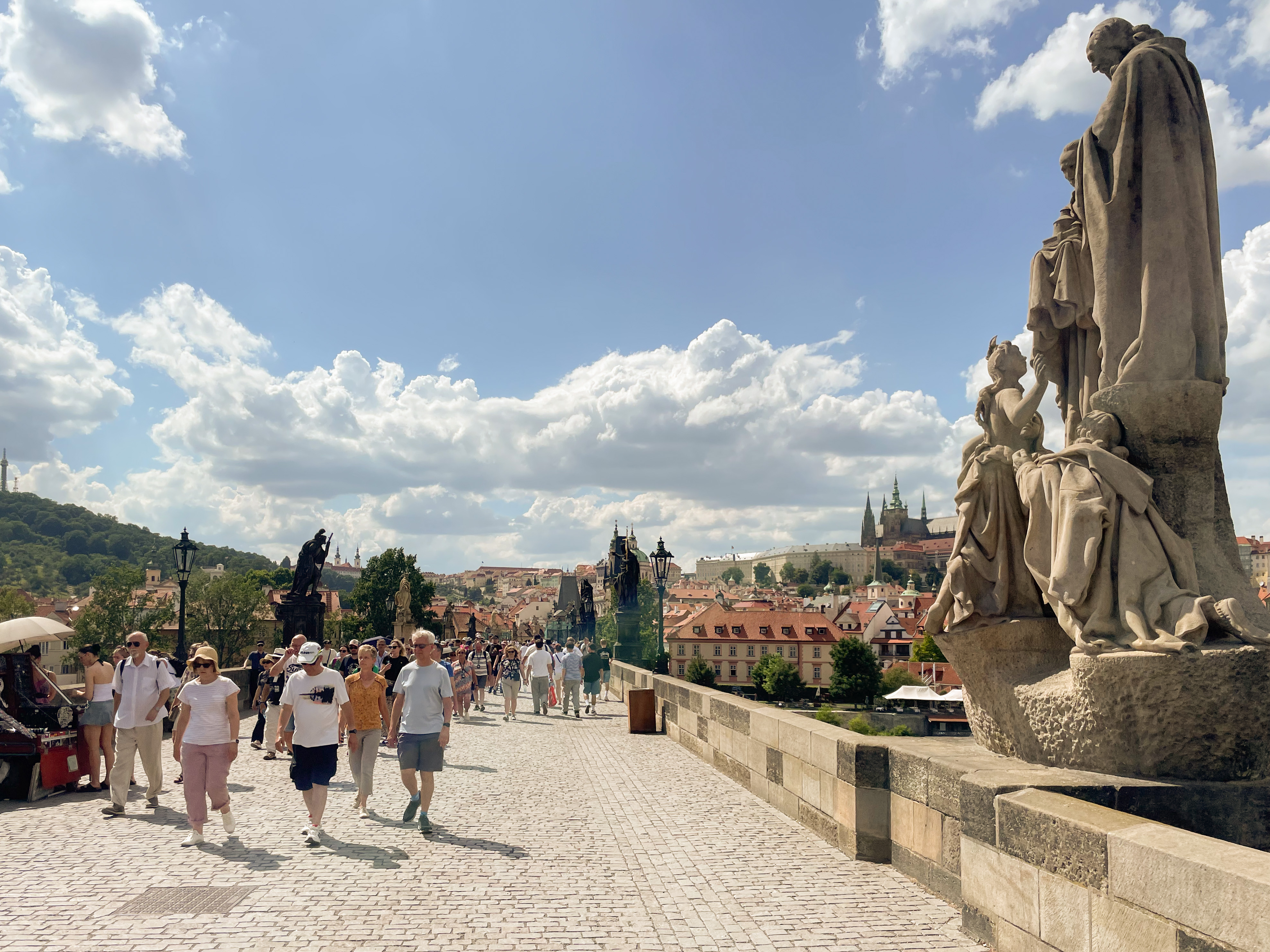
  • Prague Castle: Although I didn’t have time to visit the castle due to work appointments, it’s highly recommended. Even without paying for entry, you can see a lot by strolling around the grounds.
  • Dinner: Enjoy a delicious meal at the vegetarian restaurant Lehká Hlava.
  • Accommodation: I stayed at Hotel Metropolitan Old Town, a decent hotel costing €90 for a single room, with a rooftop bar and a good breakfast. I also considered spending a bit more on the Prague Carlo IV hotel, but finally decided to opt for a more central location and the rooftop.

Day 3: More Adventures in Prague

  • Morning Run: Along the Elbe River and through the Old Town.
  • Museum: After breakfast, I visited the House at the Stone Bell, where a modern art exhibition called “Group Therapy” was displayed. The museum offers a rich exhibition with social relevance, embracing Czech socialism history, rightist movements, LGBTQ+ awareness, and more.
  • Photo Exhibition: Later, I visited the Leica Gallery Prague for a fascinating photo exhibition.
  • Tea Time: Before heading back, me and a travel friend had tea at the beautiful bar in the former bank hall of Hotel NH Collection Prague Carlo IV—just a 5-minute walk from the main station. The drinks are priced similarly to those in the station but with a much better atmosphere.
  • 18:04: Board the train leaving Prague main station to return to Brussels, arriving the next day at 9:27.

Activities for Kids in Prague

  1. Petřín Hill and Observatory: Climb Petřín Hill via the funicular railway, perfect for an eco-friendly trip. Kids will love the Mirror Maze and the miniature Eiffel Tower!
  2. Letná Park: Rent bikes or have a picnic with stunning views of the Vltava River and Prague’s skyline.
  3. Vyšehrad: A historical fort with large green spaces, perfect for children to run around and enjoy nature.

Party Train to/from Prague

This trip was extra special—a 50th birthday party for one of the co-founders and some other employees took place on the ride from Prague back to Brussels! 🥳✨

If you’re planning something extraordinary with a larger group of friends (40-700 people), consider booking the party coaches from European Sleeper. It will be a train ride to remember!

Highlights:

  • Celebrate in Style: Imagine having an entire train coach dedicated to dancing and celebrating. The party train transforms your journey into an unforgettable event, filling the hours with joy and camaraderie.
  • Convenient and Eco-Friendly: Traveling by train is not only convenient but also a more environmentally friendly choice.