Transform Your Travel Habits with Expert Insights – The podcast

“The Carbon Conscious Traveler” podcast seeks to create new perspectives on travel by engaging in thoughtful discussions with guests from diverse backgrounds. The podcast highlights unique travel experiences, sustainable travel practices, and the personal impact of slower, more meaningful journeys.

By featuring conversations with experts, writers, and notable figures in the travel world, it aims to inspire listeners to rethink their travel habits and embrace more mindful and ecologically friendly ways of exploring the world.

Through a relaxed 45-minute chat, “The Traveler” provides insights and stories that encourage a deeper connection to the places visited and the people met along the way. We’ll try to launch one new episode per month. You can find the podcast here on Spotify.

Are you active in the travel industry? Do you have inspiring stories to share? Reach out and you might be our next guest!

How It All Started

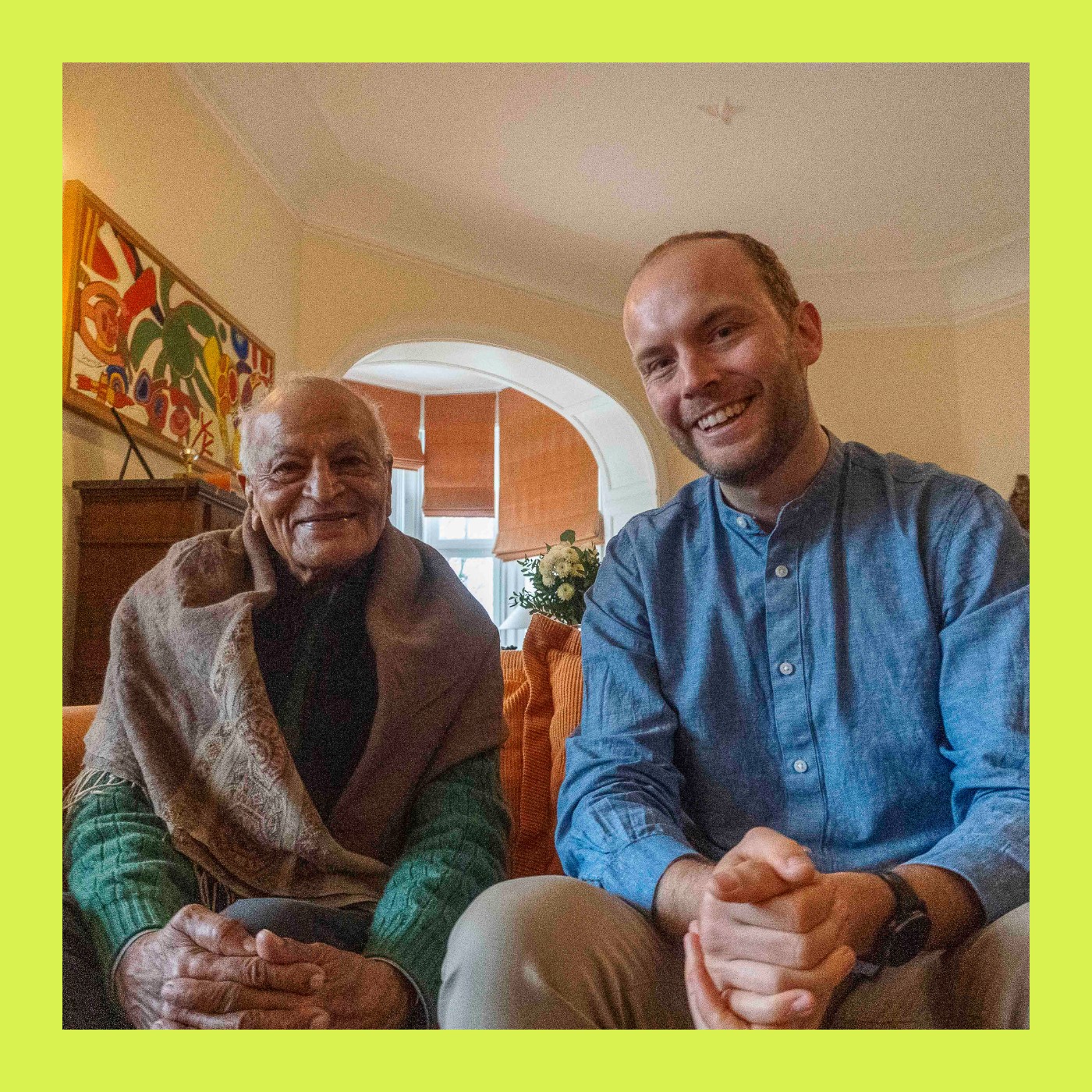
  • I was interviewing Satish Kumar, a former monk and expert on radical love and organic agricultural practices. I wanted to get his thoughts on traveling connected with our planet Earth. He shared his views and I recorded it on my phone to avoid having to write. While listening to it afterward, it sounded like a podcast so I asked permission to publish his views on traveling like a pilgrim in the very first episode.
  • It is fun to engage with inspiring people in tourism and travel and share and inspire others while learning and being motivated to think differently myself, so I keep making new episodes since.

Before we dive in, are you already following this podcast on Spotify? If you enjoy the episodes, please follow, rate, and share them with fellow travelers. We want to help people make more conscious and well-considered travel choices, so reaching as many people as possible is our goal.

If you have suggestions for improvement, additional questions or stories? Engage with us commenting below, reaching out via social media channels or email! Your feedback is needed to improve step by step!
Fun fact: The idea to make the table recording with Satish Kumar made by phone a podcast, and the intro and outro of the first episode with Satish Kumar were recorded here on Mount Etna in Sicily.

Previous guests

  • E1 – Satish Kumar – Travel like a pilgrim: This episode features Satish Kumar, a lifelong activist and former monk, who shares wisdom on traveling with ecological and spiritual awareness. The conversation delves into the concept of mindful travel, peace pilgrimages, and concludes with a meditation on “Gratitude for the traveler.” Satish’s message is rooted in ecological regeneration and spiritual fulfillment.
  • E2 – Andrew Stevenson – The destination & the collective: UK-based travel psychologist Andrew Stevenson examines the psychological impact of travel destinations and ratings, as well as the divisive effects of flight shaming. The episode addresses collective versus individual responsibility in travel decisions and offers advice for those dealing with eco-anxiety. Listeners gain perspective on balancing enjoyment of travel with environmental concerns.
  • E3 – Paige McClanahan – The New Tourist: Journalist and author Paige McClanahan analyzes the impact of tourism on communities, highlighting both its positive and negative effects. The conversation encourages travelers to align their actions with personal values, aiming to maximize positive contributions while recognizing collective responsibility. Paige offers guidance on becoming a more conscious and responsible traveler.
  • E4 – Michael Brein – Unlocking the secrets of Travel Psychology: Michael Brein discusses the evolution from being a tourist to becoming an explorer, introducing psychological concepts to enrich travel experiences. The episode explores how travel journaling and seeing familiar places with new eyes can deepen one’s connection to the world. Michael’s insights offer practical ways to reflect, reconnect, and expand personal boundaries through travel.
  • E5 – Britt Buseyne – The importance of economic equality in travel: Britt Buseyne, an advocate for sustainability and systems thinking, expands the dialogue beyond carbon emissions to include broader ecosystem impacts. The episode debates the merits of carbon offsetting, flight shaming, and the importance of being addressed as citizens rather than just consumers. Britt emphasizes shared responsibility and personal definitions of sustainable travel.
  • E6 – Patrick Edmond – Flying with purpose: Patrick Edmond, Chief Marketing Officer at SAF aggregator Future Energy Global, discusses the shift from recreational flying to purposeful air travel. The conversation covers frequent flyer levies, adverse effects of US SAF tax incentives, and EU policies’ impact on ticket prices. Patrick reflects on aviation’s golden age, current environmental dilemmas, and the industry’s need to decarbonize for future growth.
  • E7 – Louis Lammertyn intro episode – The journey of the traveler: Louis, the host and founder, shares his transition from business aviation to sustainability entrepreneurship. The episode explains the origins of the podcast, its focus on mindful and ecologically friendly travel, and the host’s commitment to low-impact journeys. Louis introduces BookBetter and the mission to inspire travelers to rethink habits for a more sustainable future.
  • E8 – Matt Tips – Green Erasmus & academic travel: Matt Tips, Policy Advisor at KU Leuven, presents sustainable academic and student travel initiatives such as Green Erasmus. The episode covers behavioral changes, institutional support, and practical steps for decarbonizing educational travel. Matt outlines a vision for 2050 in which travel is easier, less polluting, and embedded in academic culture.
  • E9 – Xavier Font – The S-word and certification: Xavier Font, Professor of Sustainability Marketing, analyzes how travel businesses communicate about sustainability and carbon offsets. Research findings reveal that environmental labeling rarely aligns with guest perceptions and that excessive transparency may cause information fatigue. Xavier argues for measuring real improvements rather than mere certification, advocating regulation and innovation over consumer-led change.

Share your ideas! Share the podcast! Because we want to have people make more conscious and well considered travel choices, we want to reach as many people as possible. Please follow, rate, and share with two or more fellow travelers! If you can recommend a new guest for this podcast… let me know!

GR98 Magic: Hiking the Calanques From Cassis to Marseille & Cap Canaille

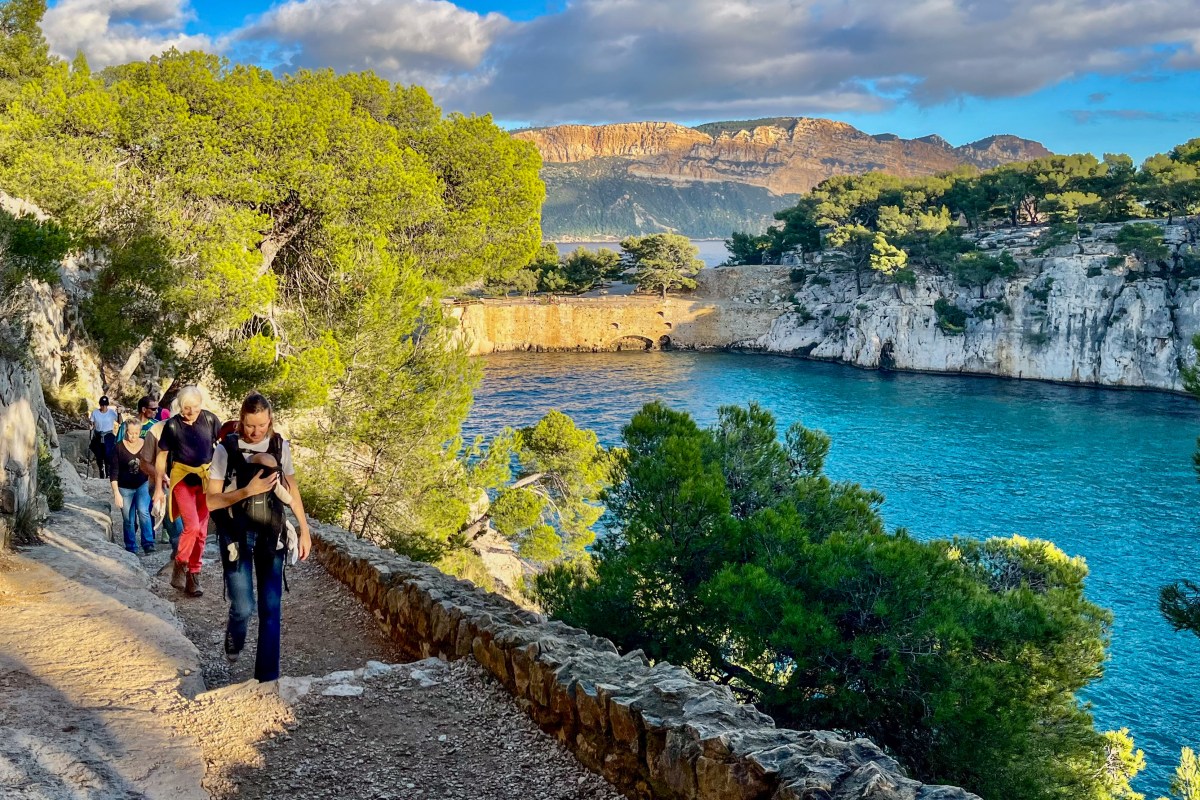
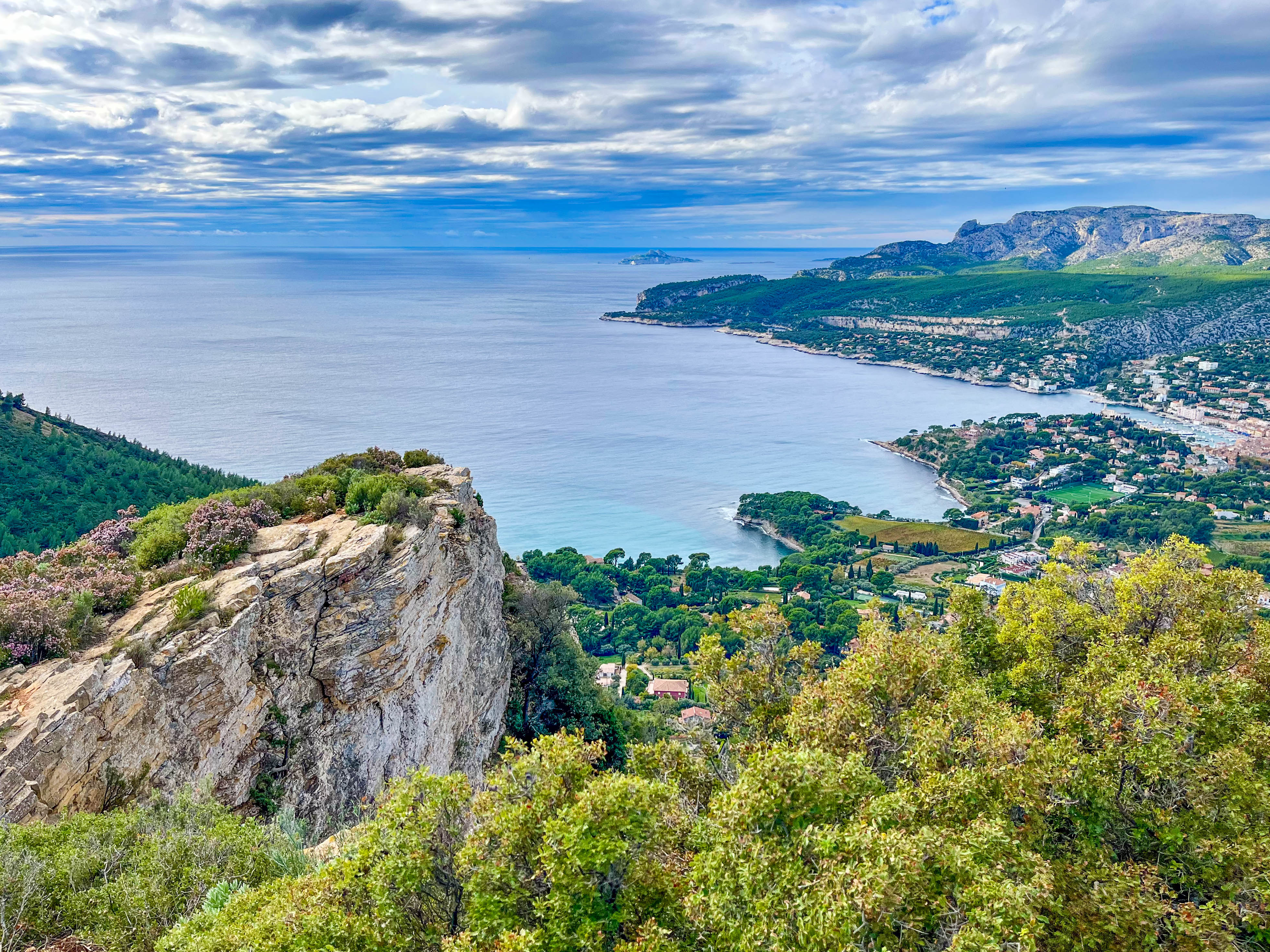
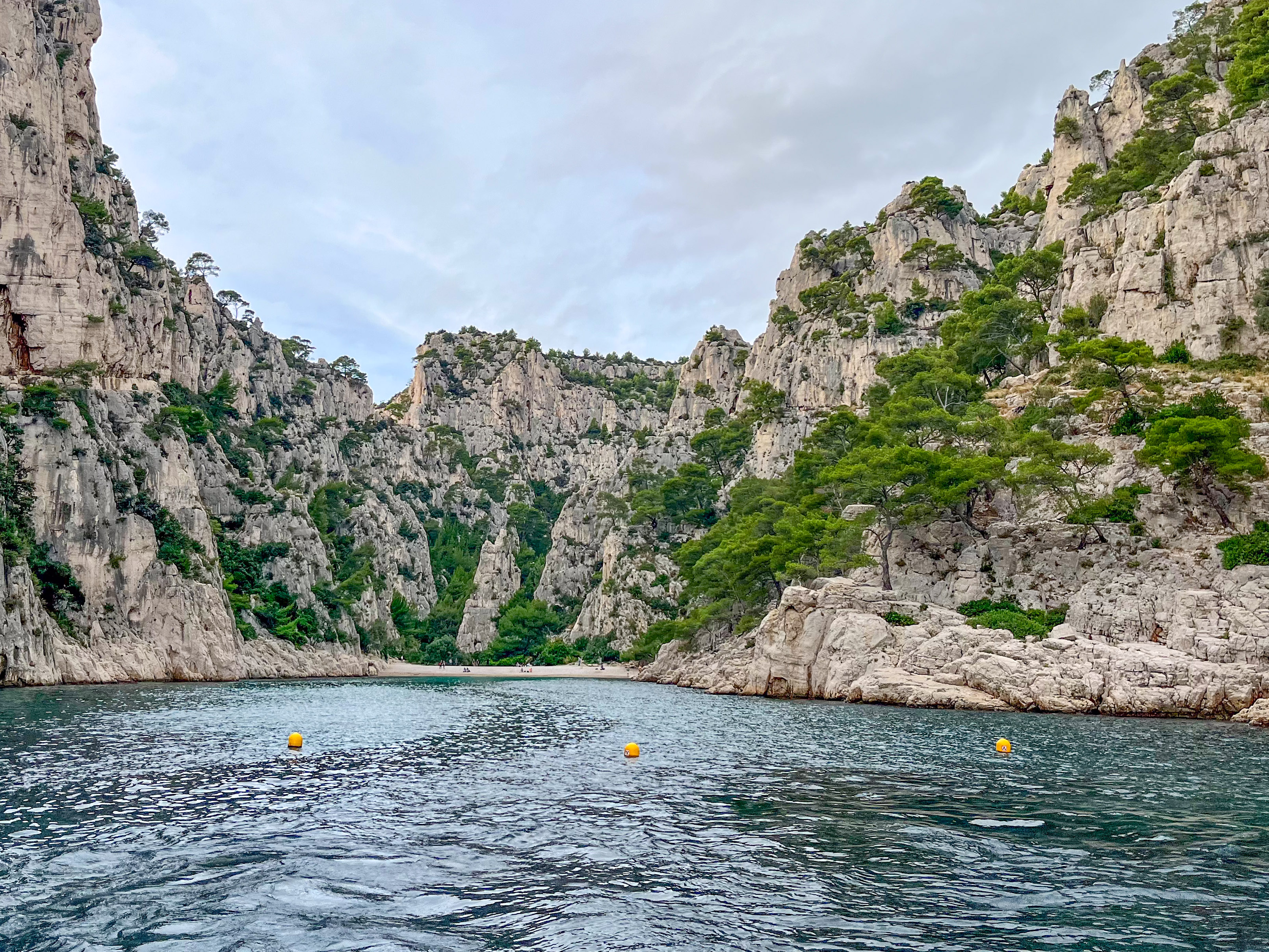
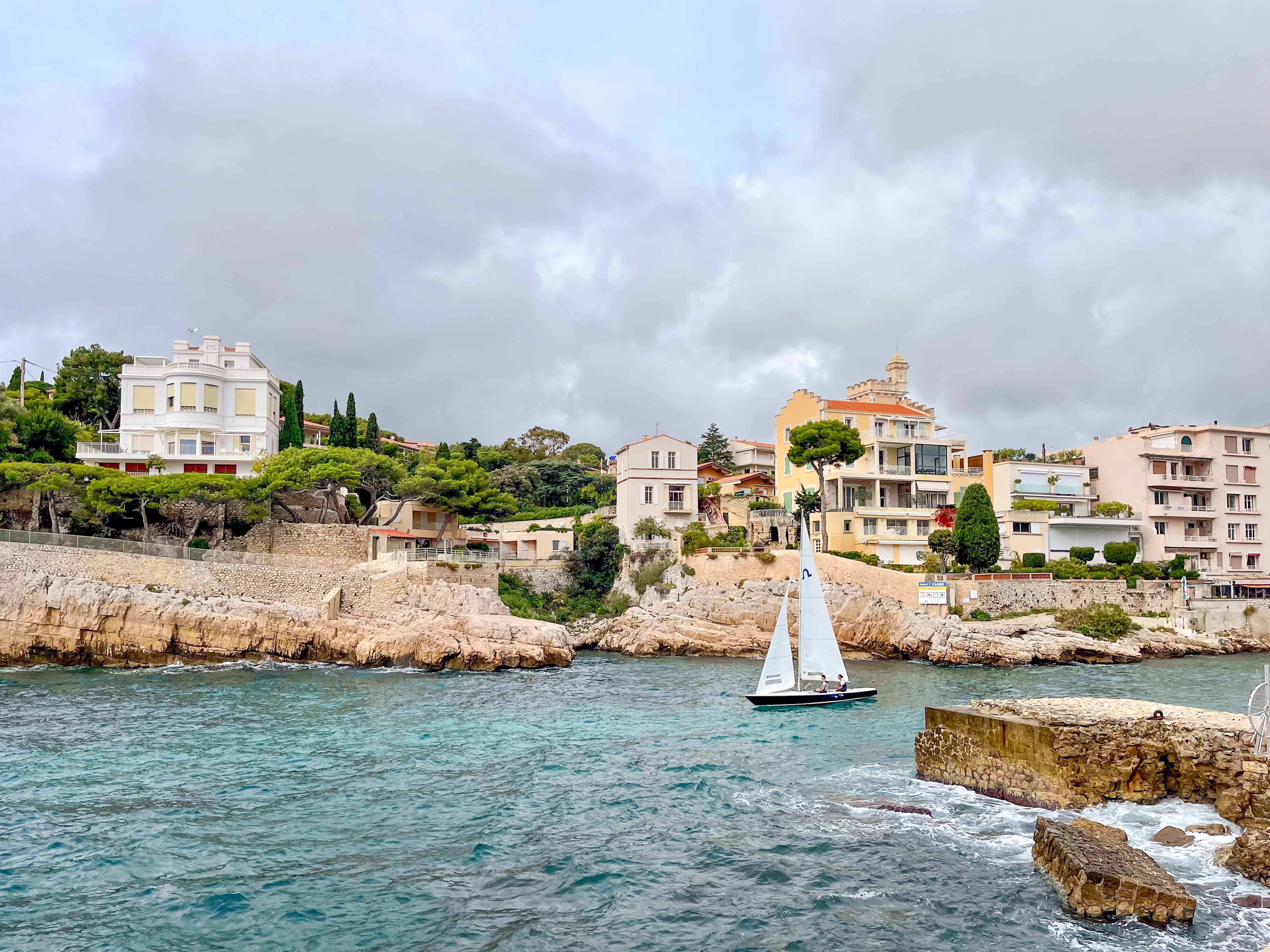
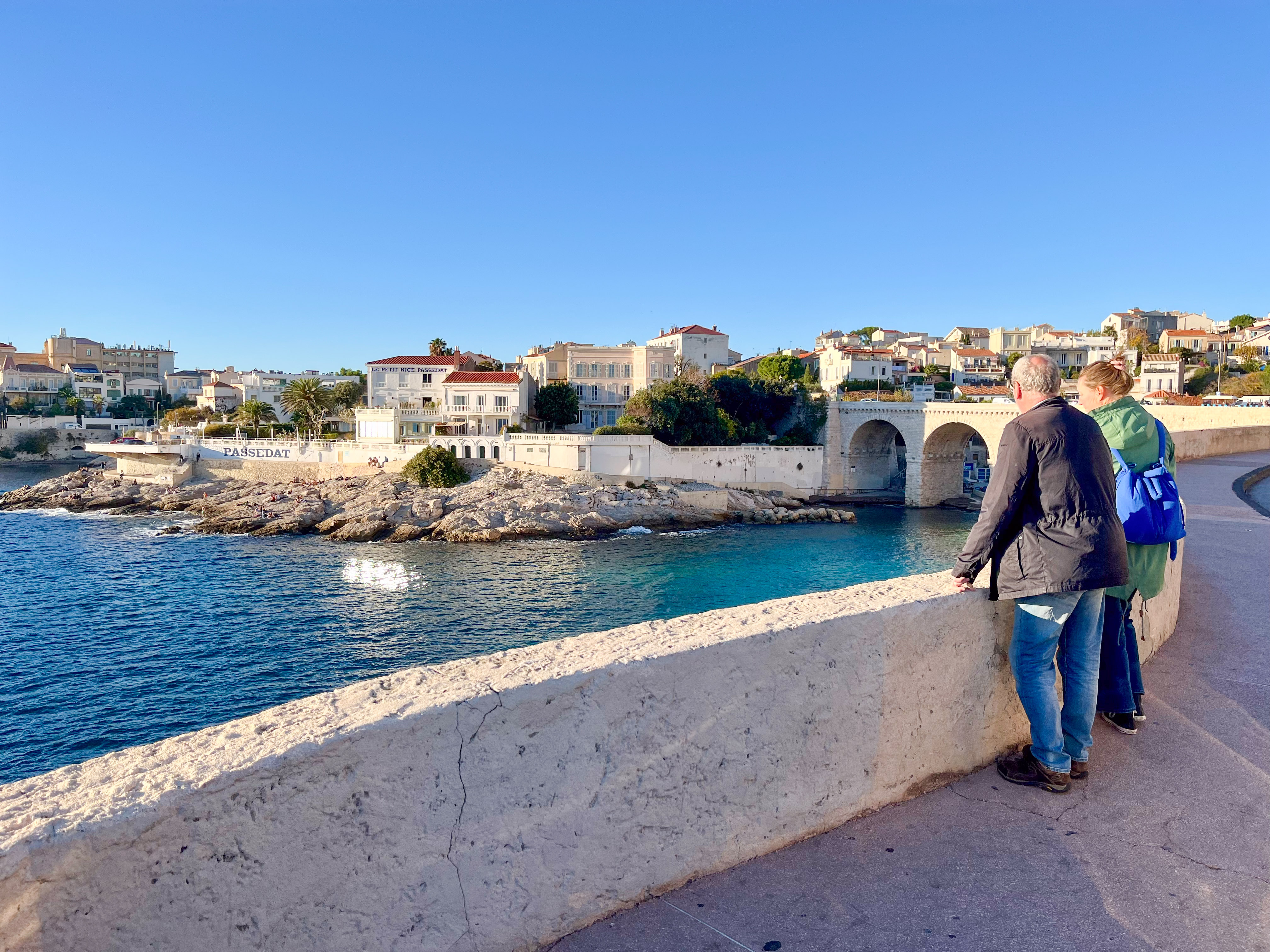
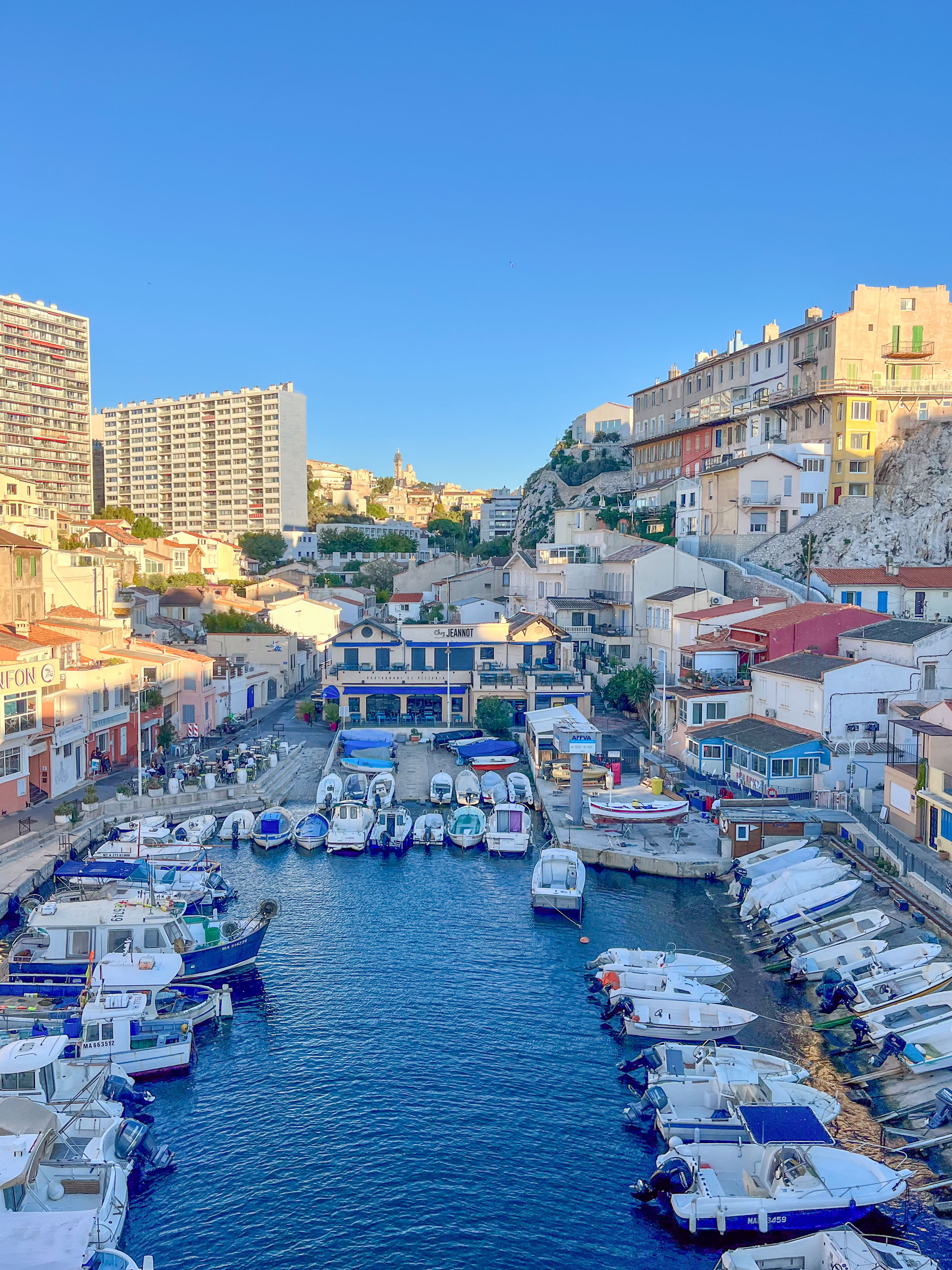
The GR98 glides through one of Europe’s most striking nature parks: Calanques National Park, washed by impossibly blue Mediterranean waters, carved by creeks, dreamy beaches, and framed by monumental cliffs like the Cap Canaille. Whether you’re a rugged adventurer eager to camp beneath the stars or a family with children seeking an unforgettable blend of nature and relaxation, this journey belongs on every carbon-conscious traveler’s wish list. We visited parts of the GR98, Cassis and Marseille early November and generally speaking the weather was still nice and warm. It’s a good trip for an autumn escape to the sun!


A. For Adventurous Backpacker Hikers

  • The GR98 is a legendary trek. The part between Marseille to Cassis, typically takes two days through demanding terrain that rewards you with constant views of limestone cliffs, sparkling creeks, wild pine forests, and turquoise beaches. The full GR98 hiking route between Marseille and Cassis covers about 28–36 km, depending on the precise start/end (and optional detours). The hike typically takes between 9.5 and 12 hours for most hikers, though some fit groups or experts may complete it in 6–8 hours if conditions are ideal and with minimal breaks. Terrain is demanding with substantial elevation change (around 1,500–2,300 meters total ascent/descent). It is generally considered an all-day or two-day hike for most walkers.
  • Wild camping is officially prohibited in the National Park, but many hikers bivouac well off the trail. Choose dawn or dusk for finding a discreet spot, leave no trace, and avoid fire hazards.
  • Essential tips:
    • Carry 3L of water/person per day (no sources en route!), sun protection, hat, and grippy shoes. The limestone can be slippery after rainy weather.
    • Morning runs are magical: from Cap Canaille towards the North, or deep into the Calanques. If you want solitude, you’ll find it outside high-season or before 8 am.
    • Cap Canaille is Europe’s highest sea cliff and the views are unforgettable.
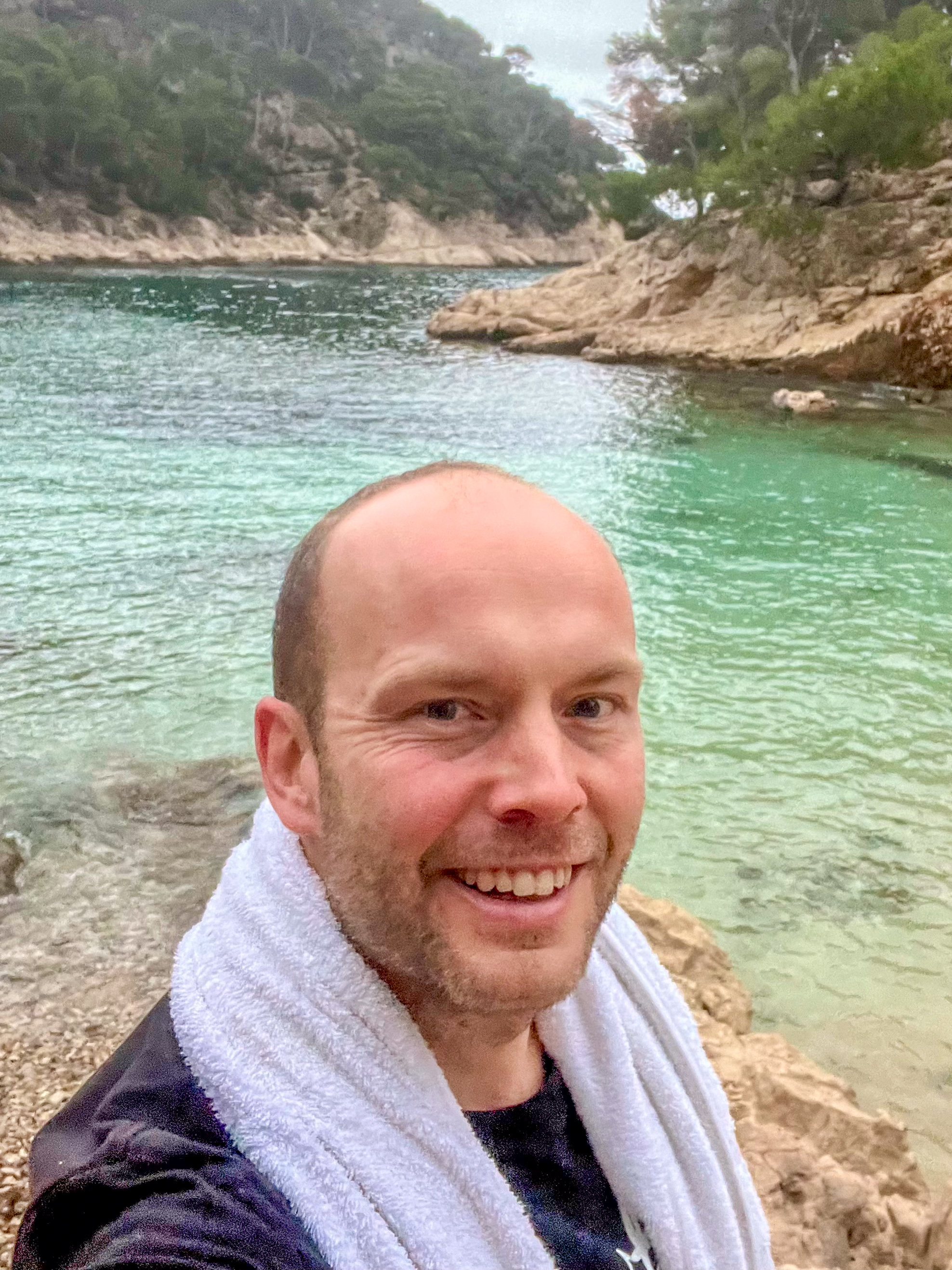
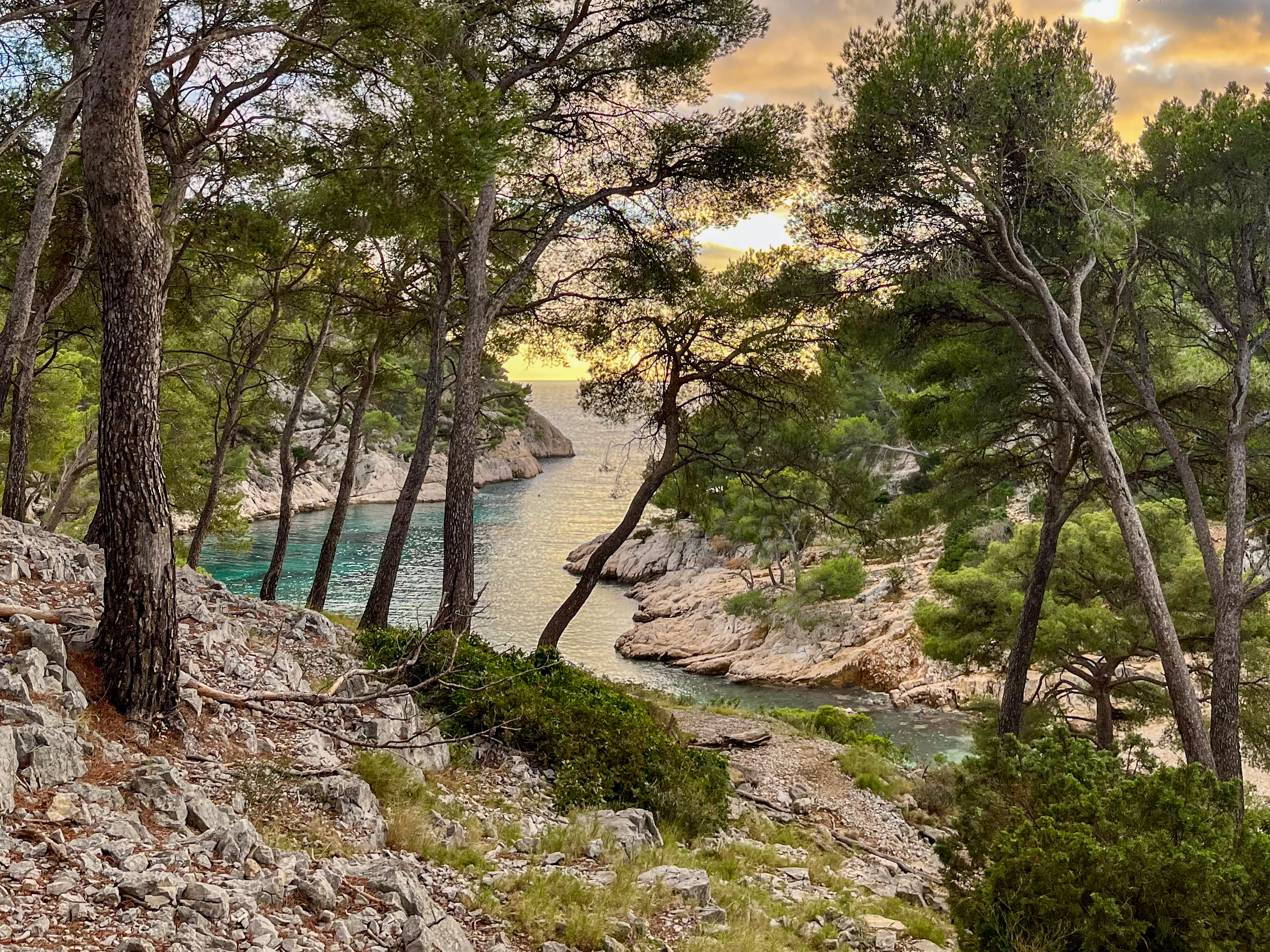
    • Combine with a swim at Calanque de Port Pin
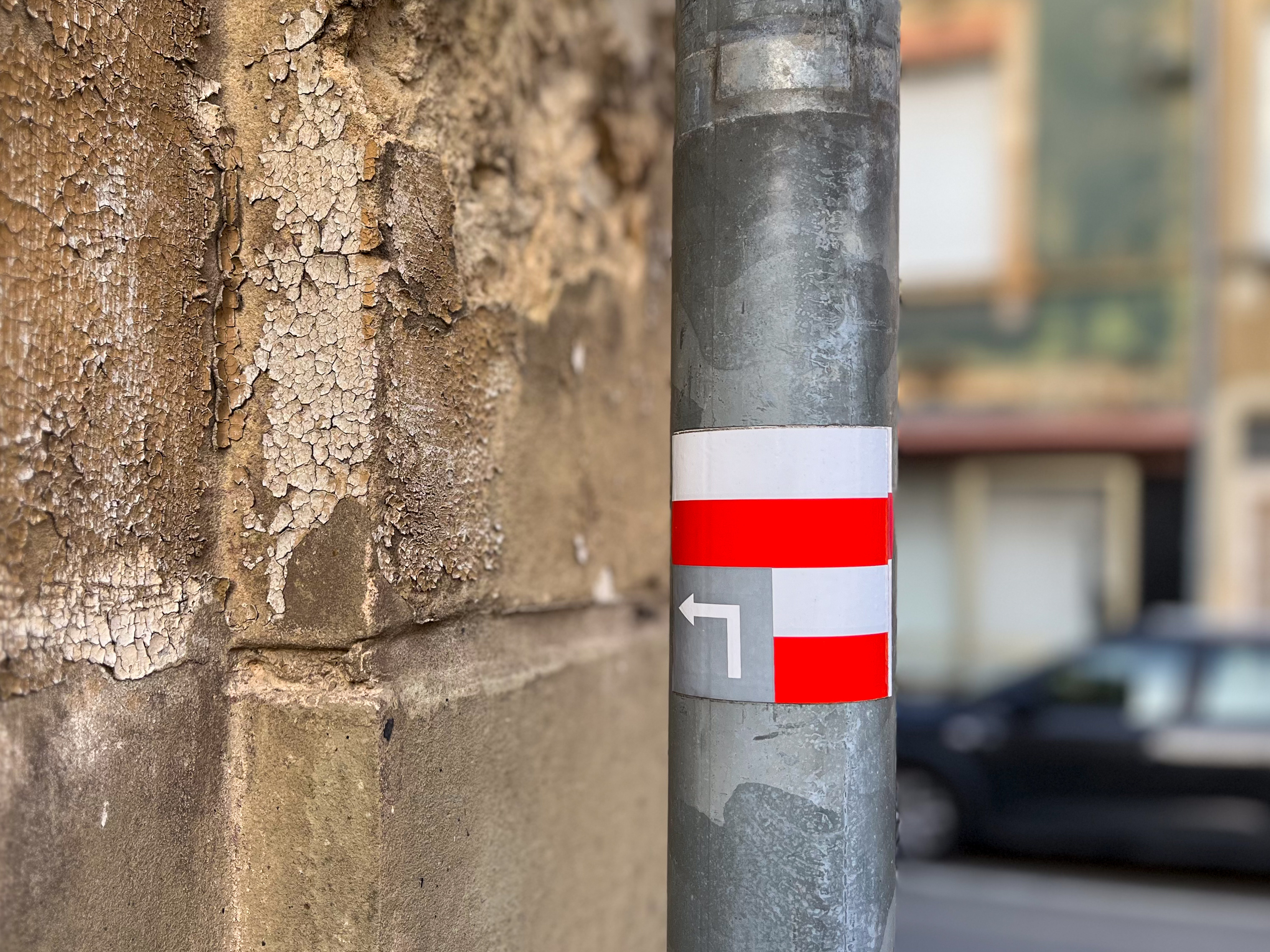
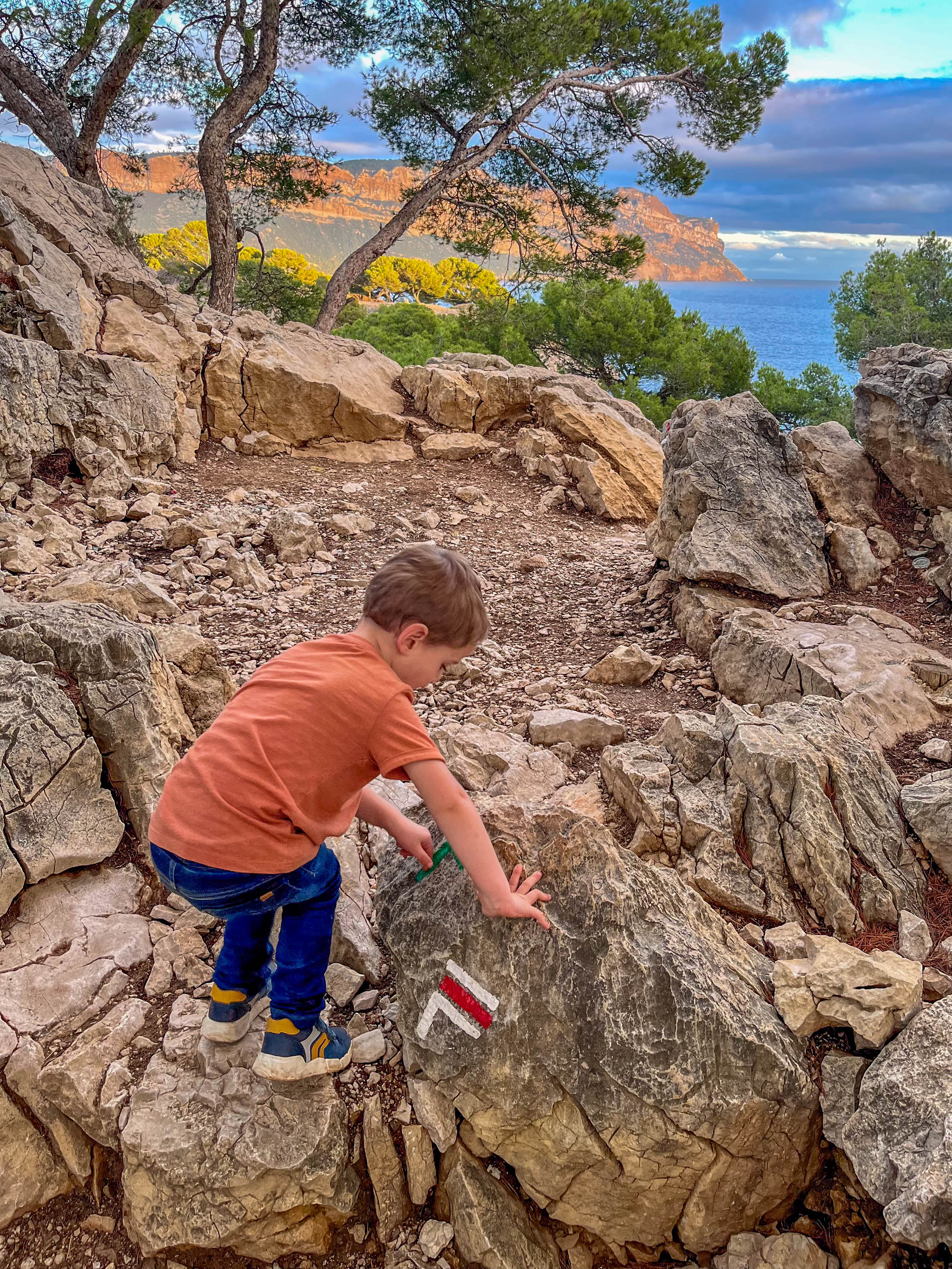
    • Navigation is straightforward: follow the famous red and white GR signs
    • In low season you’ll feel alone in the world. In midsummer you will have to start early or late to avoid crowds and the heat.

B. For Families With Kids

  • Cassis and Marseille make ideal bases, connected by direct train from Brussels: city-center to city-center in under 6 hours, with small kids riding free. Use folding strollers (Yoyo type) with scoot boards or baby carriers—no stroller can handle the GR98, and with kids you’ll have to manage shorter sections and get the best out of both places.
  • Warning: the Calenques paths are not kids friendly, so on the most dangerous parts I would have our 4-year old on my shoulders or firmly holding his hands. Cliffs are steep and dangerous.

Cassis

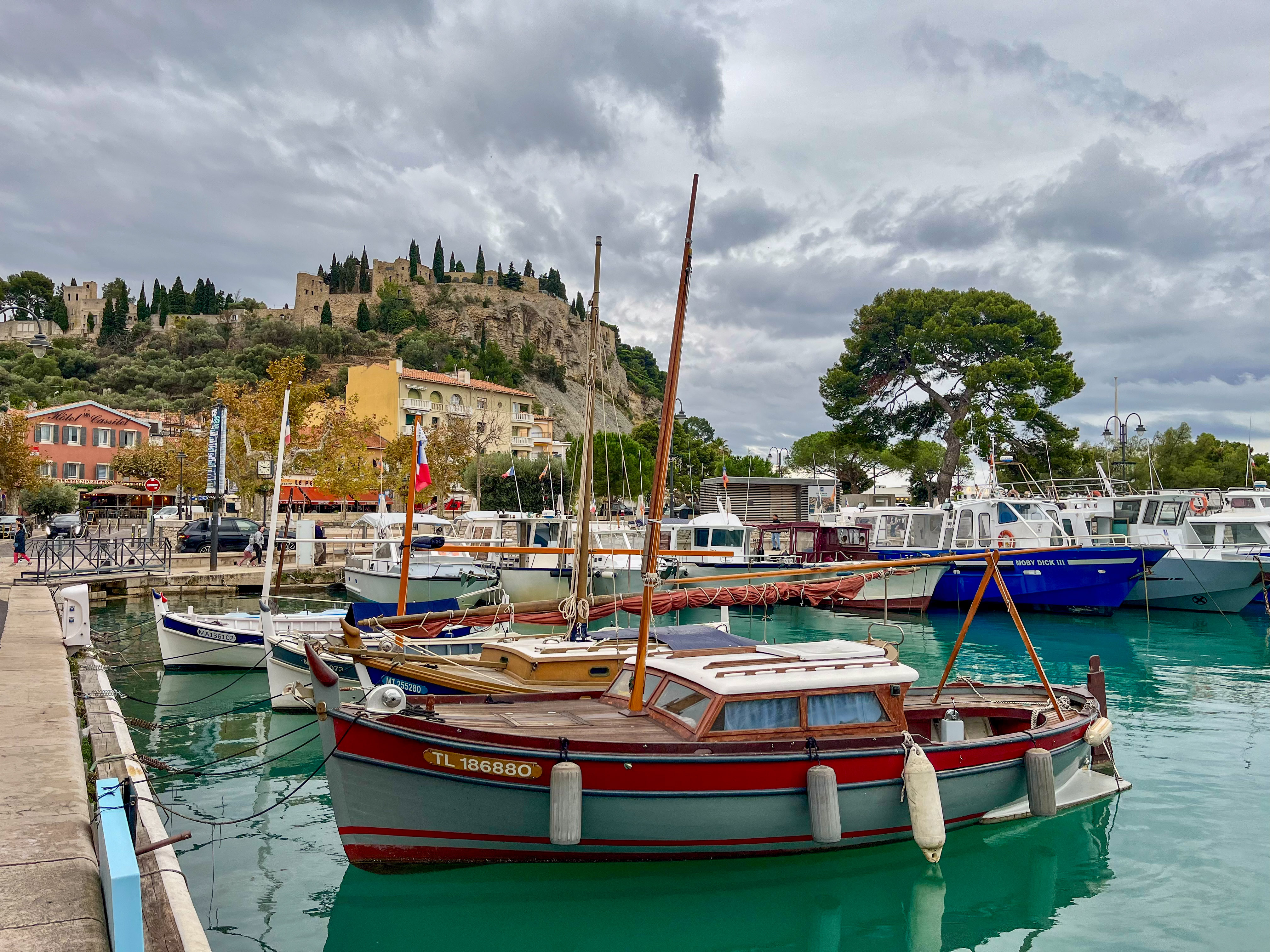
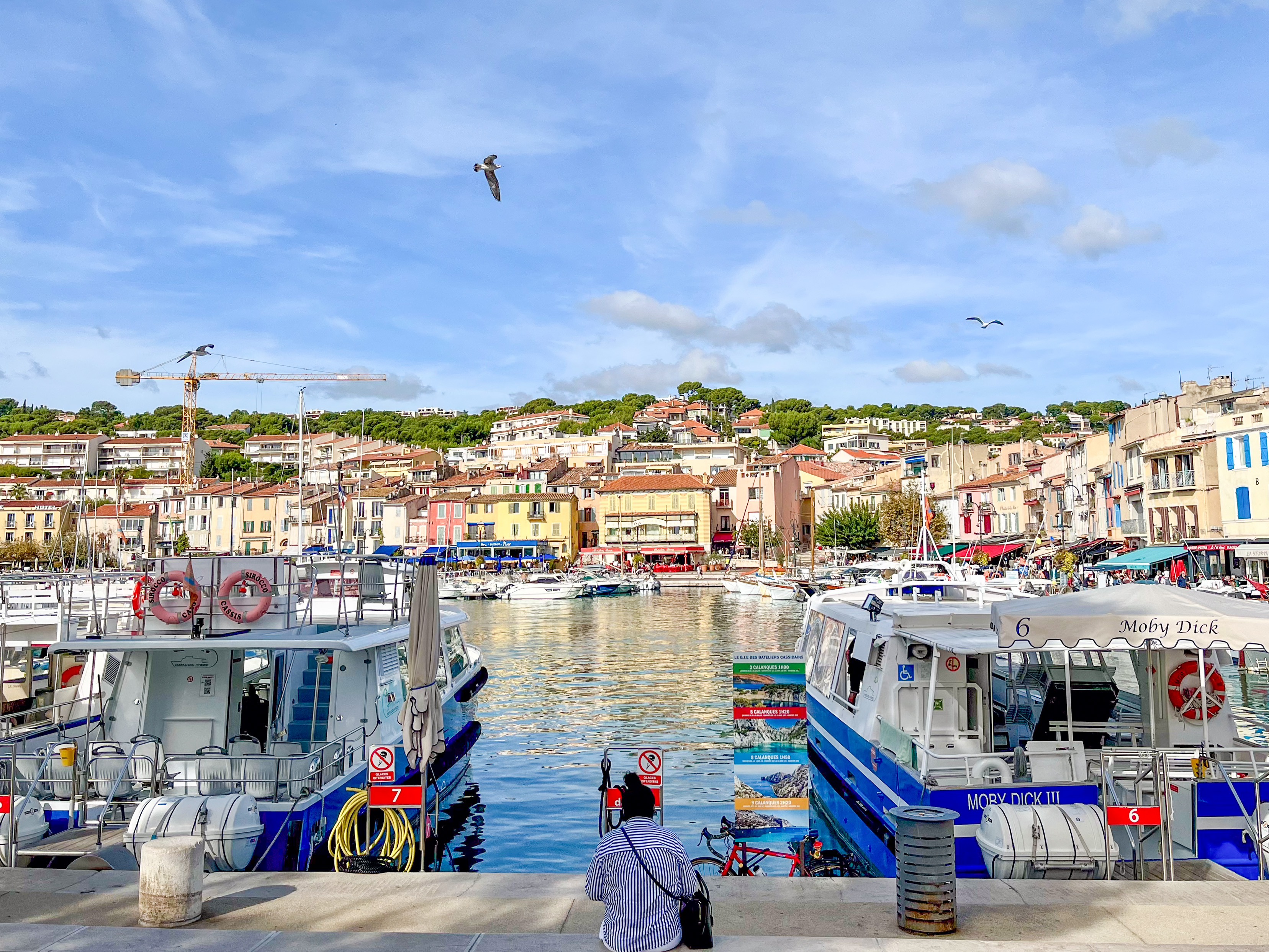
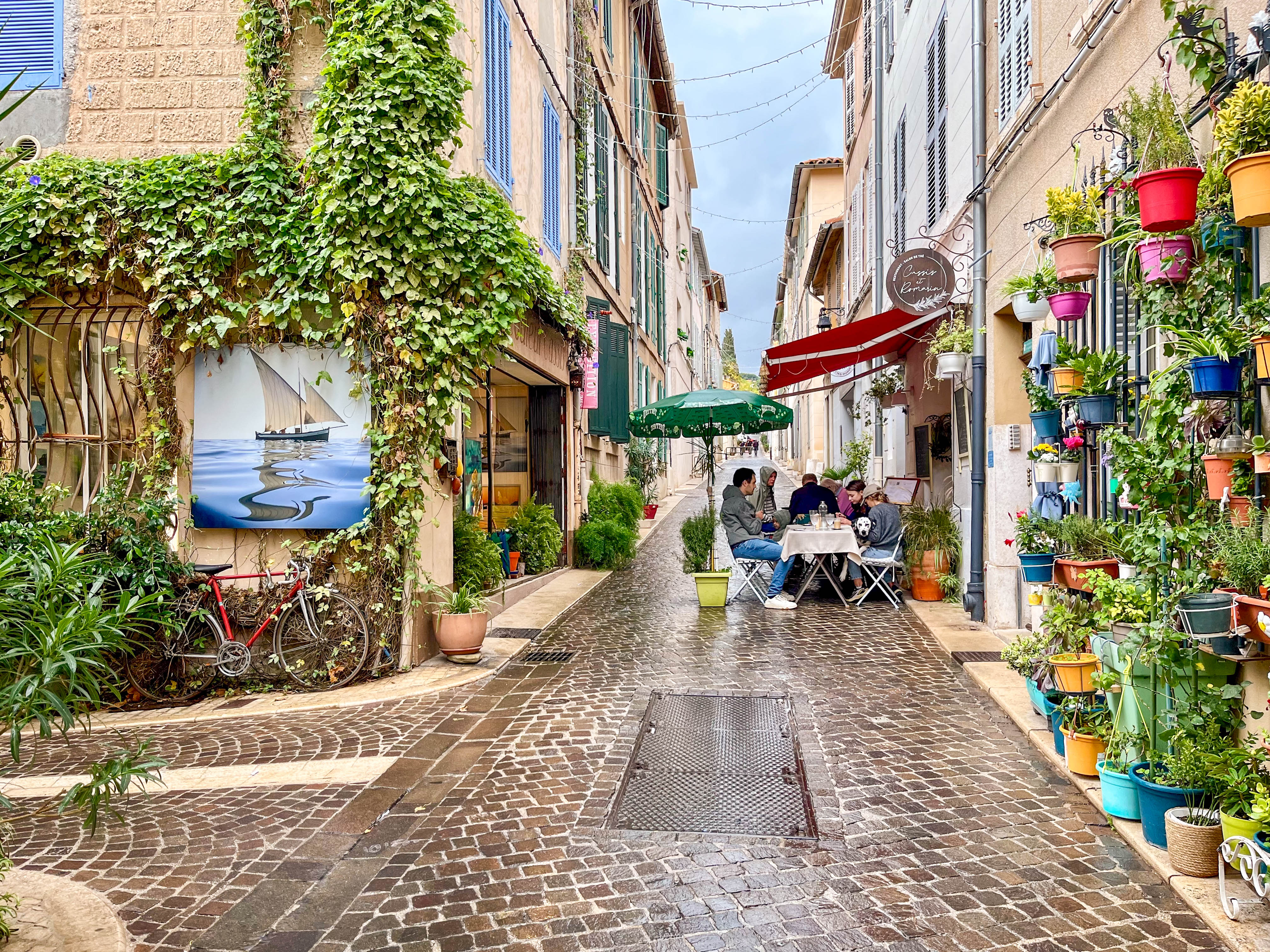
  • Base yourself several days in Cassis (Airbnb is optimal for multi-generational & multi-room stays): we explored the old port, took a boat tour of 8 Calanques, and enjoyed family-friendly restaurants like Cassis et Romarin and Chez Poulette.
  • Family hikes: Limit walks to 1-2 hours—enough to reach Calanque de Port Miou or Port Pin from Cassis. Four year old August loved collecting sticks under the pines and rocky parts to clamber on.
  • Take morning swims at Plage du Corton or Calanque de Port Pin. The water is clear, the setting super beautiful.
  • For longer hiker parents: Go out for morning runs in the Calanques or up Cap Canaille, switching off so both parents enjoy ‘trail time’.
  • The boat tours from Cassis are a safe way for families to experience the dramatic coastline—including Cap Canaille’s towering cliffs and the marine richness of the park.

Marseille

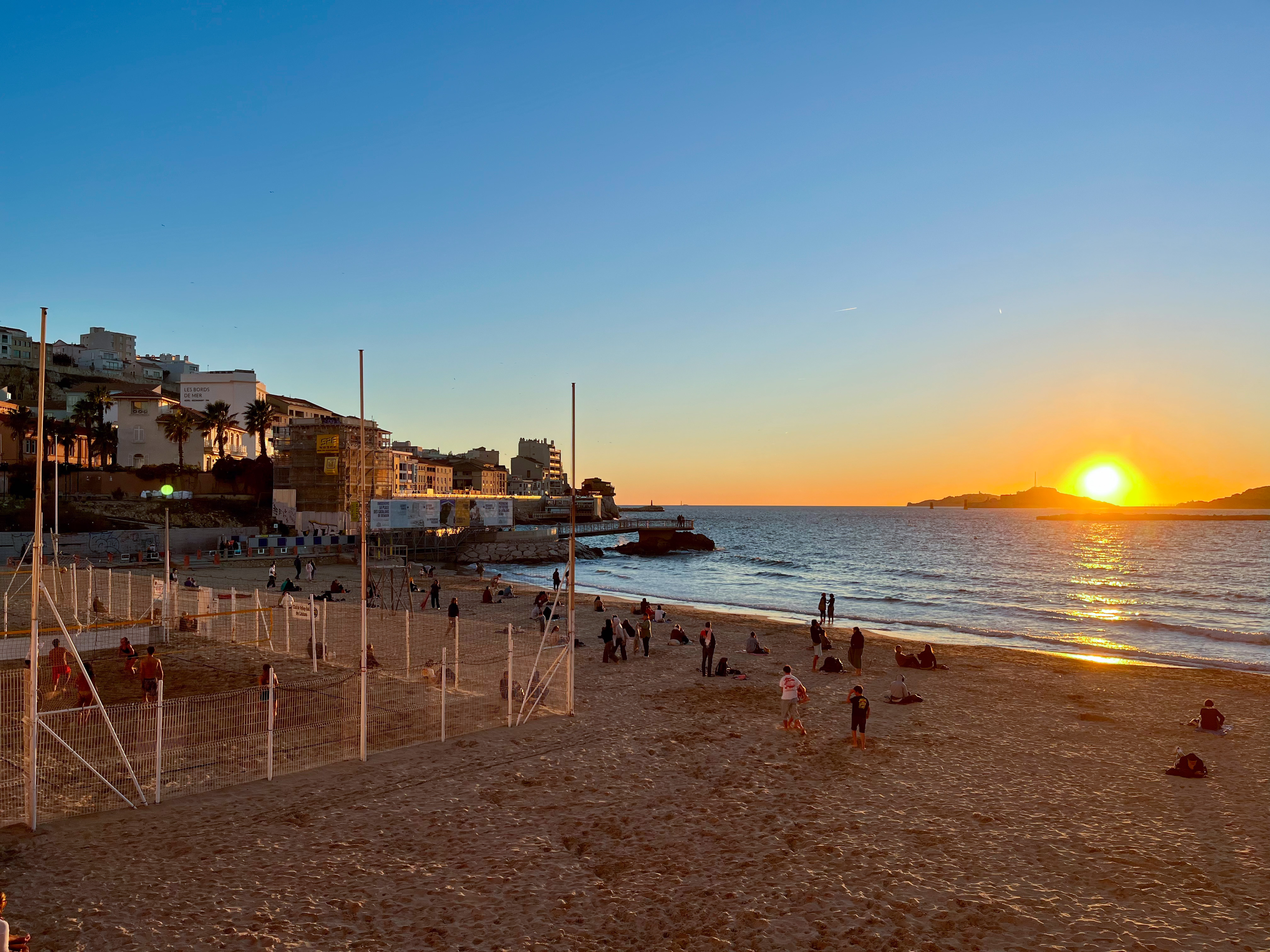
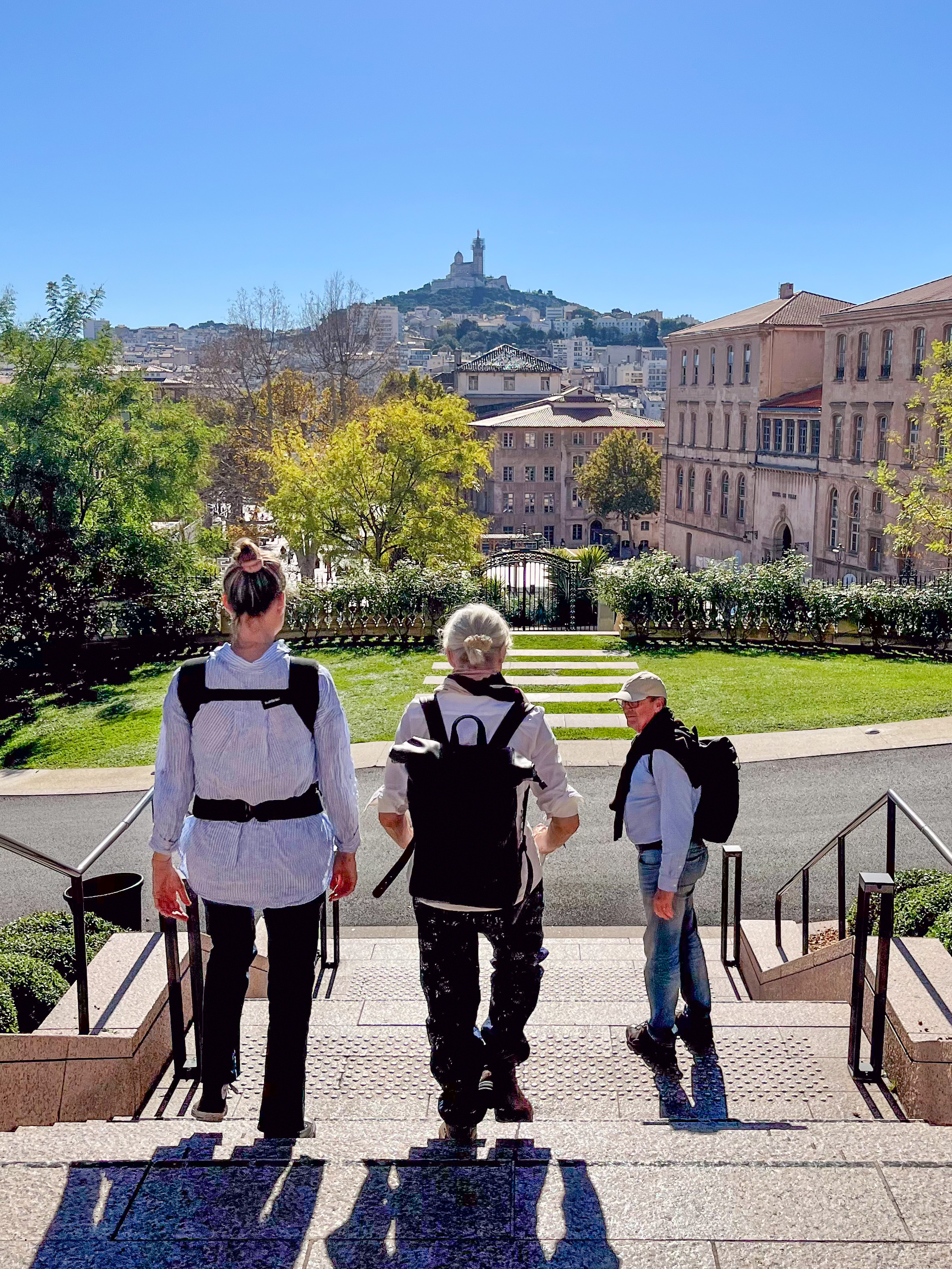
  • In Marseille, stay near Plage des Catalans for sunsets, jump between beach swims and city explorations, and hike to Notre Dame de la Garde for panoramic views.

The train journey

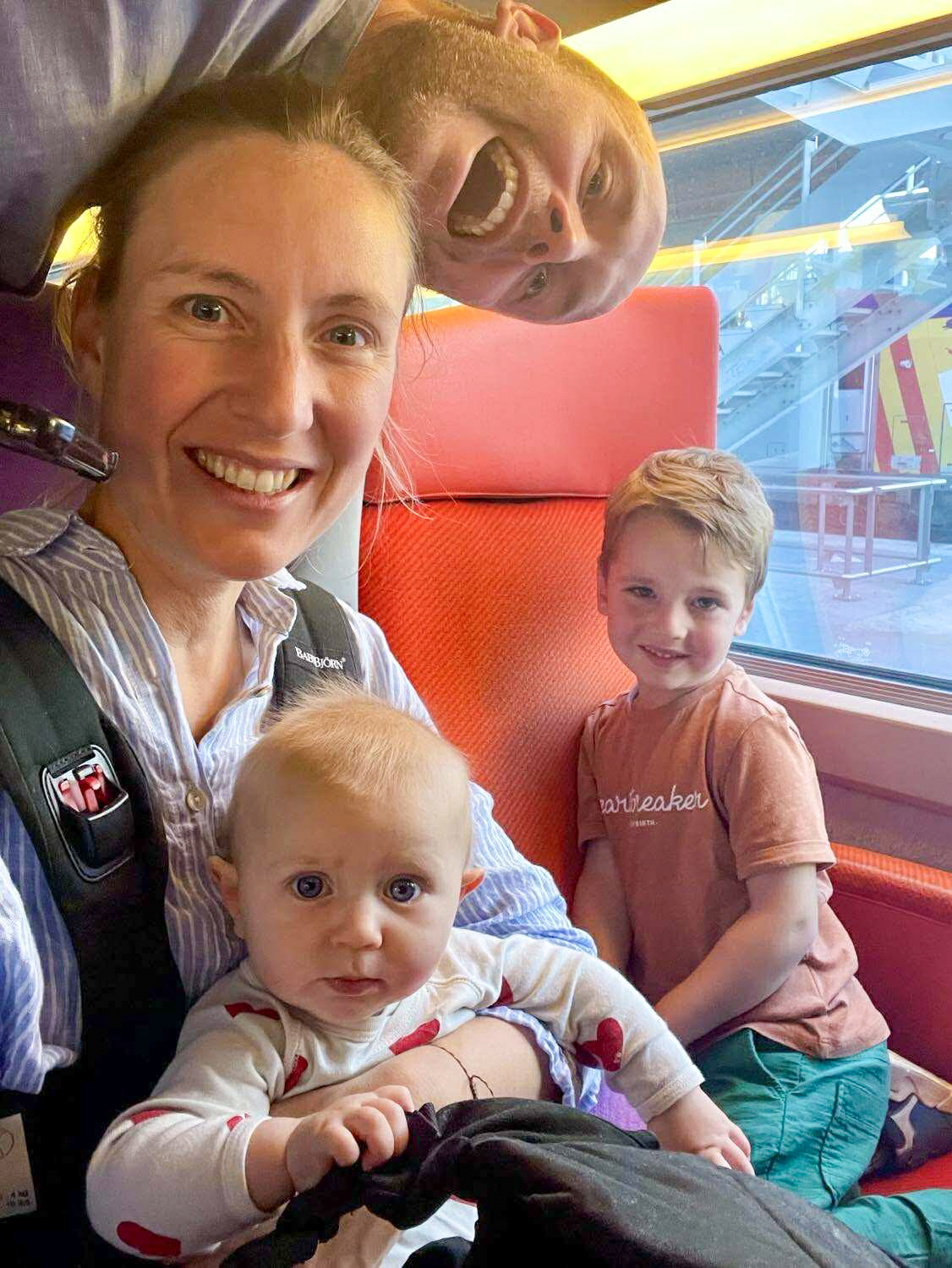
  • We took the train from Brussels to Marseille on Wednesday morning at 6:37… arrived nicely on time at 12:25 and jumped straight on the 12:35 train to Cassis. But even if we would have missed it, there’s a train every half an hour.
  • Our train going cost 103 EUR/person (we booked the kids free on our seat for Joanna & August), return was 90 EUR/person… so kind of affordable and super convenient to be from city center to city center in less than 6 hours.
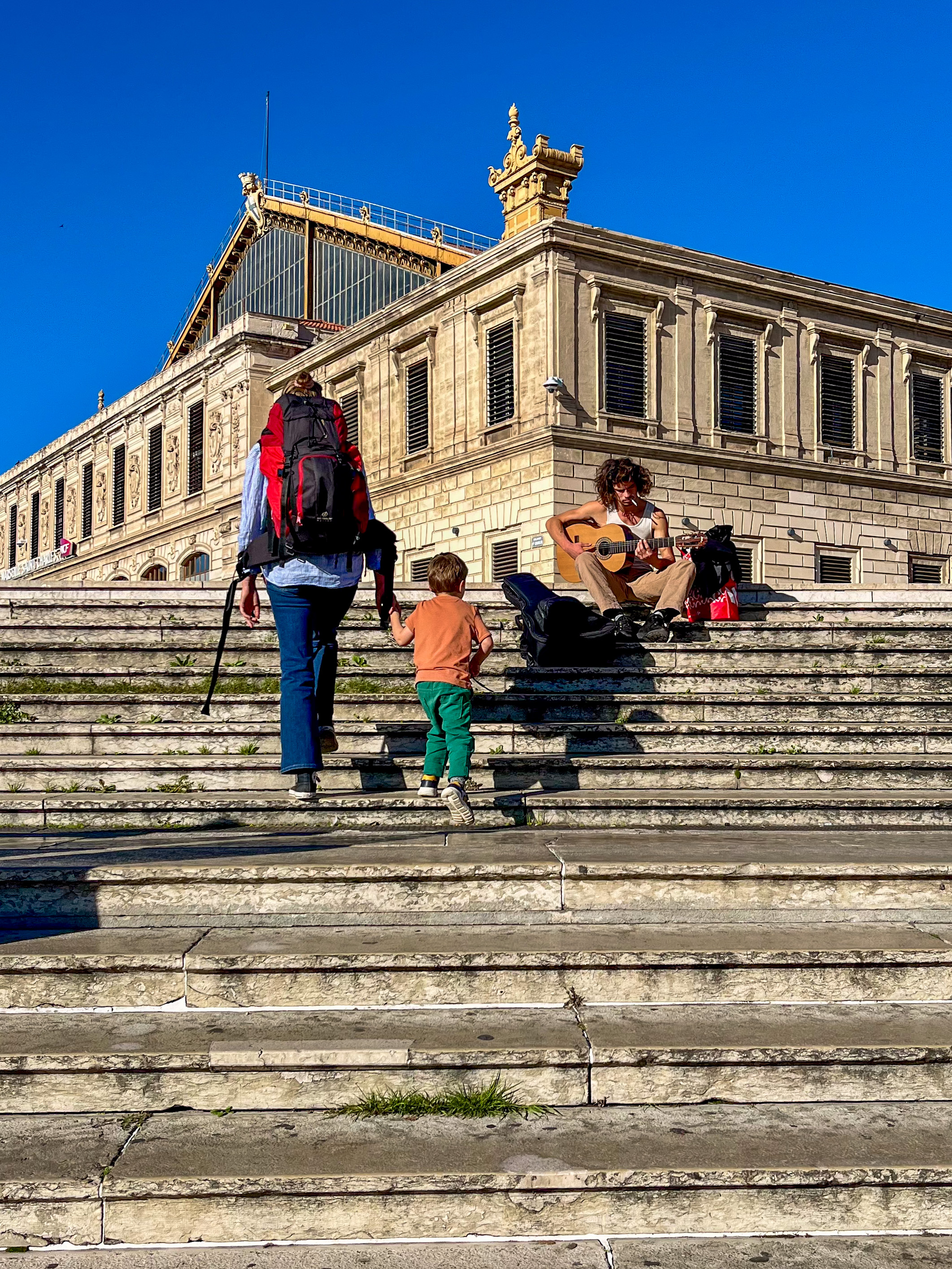
  • We travelled back the week after with the afternoon train from Marseille, after having a good lunch at the stunning Brasserie Les Fenêtres and walking to the Saint-Charles station, and left at 15:12, arriving in Brussels at 20h56. Again a smooth journey.
  • We travelled with a 4 year old and a 6 months old baby, so we took a light small foldable stroller (yoyo kind of), with a two wheeled plank behind it to put our 4-year old on. We also brought the baby carrying bag, which we used in the station and on the train.
  • We took 2 hiking backpacks: Tine’s had her clothes and those of Joanna, mine had my stuff and Augusts’
  • Important for the train is taking a lot of drinking water and food, and some small toys. I would sit a lot in the compartment to exit the train with the folding seats, where August or Joanna could make as much noise as they wanted. And we visited the bar coach a couple of times where there’s even more space to play. We were seated in the coach with the diaper changing room, very convenient.

Restaurant recommendations

Our restaurant recommendations in Cassis:

  • Cassis et Romarin
  • Chez Poulette a Cassis
  • Chill beach bar at Same Same Beach

Our restaurant recommendations in Marseille:

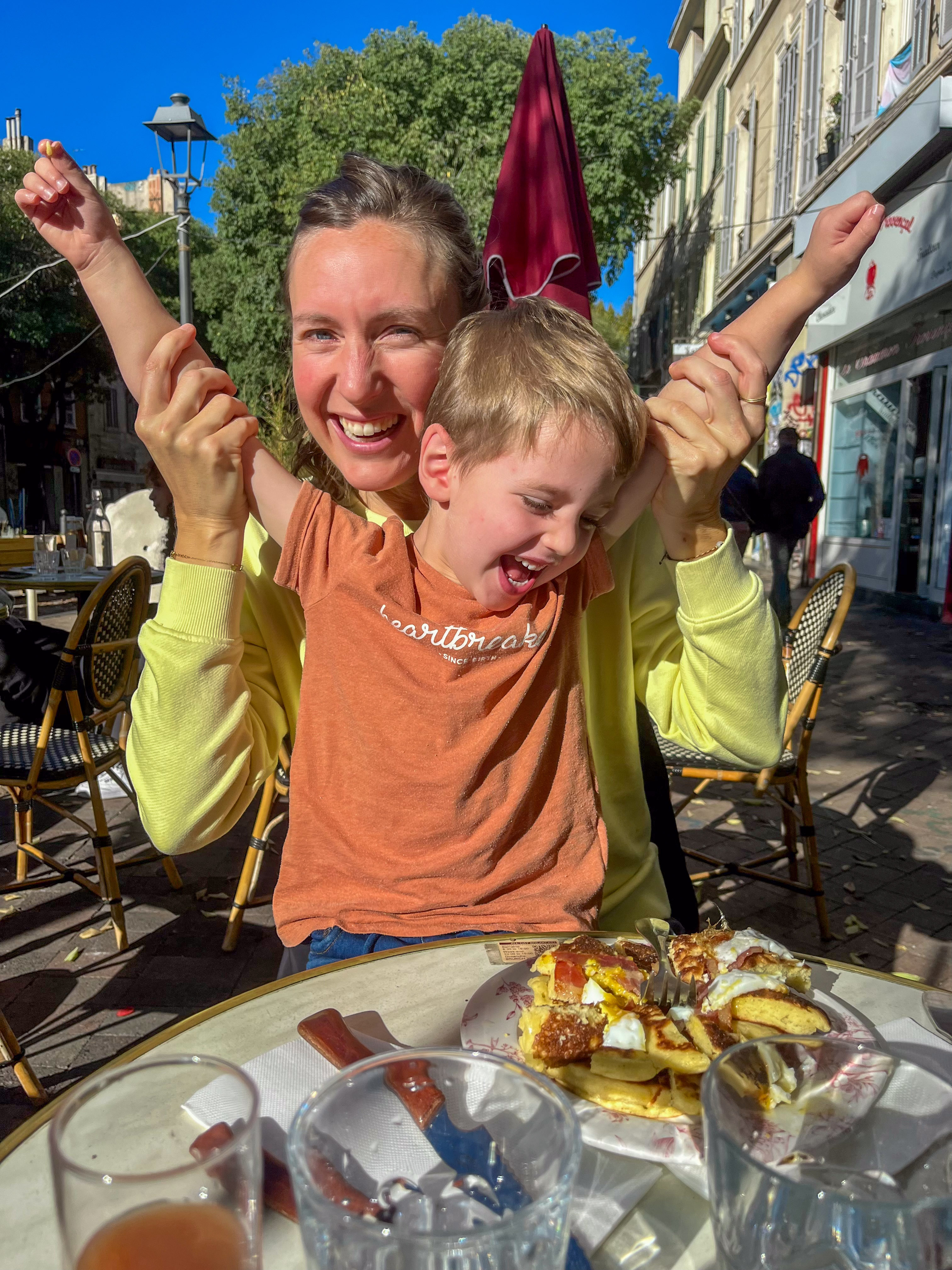
  • Brunch at Beans

  • Lunch with an impressive view and historic architecture on the terrace of Brasserie Les Fenêtres

  • Rooftop of Hotel Sofitel Marseille – absolutely impressive views for the evening, after sunset

  • 1860 Le Palais


Return to GR98 Nature

The GR98 and the Calanques will leave you humbled by nature’s scale and beauty. Traveling by train gifted us the luxury of a low-carbon journey, while sunny days among rocks, creeks, and beautiful views created memories our family (and legs) won’t soon forget.

Ready to experience this landscape’s magic for yourself? Pack light, hike with care, swim where the water is most blue, and let the Calanques and Cap Canaille feed your carbon-conscious spirit—whether you’re pushing your limits or sharing your love of the wild with your children.

Exploring Norway: Camper Life with Kids & HVO100 biofuels

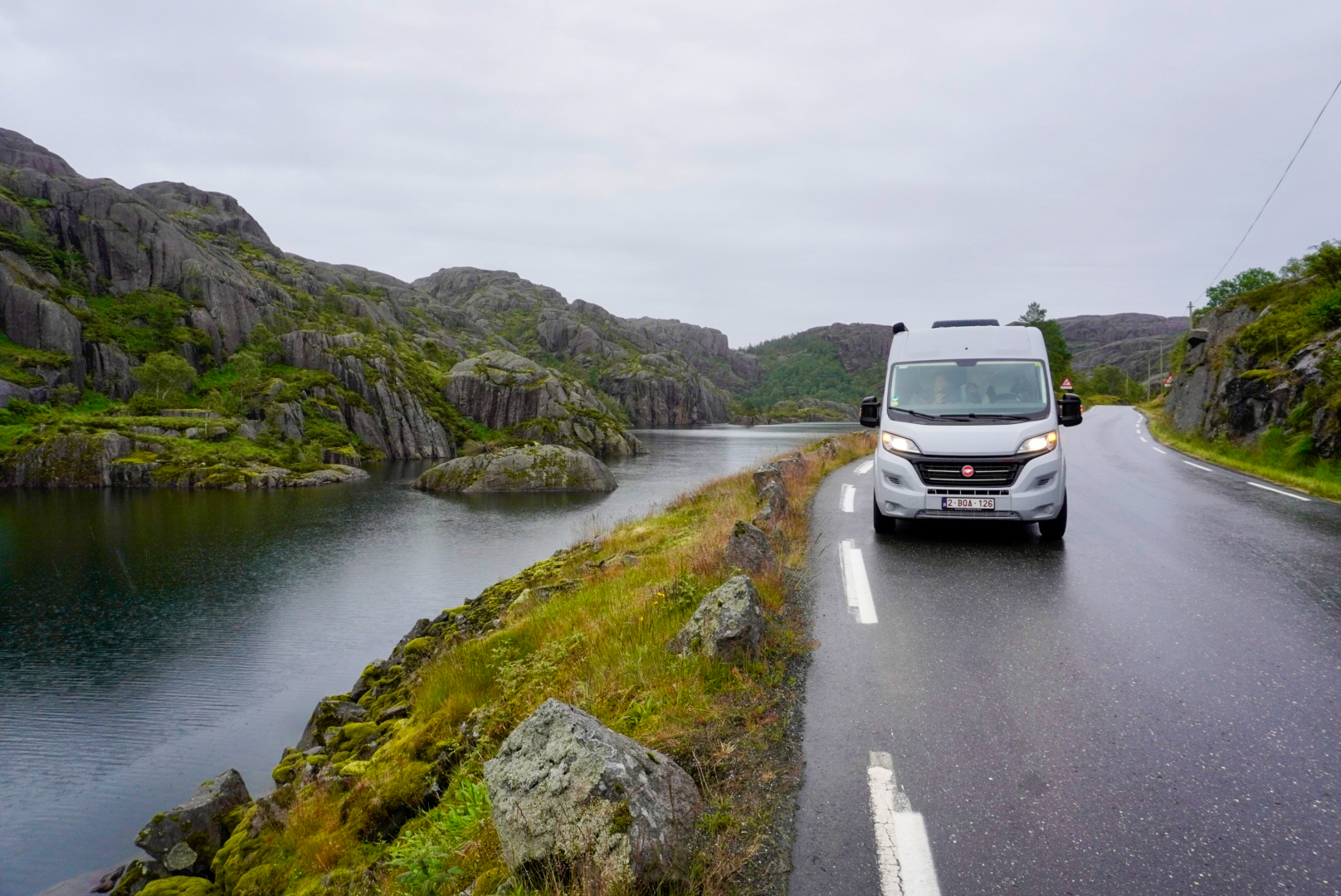
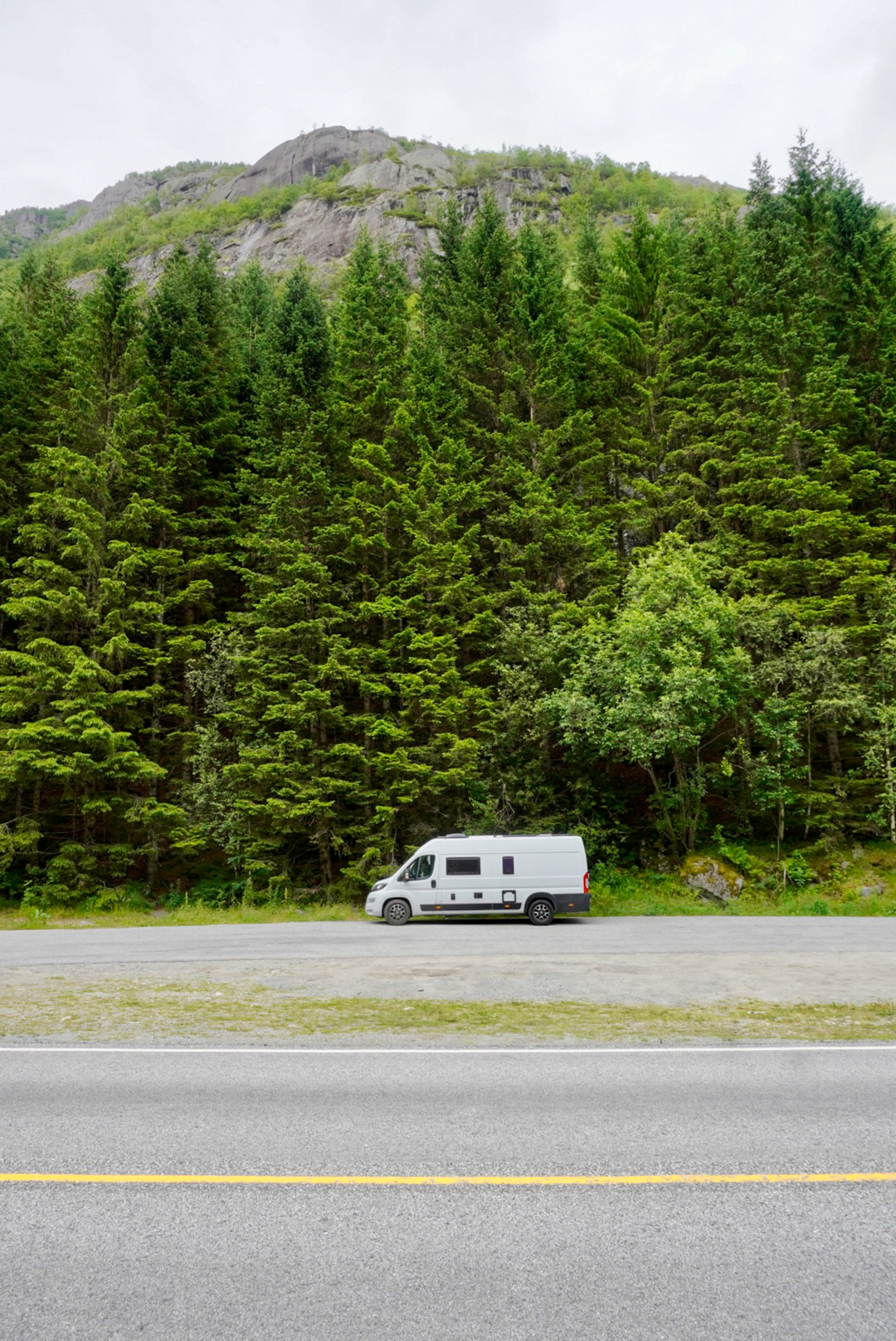
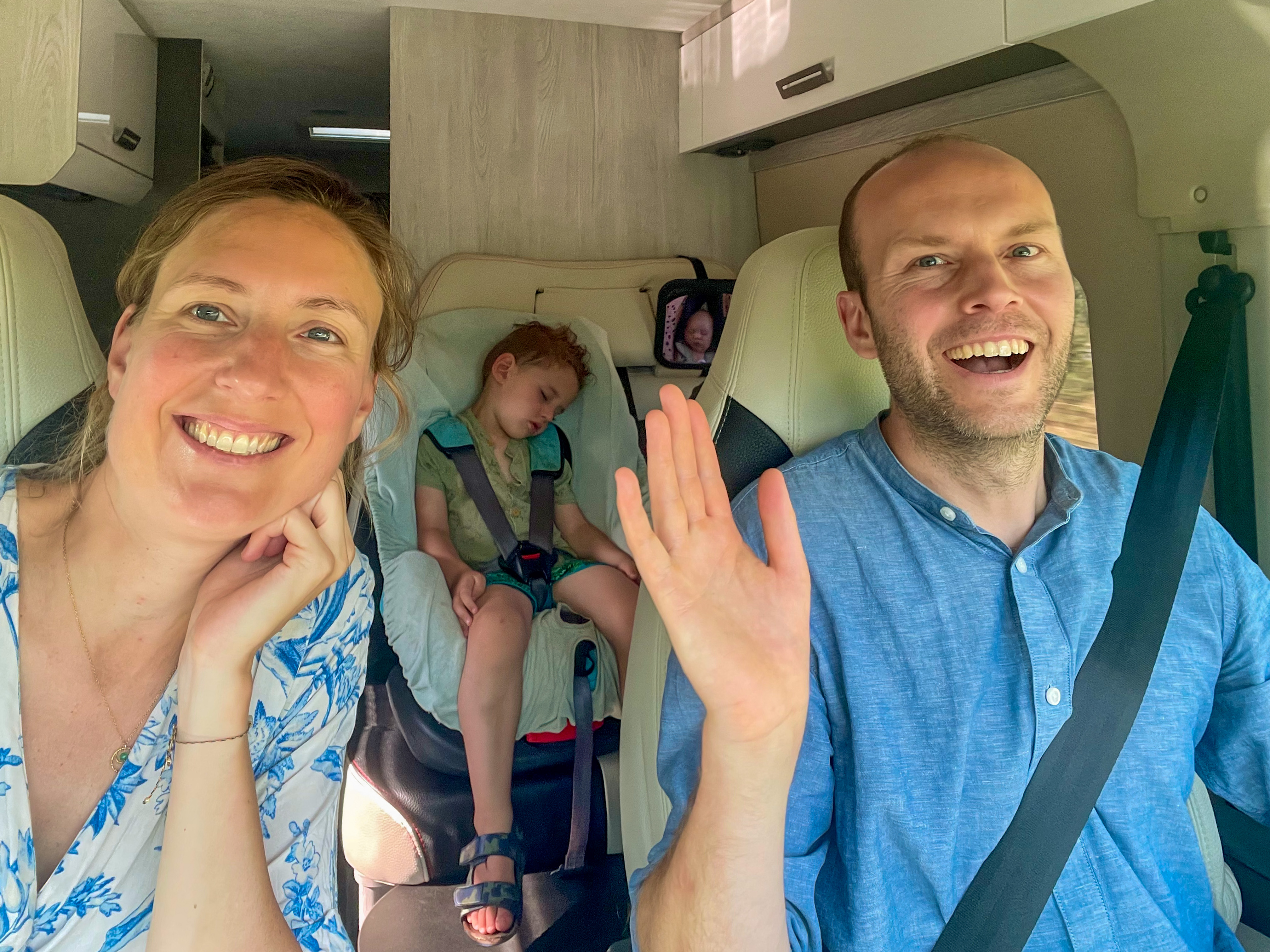
If you dream of immersing your family in wild nature, forging close bonds, and genuinely treading lightly on the earth—could a camper journey through Norway be your next adventure? For us, it was a test: could we spend a whole month traveling with our two kids, off the beaten path, using only HVO100 biofuel? Welcome to part one of our two-month camper parental leave—a journey blending slow travel, sustainable choices, and family joy.


Why Camper Trips with Young Kids are Perfect (and Perfectly Challenging)

There’s something special about camper life with kids: the flexibility to stop anywhere for diapers or naps, the freedom to picnic under a waterfall, and waking up together in a new place in nature every day. Our little rolling home gave us autonomy—each child with their own tiny locker, our own kitchen, and the ability to spend up to five days far from supermarkets with plenty of fresh and canned or dry food.

Traveling with a tiny baby (Joanna, two months) and an energetic toddler (August, 3.5 years), we sometimes had to limit long hikes, but the van let us blend adventure and comfort: August could walk, ride on our back, or rest, and we could instantly change plans if someone needed a break (or breastfeeding, a diaper, snacks, or a cuddle).


HVO100: The Biofuel Making Camper Trips Cleaner

We wanted our camper trip to reflect our values, so our Fiat Ducato ran exclusively on HVO100—a “next generation” biofuel made from waste products, which can reduce CO₂ emissions by 80–90% compared to diesel.

  • How do you find HVO100? In Germany, Denmark, and Norway, stations are best found using the DKV app—but always double check on site if it’s available! Reach out to me if you want our list of exact fuel stops.
  • Why does it matter? Buying HVO100 is a small act of climate responsibility—each purchase signals to suppliers that you care. Unfortunately, current legislation often means HVO100 is used by fuel companies just to meet climate targets, not as a true “extra” emission savings. Your choice does matter, but let’s keep pushing for policies to really accelerate sustainable fuels!
  • Eco driving tips? Go slower! Our under-aerodynamic campervan used 20–30% less fuel at 80–90 km/h versus 120. Bonus: it’s meditative to drive in the lane of the truckers, and you see more of the scenery (and if you ask the kids, less bumpy).


The Adventure Route: A Month of Nature, Fjords & Freedom

After leaving Belgium, we ferried from Hirtshals, Denmark to Kristiansand, Norway (pro tip: buy tickets from the Norwegian site using google translate, for us it was €100 cheaper!).

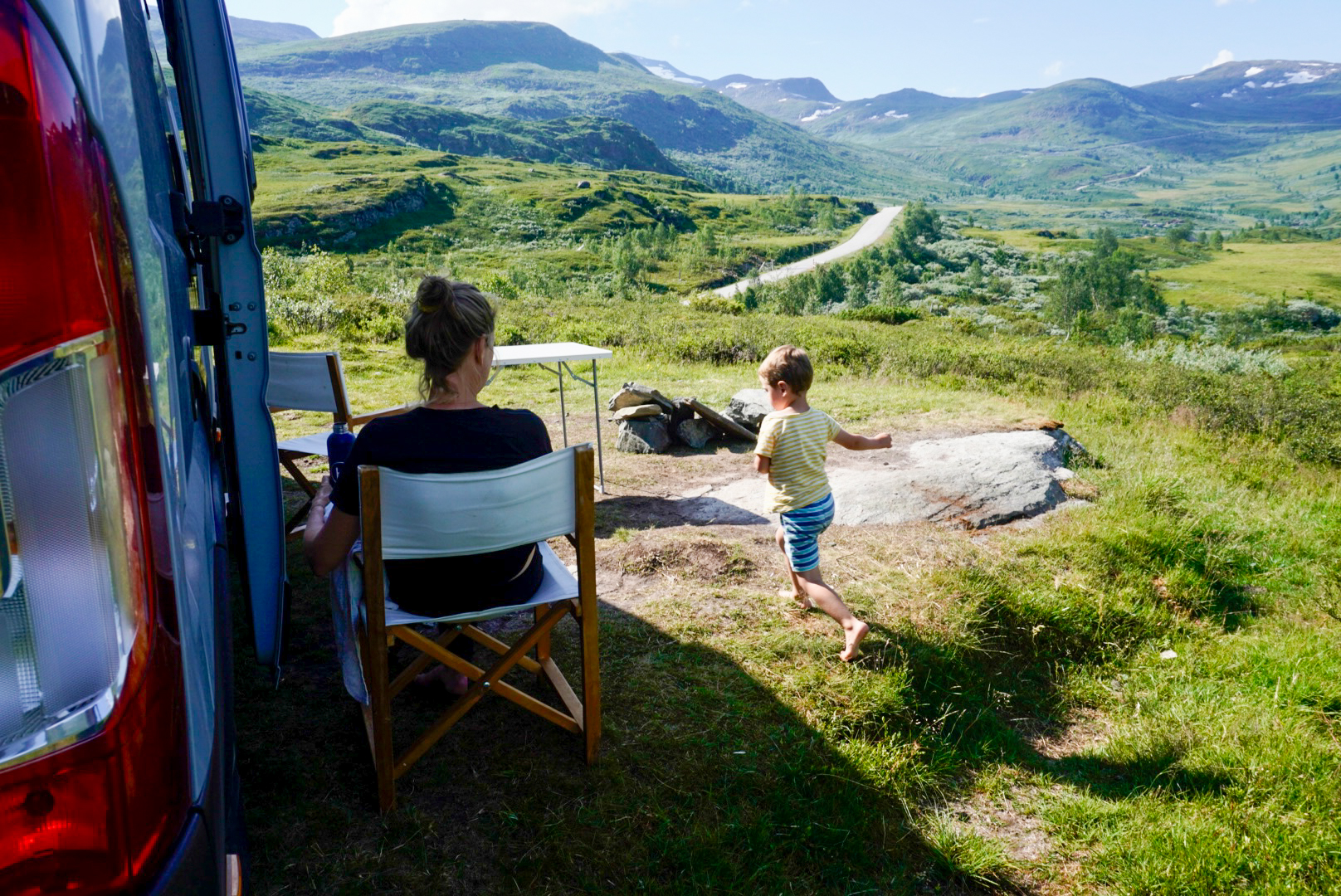
Wild camping is incredible in Norway—although finding a spot in peak summer can mean driving past a few “no camping” signs or busy lots before finding that perfect, peaceful place by a river, lake, or fjord. We only used campgrounds three times in a month; the rest, we lived off-grid, filling water tanks and emptying toilets at camper spots scattered around the country.

Overview of our highlights – in order of the circle we drove in the South of Norway:

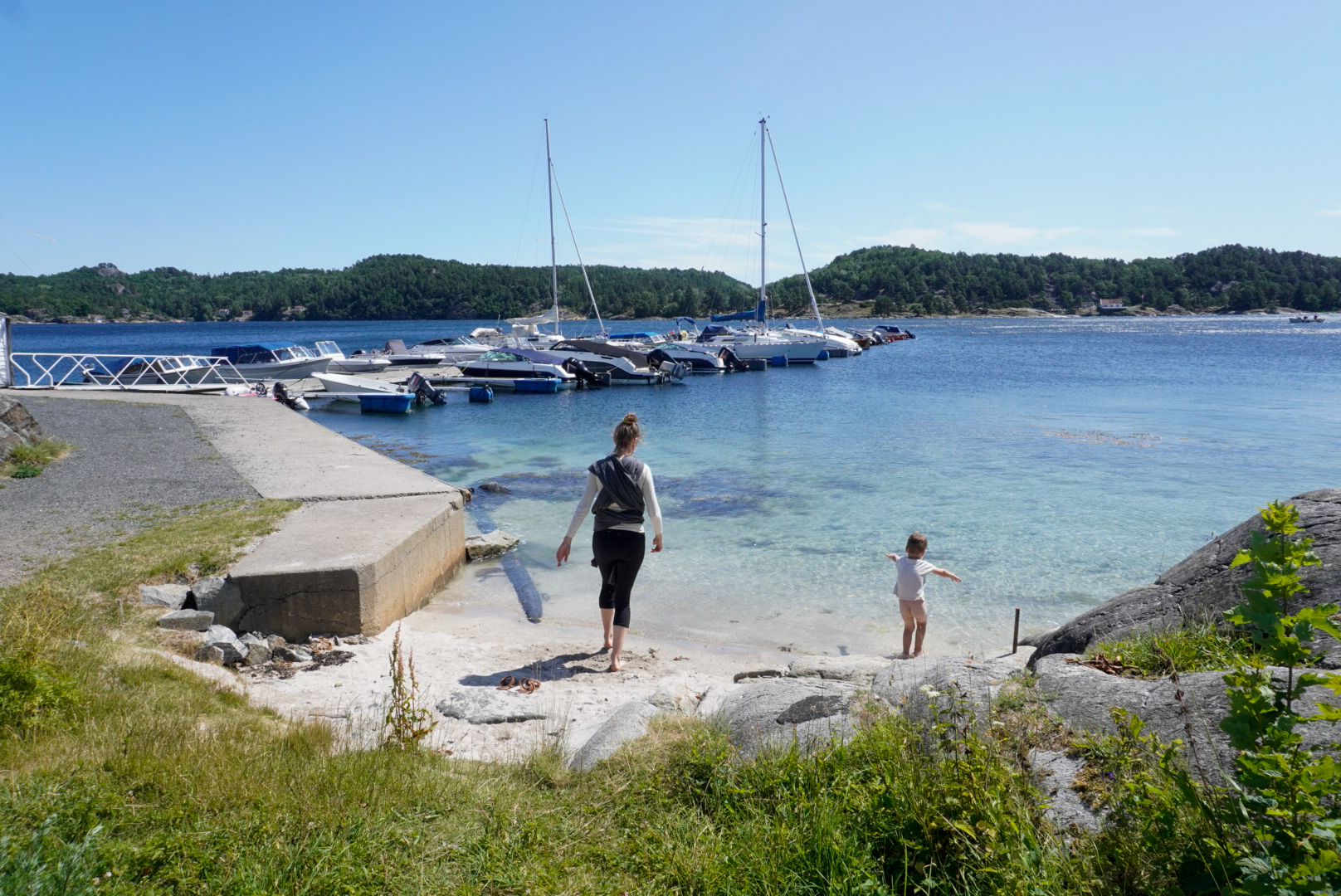
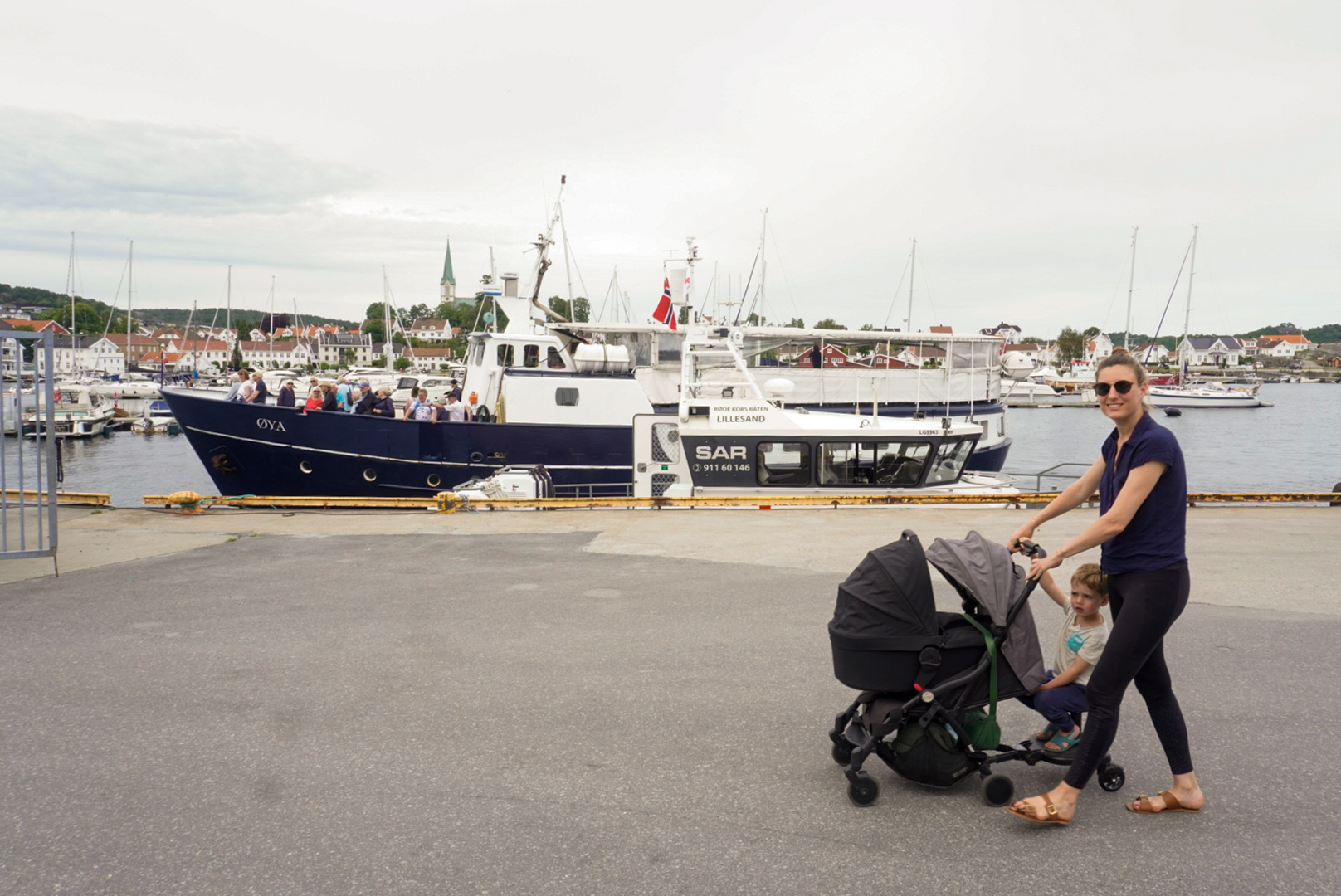
  • Lillesand: Idyllic beach village perfect for kids, with swimming, play spots, and a cozy restaurant by the water.
  • Scenic Route 44: The drive from Flekkefjord to Egersund felt otherworldly—craters and rolling hills, then on to Stavanger and the deep, blue fjords.
  • Preikestolen Hike: Challenging, rewarding, and much longer than planned (6–7 hours with little legs!), but the views were worth every step.
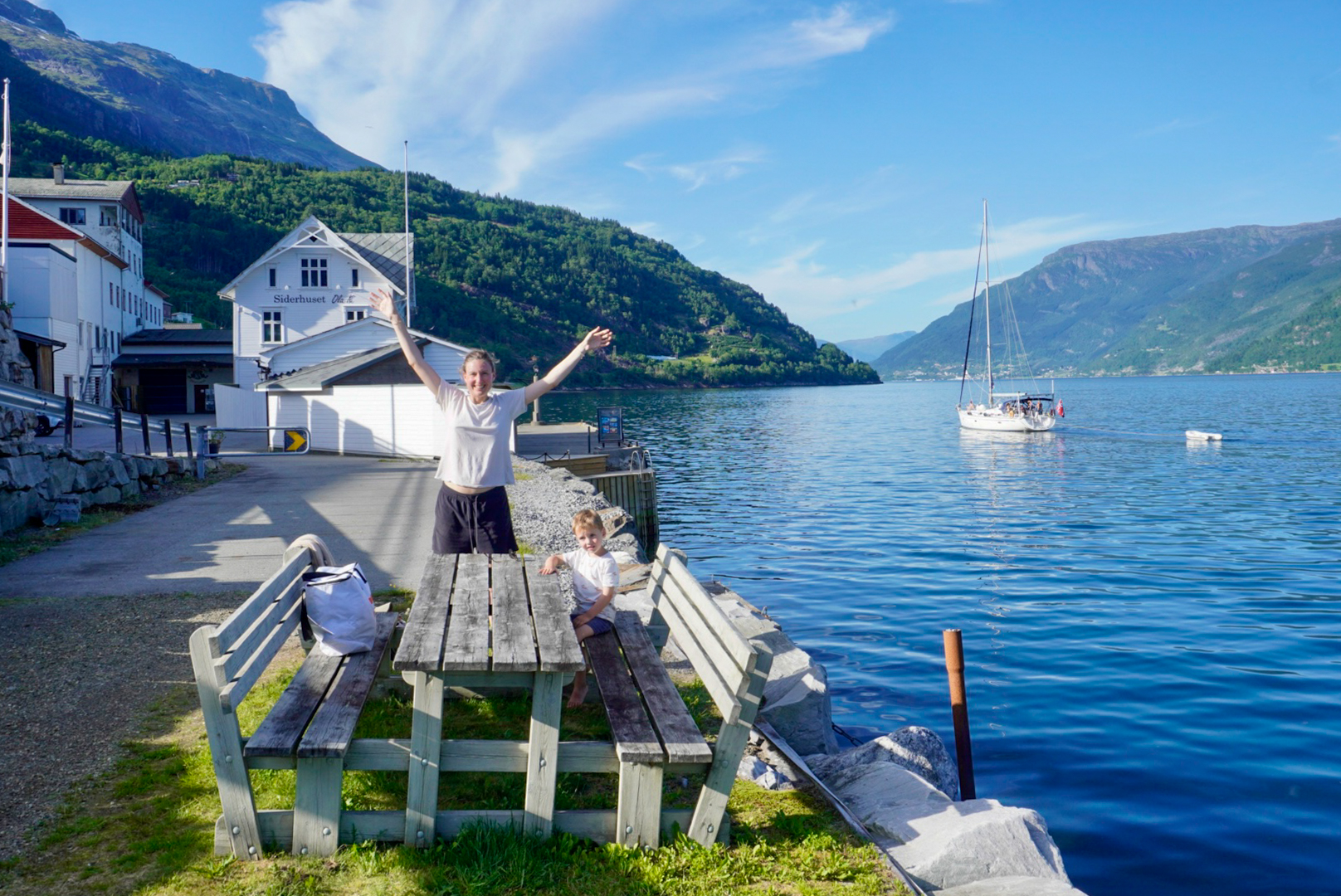
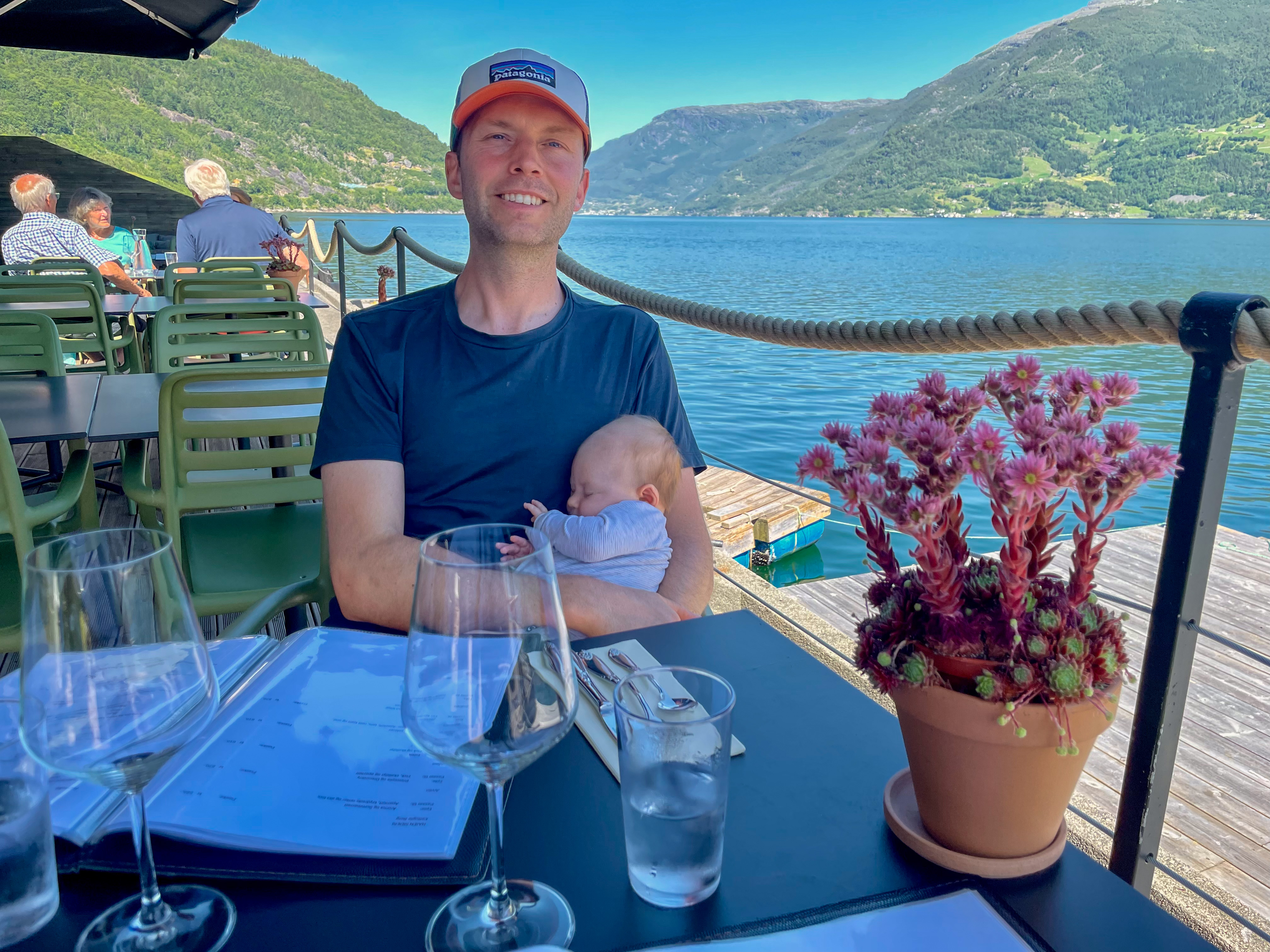
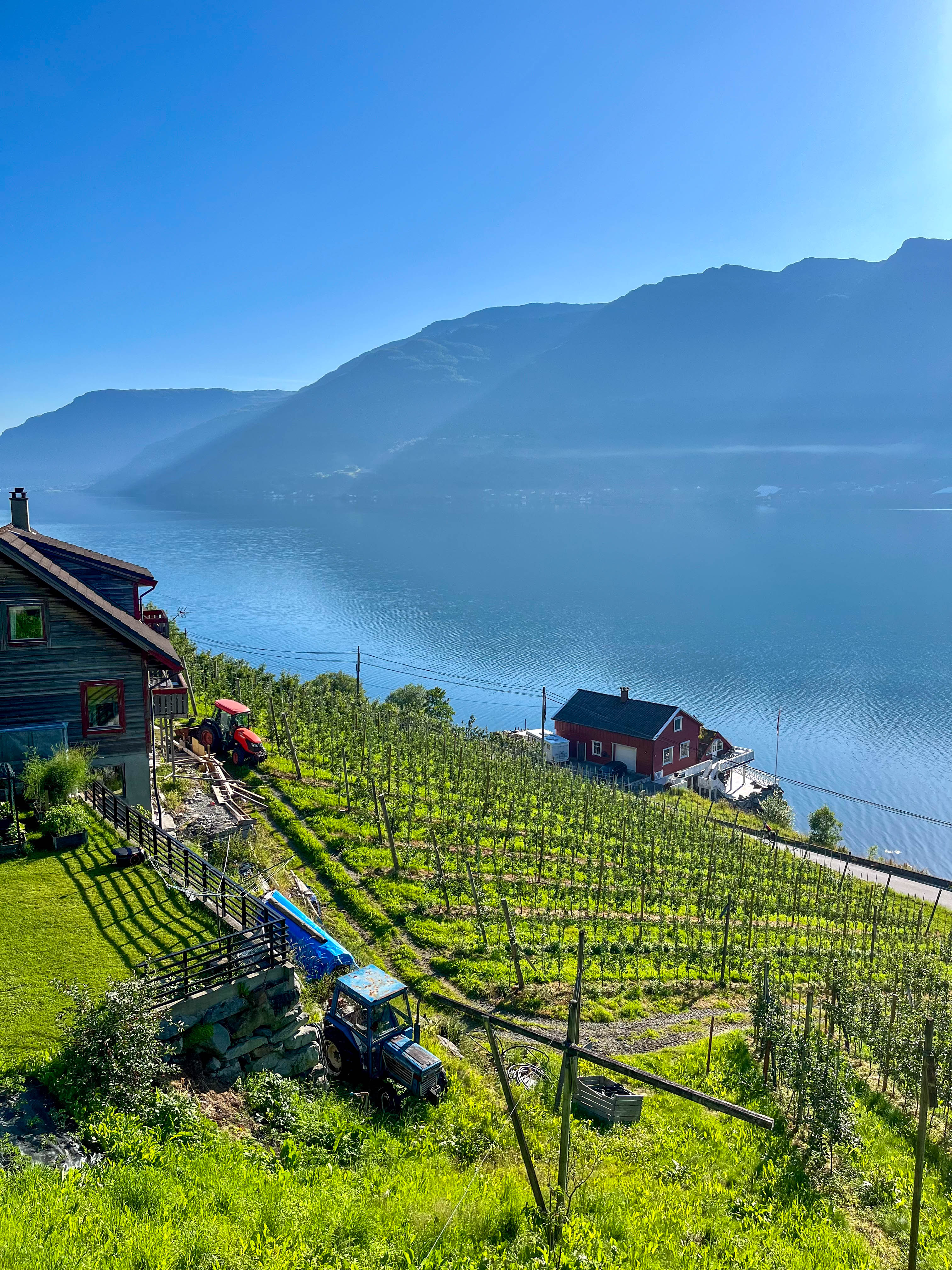
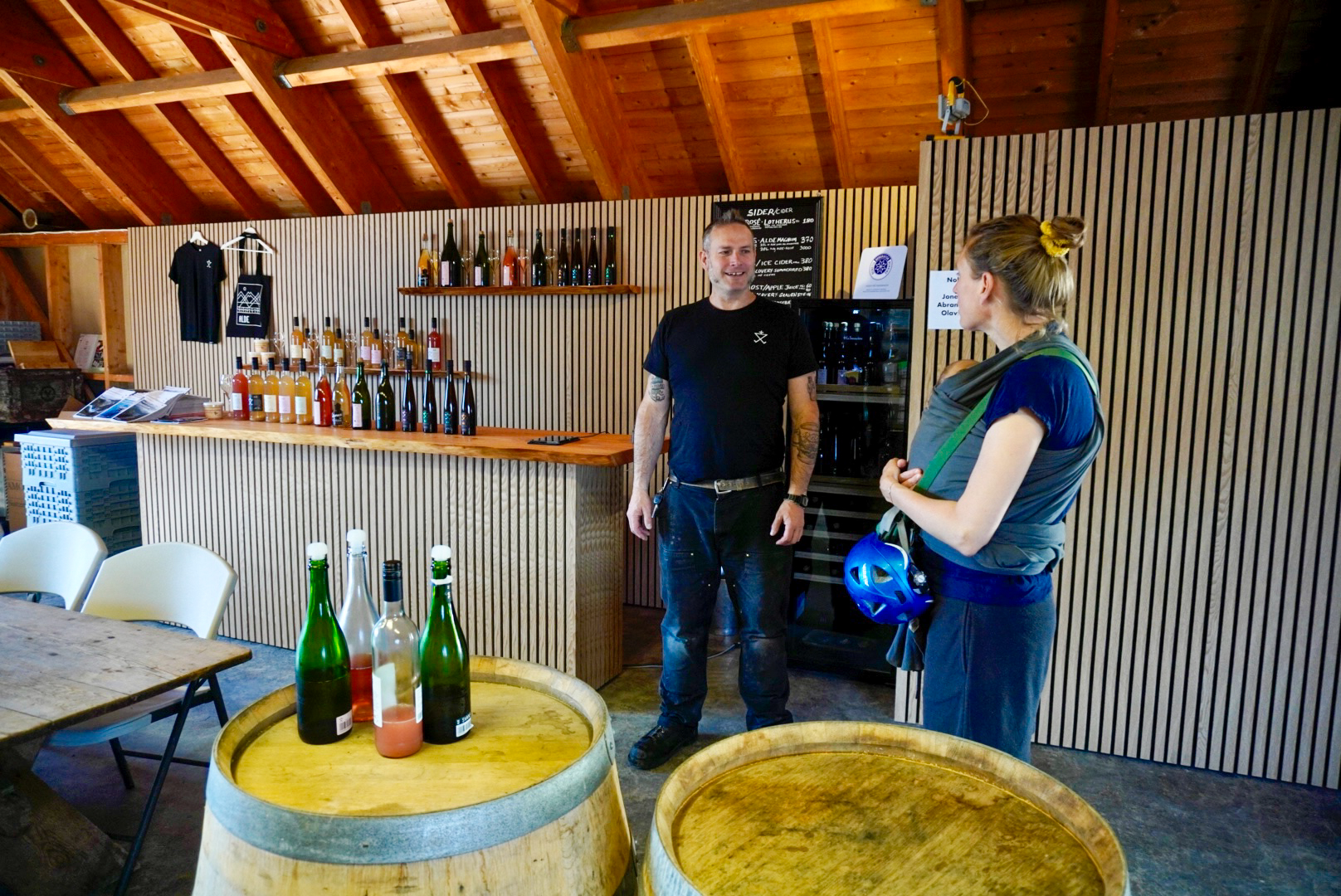
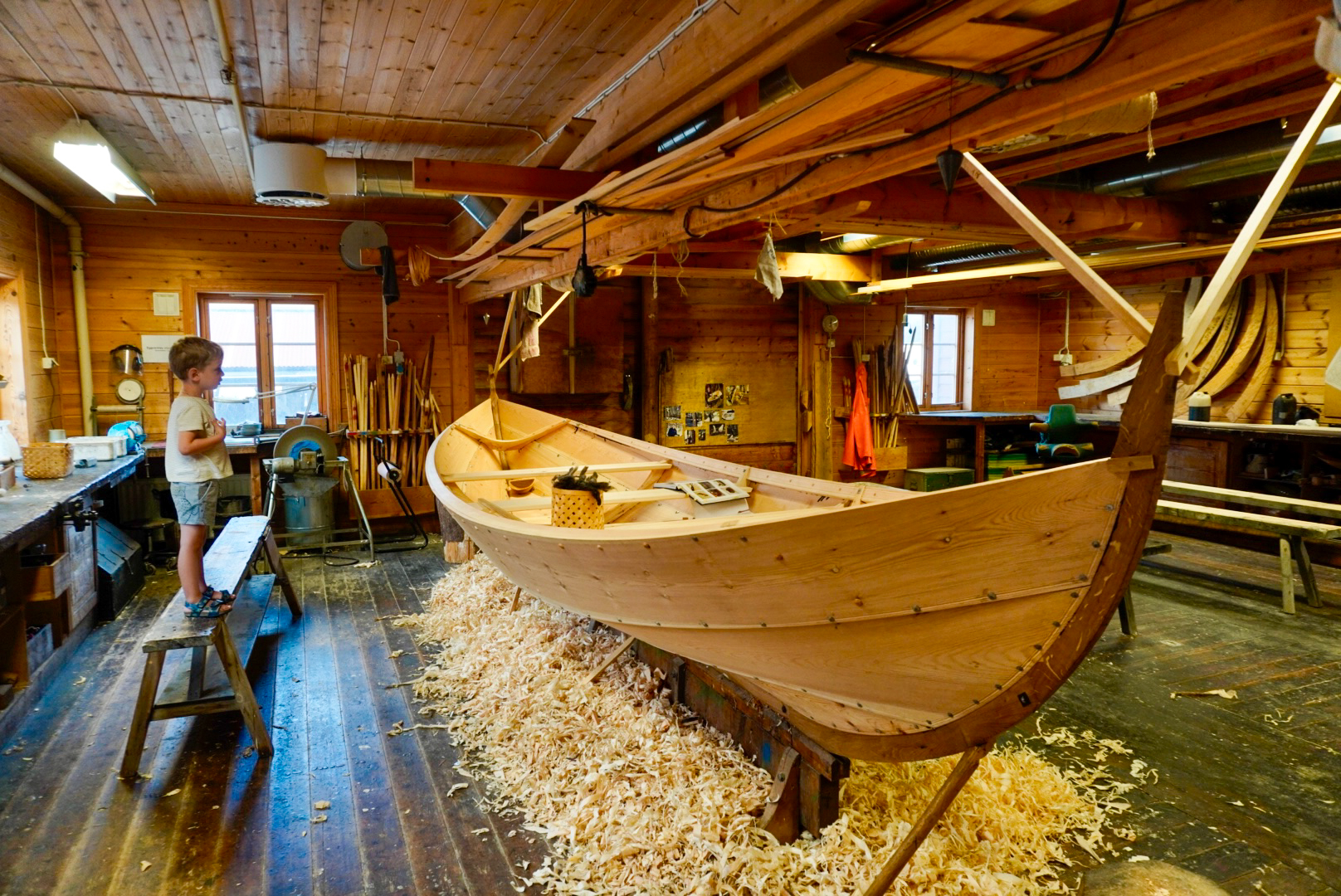
  • Hardangerfjord: Cider tasting in Alde Sider, rowing on the fjord, enjoying Norway’s surprising microclimates, visiting Utne and the Hardanger Maritime Center showing wooden shipbuilding
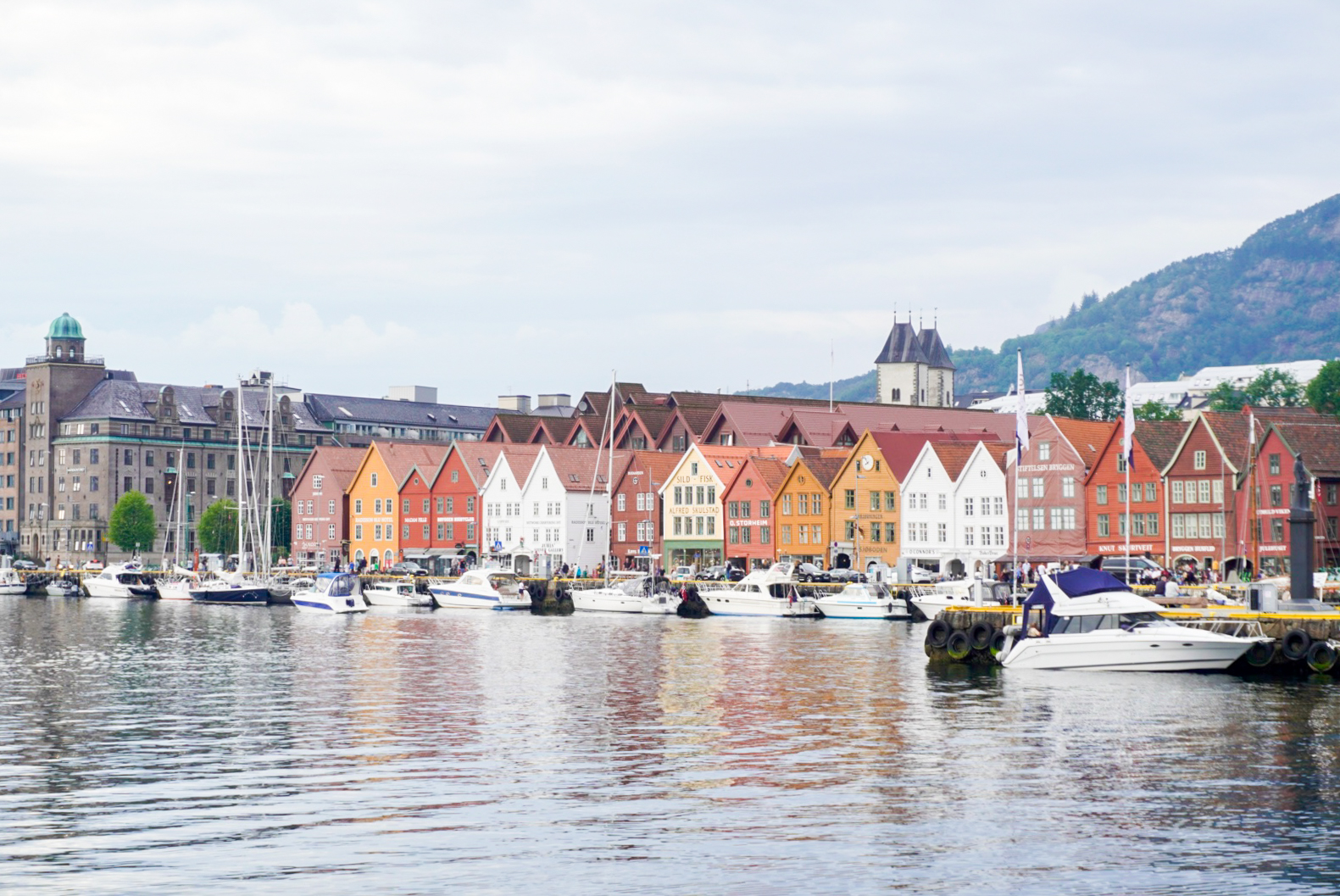
  • Bergen: Camper-parking in the city center, panoramic cable car views, Bryggen’s historic streets, city beach swims, and tasty local food. We enjoyed lots of brunch and restaurants, with a good local dinner in Bryggen Tracteursted.
  • Tvindefossen: Camping next to a roaring waterfall—beautiful (and loud).
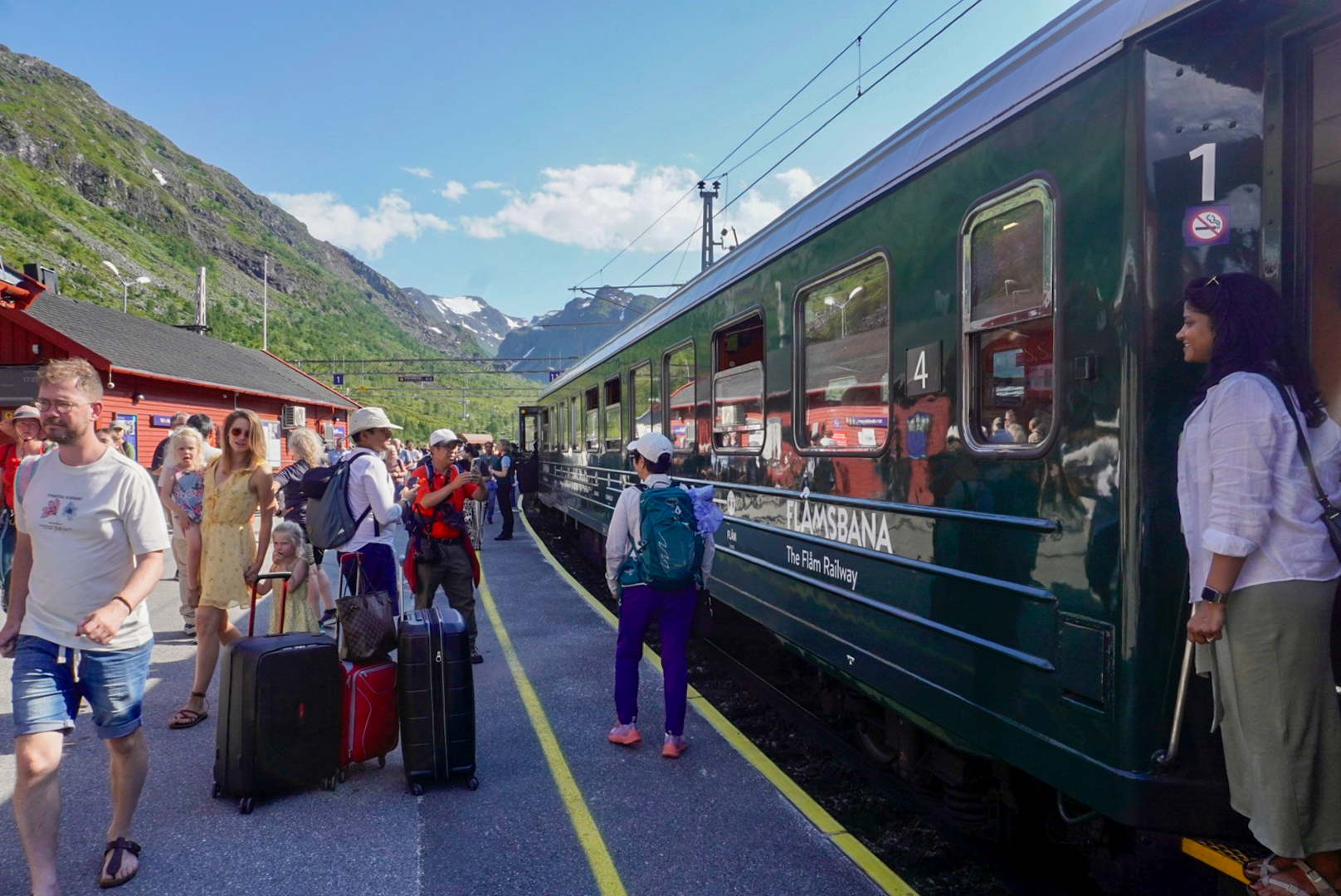
  • Flamsbana: The train leaving from Flam into the mountains. Pretty touristy and expensive, but impressive views without having to hike for hours = handy with children.
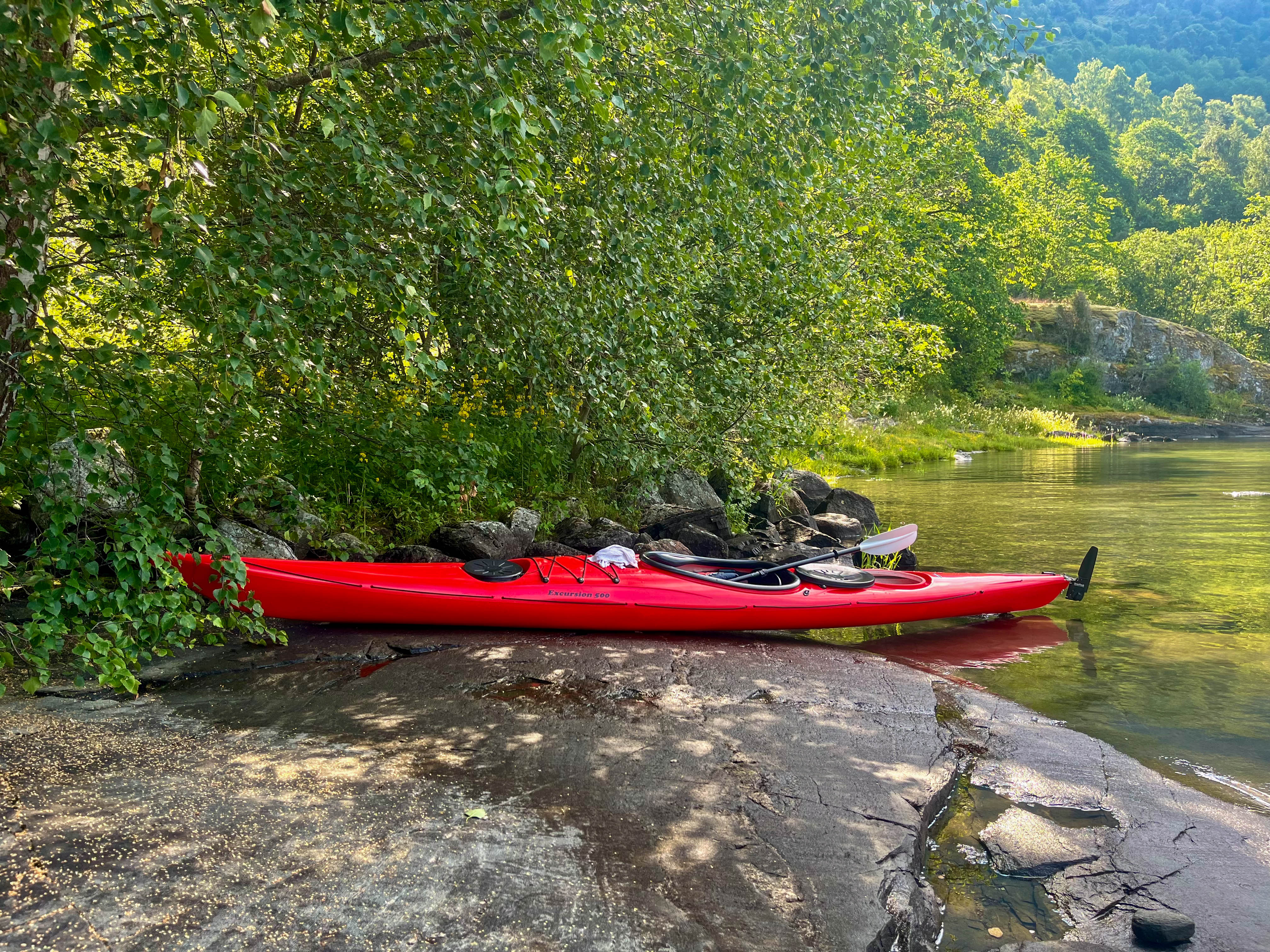
  • Sogndal: Half-day solo kayak trip across clear blue water, hikes and playgrounds.
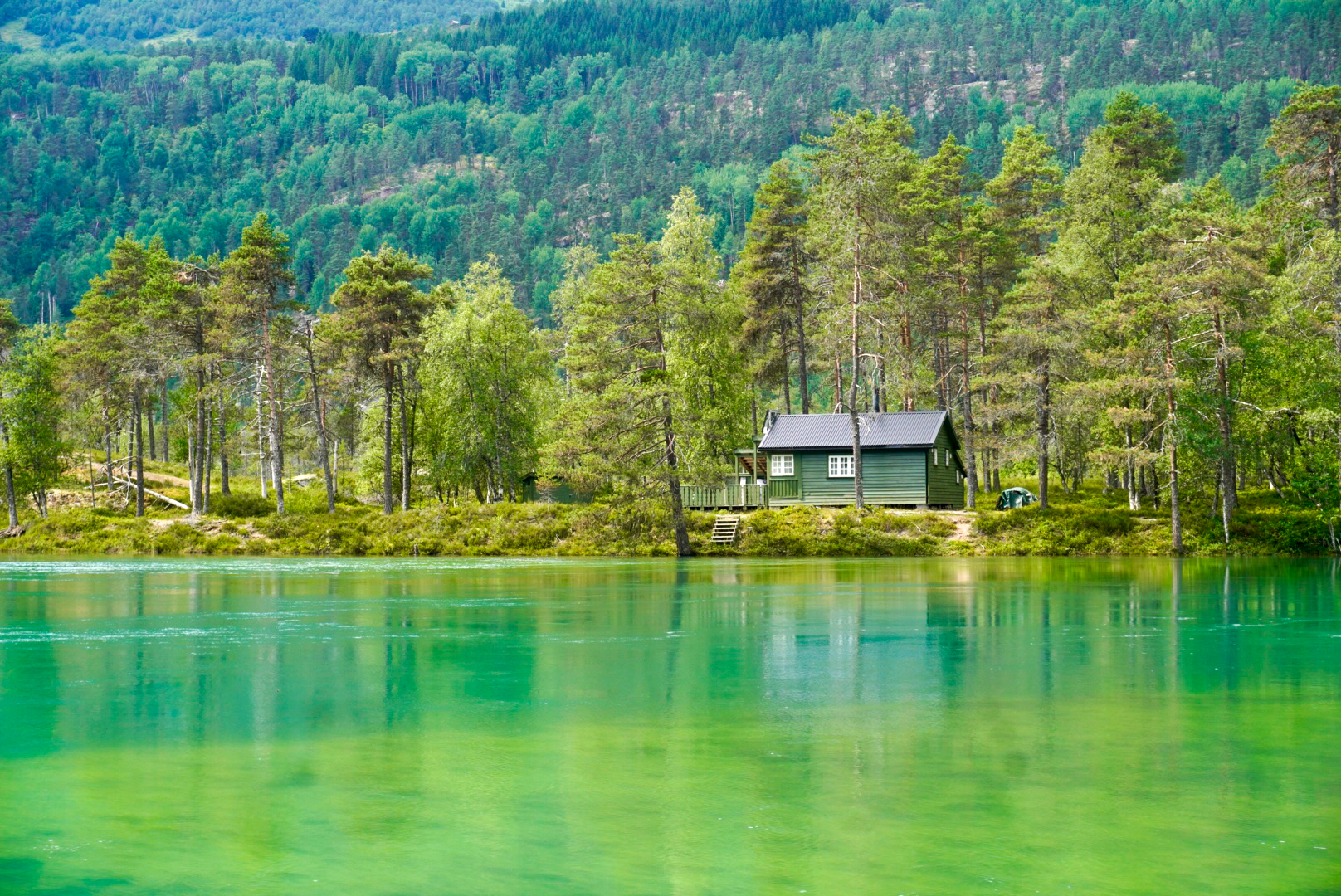
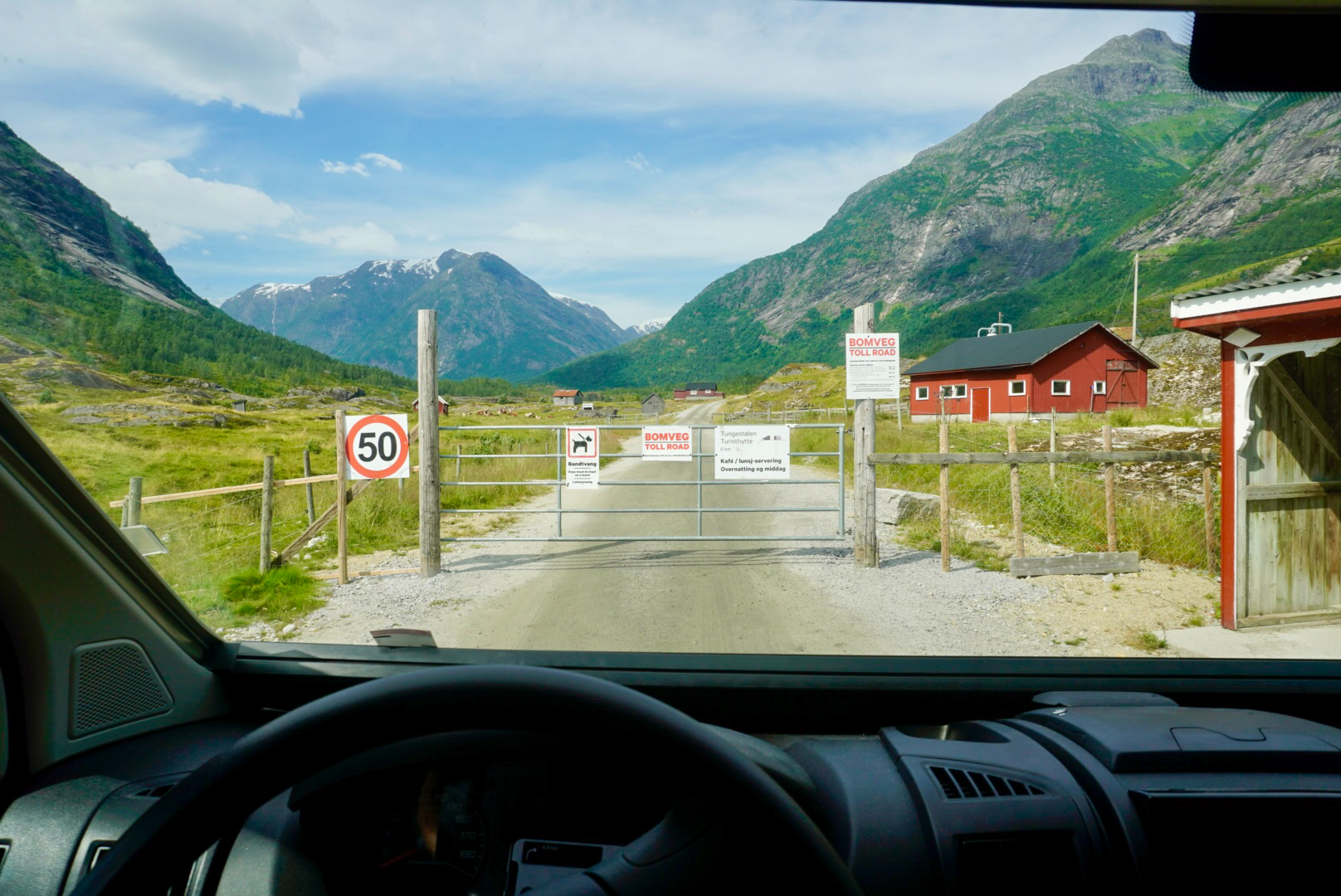
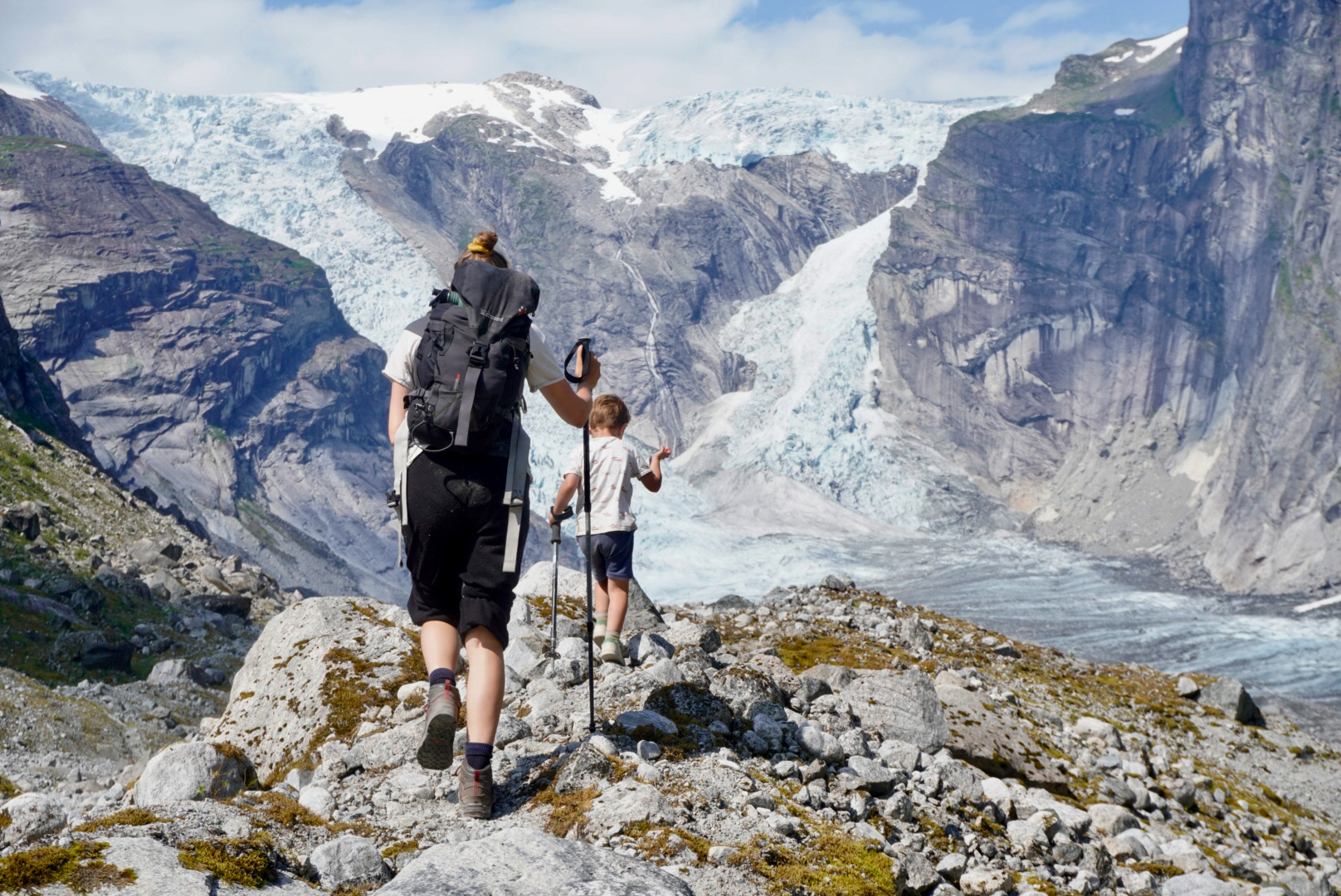
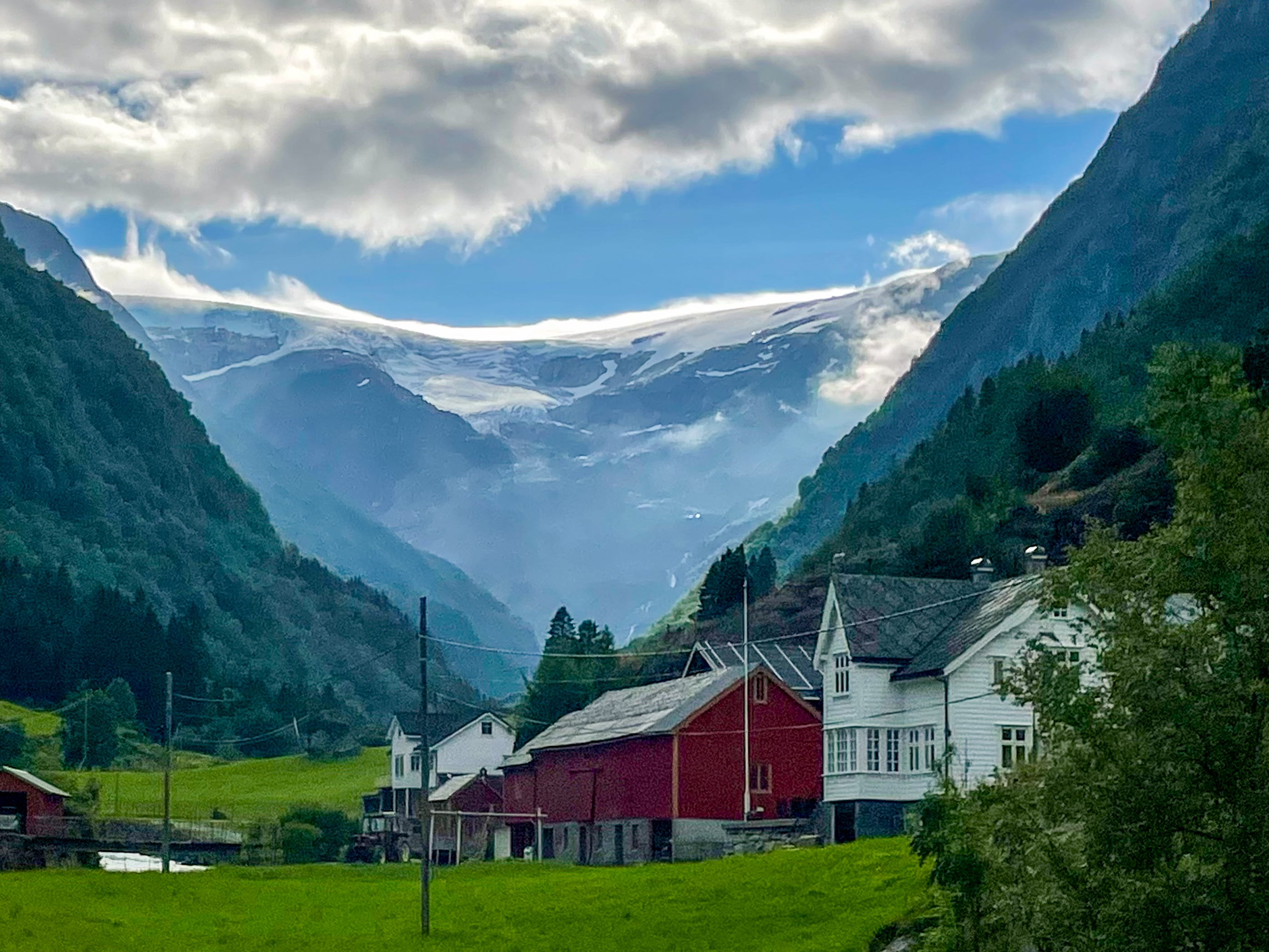
  • Jostedalsbreen NP: Glacier hike from DNT Tungestolen—slow and steady with kids, but jaw-dropping scenery. This was the most beautiful camping spot we had on our trip – 4h took us 8h with the little ones, but the views were impressive
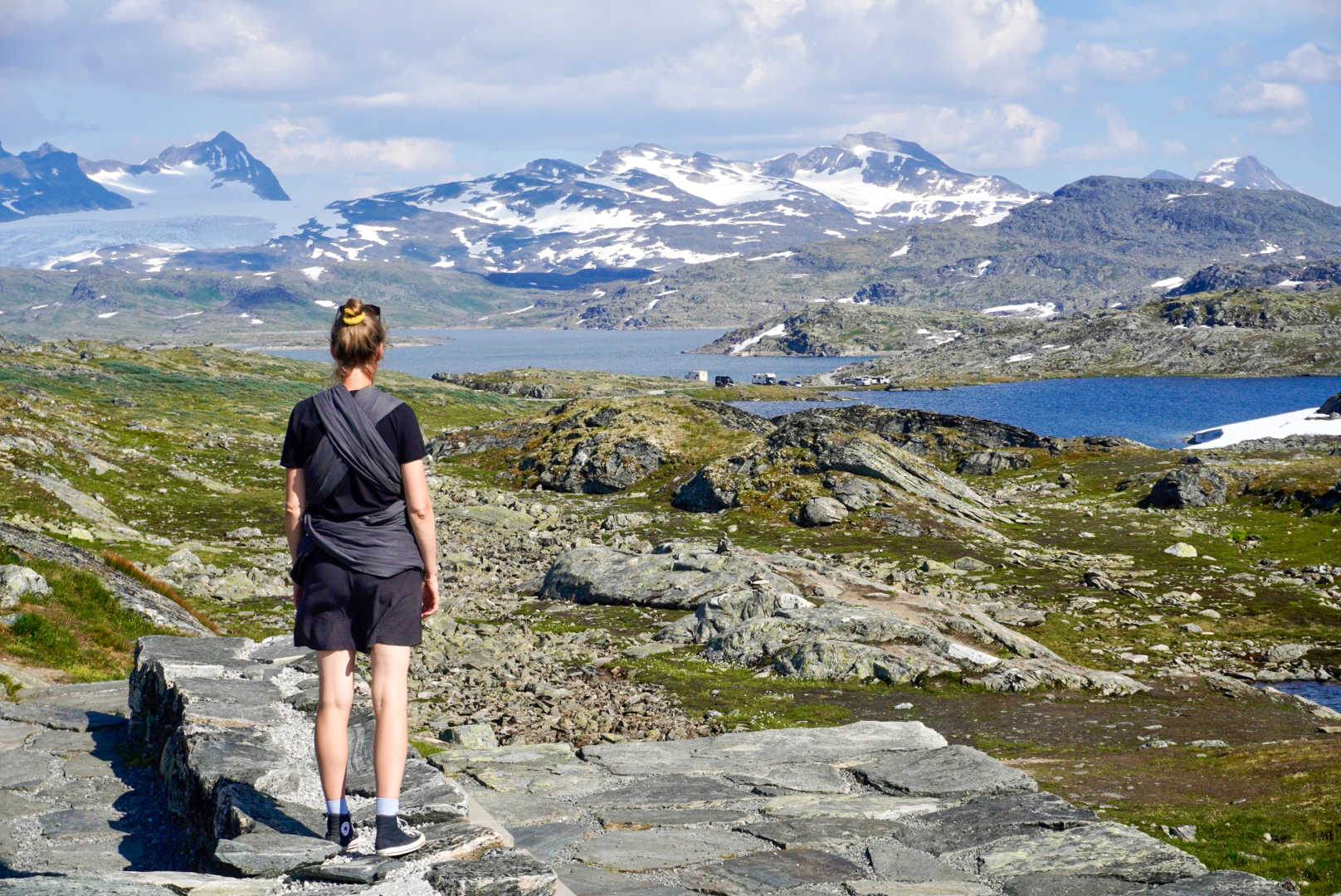
  • Route 55 Glaciers: Views for days between Skjolden and Fossbergom, and wild camping at the edge of the world. We camped on a small parking lot just before Turtagro hotel with the most impressive views. Great spot for small hikes directly in nature.
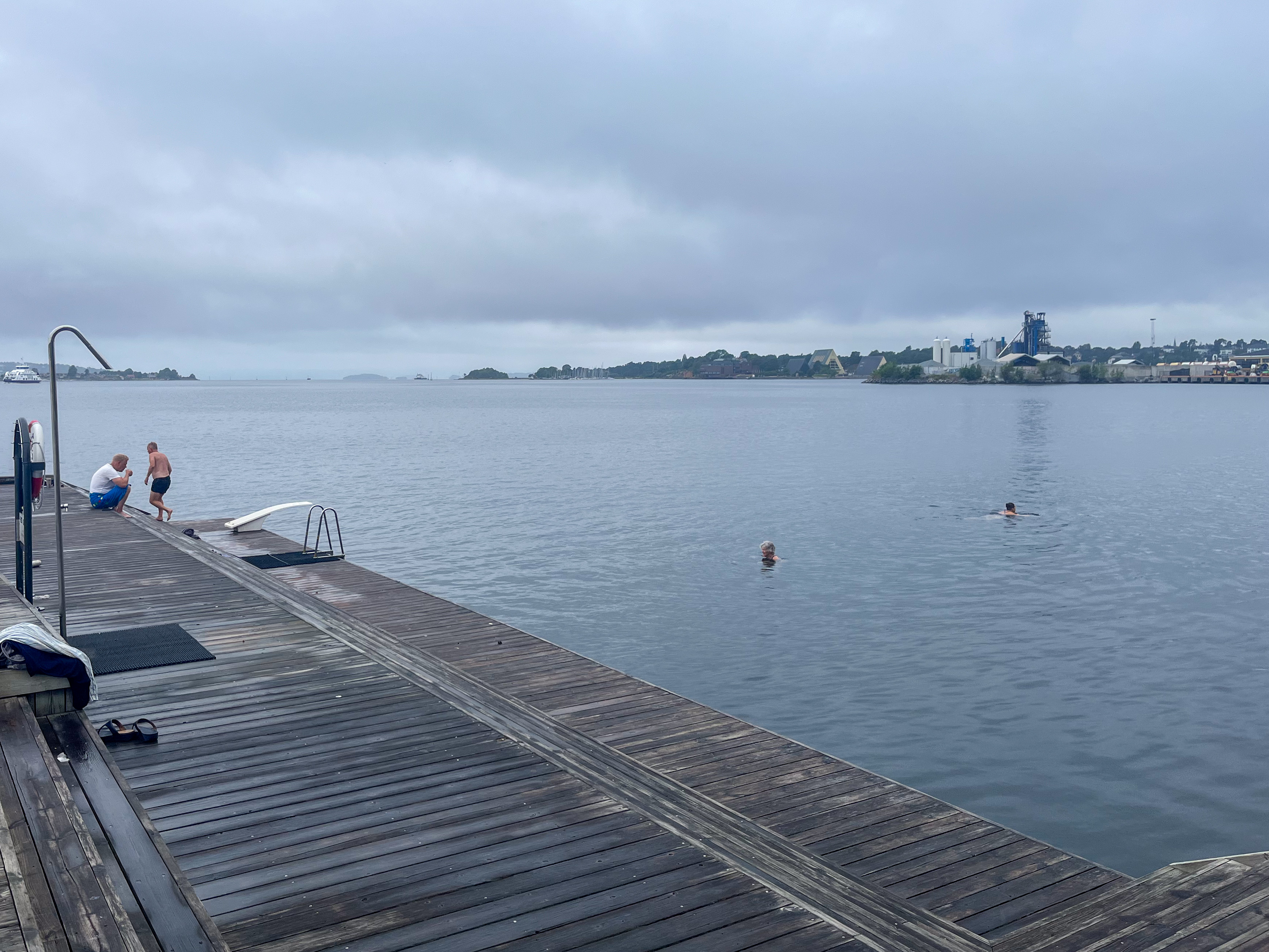
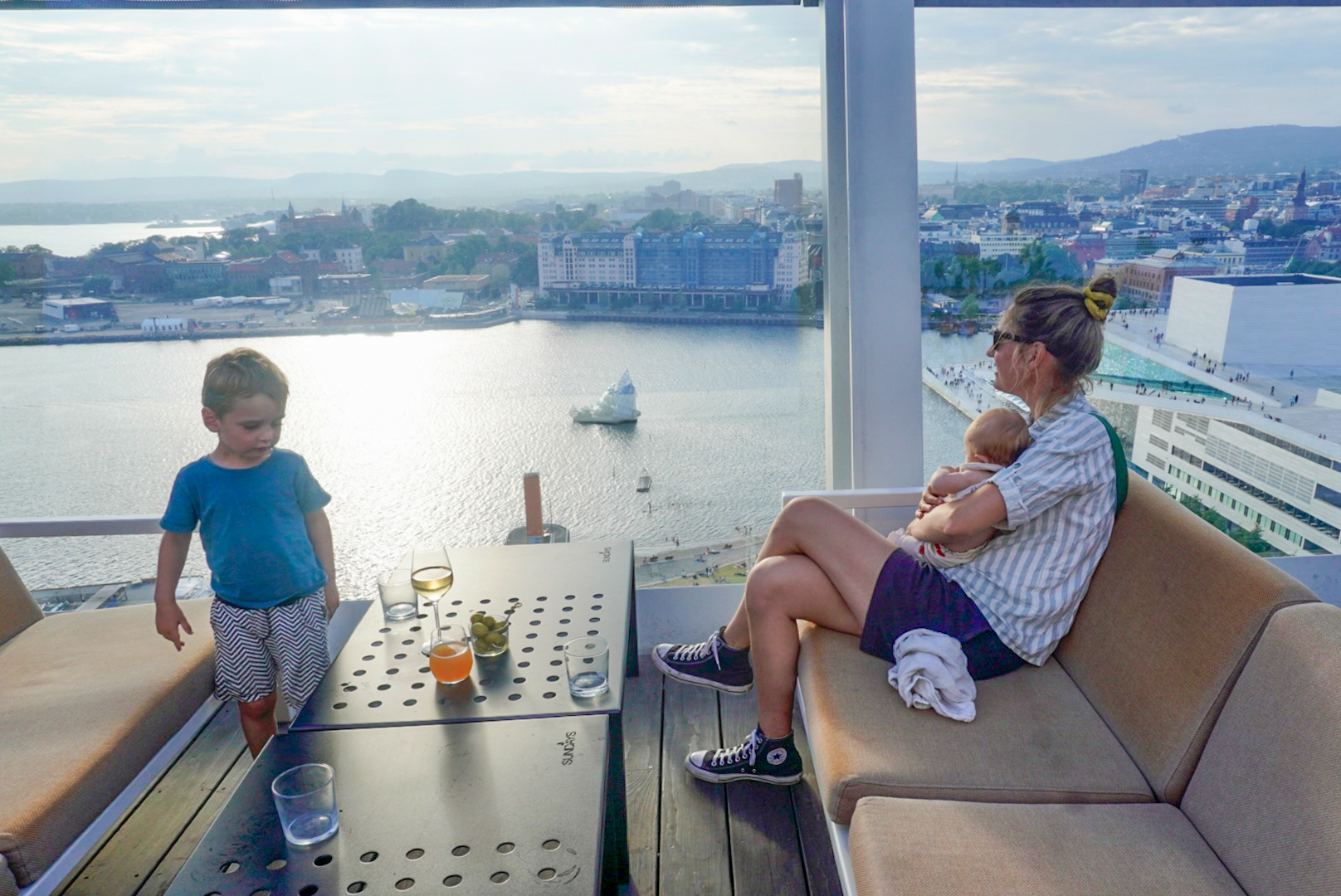
  • Oslo: Easy city exploring from the camper, with surprising swim spots in the heart of the capital. We had a parking close to the Vigeland museum and the Vigeland park, went swimming at the spot in city center in front of the Astrup Furnley museum, enjoyed the views from the Opera house and the Munch museum rooftop.

A Peek into a Typical Camper Day

  • 7:00 | A run, morning dip, or quiet writing for me before the rest of the family woke up.
  • 8:30 | Family breakfast with a view.
  • 10:00–11:00 | Convert van for driving, pack up chairs & table, get everyone bundled and ready.
  • 11:00 | Drive (aim for 1–2 hours max), with snack and play stops for the kids.
  • 13:00 | Picnic, mountain restaurant, or lakeside lunch.
  • 15:00 | Afternoon nap (sometimes all four of us…).
  • 16:00 | Seek out our next wild camp spot, patience required!
  • 17:00 | Set up, let August run wild, apero, prep dinner.
  • 19:30 | Bedtime routine for August, transform front seats for his tent, stories and cuddles.
  • 20:30–22:00 | Parents wind down—reading, quiet time…

I made it my mission to swim once or twice each day—whether in a fjord, a glacier-fed river, or the local lake. No showers needed!


Step by step:

  • Lillesand: Idyllic beach village perfect for kids, with swimming, play spots, and a cozy restaurant by the water.

  • Scenic Route 44: The drive from Flekkefjord to Egersund felt otherworldly—craters and rolling hills, then on to Stavanger and the deep, blue fjords.

  • Preikestolen Hike: Challenging, rewarding, and much longer than planned (6–7 hours with little legs!), but the views were worth every step.

  • Hardangerfjord: Cider tasting in Alde Sider, rowing on the fjord, enjoying Norway’s surprising microclimates, visiting Utne and the Hardanger Maritime Center showing wooden shipbuilding

  • Bergen: Camper-parking in the city center, panoramic cable car views, Bryggen’s historic streets, city beach swims, and tasty local food. We enjoyed lots of brunch and restaurants, with a good local dinner in Bryggen Tracteursted.

  • Tvindefossen: Camping next to a roaring waterfall—beautiful (and loud).

  • Flamsbana: The train leaving from Flam into the mountains. Pretty touristy and expensive, but impressive views without having to hike for hours = handy with children.

  • Sogndal: Half-day solo kayak trip across clear blue water, hikes and playgrounds.

  • Jostedalsbreen NP: Glacier hike from DNT Tungestolen—slow and steady with kids, but jaw-dropping scenery. This was the most beautiful camping spot we had on our trip – 4h took us 8h with the little ones, but the views were impressive

  • Route 55 Glaciers: Views for days between Skjolden and Fossbergom, and wild camping at the edge of the world. We camped on a small parking lot just before Turtagro hotel with the most impressive views. Great spot for small hikes directly in nature.

  • Oslo: Easy city exploring from the camper, with surprising swim spots in the heart of the capital. We had a parking close to the Vigeland museum and the Vigeland park, went swimming at the spot in city center in front of the Astrup Furnley museum, enjoyed the views from the Opera house and the Munch museum rooftop.


Final Thoughts: The Real Joy of Family Camper Adventures

This journey was about more than just kilometers and breathtaking views—it was about connection, freedom, and a more conscious way to travel. With two small kids, we moved at the rhythm of nature (and nap schedules!), embraced the unexpected, and kept our footprint as light as we could.

Curious about the route, HVO100 fueling stations, or want tips for your own adventure? Send me a message—I’m happy to help! Stay tuned for part two, as we continue our two-month slow travel.

Genval lake – sports & relax just outside Brussels

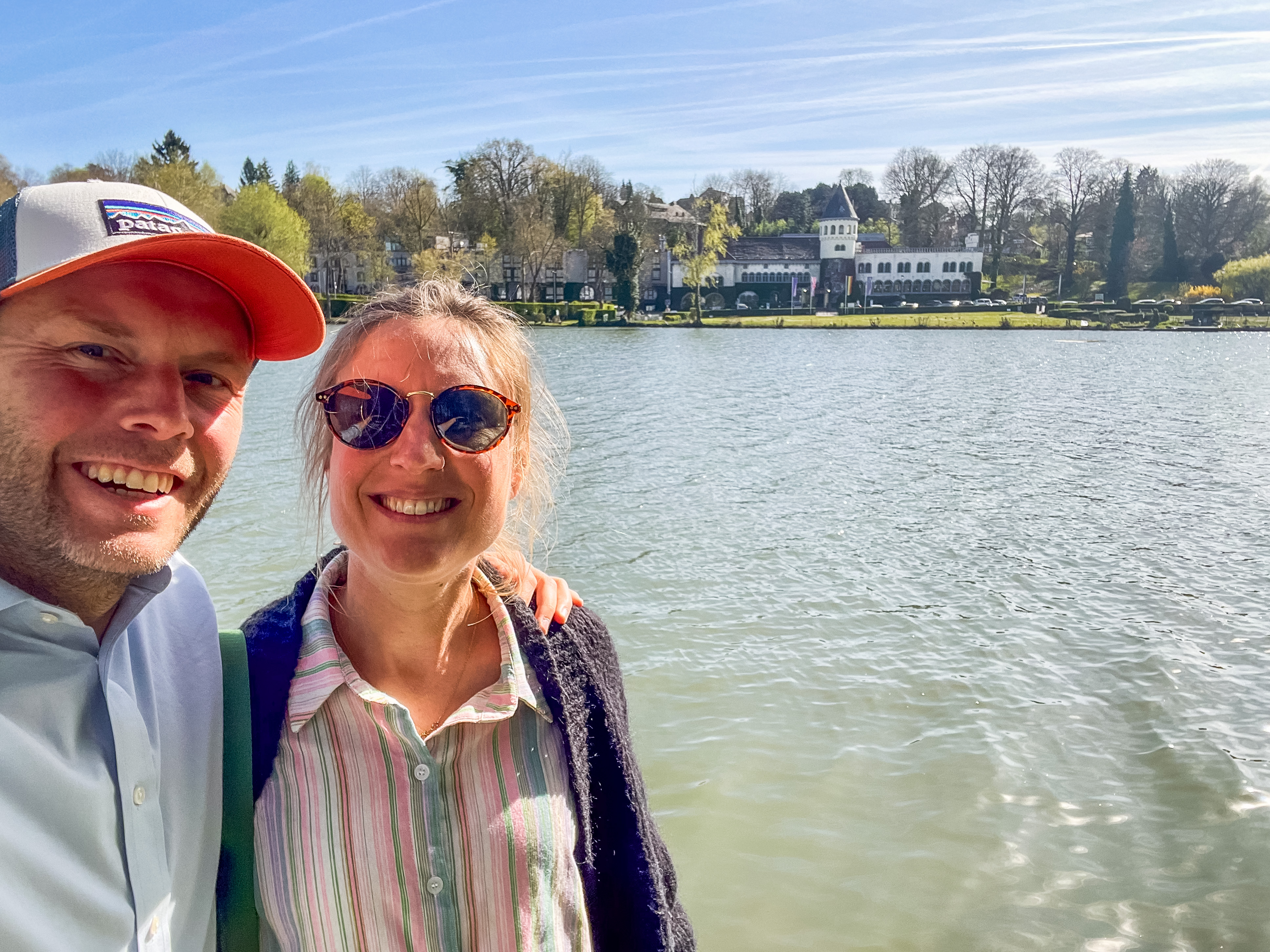
Looking for a quick family-friendly escape close to Brussels that’s both sustainable and full of adventure? For my birthday, my (very pregnant!) wife surprised me with a weekend at Lac de Genval—the perfect blend of slow travel, nature, and fun activities accessible for both big and small explorers.

Getting There the Green Way

  • Train: Hop on the direct train from Brussels North or Brussels Luxemburg station for a stress-free, low-carbon journey.
  • Bike: Feeling energetic? Cycle through the beautiful Sonian Forest for a scenic and eco-friendly route the kids will love. The trip takes between 1 and 1.5 hours from Brussels depending on where you start

What to Do at Lake Genval

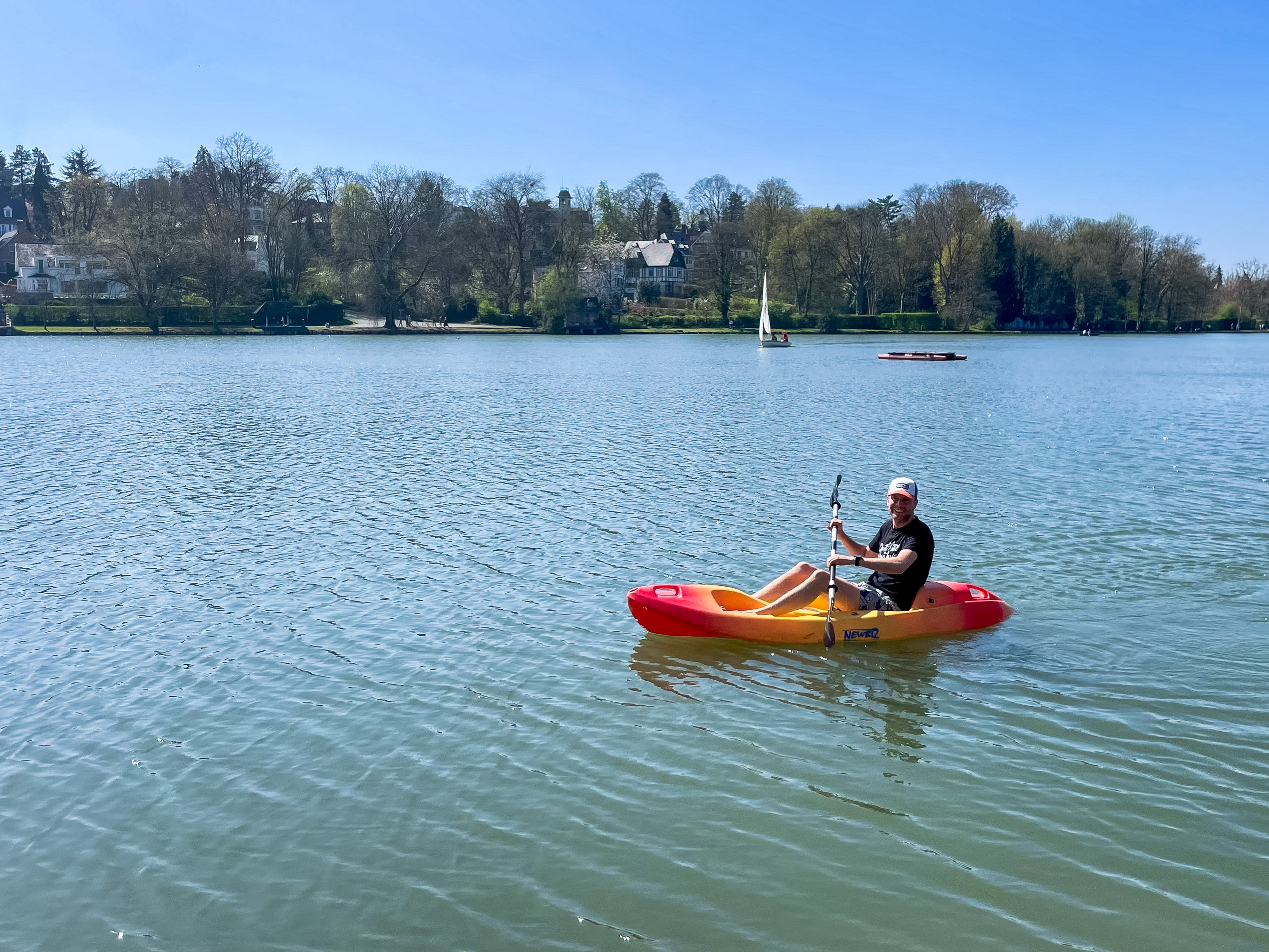
  • On the Water: Rent a kayak, pedalo, SUP, rowing boat, or sailing boat at the local yacht club. Or, relax on the club’s terrace in a comfy beach chair while the kids watch the action.
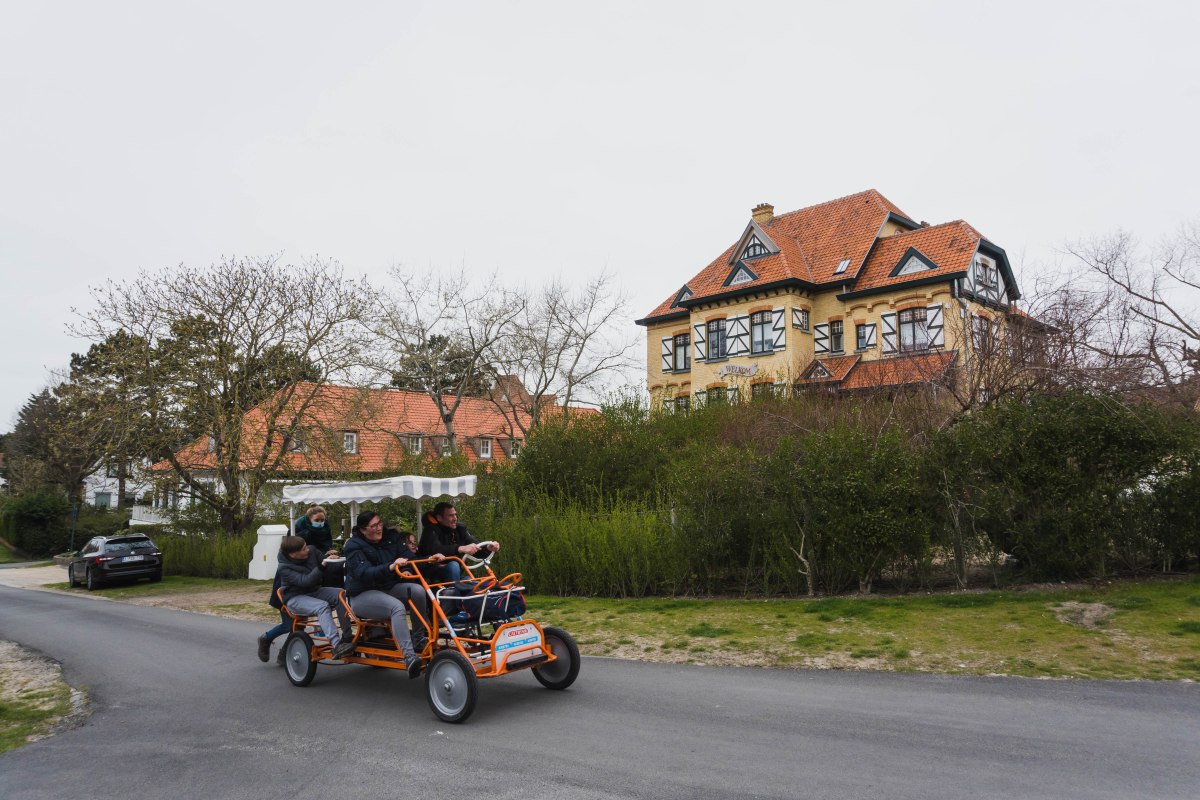
  • Run or Stroll: Go for a run or a leisurely walk around the lake—perfect for burning off some energy in nature, spotting beautiful lakeside houses and classic cars driving around during the weekends.
  • Picnic & Play: Pack a picnic to enjoy by the water. Bring a book or some games for the kids. (Swimming is officially forbidden, but I couldn’t resist a sneaky early morning dip!)
  • Wellness & Tennis: Treat yourself at the spa or tennis courts at Martin’s Château du Lac—ideal for parents needing a little recharge. The spa also has a rooftop terrace where we read our books for hours.

Where to Eat

  • Lakeside Terraces: Grab a table at one of the many restaurants with terraces overlooking the water—Lucy Chang is a favorite for families.
  • Special Occasion: For something extra special, try L’amandier (my wife’s birthday treat for me!) for a 6-course haute-cuisine lunch or dinner.
  • Don’t Miss: An ice cream from La Laguna, right by the lake—guaranteed to delight! The cue on summer days is worth the wait.

Where to Stay

  • Lakeside Cabins: Book a cozy cabin or house along the water via Airbnb for a homey, kid-friendly stay.
  • Boutique Comfort: L’amandier offers charming but pricy guest rooms.
  • Hotel: We stayed at Martin’s Château du Lac (watch for deals including spa and tennis) for a touch of luxury and plenty of space for kids to roam.

Why We Loved It

This weekend reminded us that you don’t need to travel far to create lasting memories. Slow travel—by train or bike—makes the journey part of the adventure, and Lake Genval’s mix of nature, activities, and relaxation is perfect for families with young kids (and parents-to-be!).

Want tips or help booking your own sustainable lakeside escape? Drop me a message—I’m happy to share more!

Solitude and Reflection in Nature: Retreats for Personal Growth

When was the last time you dedicated a full day exclusively to yourself? No work, no family commitments, no phone—just pure, uninterrupted ‘me-time.’ If you’re like many, these moments are rare to nonexistent. Embracing solitude and reconnecting with oneself can ignite creativity and provide a surge of energy that’s hard to put into words.

Recently, I embarked on a three-day dry fasting journey, surrounded by nature. I spent my days and nights watching sunsets, stars, moons, and sunrises—cycling through this routine with nothing but a sleeping bag and a rain cover. This simplest form of retreat, often referred to as a “vision quest,” was great to spark me with energy and insights. It’s also by far the easiest and least costly to organize: you only need a sleeping bag and find a bit of nature where you can hide, will not get disturbed and preferably feel some good energy with a nice view.

In this context of low-carbon adventures, here are some sustainable travel experiences and concepts I’ve personally tried and cherished:

1. Vision Quest

Immerse yourself in nature while fasting and sleeping under the stars. My recent quest included three days of fasting combined with two days in the beautiful hills of Auvergne, France, prepared with the guidance of my coach, Alessandro Schiavoni. I would not recommend the dry fasting, since not drinking any water for multiple days is heavy on the kidneys. Nevertheless, it was an amazingly impactful and simple retreat.

2. Silent Retreat

Opt for a 3-day silent retreat. I prepared by sourcing schedules from the internet, stocking up on provisions, and borrowing meditation books from the library. Locked in an apartment by the seaside in Ostend, I spent my days in silence, with occasional quiet walks along the beach, and a routine of repeated 1h meditation, 1h yoga, 2h studying, 1h eating, and sleeping.

3. Explore Retreat

Experience a psychedelic retreat organized by Carlien Cavens of Unplug 48. For a detailed insight, you can read the full article here.

4. Unplug Retreat

A reflective 3-day retreat in the South of France, focusing on past learnings, present strengths, and future missions. This transformative experience was organized by Carlien Cavens of Unplug 48, and reachable by train. You can hear my testimonial as part of this podcast episode made by Carlien.

5. Midweek Micro-Adventures

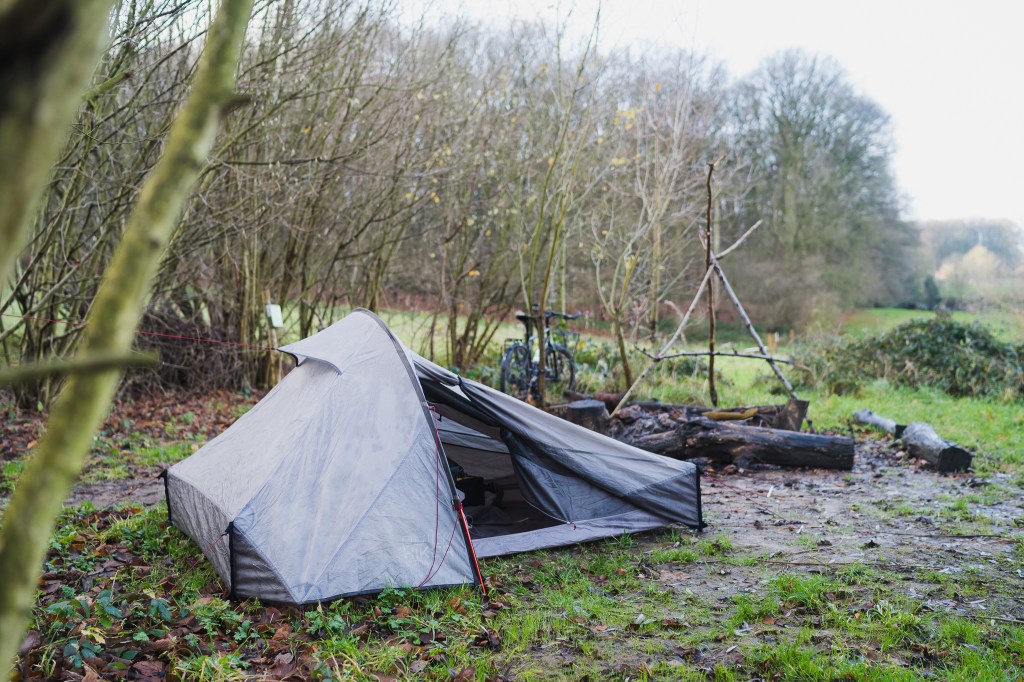
Escape for a midweek micro-adventure. Leave the office in the evening, walk along a scenic route or nearby forest, pitch a tent in a hidden spot (e.g. Sonian Forest), and spend the night in the company of a friend or alone. Resume work the next day, refreshed and reenergized.

6. Hiking with the Guys

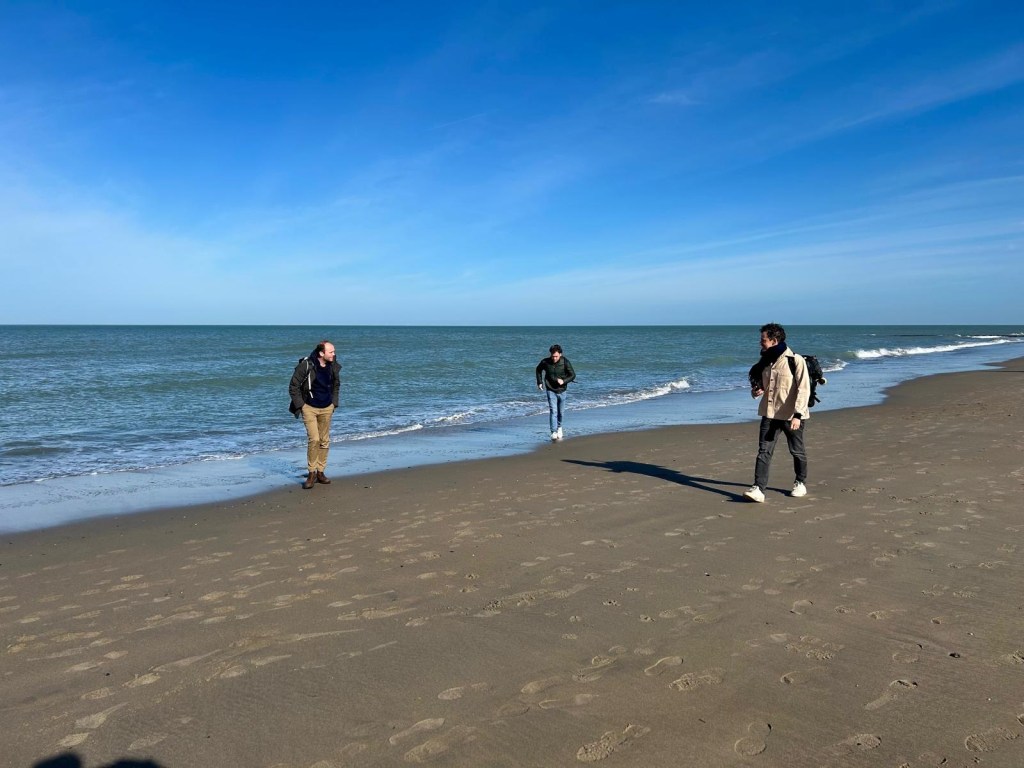
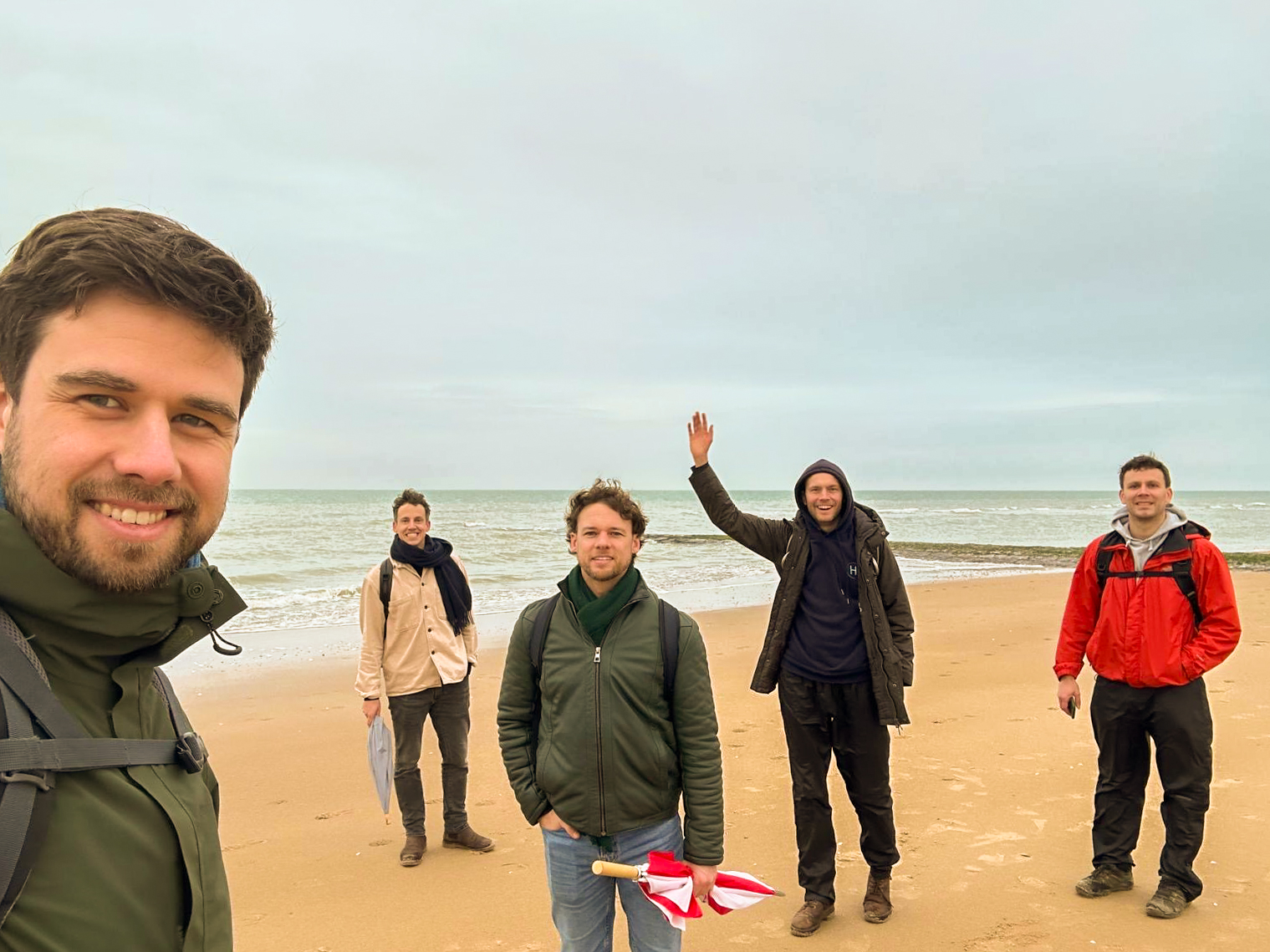
Plan a weekend hiking trip with long-time friends. Pick a GR route (see post on GR5A on the Belgian coast). Laugh, share, and reflect while exploring nature together. It’s the perfect blend of camaraderie and self-discovery.

Setting Intentions for Your Retreat

The outcome of these retreats largely depends on your intentions. Here are a few that have guided my own journeys:

  • Connect with Deepest Self: Seek out your most authentic nature.
  • Discover Life’s Purpose: Uncover your Ikigai and life’s calling.
  • Overcome Daily Fears: Face and conquer daily anxieties, embracing life with greater joy.
  • Learn Meditation: Embark on a journey of mindful meditation.
  • Trust and Connect with Nature: Build a deeper trust in life and its natural flow.

Next to clear intentions, not taking a phone or other electronics is probably the most basic starting point to prepare for a retreat. Make sure someone knows exactly where you will be, and inform those close to you that you will not be reachable for multiple days.

Closing Thoughts

These sustainable travel experiences not only minimize carbon footprints but also offer profound opportunities for personal growth and rejuvenation. Embrace solitude, reconnect with nature, and discover a more mindful, balanced life. Explore these sustainable travel adventures and let them inspire your next journey towards inner peace and environmental consciousness.

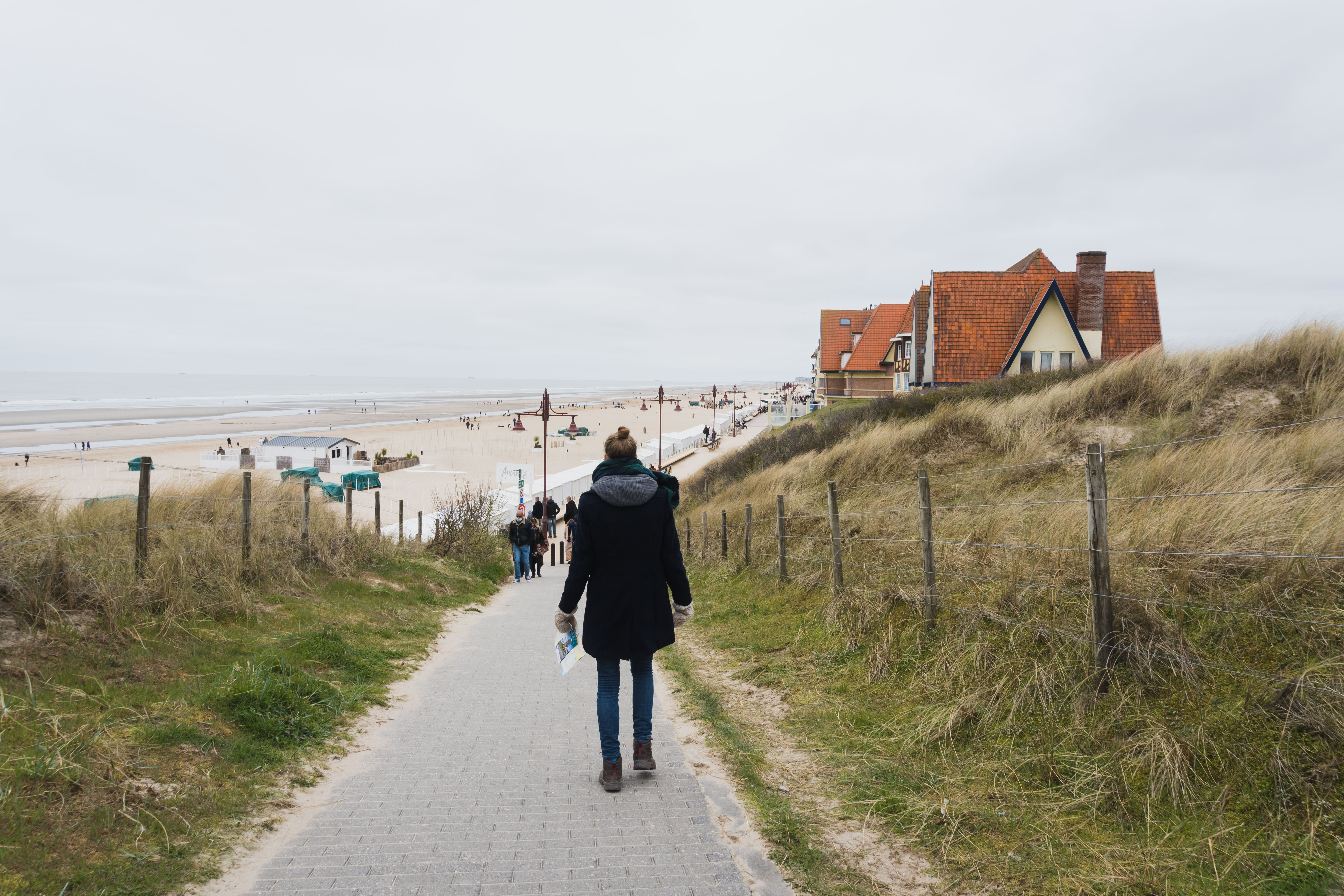
Weekend Getaway: 3-Day Hiking Tour on the Belgian Coast – GR5A

Are you looking for an eco-friendly adventure that combines lengthy beach walks and beautiful nature views, cultural activities, and the luxury of not needing to carry heavy gear? Our 3-day hiking trip along the Belgian Coast offers all this. Whether you’re planning a weekend with friends or a family trip with kids, this route is versatile, accessible, and packed with options for everyone.

Why This Coastal Hiking Route is Perfect

Easy Access to Transport and Amenities

One of the best things about this route is the coastal tram that runs alongside it. You can start your hike at any point and hop on the tram if you need a break or want to reach a destination quicker.

Additionally, there are numerous restaurants and hotels along the route, so you don’t need to carry heavy backpacks. This makes it perfect for a lightweight and stress-free hiking experience.

Cultural Activities and Refreshing Sea Dips

Along the way, you’ll find plenty of cultural activities to do, especially around Ostend (check out our Ostend post for more details). And what’s better than cooling off in the sea after a long day of hiking? Whether it’s in the summertime or braving the chilly winter waters, there are endless opportunities to enjoy a refreshing swim.

Family-Friendly and Flexible Routes

This hiking trip is ideal for a weekend escape with friends or a family outing with young kids. The route is so flexible that you can shorten it by taking the tram when needed. While most of the official GR5A route is stroller-friendly, some shortcuts, like the sandy stretch between Nieuwpoort-Bad and Lombardsijde-Bad, are better suited for those without strollers.

Our 3-Day Hiking Schedule

Day 1: Brussels to Nieuwpoort

  • Arrival: We took the train from Brussels to De Panne, located on the west side of the Belgian coast.
  • Evening: After arriving in De Panne, we took a tram to Nieuwpoort where we had dinner and stayed the night.

Day 2: Nieuwpoort to Ostend

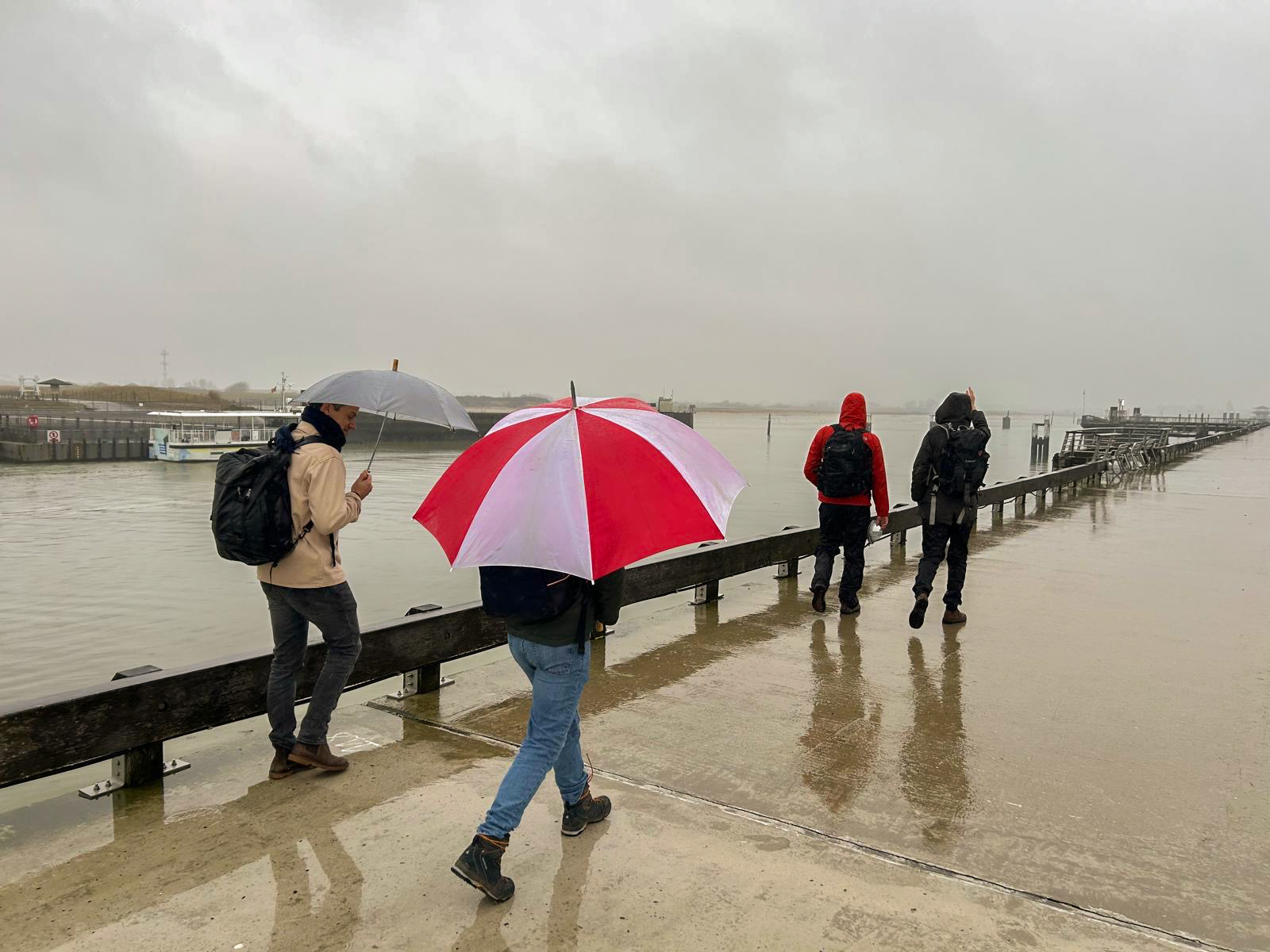
  • Morning: We started our day by taking a small electric ferry from Nieuwpoort-Bad across the harbor channel. Best to check the evening in advance if it is working. The initial part of our hike was through the nature reserve, dunes and on the beach, which is both scenic and abit more challenging than on the dike.

  • Lunch: We reached Middelkerke by lunchtime and enjoyed a delicious meal at Silt restaurant, located in the new casino building with nice sea views.
  • Afternoon: Continuing on, we arrived in Raversijde where the route goes inland through dunes and nature reserves. As we approached Ostend, we passed historic landmarks like the Thermae Palace (Brasserie Albert is a great spot to stop).
  • Evening: We stayed the night in Ostend. Check out our Ostend blogpost for more recommended restaurants and activities.

Day 3: Ostend to Bredene and Back

  • Morning: We took a small ferry from Ostend to the East-side of the harbor heading to Bredene, skipping the longer GR5A route around the harbor.

  • Afternoon: Hiking along Fort Napoleon and through the Bredene dunes, we enjoyed drinks and sun at Twins Club. On our way back we ran into a baby seal chilling in the sun on the beach. You can most often find seals in Ostend on the small beach next to the West-side of the harbor. We had lunch with shrimp croquettes and fish soup at De Cierk, a Fish & Food market on the east side of the harbor.
  • Return: We then headed back to Brussels. For those wanting a more extended hike, you can continue to Knokke and take the train back from there.

Sustainable travel in Girona: Catching the winter sun & GR92

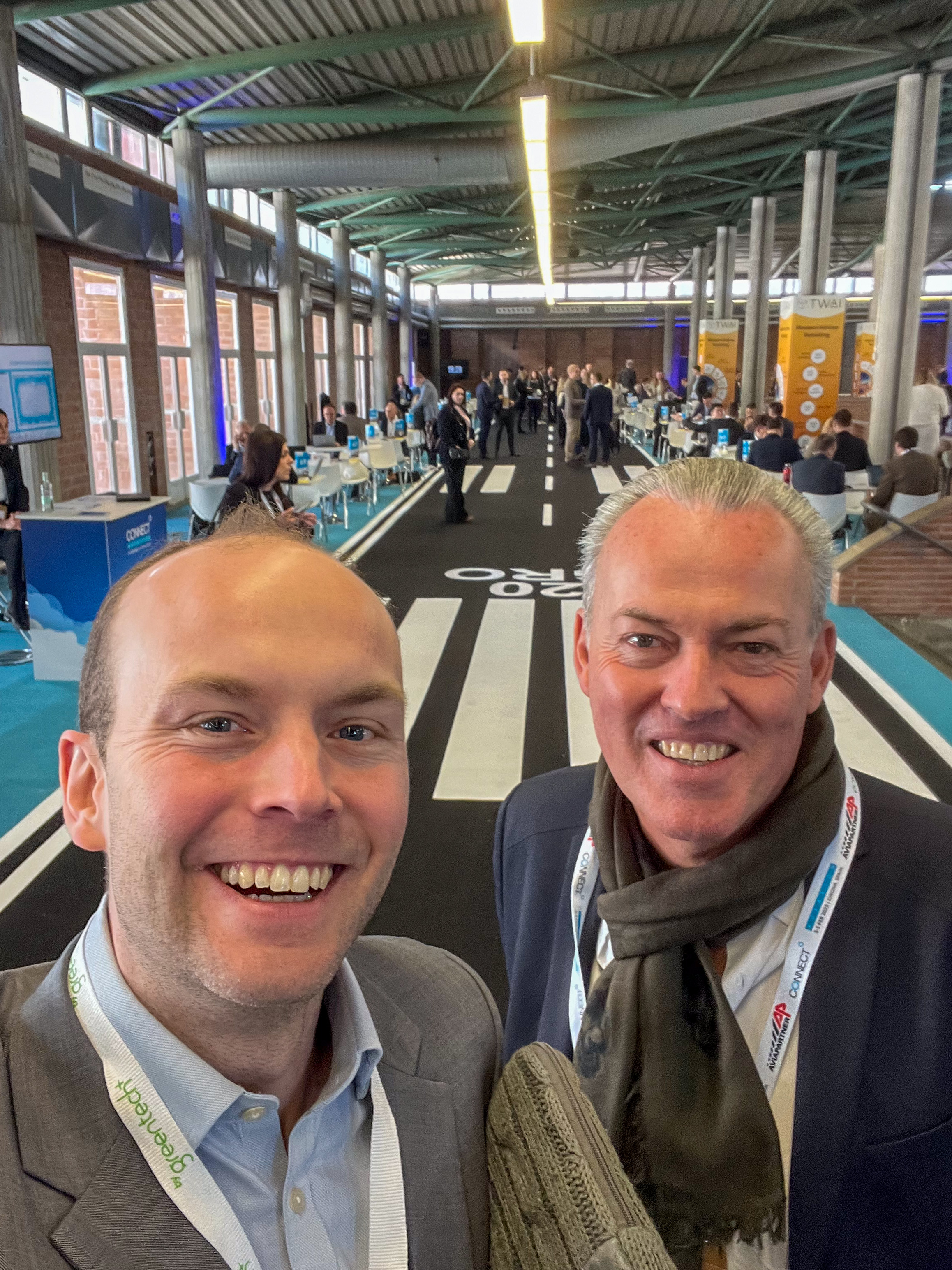
This winter trip was perfect for recharging my batteries. In early February, I traveled to Girona for an aviation conference where I discussed challenges in the aviation industry, rail connections, and Sustainable Aviation Fuel. Besides the conference, I also took the time to explore Girona and hike part of the famous GR92 trail, which is featured in one of the most-read posts on this blog.

With a bit of luck (and lots of hard work by the European Sleeper team), there should be a night train that stops in Girona from 2026 or 2027. That will make the journey extra easy: board in Brussels in the evening, wake up in Girona!

I departed from Brussels at 10:17 AM on Sunday. My journey included a stop in Valence, with a 2-hour wait, before continuing to Girona, arriving at 8:45 PM. Although I booked all my trains via SNCF, I later realized that booking the second part through RENFE could have provided a shorter waiting time of just 25 minutes. Despite this, the return ticket in first class was only slightly more expensive than second class, costing me 300 EUR. I returned on Thursday. Other options to get to Girona are to switch in Lyon, or switch stations in Paris.

Since Monday and Tuesday were packed with conference activities, I made the most of my work trip by:

  • Waking up early for sports
  • Taking a guided tour of Girona in the late afternoon
  • Taking one day off to enjoy nature and hike the GR92

Highlights from My Girona Adventure

1. Morning Trail Run to Castell de Sant Miquel

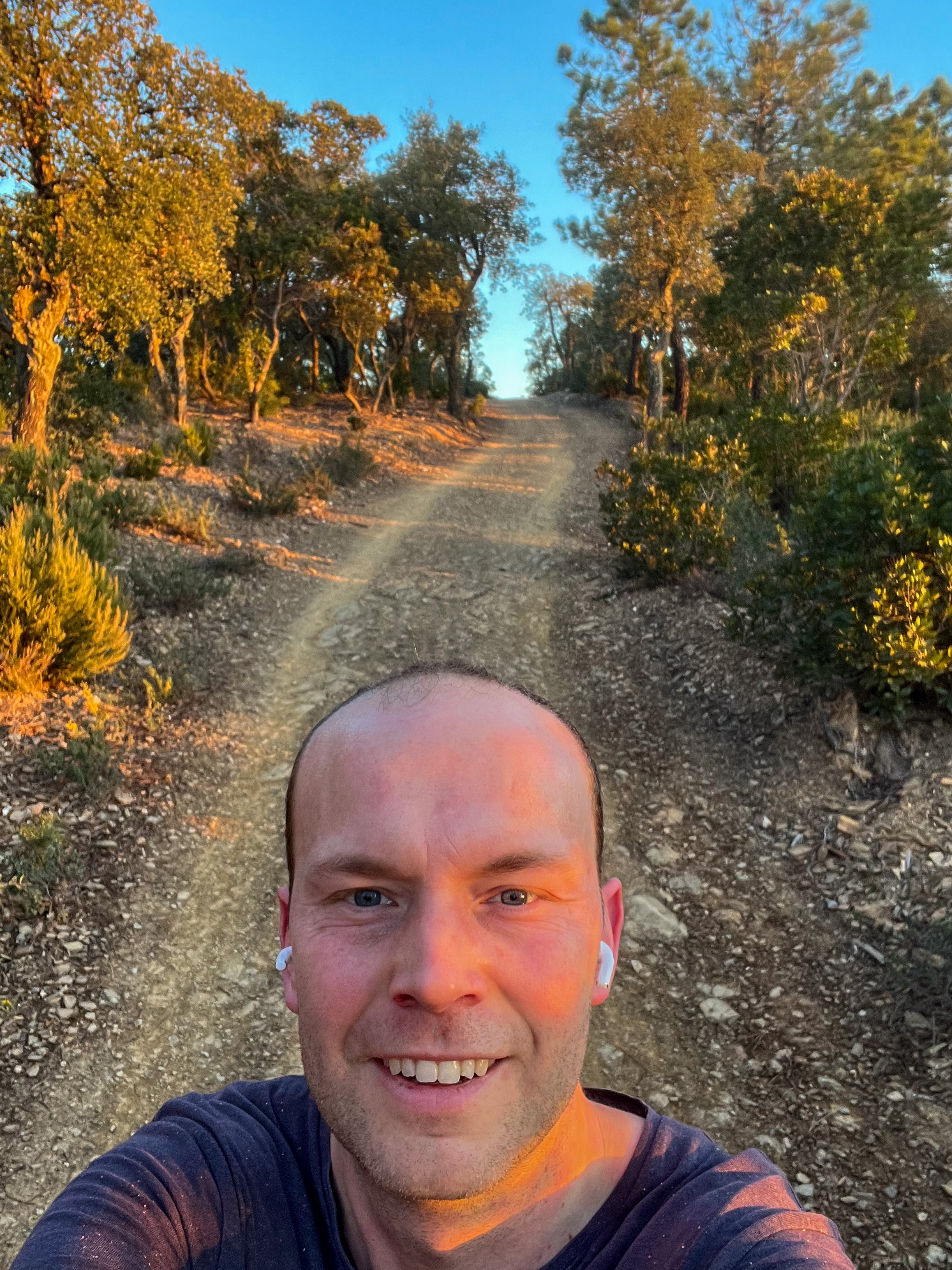
One of my most memorable experiences was a morning trail run to Castell de Sant Miquel. The 14-kilometer loop offered breathtaking sunrise views from the tower of the castle. Whether you choose to run, hike, or mountain bike, this trail is a must. Starting my run at 6:50 AM in the dark, I reached the castle just in time for the sunrise. Returning to Girona, I was showered and ready for the conference by 9:00 AM. You can find the GPX track here.

2. Free Walking Tour of Girona

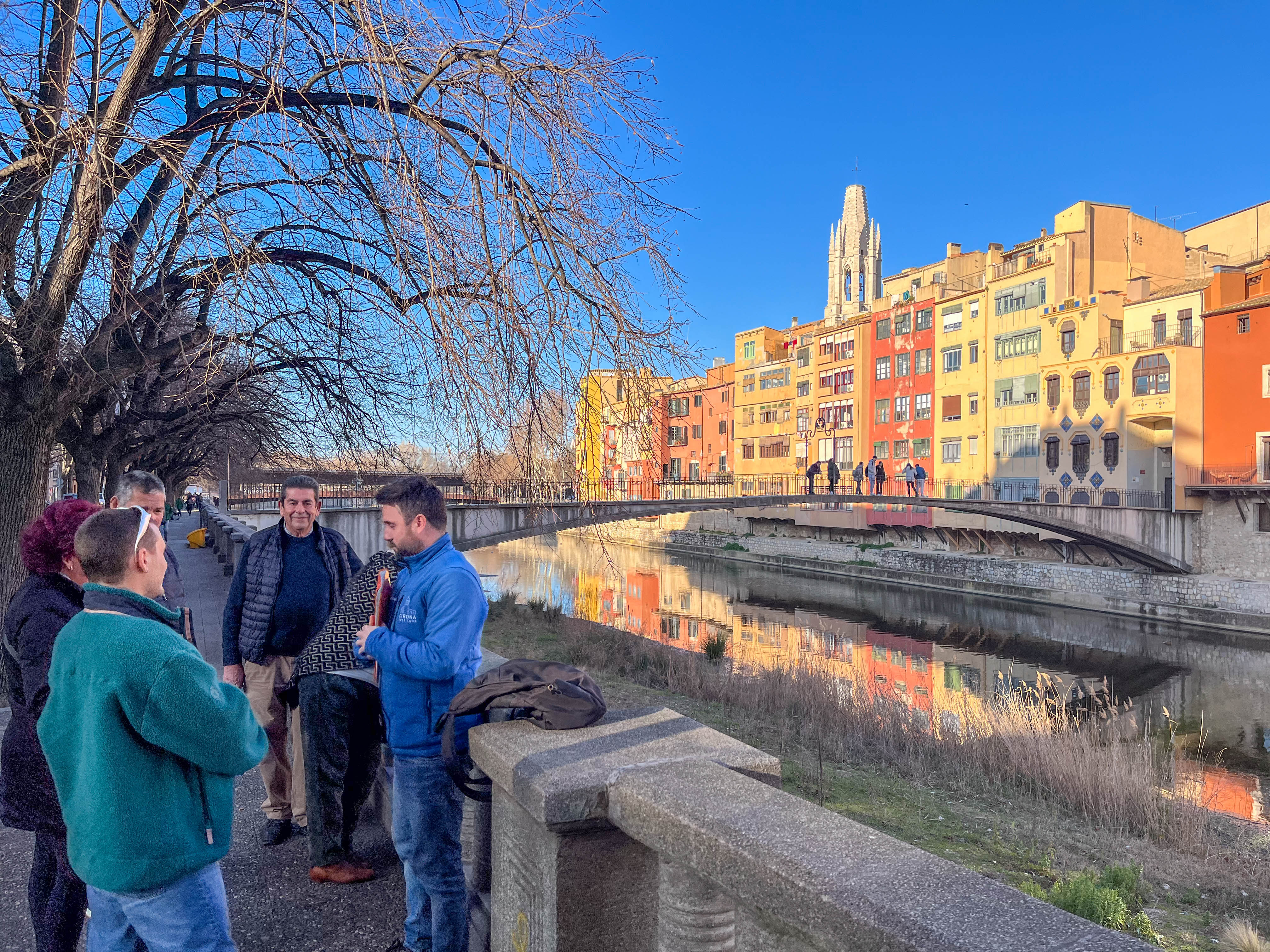
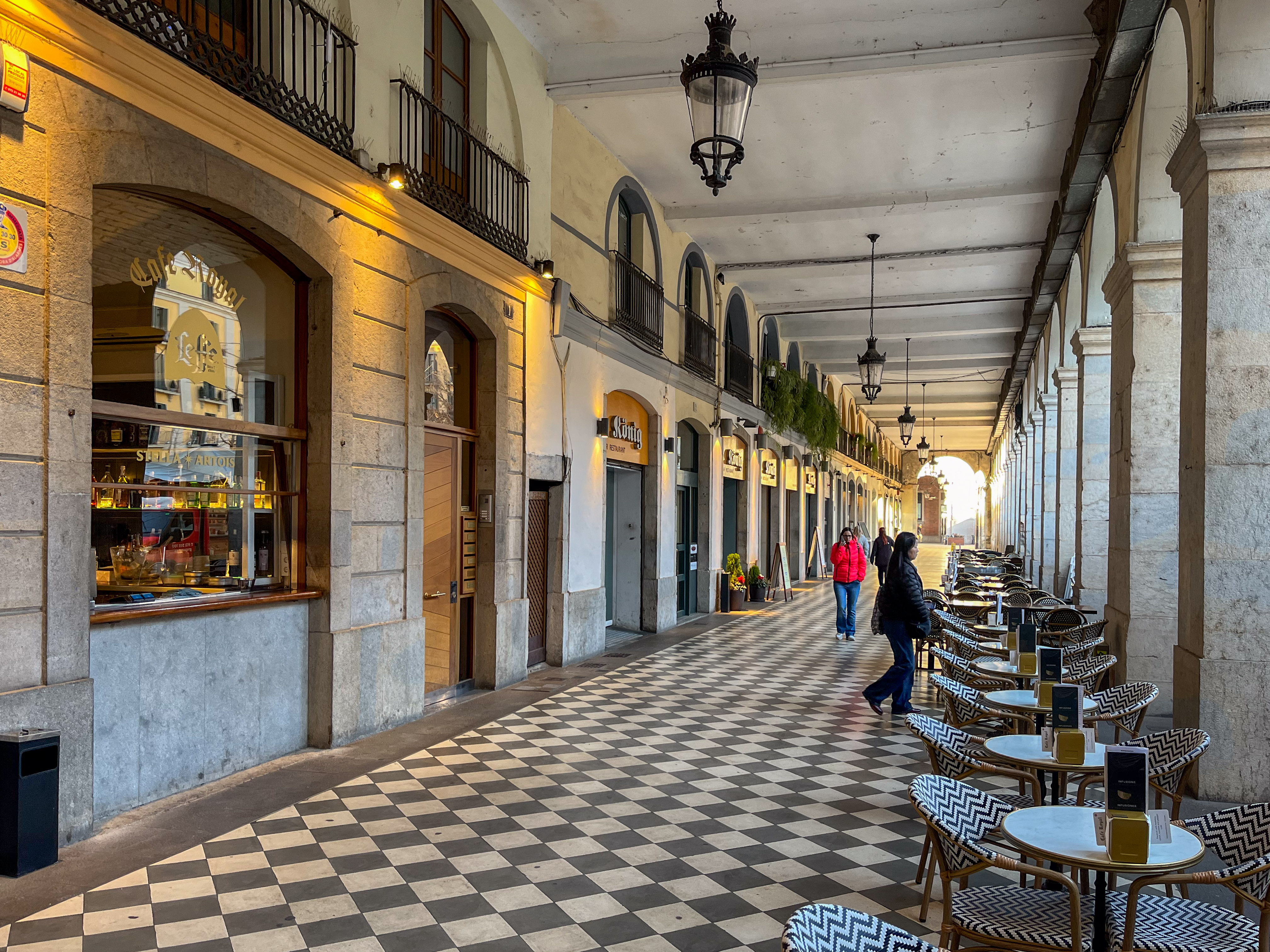
In the late afternoon, I joined a free walking tour of Girona. The tour is available in Spanish at 4:00 PM and in English at 11:00 AM (link here). The two-hour tour with Juan provided rich background stories and insights into the city’s architecture and urban history. I finished the day with a sunset on the Muralles de Girona, a long stretch of walls you can walk or run on.

3. Morning Run to Montjuic Castle

For another early morning run, I decided to explore Montjuic Castle. Using Google Maps, I navigated the narrow streets of Girona and reached the castle in under 30 minutes. It’s a fantastic way to start the day, with great views and a sense of accomplishment.

4. Hiking the GR92 Trail

I devoted a day to hiking part of the GR92 trail, a route I had previously enjoyed on a past holiday with Tine. Getting to the trail from Girona required a bit of planning:

  • Take a bus from Girona bus station to Palafrugell (circa 1 hour), departing hourly and costing 7.5 euros each way. Best to leave at 8:30 or earlier if you want to make it on time for the last bus back to Girona in the evening.
  • Hike from Palafrugell to Platja de Tamariu along a local trail (about 1 hour).
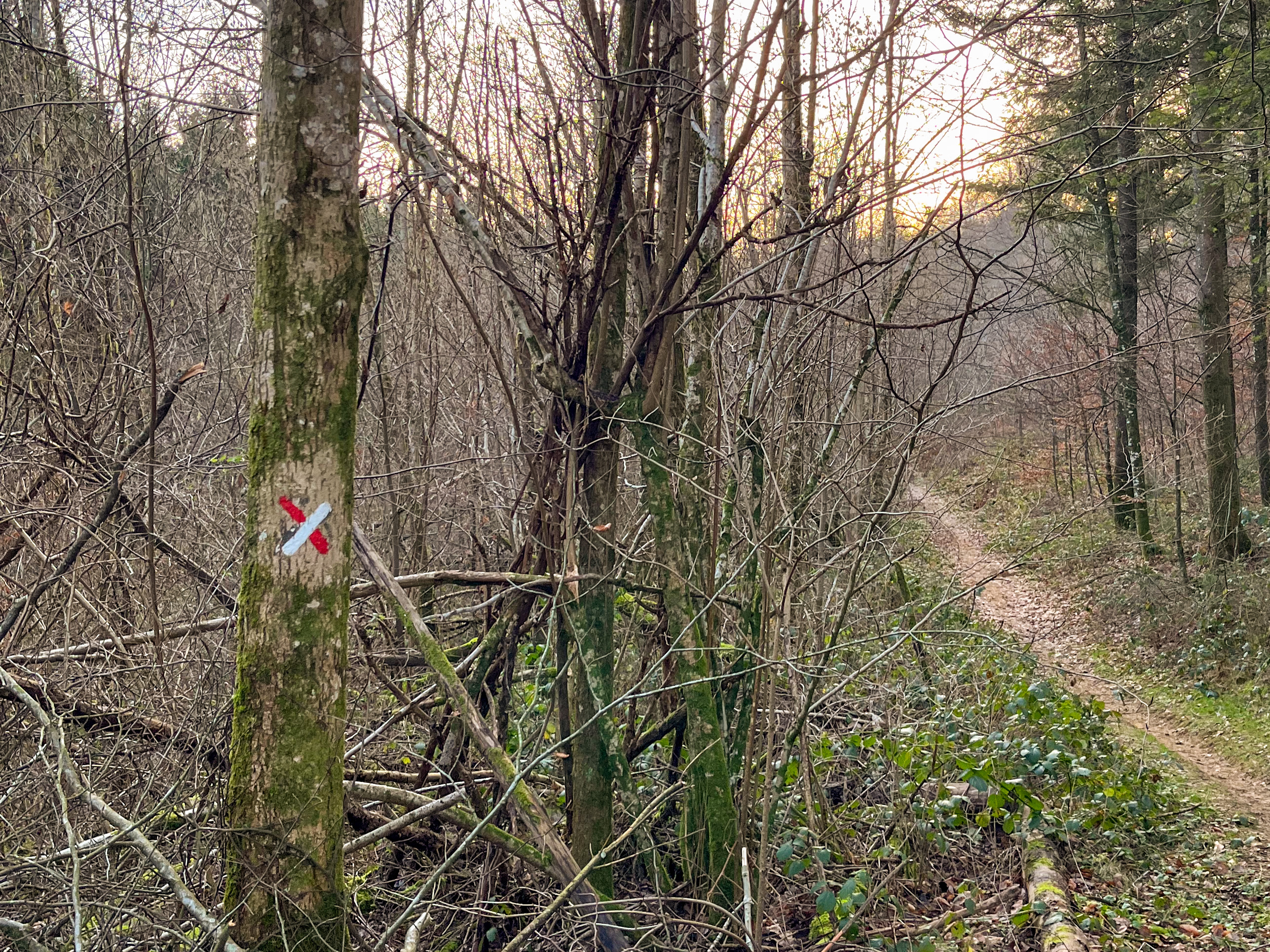
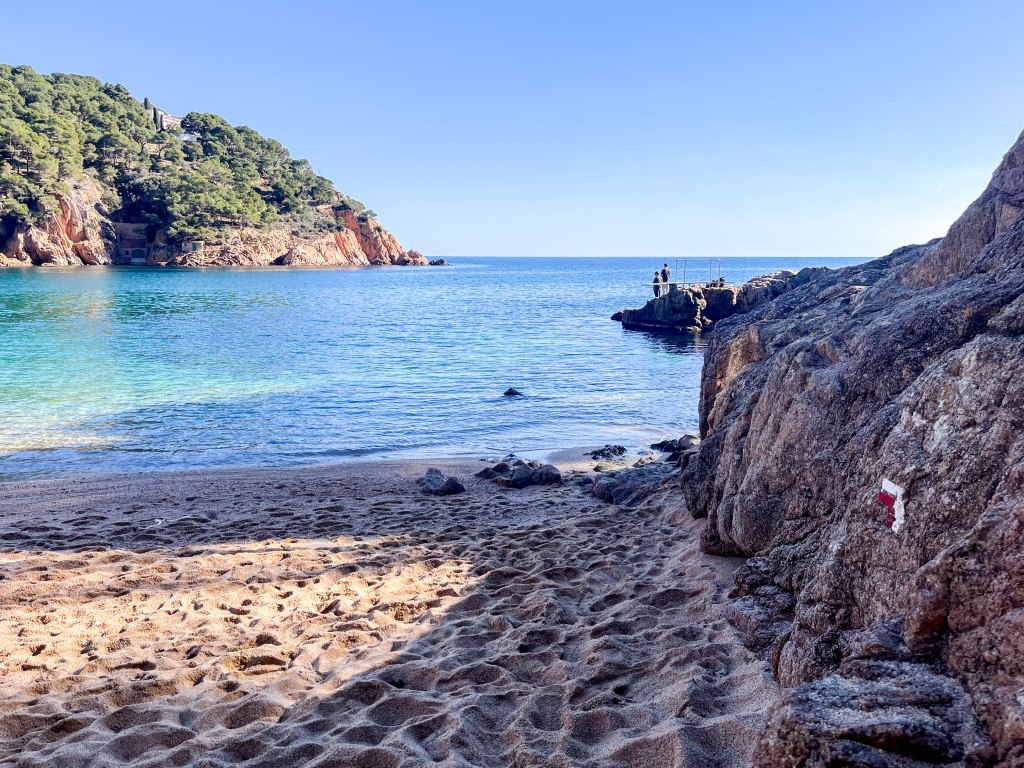
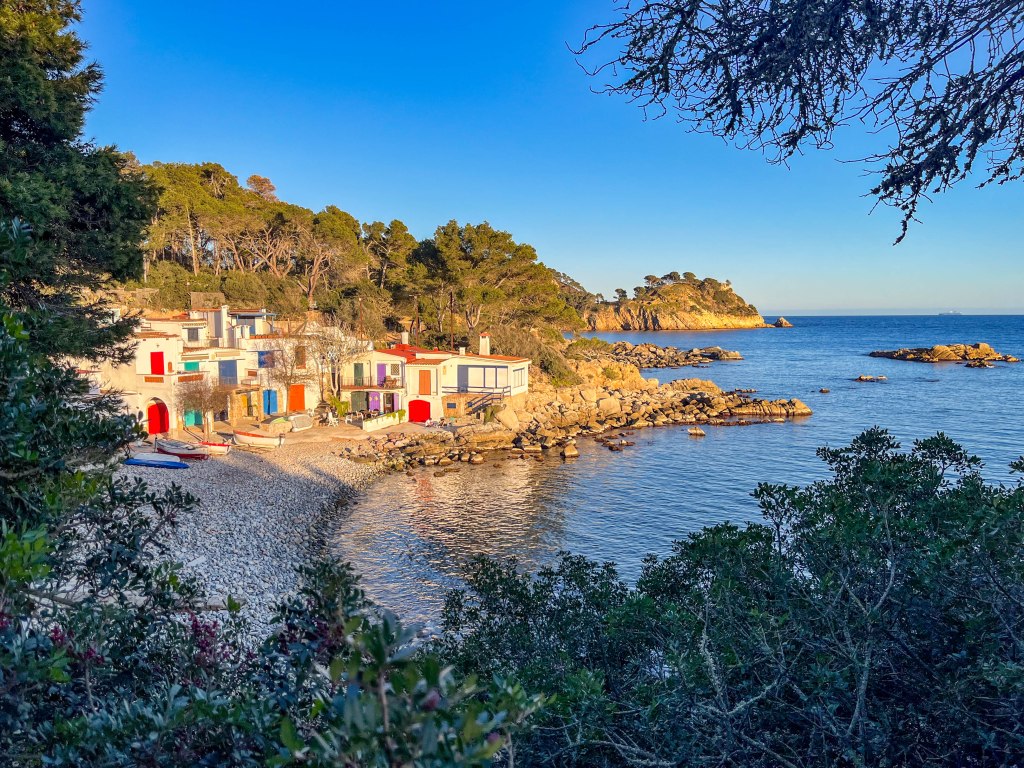
  • Follow the GR92 route marked with red and white stripes for about 6 hours and follow the GPX track here (it’s free). The trail offers stunning views, charming villages, and seafood restaurants that are often open even in winter.
    • Make sure to bring a towel so you can go swimming in the sea. I went in the 14°C water in one of the small bays and heated up with the winter sun. It was amazing!
  • Return to Girona by bus from Palamos Hospital, ensuring to wait on the main road rather than at the roundabout. Buses depart hourly, with the last one at 7:30 PM.

Some additional recommendations:

  • Excellent breakfast (or spa / hotel) in Casa Heras de Puig
  • Light breakfast in Originem
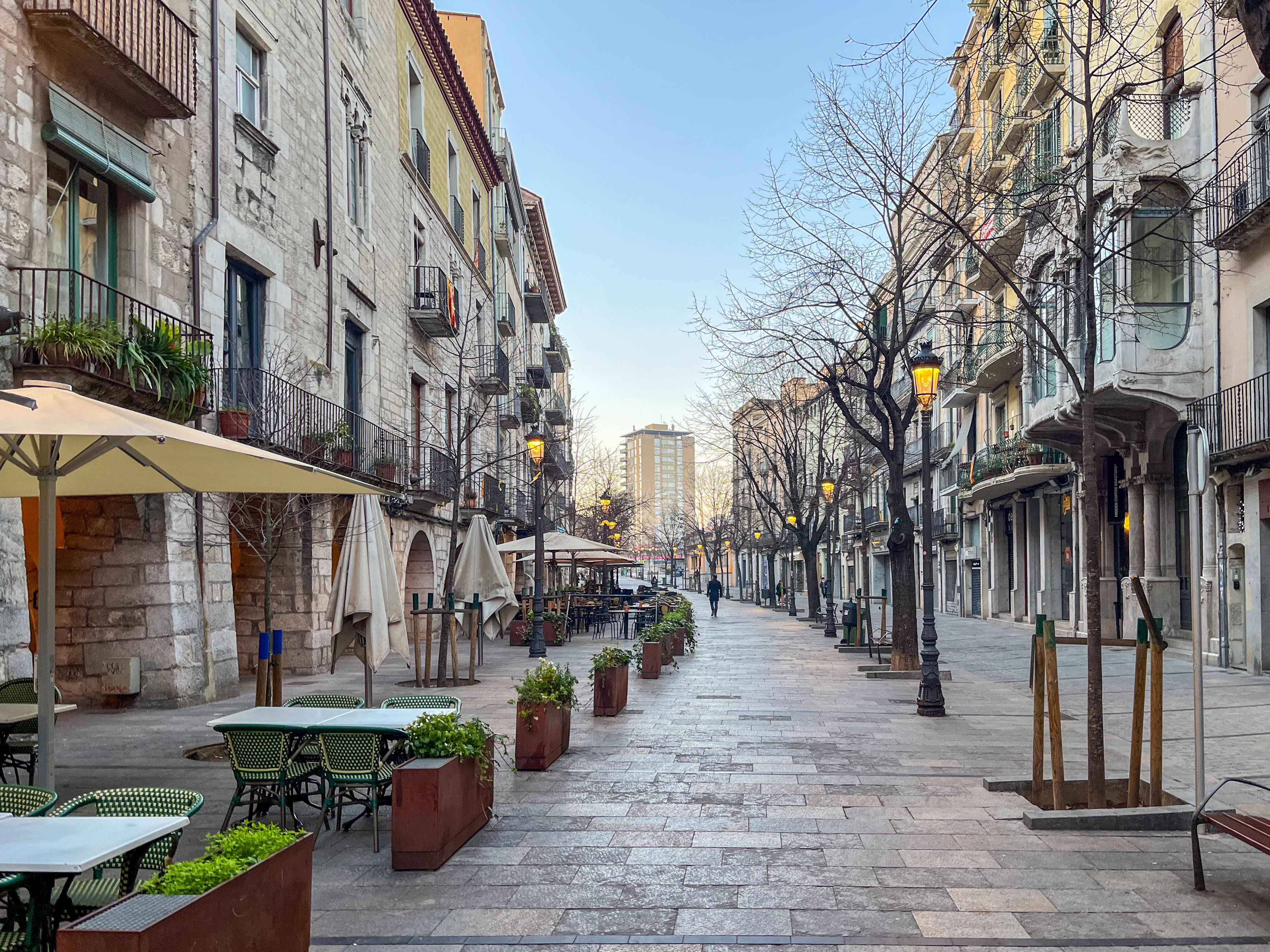
  • I booked the cheapest airbnb ever and really enjoyed the historic interior, even with the hard bed (Rambla de la llibertat)
  • Museum of architect Fundacio Rafael Maso
  • Jardi de l’Angel – beautiful park
  • Cathedral
  • Other restaurant recommendations I got but did not have time to try: B-12 vegan restaurant and 8de7

Embrace “Shouldering of the Season” for Sustainable Travel

To wrap up, I want to share a key concept in sustainable travel: “Shouldering of the season.” Many popular destinations suffer from overtourism during peak months, leading to overcrowding while struggling to sustain tourism the rest of the year. By traveling during the winter or in off-peak seasons, you can help flatten the peak of high-season tourism. This provides locals with a more stable income year-round and enhances your travel experience with fewer crowds and better service.

For Girona, the weather was surprisingly pleasant even in early February. In contrast, the summer heat can be too intense for hiking and trail running, making winter an ideal time to explore this beautiful city.

My sunny journey to Girona was very enjoyable and combining business with leisure, I experienced the best of what Girona has to offer.

Weekend Cycling Adventure: Brussels to De Haan

We took this trip about two years ago, in Covid times. We found a new way to enjoy a weekend getaway: a cycling journey from Brussels to De Haan with a stay at the seaside. Whether you’re planning a winter trip with a scenic grey backdrop or a sunny summer escape, this route offers a perfect blend of nature, history, and adventure. Let’s delve into our experience and how you can recreate this journey.

Setting Off: Leave early!

Our adventure began on an early Saturday morning in Brussels. I packed a picnic and set off around 7 AM. The route was approximately 140 kilometers, guiding us through some of Belgium’s most scenic towns and cities. You can check out the detailed route here: NodeMapp Cycling Route. This system of fietsknooppunten is the best way to plan any cycling trip in Flanders.

Since Tine was pregnant then, she chose to go by train and join me for the last part of the cycling trip.

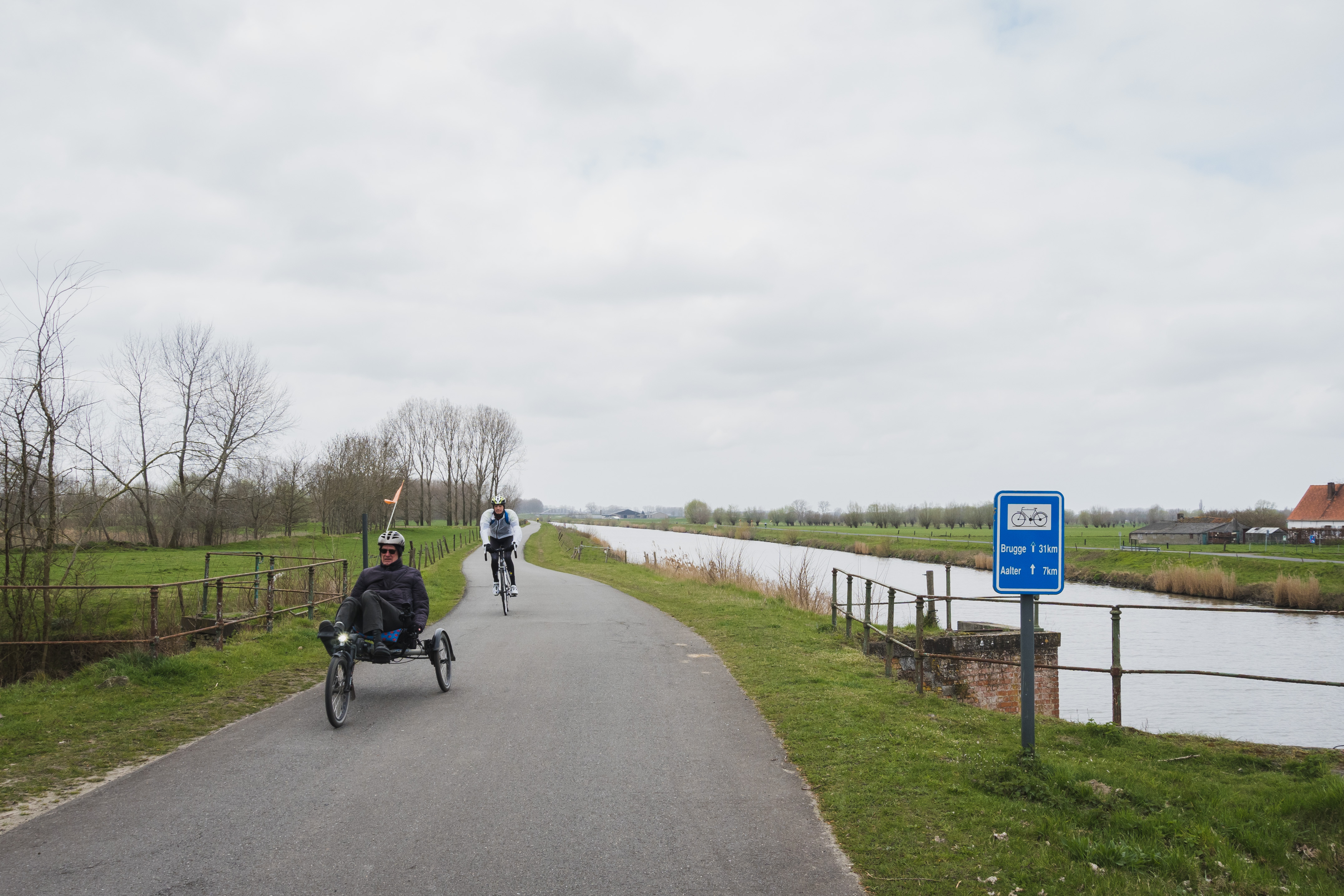
Cycling long distances can seem daunting, but planning becomes easy when following canals and rivers. These natural guides make navigation straightforward, turning the ride into a sequence of picturesque views avoid having to look at your phone or gps too often.

If you’re traveling with kids, consider using an electric bike with a bicycle cart. For those who prefer a more relaxed pace, split the trip into two days with an overnight stay in or before Ghent. This approach allows you to break up the journey, enjoy the ride, and fully appreciate your surroundings.

The Journey: From Brussels to De Haan

I maintained a slow but steady pace, with my touring bike, averaging about 20 kilometers per hour this takes 7 hours without brakes. This allowed me to enjoy the sights along the route without feeling rushed. The journey took us through Ghent, a city known for its vibrant culture and historic buildings, and Bruges, often called the “Venice of the North” for its beautiful canals and medieval architecture.

In Bruges, Tine joined me for the final leg of the trip to De Haan. This part of the journey combined scenic countryside with coastal views.

The Seaside: De Haan

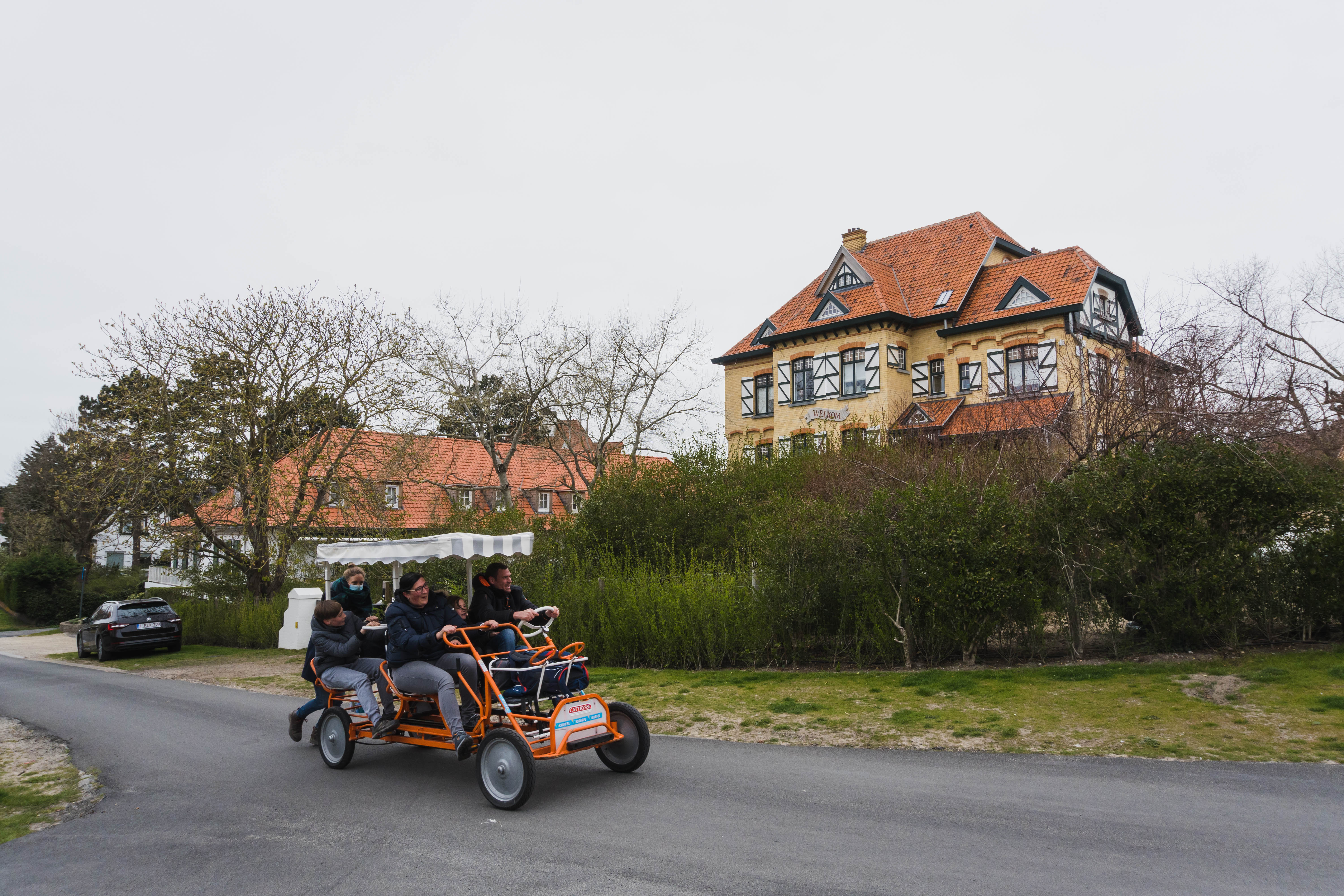
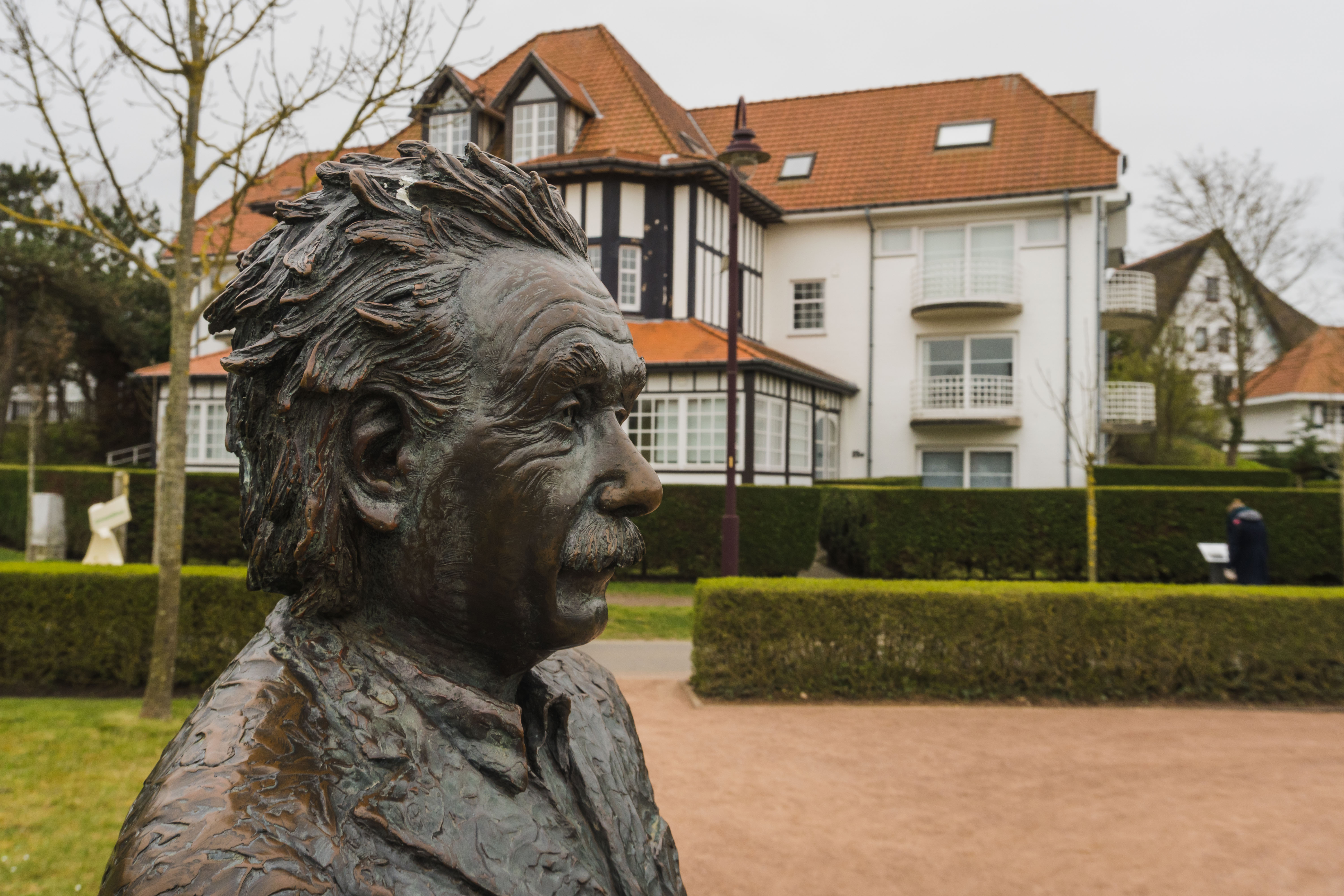
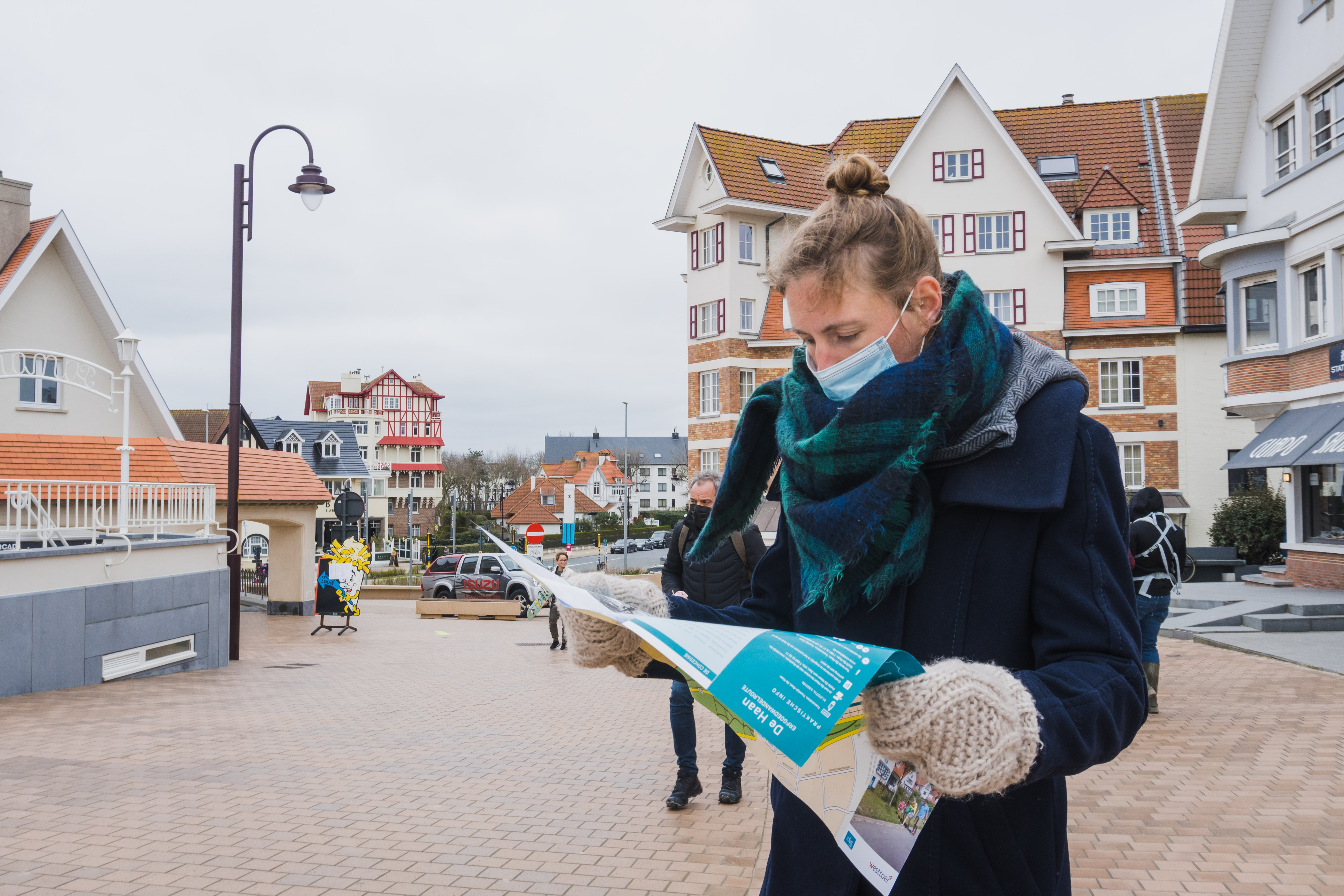
Arriving in De Haan felt like going back to the glory times of the Belgian coast. Known for its Belle Époque architecture, De Haan offers a mix of history and coastal charm. One highlight was the heritage walking route, which tells the town’s rich history, including how Einstein lived there. You can explore more about this walk here.

We stayed at Hotel Internos, located just in front of the legendary Hotel Astoria. Both situated in the center of De Haan, ensuring you’re close to all the main attractions.

Due to Covid restrictions, dining options were limited, so at that time we enjoyed dinner in our hotel room. One memorable restaurant we enjoyed during another trip was Villa Julia, set in an old house with a warm interior. Despite the restrictions, dining in such unique settings added to our experience.

Returning Home: Easy and Convenient

After a weekend filled with cycling, history, and coastal beauty, returning to Brussels by train was simple. We cycled to Ostend and took the train back to Brussels. You can easily complete the journey to Ostend by coastal tram as well.

Final Thoughts on Sustainable Travel

Cycling long distances offers an eco-friendly alternative and a deeper connection with the surroundings. Whether you’re an avid cyclist or someone looking to try something new, this journey from Brussels to De Haan is a great way to explore and relax.

So, pack your bags, hop on your bike, and set off on your own sustainable adventure. Who knows what adventures you’ll make along the way!

Sustainable Travel to Venice: A Romantic Itinerary

Dreaming of visiting Venice while keeping an eye on your carbon footprint? We did just that!

The best way to get to Venice is by traveling with European Sleeper, which runs twice a week in February and March 2025 and provides a romantic and sustainable way to start your Italian adventure.

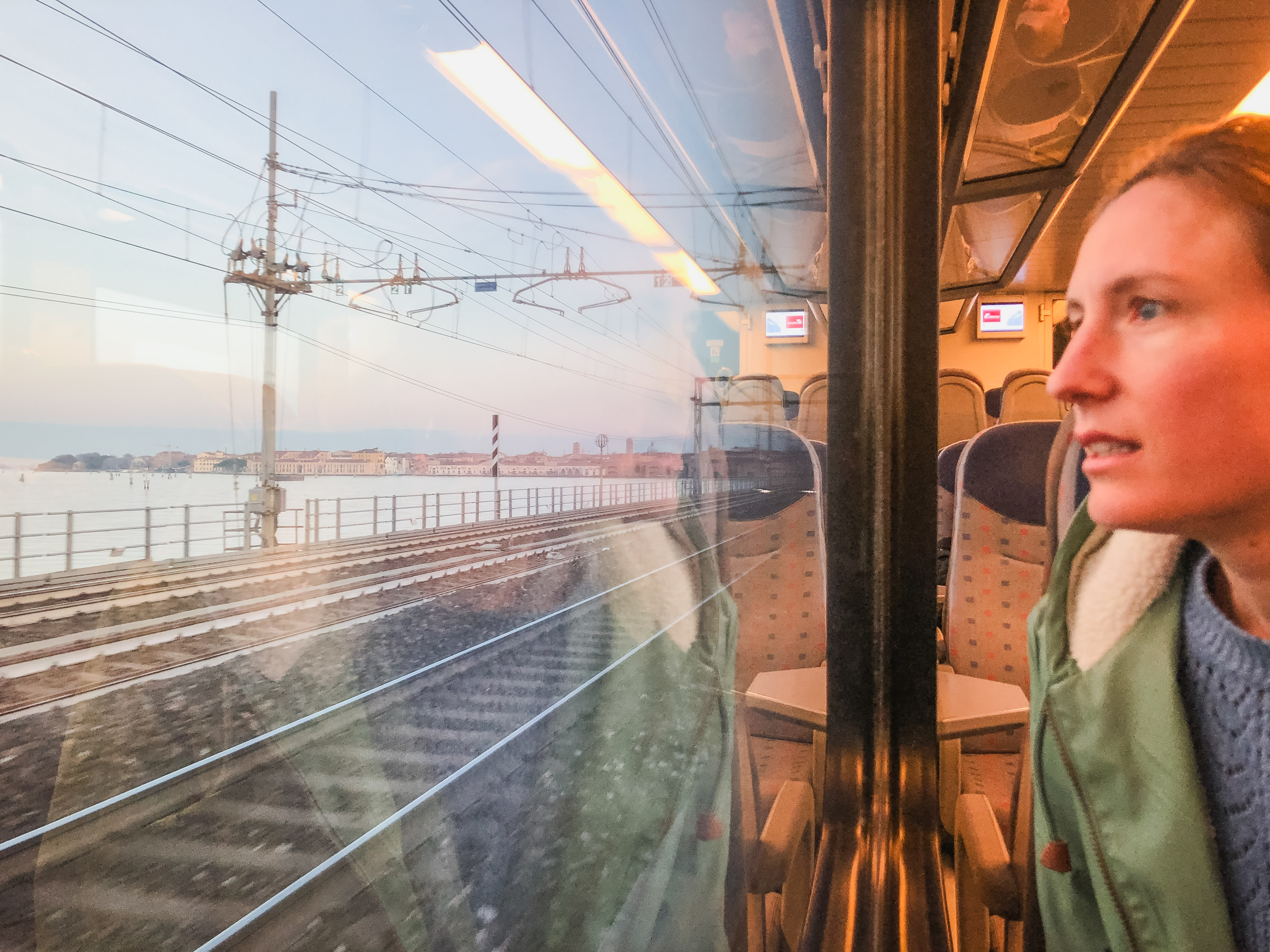
When we went in February 2024, the European Sleeper did not yet go to Venice… so we switched trains in Paris and Milan. The journey takes a full day, but I filled it with work, reading, and admiring the Alps and countryside views making a perfect blend of productivity and relaxation.

Venice in February can be surprisingly calm and less crowded. Despite some cold and foggy days, we enjoyed plenty of sunshine, making our visit magical.


Day 1: Arrival and stroll in the neighborhood

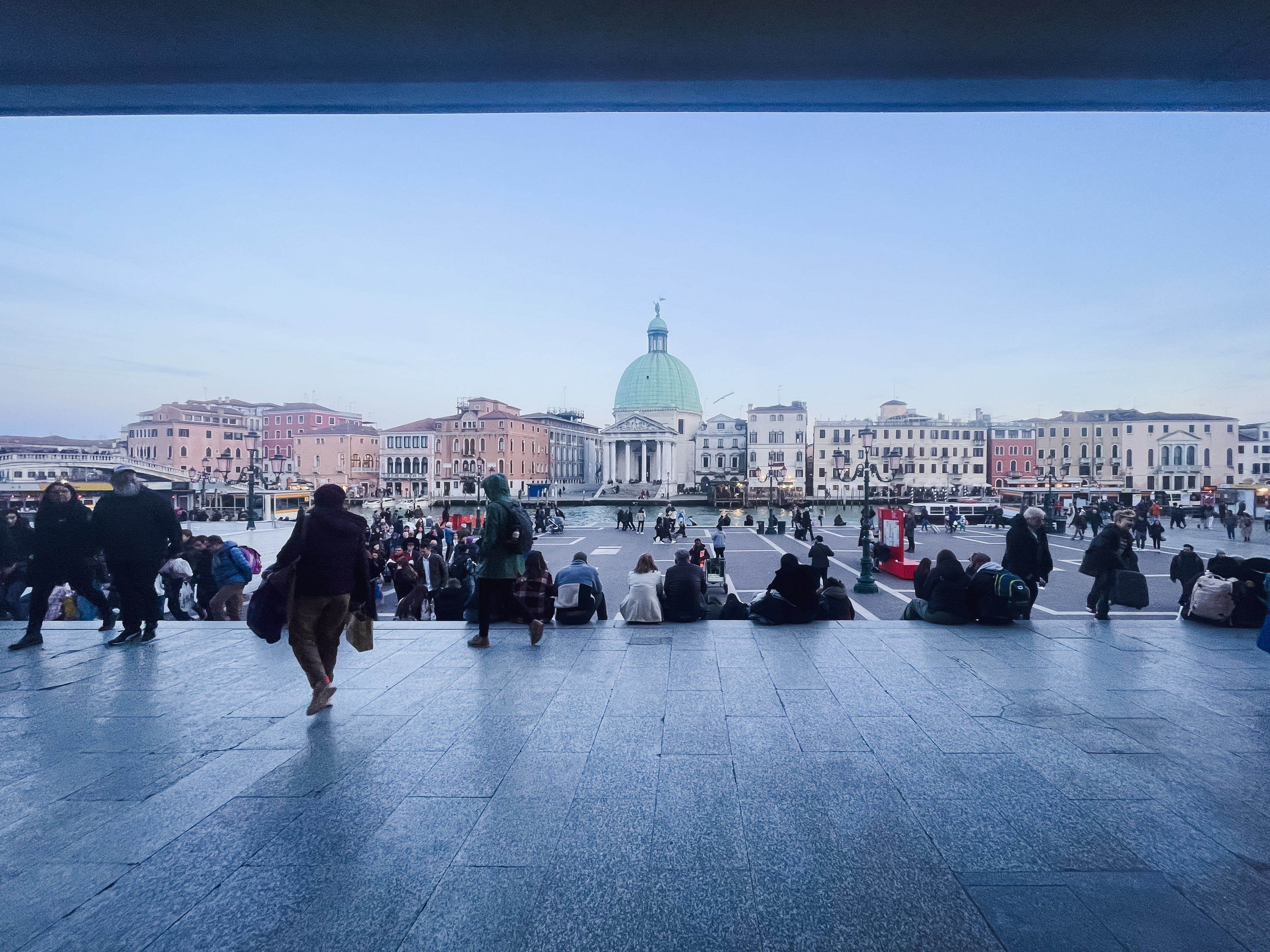
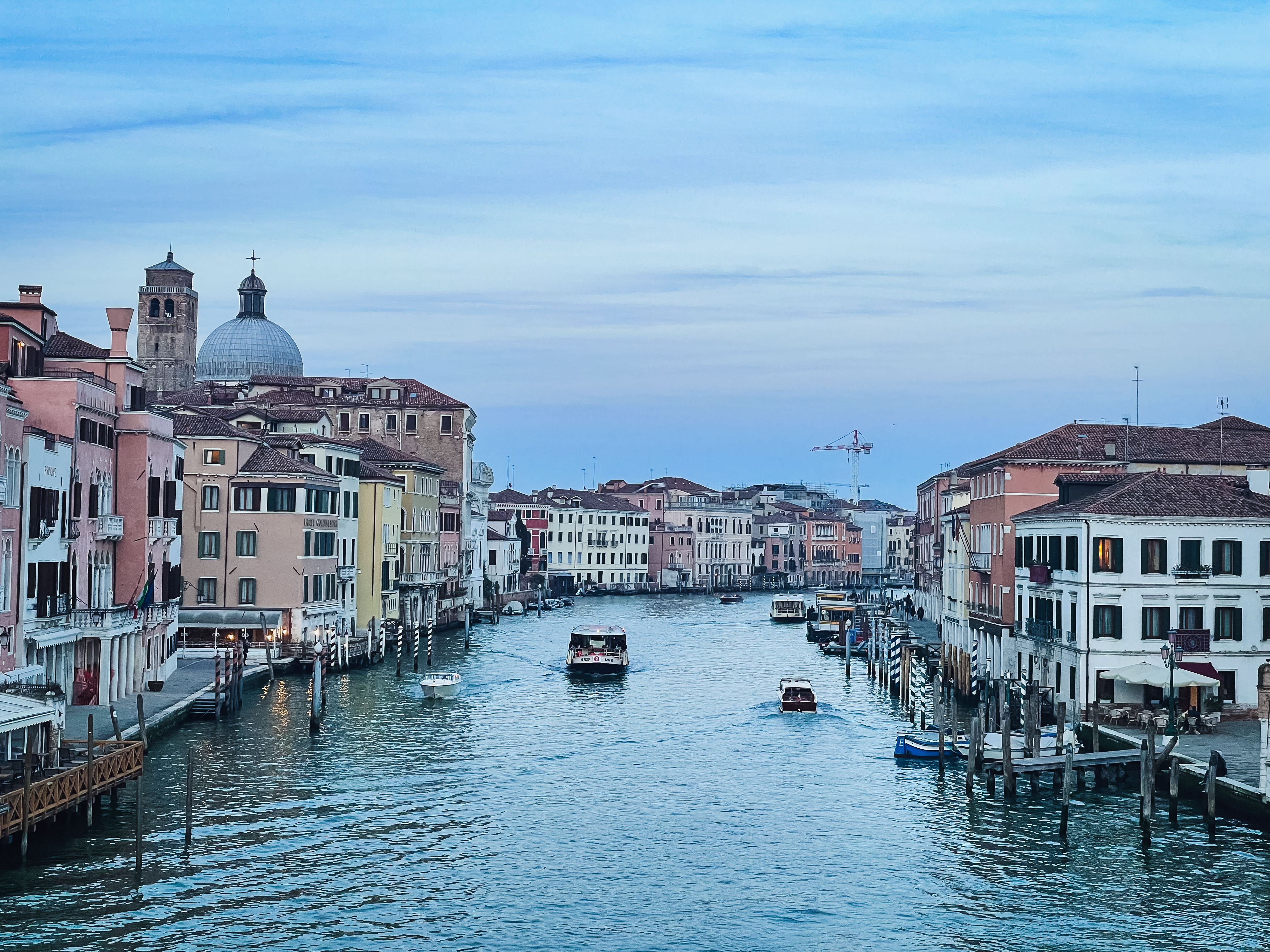
We arrived in Venice by train from Bassano del Grappa and were treated to an amazing view straight from the moment we left the train station.

While sitting on the train to Venice, we booked a last-minute promo at the Canal Grande Hotel for just 100 euros per night. We’ve found that waiting until after 16:00 on the day of arrival to book can yield great deals by checking prices on Google.

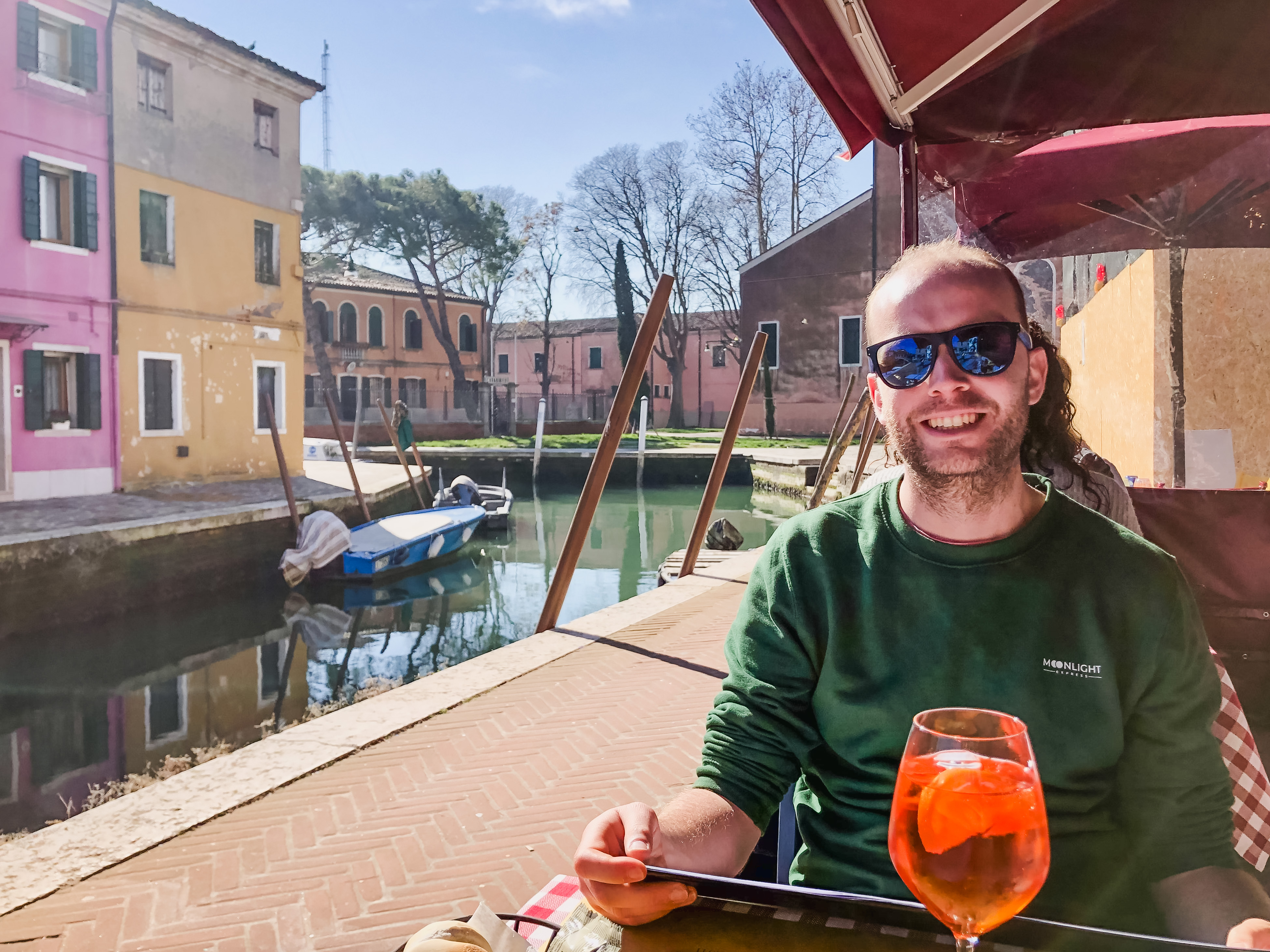
Just randomly strolling around in Venice is probably the best way to enjoy the architecture and views. We started the evening with an Aperol and aperitivo in Arcicchetti Bakaro and went for a restaurant after since it was a little too cold to stay outside all evening.


Day 2: Exploring Murano and Burano

Our second day started with breakfast on the little terrace of the hotel overlooking the Canal Grande.

Just after we left on a hotel-organized visit to a glass workshop on Murano Island. We were picked up by a taxi boat right at the hotel, adding a touch of luxury to our morning. Watching glass artisans in action brought the island’s rich history to life. This visit and boat ride was totally free, but of course they like it if you buy a souvenir… but to be honest, we did not see any glass work that we liked and could easily transport home, and the workshop did not mind either so it seemed.

From Murano, we took a bus boat to Burano, known for its colorful houses and charming streets. Lunch at Osteria Cicchetteria de Gigetto was a delightful experience. We highly recommend getting a multi-day boat pass, which made hopping between islands convenient and cost-effective.


Day 3: Doge’s Palace, San Marco, and San Giorgio Maggiore

Before breakfast I started with an early morning run in the completely desolated narrow streets of Venice. For anyone capable of getting out of bed early, it gives such a curious and different view to the city life if you get to see the locals at 6 or 7am.

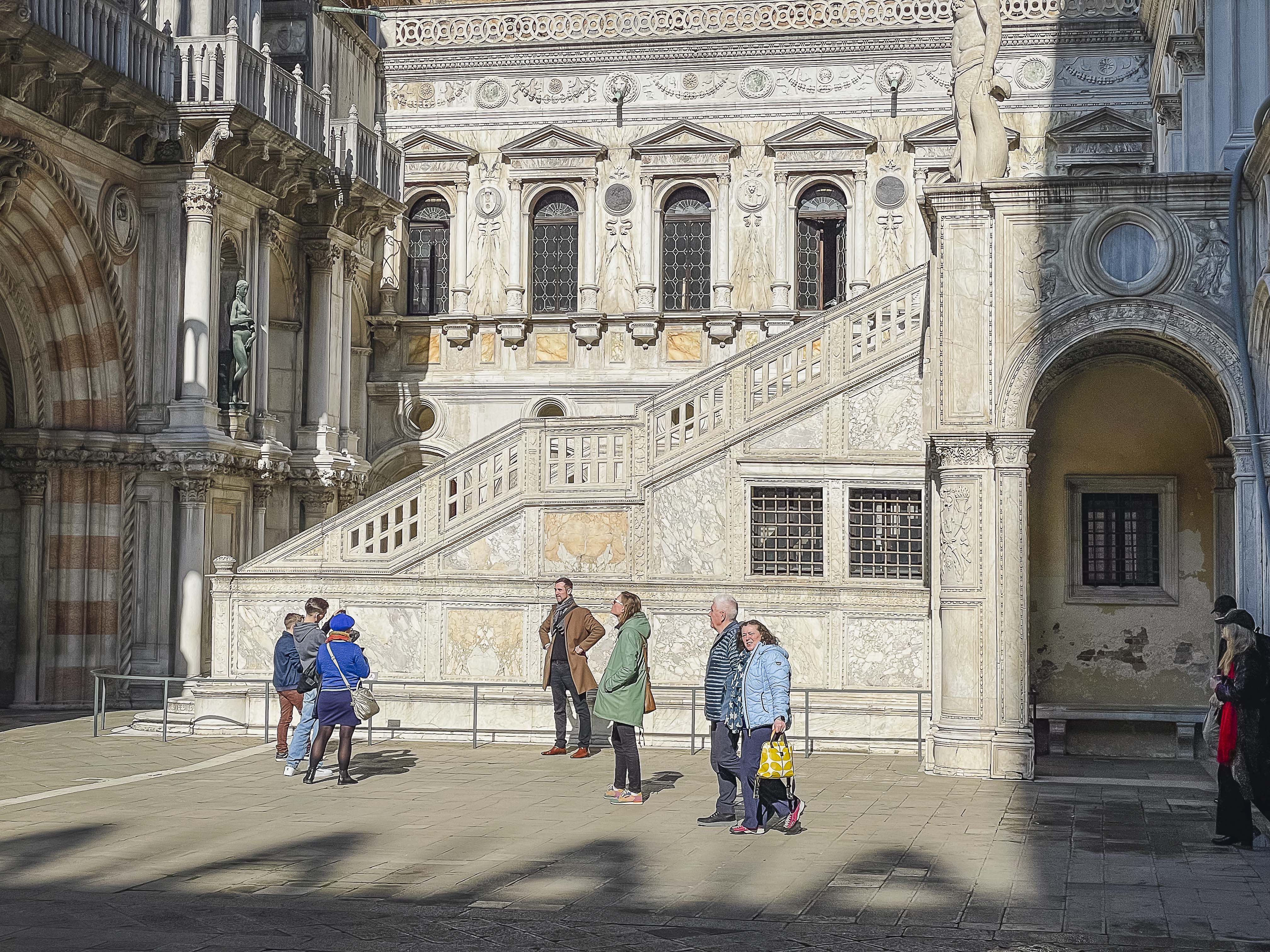
We visited the Doge’s Palace at San Marco in the morning. Make sure to reserve your tickets in advance. The grandeur of the palace was absolutely worth queuing.

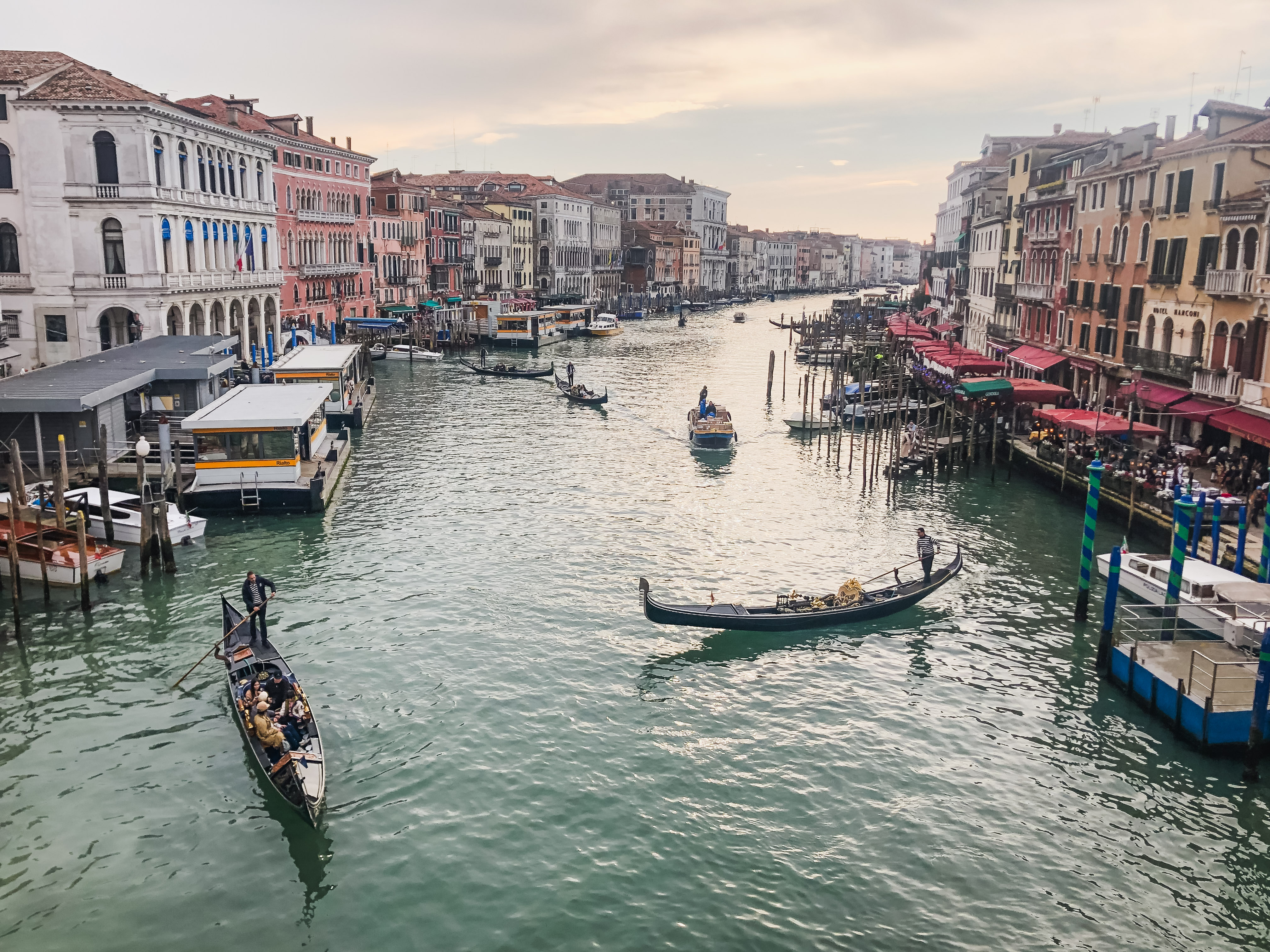
Afterward, we enjoyed lunch on the terrace of Ombra del Leone, with plenty of sunshine and views of Canal Grande.

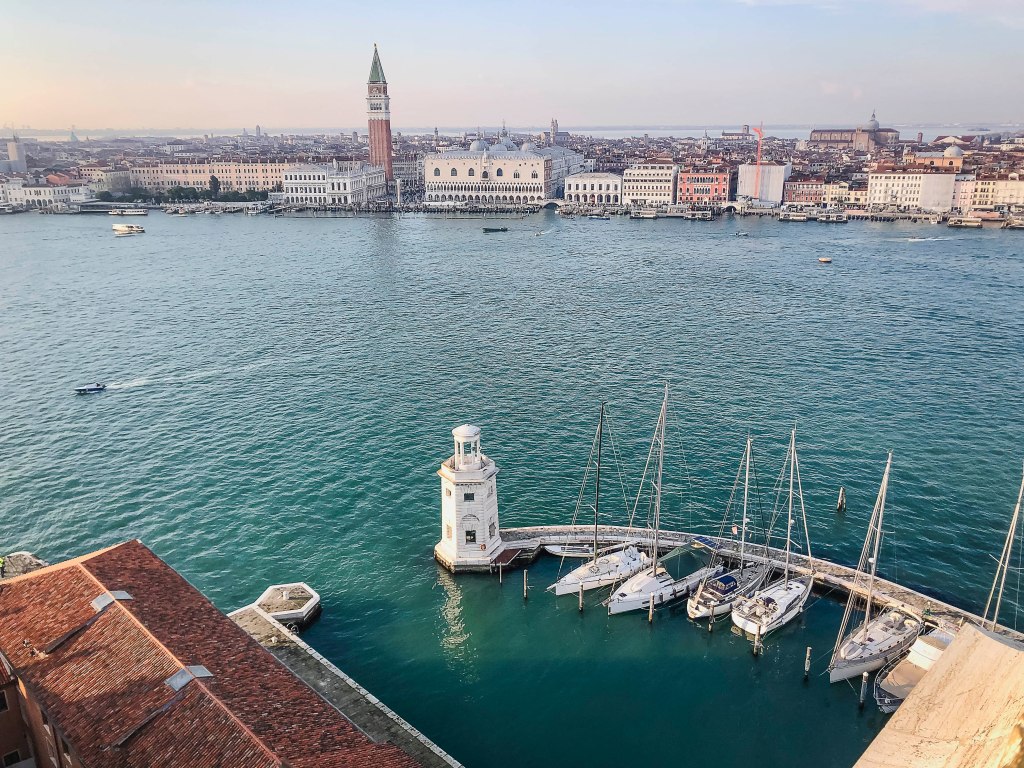
The afternoon was spent visiting San Giorgio Maggiore, where we climbed the tower for breathtaking panoramic views of Venice. The contrast between the busy San Marco and the tranquil San Giorgio was certainly a highlight of our trip.


Dining Highlights

Since good food makes a good mood:

  • Il Refettorio: For an Italian dinner experience, reservations are a must.
  • Ombra del Leone: Perfect for its terrace with a view of the Canal Grande, offering good food at reasonable prices.
  • Arcicchetti Bakaro: A bar with delightful aperitivo food — an absolute must-visit!

Traveling by train allowed us to enjoy Venice’s charm in line with our personal travel habits. The boat rides, less crowded streets, and cultural depth of Venice in the off-season made our trip extraordinary. For couples looking to combine romance and sustainability, we highly recommend this Venetian itinerary.

Eco-Friendly Travel: Mastering the Art of Reusable Diapers

Traveling with reusable diapers might seem daunting, but with the right approach, it can be both eco-friendly and manageable. We’ve had a mix of good and challenging experiences, and we’re here to share what we’ve learned to make your journey smoother.

We have made many trips with August during his first 2 years and always took reusable diapers: on a camper trip of 2 months to Spain and France, on our train adventure of a month in Sicily, on our cycling holidays through the Dolomites last summer,… It requires a bit of planning and reflection, but once you’re used to it it works well.

Our Favorite Reusable Diapers

Our top pick is the “Close Pop-in Bamboo Diaper”. These diapers are easy to wash and use, consisting of a bamboo layer, a water-absorbent insert, and waterproof over pants.

  • For soiled diapers: Simply toss the bamboo layer in the garbage.
  • For wet diapers: Wash and reuse the bamboo layer 3-4 times until it’s too decomposed.

Another setup we love:

  • “Bamboolik Cover Duo Snap” outer pants combined with “Anavy Bamboo Diaper with Velcro” and “TotsBots Bamboo Insert”.

Packing Tips

We typically prepare packaged layers in advance, taking 9-10 sets (3-4 diapers per day, adjusting as your child grows). For extra absorption at night, you can add a night booster like the “Close Pop-in Night Insert”.

Benefits and Practical Tips

  • Washing: Use a bit of eco soap to wash diapers in a lake, shower, washbasin, or toilet.
  • Drying: Lay them open in the sun or wind, or place them in a well-ventilated bicycle cart to dry.
  • Reuse: You can reuse the waterproof cover multiple times without washing if it remains clean.
  • Frequency: In hot weather, do not go longer than 2 days without washing. Use a washing machine every 3-5 days while on holiday.

Challenges & Solutions

  • Skin Irritation: In warm weather, humidity can irritate your child’s skin. Switch to disposable diapers (eco-friendly versions are available in most hypermarkets) if needed.
  • Smell: Carry a plastic bag for odor management.
  • Handling Poo: It’s not always pleasant to handle soiled diapers, but I (Louis) take on this task most often since I care most about the use of reusable diapers.

Additional Tips & Tricks

  1. Wet Bags: Invest in wet bags to store dirty diapers until you can wash them.
  2. Travel Size Detergent: Bring eco-friendly detergent in a travel size for easy washing on the go.
  3. Disposal Liners: Use biodegradable liners inside the diapers to make cleaning easier.
  4. Plan Ahead: Research your destinations for laundry facilities to ensure you can wash the diapers when needed.