Night train to Berlin

Disclaimer: I’m definitely biased in this post 😉 since I have been working on Moonlight Express and for European Sleeper

If you’re looking for a cultural and fun weekend escape from Brussels or Antwerp: jump on the direct night train to Berlin!

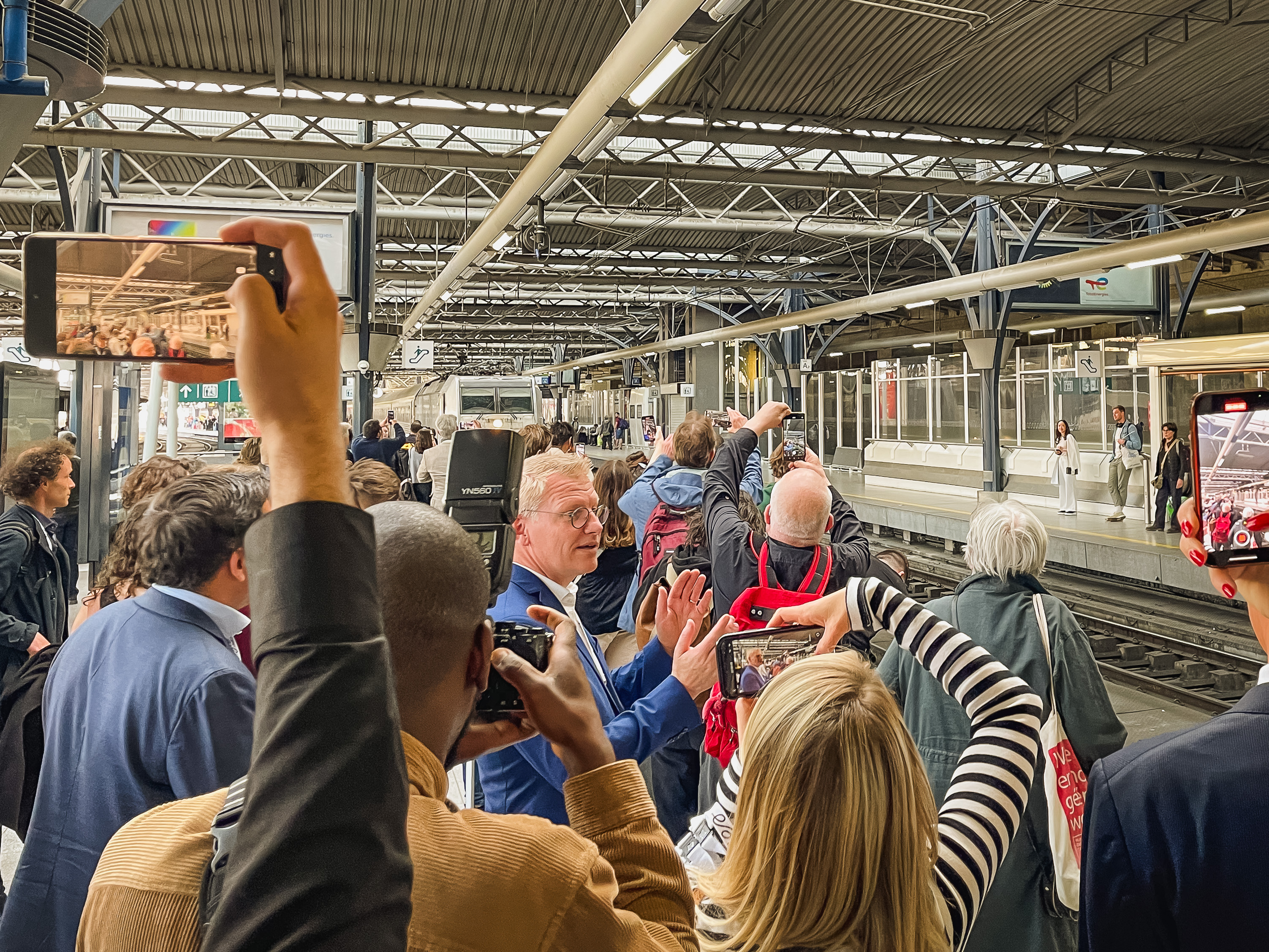
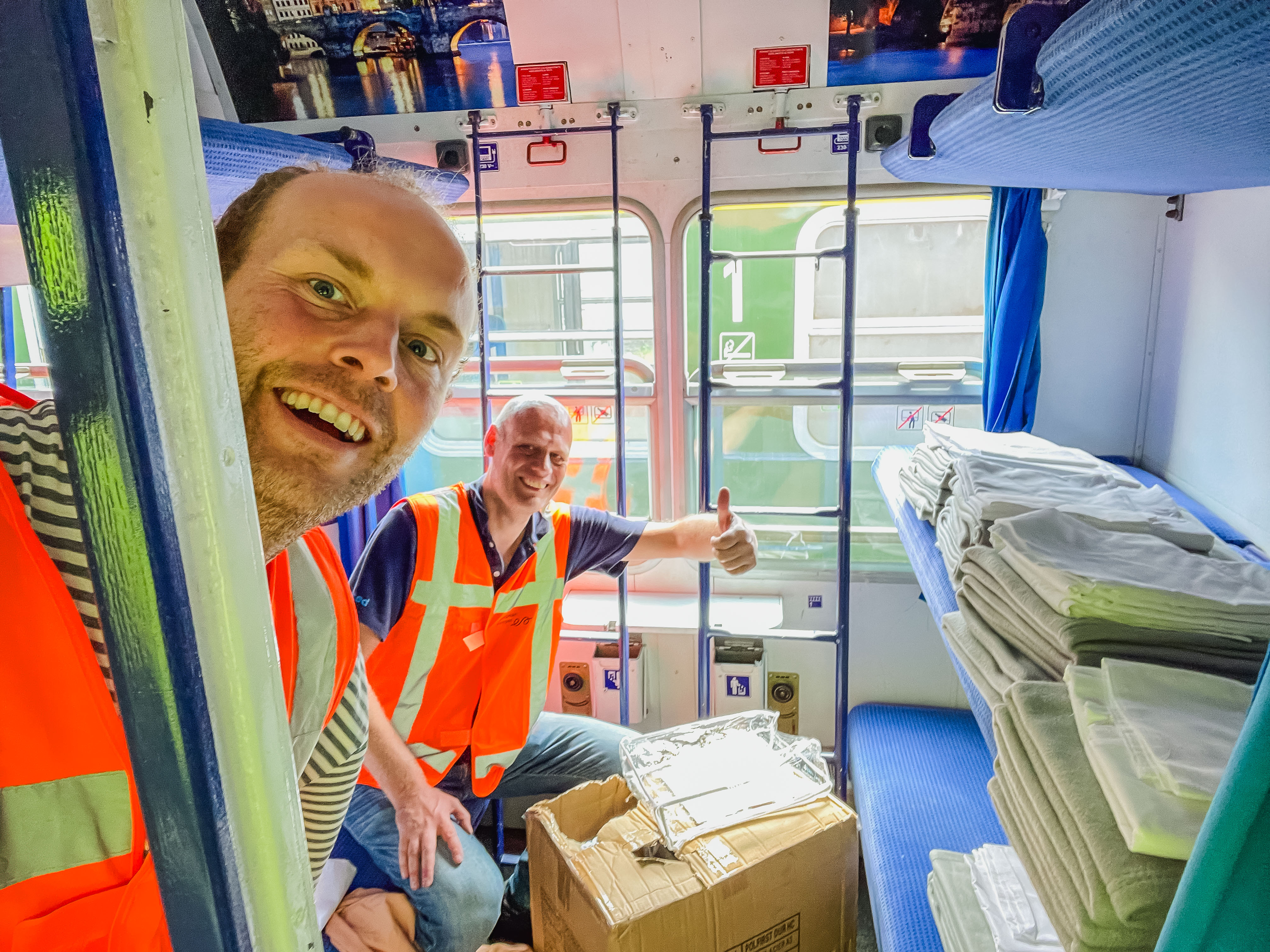
In May our night train from Brussels to Berlin started circulating. With hundreds of cooperative shareholders that contributed, the night train could finally start circulating on the 25th of May 2023. I traveled to Berlin to be part of the first trip, enjoyed Berlin for a couple of days, and helped a bit on the preparation of the maiden trip. To manage expectations, it’s important to know that the coaches are old, so the experience will be a nostalgic one rather than a luxurious trip! In the future, new coaches will be renovated and built for European Sleeper, but in the short term, these coaches are the only available ones.

If you’re planning to take this trip with kids and want to have our best tips & tricks, make sure to check out our article about train travel with kids.

It was not my first time in Berlin, so I did not feel pressured to try to see all the highlights. It’s fun to just do what you feel like and leave the rest for another trip. The places I hang around this time:

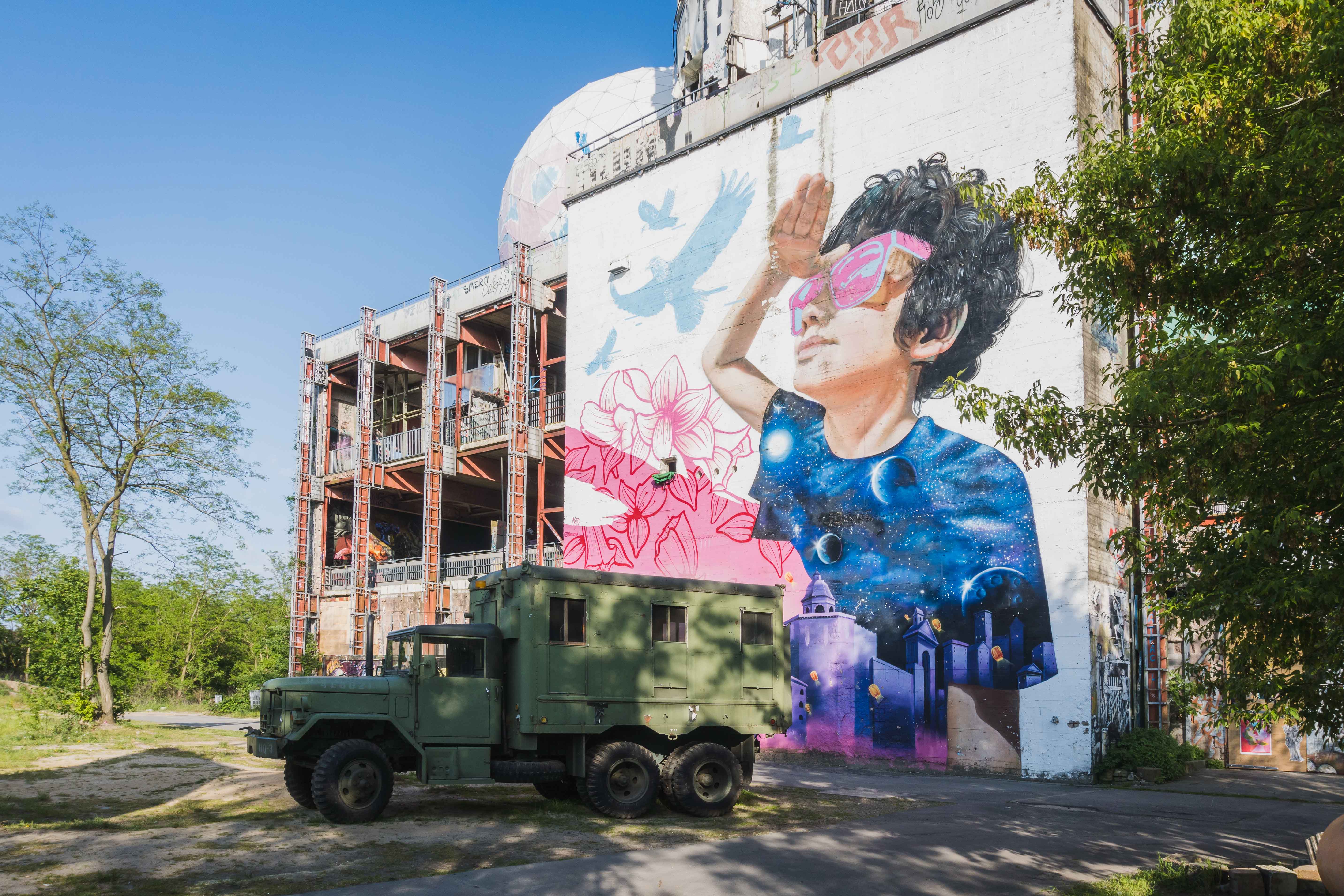
  • Climbing Teufelsberg – a beautiful hike in nature, climbing a mountain built based on the debris of World War II. On top, you can access the old military buildings full of graffiti (access for 5 euros)
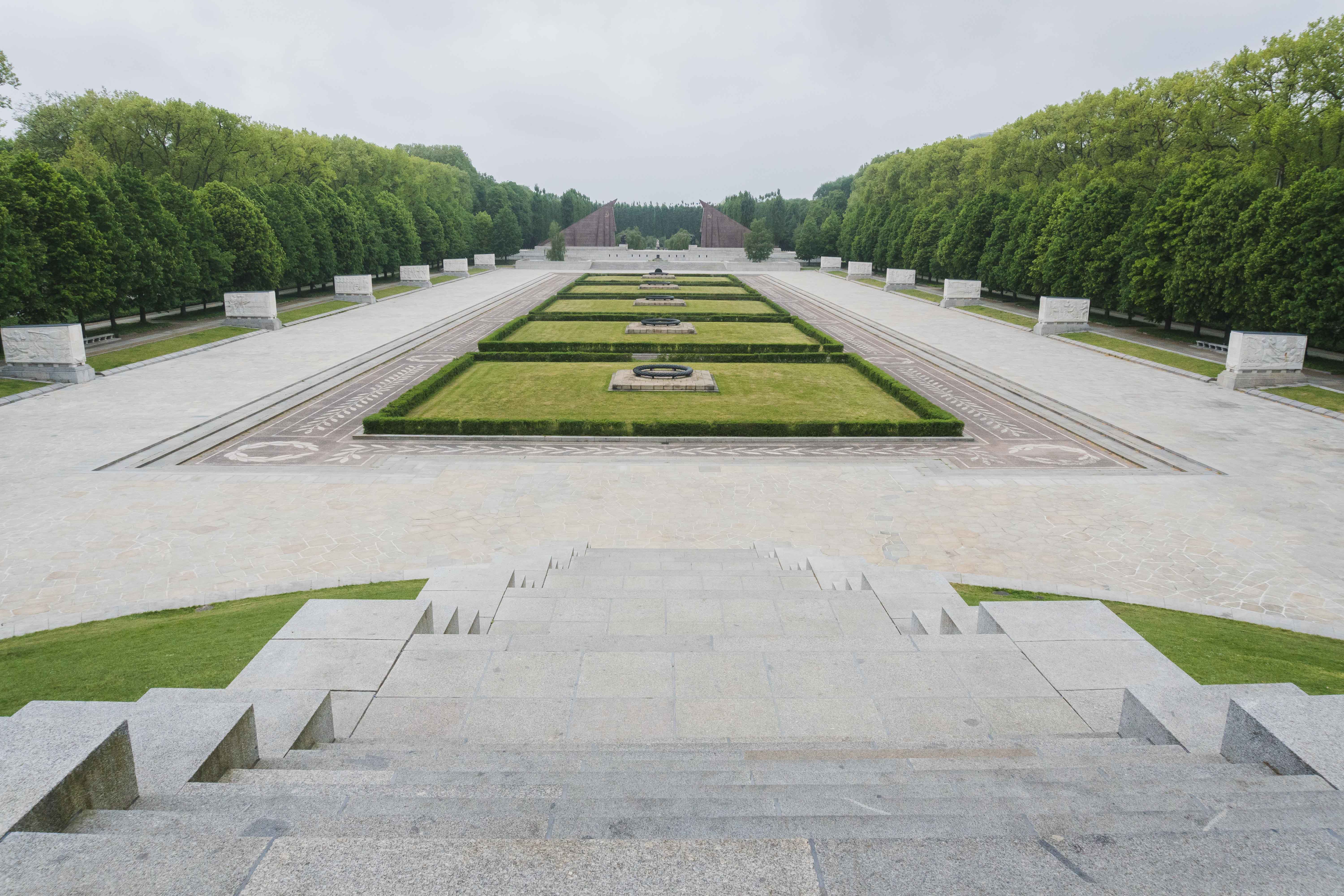
  • Soviet War Memorial Treptow – a free guided tour through the impressive soviet memorial with Guruwalk
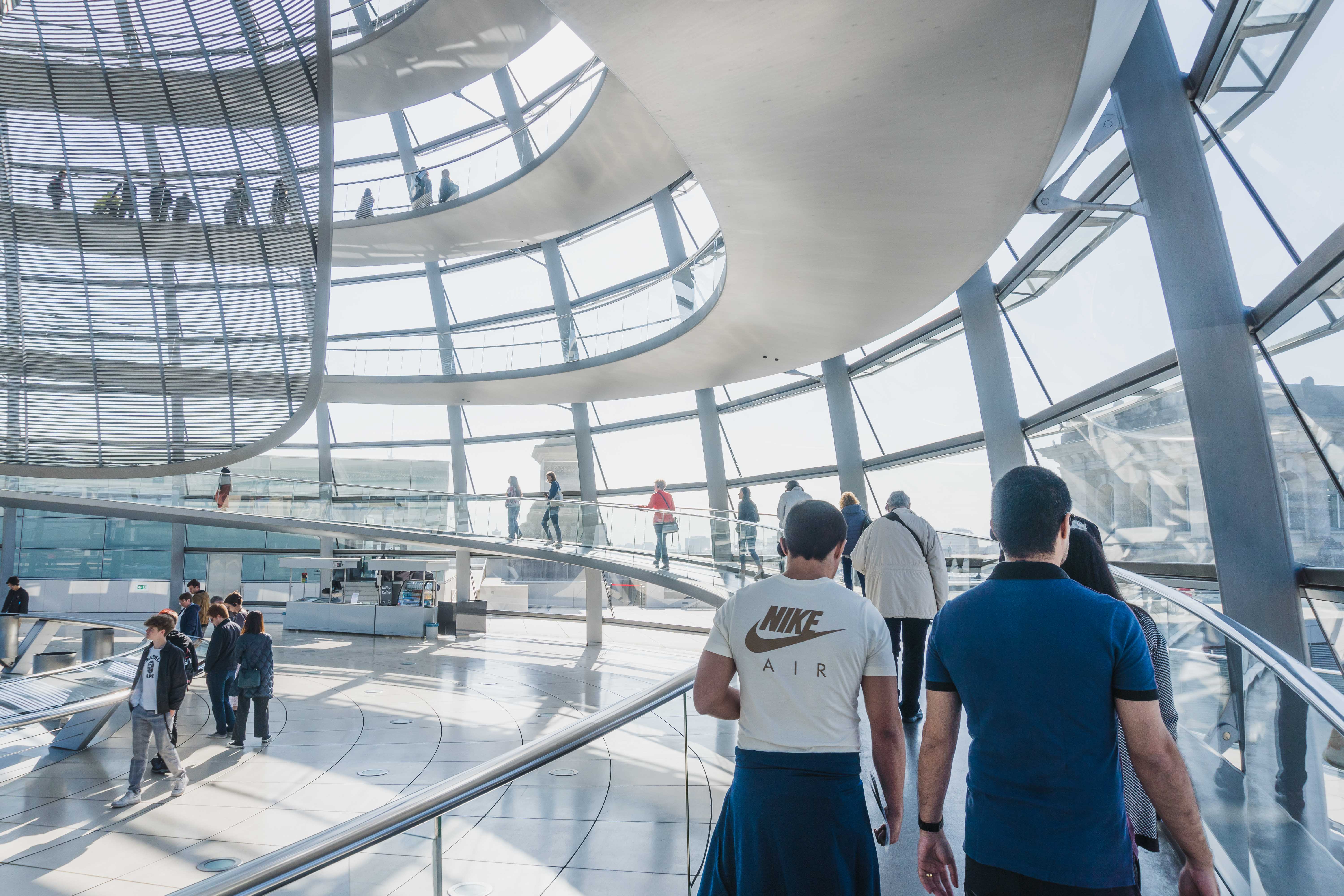
  • Reichstag – Free visit to the rooftop for impressive views, you do need to reserve online in advance.
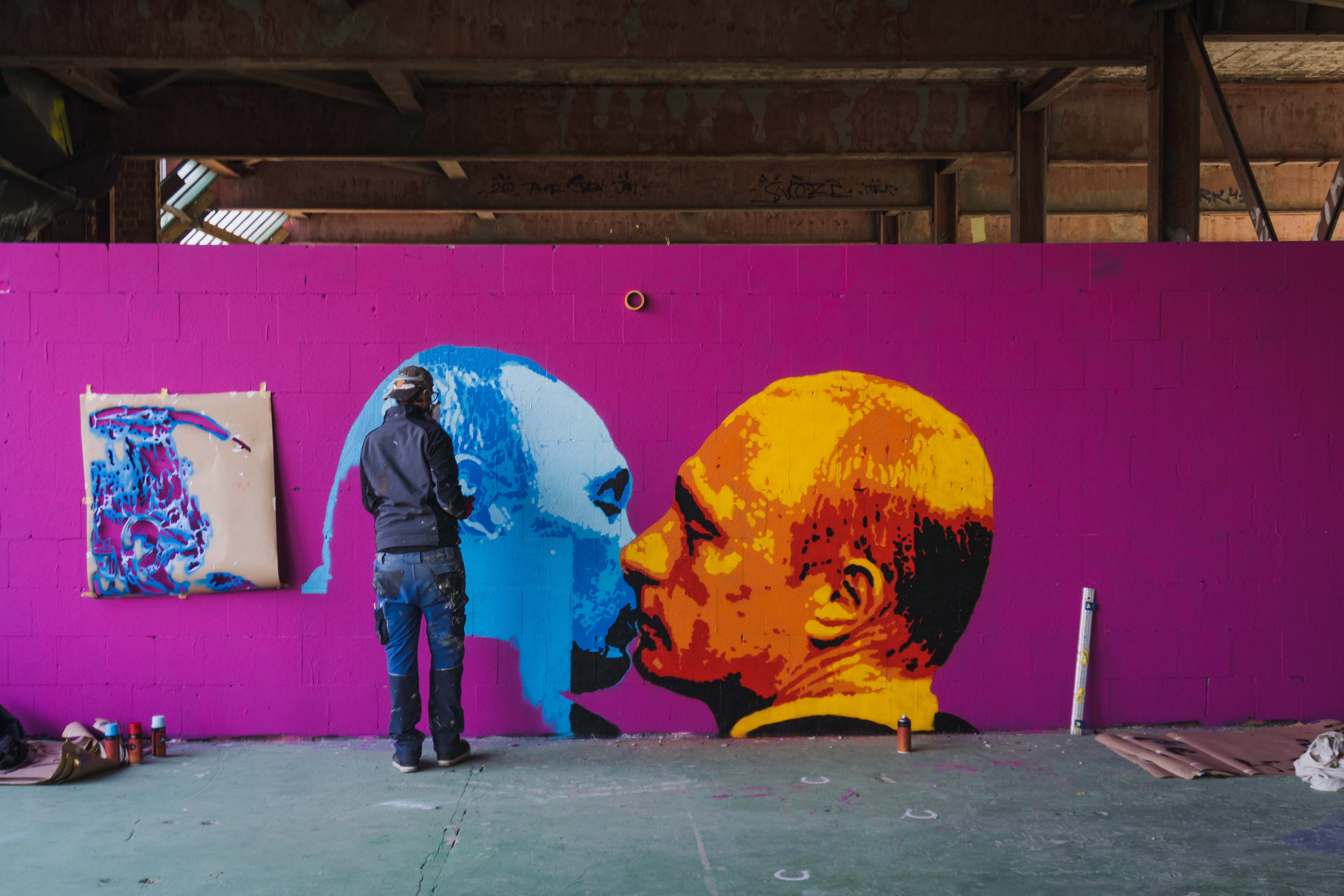
  • East Side Gallery – Berlin wall
  • Museum island
  • Brandenburg Gate & Memorial to the Murdered Jews of Europe

While wintertime can be very cold in Berlin, the city is full of incredible museums and restaurants so that even on the coldest days you can still have an amazing trip. Of course hot summer weather is even nicer for enjoying the many parks, beer gardens, and nature around Berlin.

Just book a trip with European Sleeper and find out for yourself 🙂

Brussels-Lisbon by train – seat61.com

When traveling to the World Aviation Festival to hold a presentation on Sustainable Aviation Fuel (SAF), I wanted to make a statement. That’s where I needed the website of The Man in Seat 61 to guide me towards the best train itinerary to get to Lisbon. For more info on why I was at the World Aviation Festival, check out the video at https://www.green-trail.eu/

I would have taken my first flight in 4 years, only if I could buy a ticket with truly transparent SAF certificates… which was not possible. I tried all I could to buy fuel straight from different producers, but none were capable of selling it to me within the first 6 months. So I decided to go to Lisbon by train!

It took me two full days to go and another two to get back. It was a beautiful trip, but a tiring one. Before Covid, I would have been able to travel to Madrid on day 1, and the same evening take a night train, waking up in Lisbon the next day… but that train has been canceled leading to a hilarious situation: it takes 3 trains with transfers in the middle of nowhere to get from one capital to the next. All details of the trip can be found here on Seat61.com. I took a stopover in Madrid where I slept in the Latroupe Prado hostel and had some good tapas in El Alambic around the corner.

It’s important to mention that for the return journey, the transfer time in Badajoz is too tight with only 10 minutes in between, while the bus-like train that takes you there always has a delay of 10 minutes or more. We were very lucky that the high-speed train to Madrid waited for us and that we arrived just 13 minutes late… since the train would have left 2 minutes after anyway, with no more options to make it to Madrid that night except for a 500 EUR taxi or a hitchhiking adventure.

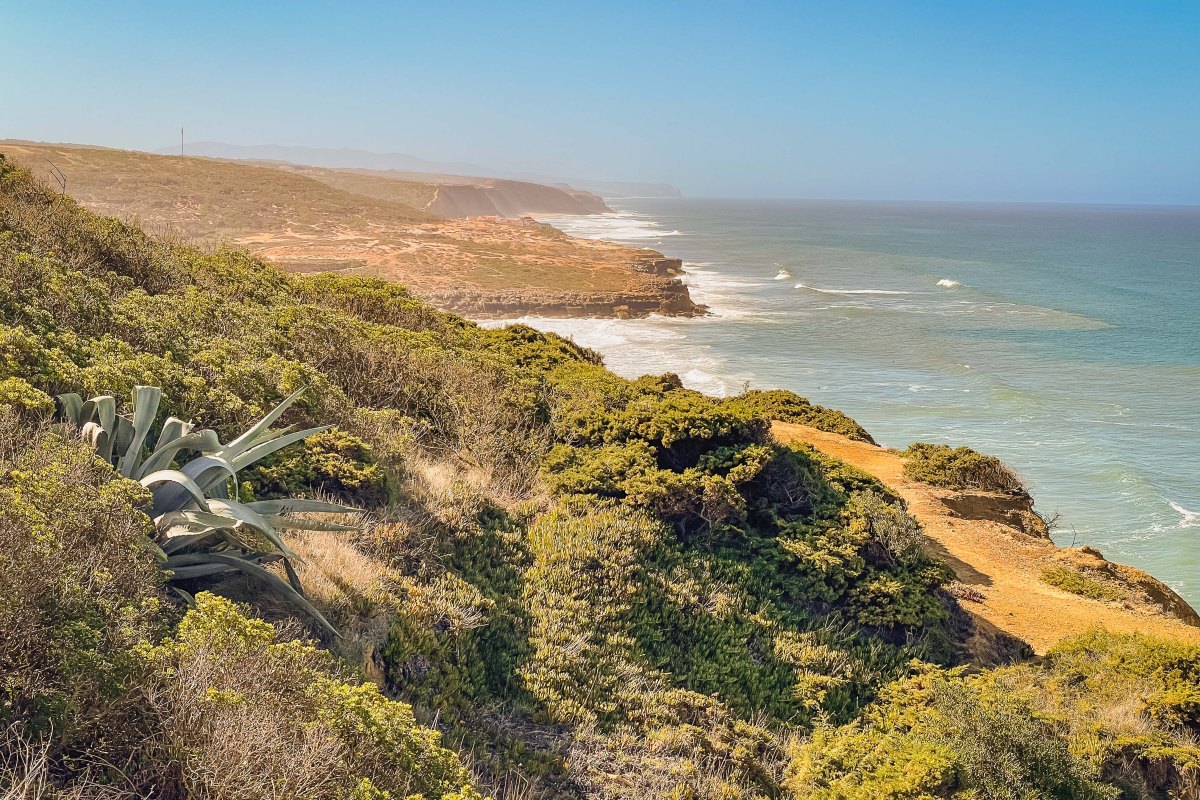
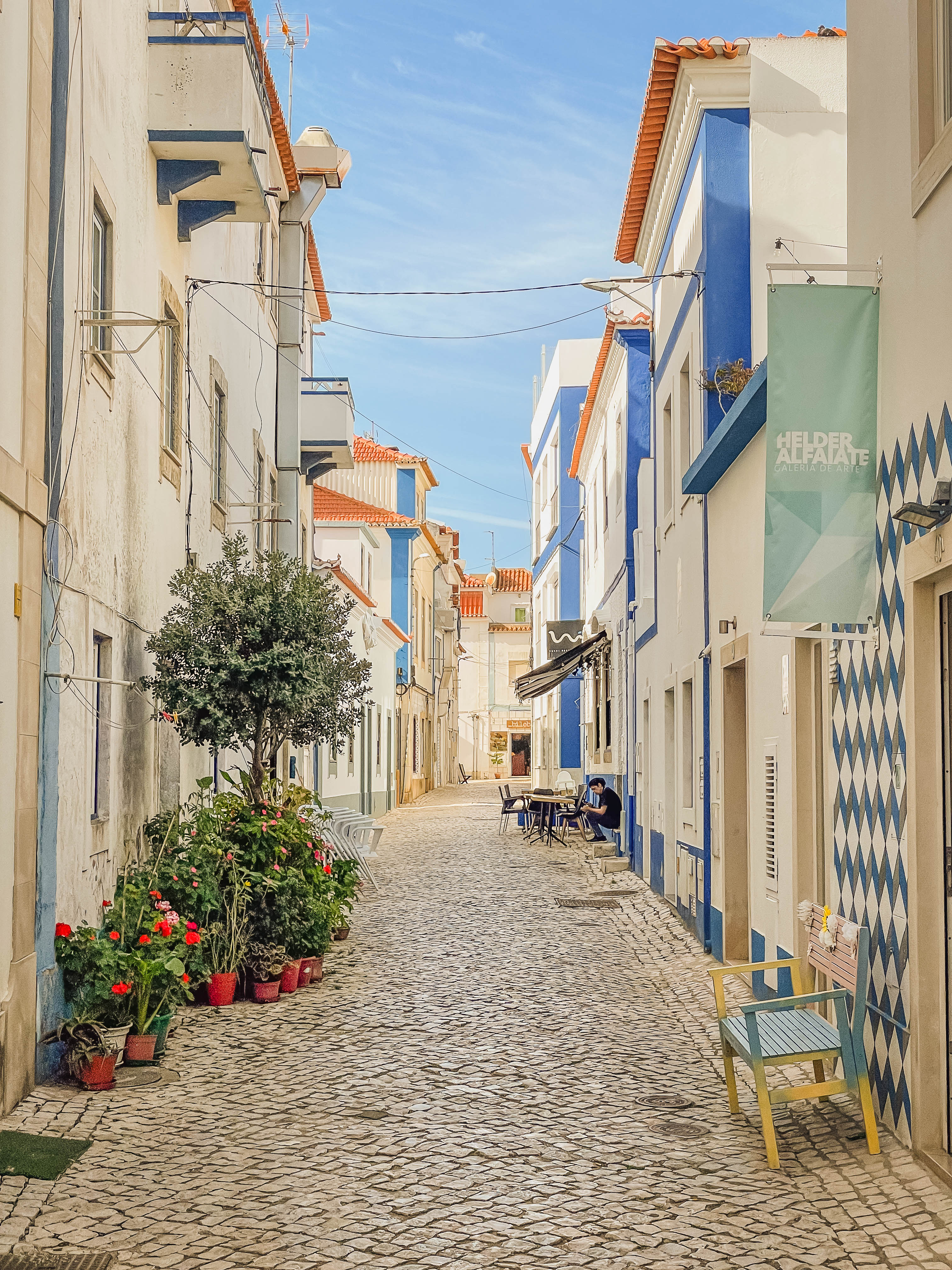
I went to Portugal for work and spent some days in Ericeira and Lisbon. For 9 days I took a small backpack and my folding bike… and given the many train connections to get, I would definitely recommend packing light. If you are not in a hurry, you certainly want to split the travel into 2 or 3 segments so you can enjoy it more. Possible stops are Barcelona, Madrid, Entroncamento, or Badajoz.

Recommendations in Lisbon

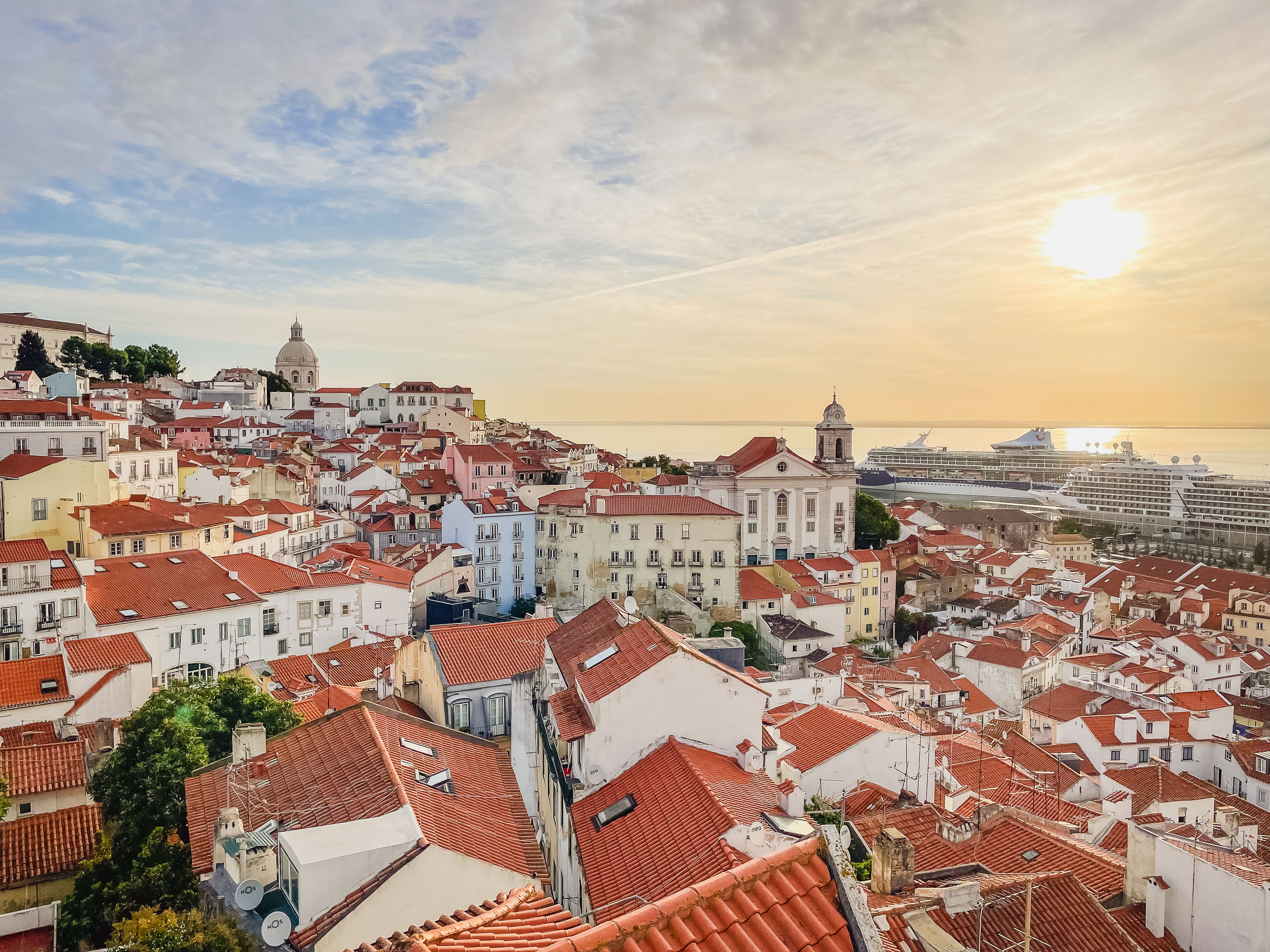
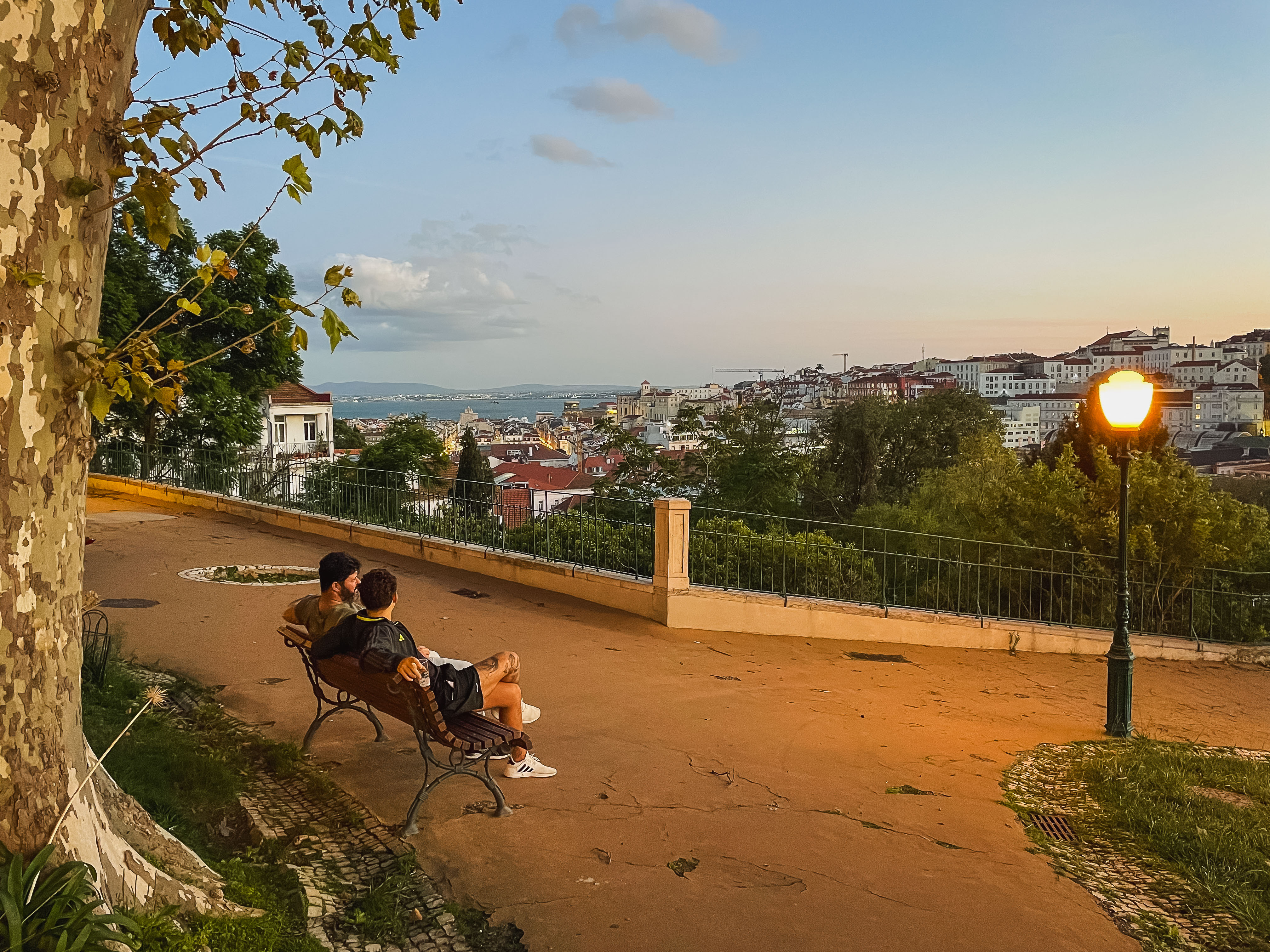
  • Miradouro da Senhora do Monte – nice views for sunset
  • Secret garden – bar with concerts and basic restaurant, just under Miradouro da Senhora do Monte
  • Sao Vicente de Fora – monastery
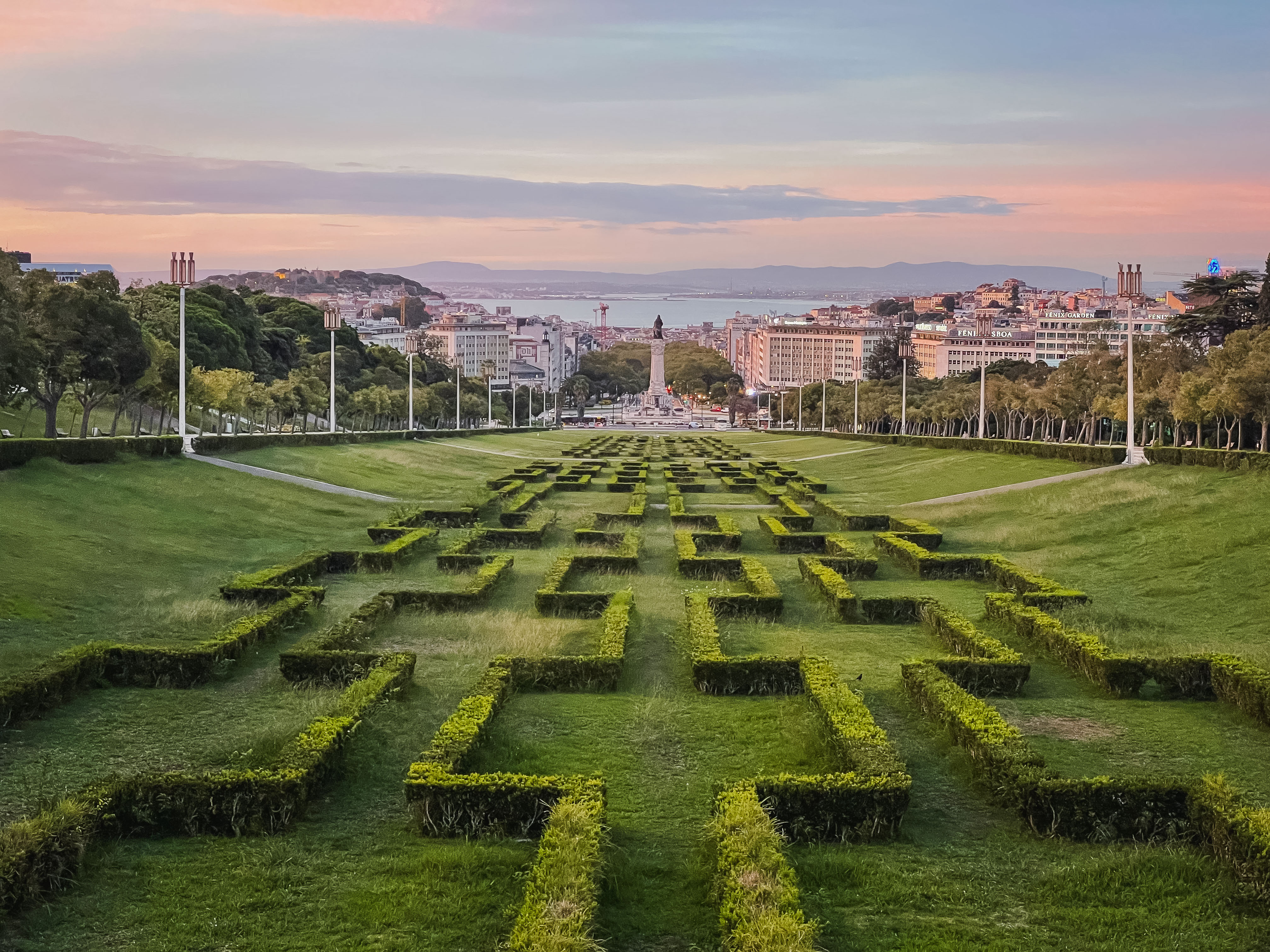
  • Parque Eduardo VII – a nice big park in the city center
  • Jardim do Torel – also with nice views
  • Viewpoints from Largo Portas do Sol
  • Ruta de Sao Pedro de Alcantara – for the famous tramway going uphill
  • Santa Justa Lift – take cash or you don’t get in!
  • Praça do Comercio – big square on the waterfront

Recommendations in Ericeira

  • Getting there: you can get there easily by taking the direct bus from Lisbon Campo Grande to Ericeira.
  • Selina hostel: If you’re traveling alone, stay in the Selina hostel with yoga in the morning, a small swimming pool, a healthy breakfast, and a good restaurant.
  • Surf: There are plenty of surf schools. Depending on the swell, beginner classes get canceled on some beaches. You might want to consult multiple schools and ask for the maximum number of students per teacher, which should be 4 or 5 max and not 10 per teacher… leading to a lot of frustration.
  • Mountainbike: we rented mountain bikes, and did an incredibly beautiful tour with a guide from Take Off e-bike for 35 euros per person only.
  • Skatepark & halfpipe: Boardriders Quiksilver Roxy flagship store has its own huge halfpipe and skatepark. They also offer all kinds of surf and skate courses.
  • Sunset locations:
    • Mar das Latas – wine bar with perfect views for sunset
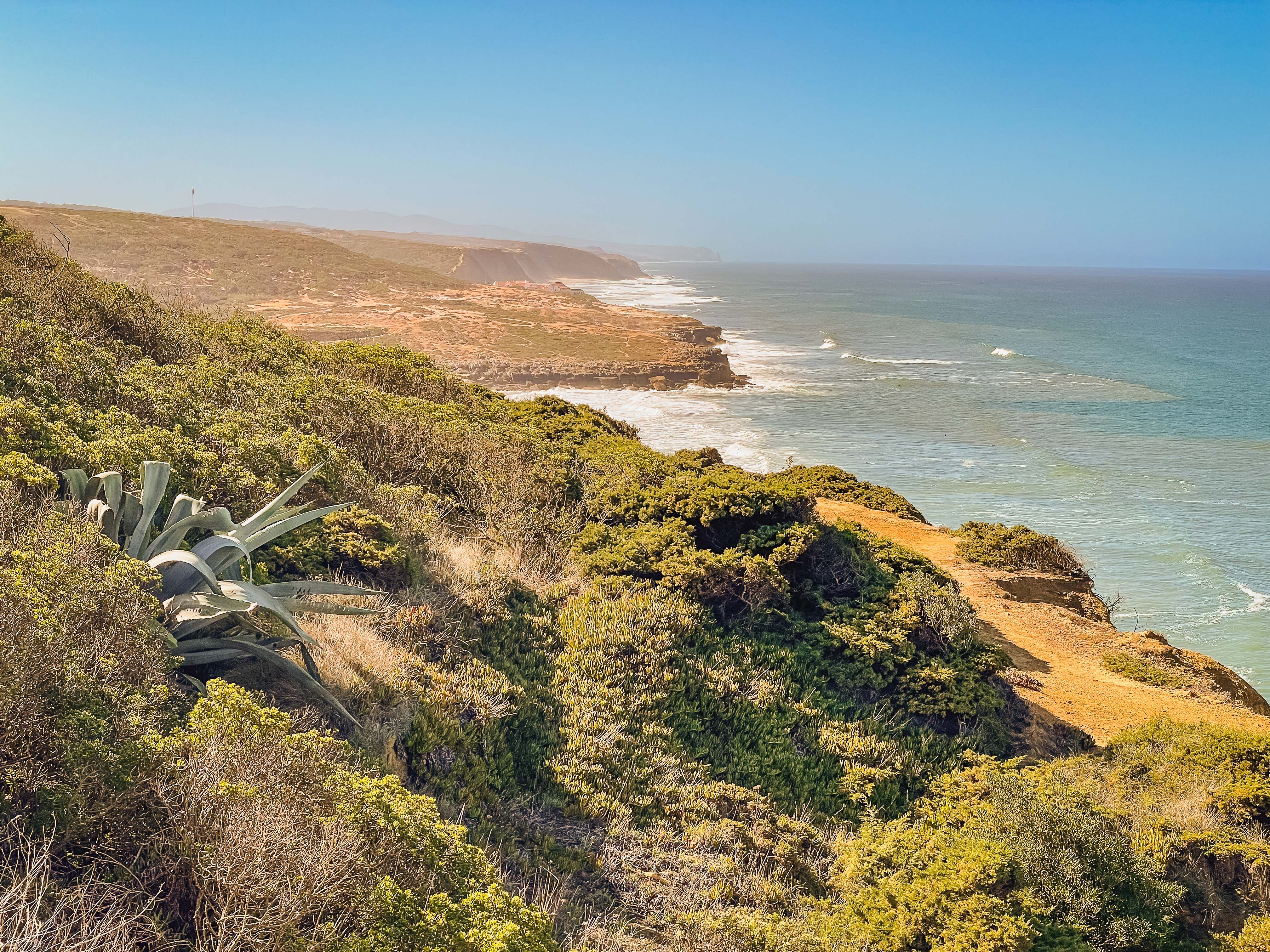
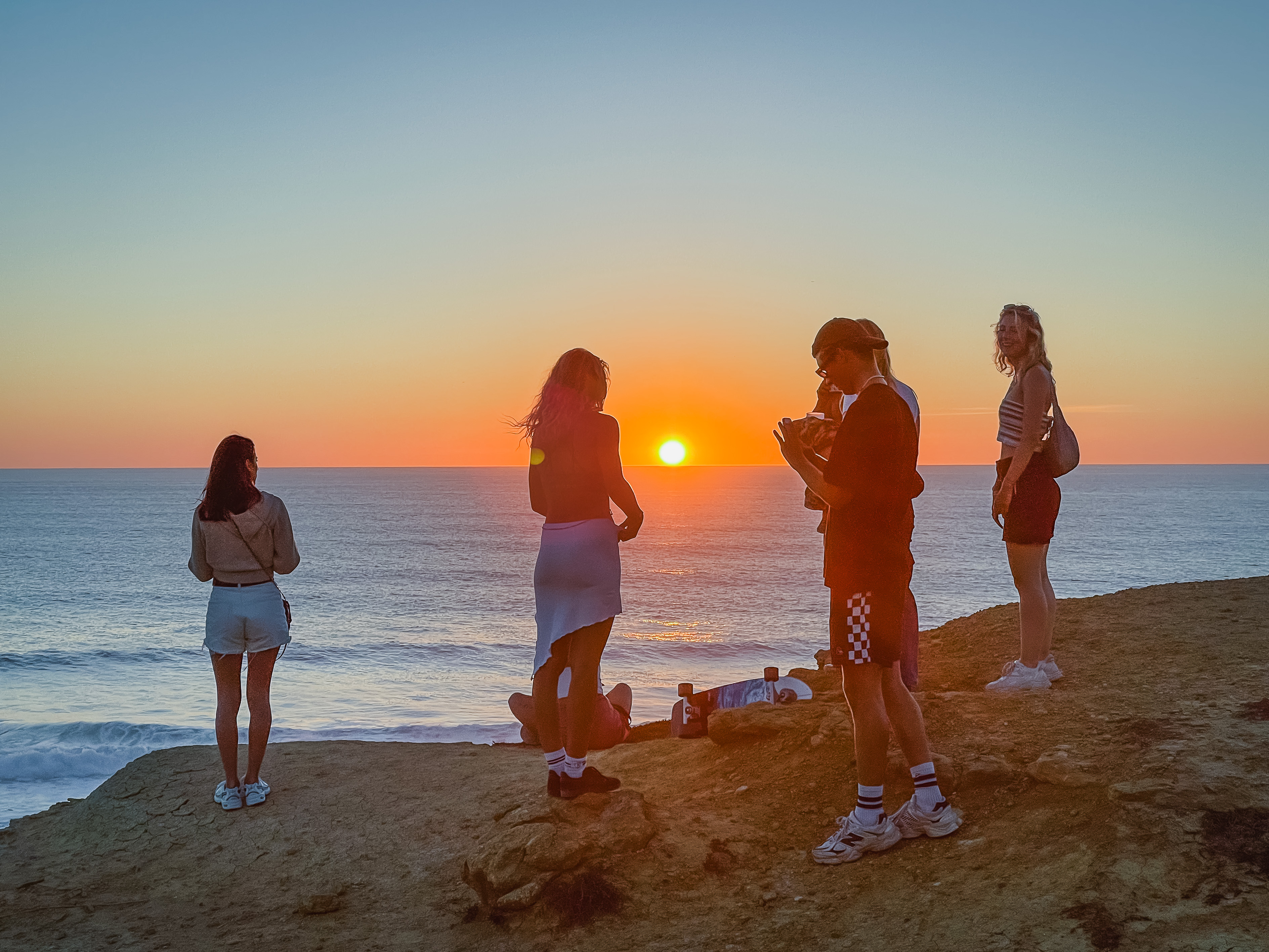
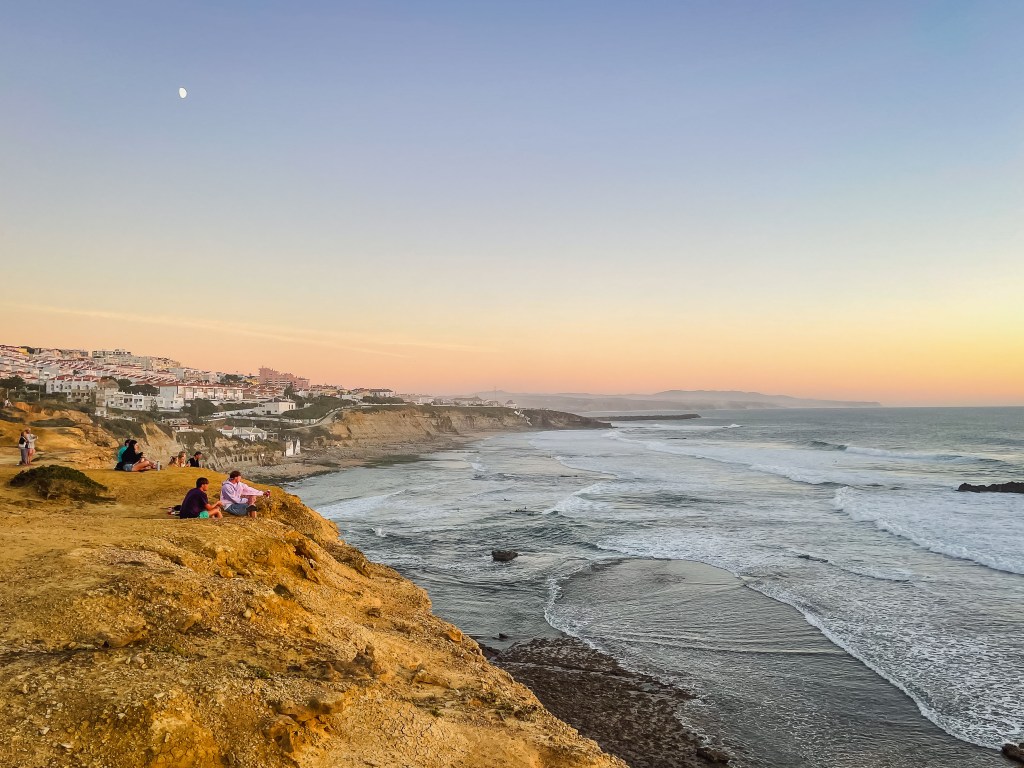
    • Praia da Empa / Pedra Branca reserve – views from the top of the rocks for sunset
  • Restaurants:
    • La Popular Taberna
    • Mar d’Areia – fish restaurant
    • Howm by Maikai
    • Mar das Latas – need to reserve, always full

So, Brussels to Lisbon by train is an option if you have some time. If you need to rush it in the shortest possible time frame it soon feels like a bit too much. Perfect for a holiday trip, less perfect for work 😉

Nice – Autumn trip to the sun

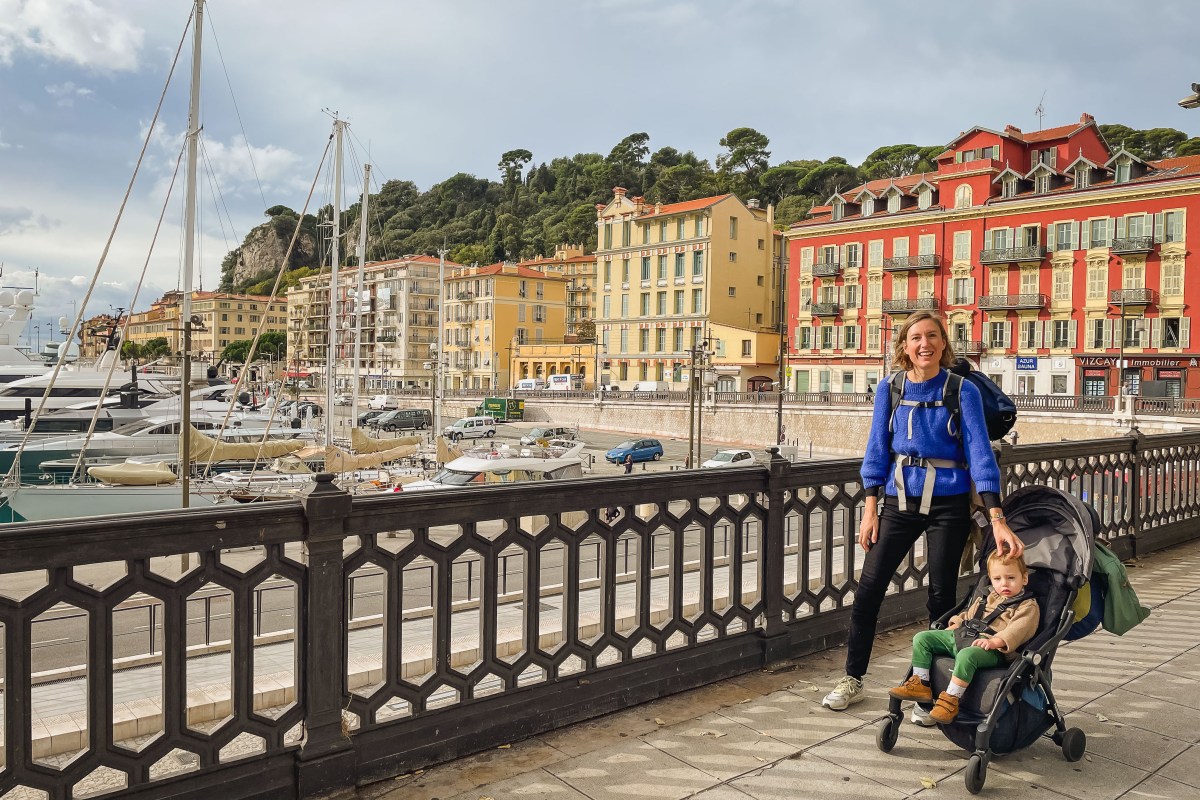
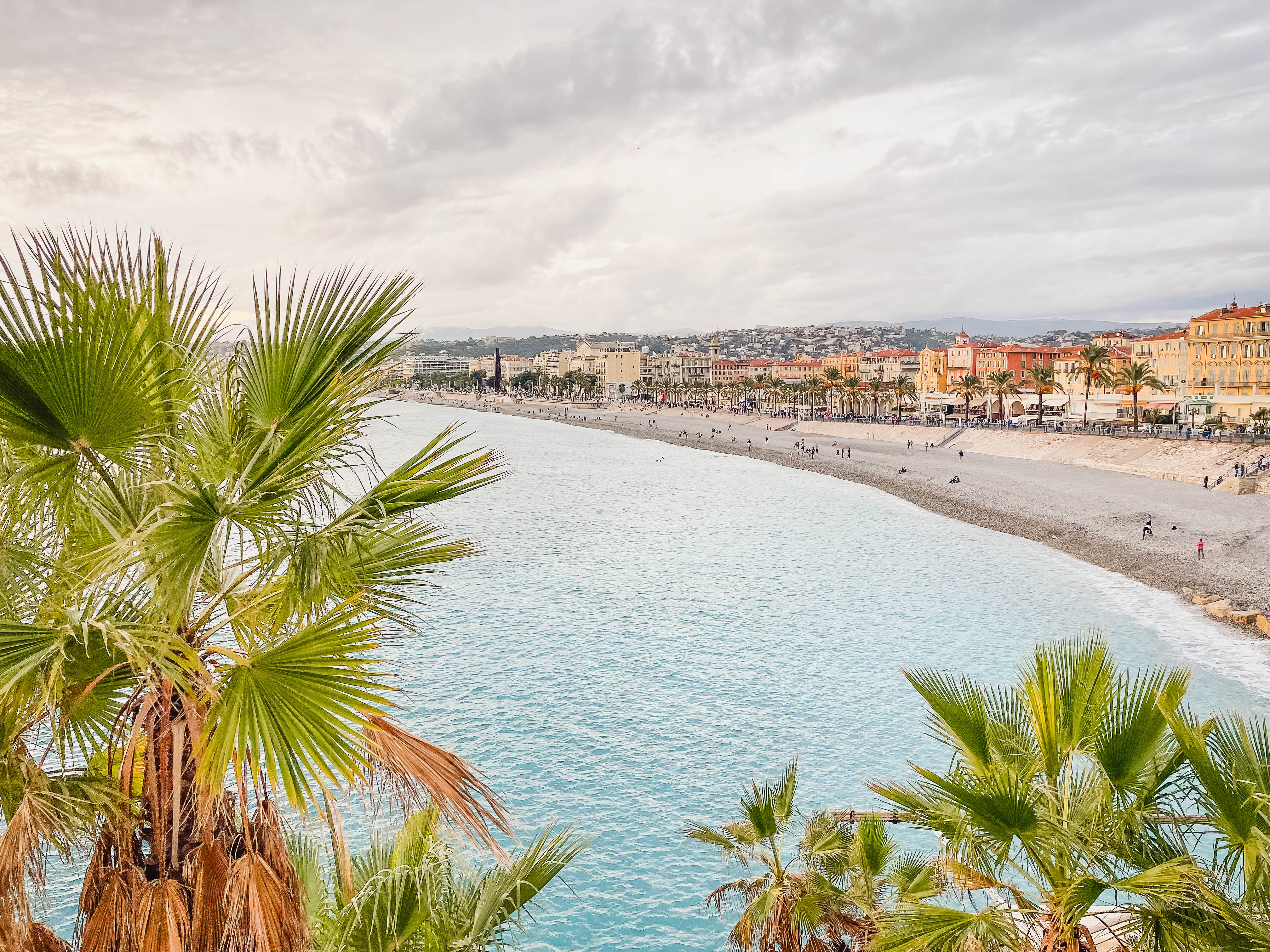
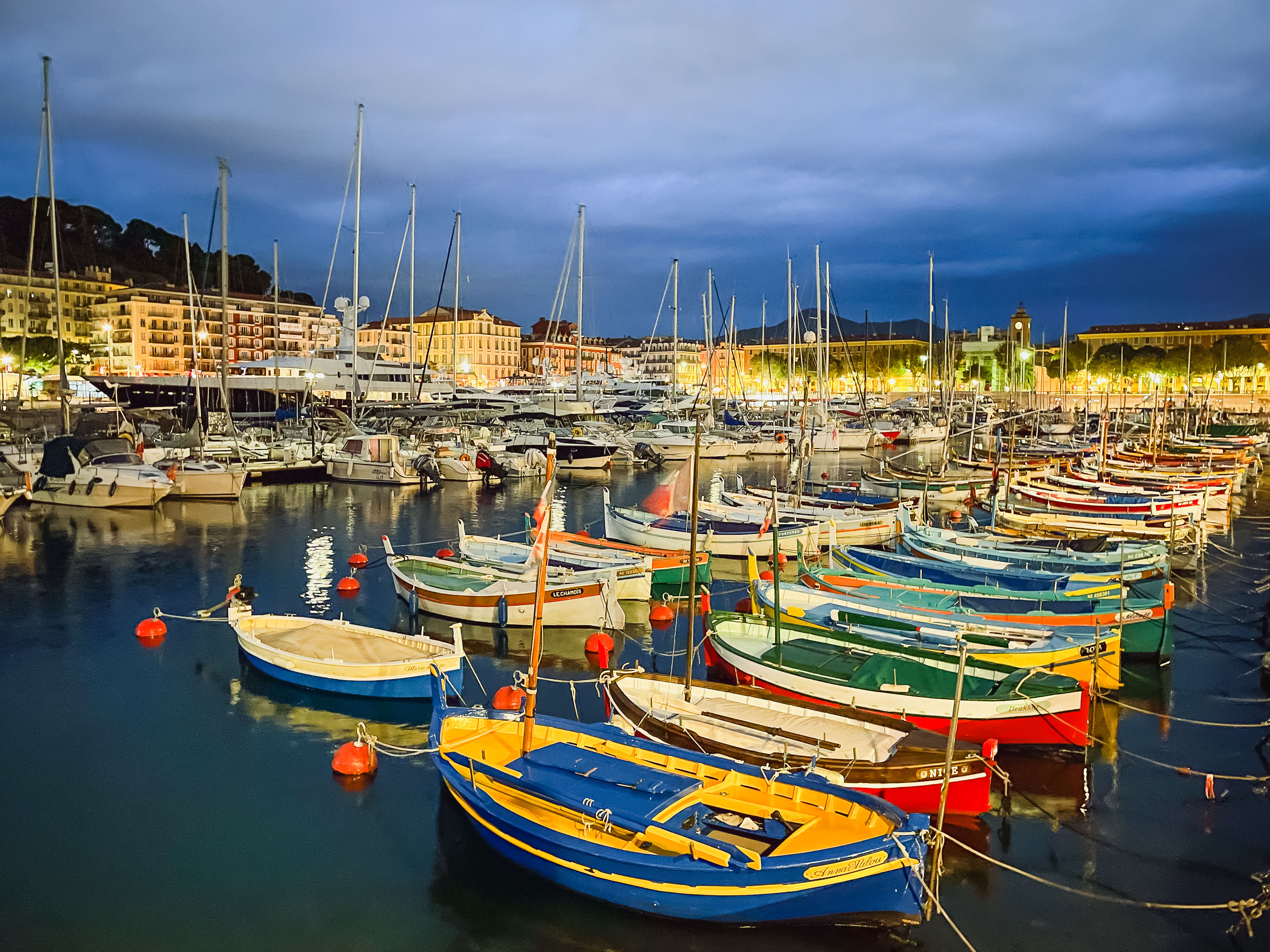
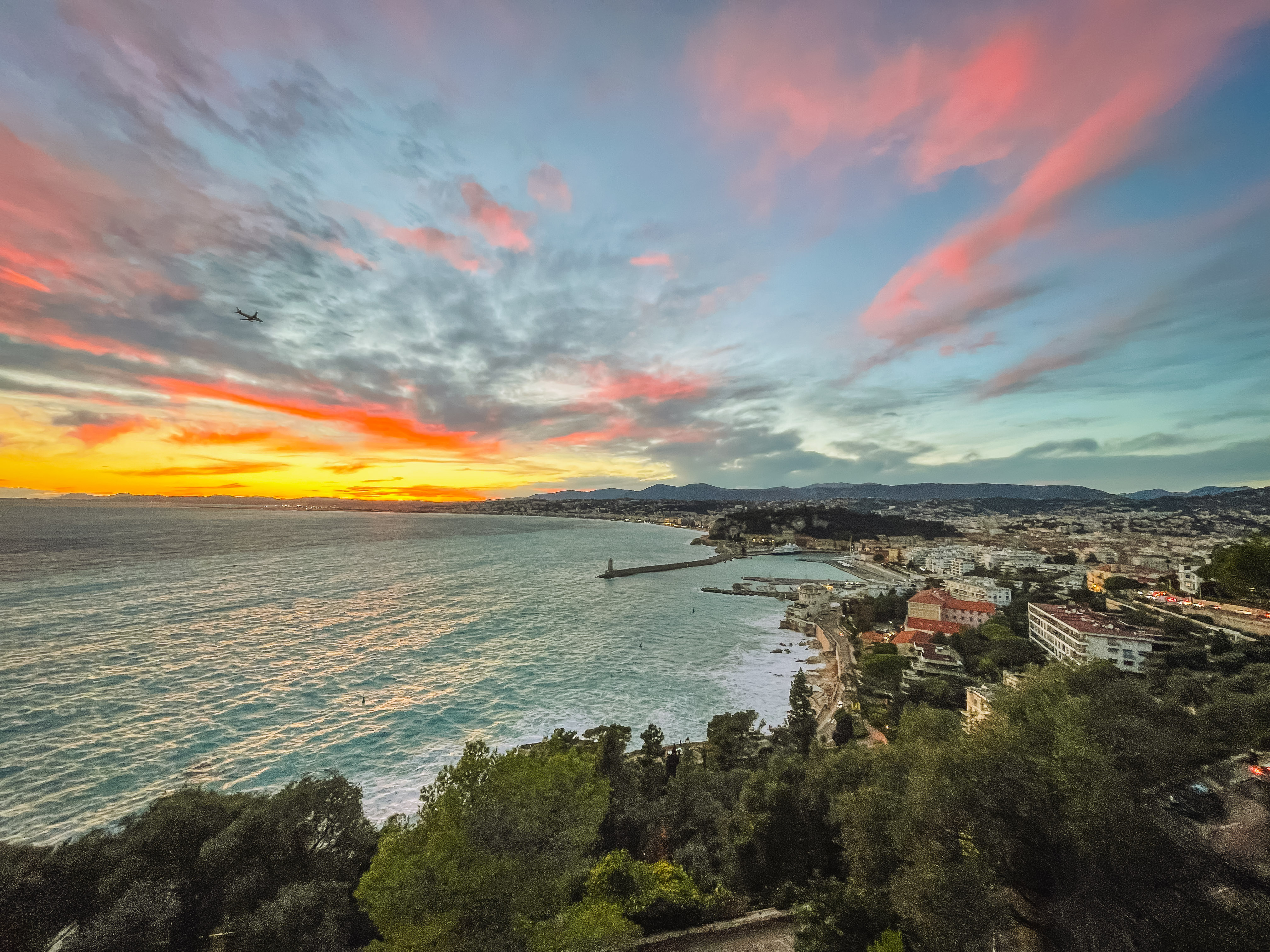
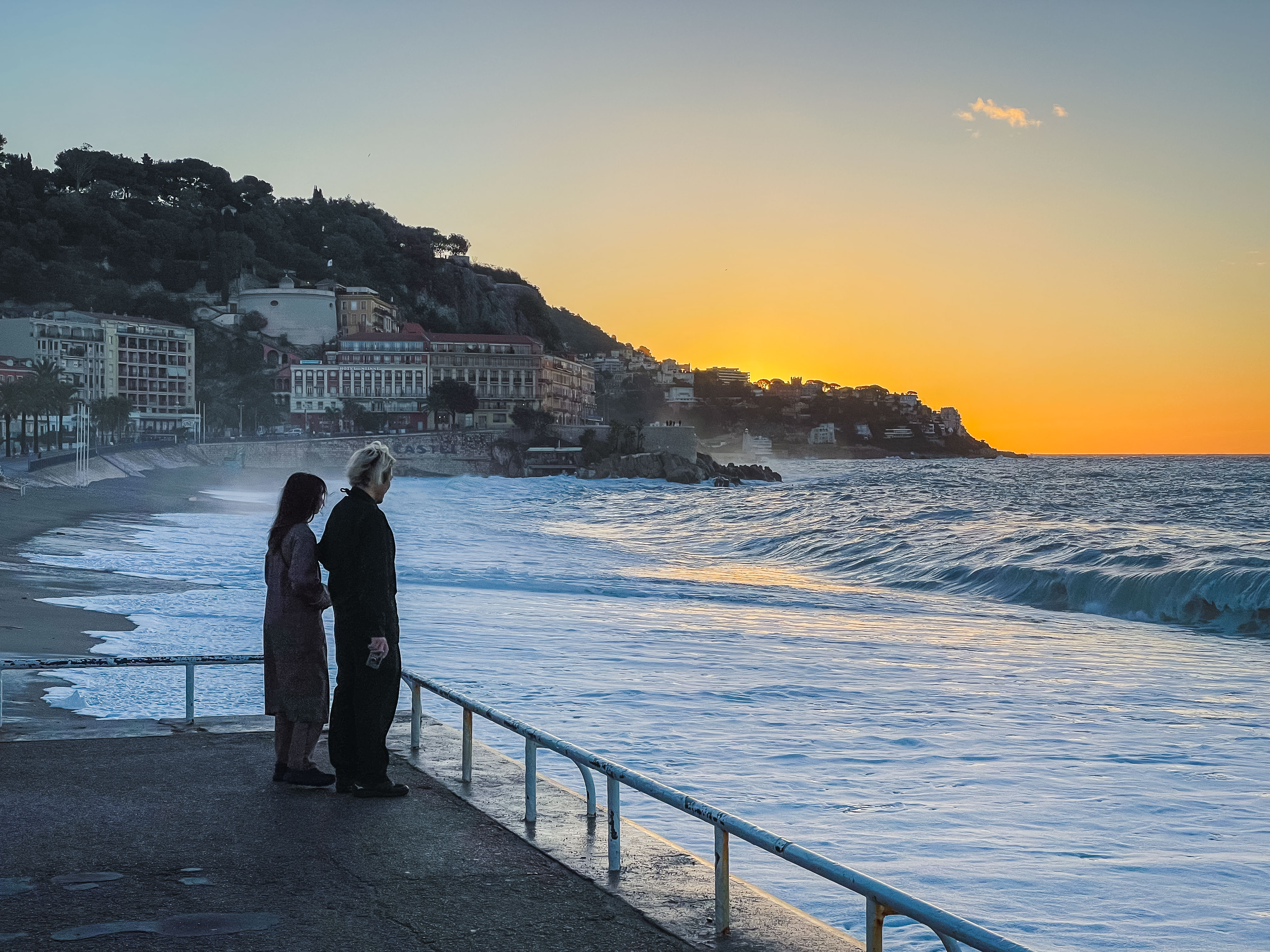
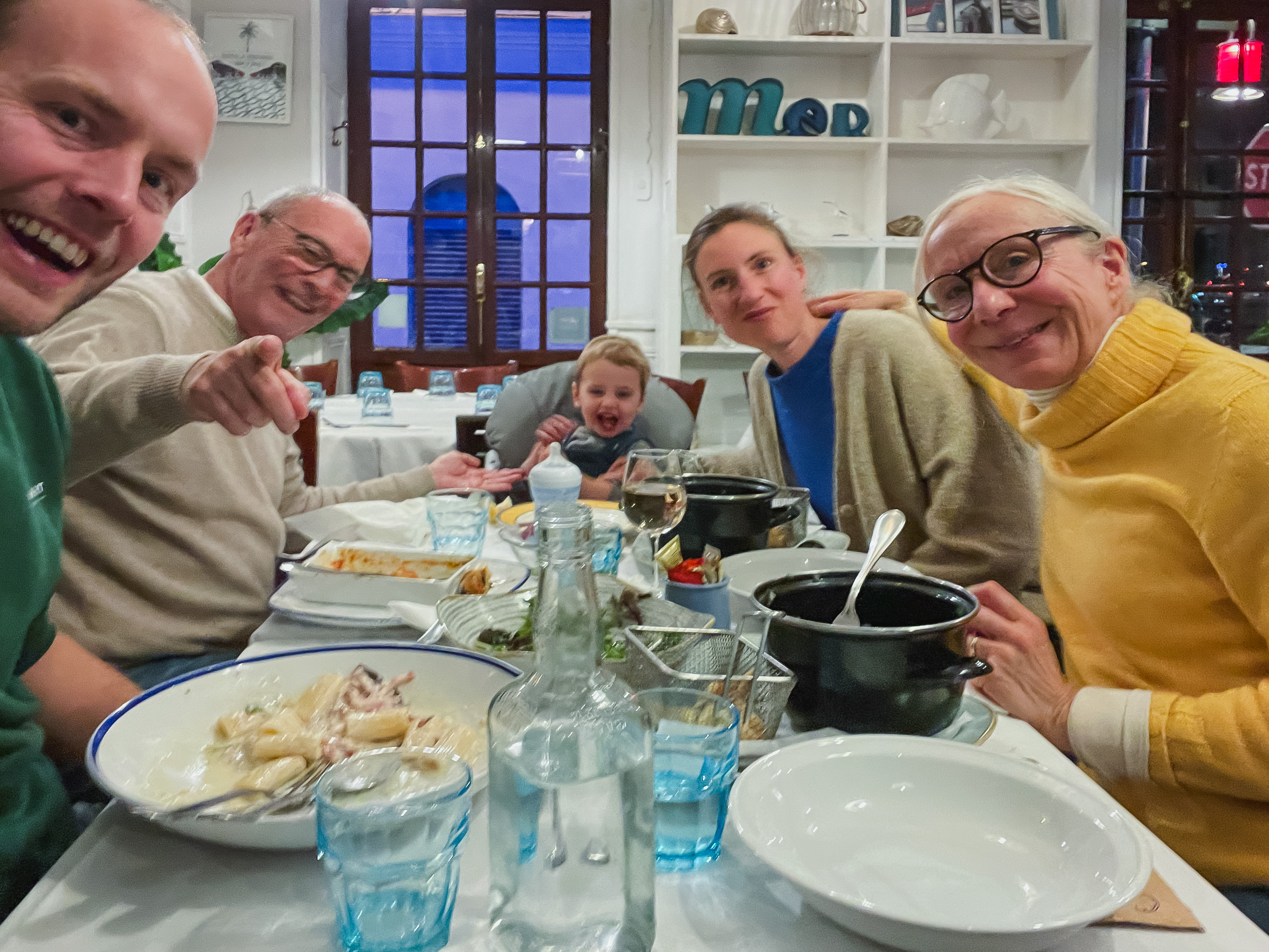
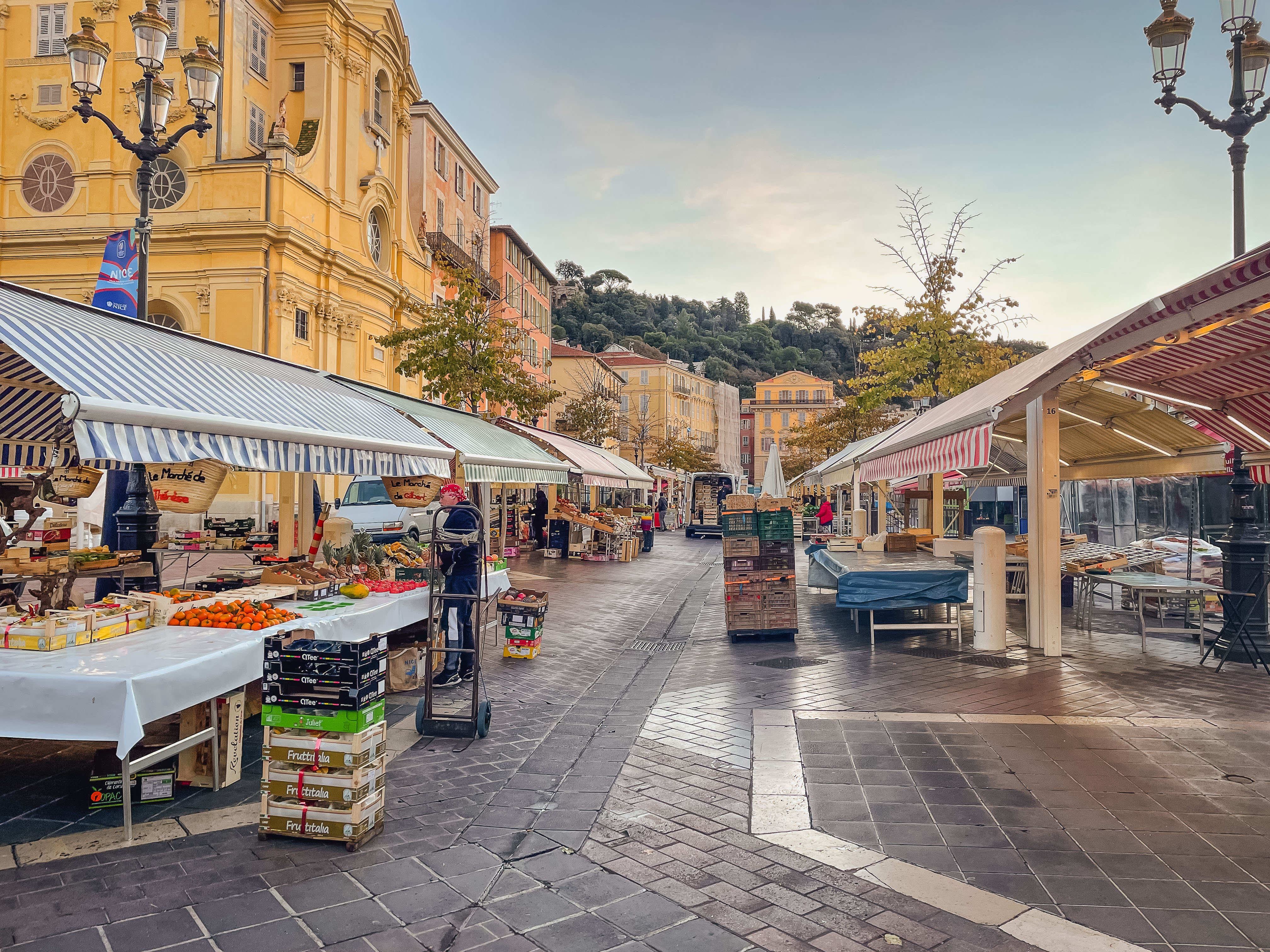
You need more sun? Last week we went to Nice by night train for 5 days, to visit my parents and catch a bit of nice weather during these autumn days.

We spent our days watching the sunrise while swimming in the sea, having a good morning run, enjoying some musea during the rain, and lots of lunches and dinners in the port and old city center of Nice.

When you go, you should immediately buy the 15 Euro museum pass allowing you to go into most of the museum for 4 days in a row. Whenever there would be a bit of rain, we would jump inside a museum: Villa Masséna, The Museum of Photography Charles Nègre, Musée d’Art Moderne et d’Art Contemporain, and many more.

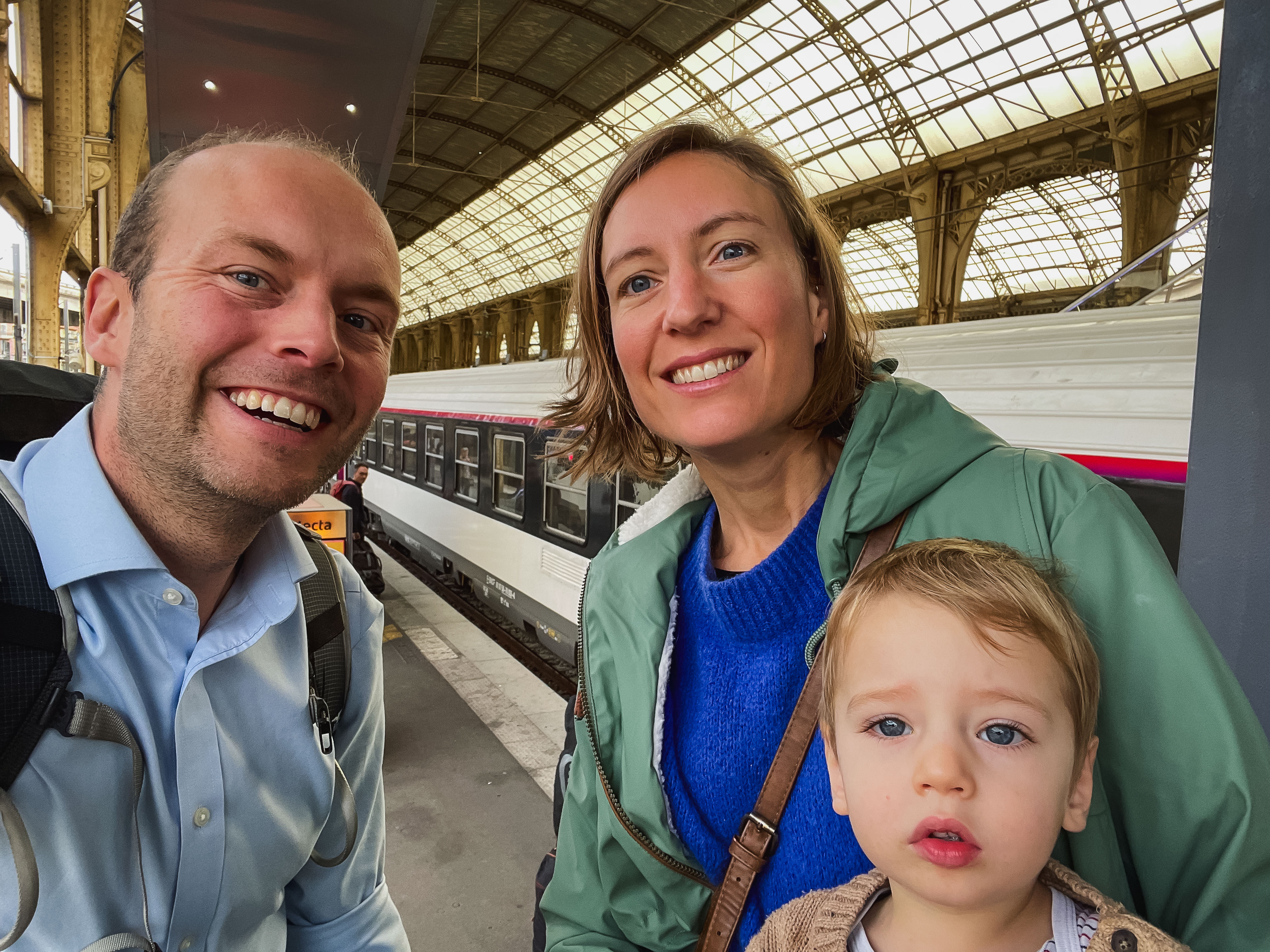
To get to Nice, we traveled by Eurostar from Brussels to Paris after work on Tuesday evening, and jumped straight on the night train to Nice where we arrived on Wednesday morning around 9 am. With an early check-in in our Airbnb by the port and late checkout on Sunday we could really take the most out of it. We took the night train back on Sunday evening around 19h to Paris. On Monday morning we switched stations to Paris Gare du Nord (by taking the subway with a direct line for 15 minutes) and were back in Brussels by 10:30. If you go with a stroller, we do recommend taking a practical travel/folding one and not your regular big one which will be too difficult to store on both the highspeed and the night train.

We have plenty of recommendations for places to go in Nice, some of our highlights were:

  • Colline du Chateau – nice views and a playing ground. With a stroller, you can go up with an elevator.
  • Le Negresco – you are only allowed in if you consume something: we walked in, asked if they could reserve a table in La Rotonde and walked around inside, with August enjoying the incredibly nice playing cars
  • Villa Masséna – amazing architecture and garden, next to Le Negresco
  • Museum of Photography Charles Nègre
  • Musée d’Art Moderne et d’Art Contemporain – in the park, nice views from the top
  • Walk to Jardin des Arenes de Cimiez – the Cimiez Monastery – Matisse museum = really nice day trip! if you go there, stroll around the Ancien Hotel Regina and all the other beautiful buildings in the neighborhood
  • Stroll around the old city center
  • Walk to Villefranche-sur-Mer via the coastal trail “Sentier du Littoral”
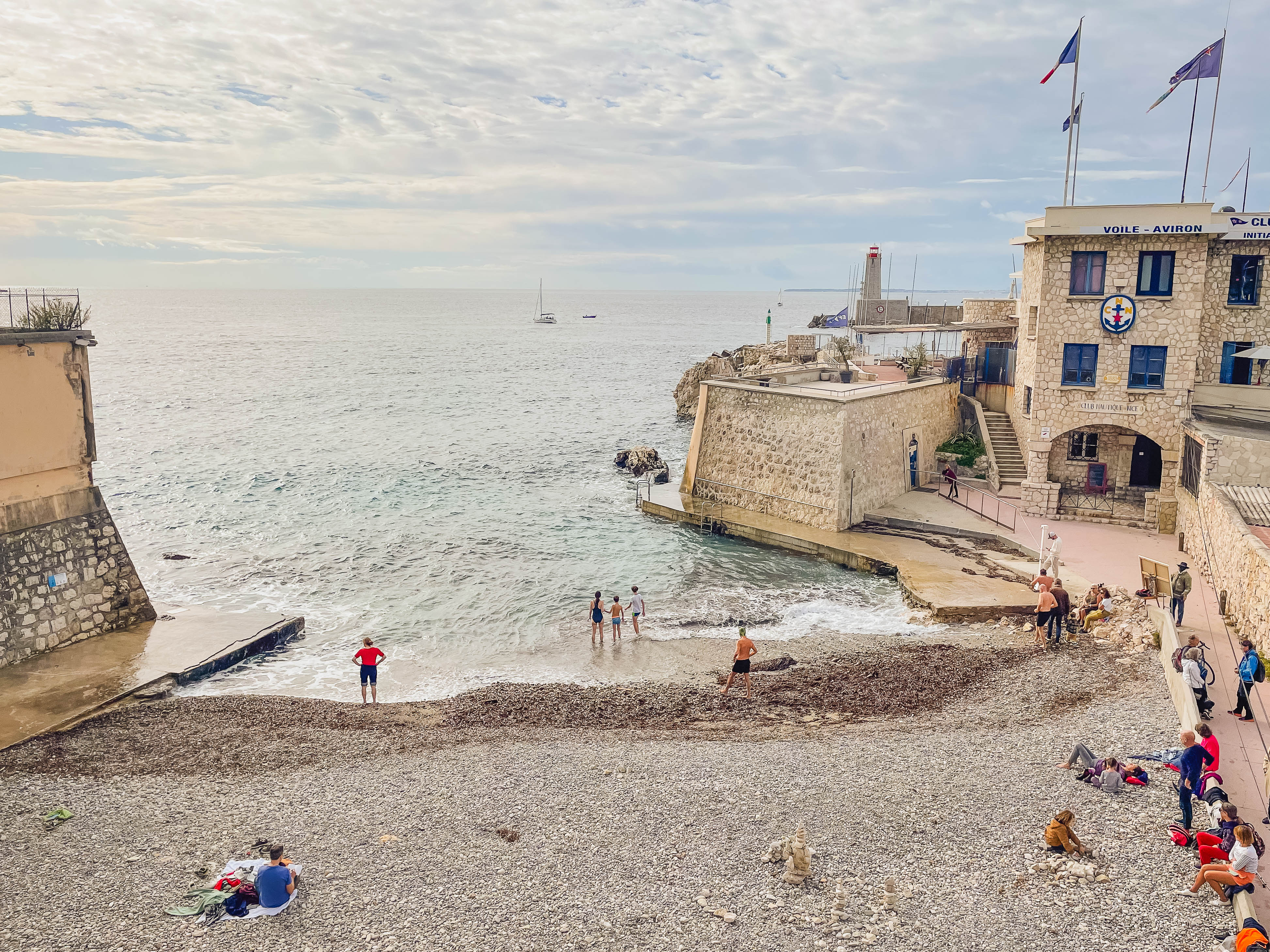
  • Swim at the little beach Plage des Bains Militaires / Le plongeoir
  • Take a morning run along the Promenade des Anglais and a swim in the sea
  • Take a morning run towards Villefranche-sur-Mer via the coastal route “Sentier du Littoral”

Restaurants

  • Le petit Lascaris – a very cozy and affordable dinner
  • Clay – for a fancy brunch
  • Campo Caffe – for a good basic brunch on a nice terrace
  • Little Boho – for a good salade niçoise on a nic terrace
  • Peixes – for amazing fish
  • La Pachamama
  • Chez Acchiardo
  • La Barque Bleue – cozy family dinner
  • Maison F – nice terrace next to the port
  • La Rotonde – for a fancy lunch, allowing you to stroll around inside of the famous Negresco hotel on the Promenade des Anglais

We stayed all together at a very nice 2-bedroom airbnb close to the port, with a big terrace and walking distance from all the highlights.

In general, there’s still quite some sun in November and December, and while bathing in November the sea water was not even cold. So, if you are looking for a good getaway to the sun during wintertime, Nice might be your place to go!

Sevilla by train from Brussels

In September we attended the wedding of our good friends Victoria & Karel in Sevilla. The obvious transport mode would have been the airplane, have tons of delays and cancelations and arrive all stressed out. Instead we adventured the other option: going by high-speed train, enjoying the scenery of France, from mountains to the mediterranean and all the way south through Spanish nature. We read books, played with August, slept, ate our picknick, meditated, talked, played games and dreamed away…

The trajectory was simple but expensive: 275 EUR per person one way.

  • Brussels – Paris Nord (D1 – 29 EUR)
  • Paris Gare Lyon – Barcelona (D1 – 122 EUR)
  • Barcelona – Sevilla (D2 – 124 EUR)

We booked the trip via sncf-connect.com (where you should get a “carte avantage adulte” to get more discounts!). You can do this exact same trajectory in a single day, leaving Brussels around 6h30 in the morning and arriving in Sevilla around 22pm in the evening. The connections are tight but possible if there’s no major delays.

There’s also an option with a night train between Paris and Perpignan, but since we had August, our one year old baby with us, we chose to split the trip in two each time and stay for the night in Barcelona. It was a good opportunity for Tine to see some friends back and take a rest.

To enjoy the trip we took the baby carrier (draagzak) instead of the stroller. We spent a lot of time in the bar car where August could play on the floor with a couple of simple toys, or sleep in the carrier on our breast.

Since the journey was quite long, spread over two days, we decided to stay longer than just the weekend and added a yoga retreat in Suryalila and a visit to Cadiz. For those who enjoy veggie food, yoga and nature: this is heaven! We stayed in the glamping tents, did yoga every morning at 8am, enjoyed the best all-inclusive veggie buffet I have ever seen, read books by the pool, went for walks and just enjoyed life at its purest.

Our highlights in Sevilla:

  • Real Alcazar
  • Catedral de Sevilla (and the view from its tower)
  • Setas de Sevilla
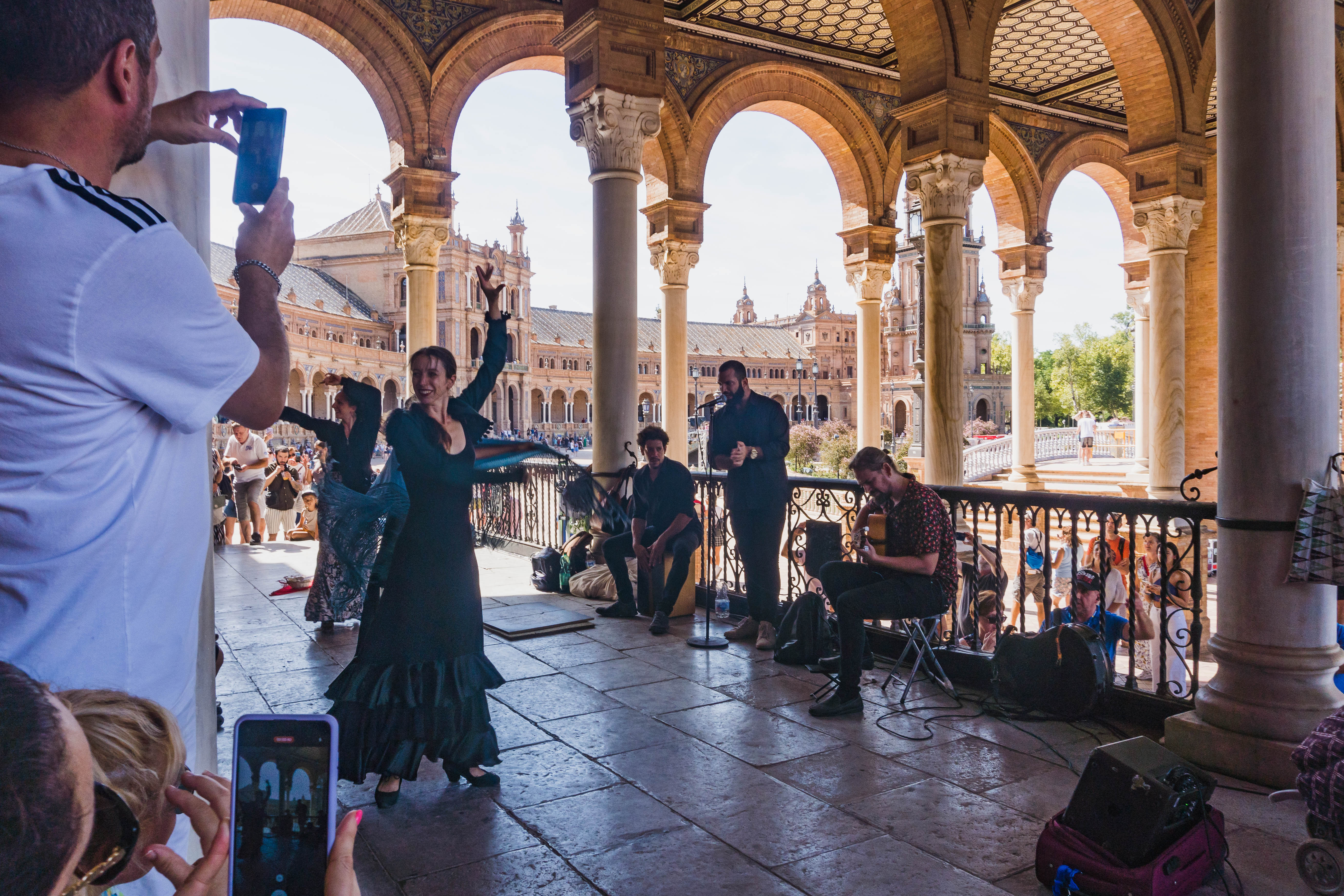
  • Plaza de Espana
  • Restaurants: El Disparate (& rooftop); Espacio Eslava

Our Highlights in Cadiz

  • Torre Tavira (amazing view and camera obscura guided tour)
  • Restaurante Contraseña
  • Breakfast in Restaurante Café Royalty
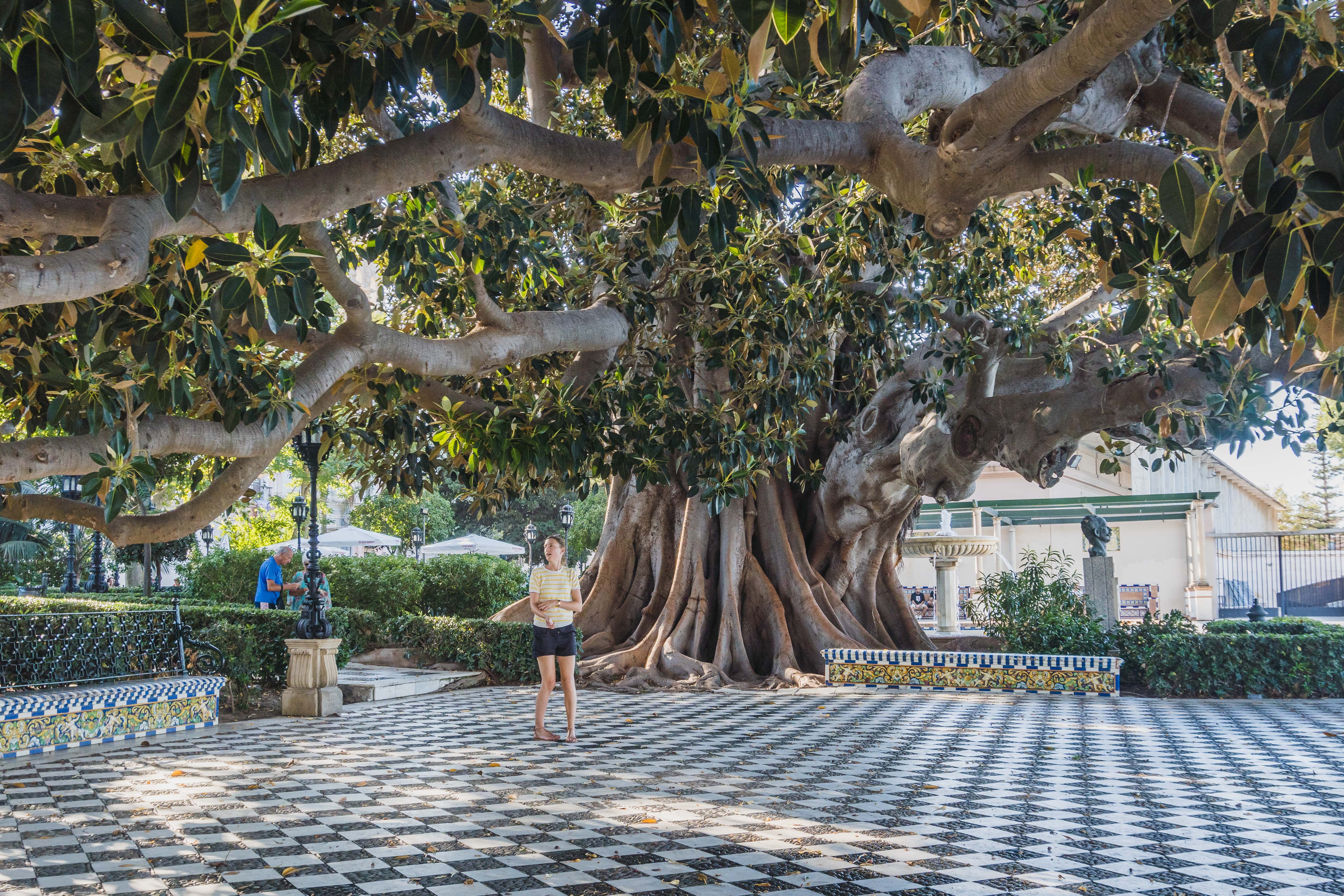
  • Jardines de Alameda Apodaca

For August we brought most of his stuff in our backpacks and bought extra milk and food in the local bio stores in Sevilla. To sleep we have a little 2″ baby tent that is way more portable than most of the travel beds for babies. We would certainly recommend this instead of a normal travel bed to anyone that likes to go on adventures. The baby carrier came in really handy, but when we arrived in Sevilla we did have a stroller that my parents brought along in their camper.

Stay tuned for our next adventure: The night train to Briançon with little August along… we are very curious ourselves if August will be able to sleep or will keep the fellow travellers awake all night…

Snow walk in Gedinne

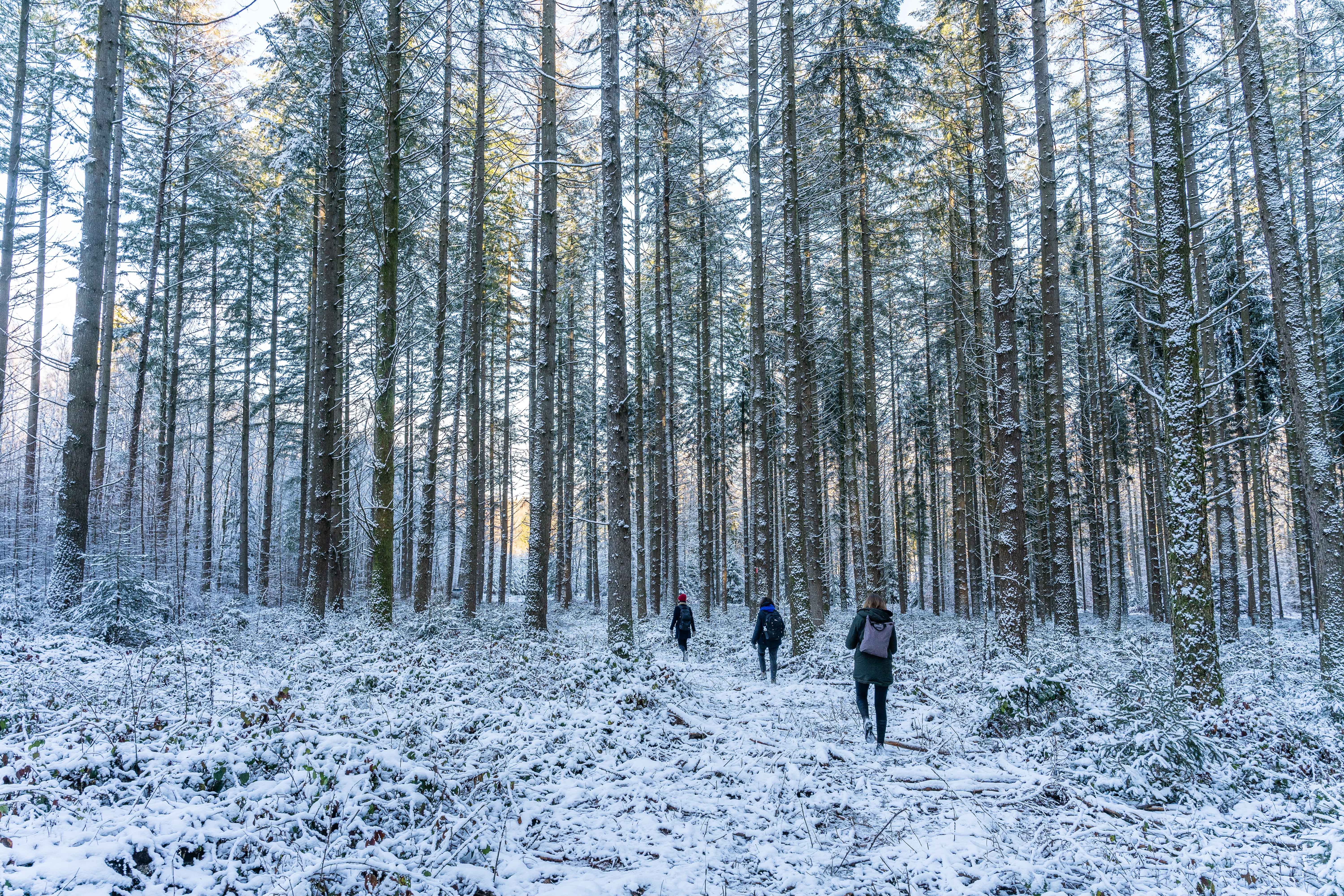
You want to go for a good hike in the woods (with or without snow)? You’re looking for the magic of the first snow in the Ardennes?

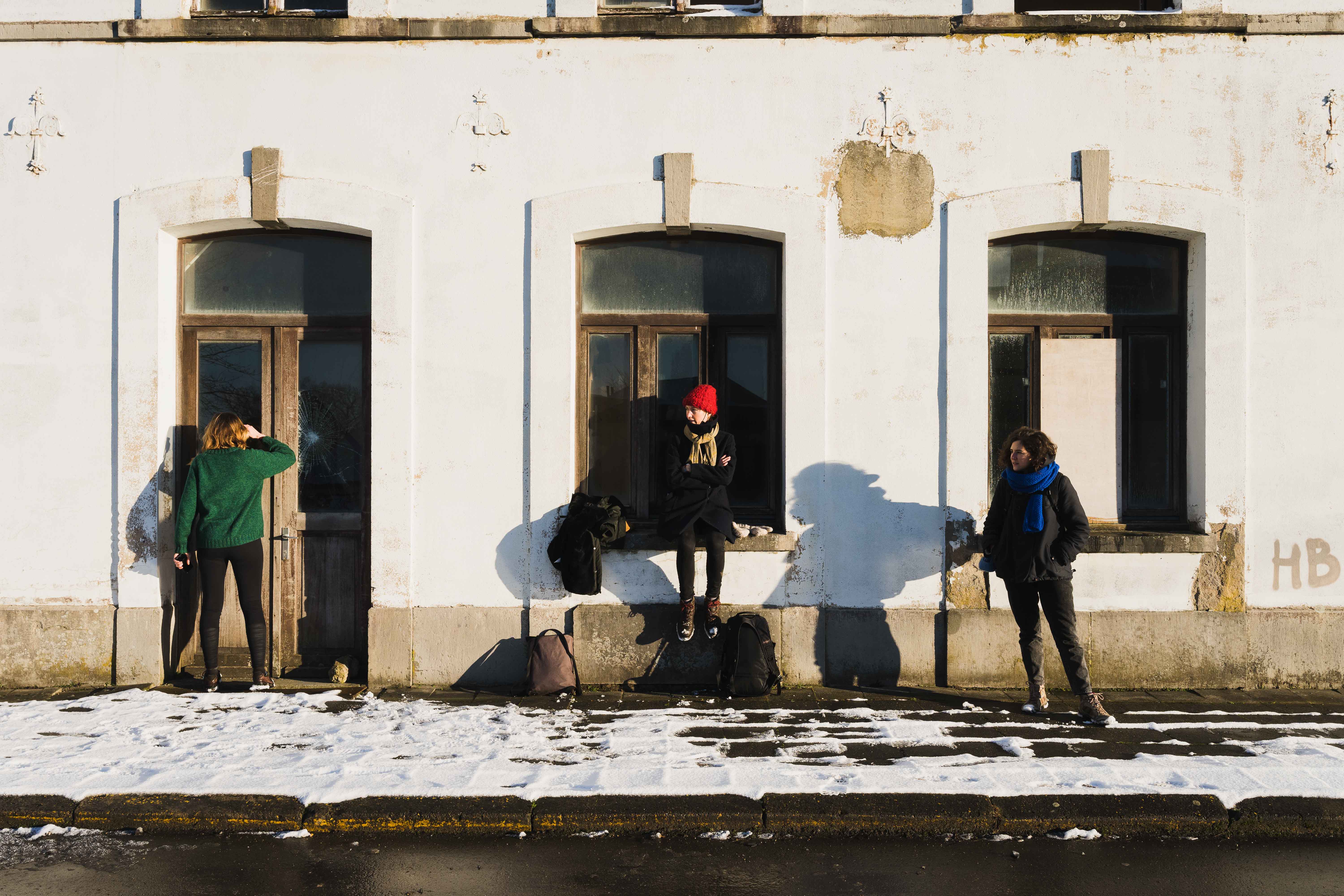
Chances of hiking in the snow are bigger the more you go to the South of Belgium. So in January earlier this year we took a train from Bruxelles-Luxembourg, made a switch in Namur and continued until Gedinne. The switch in Namur was just long enough for Carmel, Hanne and Tine to grab a coffee to continue our breakfast on the train while enjoying the view. The route between Namur and Gedinne is particularly beautiful with views on the Maas and Lesse. Even if you would not get off, it’s worth going just for the sightseeing part from the train.

When we arrived in Gedinne we started walking towards the East, following some small paths that were shown on Komoot (hiking app), towards the “Monument pour les morts de Maquis”. We just tracked time and made a random loop in the woods so that we could do a 3 hour hike and get back at the same station afterwards. It’s best to take a picknick, since we actually did not see a single restaurant or shop for the whole hike. If you make your tour bigger you could build in a stop at one of the gites around, but best to check in advance if they serve food at noon.

It’s an easy and beautiful trip. Make sure to buy the weekend ticket or your NMBS Multi card and prepare a nice breakfast and lunch picknick.

Lustin safari

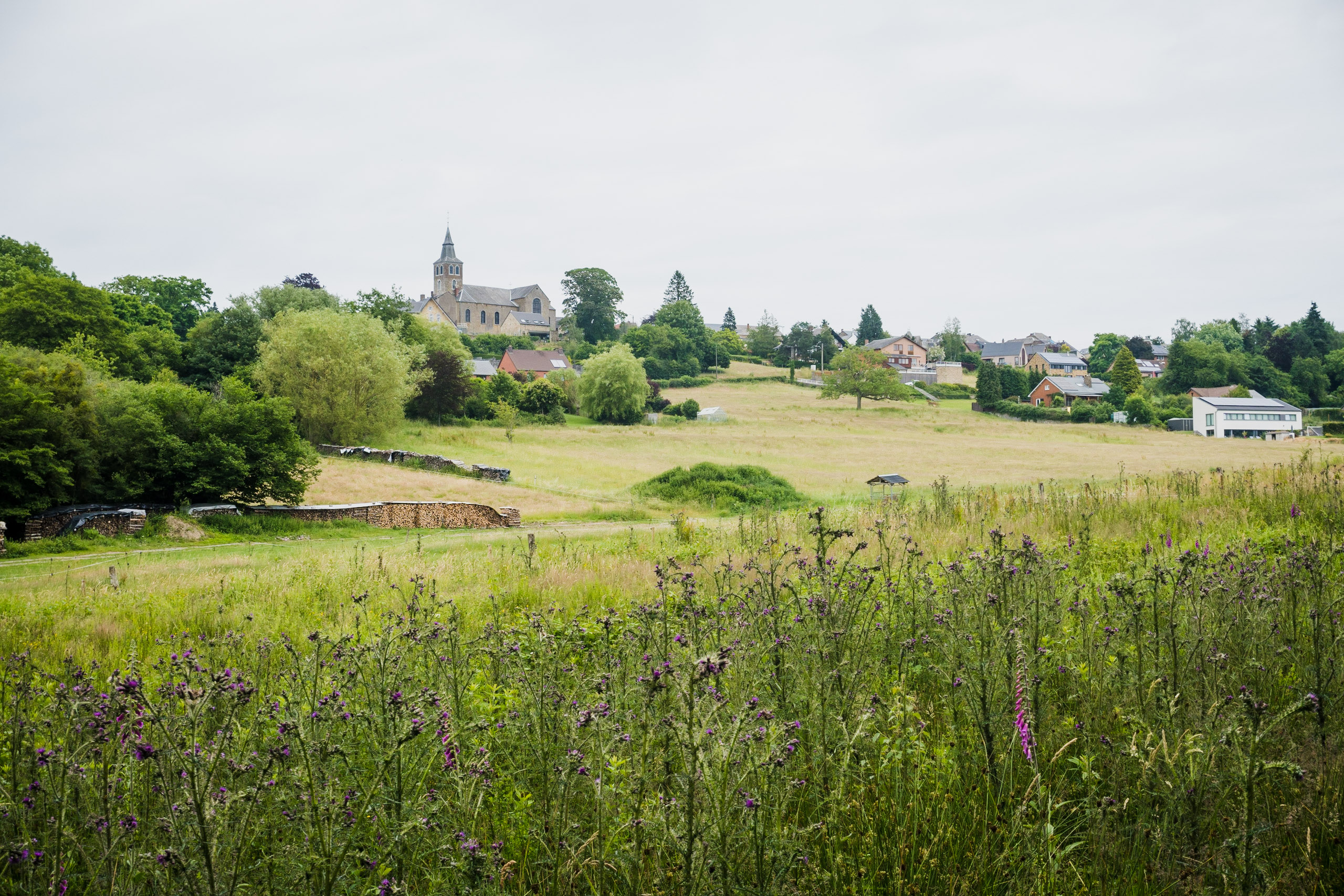
Some months ago I booked a surprise weekend in Lustin, close to Namur. To get there we jumped on the direct train from Brussels-Schuman to Lustin and took our folding bikes along. It took only 1h13 minutes to get from Brussels into this lovely spot in nature.

With a weekend ticket you pay only 12,20 EUR p.p. going and back, only downside is that it requires you to leave Brussels after 19pm on Friday evening.

We stayed in La Fête au Palais, a small hotel on top of the hills next to the Maas river. The boss kindly picked us up at the railway station to bring us up the hill (inform him in advance). The hotel is no-nonsense and nice. The rooms with terrace towards the river are a pleasure to hang out and cost 109 EUR/night. You want to reserve well in advance since it’s fully booked most of the year. The restaurant of the hotel has a beautiful terrace so on Friday evening we ate at the restaurant of the hotel.

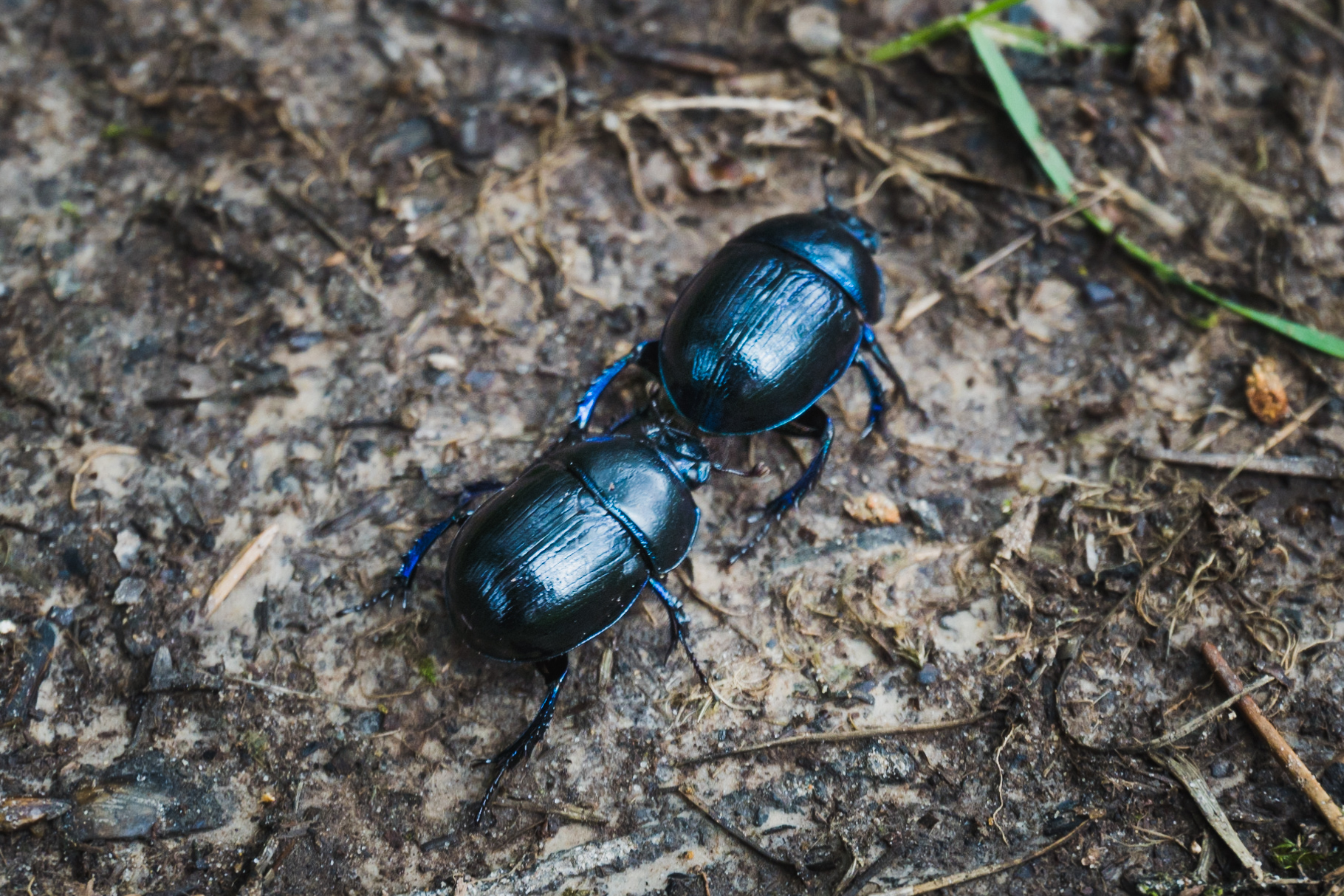
While going on a hike on Friday afternoon we encountered a small snake and some lovely shiny cockroaches… The big surprise came in the evening in front of our room when we heard some nibbling noises and got to see some beautiful racoons. They are a true ecological problem in Europe since they are an exotic species disbalancing nature by killing too many birds, squirrels and lots of fruits and plants. Apparently there’s hundreds of them in the Belgian Ardennes.

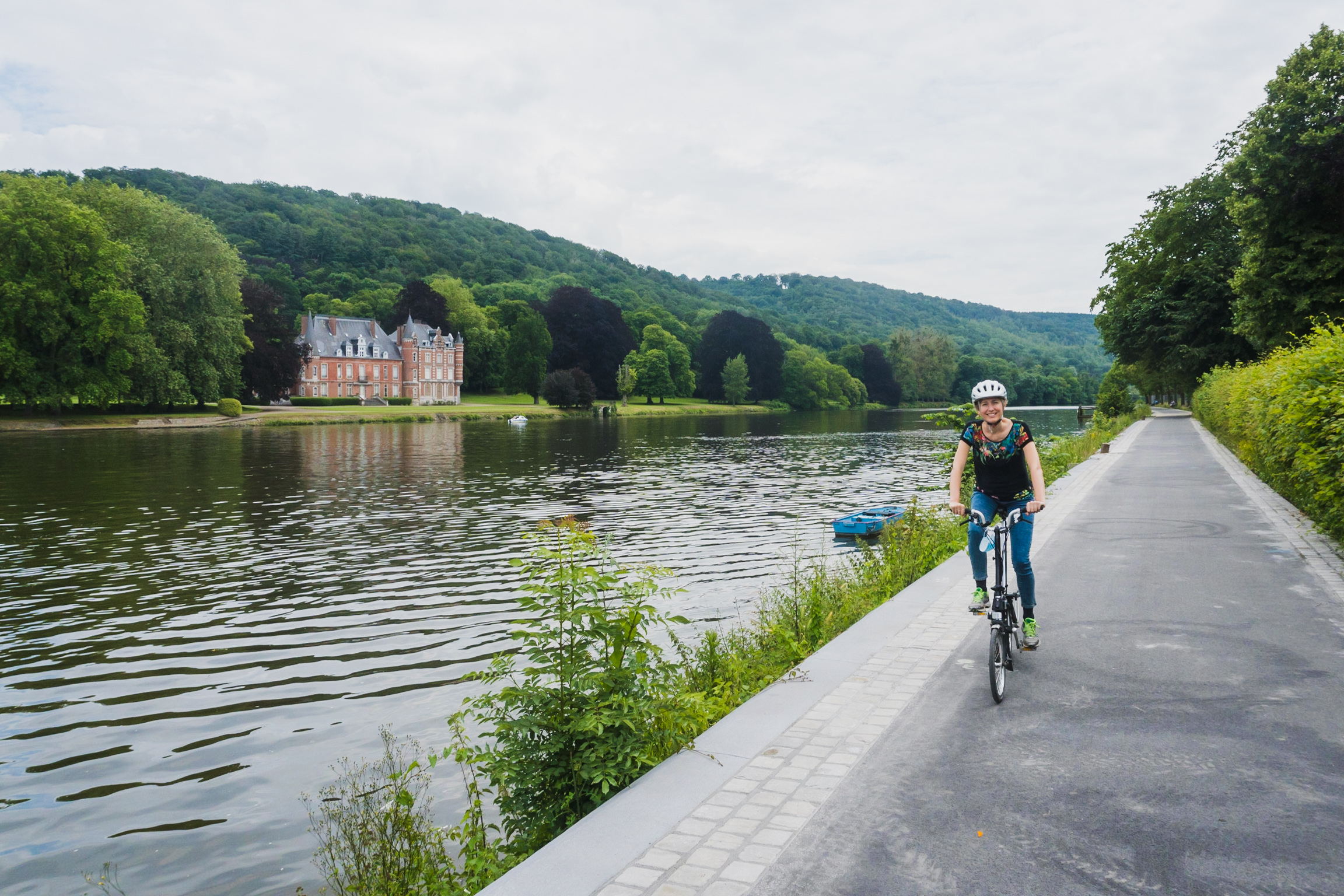
After a good breakfast in the hotel, we filled our Saturday with a nice hike and a long cycling trip along the Maas river. We cycled from the hotel all the way to Namur. Made a stop to picknick, chilled at the local hipster beach bar ‘The Flow‘ and cycled back. In the evening we ate at Pizzeria Venezzia, the local restaurant in Lustin, which is at walking distance from the hotel, following a small hiking trail.

On Sunday we first took a walk in nature, following the local tracks indicated through the woods. In the afternoon we took our bags from the hotel and rolled down the hill by bike.

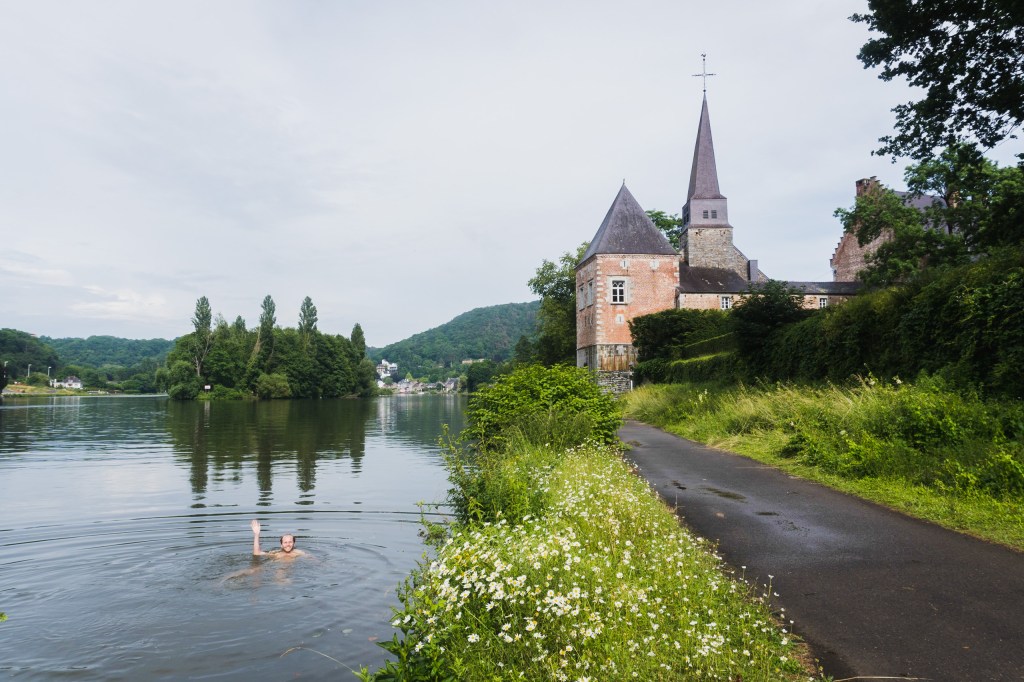
As you might remember from other blogposts, I enjoy swimming in rivers… The Maas river is a very beautiful and calm river to swim in, with stairs all along the riverbanks.

We followed the Maas river until we got to Yvoir where we took the train back to Brussels (eating vegi takeaway on the train from Jin Xiu next to the station).

All in all, it’s an easy trip from Brussels and a perfect escape into nature both in summer and wintertime. There are also airbnb’s around the railway line from Brussels-Schuman to Lustin. On the hills around the Maas there’s a lot of forests with hiking routes to discover. No excuses to stay in the city!

Dreaming of the Snow train

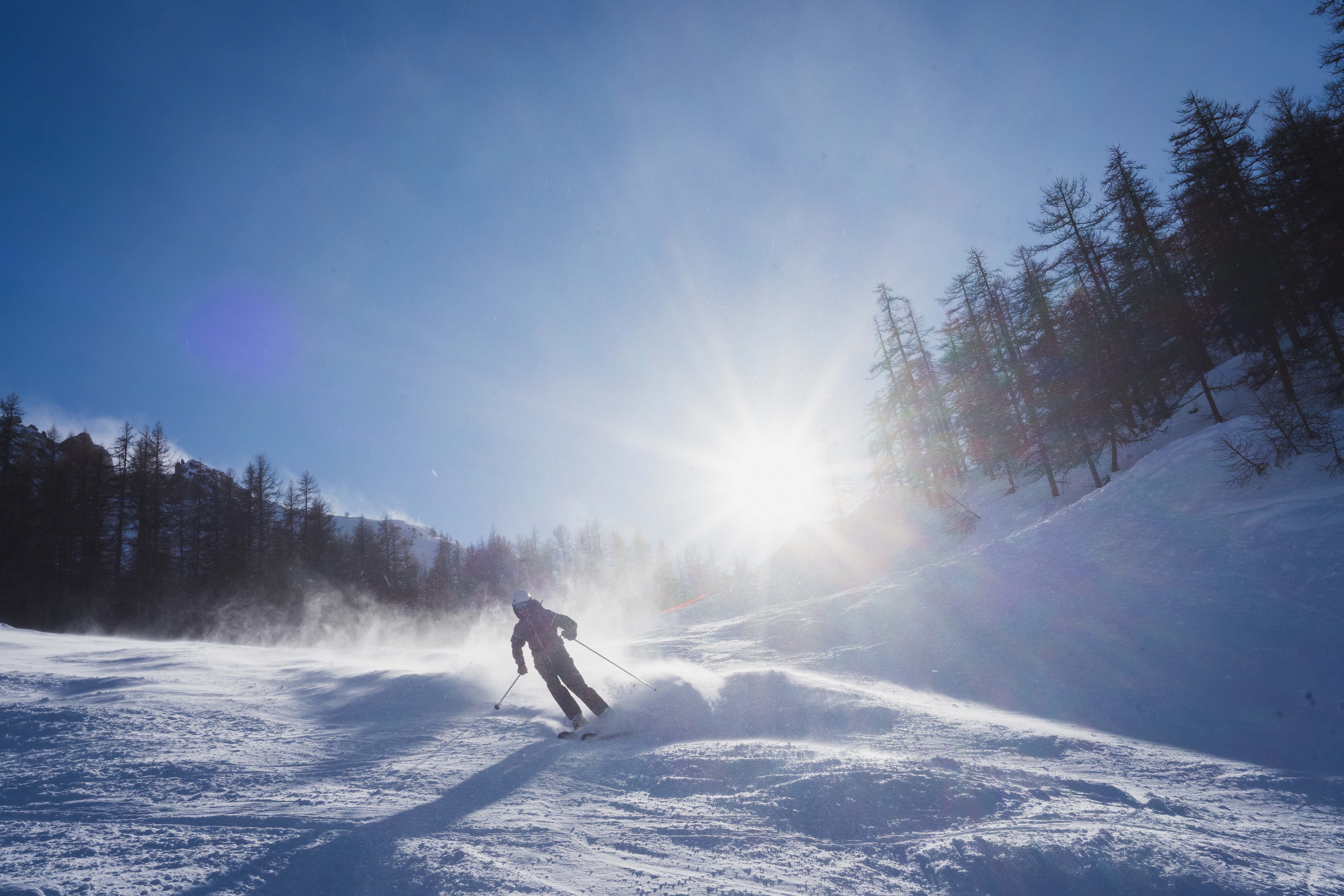
Just before the Corona crisis started to break through we took a train to the Alps. Let’s just dream away to what will be possible again after this is all over.

Leaving Belgium to go skiing was easy. Tickets for the Thalys from Brussels to Paris are sold as from 25 EUR (or 7 EUR with the Izy). Our friends took the direct Thalys from Antwerp to Paris. A nice bed in the night train from Paris to Briançon is sold as from 25 EUR as well… So if you’re really short on cash and flexible in the timing you can get to the Alps for 64 EUR going and back. That’s not bad, right?

LL_01_DSC07108

We left Brussels in the late afternoon around 17h starting with an apero in the train. At 20h10 the night train left Paris Austerlitz where we enjoyed our pick-nick dinner and a bottle of wine with friends. The next morning we woke up with the sun in our cabin and the mountains sliding by.

LL_02_DSC07122

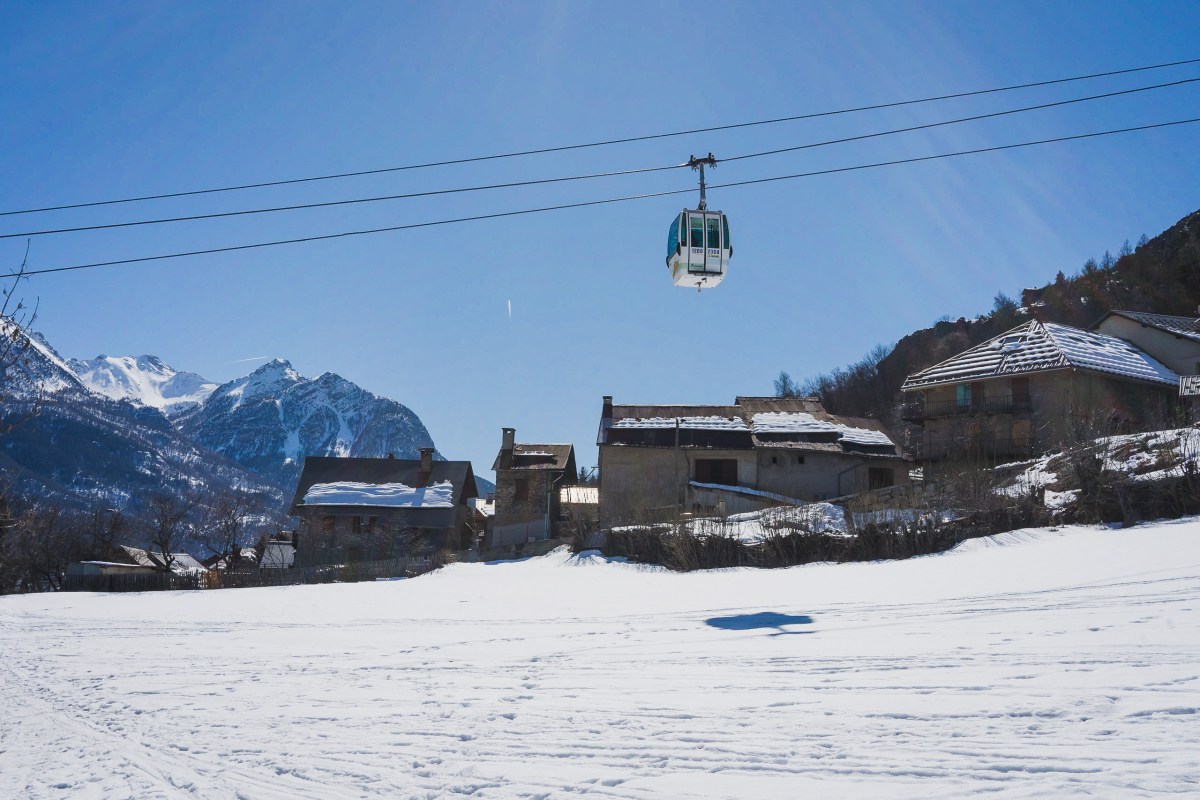
Arriving in Briançon you end up at a 10 minute walk from the telecabine and the ski slopes. There’s plenty of airbnb and hotel options around so that shouldn’t be a problem either.

DSC07148


LL_04_DSC07157

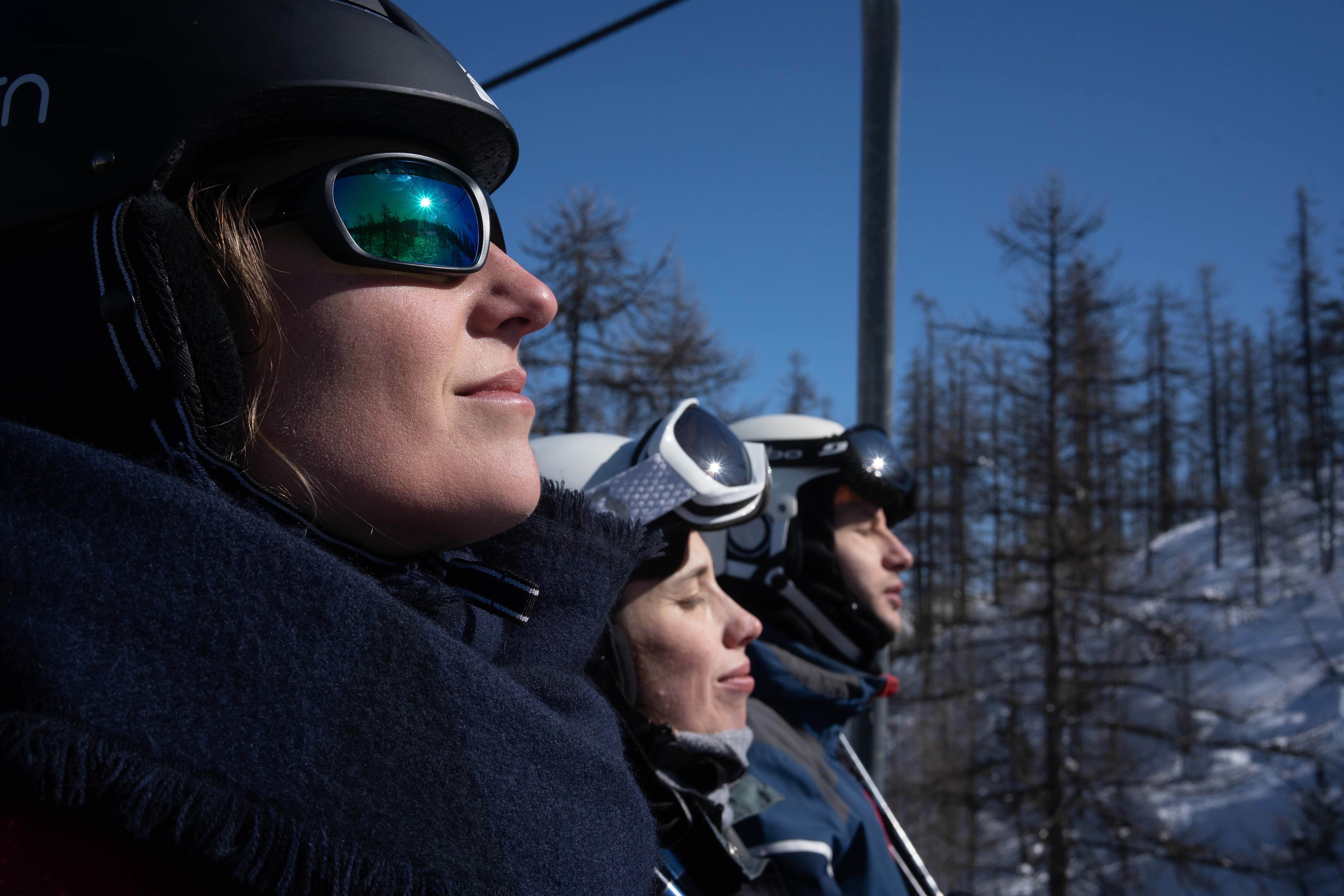
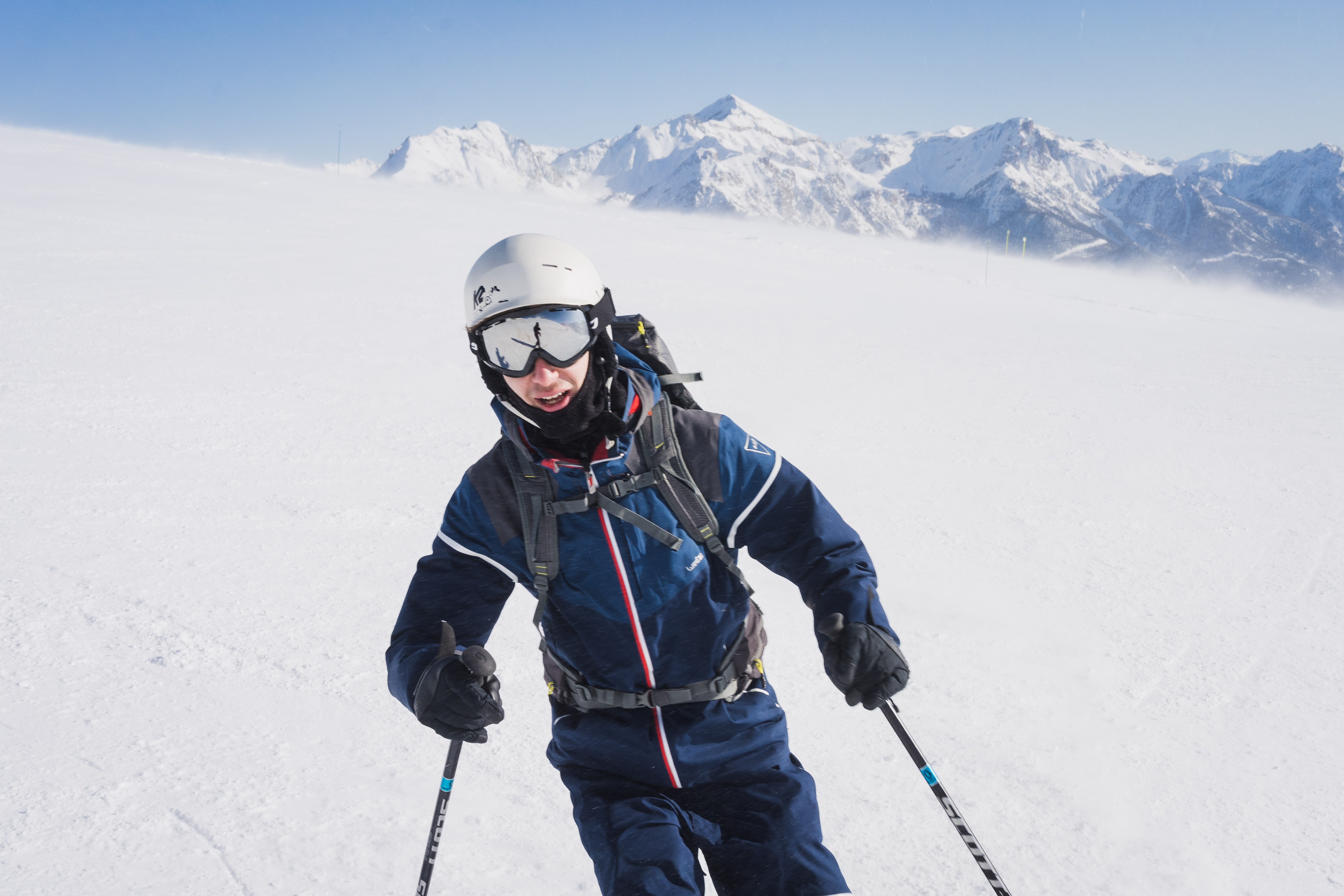
And since Sofie and Bart were there for four days only we hit the slopes of Serre Chevalier the very same morning. If you go for skiing it doesn’t promise to be a cheap holidays: around 50 euros per day for the ski pass and 25 euros for the material.

LL_06_DSC07167

LL_08_DSC07208

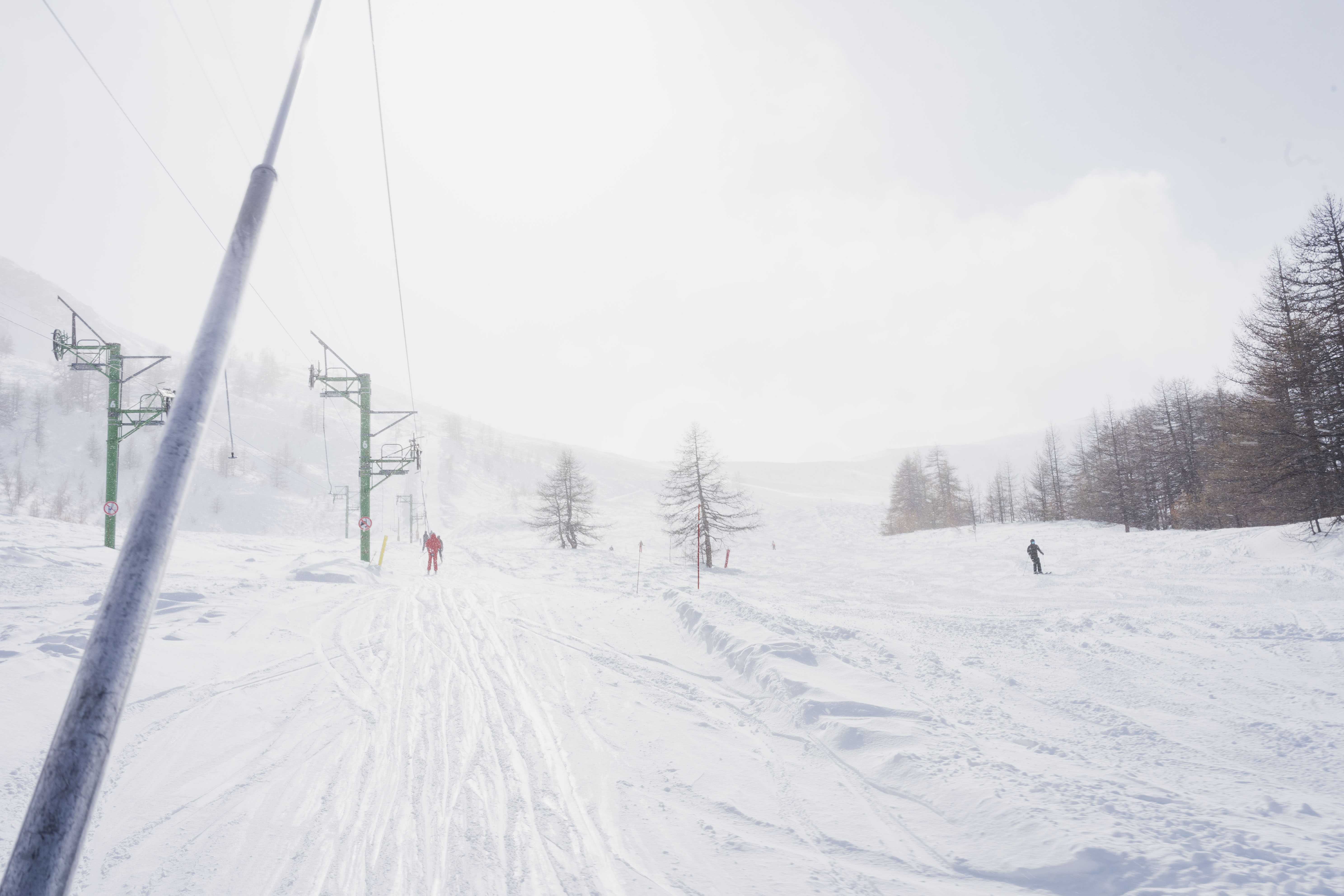
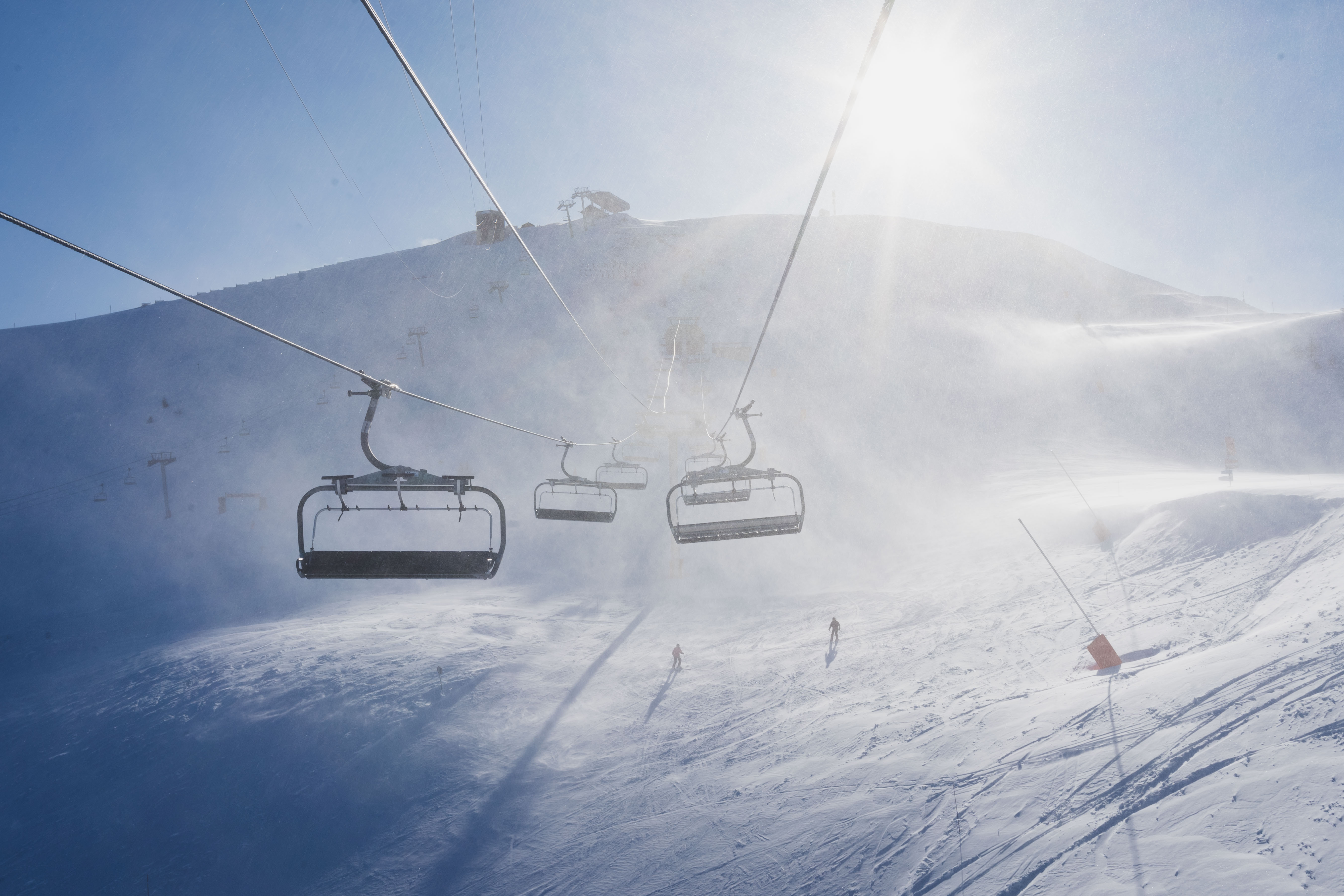
The slopes of Serre Chevalier are maintained very well (or we were very lucky with the snow and weather conditions). Only minor point was that “due to the wind”, a crucial ski lift was closed multiple times, so at closure time we couldn’t go back to our starting point without taking the bus.

LL_10_DSC07272

LL_15_DSC07338

This must have been more or less the point where we washed our hands that often to avoid Corona, that it started to hurt.

LL_19_DSC07528

LL_21_DSC07634

LL_22_DSC07656

With enough sun it was a pleasure to relax on the many chalet terraces. Contrary to the big après-ski scene in Austria or other resorts, we kind of had to stick to the “during”-ski terraces here.

LL_23_DSC07718

Even though Brainçon might not be known for the après-ski, it has many good restaurants:

  • Chez Maria (always fully booked, so reserve in advance)
  • Le Pied de la Gargouille (an impressive menu based on local products only, from the close-by vegetable producers, wine makers, cheese makers, …)
  • Restaurant L’Etage
  • Maison de Catherine (Puy-Saint-Pierre, also the place where I stayed last time when I came to Briançon)

LL_12_DSC07287

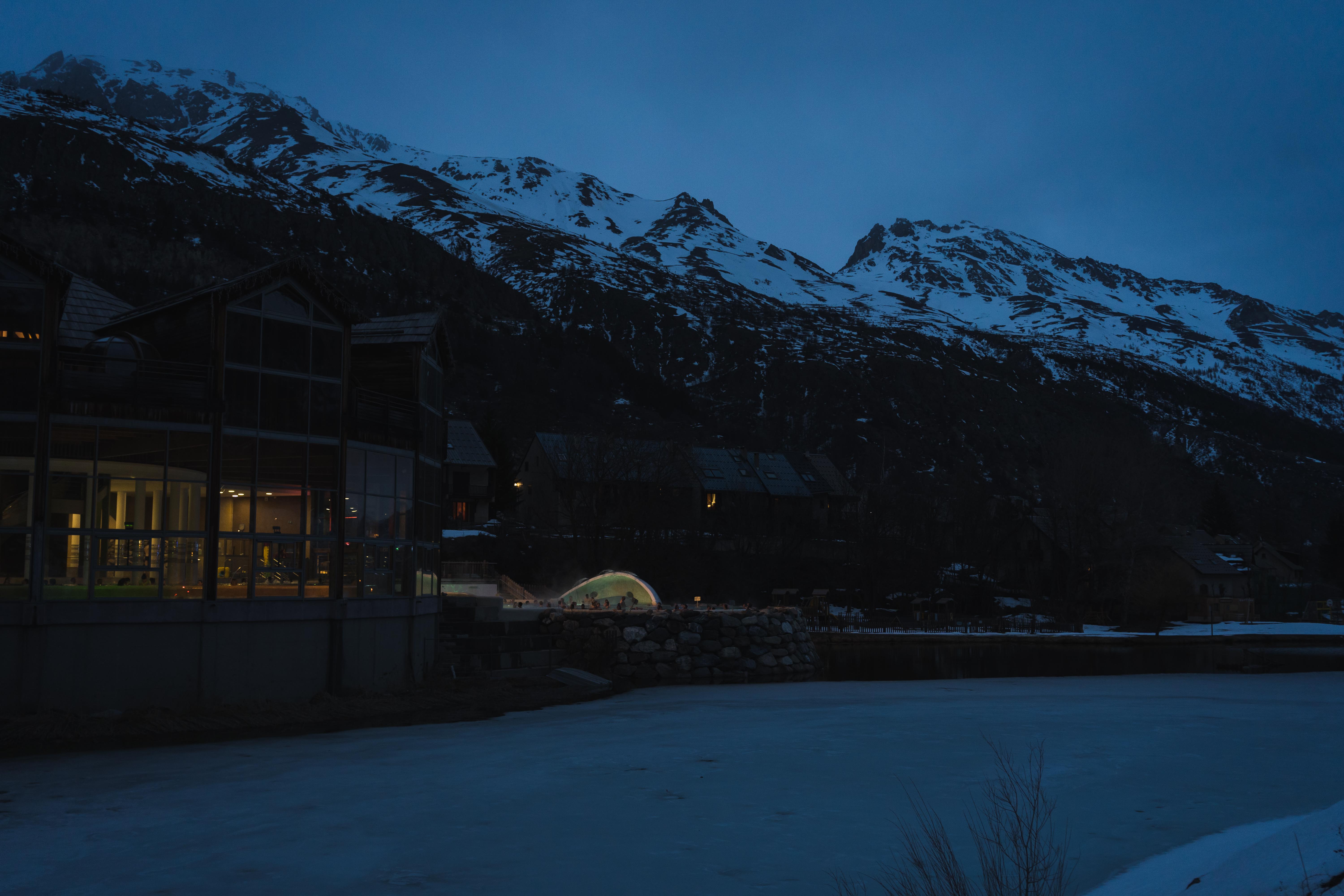
After four days our friends returned home with the night train and we spent another three days enjoying the Alps in a different way: relaxing, reading, hiking and some bathing.

LL_24_DSC07781

On day 5 we hiked uphill from Puy-Saint-Pierre, through hiking trails into nature.

LL_28_DSC07847

Day 6 we hiked next to a small canal on the hillside. From village to village in the direction of Le Monêtier-les-Bains. Hiking trails can be easily find online and most of the trails on the Komoot application are accessible also in winter. With the snow still there we went quite a bit slower then normal, so we didn’t make it all the way and took a bus for the last part.

LL_32_DSC07950

In Les Grands Bains we enjoyed the natural hot-springs with all kinds of outside and inside pools and hammam’s. Three hours of pure relaxing after the hike.

LL_33_DSC07952

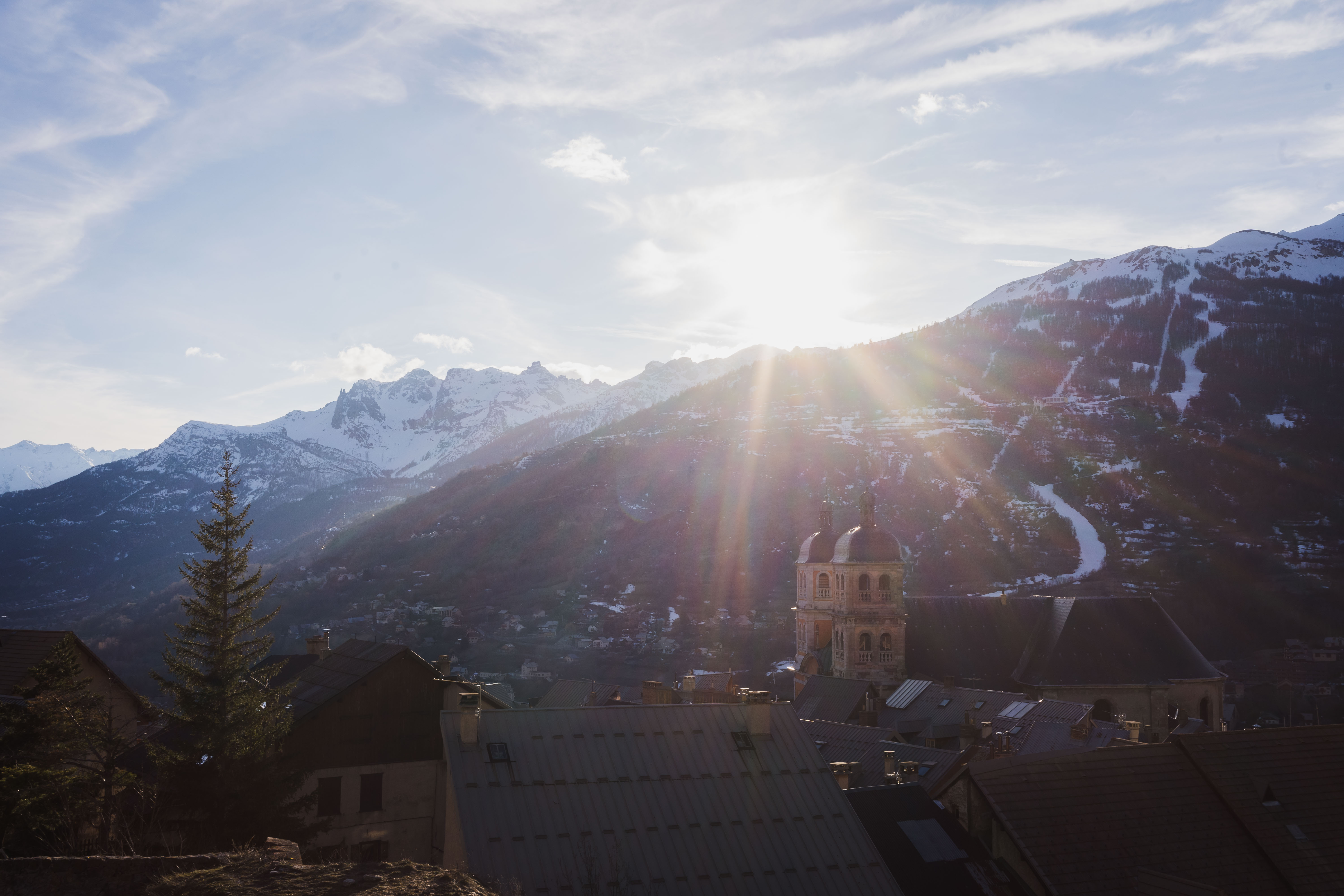
On day 7 we did a bit of culture: We visited the cité Vauban (the old fortified city center) and hiked over the Pont d’Asfeld all the way up to the Fort des Têtes. If you want to visit the insides of the fortress you have to visit Briançon during summertime, but the just the surroundings and the views are already worth it.

LL_37_DSC08046

LL_38_DSC08080

LL_43_DSC08116

Inside the cité Vauban you can go up into the Fort du Chateau to catch the last sun of the day before you dive into one of the local bars or restaurants.

Leaving Belgium to go skiing was easy. Taking the night train back to Belgium in Corona times was quite a mental challenge though. We were happy to be back home in our safe apartment. Washing hands. A lot.

We agreed with Tine that we will visit the Alps every single year. The relaxing train trip and nature in the mountains are the perfect mix for our holidays.

Paalkamperen in Belgium & other concepts that make cycling trips better

Next to sharing a cycling route, I want to share a couple of logic principles that I realised while cycling around in Flanders during my last trip. Find the three key concepts at the end of the article.

For this trip I randomly searched a route to go from Brussels to the desolated village of Doel. Then I continued to the closest camping spot and from there the next day to another campsite not too far from Brussels, so I could make it to Grimbergen on time for Christmas evening.

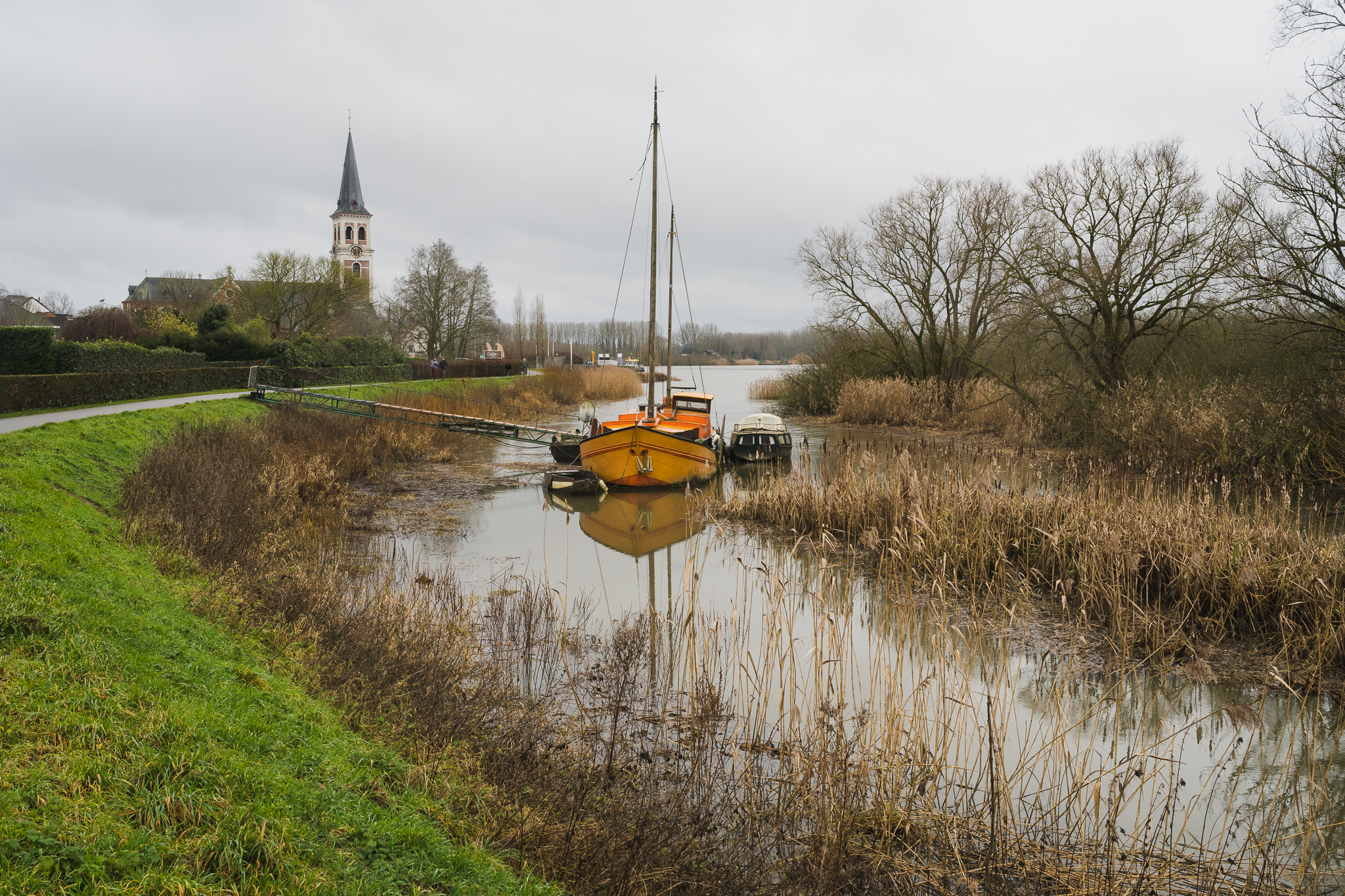
Planning the trip, I soon saw that on day 1 I could follow a very long part of the Schelde river, and on day 2 I could follow the Dender. In between I found the network of old railroads that are now cycling routes.

Day 1: 95km. After leaving Brussels, it takes a couple of kilometers before you end up in the countryside, but as soon as you reach the banks of the Schelde in Briel it’s all nature. You cycle past Sint-Amands on a perfect trail that continues for kilometers.

DSC04348

Depending on the time you have, you can take a straight route to Doel from Temse, or continue until Kruibeke. Before arriving in the desolated city of Doel, you cycle through the Port of Antwerp, along railroads, cranes and industry. In rainy weather it has something moody but beautiful.

DSC04396

From far away you see the nuclear power plant of Doel as a landmark on the horizon.

DSC04403

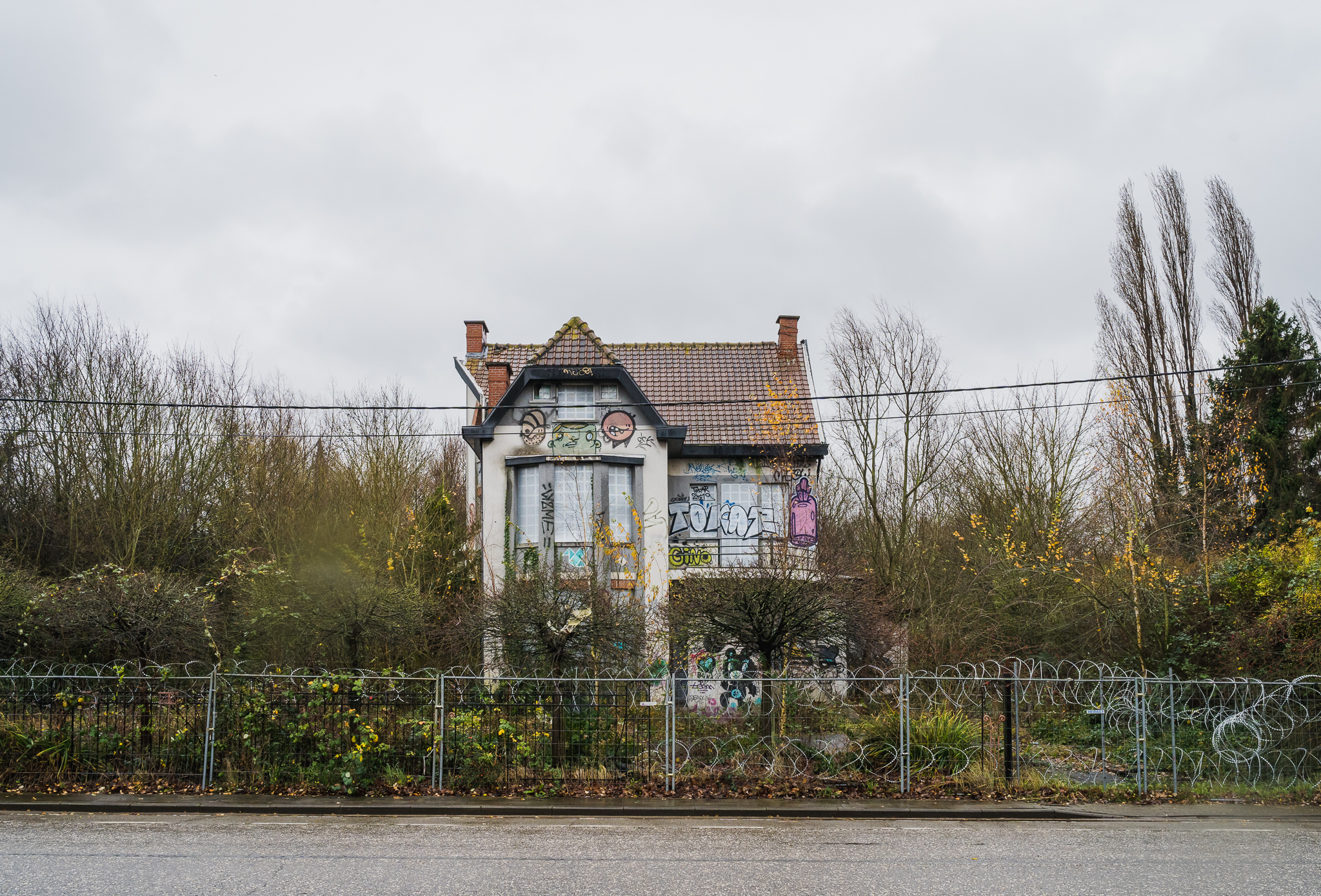
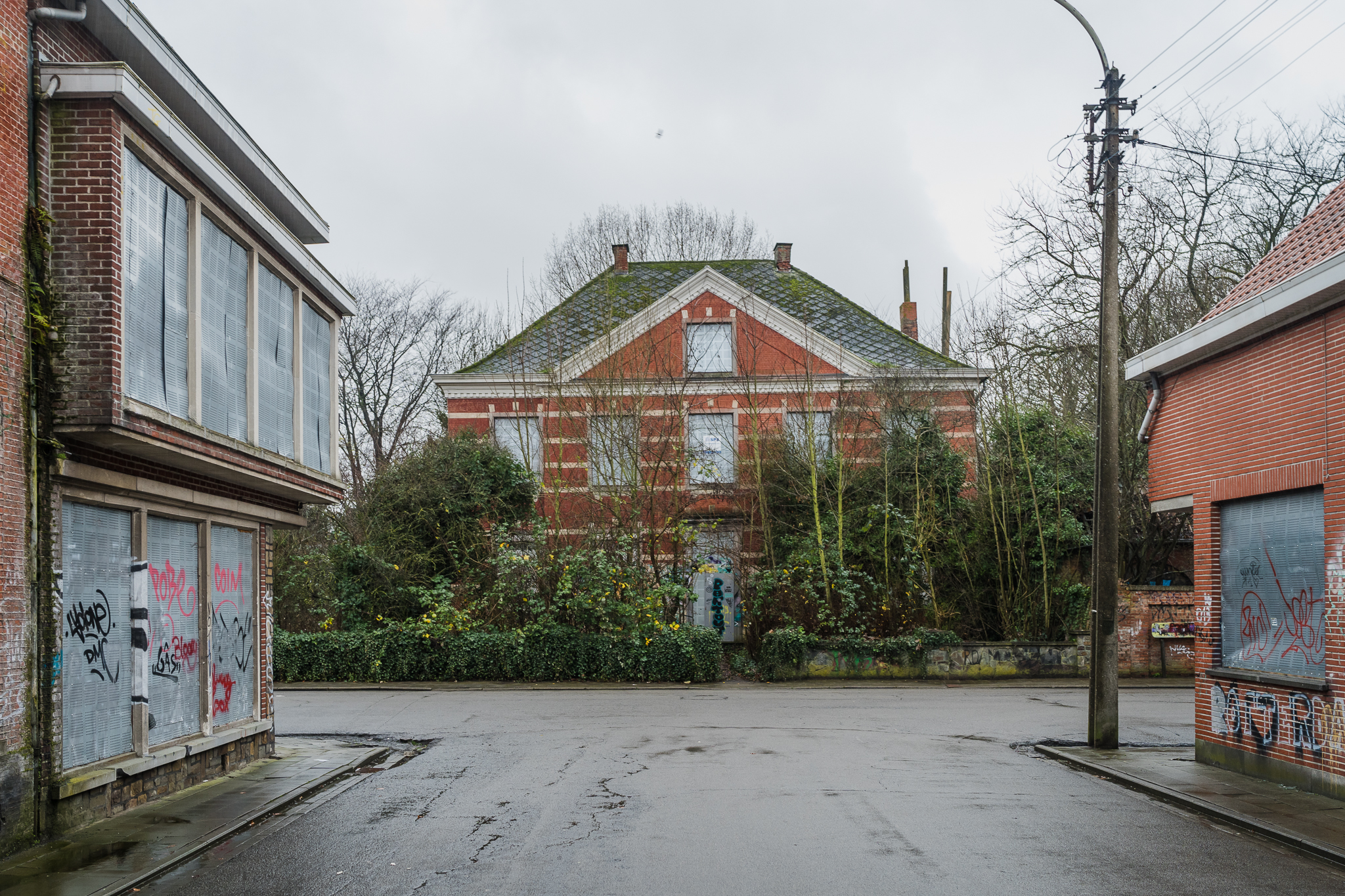
A couple of kilometers further you enter into the main street of Doel. There you find almost all houses locked up and spooky. This is where a controversial story starts of the extension plans of the Port of Antwerp.

DSC04409

If you do not know the story, just search for ‘Doel’ in Wikipedia. A long story short (sorry): the whole village had to disappear to construct a new dock for large ships, property has been bought and villagers left. The construction permit was not granted and plans were not executed. Very few people stayed, but some new people live there now, with very low rental prices. Nevertheless, the place is very desolated and looks like a ghost town.

DSC04423


DSC04459

After visiting the village, I cycled to the camping spot of “Bivakzone Stropersbos”. Just before entering into the woods, I warmed myself with a good diner in De Boshoeve. It had been raining all day, my feet were soaked and in the tent it wouldn’t get any warmer. DSC04519

The campsite is located in the middle of the forest with rivers and lots of water surrounding it. It had been raining for days in a row, so I was lucky to find 2 square meters that were not muddy to pitch my tent. With a good winter sleeping bag I managed to stay warm during the rainy night.

Day 2: 60km. On the second day I followed the old railroad to Sint-Niklaas. From Dendermonde to Okegem, I took the route following the Dender river. This route is at least as beautiful as the one next to the Schelde.

DSC04593

I camped at the campsite of Neighembos with views over the Dender valley. It’s located in the back of a private garden, but with an SMS reservation you can stay there for free.

DSC04625

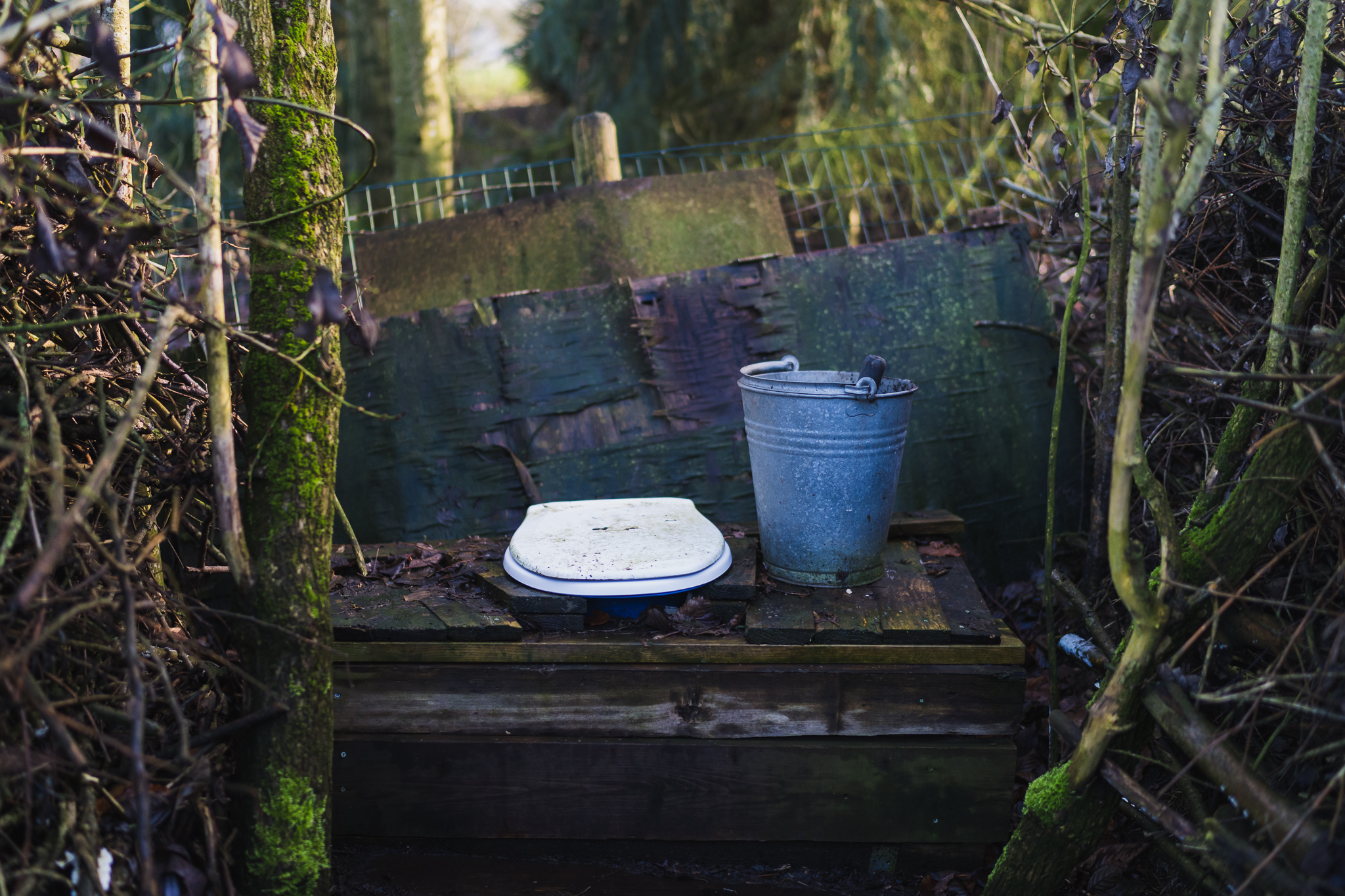
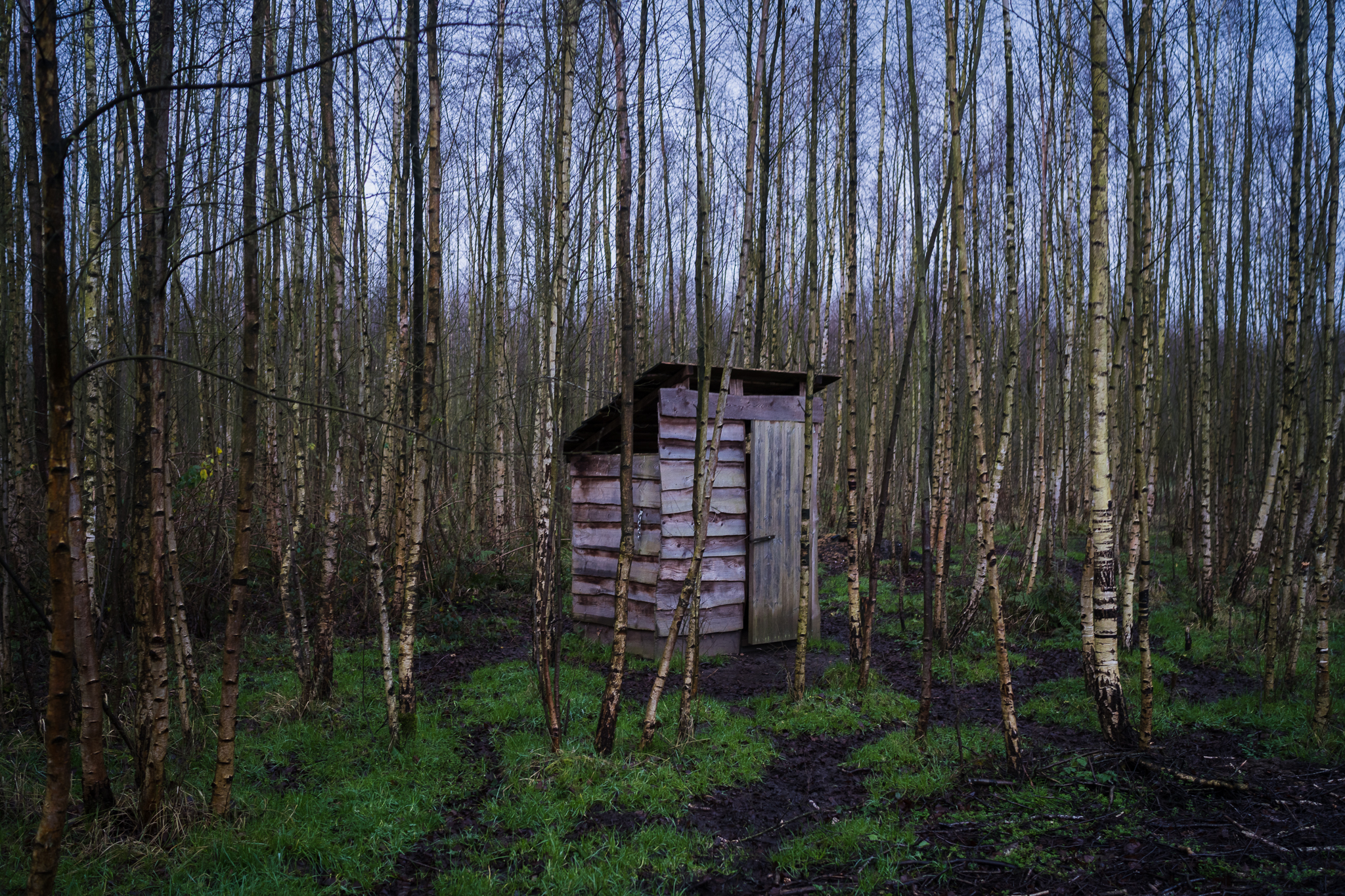
The open air toilet certainly has its charm, but on rainy days you don’t stay there very long.

DSC04646

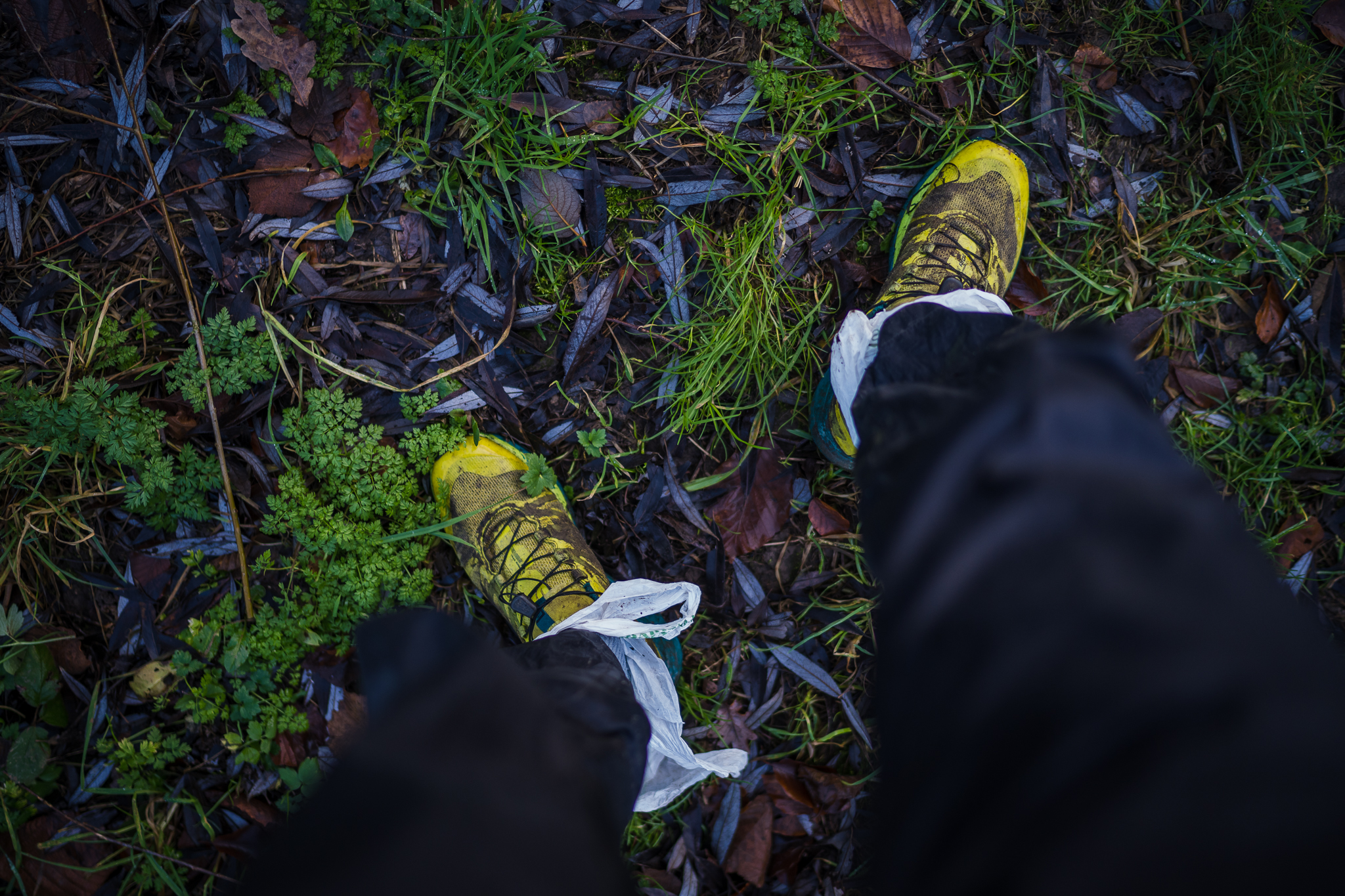
Day 3: 40km. It sounds like a very short route, but with ripped plastic bags in my shoes and wet feet for three days in a row, I was happy I wasn’t at the other side of Belgium. Again a good lesson learned: proper gear does help. Either rain covers for the shoes, or rainproof shoes.

DSC04659

Cycling around in the neighbourhood is fun: villages with the names of “Woestijn” (= desert) and “Drie-Egypten” made me frown, but the place is beautiful.

DSC04664DSC04666

On my way back I circled around Brussels to go to Grimbergen.

DSC04803

Before getting to Grimbergen I discovered one of the most beautiful views on the skyline of Brussels: de Heirbaan in Meise. While cycling through nature you see all the landmarks of Brussels in a tiny version next to you, which makes Brussels look very small.

DSC04829

To conclude, this was a nice route, getting lost on my tour bike, camping in nature and reading books in the tent while it’s raining and 3°C. I’ll do this route again during the summertime.

The three concepts that can make your cycling trip a blast, no matter if it’s a one day trip or a full week holiday:

1. Paalkamperen: plenty of beautiful nature camping spots spread over Belgium. You can use them for free all year round. If you start planning a cycling-camping trip, it’s a good way to start planning around some good sleeping locations. All of them have a dry-toilet, a dedicated camping zone, some have a fire pit or a bbq. Check out the map on bivakzone.be. A similar system exists in The Netherlands.

DSC04503

2. Old railway lines: you might have found out yourself already that all over Europe old railway lines have been converted to cycling paths. Most of them cross nature in a safe and efficient way, so if you use them for longer distances it ensures you of a nice trip. Check out this overview for Belgium or if you want to try it out in another country: UK railway lines. If you would rather cross Europe on even longer distances, than make sure to have a look on Eurovelo. You can find routes that go straight from Brussels, over the Alps all the way to the heel of Italy (Eurovelo 5).

DSC04313

3. Canals: take a map, see if there’s a waterway and chances are big there’s a nice cycling path next to it. I cycled along the Schelde and Dender rivers for hours. It’s fast and it’s beautiful.

DSC04567


Culture trip to Marseille by direct train

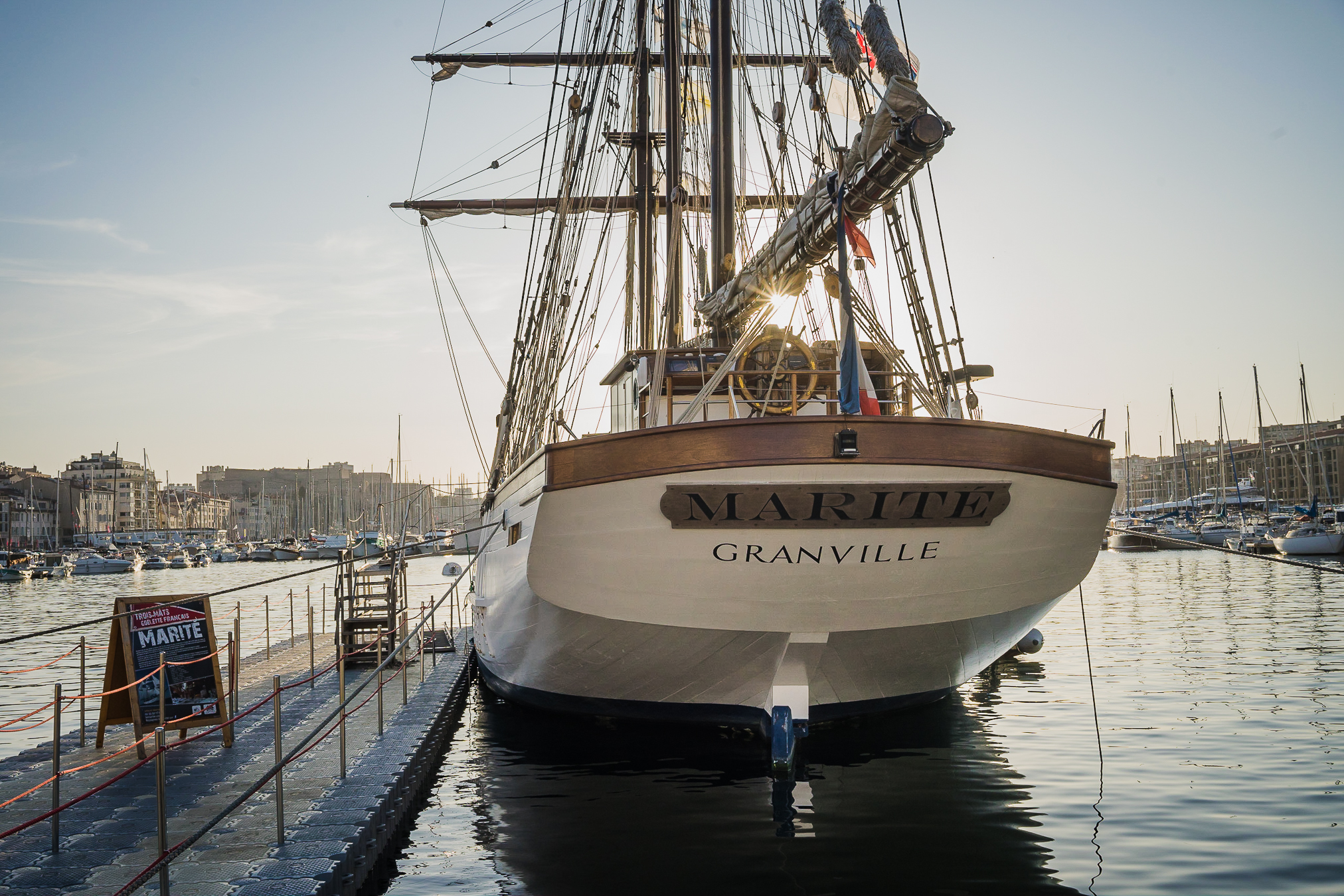
At the end of September we took the direct train from Brussels to Marseille. In six hours we got from rainy Belgium to this lovely port city. We spent 3 days walking, cycling visiting some museums and hanging around.

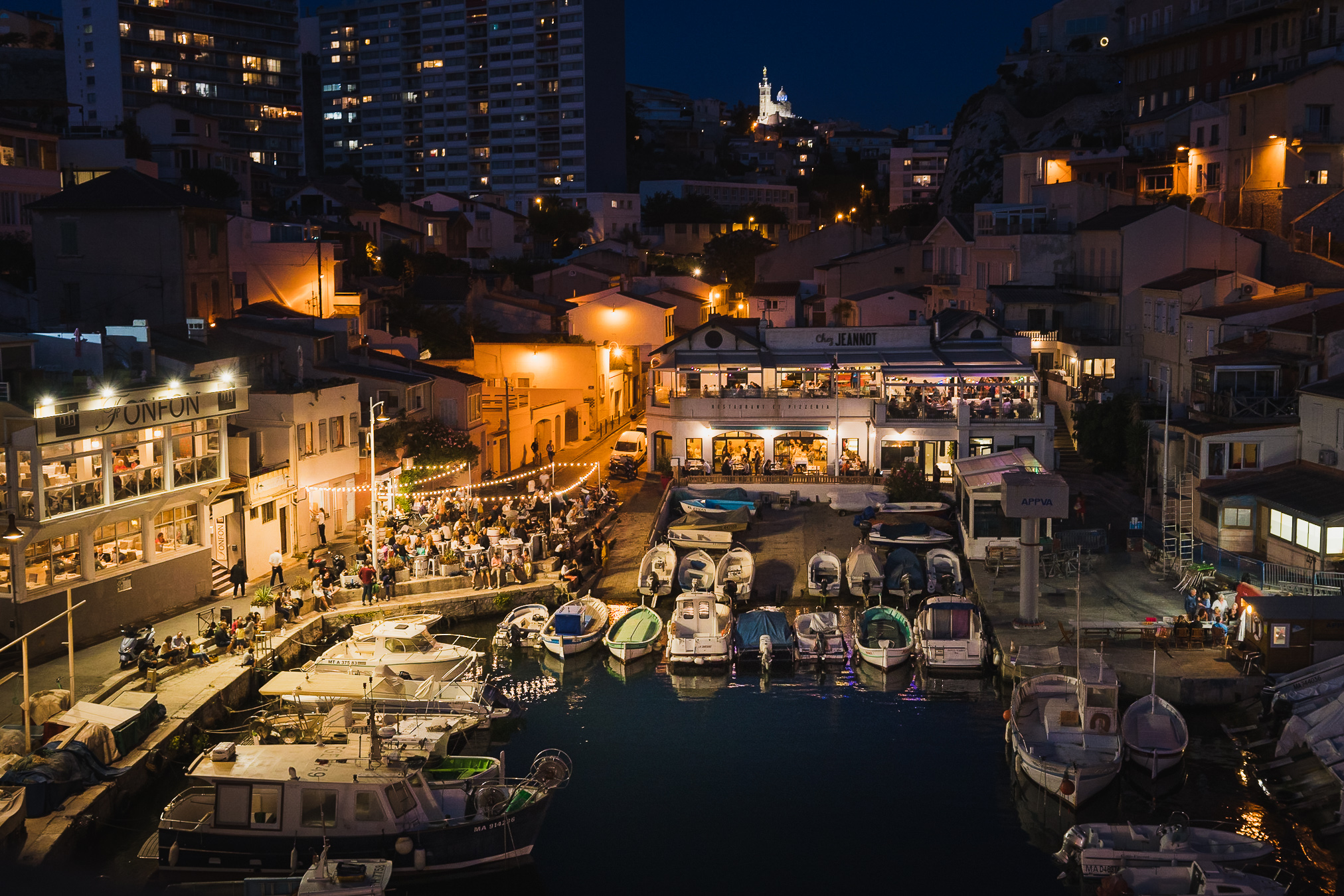
Marseille is a Mediterranean city full of different influences. A port city with a rough edge. It feels a bit like Brussels but with better weather. A port city with all of its colourfull aspects: diverse cultures, incredible architecture, beaches, restaurants. We could live here!

DSC08012.jpg

Day 1

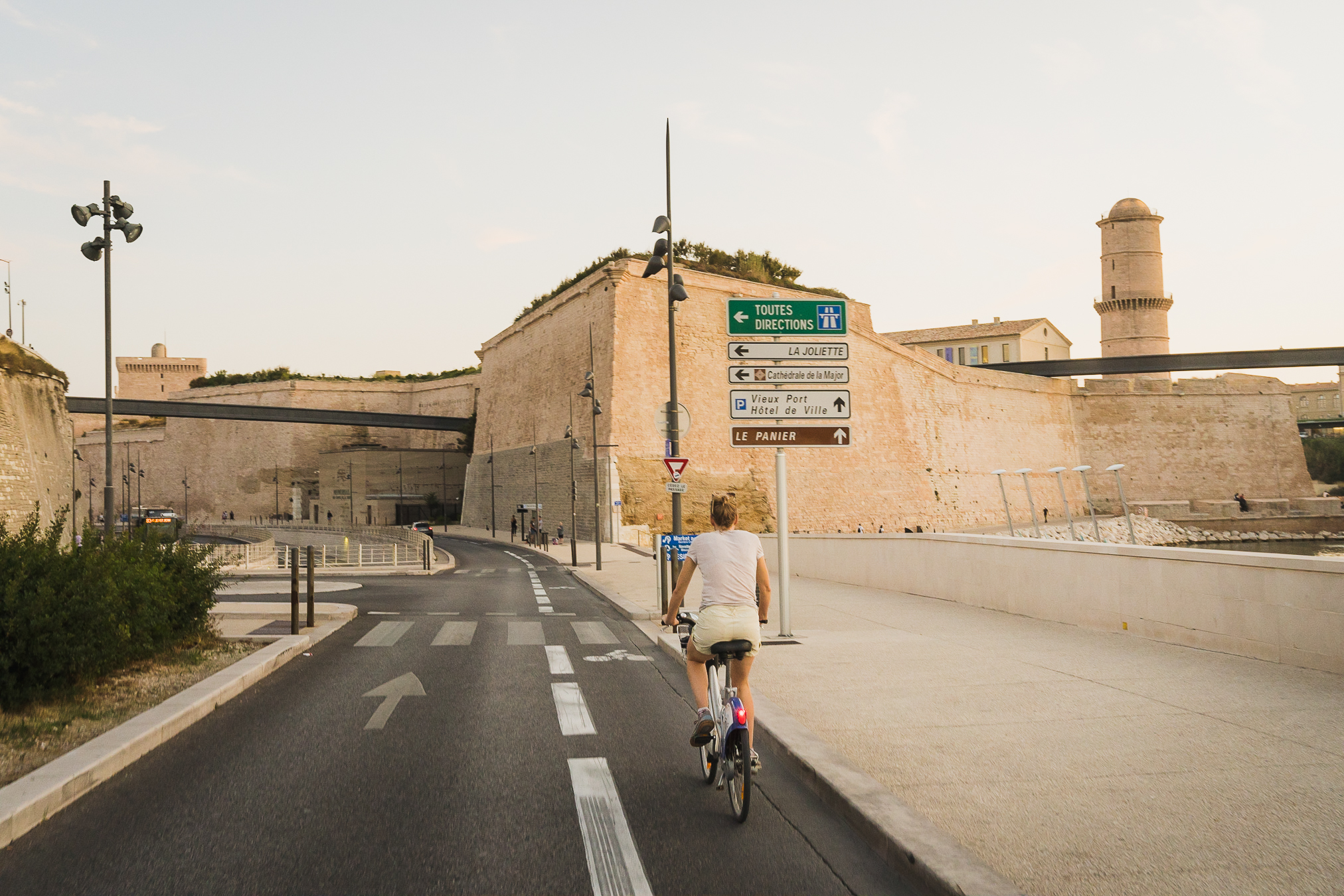
On our first day we arrived around lunch and registered for the Velib bike sharing system. It only costs 1 euro for seven days. (30 min for free, same bikes as in Brussels, same way of unlocking etc.)

The direct train we took from Brussels to Marseille was rather pricy at our time of the year, so we paid more than 200 EUR per person going and back. The comfort on the other hand is great: you step into the train in Brussels-Midi with a coffee and a nice breakfast, and you arrive in the center of Marseille by noon.

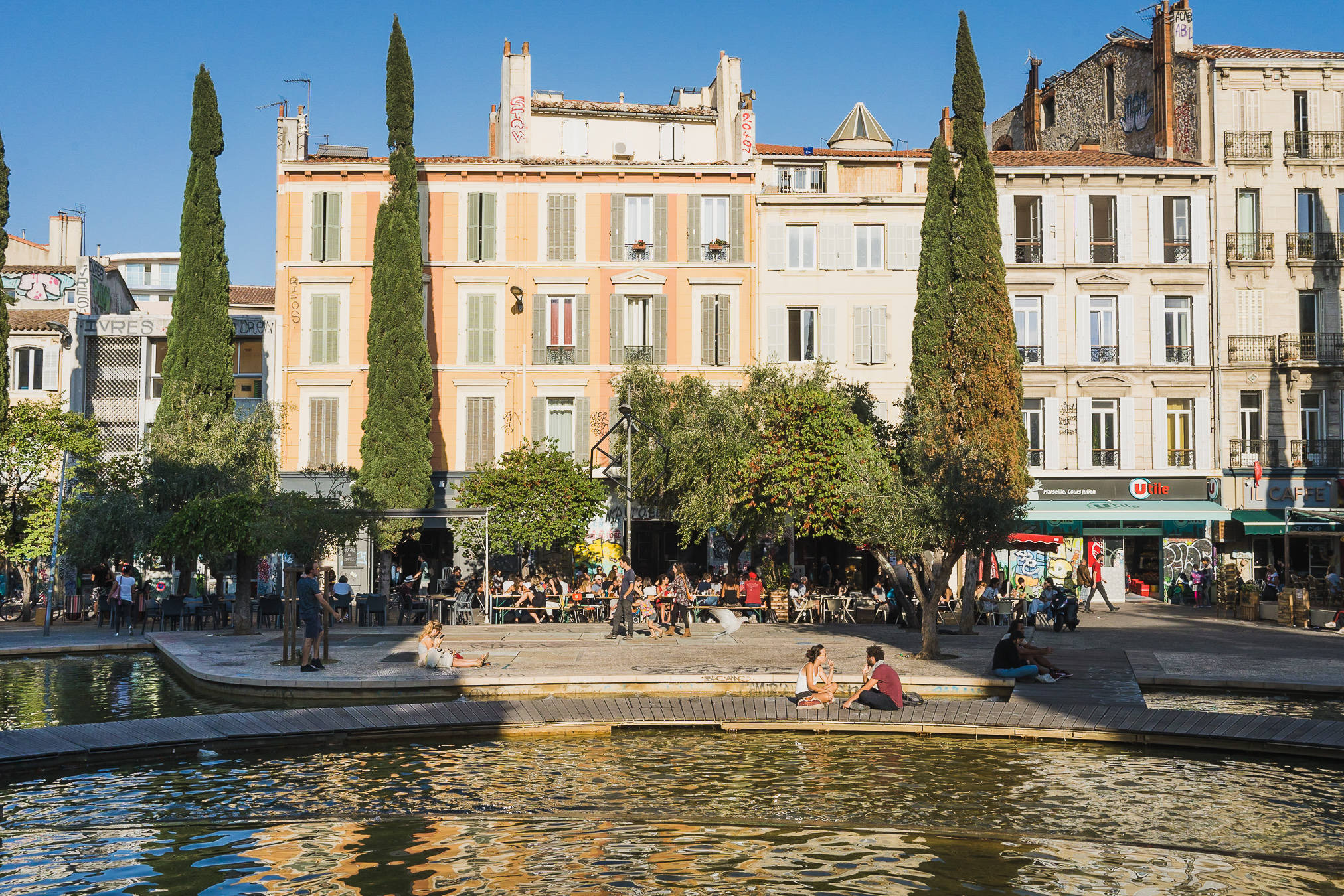
We checked-in in our Airbnb and started discovering at the Escaliers du Cours Julien. Colourful stairs lead to an arty neighbourhood with nice terraces around a fountain where we had Aperol’s at L’escalié.

DSC08554DSC08559DSC08565

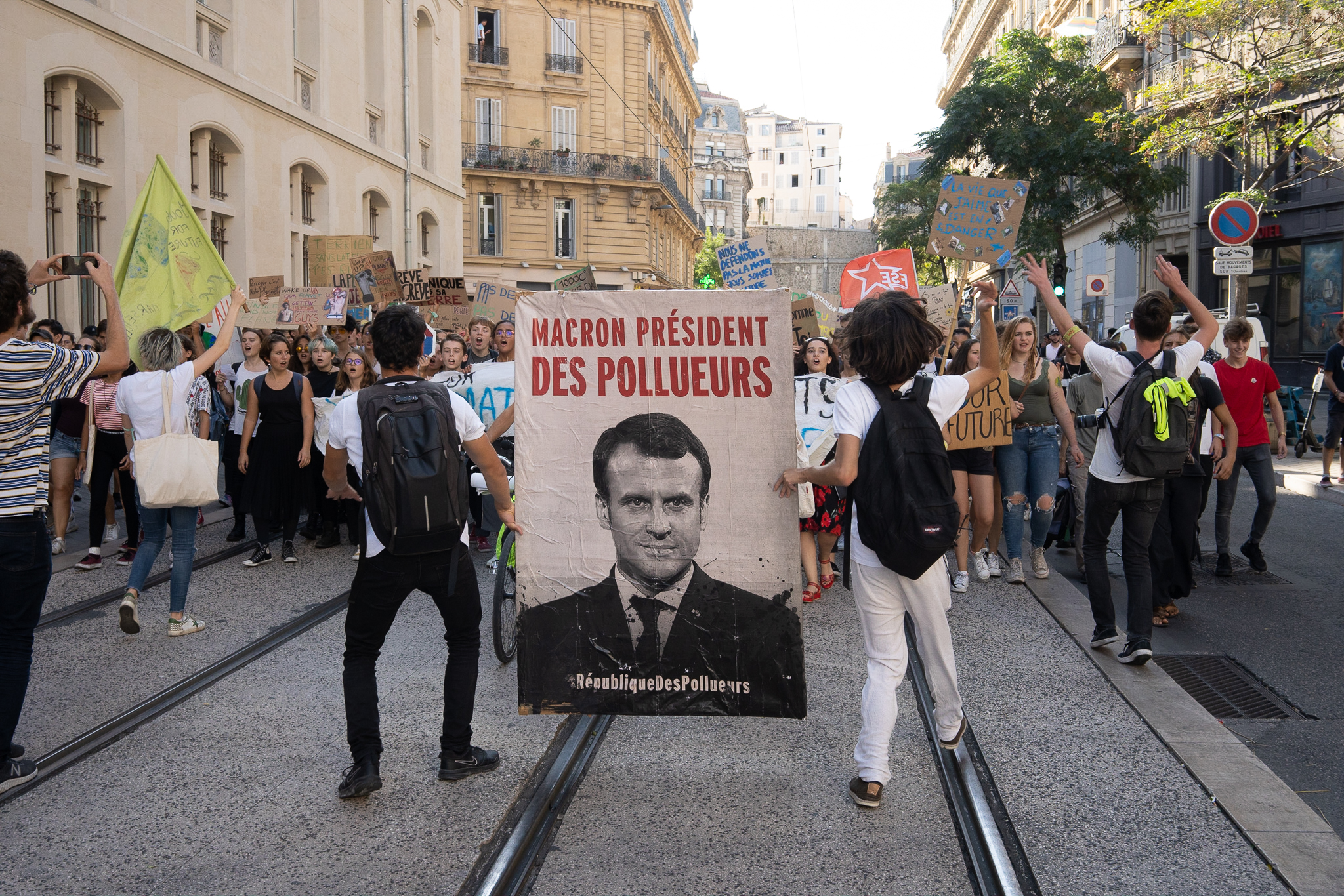
In the meantime we joined the local Youth for Climate strike at L’Ombrière to take some photos of their protest and continued our visit of Marseille.

DSC08286

Afterwards we spent some time around the Vieux Port, the old harbour. It’s a nice walking neighbourhood, but hotels and restaurants around here tend to be touristy (and more pricy).

DSC08580DSC08582

For dinner we just strolled into the backstreets around our airbnb and for convenience picked out a good looking Brasserie (similar to the ones you find all over Paris).

Day 2

A piece of impressive architecture of Le Corbusier is the Cité Radieuse. A very special apartment block designed in 1952 that is still inhabited today, mainly by architecture and art lovers.

DSC08698

When you visit the inside you can observe how different functions were integrated into one building: a supermarket, bookshop, doctor, school, library, … The apartments are duplex’es that are puzzled as Tetris blocks into the building.

After an extensive visit we took a big cycling and hiking tour: From Cité Radieuse to the (foggy) views from the Notre Dame de La Garde, to the MuCem and to Corniche Kennedy.

DSC08642

For dinner we went to a place next to the sea at Corniche Kennedy. There is quite some restaurants to pick from, but some tend to be very pricy. We went to Le petit Pavillon – nothing fancy, but views on the sea and good seafood without frills: oysters, grilled fish etc.

DSC08688

Day 3

Our third day we had breakfast in a nice arty airbnb at La Maison du Petit Canard in the Panier neighbourhood. The location is quite good, so this could be a good option to stay for your full weekend.

DSC08608

We strolled around the Panier neighbourhood, visited the Cathedral La Major and went to MuCEM for the complete rest of the day: the museum of European and Mediterranean civilisation offers on its own is already worth a trip to Marseille. It has a very diverse range of expositions with art, history and science, multiple restaurants and terraces to read a book, a fortress with gardens and a watchtower with views on the old harbour.

DSC00182

As in Paris, every first Sunday of the month entrance to the museums is free of charge. We visited multiple expositions, joined for part of a tour in the fortress and had a really good buffet lunch in the restaurant on the top floor.

… and from Marseille we travelled on to Corsica with the night boat of Corsica linea.

DSC08889

After spending multiple days discovering Marseille we felt we could live there. So who knows in a couple of months or years you can come visit us here in Marseille!

Hiking through Corsica

Our most impressive trip of 2019 was to Corsica. We took some late summer holidays at the end of September/early October and went by direct train from Brussels to Marseille, and then by boat to Corsica.

Since it was a two week trip, there’s so much we would like to share… but we’ll keep the text a bit shorter and split this post in chapters:

  • Chapter 1: Arrival in Ajaccio
  • Chapter 2: The South
  • Chapter 3: The mountains
  • Chapter 4: The West
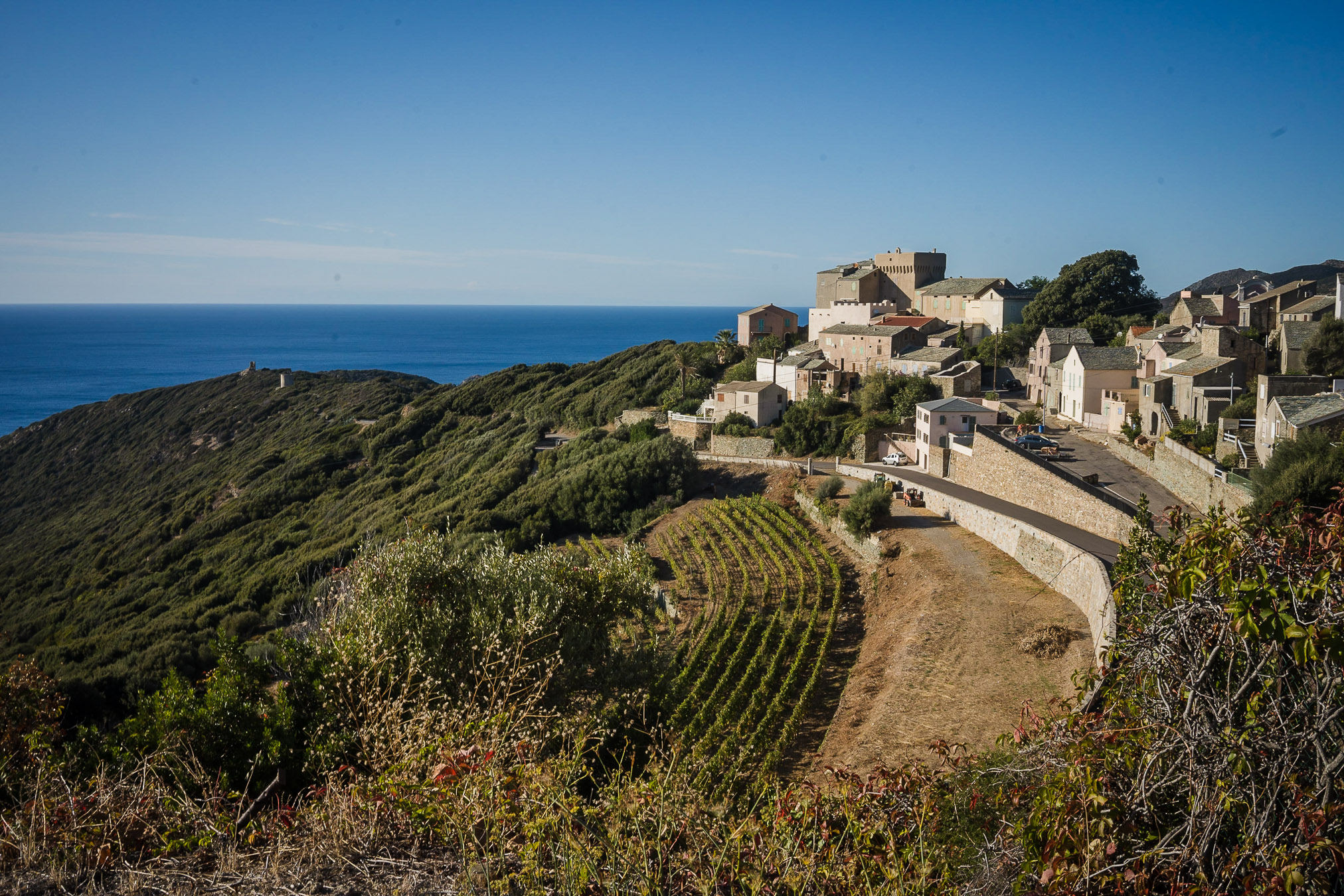
  • Chapter 5: Cap Corse
  • Chapter 6: The boat

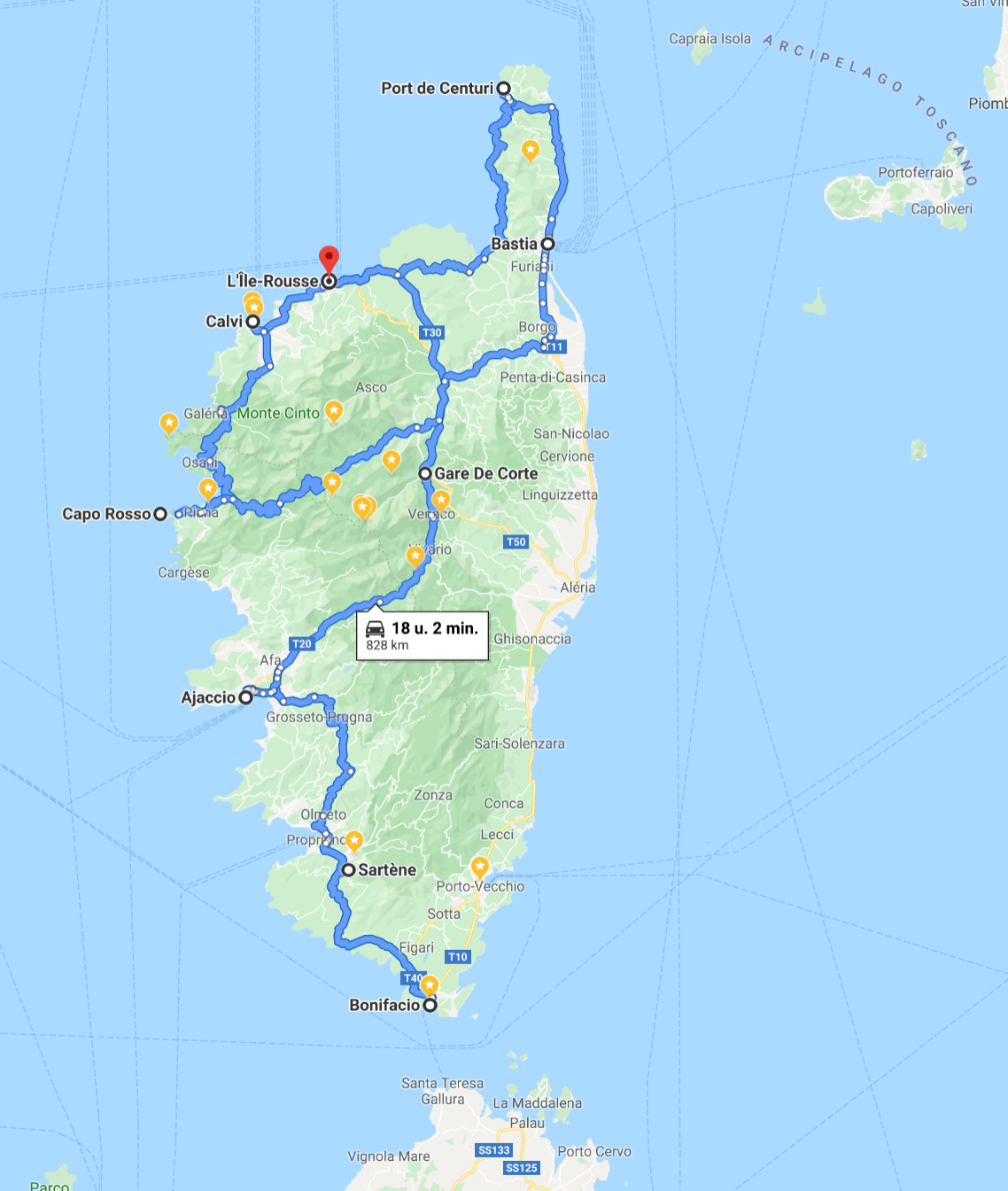
We did the South of the island by hitchhiking and hiking. We took a train to the inland where we hiked for multiple days, and than continued by train to Calvi. In Calvi we rented a car for a couple of days to visit the West and Cap Corse, which is more complicated in terms of public transport… and it allowed for a bit more efficient travelling than by hitchhiking.
Screen Shot 2019-10-19 at 08.12.32

Chapter 1: Arrival in Ajaccio

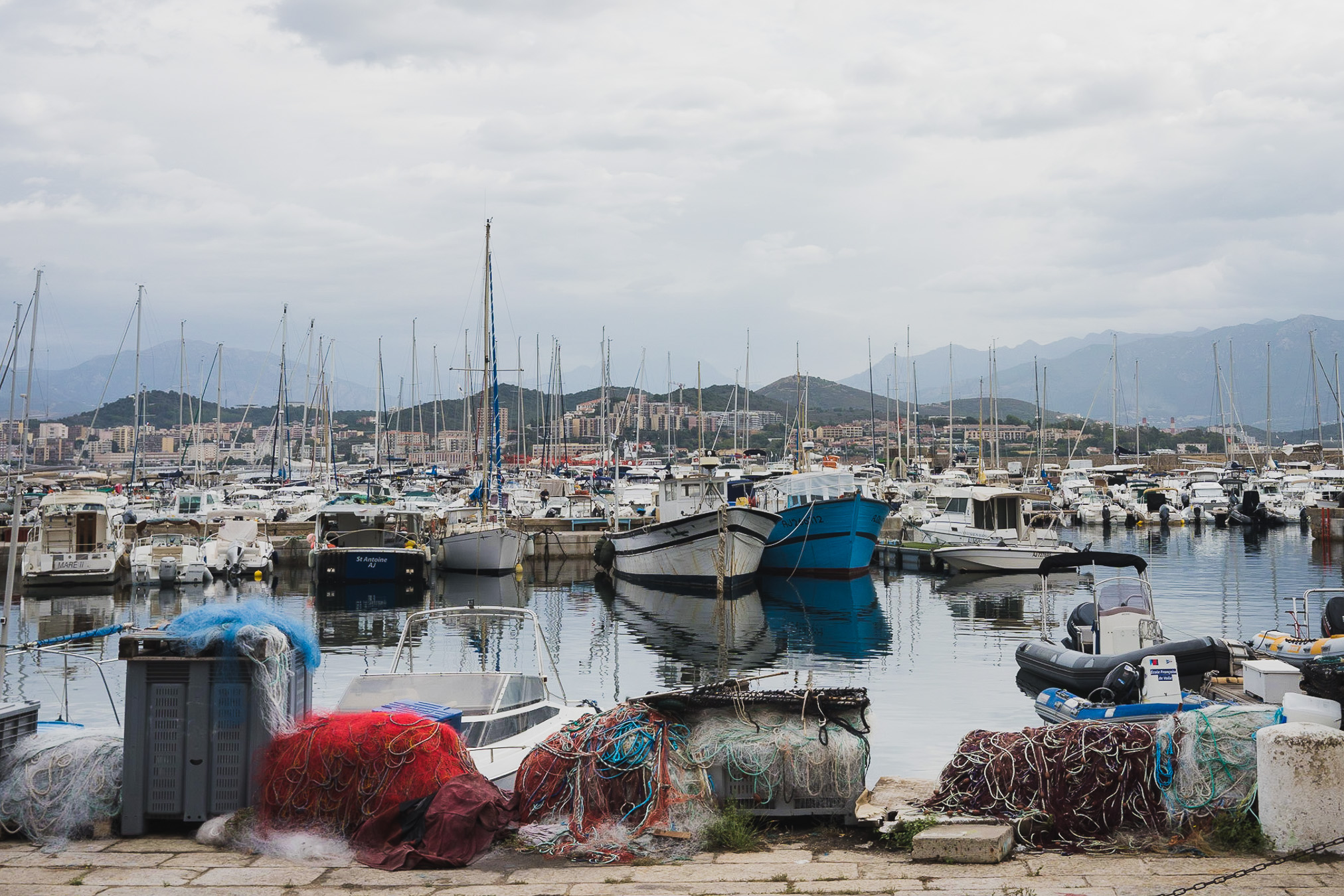
We arrived around 7h30 AM by boat from Marseille to Ajaccio. After a good night of sleep we decided we were ready for a good breakfast, a stroll in Ajaccio and some good hitchhiking to Sartène. Ajaccio has a nice small city center with a nice market place and a fishing harbour worth visiting.
Corsica_LL_09_DSC09024

Chapter 2: The south

(Day 1: Ajaccio – Sartène – Bonifacio; Day 2-3-4: Bonifacio)

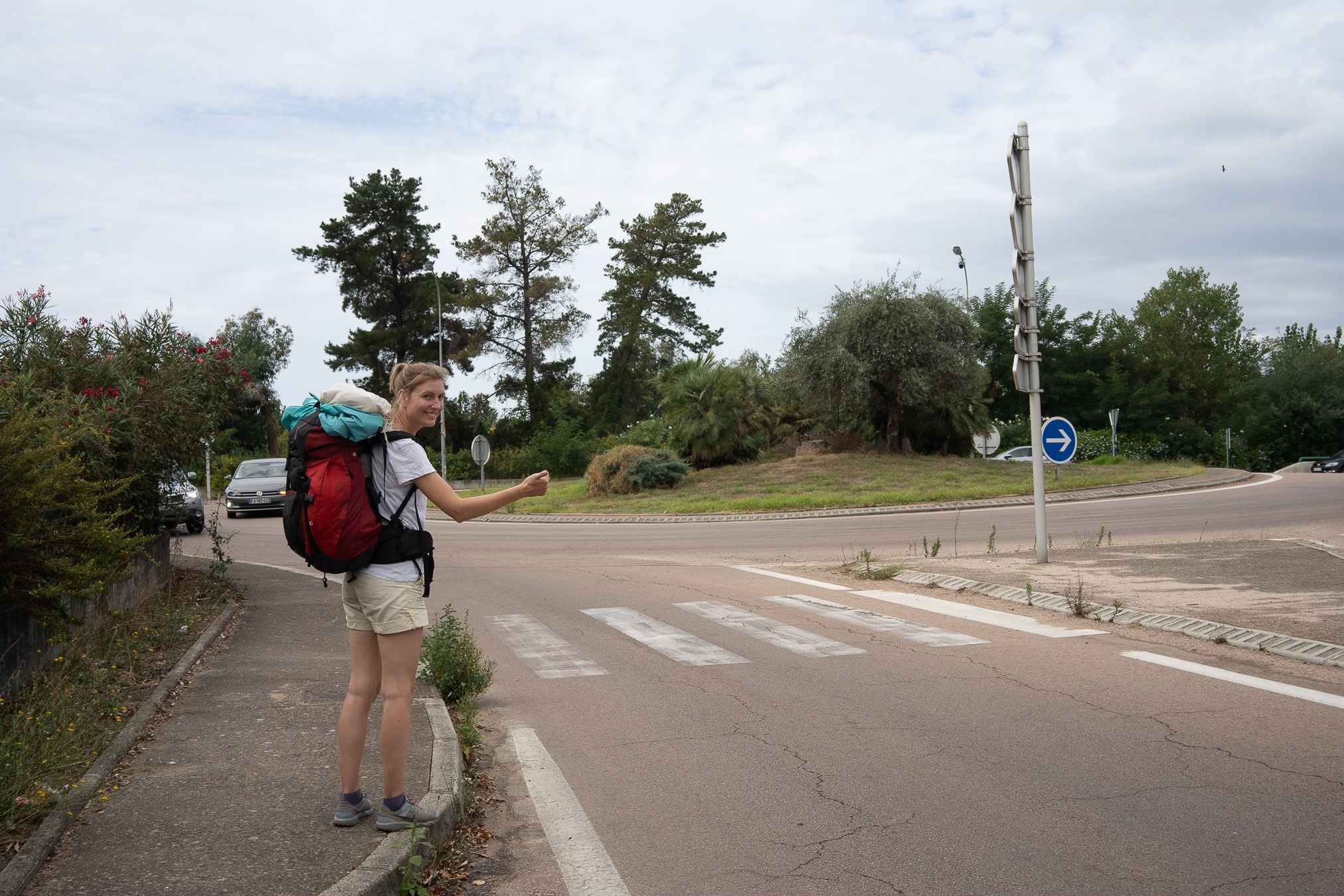
Contrary to what many people think, it is super easy to hitchhike. The drivers that took us along were each one of them so interesting and lovely that it really added an extra layer of enrichment to our trip. We never had to wait longer than 10-15 minutes and talked for hours with: a writer of police novels, a Parisian couple of pensioned real-estate experts, a theater couple, local kayak freak, … A nice and diverse set of local Corsicans and other tourists that shared tips and tricks and a bit of their life story.
Corsica_LL_10_DSC09049

Sartène is the perfect spot for a stop on the road, a stroll and a good lunch at L’arbousier.

After stopping at some nice tropical beaches on the way, we arrived at Bonifacio. What a city. We camped at the local camping just before arriving at the harbour (not that good) and spent some time visiting the fortified city.

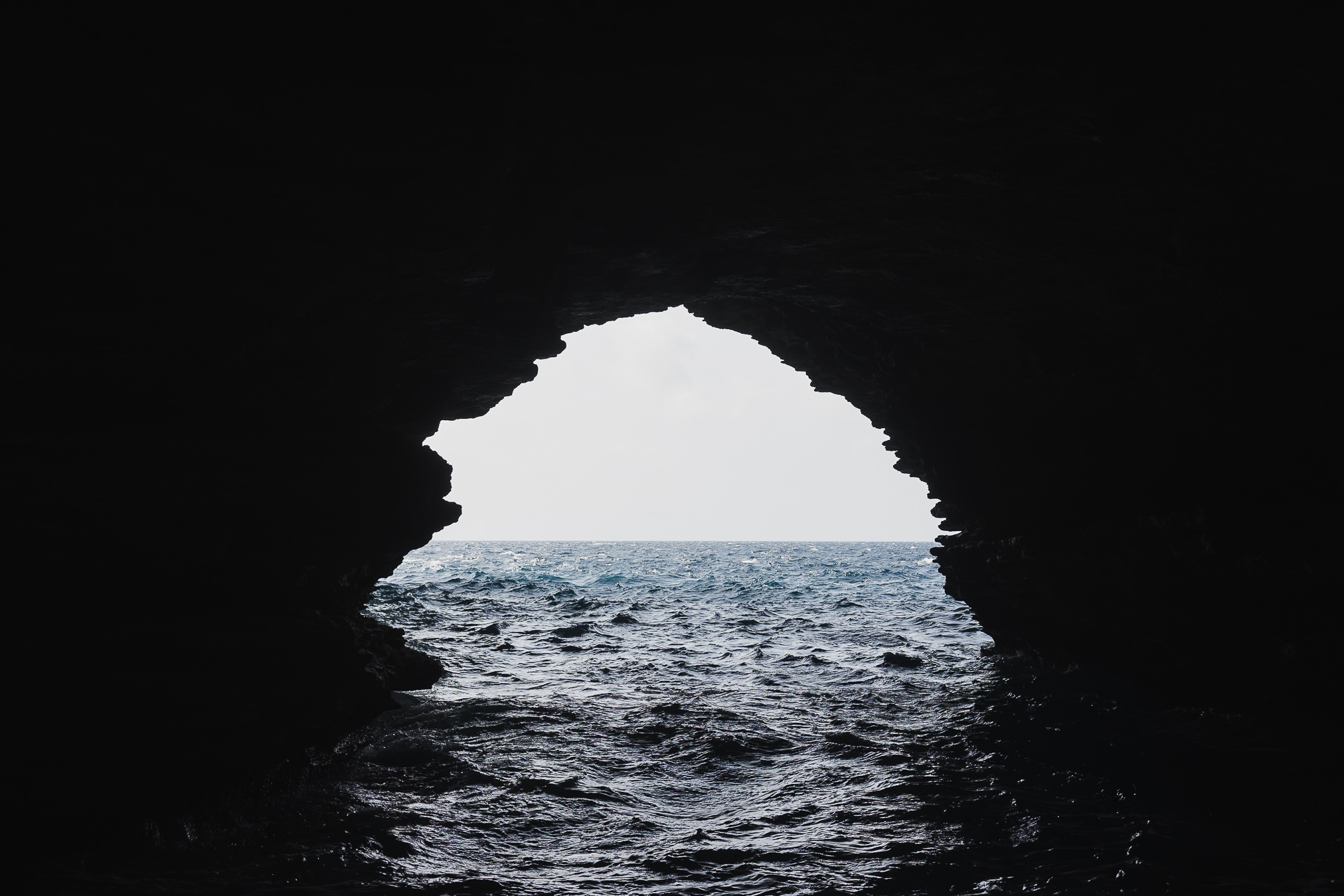
It’s touristy, but totally worth taking a tour at sea to visit some nearby caves and seeing the city from the water. So do spend some money on this.

Corsica_LL_13_DSC09132

Corsica_LL_14_DSC09139

The tiny beach (Sutta Rocca – hidden beach) just next to the village is good for a quick swim and some even more spectacular views on the rocks.
Corsica_LL_16_DSC09176

There’s plenty of good restaurants around… but there was one blast that truly amazed us due to the friendliness and the food quality: Lan’k. You need to take a reservation and bring some money (50 EUR/person for a starter, main and desert)… but if you are impressively lucky, like we were, you meet the most friendly people ever that suddenly decide to pay your whole bill without your notice.

Corsica_LL_20_DSC09239

Another good place to recommend, but in a less fancy location next to the harbour, is the ‘Kissing Pigs’. Here we had a great salad lunch. And after lunch we set off walking with all our stuff, to the next village.
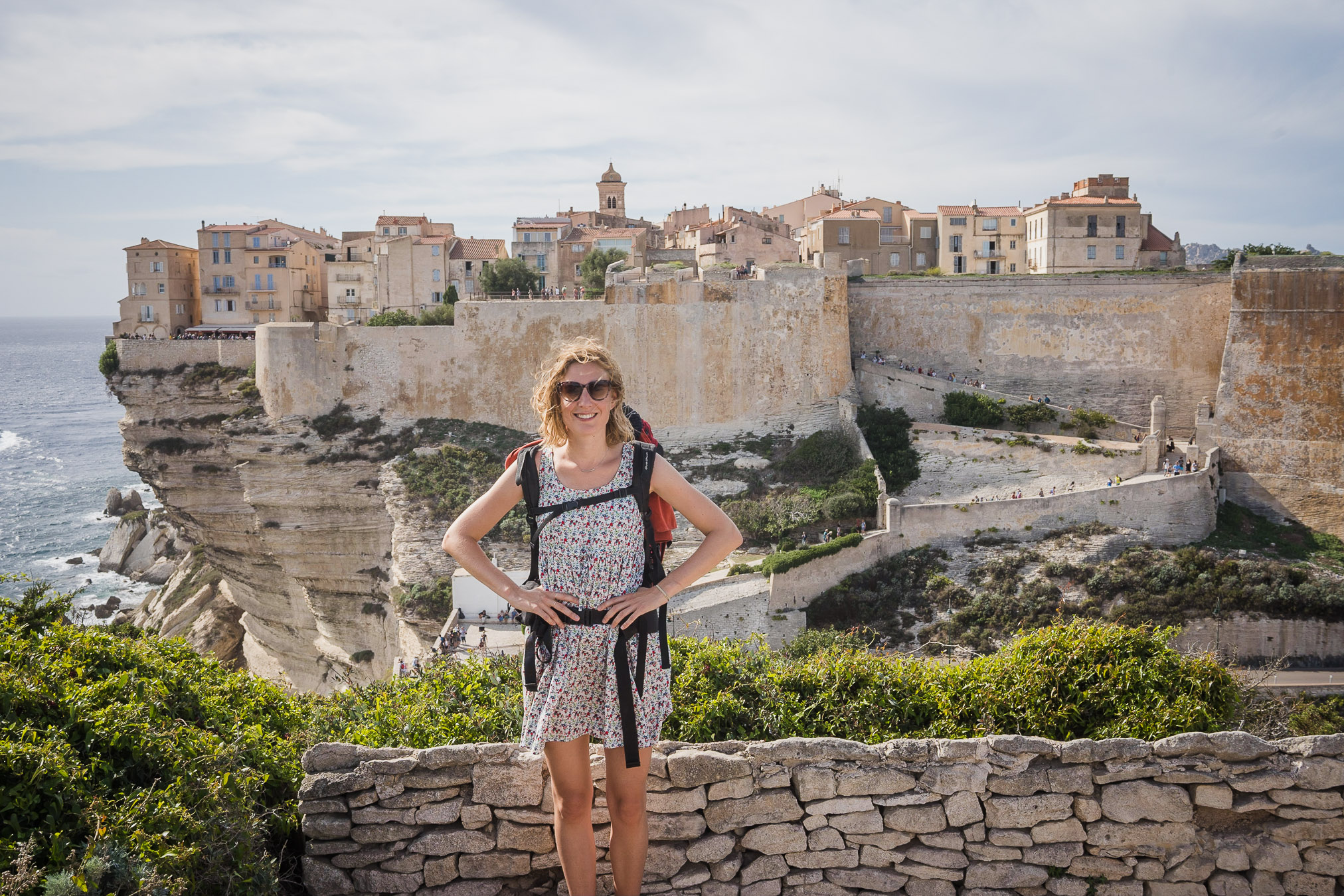
Corsica_LL_22_DSC09255

We found this impressive campsite ‘Camping des Iles’ where we stayed for multiple nights.  From there we did multiple hikes, a kayak tour, some swimming, book reading, etc. The kayak tour was a bit rough due to the strong wind, but we did manage to go to the close by island ‘Ile Piana’ and could catch some good waves to surf on with the kayak.
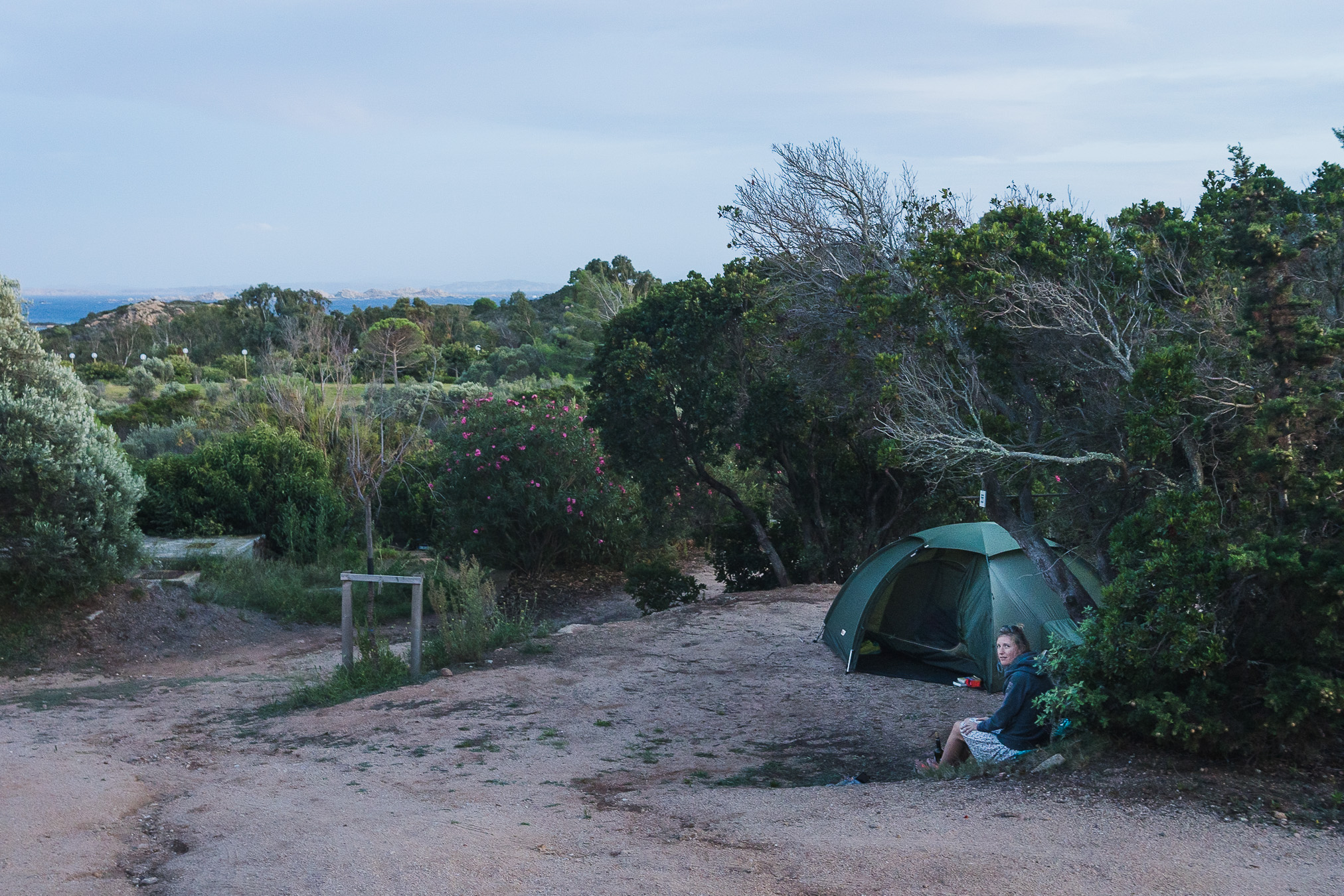
Corsica_LL_24_DSC09281

A lunch at ‘L’efet mer’ is a must do. The food is great and the views on the surfers and sailors on the blue water will entertain you.
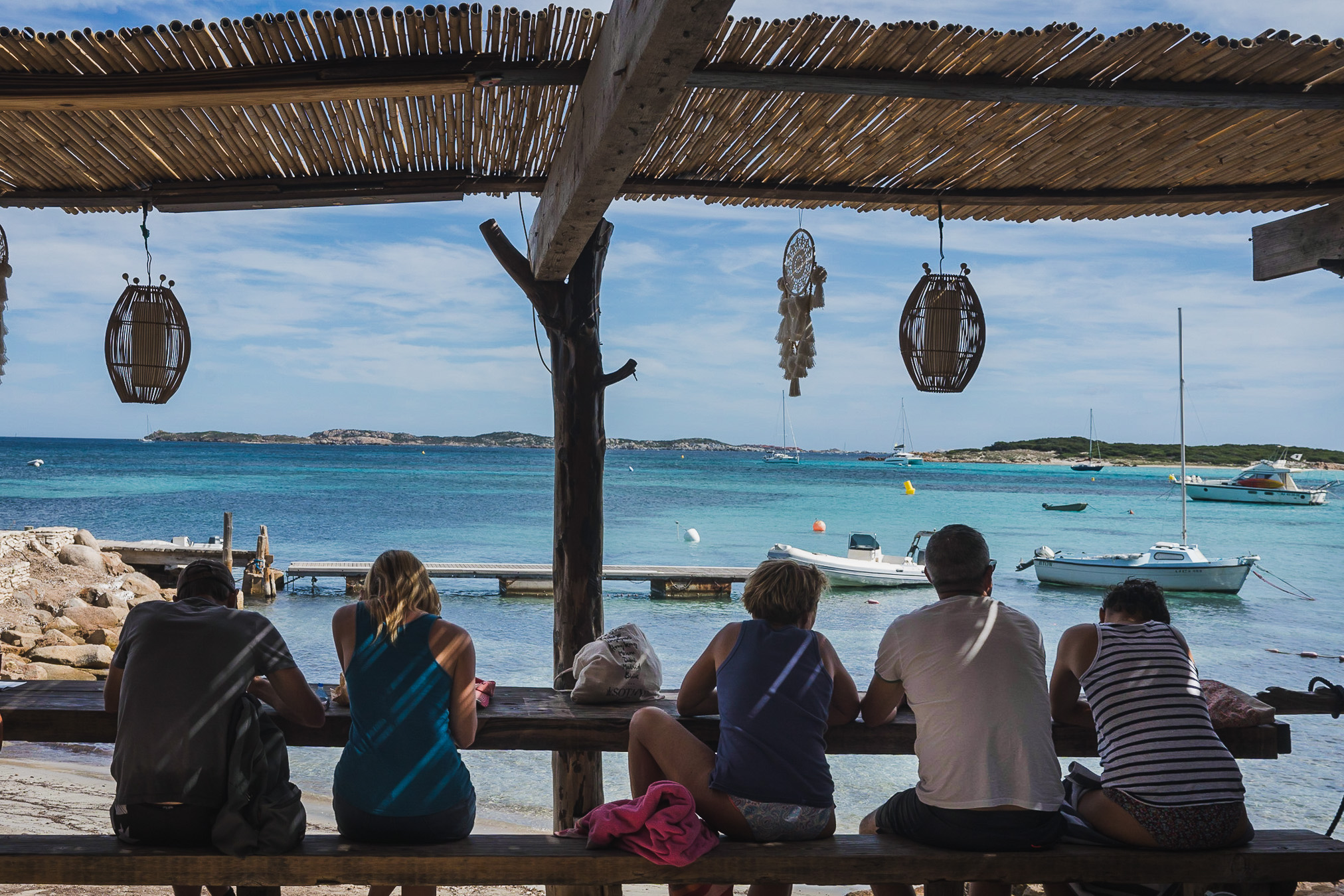
Corsica_LL_25_DSC09286

Corsica_LL_26_DSC09287

Corsica_LL_27_DSC09301

Make sure to take the hikes to the beaches of Petite Spérone and the Grand Spérone. The hike itself is nice, and the white sandy beaches are good to take a swim. Do notice there is no shadow, shops, nor bars or anything. It’s completely desolated.
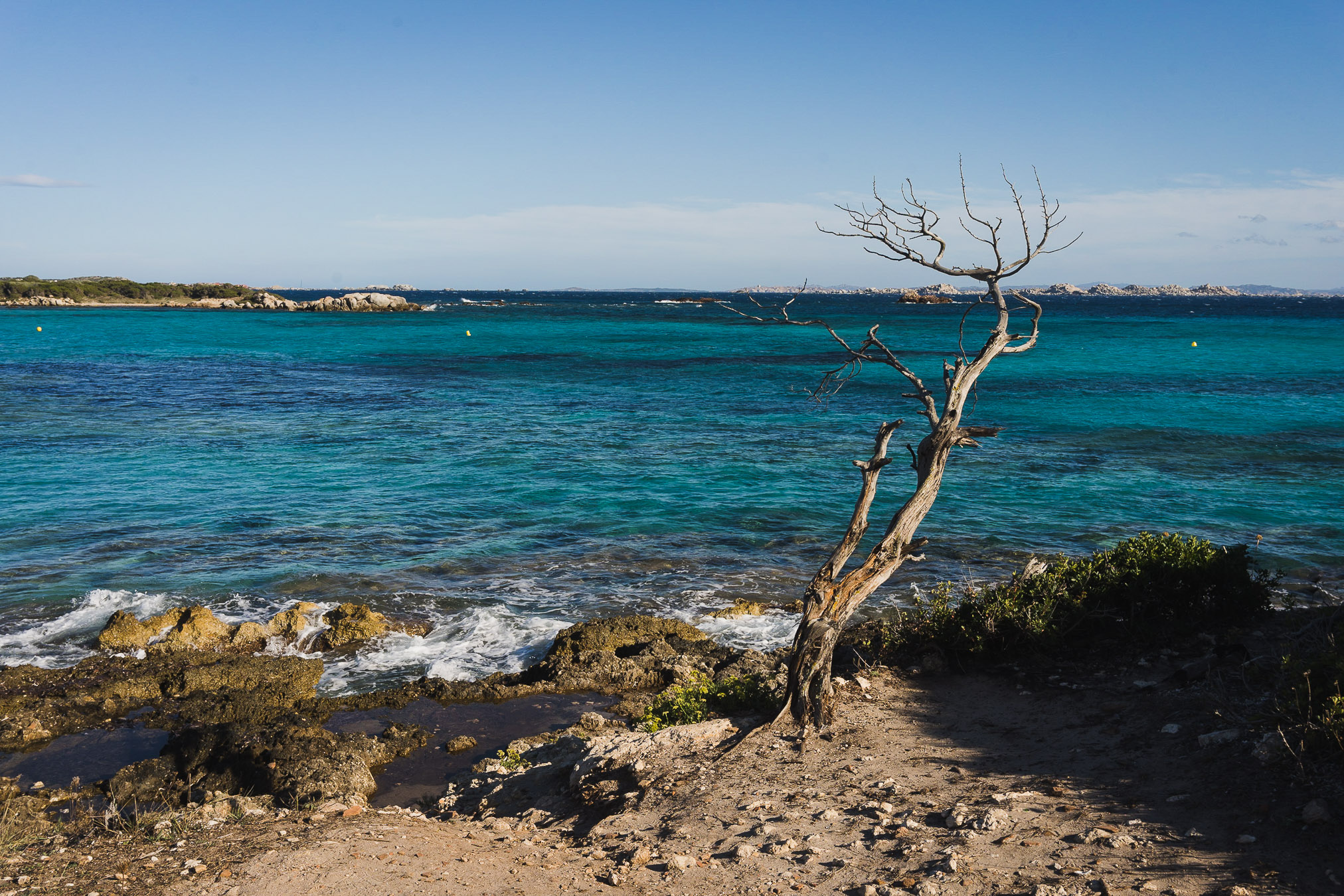
Corsica_LL_28_DSC09304

Chapter 3: The mountains

(Day 5: Bonifacio to Ajaccio by hitchhiking, Ajaccio to Corte by train; Day 6-7-8-9 hiking Mare e Mare and GR20; Day 9: from Corte to Calvi by train)

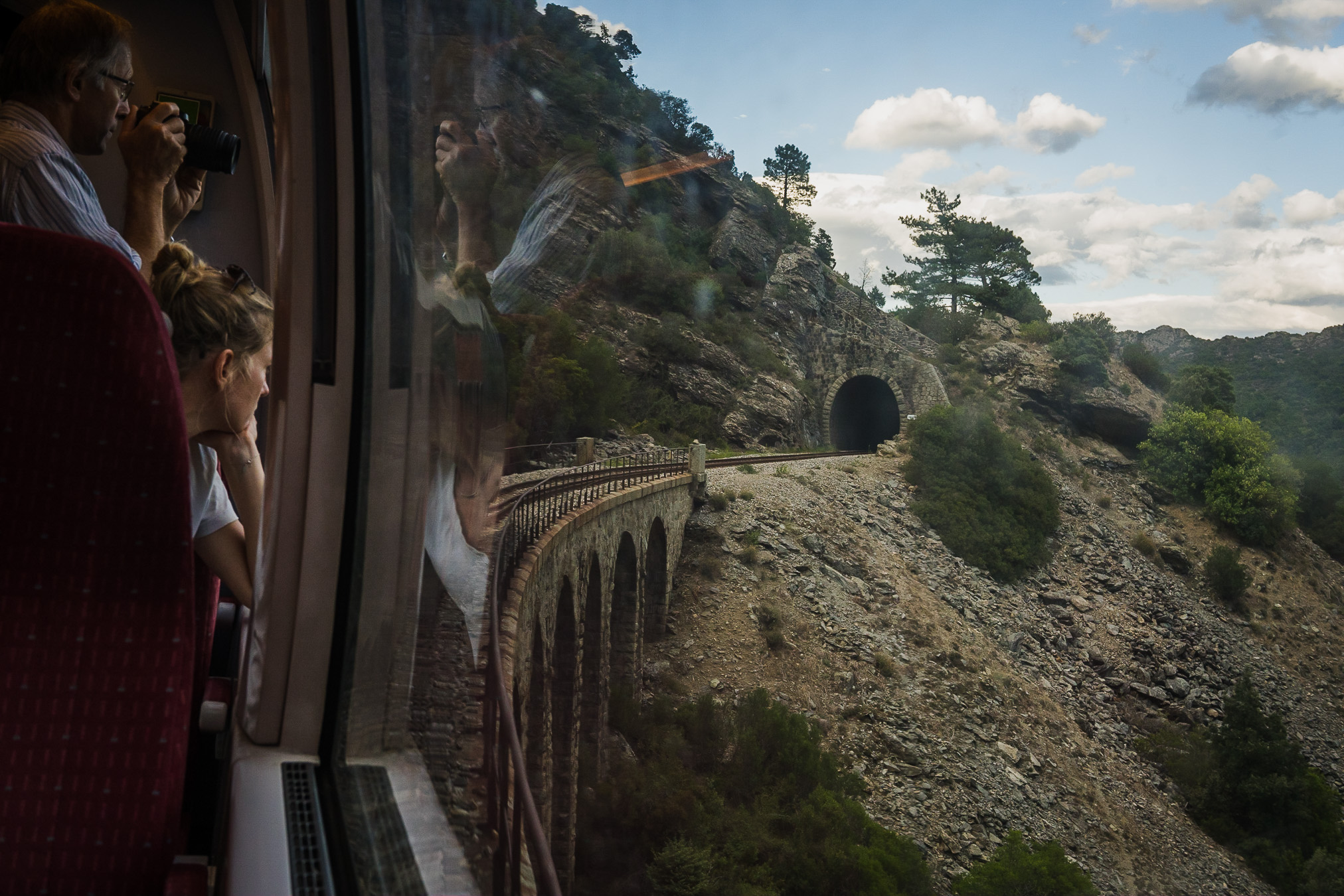
We hitchhiked back to Ajaccio, since in off-season there’s close to no busses in Corsica. The train system on the other hand is really good. You can buy your tickets in the railway station and there’s multiple trains per day going from Ajaccio to Calvi and to Bastia (with a transfer in the middle). We chose Corte as the base for our hiking trip and thus got out of the train there.

Corsica_LL_30_DSC09315

Corsica_LL_31_DSC09327

Corsica_LL_32_DSC09354

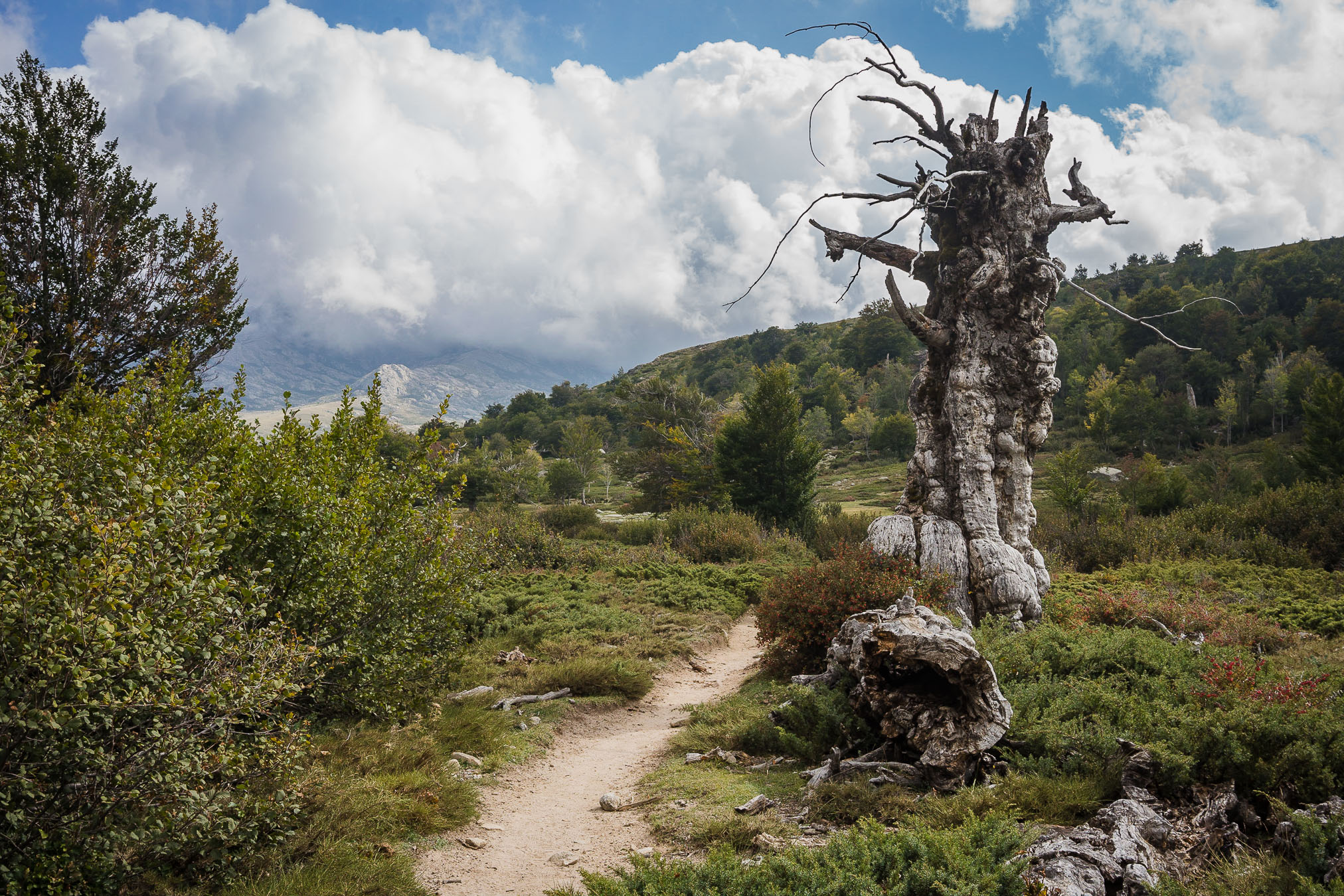
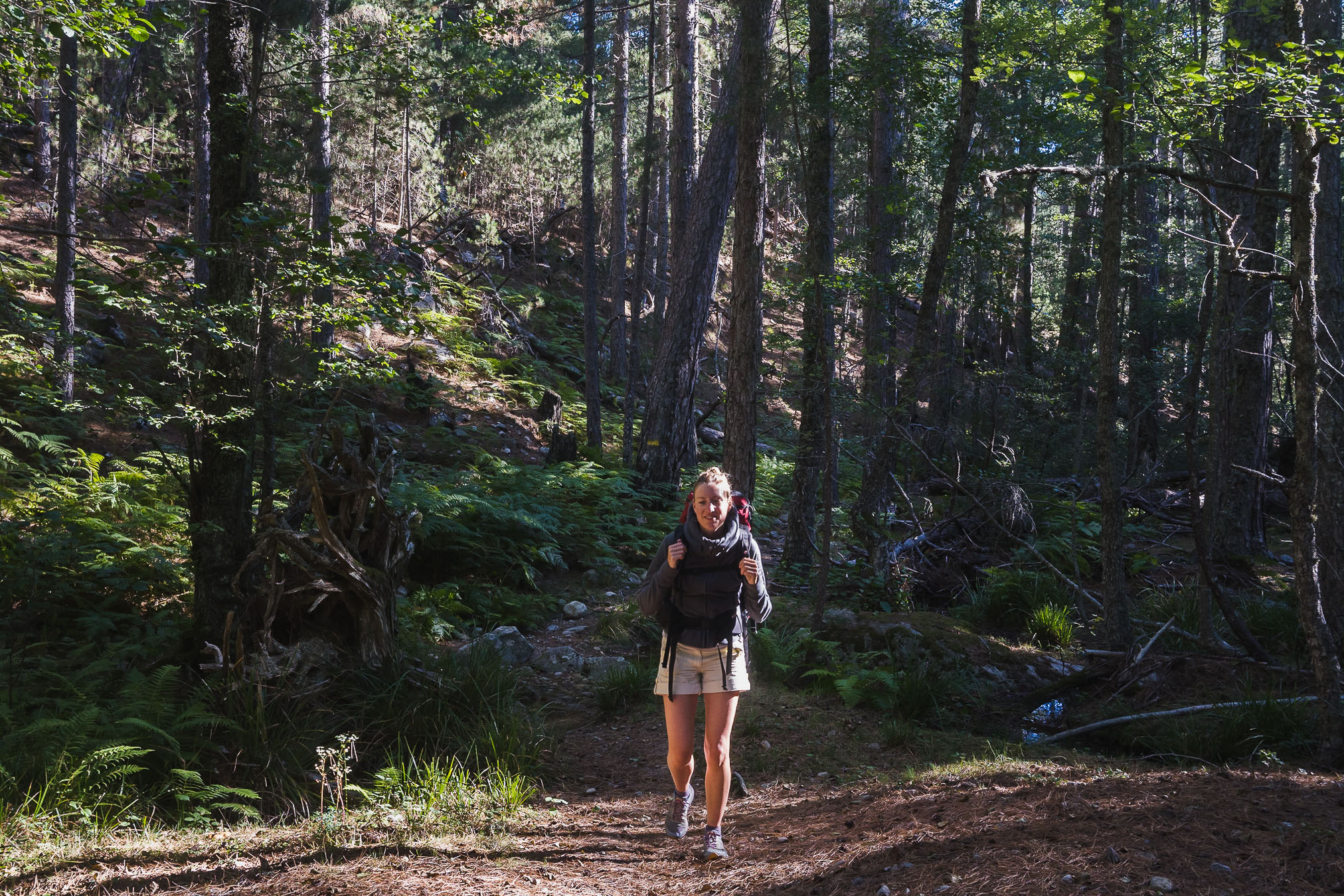
After an evening visit of Corte and a good night of sleep we set off in remote nature. Don’t underestimate and make sure you take enough pre-cautions such as food, water supplies, warm clothes, camping gear, good shoes, etc. It’s not just a random hike. We made our own loop by combining the Mare a Mare route withe the GR20 and then back down via the lake of Capitello and Melo lake.

Corsica_LL_35_DSC09414Corsica_LL_38_DSC09464

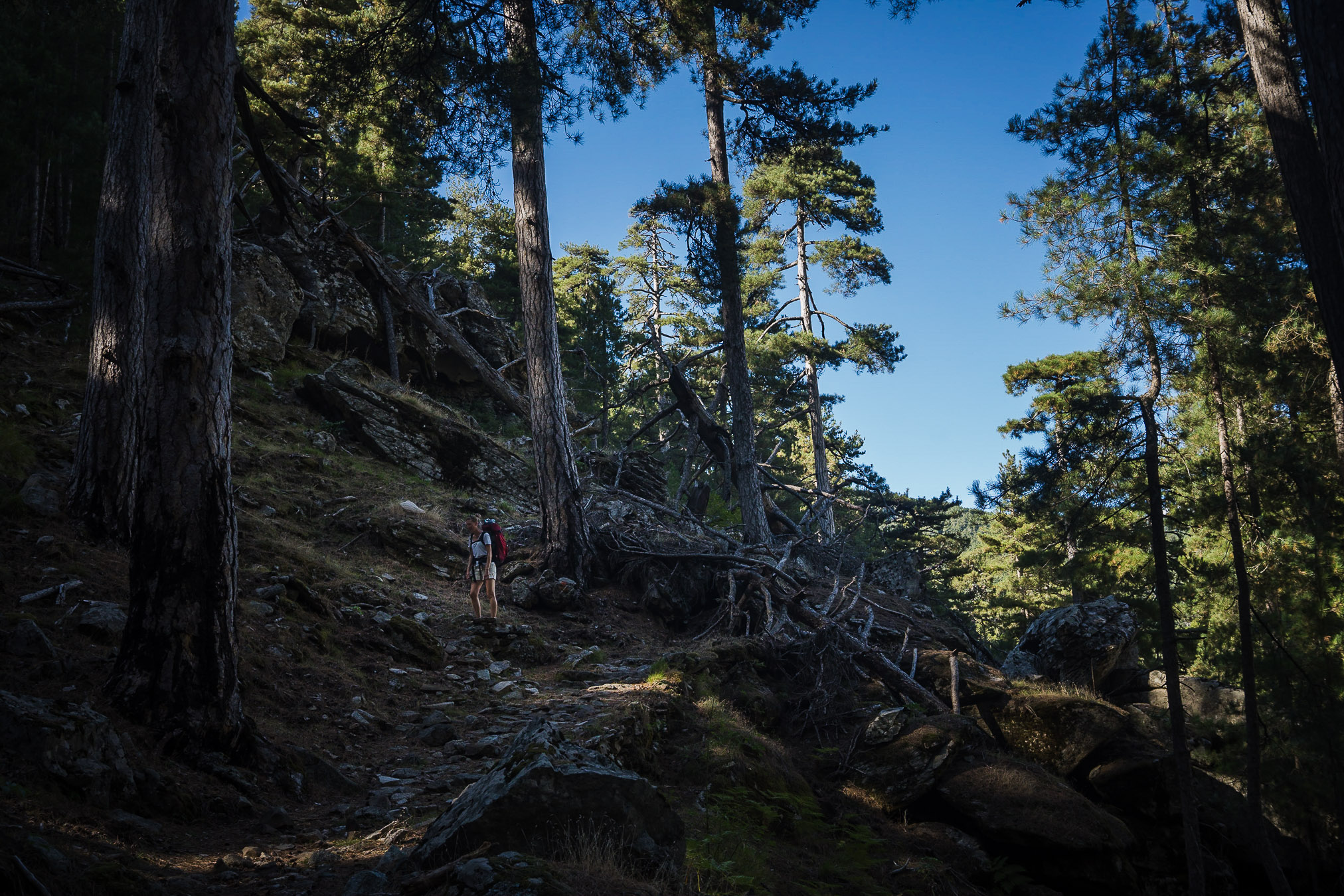
On the first day we followed the Mare a Mare route to the Refuge de la Sega. A good full day of hiking where we met close to no other people on the trails. There were a couple of wells so we could refill our bottles on the road.
Corsica_LL_39_DSC09480

Corsica_LL_40_DSC09484

At the refuge there were very few people since it was at the end of the season. We got the typical mountain food: starter with cheese, salad and bread and pasta for the main course. In the other refuges we also always got exactly the same food… so after four days we were totally saturated of this.
Corsica_LL_41_DSC09486

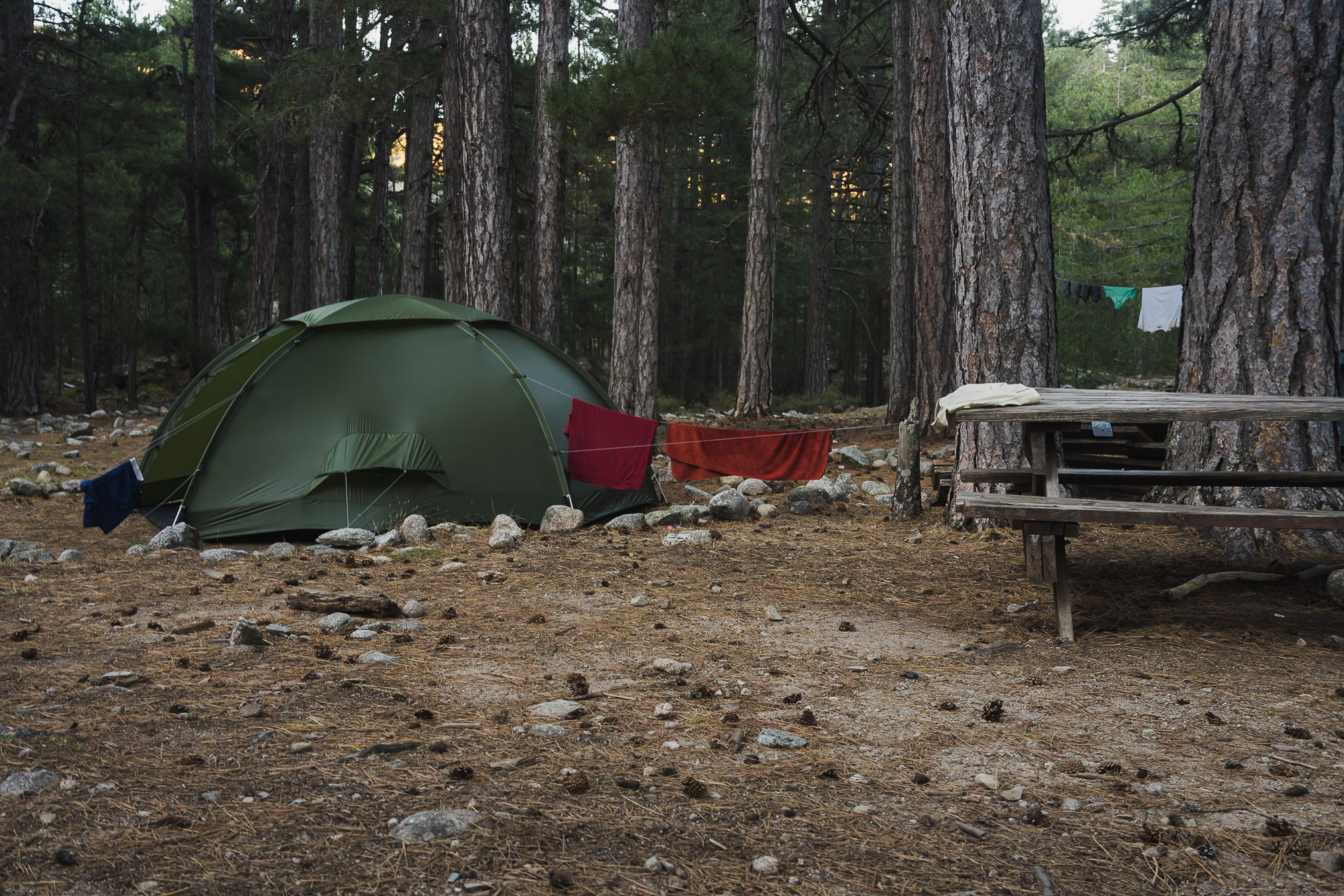
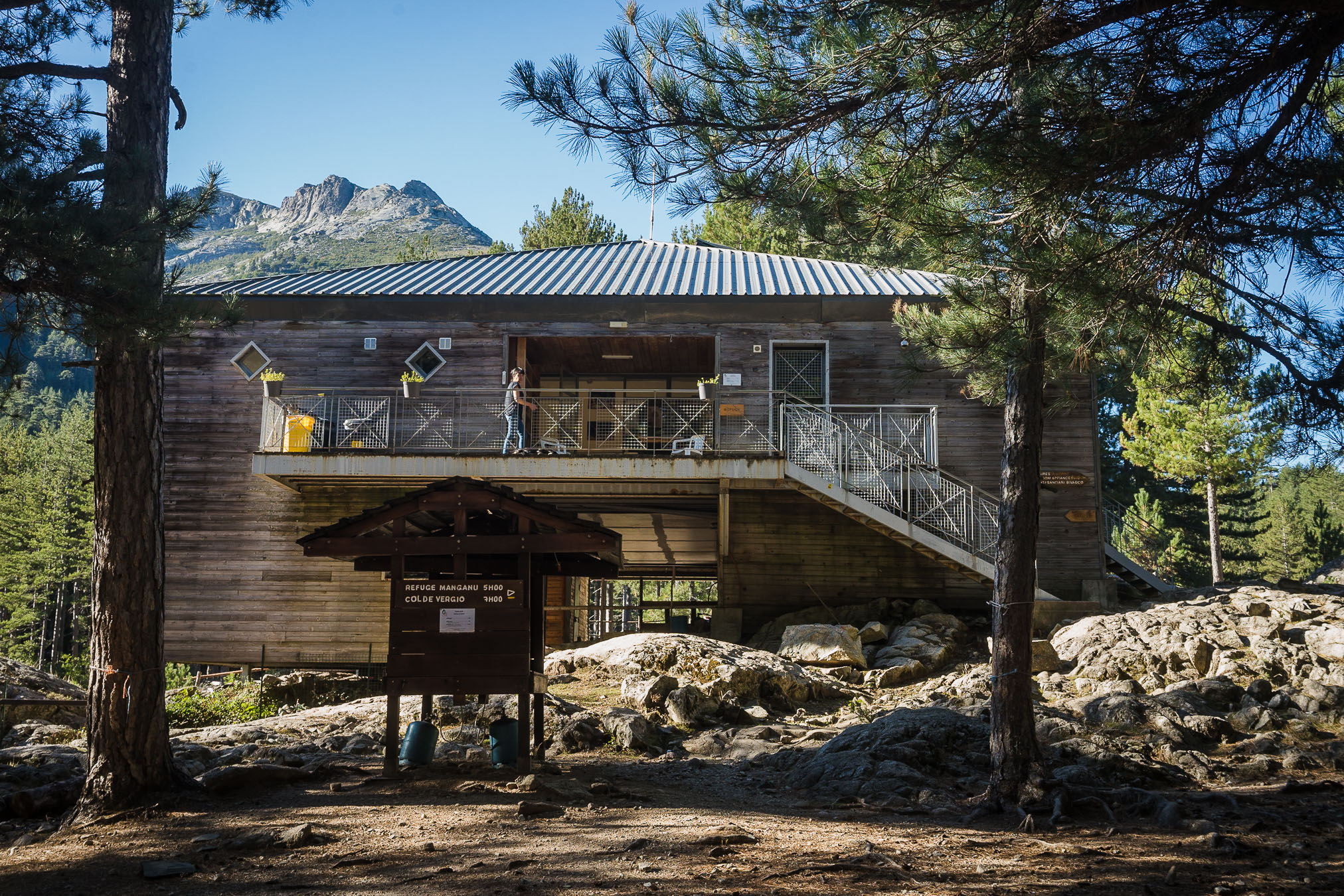
On the second day we continued until the Bergerie de Vaccaghia where we had a late lunch. From there we continued on the famous GR20 to refuge de Manganu, where we set camp for the night. On the GR20 there’s a lot more hikers, so even at the end of the season the campsite was rather full and we heard that all beds were booked.
Corsica_LL_42_DSC09492

Corsica_LL_43_DSC09522

Corsica_LL_44_DSC09527

Corsica_LL_46_DSC09556

Below you can see refuge de Manganu and the campground around it. This was before most of the other hikers arrived and setup camp.Corsica_LL_47_DSC09564
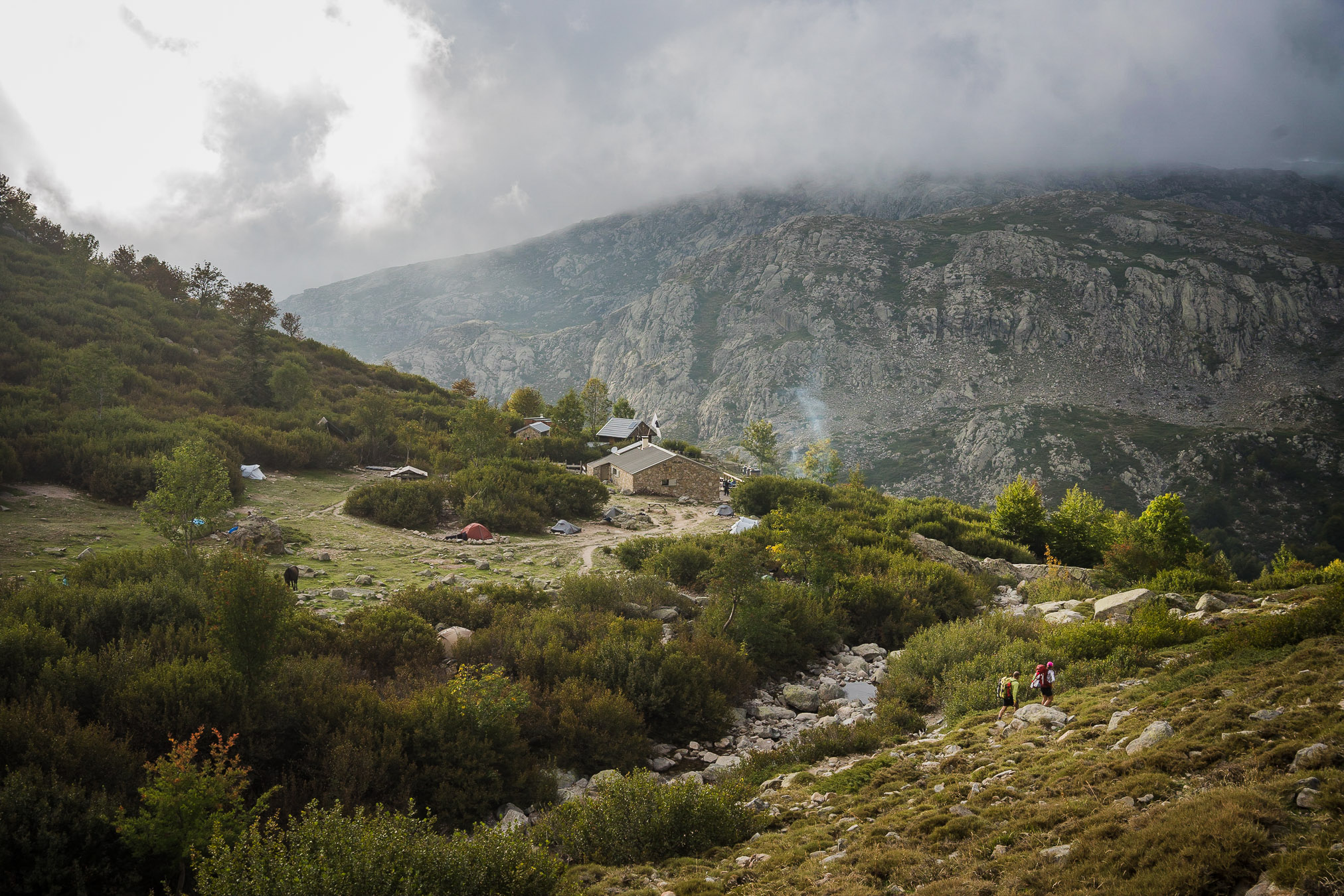
On the third day we left our tent and heavy gear at the refuge de Manganu, and just made ourselves a daypack to hike to Lac de Nino and surroundings. With a book and a good picknick we had a bit of a more relaxing day.

Corsica_LL_48_DSC09591

Corsica_LL_49_DSC09602

Corsica_LL_51_DSC09609

Corsica_LL_52_DSC09619

On the fourth day we woke up before sunrise to pack our tent and start early for the most technical hiking day. That way we were before most of the other hikers and could take our time and have a bit of space whenever we had to climb over dangerous bits of trail.
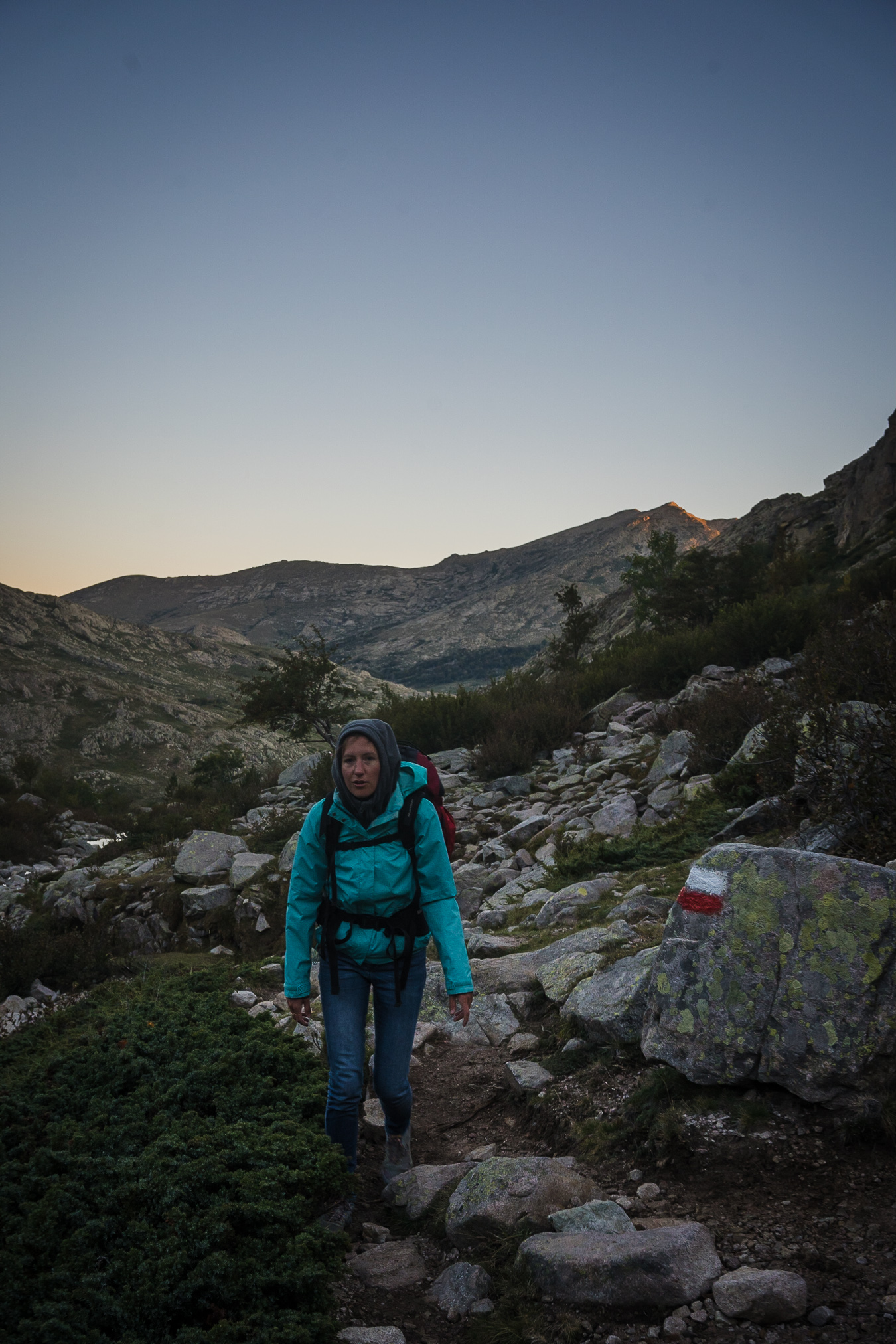
Corsica_LL_54_DSC09636

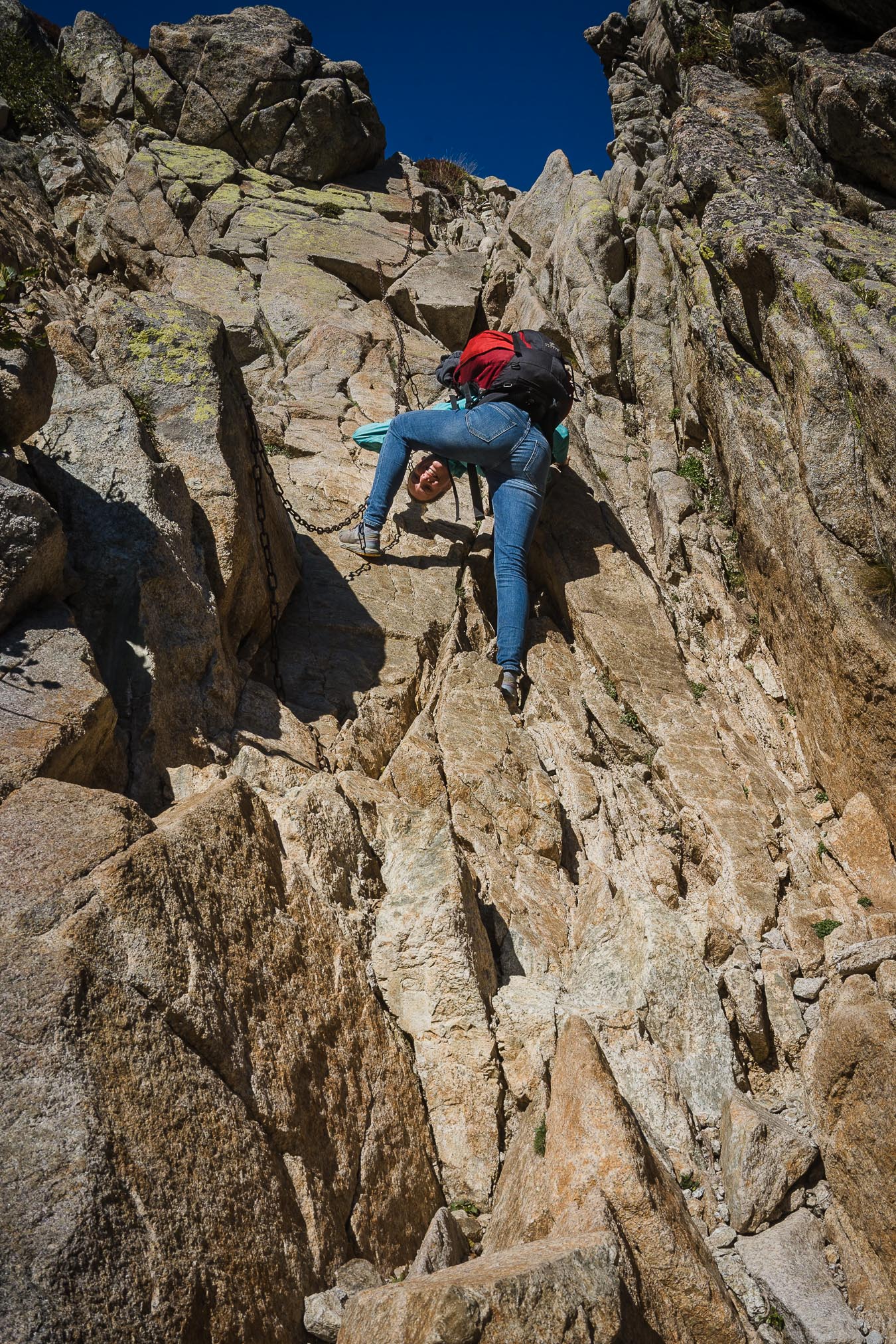
It was sure challenging multiple times and some slopes were rather steep with very deep gorges on the side. So I’dd rather not do this part of the GR20 with heavy rain or snow (which apparently does happen often, even sometimes during the summer!).

Corsica_LL_55_DSC09637

Reaching the mountain pass was impressive, and from there you have a view on the two big lakes far down the mountain: Lac de Capitello and Lac de Melo.

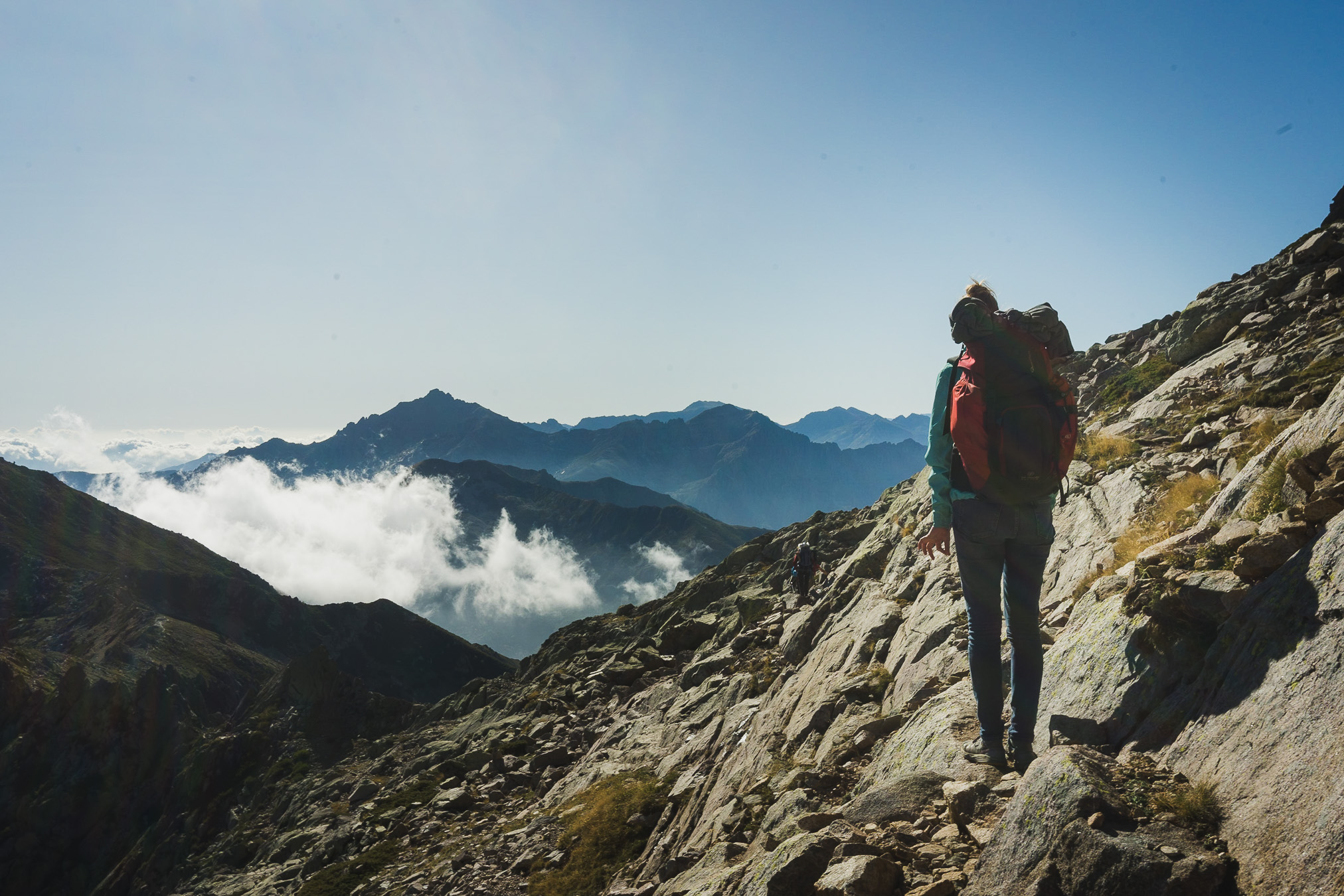
Corsica_LL_57_DSC09671

Corsica_LL_58_DSC09674

Corsica_LL_59_DSC09680

After four good days of hiking it was nice to go back to civilisation.

Chapter 4: The West

Calvi – Porto – Evisa

We took the train from Corte to Calvi and stayed the night at a good hotel with a nice swimming pool (Hotel Le Saint Erasme). Close by we found a must-go restaurant: U Fanale. The menu was not that expensive and having a candle light dinner under the big tree on the terrace feels like true holidays.

Corsica_LL_61_DSC09728

With our rental car we drove to Porto Ota. There we stayed at another nice campsite Les Olivers. We took another boat trip from Porto Ota to see the nature park of Scandolla. This place can only be visited by boat since it is a nature reserve where no people are allowed in.

Corsica_LL_63_DSC09813

The day after we took a good hike to Capo Rosso. If I’m not mistaken it was 2 to 3 hours to get to the famous Genua tower.

Corsica_LL_65_DSC09898

Corsica_LL_66_DSC09902

Corsica_LL_67_DSC09923-SmartPreview-Pano

Corsica_LL_68_DSC09938

To then drive to Cap Corse we chose to cross the island and spend the night in the small mountain village of Evisa. We stayed at hotel Aitone… which was as friendly and funny as the Fawlty Towers hotel you know from the old days on BBC.

Corsica_LL_71_DSC09990

Chapter 5: Cap Corse

We saw Cap Corse as a good road trip of two days, where we crossed for Evisa to Cap Corse to Nonza and Ile-Rousse.

On the road it was our turn to take some (local Corsican) hitchhikers and get to know the small villages in the mountains around Sisco. Strolling around we visited the small roads, huge villa-like family graveyards and enjoyed the views on the sea.

Corsica_LL_72_DSC00025

Corsica_LL_73_DSC00028

Corsica_LL_74_DSC00063

Afterwards we took a bigger hike at Plage de Tamarone and had a good salad lunch at ‘Sporting bar’ under the plants in the harbour of Centuri. We took another walk in the village of Pecorile.

After multiple hours of driving we finished our day in Nonza. We stayed at a superb small bed and breakfast called Casa Lisa. This was by far the most beautiful Corsican house we stayed at during our trip. We had a small sandwich/cheese platter dinner with the locals on the cosy terrace of Cafe De La Tour. During the season the restaurant of La Sassa is supposed to be a good one with impressive views… but that one was already closed for winter at the end of September.

Corsica_LL_75_DSC00083

Corsica_LL_77_DSC00100

After breakfast on the terrace of the B&B we continued to Saint-Florent for lunch in La Vista (the city itself is not that special). In Ile-Rousse we did a bit of walking and had some good food at L’Escale.

Chapter 6: The boat

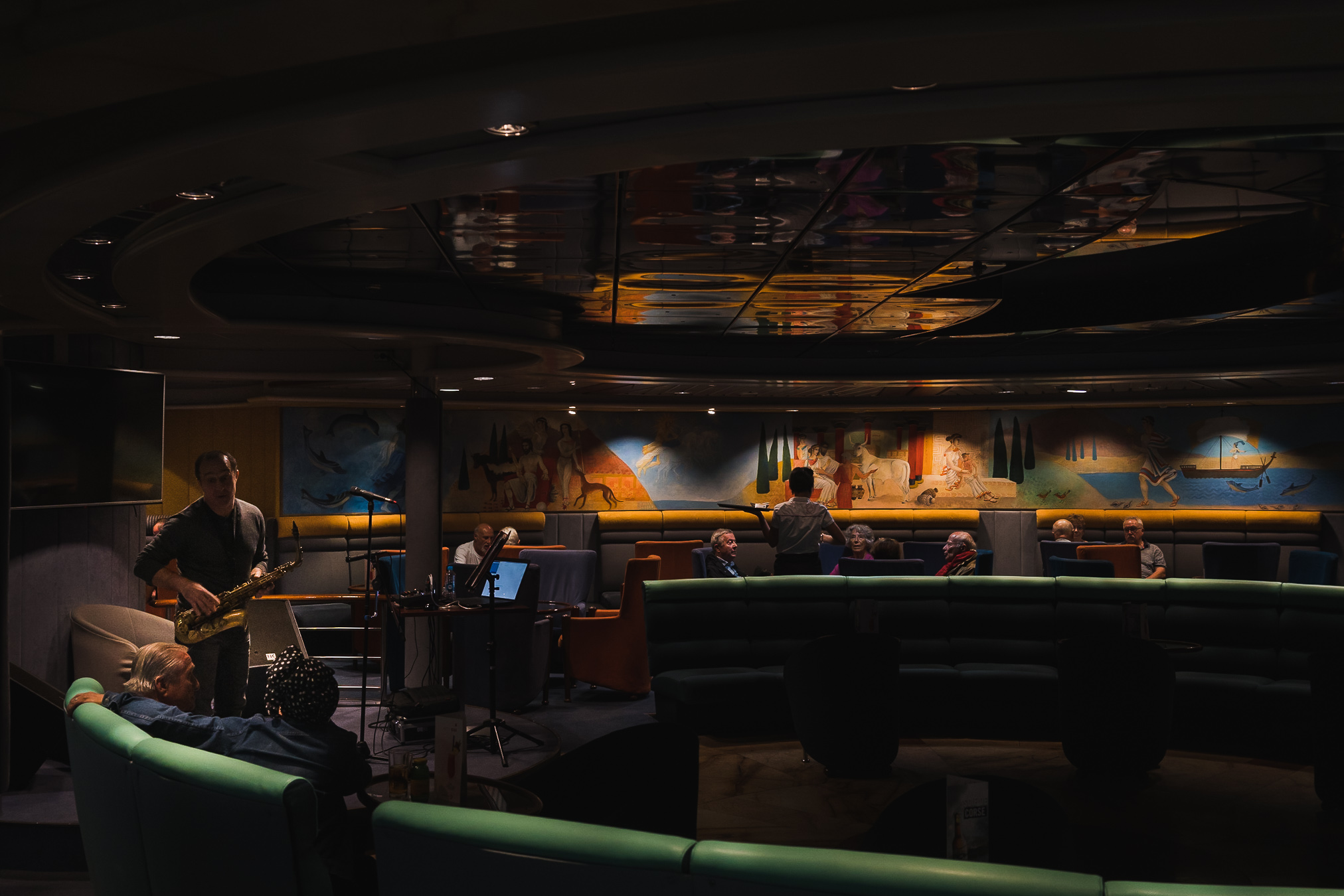
To go back to Marseille the next day we took the night ferry again. The famous Corsica Ferries and Corsica Linea boats go up and down between mainland France and Corsica (and some from Italy). They go extra slow so that you have enough time to take dinner on the boat in the evening, can have a good night of sleep in one of the cabins and have an early breakfast before arriving.

Try to imagine a completely out of date interior, possibly a live bar with maritime copper elements and foreign soldiers drinking cocktails or whiskey at the bar. The impressive charm of long lost days of glory is endless on board of these boats.

Corsica_LL_01_DSC08869

We are still waiting to get a 220 EUR refund of the taxi we had to urgently take from Ile-Rousse to Bastia… They decided to change the hour AND city of where the ferry would leave, because of weather conditions. They send us an email a couple of hours before (that we did not see on time) and they did not call us at all. They arranged a taxi for us that they promised to pay back… but so far they decline to pay back.

Corsica_LL_79_DSC00124

Corsica_LL_05_DSC08953

We took some drinks, but preferred our own fancy picknick with good bread, houmousse, olives, cheese and wine over the average but overpriced boat meals. So make sure to buy some good quality food before boarding.

We booked a cabin for 2 with a bathroom and shower…and honestly, you have all the comfort you need. Just make sure to take your earplugs since the boat engines or vibrations can be heard at night.

Corsica_LL_80_DSC00165

Nothing nicer than an early sunrise at sea after a good night of sleep.

Corsica_LL_07_DSC08969