GR98 Magic: Hiking the Calanques From Cassis to Marseille & Cap Canaille

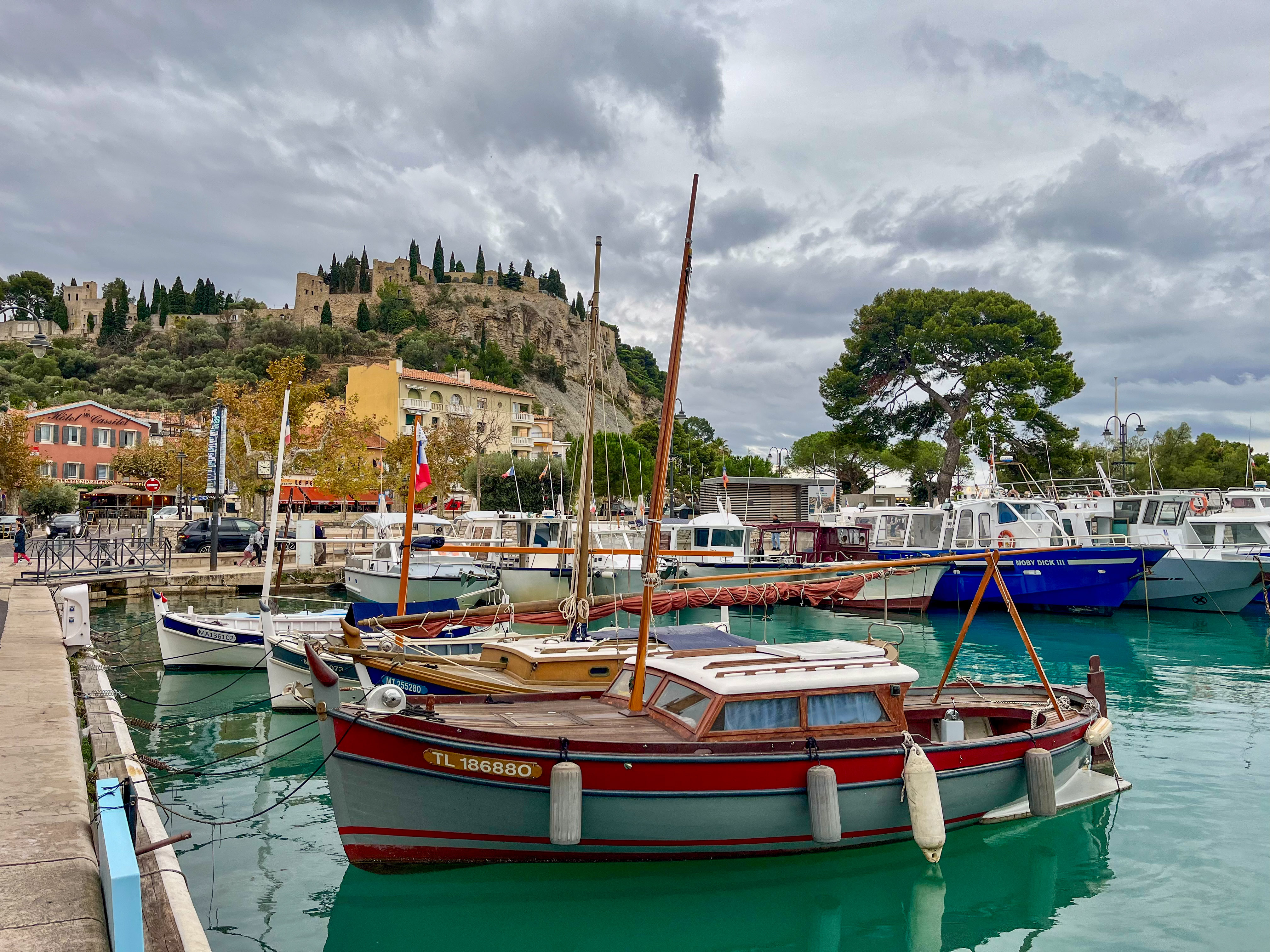
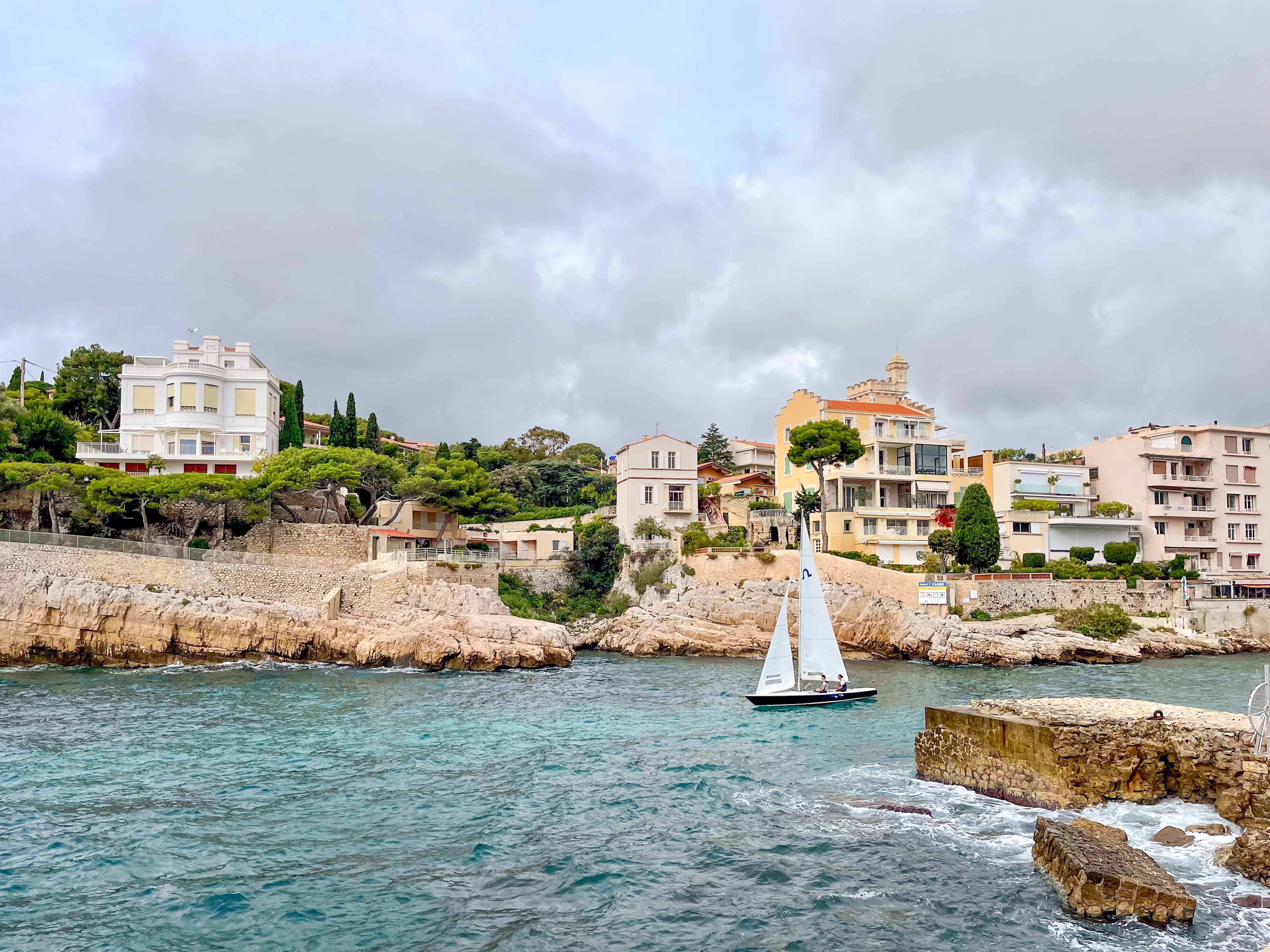
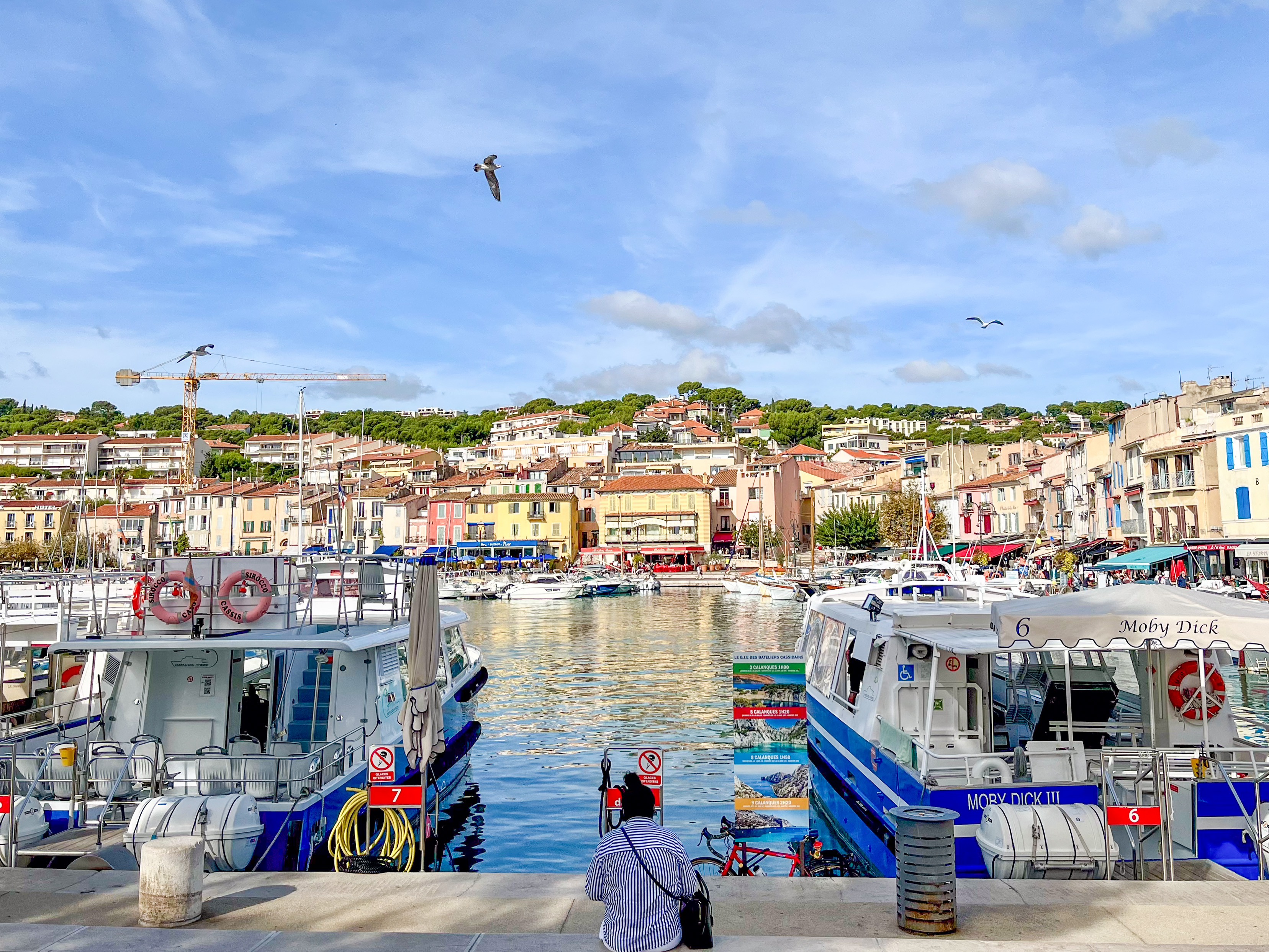
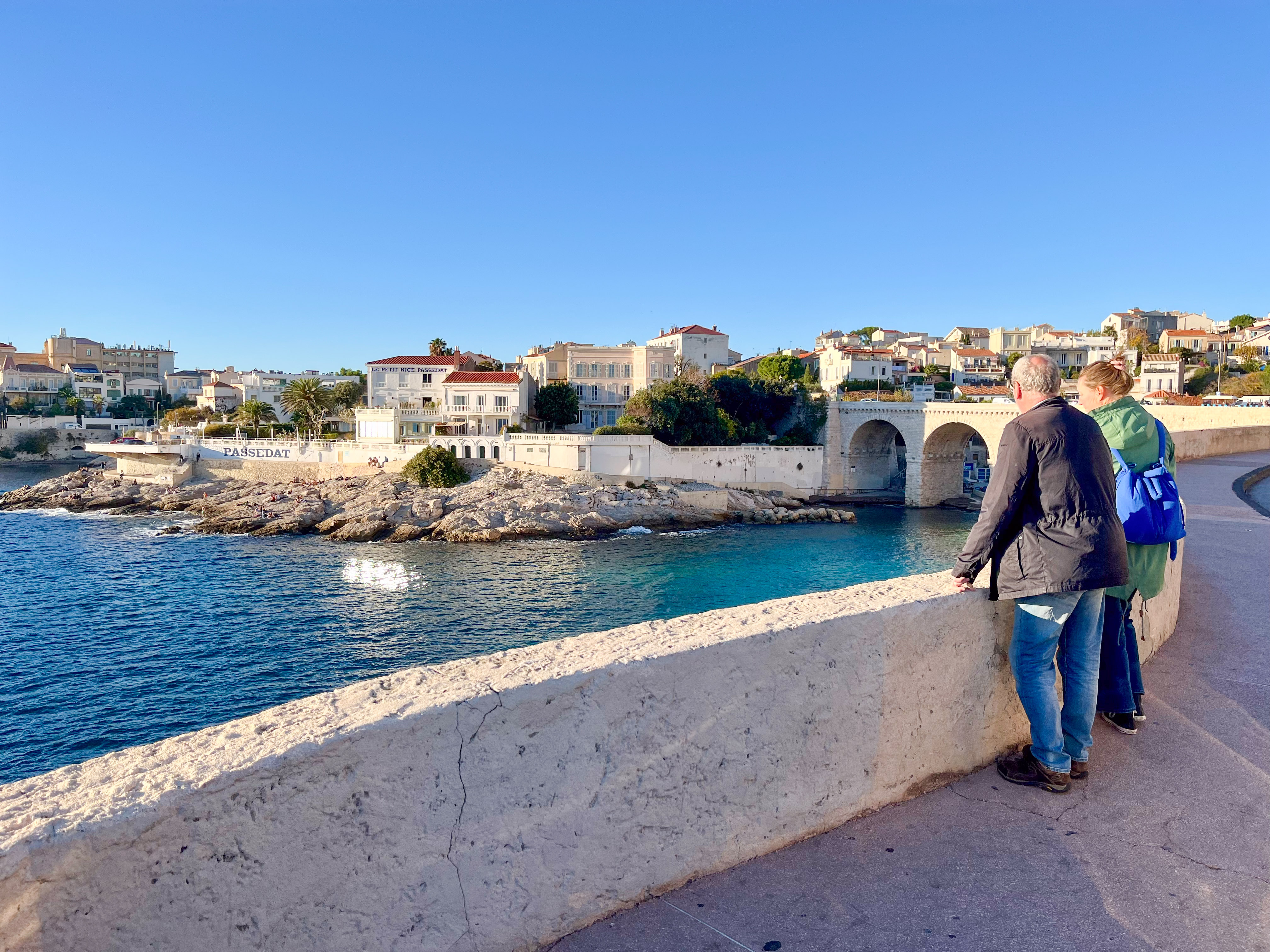
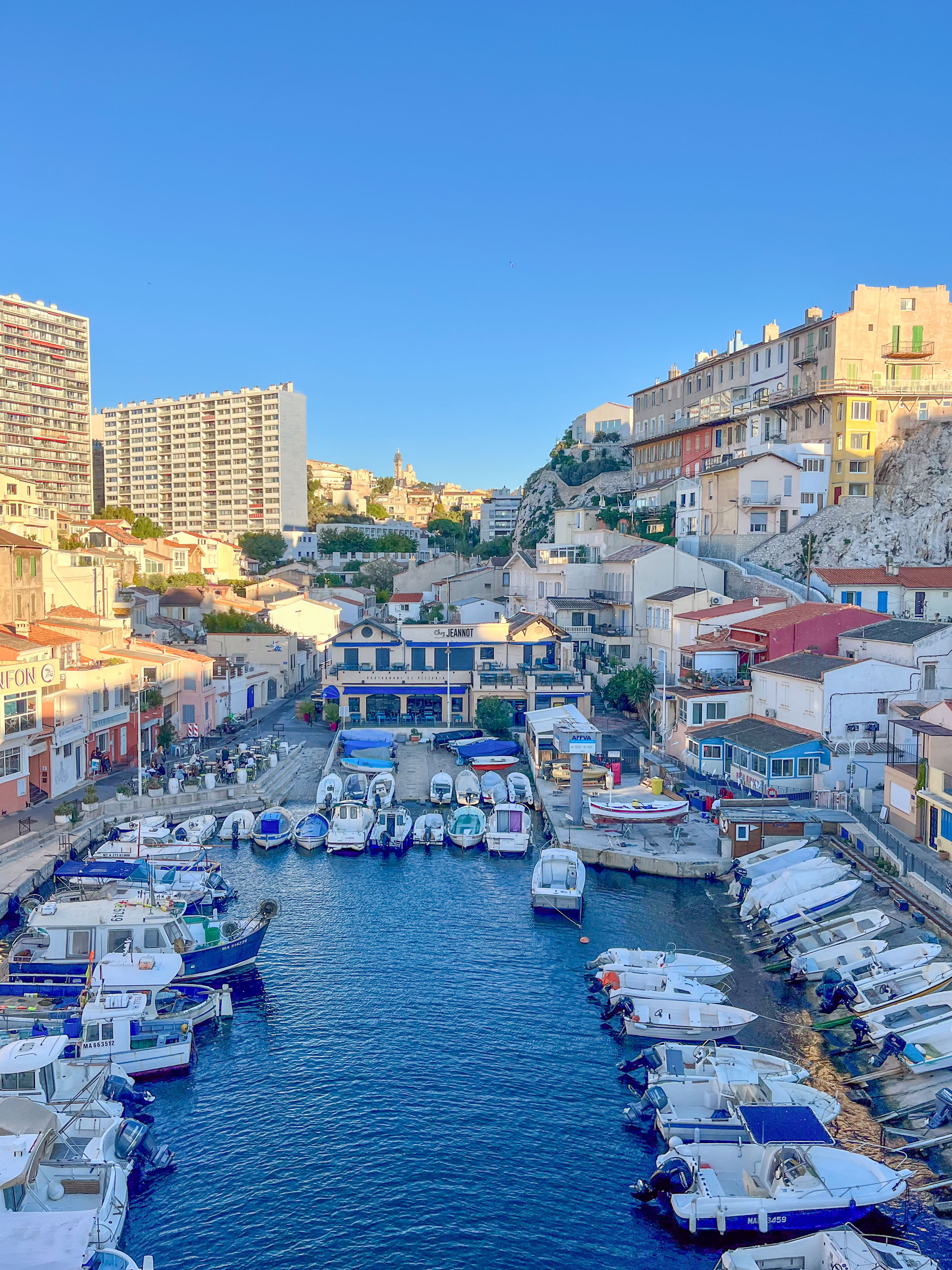
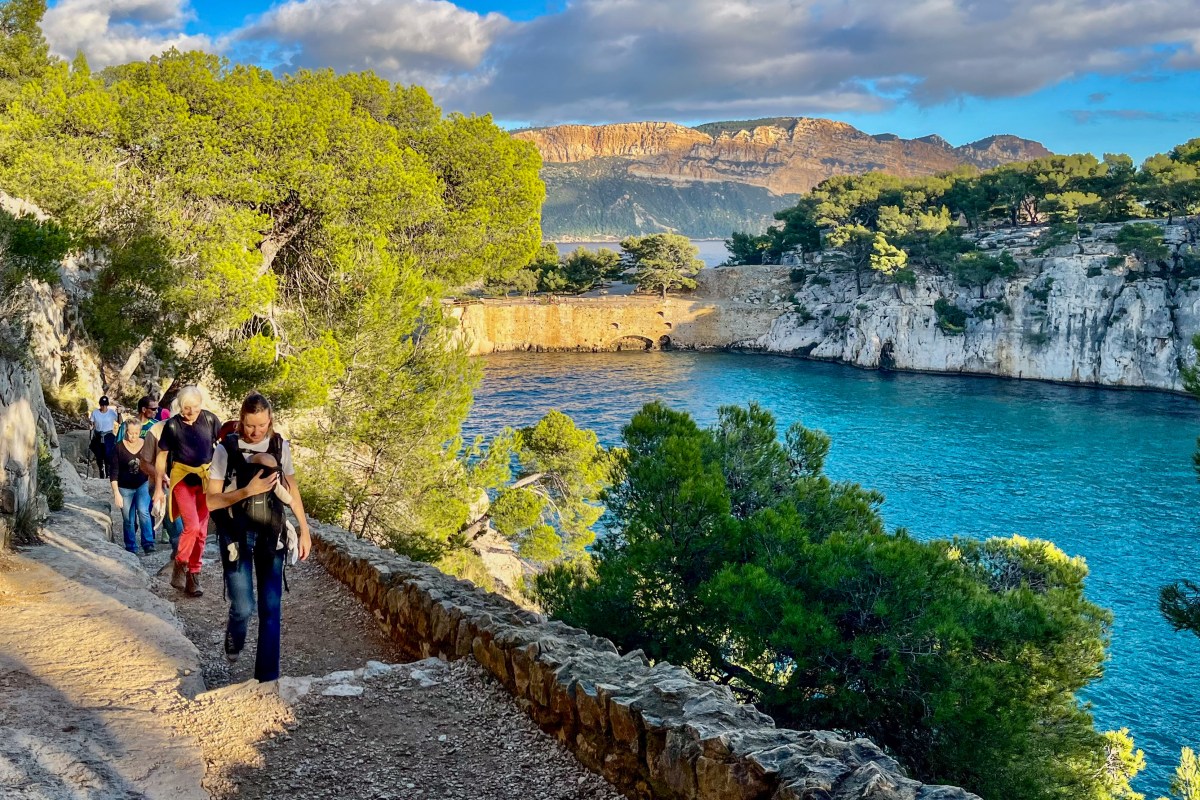
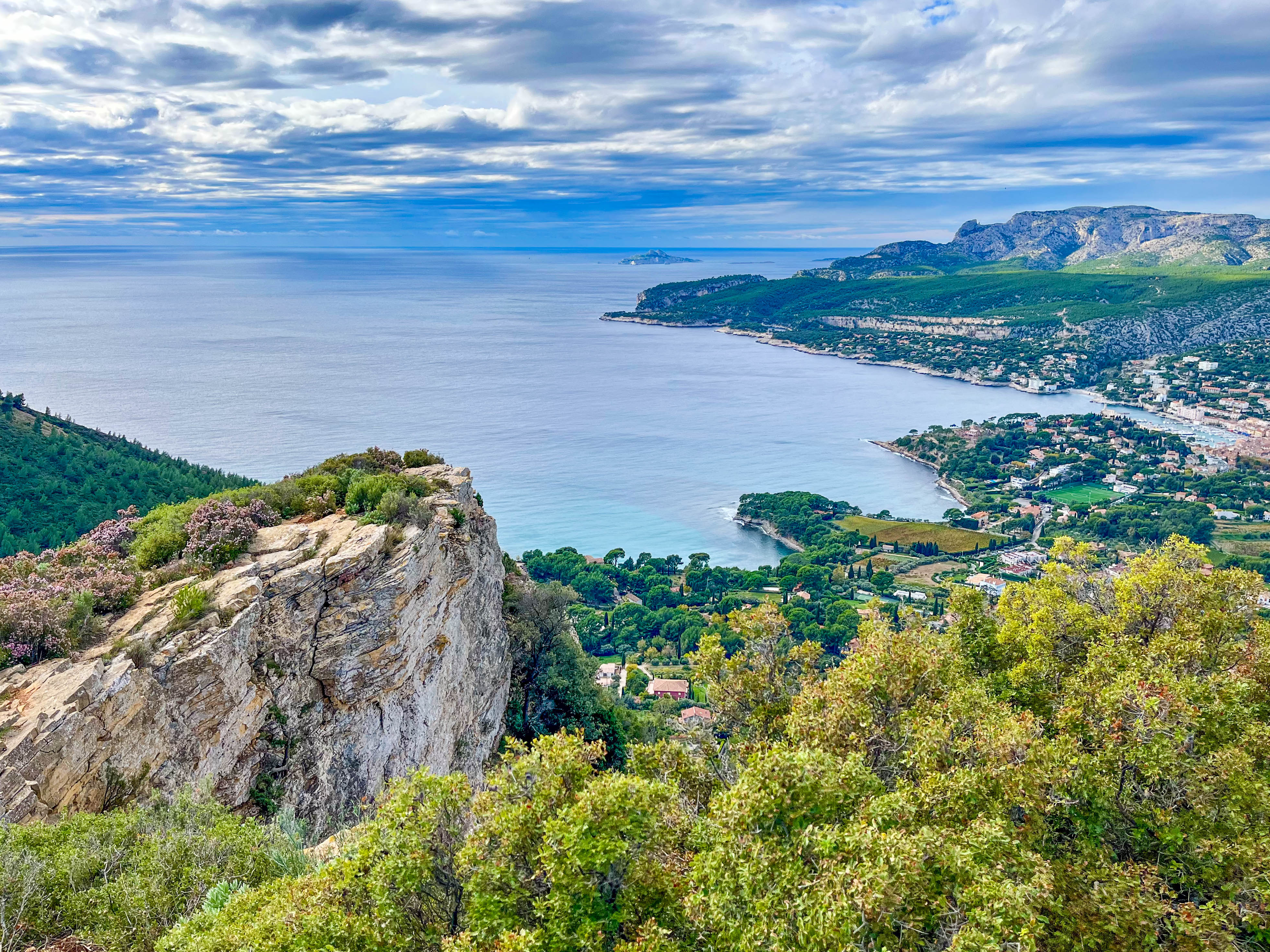
The GR98 glides through one of Europe’s most striking nature parks: Calanques National Park, washed by impossibly blue Mediterranean waters, carved by creeks, dreamy beaches, and framed by monumental cliffs like the Cap Canaille. Whether you’re a rugged adventurer eager to camp beneath the stars or a family with children seeking an unforgettable blend of nature and relaxation, this journey belongs on every carbon-conscious traveler’s wish list. We visited parts of the GR98, Cassis and Marseille early November and generally speaking the weather was still nice and warm. It’s a good trip for an autumn escape to the sun!

A. For Adventurous Backpacker Hikers

  • The GR98 is a legendary trek. The part between Marseille to Cassis, typically takes two days through demanding terrain that rewards you with constant views of limestone cliffs, sparkling creeks, wild pine forests, and turquoise beaches. The full GR98 hiking route between Marseille and Cassis covers about 28–36 km, depending on the precise start/end (and optional detours). The hike typically takes between 9.5 and 12 hours for most hikers, though some fit groups or experts may complete it in 6–8 hours if conditions are ideal and with minimal breaks. Terrain is demanding with substantial elevation change (around 1,500–2,300 meters total ascent/descent). It is generally considered an all-day or two-day hike for most walkers.
  • Wild camping is officially prohibited in the National Park, but many hikers bivouac well off the trail. Choose dawn or dusk for finding a discreet spot, leave no trace, and avoid fire hazards.
  • Essential tips:
    • Carry 3L of water/person per day (no sources en route!), sun protection, hat, and grippy shoes. The limestone can be slippery after rainy weather.
    • Morning runs are magical: from Cap Canaille towards the North, or deep into the Calanques. If you want solitude, you’ll find it outside high-season or before 8 am.
    • Cap Canaille is Europe’s highest sea cliff and the views are unforgettable.
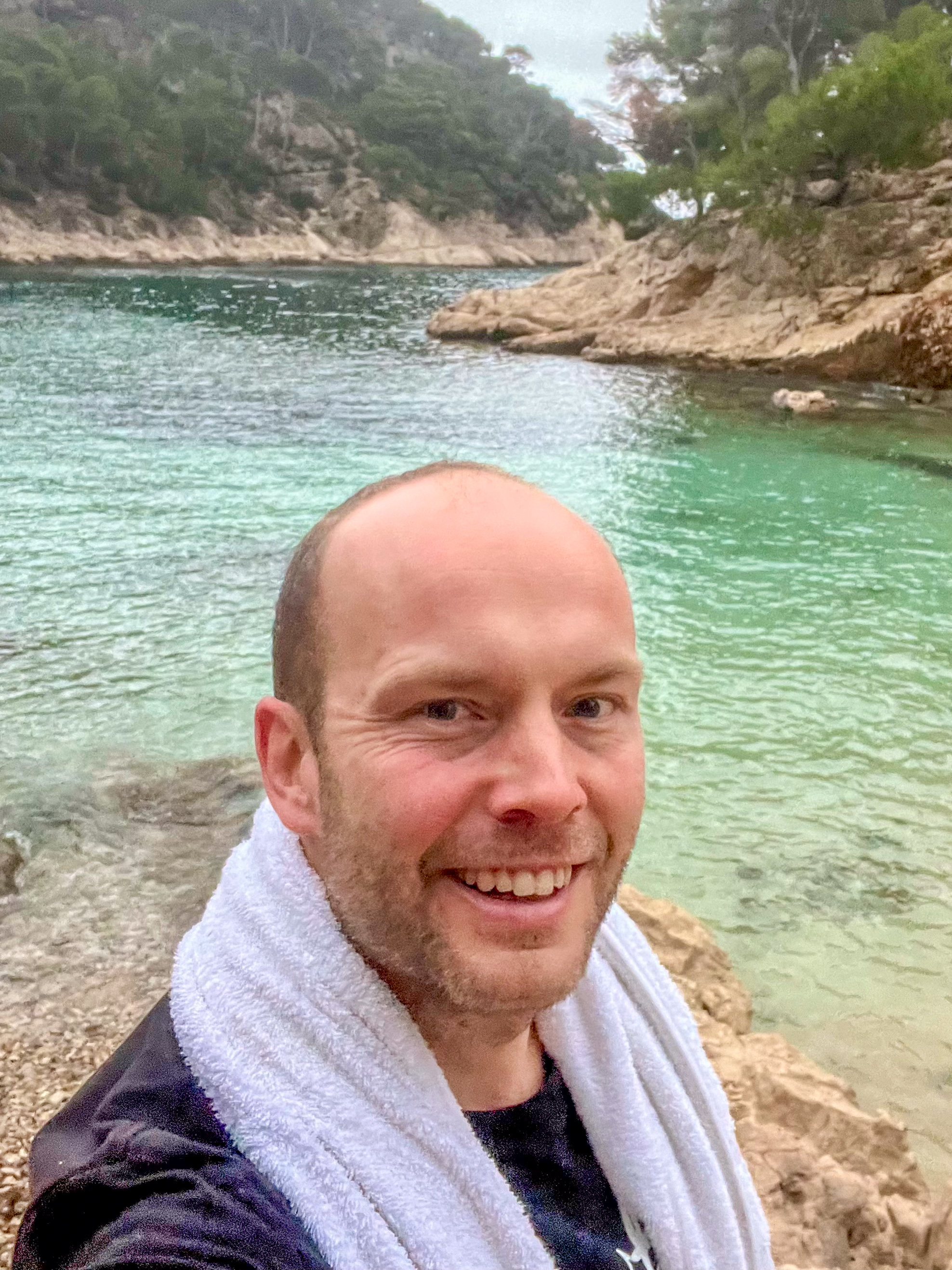
    • Combine with a swim at Calanque de Port Pin
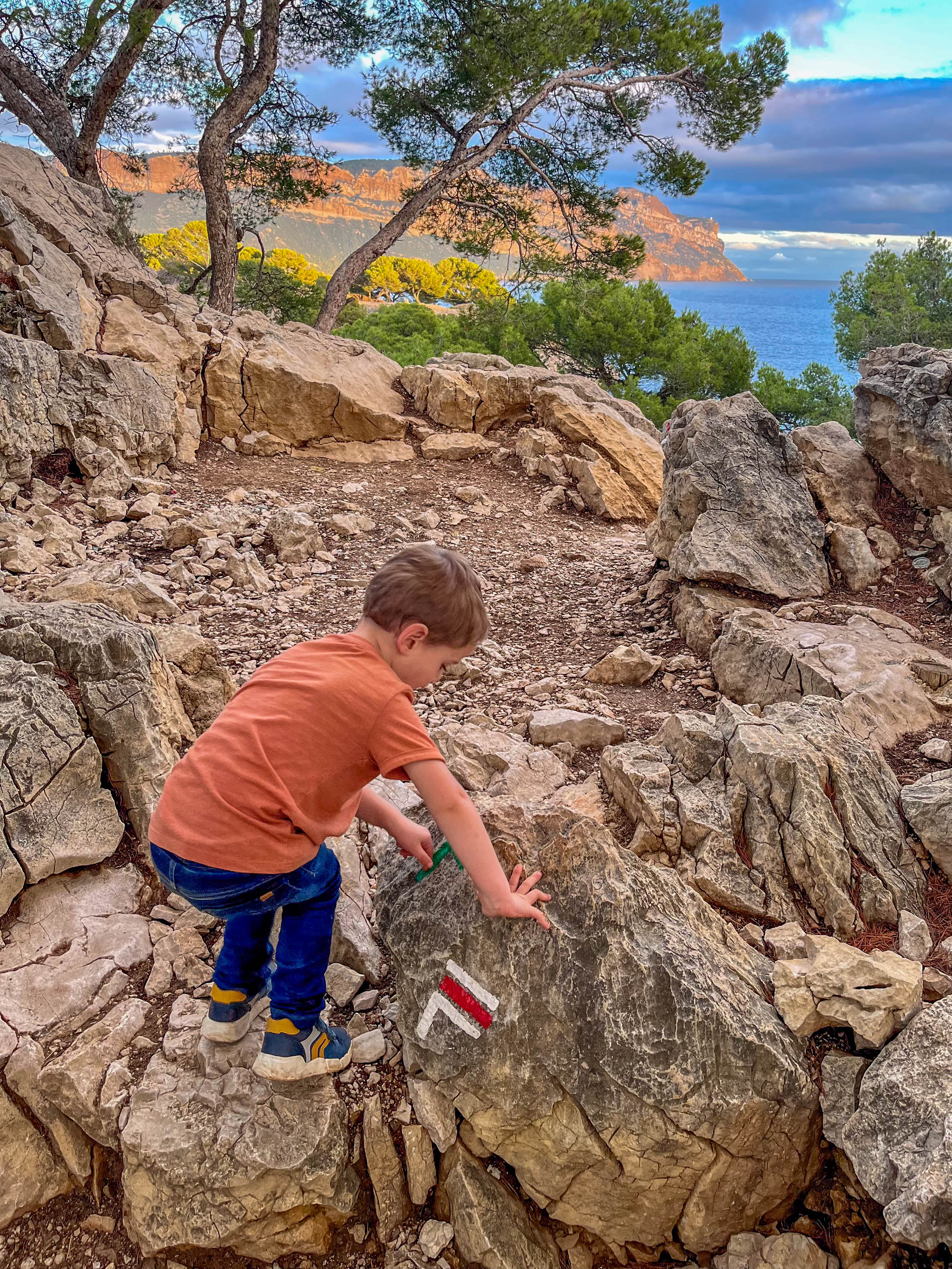
    • Navigation is straightforward: follow the famous red and white GR signs
    • In low season you’ll feel alone in the world. In midsummer you will have to start early or late to avoid crowds and the heat.

B. For Families With Kids

  • Cassis and Marseille make ideal bases, connected by direct train from Brussels: city-center to city-center in under 6 hours, with small kids riding free. Use folding strollers (Yoyo type) with scoot boards or baby carriers—no stroller can handle the GR98, and with kids you’ll have to manage shorter sections and get the best out of both places.
  • Warning: the Calenques paths are not kids friendly, so on the most dangerous parts I would have our 4-year old on my shoulders or firmly holding his hands. Cliffs are steep and dangerous.

Cassis

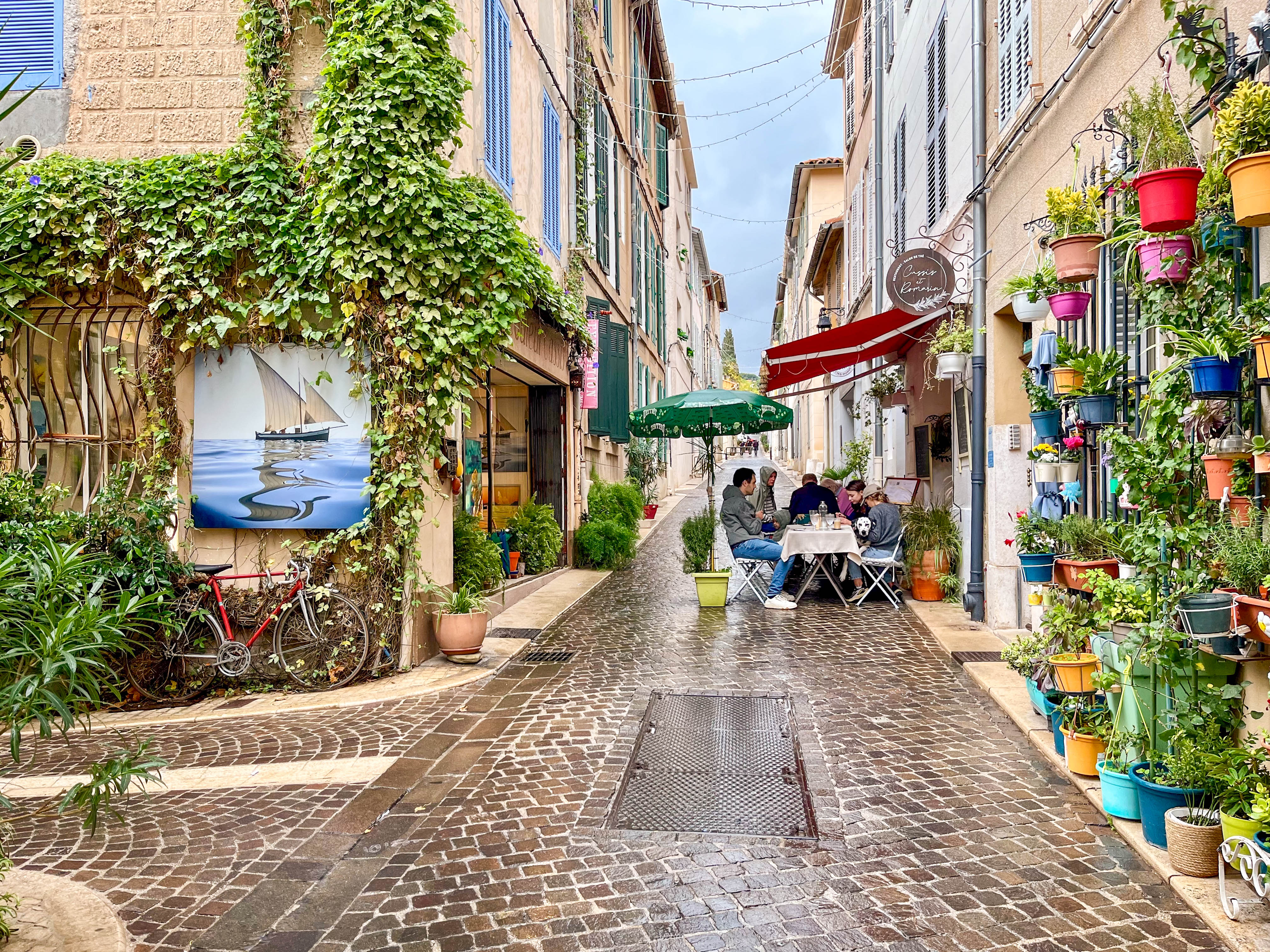
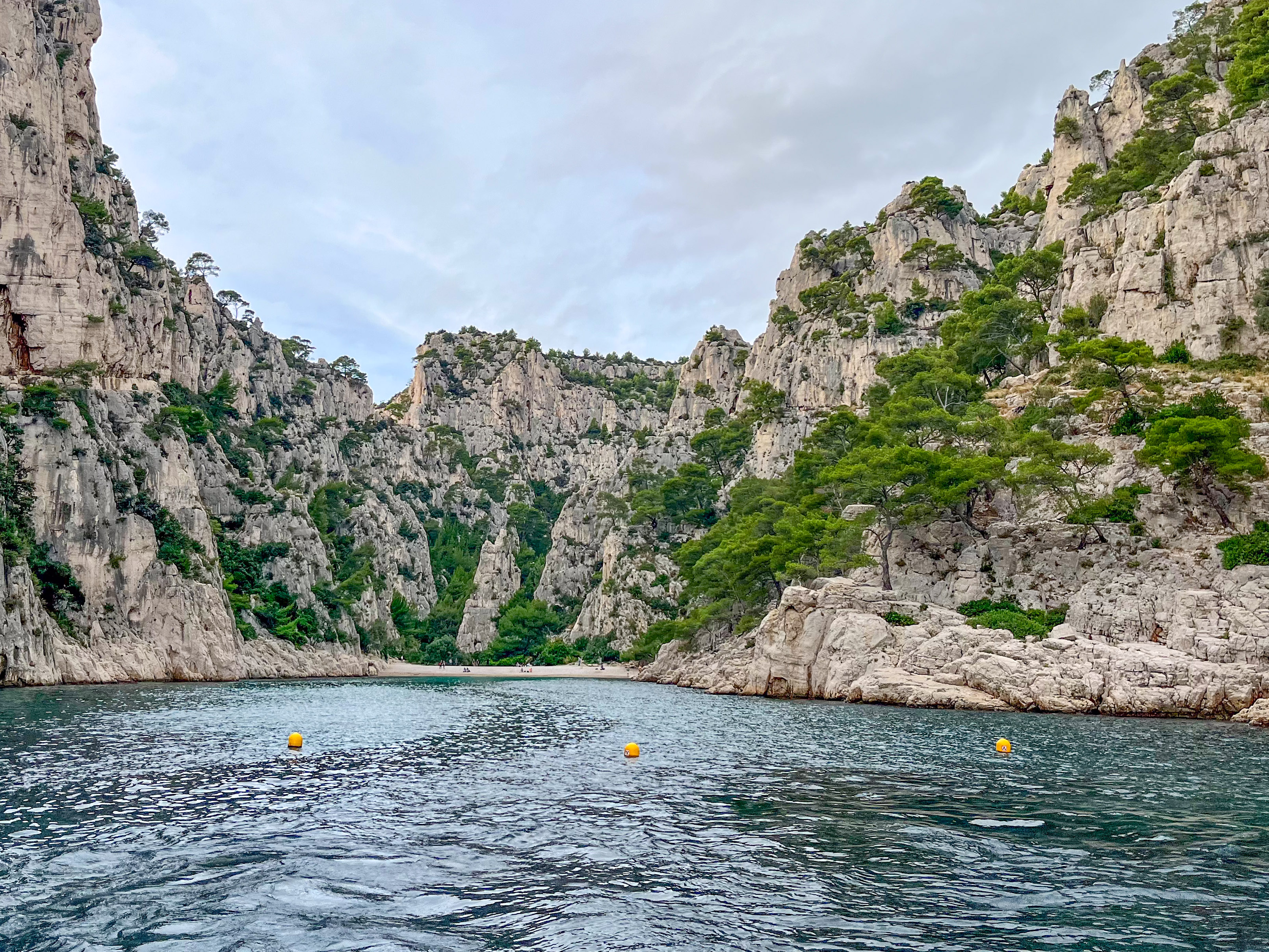
  • Base yourself several days in Cassis (Airbnb is optimal for multi-generational & multi-room stays): we explored the old port, took a boat tour of 8 Calanques, and enjoyed family-friendly restaurants like Cassis et Romarin and Chez Poulette.
  • Family hikes: Limit walks to 1-2 hours—enough to reach Calanque de Port Miou or Port Pin from Cassis. Four year old August loved collecting sticks under the pines and rocky parts to clamber on.
  • Take morning swims at Plage du Corton or Calanque de Port Pin. The water is clear, the setting super beautiful.
  • For longer hiker parents: Go out for morning runs in the Calanques or up Cap Canaille, switching off so both parents enjoy ‘trail time’.
  • The boat tours from Cassis are a safe way for families to experience the dramatic coastline—including Cap Canaille’s towering cliffs and the marine richness of the park.
Marseille

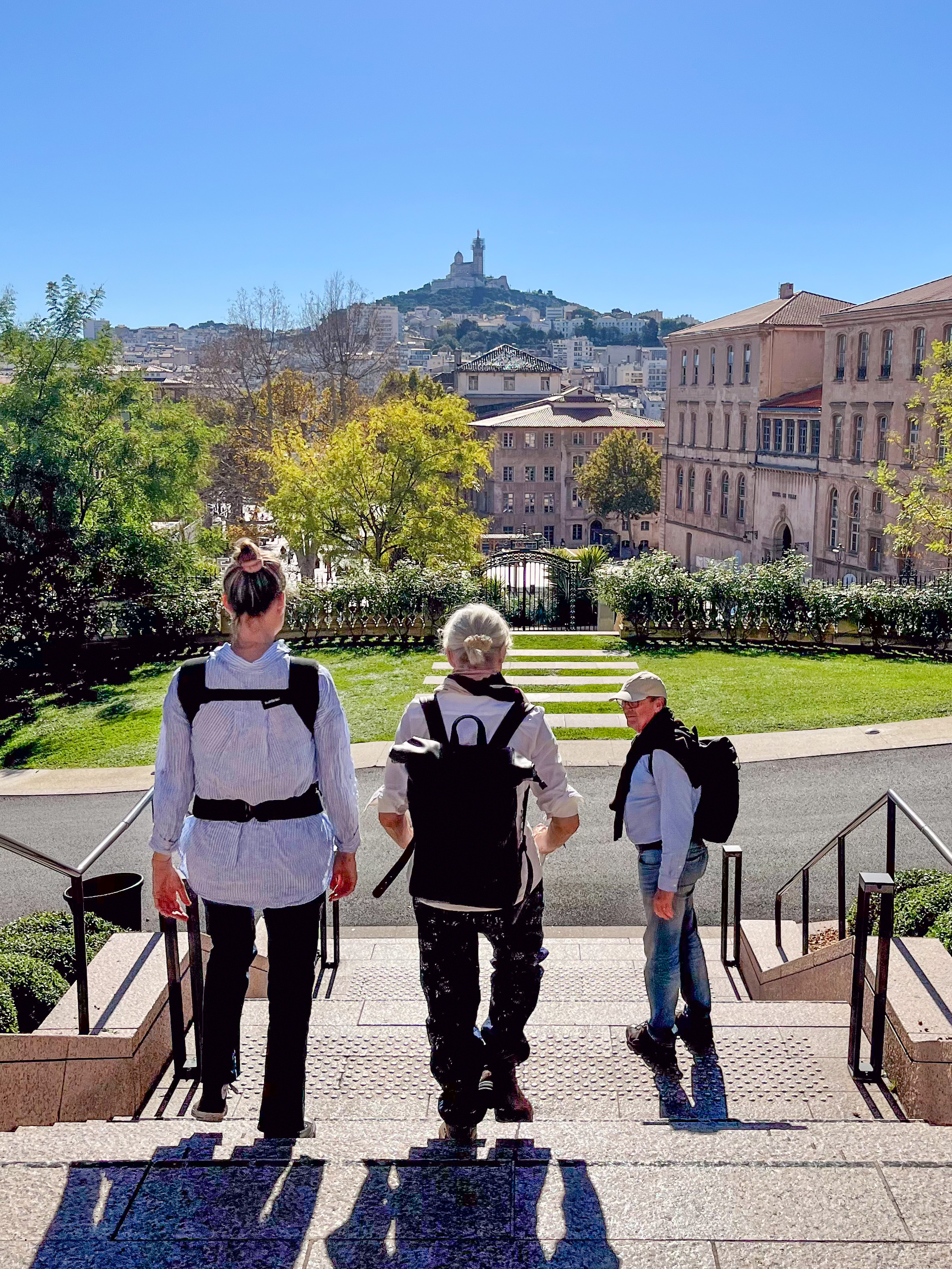
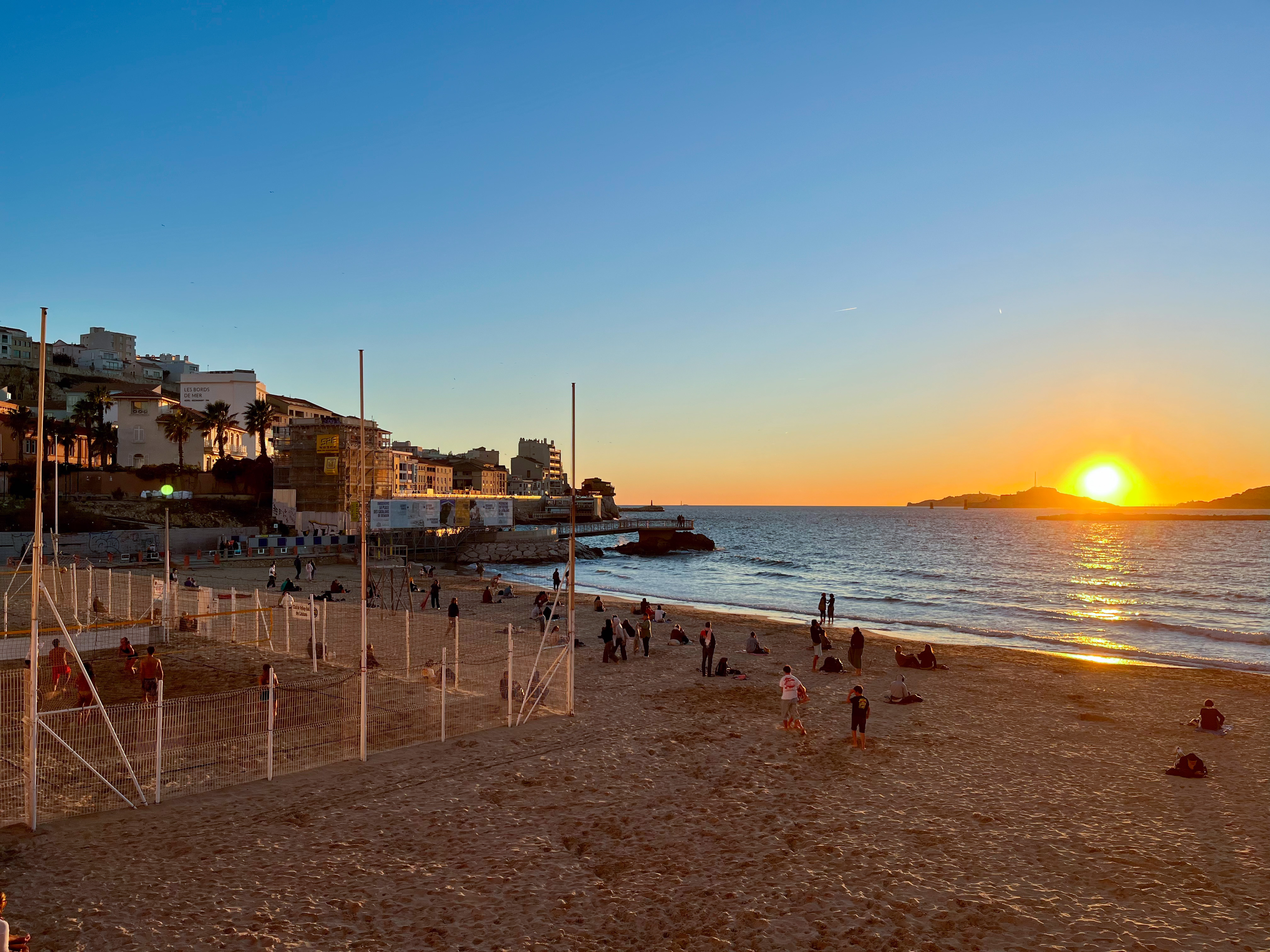
  • In Marseille, stay near Plage des Catalans for sunsets, jump between beach swims and city explorations, and hike to Notre Dame de la Garde for panoramic views.

The train journey

  • We took the train from Brussels to Marseille on Wednesday morning at 6:37… arrived nicely on time at 12:25 and jumped straight on the 12:35 train to Cassis. But even if we would have missed it, there’s a train every half an hour.
  • Our train going cost 103 EUR/person (we booked the kids free on our seat for Joanna & August), return was 90 EUR/person… so kind of affordable and super convenient to be from city center to city center in less than 6 hours.
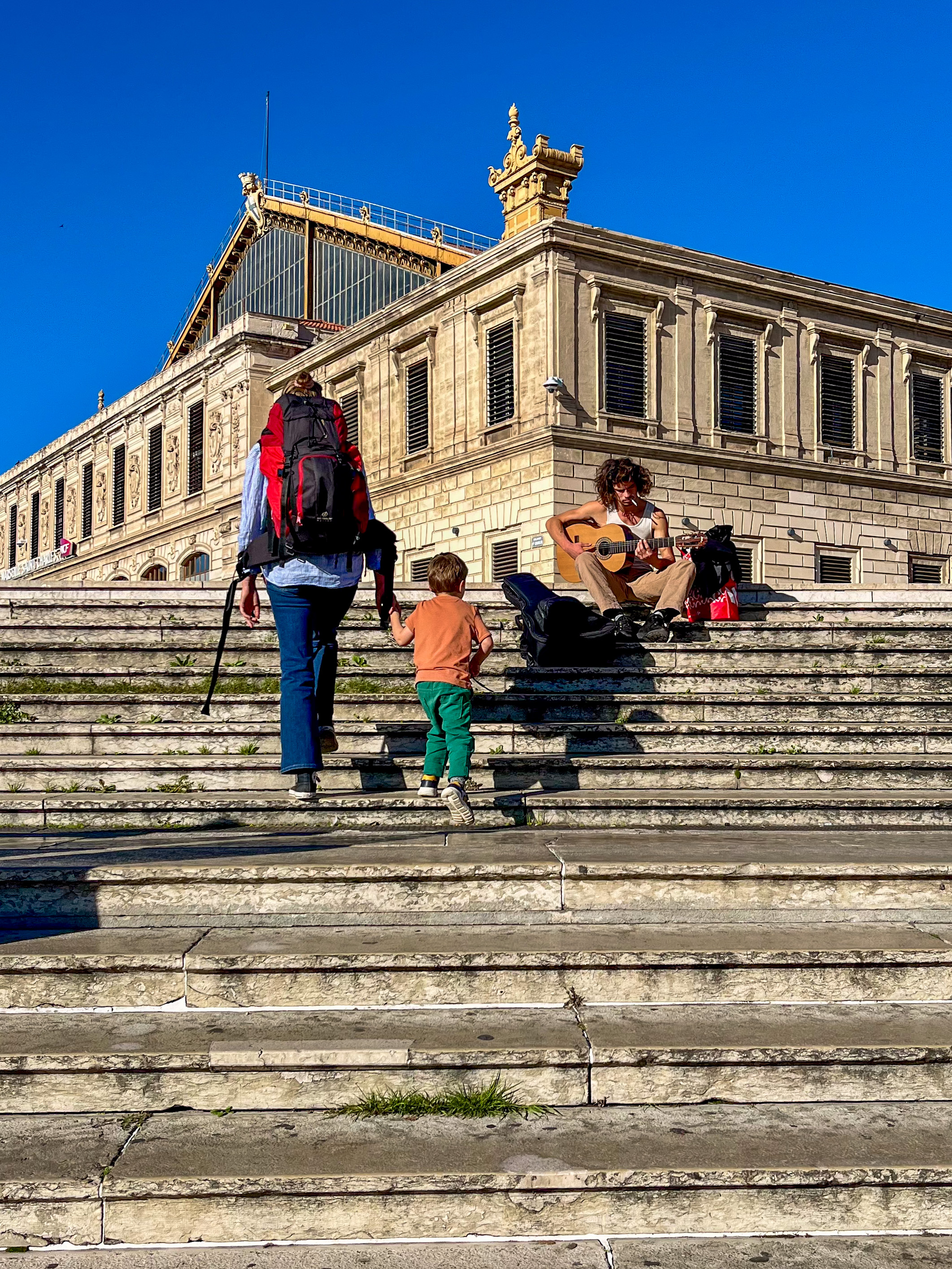
  • We travelled back the week after with the afternoon train from Marseille, after having a good lunch at the stunning Brasserie Les Fenêtres and walking to the Saint-Charles station, and left at 15:12, arriving in Brussels at 20h56. Again a smooth journey.
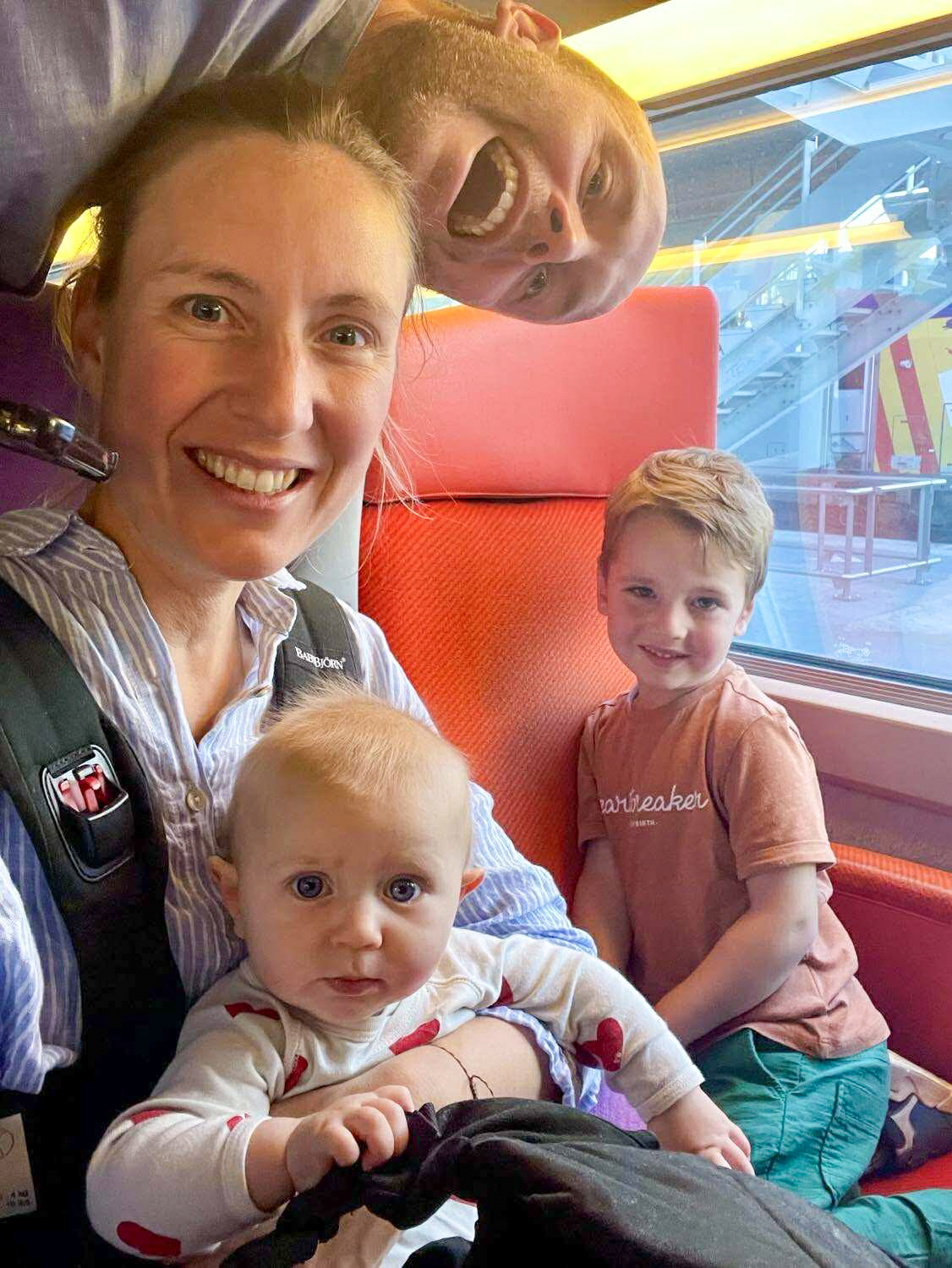
  • We travelled with a 4 year old and a 6 months old baby, so we took a light small foldable stroller (yoyo kind of), with a two wheeled plank behind it to put our 4-year old on. We also brought the baby carrying bag, which we used in the station and on the train.
  • We took 2 hiking backpacks: Tine’s had her clothes and those of Joanna, mine had my stuff and Augusts’
  • Important for the train is taking a lot of drinking water and food, and some small toys. I would sit a lot in the compartment to exit the train with the folding seats, where August or Joanna could make as much noise as they wanted. And we visited the bar coach a couple of times where there’s even more space to play. We were seated in the coach with the diaper changing room, very convenient.

Restaurant recommendations

Our restaurant recommendations in Cassis:

  • Cassis et Romarin
  • Chez Poulette a Cassis
  • Chill beach bar at Same Same Beach

Our restaurant recommendations in Marseille:

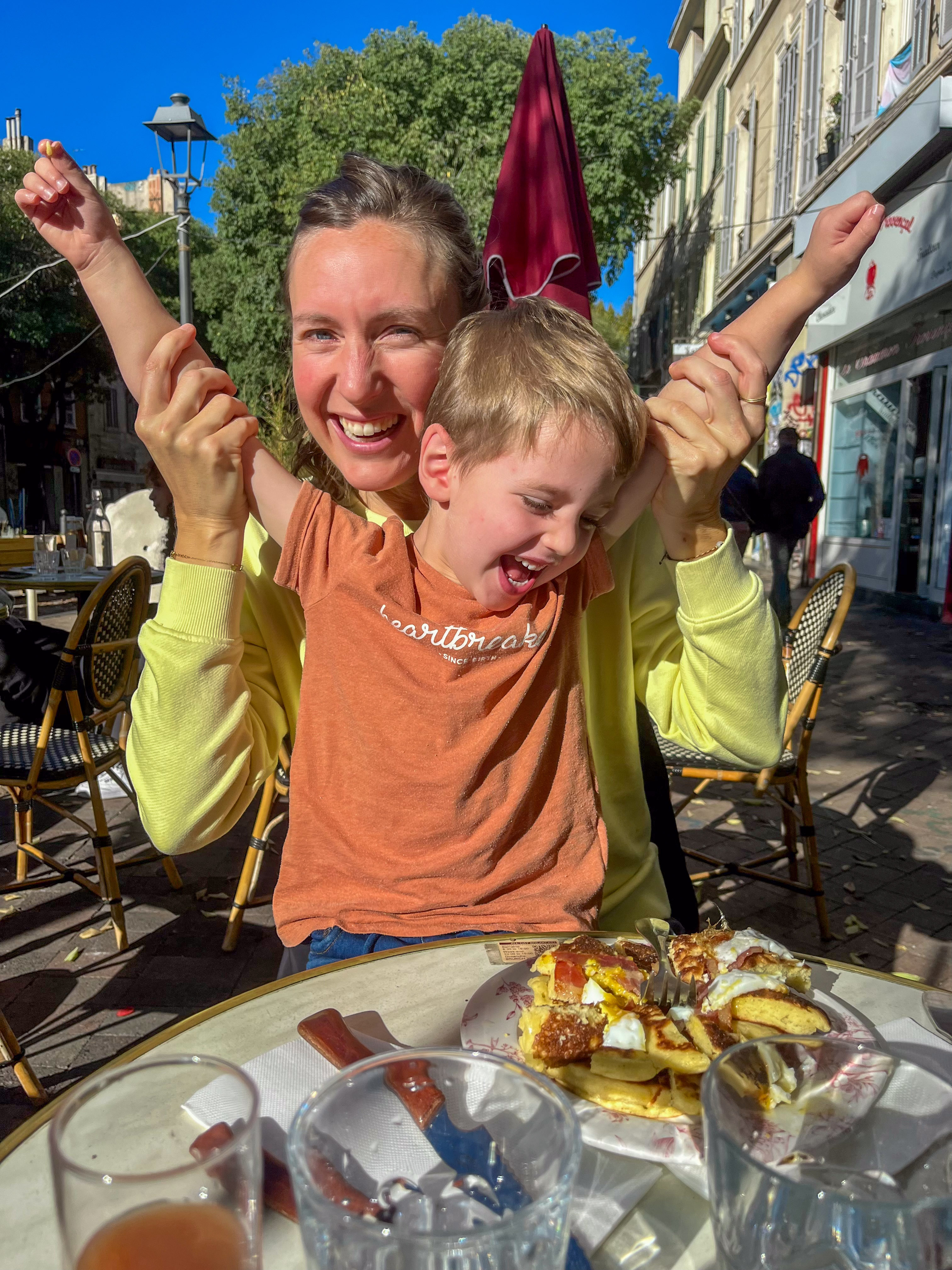
  • Brunch at Beans

  • Lunch with an impressive view and historic architecture on the terrace of Brasserie Les Fenêtres

  • Rooftop of Hotel Sofitel Marseille – absolutely impressive views for the evening, after sunset

  • 1860 Le Palais


Return to GR98 Nature

The GR98 and the Calanques will leave you humbled by nature’s scale and beauty. Traveling by train gifted us the luxury of a low-carbon journey, while sunny days among rocks, creeks, and beautiful views created memories our family (and legs) won’t soon forget.

Ready to experience this landscape’s magic for yourself? Pack light, hike with care, swim where the water is most blue, and let the Calanques and Cap Canaille feed your carbon-conscious spirit—whether you’re pushing your limits or sharing your love of the wild with your children.
Weekend Getaway: 3-Day Hiking Tour on the Belgian Coast – GR5A

Are you looking for an eco-friendly adventure that combines lengthy beach walks and beautiful nature views, cultural activities, and the luxury of not needing to carry heavy gear? Our 3-day hiking trip along the Belgian Coast offers all this. Whether you’re planning a weekend with friends or a family trip with kids, this route is versatile, accessible, and packed with options for everyone.

Why This Coastal Hiking Route is Perfect

Easy Access to Transport and Amenities

One of the best things about this route is the coastal tram that runs alongside it. You can start your hike at any point and hop on the tram if you need a break or want to reach a destination quicker.

Additionally, there are numerous restaurants and hotels along the route, so you don’t need to carry heavy backpacks. This makes it perfect for a lightweight and stress-free hiking experience.

Cultural Activities and Refreshing Sea Dips

Along the way, you’ll find plenty of cultural activities to do, especially around Ostend (check out our Ostend post for more details). And what’s better than cooling off in the sea after a long day of hiking? Whether it’s in the summertime or braving the chilly winter waters, there are endless opportunities to enjoy a refreshing swim.

Family-Friendly and Flexible Routes

This hiking trip is ideal for a weekend escape with friends or a family outing with young kids. The route is so flexible that you can shorten it by taking the tram when needed. While most of the official GR5A route is stroller-friendly, some shortcuts, like the sandy stretch between Nieuwpoort-Bad and Lombardsijde-Bad, are better suited for those without strollers.

Our 3-Day Hiking Schedule

Day 1: Brussels to Nieuwpoort

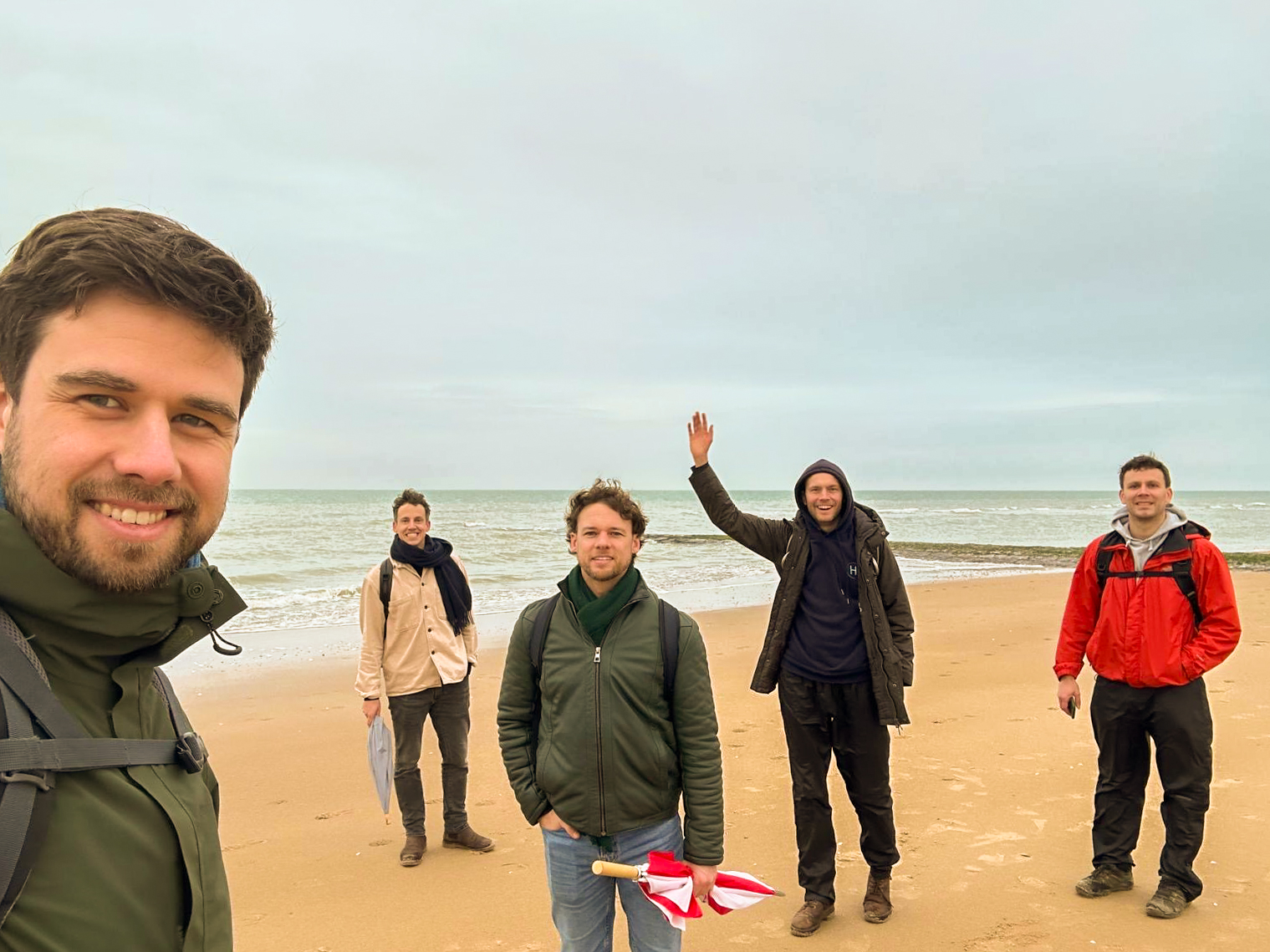
  • Arrival: We took the train from Brussels to De Panne, located on the west side of the Belgian coast.
  • Evening: After arriving in De Panne, we took a tram to Nieuwpoort where we had dinner and stayed the night.

Day 2: Nieuwpoort to Ostend

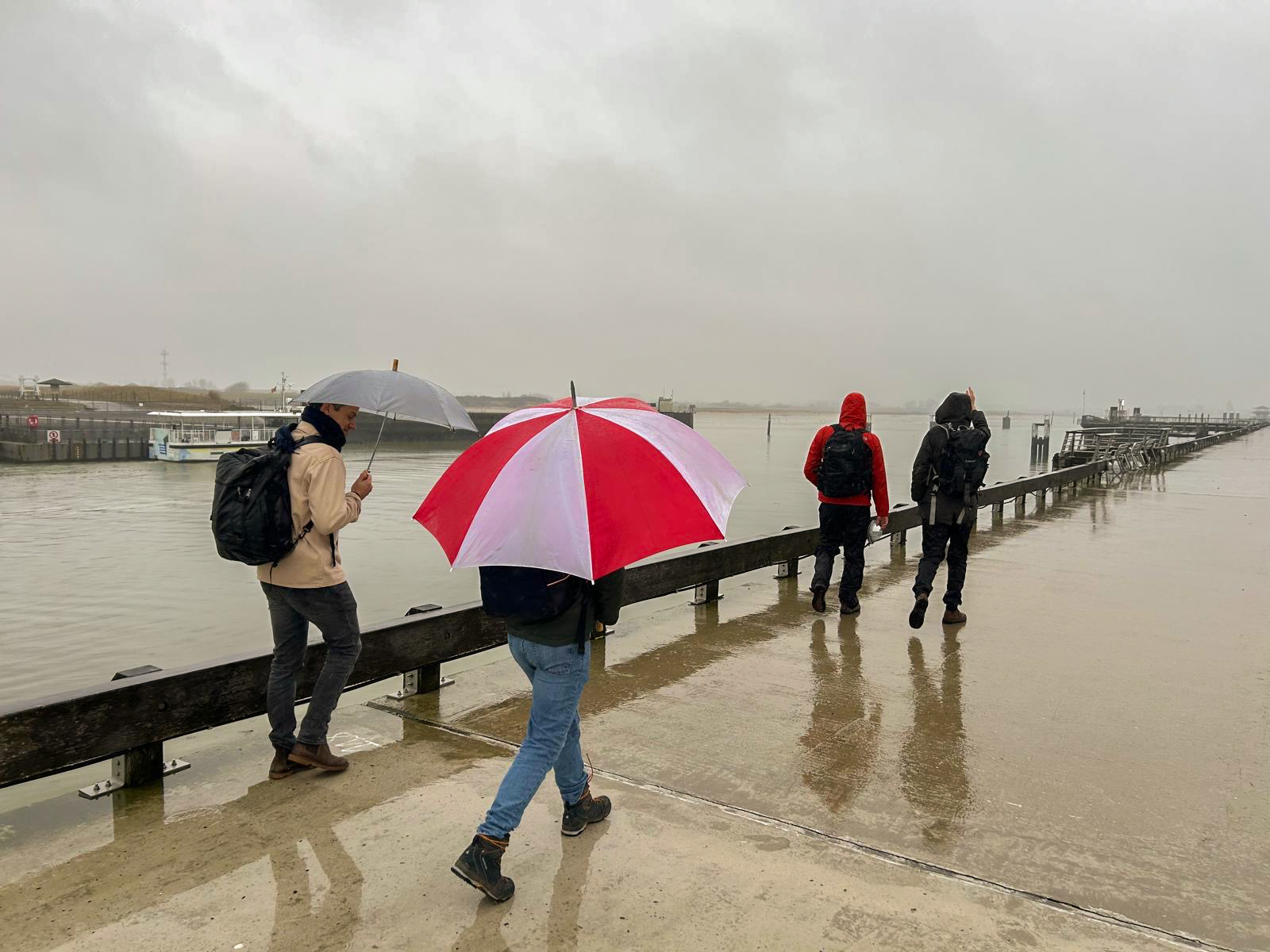
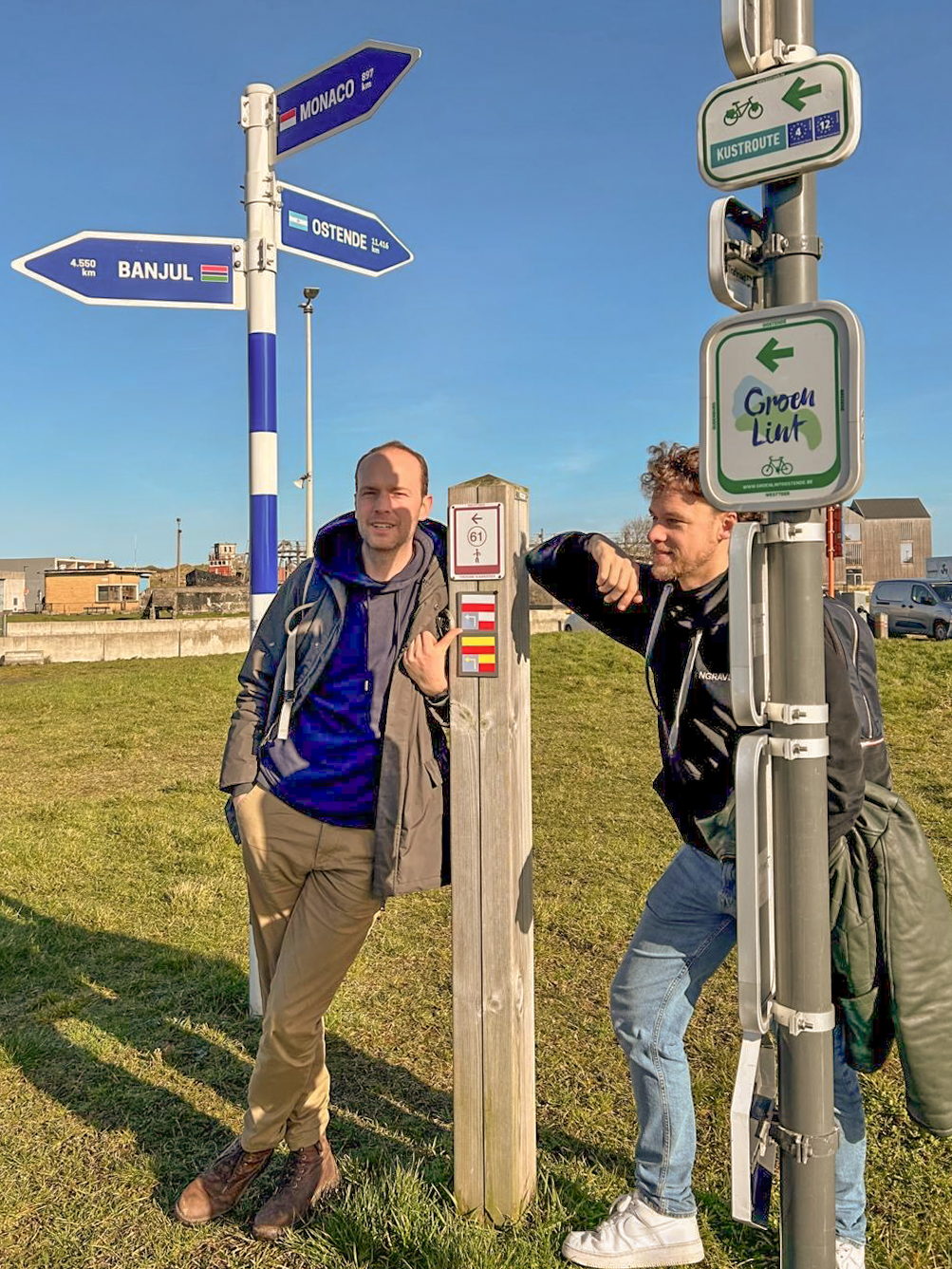
  • Morning: We started our day by taking a small electric ferry from Nieuwpoort-Bad across the harbor channel. Best to check the evening in advance if it is working. The initial part of our hike was through the nature reserve, dunes and on the beach, which is both scenic and abit more challenging than on the dike.

  • Lunch: We reached Middelkerke by lunchtime and enjoyed a delicious meal at Silt restaurant, located in the new casino building with nice sea views.
  • Afternoon: Continuing on, we arrived in Raversijde where the route goes inland through dunes and nature reserves. As we approached Ostend, we passed historic landmarks like the Thermae Palace (Brasserie Albert is a great spot to stop).
  • Evening: We stayed the night in Ostend. Check out our Ostend blogpost for more recommended restaurants and activities.

Day 3: Ostend to Bredene and Back

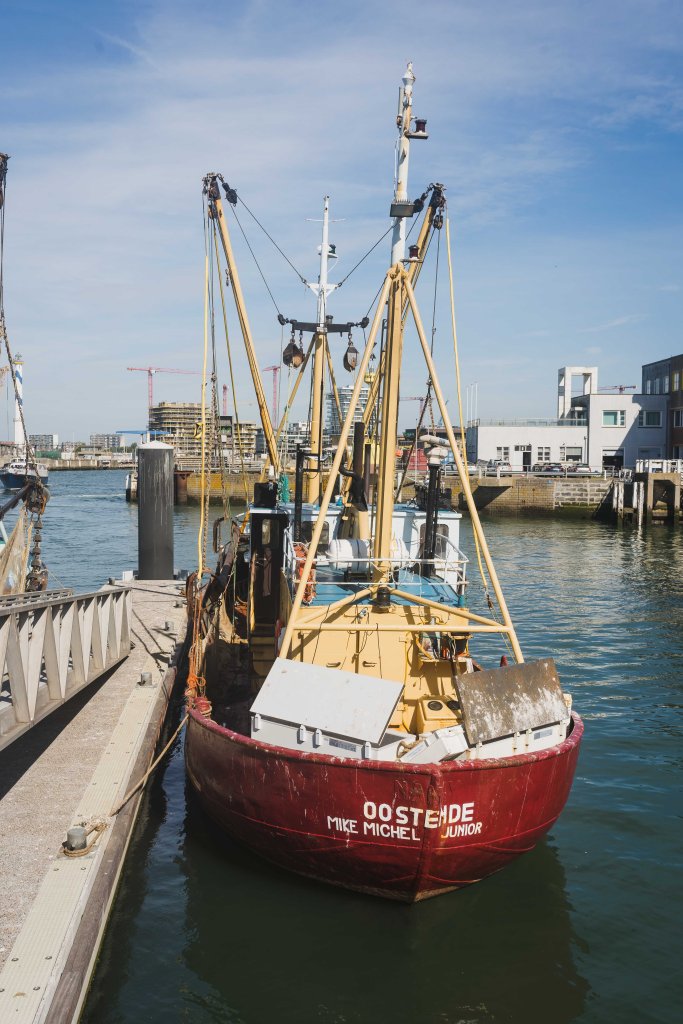
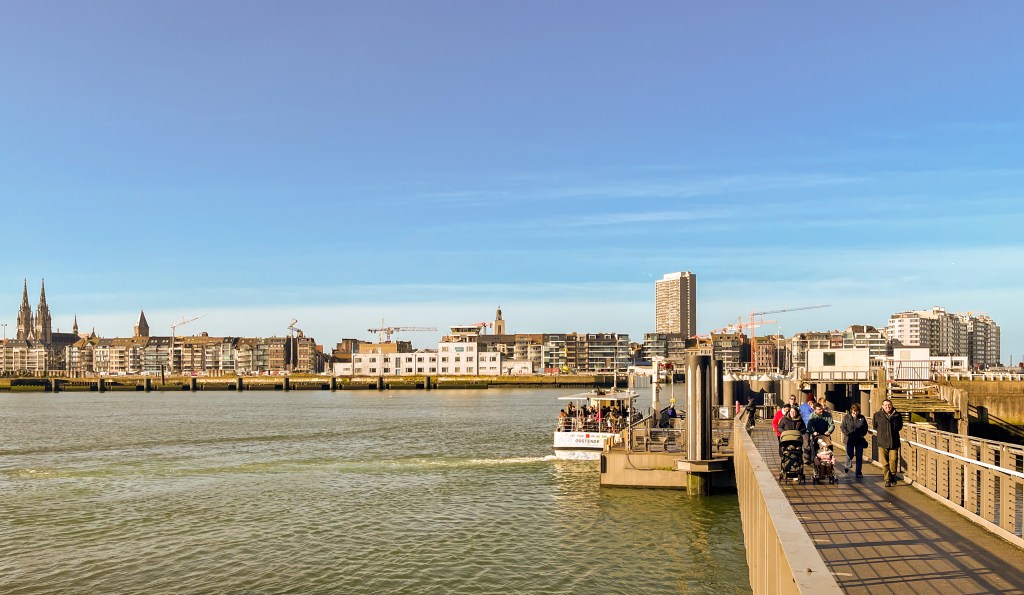
  • Morning: We took a small ferry from Ostend to the East-side of the harbor heading to Bredene, skipping the longer GR5A route around the harbor.

  • Afternoon: Hiking along Fort Napoleon and through the Bredene dunes, we enjoyed drinks and sun at Twins Club. On our way back we ran into a baby seal chilling in the sun on the beach. You can most often find seals in Ostend on the small beach next to the West-side of the harbor. We had lunch with shrimp croquettes and fish soup at De Cierk, a Fish & Food market on the east side of the harbor.
  • Return: We then headed back to Brussels. For those wanting a more extended hike, you can continue to Knokke and take the train back from there.

Sustainable travel in Girona: Catching the winter sun & GR92

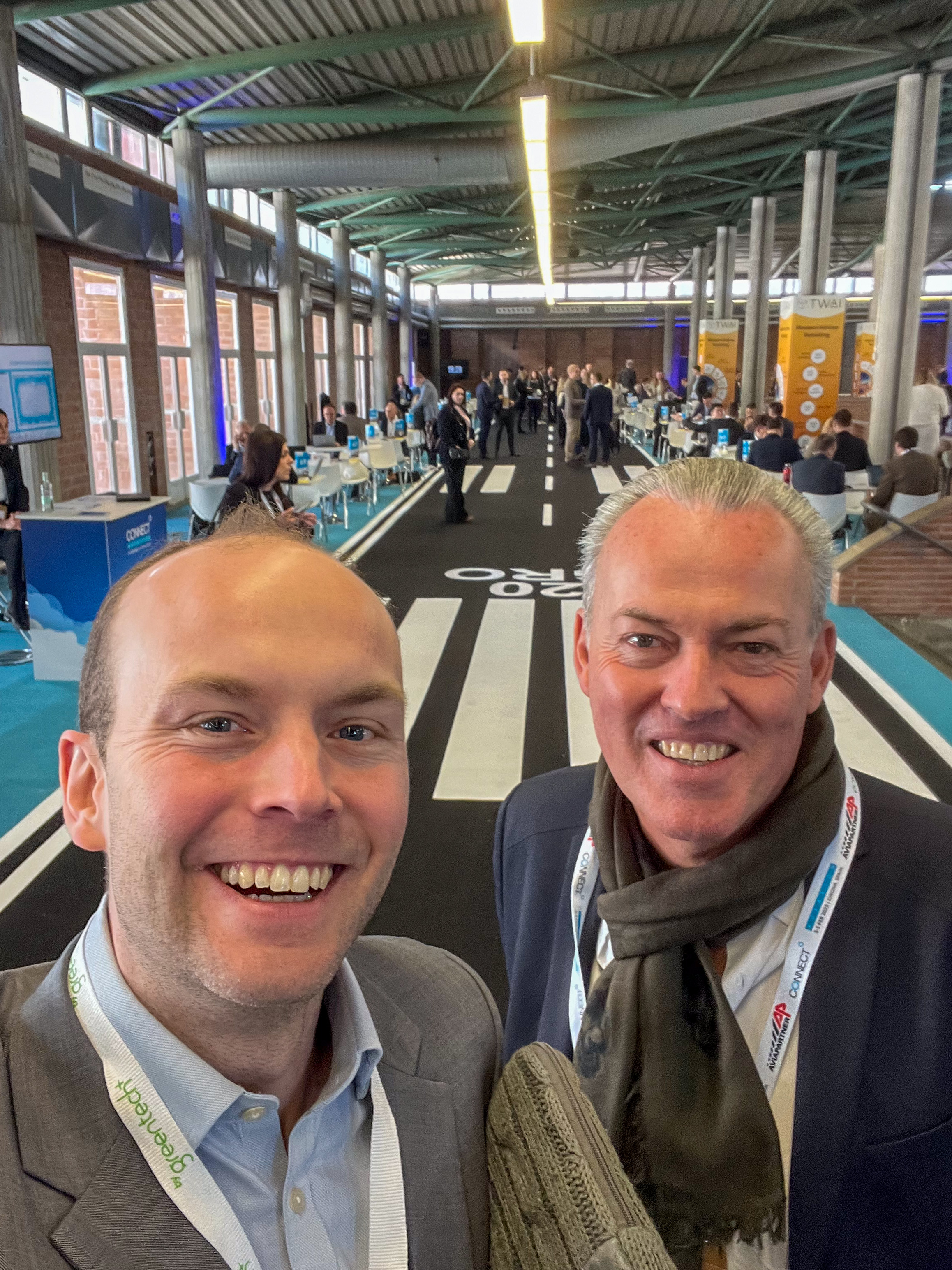
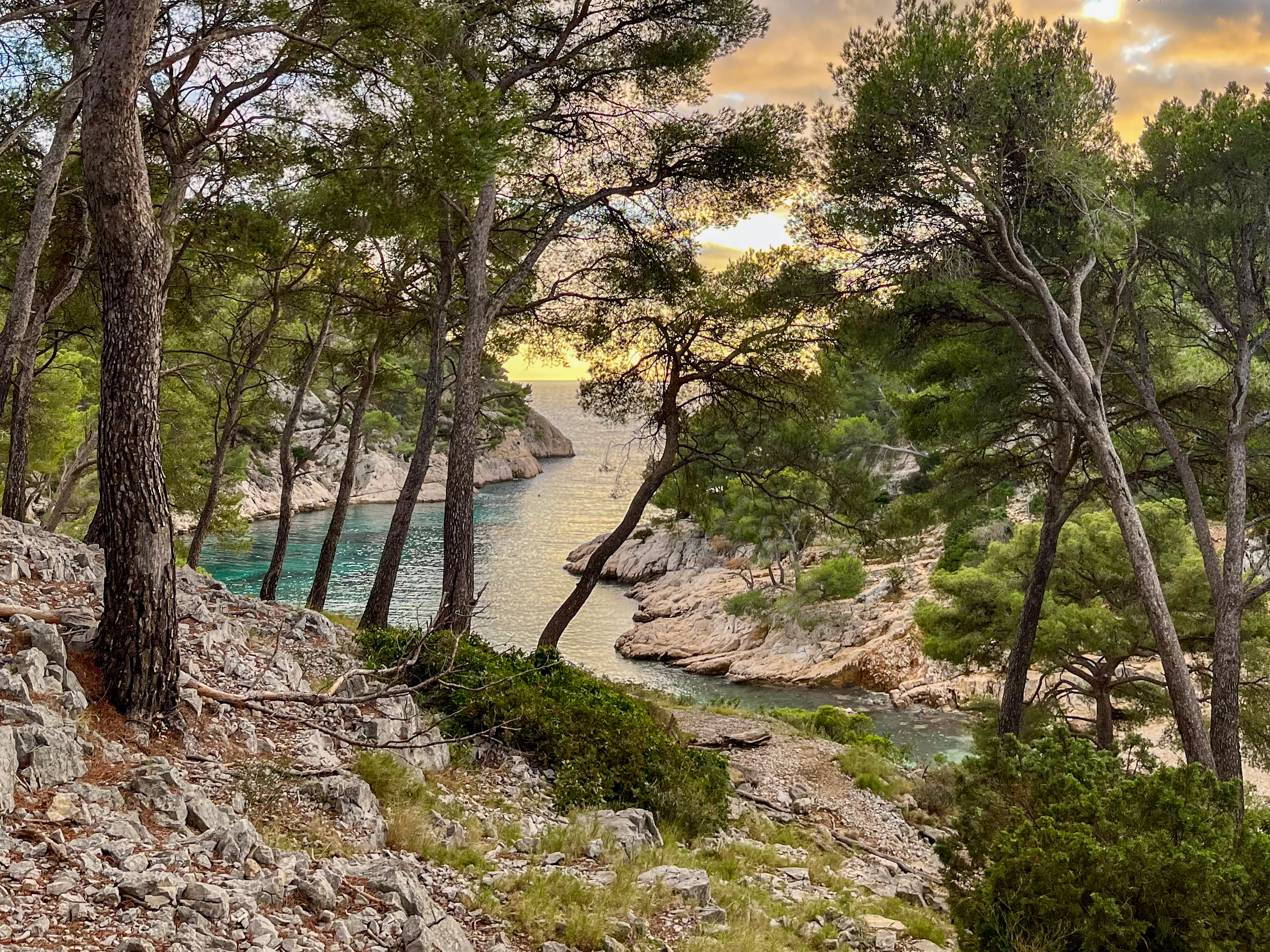
This winter trip was perfect for recharging my batteries. In early February, I traveled to Girona for an aviation conference where I discussed challenges in the aviation industry, rail connections, and Sustainable Aviation Fuel. Besides the conference, I also took the time to explore Girona and hike part of the famous GR92 trail, which is featured in one of the most-read posts on this blog.

With a bit of luck (and lots of hard work by the European Sleeper team), there should be a night train that stops in Girona from 2026 or 2027. That will make the journey extra easy: board in Brussels in the evening, wake up in Girona!

I departed from Brussels at 10:17 AM on Sunday. My journey included a stop in Valence, with a 2-hour wait, before continuing to Girona, arriving at 8:45 PM. Although I booked all my trains via SNCF, I later realized that booking the second part through RENFE could have provided a shorter waiting time of just 25 minutes. Despite this, the return ticket in first class was only slightly more expensive than second class, costing me 300 EUR. I returned on Thursday. Other options to get to Girona are to switch in Lyon, or switch stations in Paris.

Since Monday and Tuesday were packed with conference activities, I made the most of my work trip by:

  • Waking up early for sports
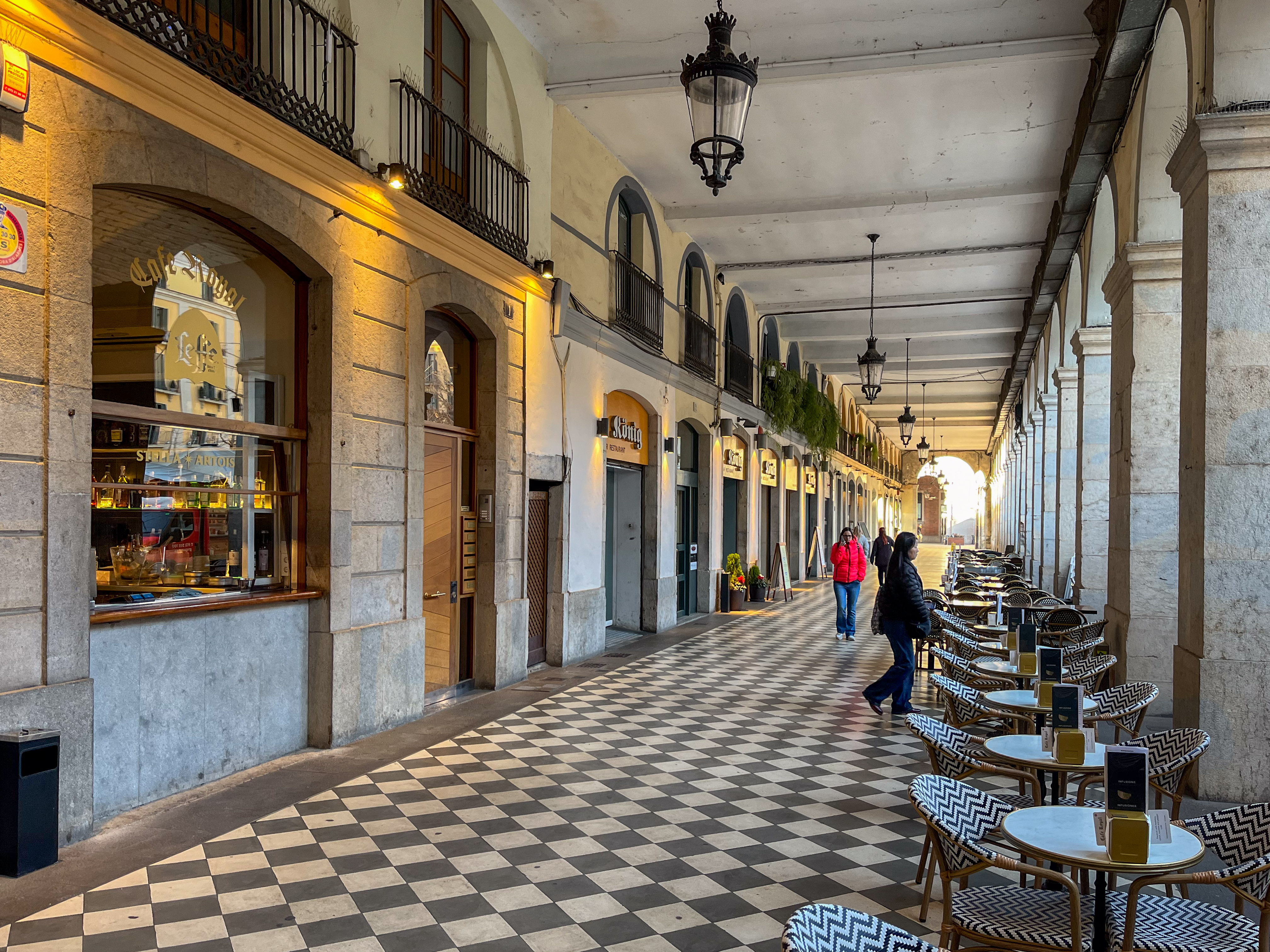
  • Taking a guided tour of Girona in the late afternoon
  • Taking one day off to enjoy nature and hike the GR92

Highlights from My Girona Adventure

1. Morning Trail Run to Castell de Sant Miquel

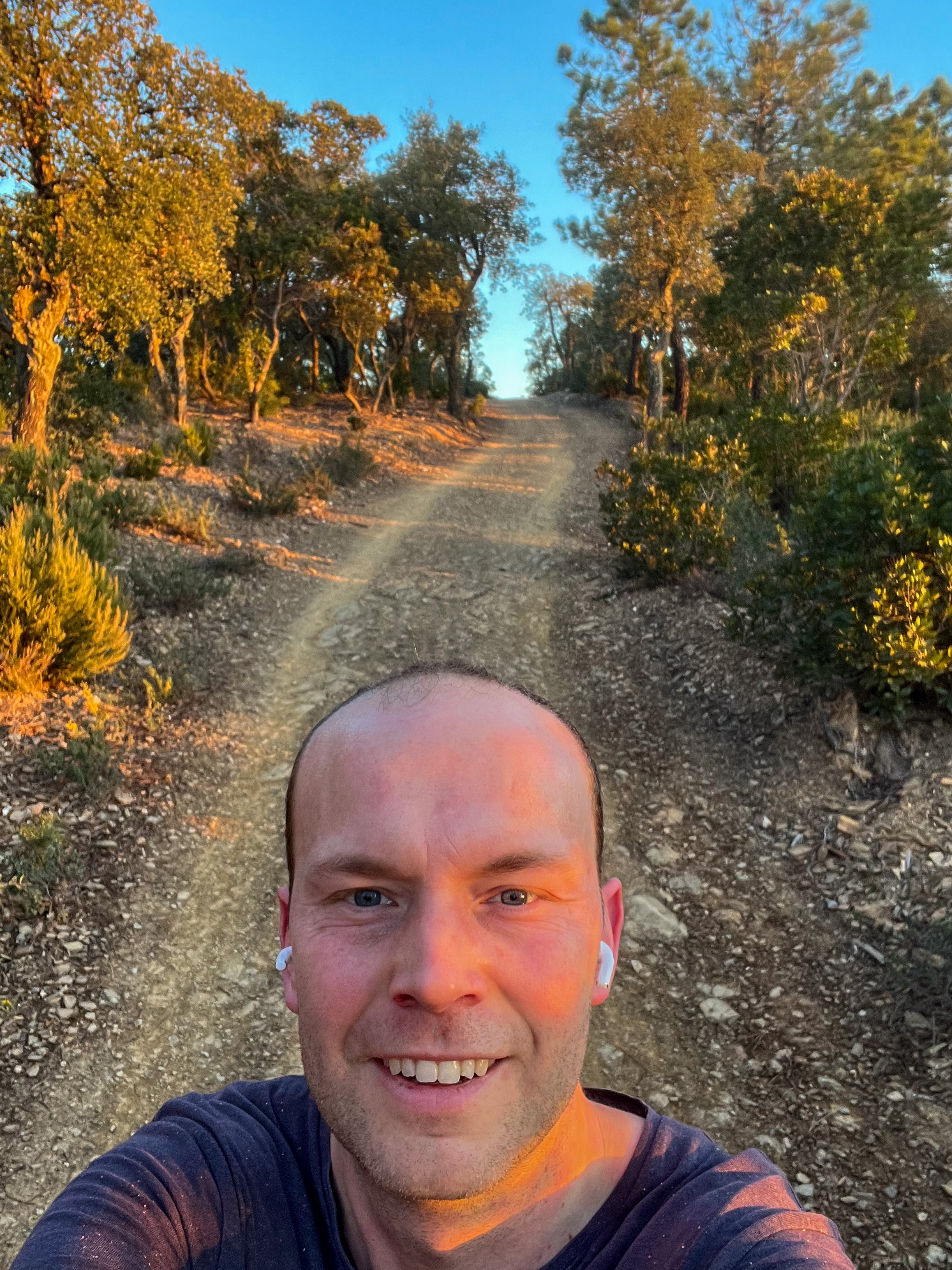
One of my most memorable experiences was a morning trail run to Castell de Sant Miquel. The 14-kilometer loop offered breathtaking sunrise views from the tower of the castle. Whether you choose to run, hike, or mountain bike, this trail is a must. Starting my run at 6:50 AM in the dark, I reached the castle just in time for the sunrise. Returning to Girona, I was showered and ready for the conference by 9:00 AM. You can find the GPX track here.

2. Free Walking Tour of Girona

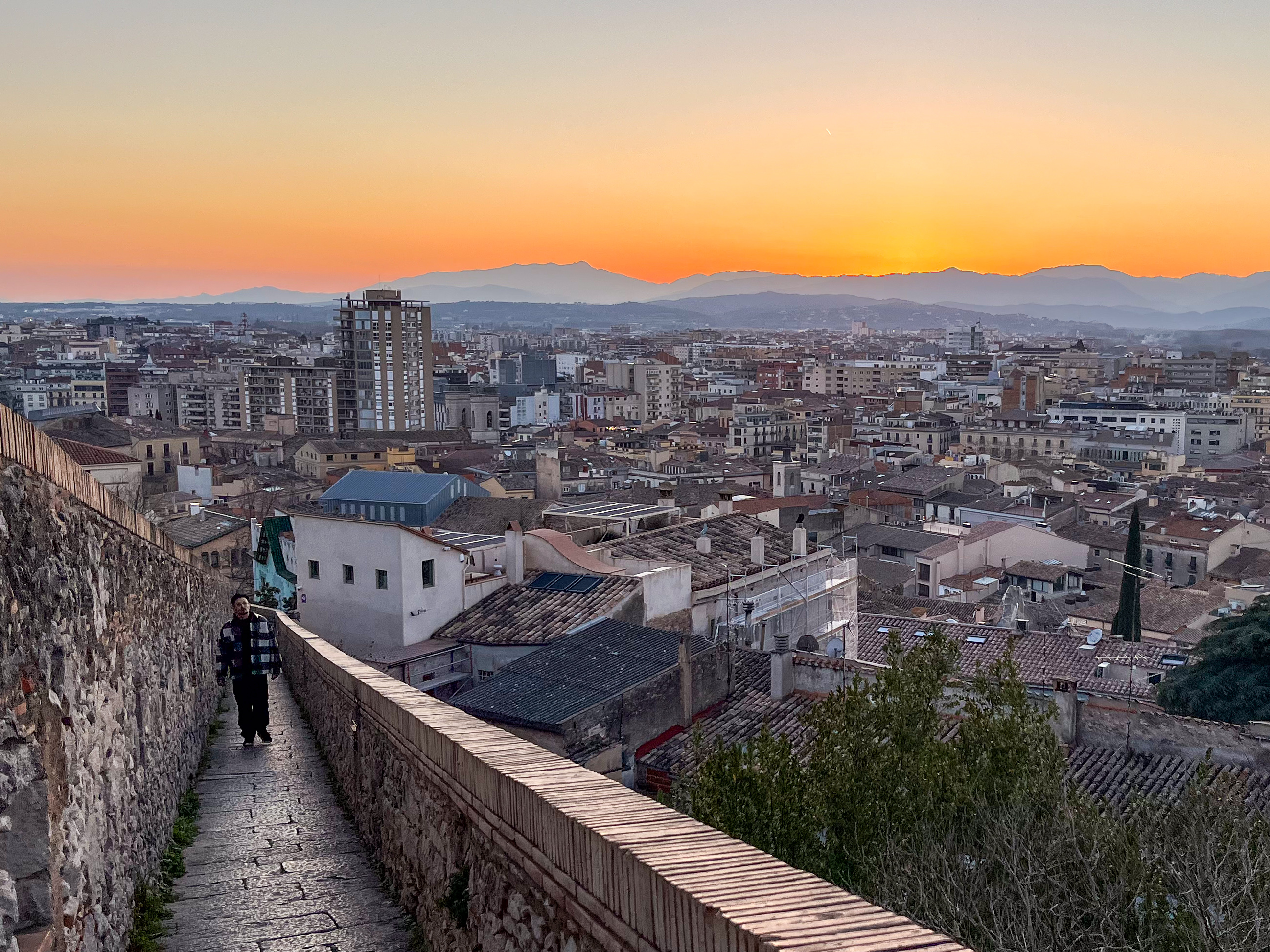
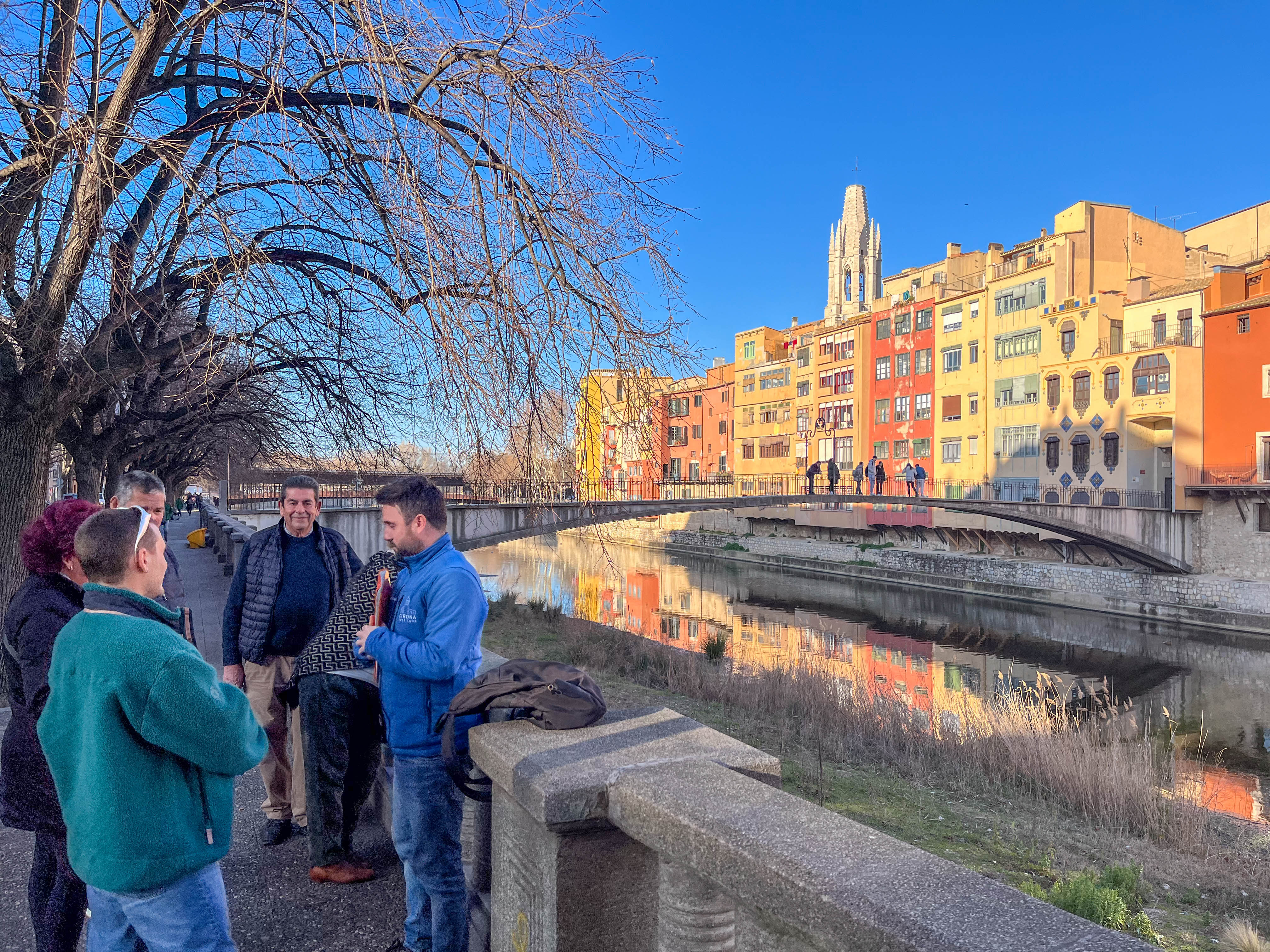
In the late afternoon, I joined a free walking tour of Girona. The tour is available in Spanish at 4:00 PM and in English at 11:00 AM (link here). The two-hour tour with Juan provided rich background stories and insights into the city’s architecture and urban history. I finished the day with a sunset on the Muralles de Girona, a long stretch of walls you can walk or run on.

3. Morning Run to Montjuic Castle

For another early morning run, I decided to explore Montjuic Castle. Using Google Maps, I navigated the narrow streets of Girona and reached the castle in under 30 minutes. It’s a fantastic way to start the day, with great views and a sense of accomplishment.

4. Hiking the GR92 Trail

I devoted a day to hiking part of the GR92 trail, a route I had previously enjoyed on a past holiday with Tine. Getting to the trail from Girona required a bit of planning:

  • Take a bus from Girona bus station to Palafrugell (circa 1 hour), departing hourly and costing 7.5 euros each way. Best to leave at 8:30 or earlier if you want to make it on time for the last bus back to Girona in the evening.
  • Hike from Palafrugell to Platja de Tamariu along a local trail (about 1 hour).
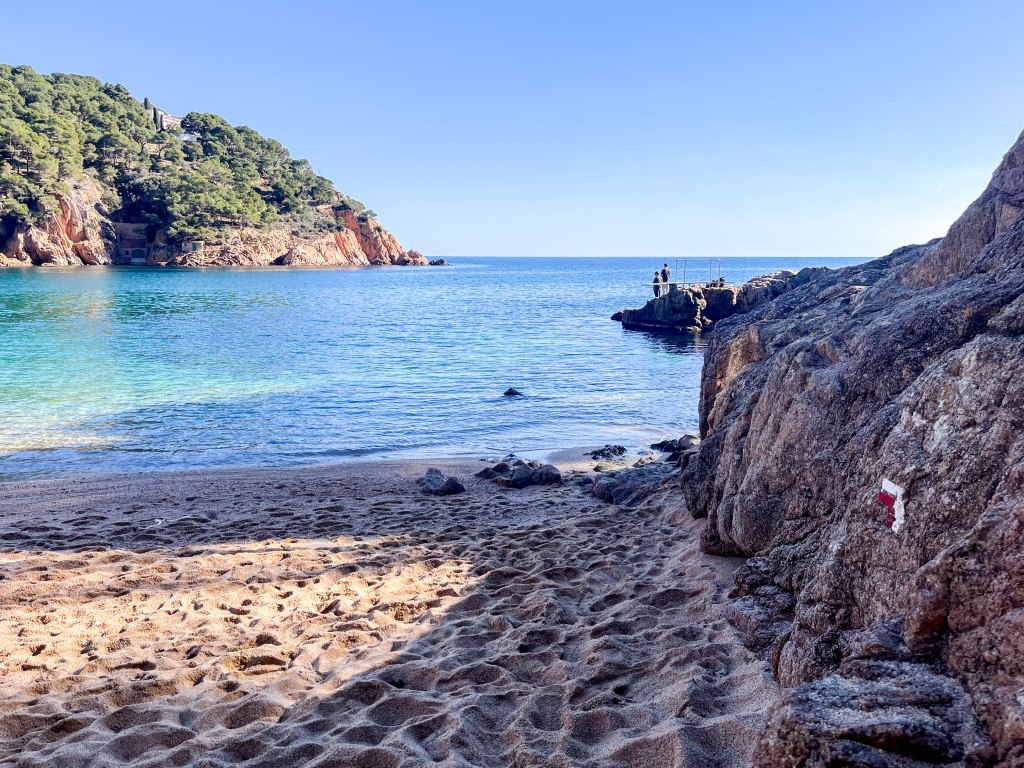
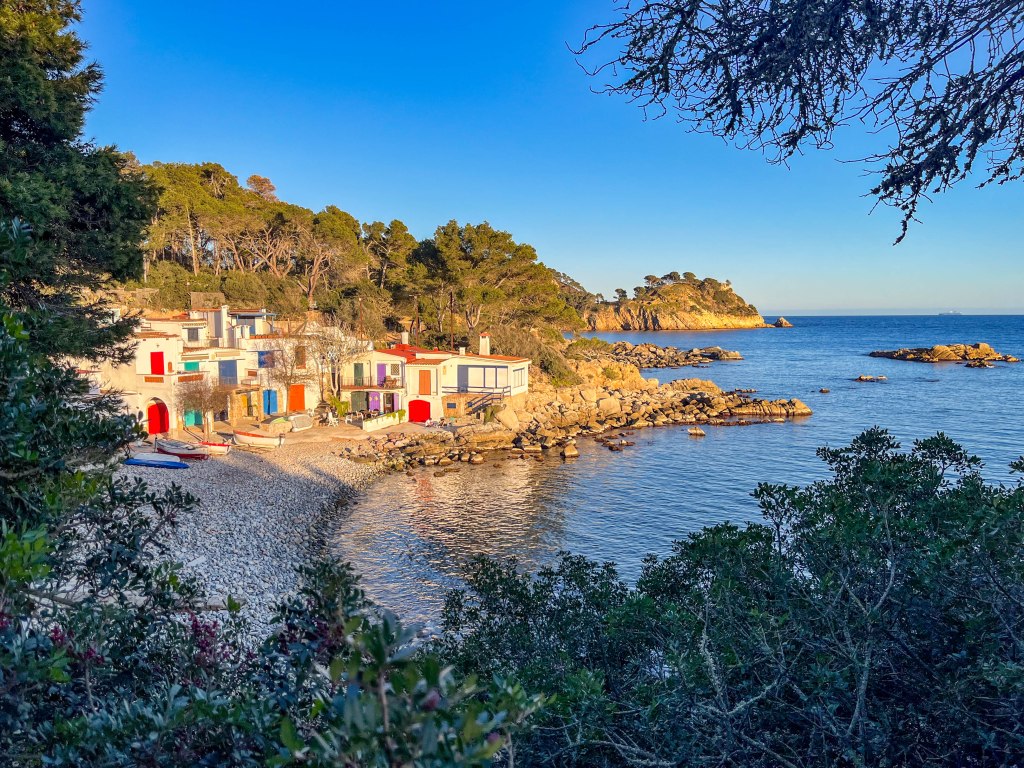
  • Follow the GR92 route marked with red and white stripes for about 6 hours and follow the GPX track here (it’s free). The trail offers stunning views, charming villages, and seafood restaurants that are often open even in winter.
    • Make sure to bring a towel so you can go swimming in the sea. I went in the 14°C water in one of the small bays and heated up with the winter sun. It was amazing!
  • Return to Girona by bus from Palamos Hospital, ensuring to wait on the main road rather than at the roundabout. Buses depart hourly, with the last one at 7:30 PM.

Some additional recommendations:

  • Excellent breakfast (or spa / hotel) in Casa Heras de Puig
  • Light breakfast in Originem
  • I booked the cheapest airbnb ever and really enjoyed the historic interior, even with the hard bed (Rambla de la llibertat)
  • Museum of architect Fundacio Rafael Maso
  • Jardi de l’Angel – beautiful park
  • Cathedral
  • Other restaurant recommendations I got but did not have time to try: B-12 vegan restaurant and 8de7

Embrace “Shouldering of the Season” for Sustainable Travel

To wrap up, I want to share a key concept in sustainable travel: “Shouldering of the season.” Many popular destinations suffer from overtourism during peak months, leading to overcrowding while struggling to sustain tourism the rest of the year. By traveling during the winter or in off-peak seasons, you can help flatten the peak of high-season tourism. This provides locals with a more stable income year-round and enhances your travel experience with fewer crowds and better service.

For Girona, the weather was surprisingly pleasant even in early February. In contrast, the summer heat can be too intense for hiking and trail running, making winter an ideal time to explore this beautiful city.

My sunny journey to Girona was very enjoyable and combining business with leisure, I experienced the best of what Girona has to offer.

Weekend Cycling Adventure: Brussels to De Haan

We took this trip about two years ago, in Covid times. We found a new way to enjoy a weekend getaway: a cycling journey from Brussels to De Haan with a stay at the seaside. Whether you’re planning a winter trip with a scenic grey backdrop or a sunny summer escape, this route offers a perfect blend of nature, history, and adventure. Let’s delve into our experience and how you can recreate this journey.

Setting Off: Leave early!

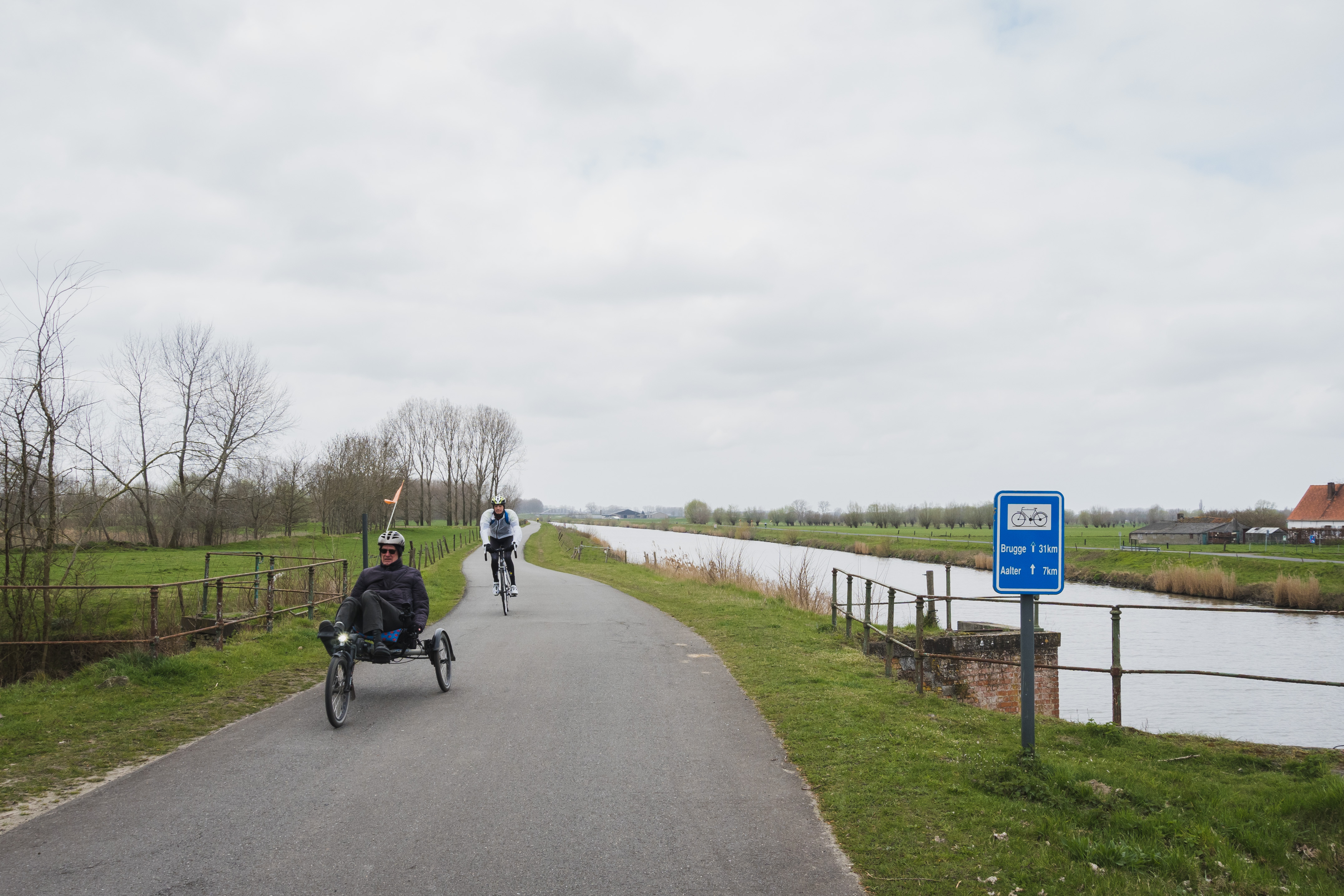
Our adventure began on an early Saturday morning in Brussels. I packed a picnic and set off around 7 AM. The route was approximately 140 kilometers, guiding us through some of Belgium’s most scenic towns and cities. You can check out the detailed route here: NodeMapp Cycling Route. This system of fietsknooppunten is the best way to plan any cycling trip in Flanders.

Since Tine was pregnant then, she chose to go by train and join me for the last part of the cycling trip.

Cycling long distances can seem daunting, but planning becomes easy when following canals and rivers. These natural guides make navigation straightforward, turning the ride into a sequence of picturesque views avoid having to look at your phone or gps too often.
If you’re traveling with kids, consider using an electric bike with a bicycle cart. For those who prefer a more relaxed pace, split the trip into two days with an overnight stay in or before Ghent. This approach allows you to break up the journey, enjoy the ride, and fully appreciate your surroundings.

The Journey: From Brussels to De Haan

I maintained a slow but steady pace, with my touring bike, averaging about 20 kilometers per hour this takes 7 hours without brakes. This allowed me to enjoy the sights along the route without feeling rushed. The journey took us through Ghent, a city known for its vibrant culture and historic buildings, and Bruges, often called the “Venice of the North” for its beautiful canals and medieval architecture.

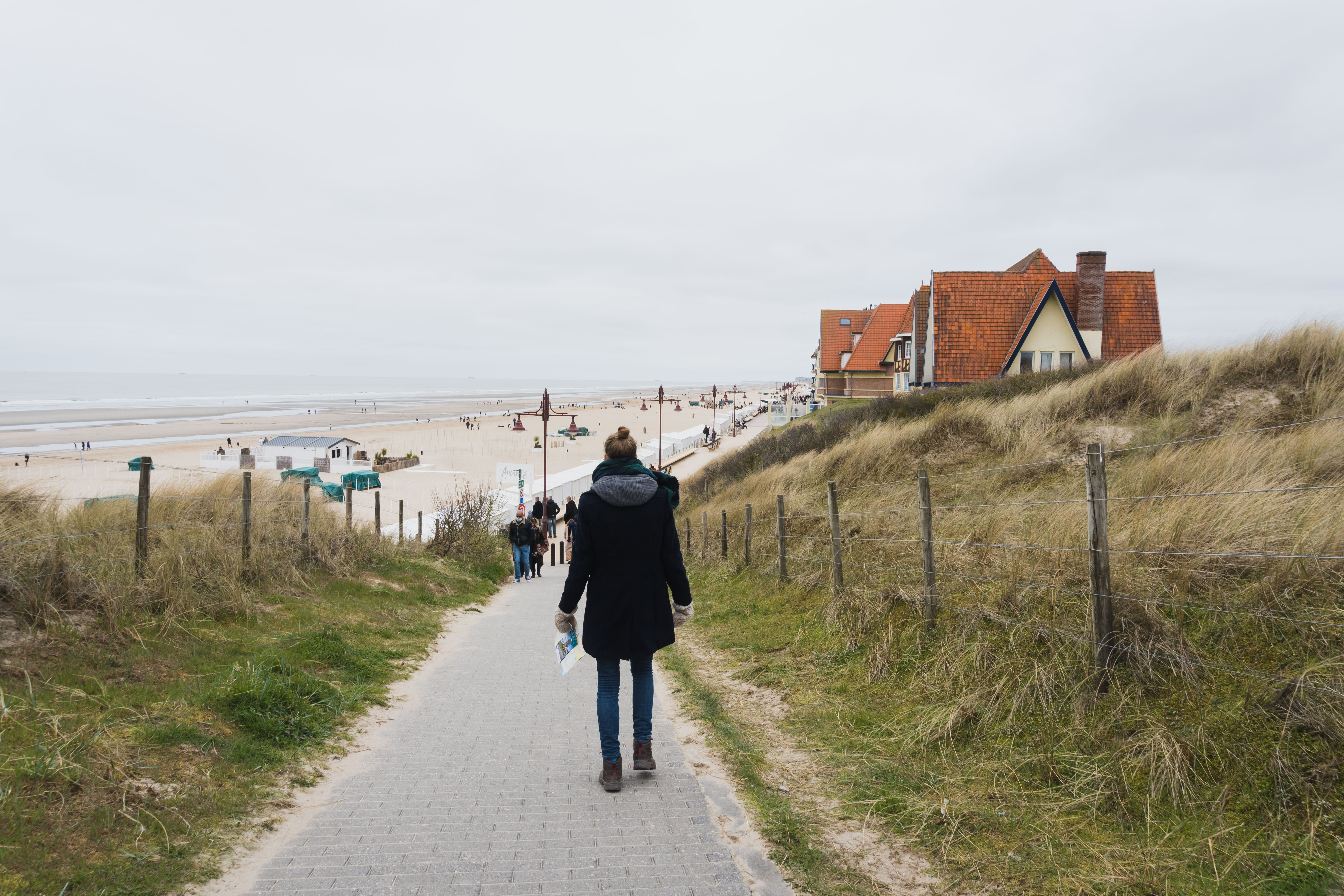
In Bruges, Tine joined me for the final leg of the trip to De Haan. This part of the journey combined scenic countryside with coastal views.
The Seaside: De Haan

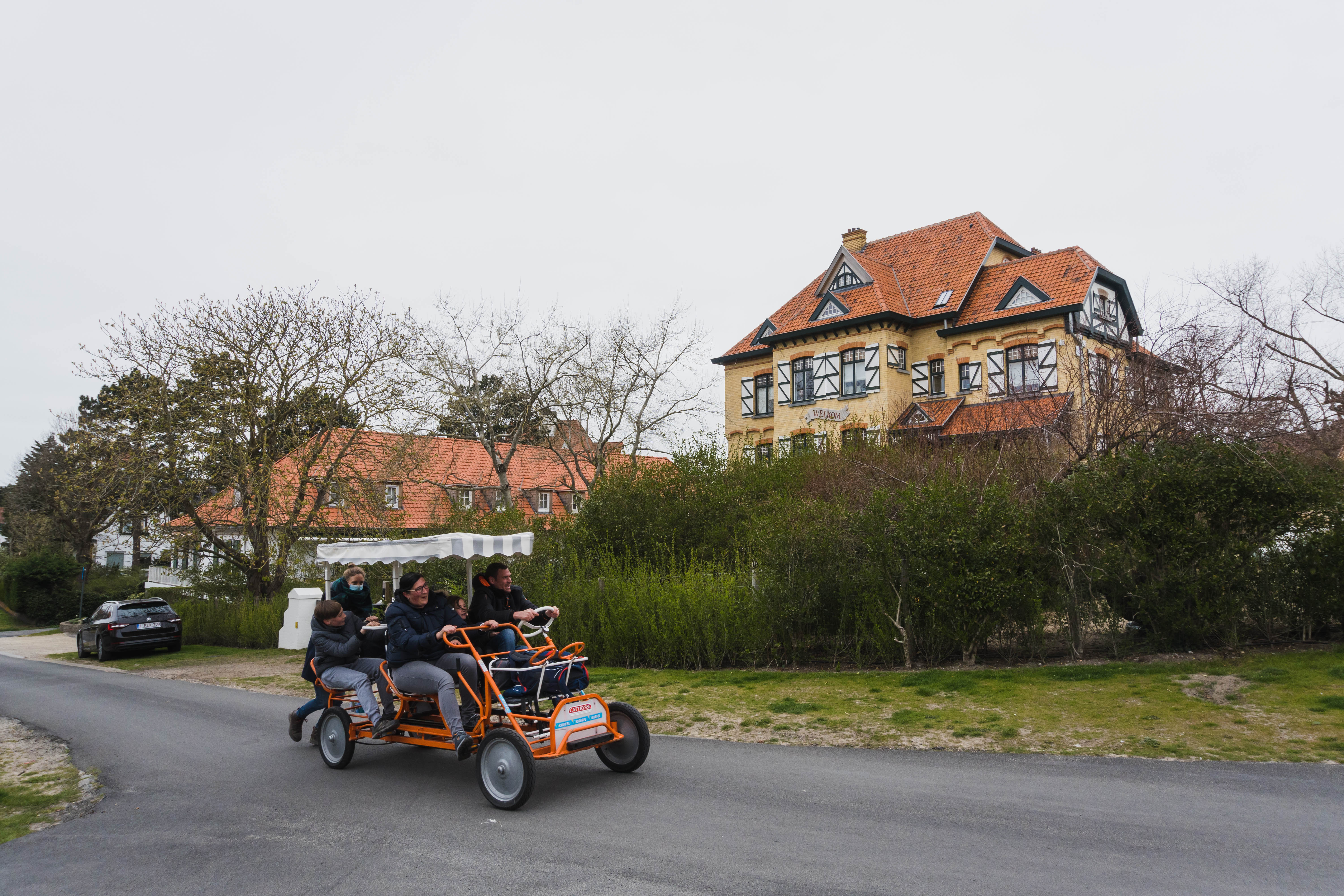
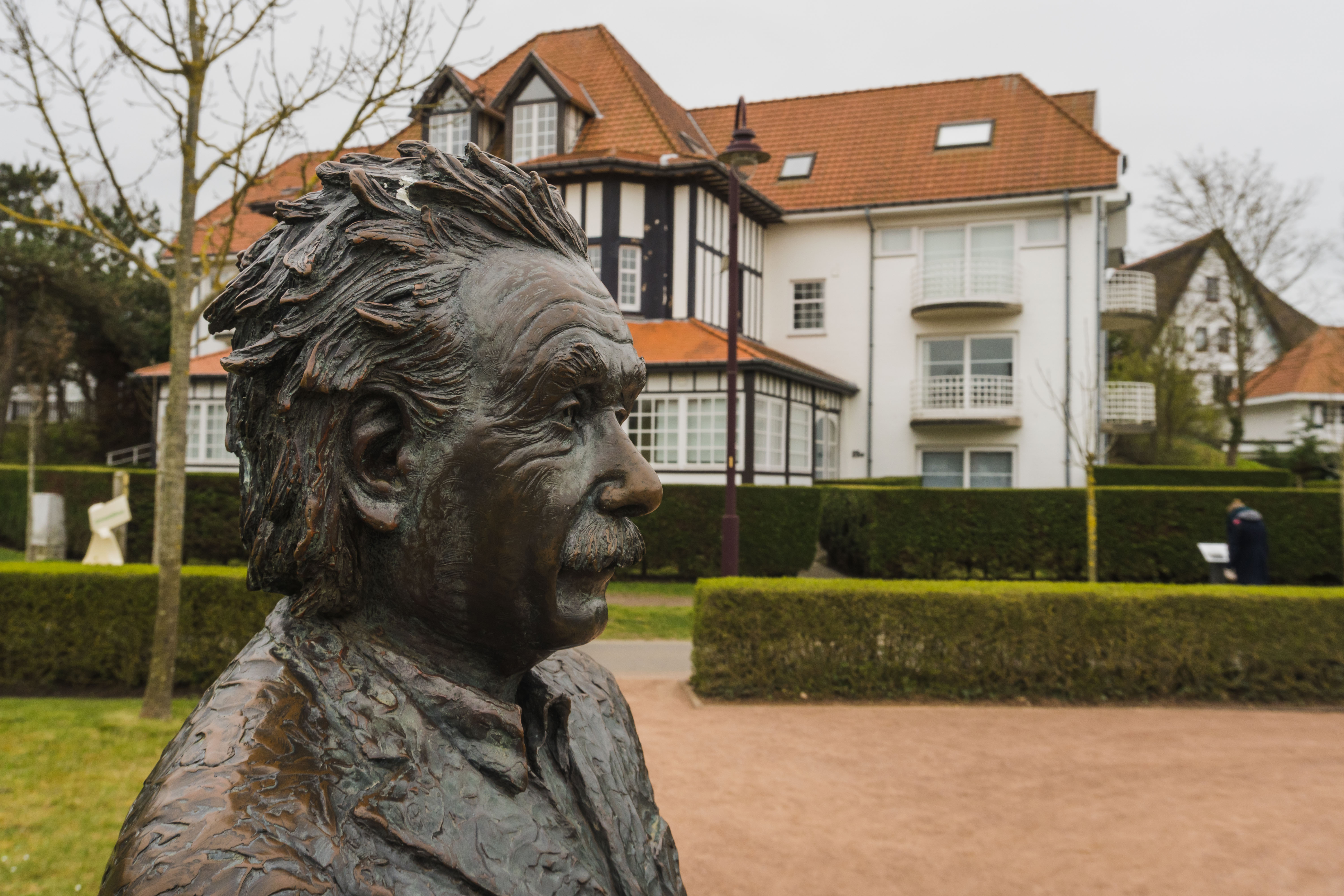
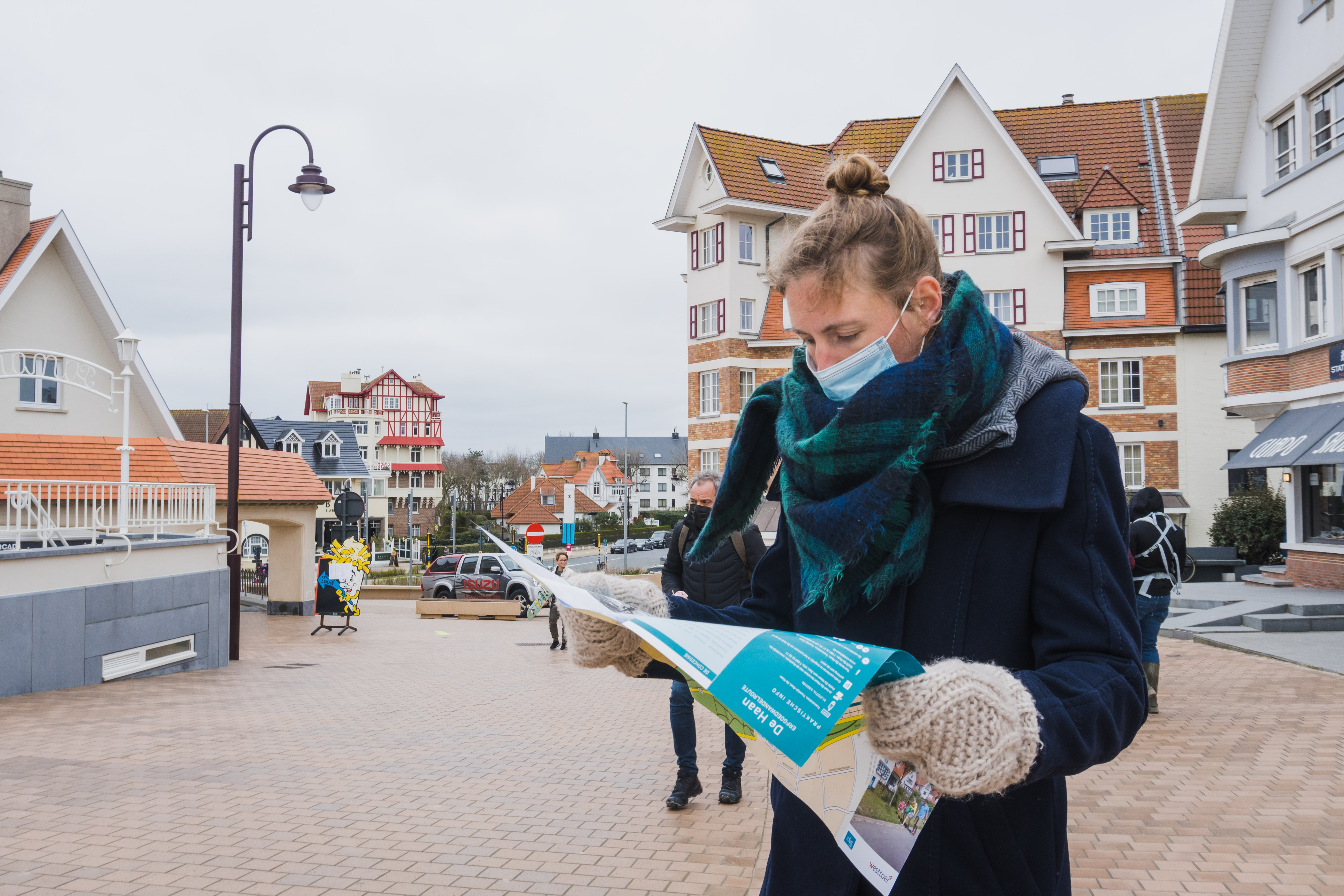
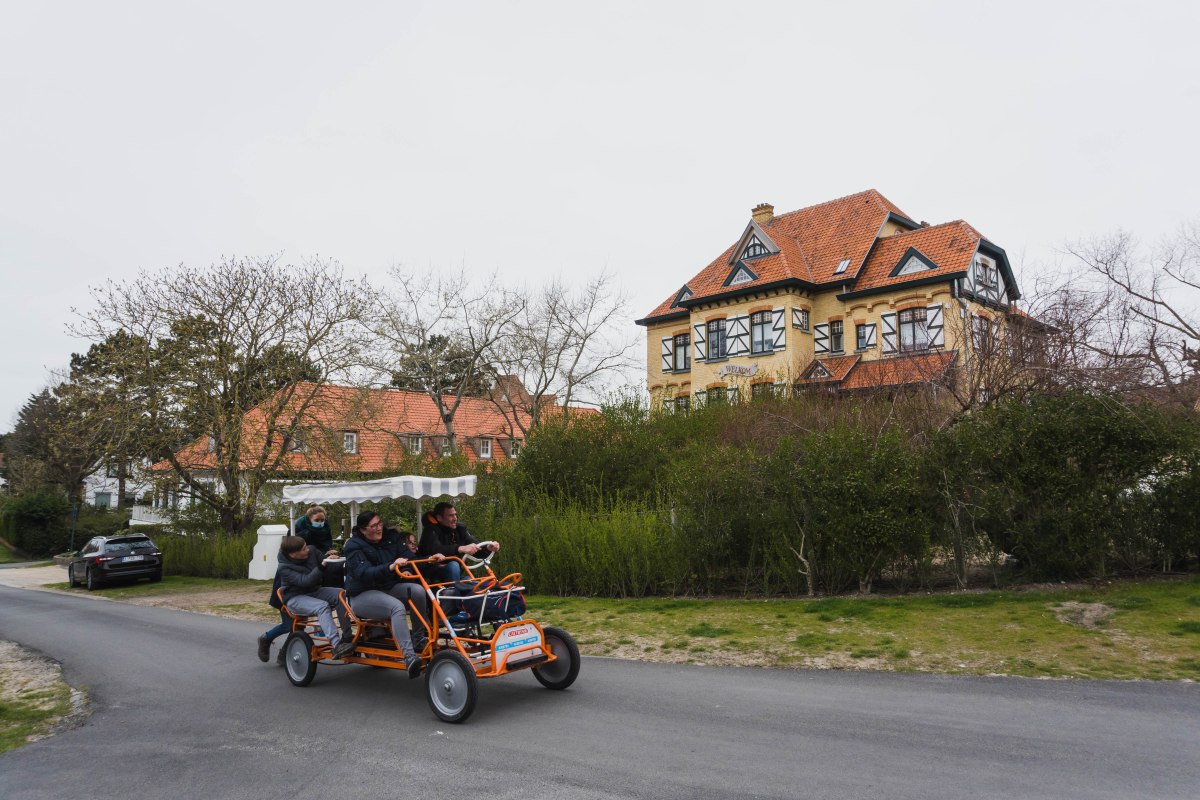
Arriving in De Haan felt like going back to the glory times of the Belgian coast. Known for its Belle Époque architecture, De Haan offers a mix of history and coastal charm. One highlight was the heritage walking route, which tells the town’s rich history, including how Einstein lived there. You can explore more about this walk here.

We stayed at Hotel Internos, located just in front of the legendary Hotel Astoria. Both situated in the center of De Haan, ensuring you’re close to all the main attractions.

Due to Covid restrictions, dining options were limited, so at that time we enjoyed dinner in our hotel room. One memorable restaurant we enjoyed during another trip was Villa Julia, set in an old house with a warm interior. Despite the restrictions, dining in such unique settings added to our experience.

Returning Home: Easy and Convenient

After a weekend filled with cycling, history, and coastal beauty, returning to Brussels by train was simple. We cycled to Ostend and took the train back to Brussels. You can easily complete the journey to Ostend by coastal tram as well.

Final Thoughts on Sustainable Travel

Cycling long distances offers an eco-friendly alternative and a deeper connection with the surroundings. Whether you’re an avid cyclist or someone looking to try something new, this journey from Brussels to De Haan is a great way to explore and relax.

So, pack your bags, hop on your bike, and set off on your own sustainable adventure. Who knows what adventures you’ll make along the way!

Sustainable Travel to Venice: A Romantic Itinerary

Dreaming of visiting Venice while keeping an eye on your carbon footprint? We did just that!

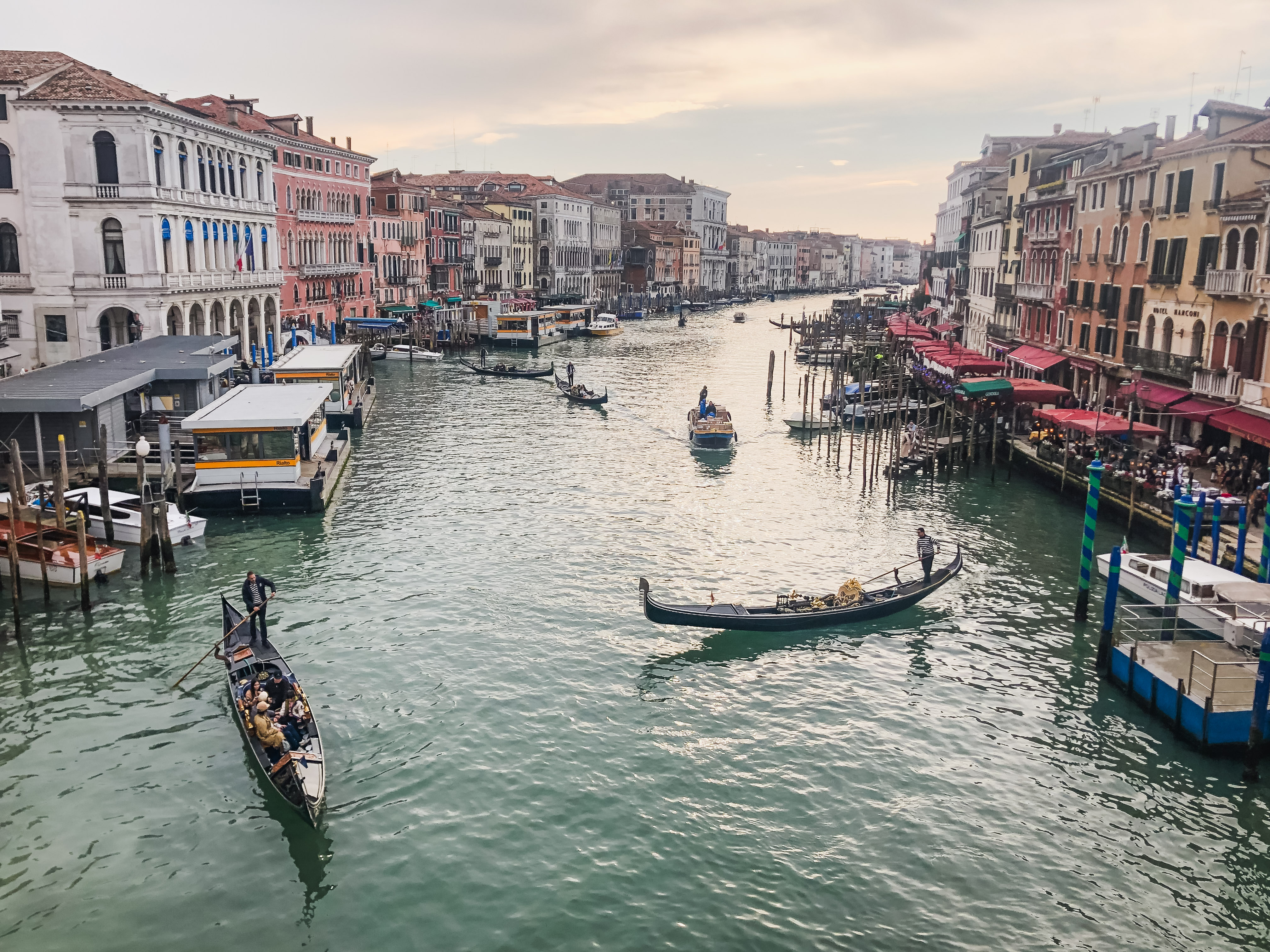
The best way to get to Venice is by traveling with European Sleeper, which runs twice a week in February and March 2025 and provides a romantic and sustainable way to start your Italian adventure.

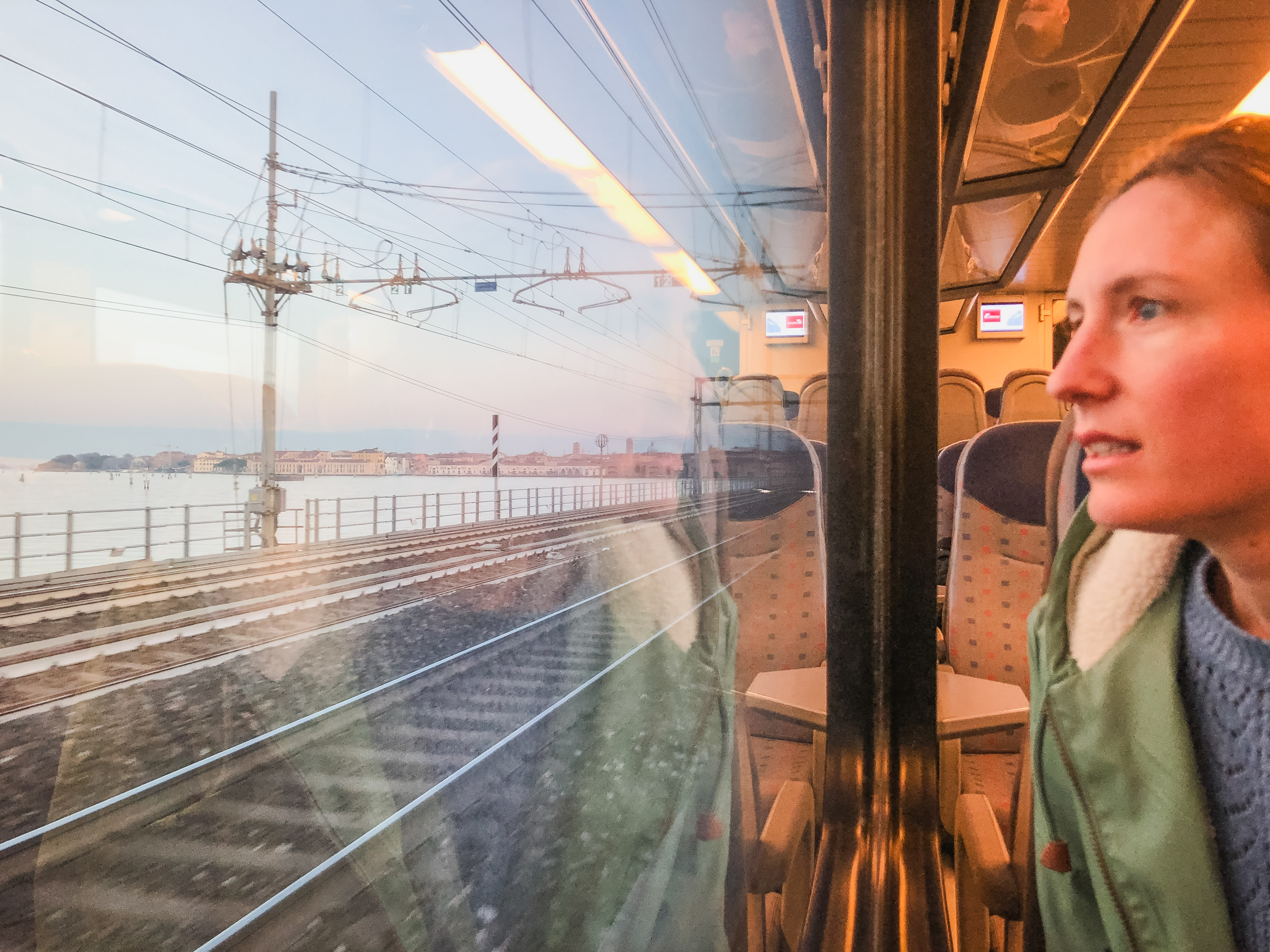
When we went in February 2024, the European Sleeper did not yet go to Venice… so we switched trains in Paris and Milan. The journey takes a full day, but I filled it with work, reading, and admiring the Alps and countryside views making a perfect blend of productivity and relaxation.

Venice in February can be surprisingly calm and less crowded. Despite some cold and foggy days, we enjoyed plenty of sunshine, making our visit magical.


Day 1: Arrival and stroll in the neighborhood

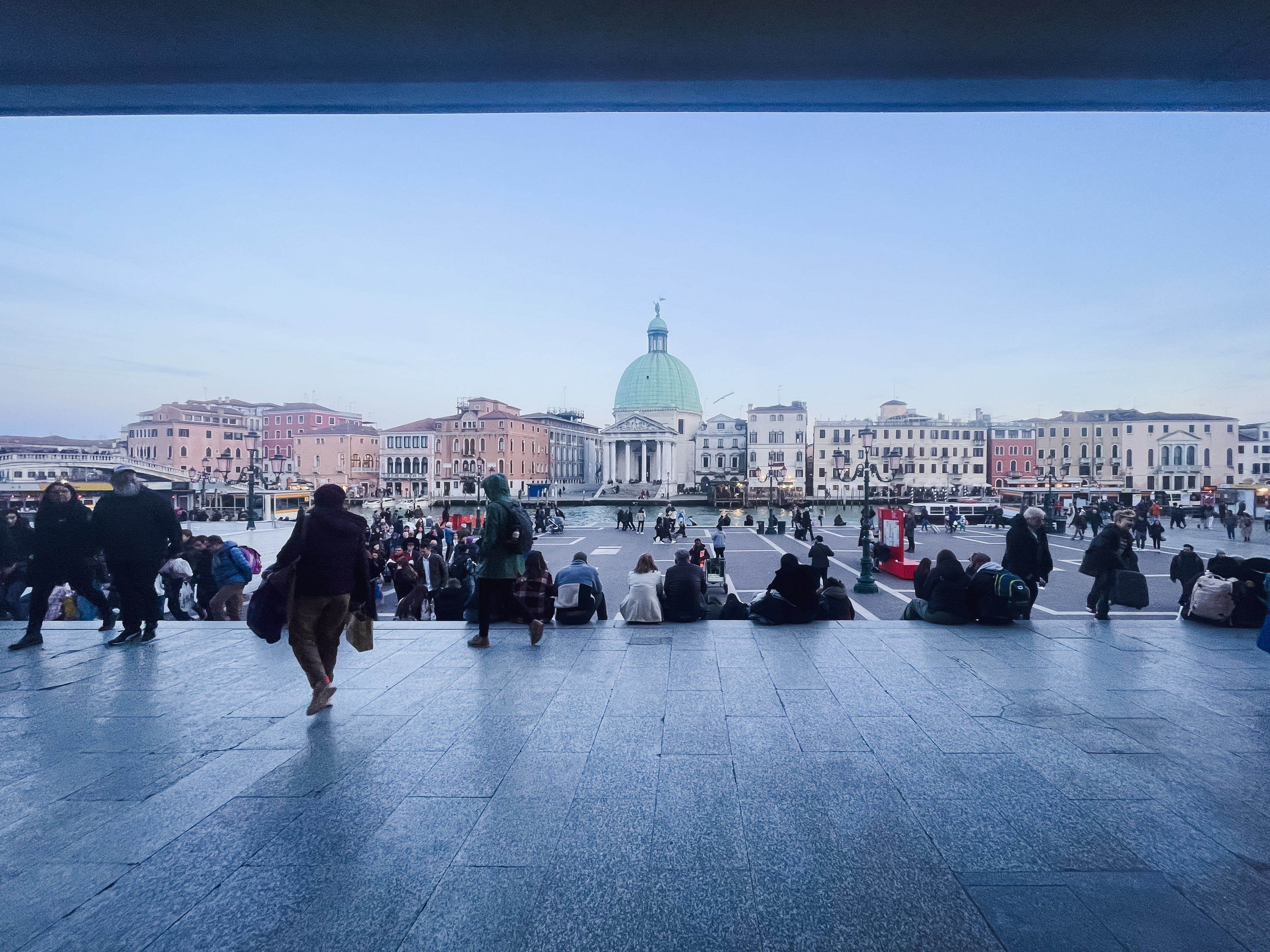
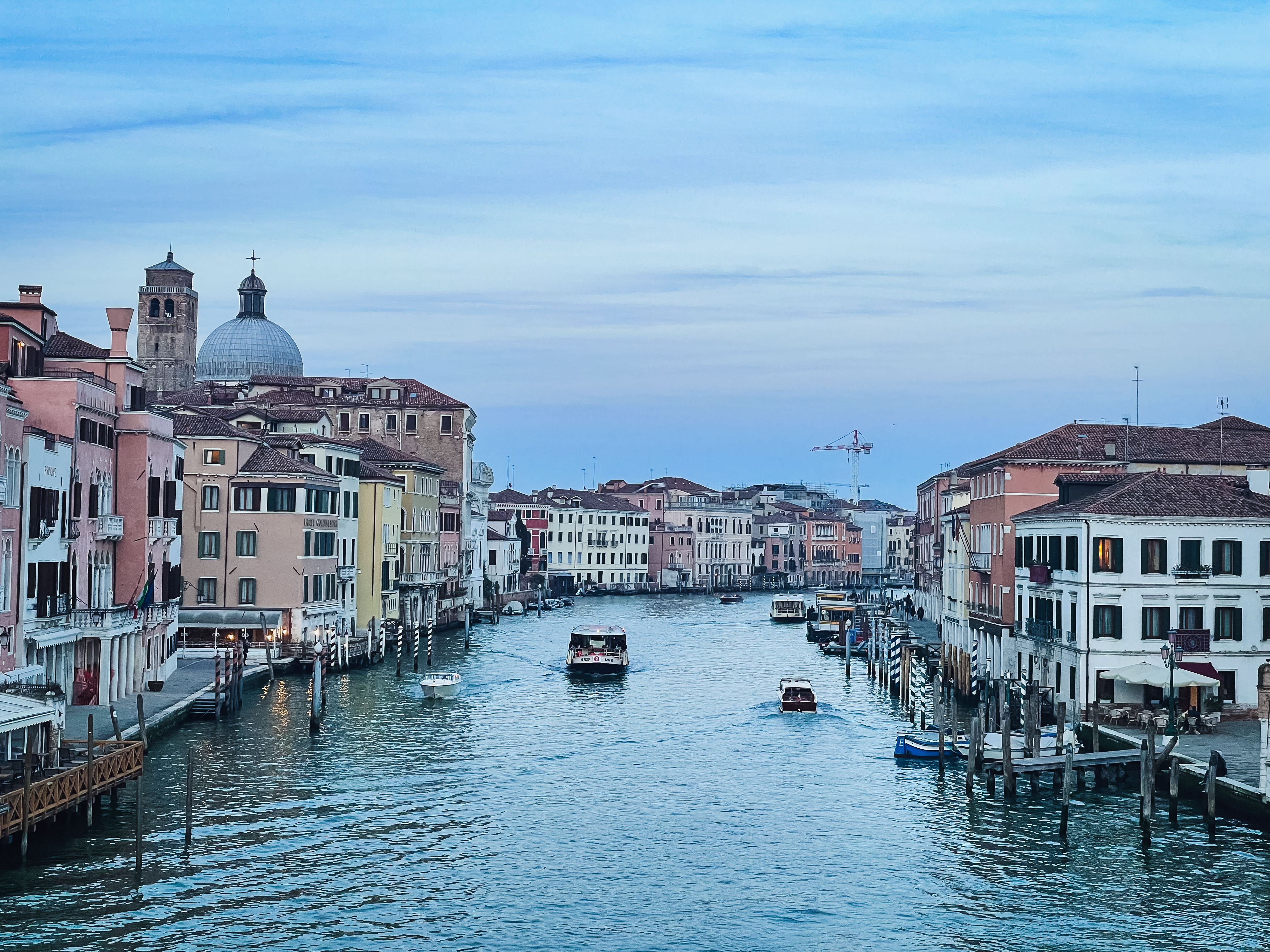
We arrived in Venice by train from Bassano del Grappa and were treated to an amazing view straight from the moment we left the train station.

While sitting on the train to Venice, we booked a last-minute promo at the Canal Grande Hotel for just 100 euros per night. We’ve found that waiting until after 16:00 on the day of arrival to book can yield great deals by checking prices on Google.

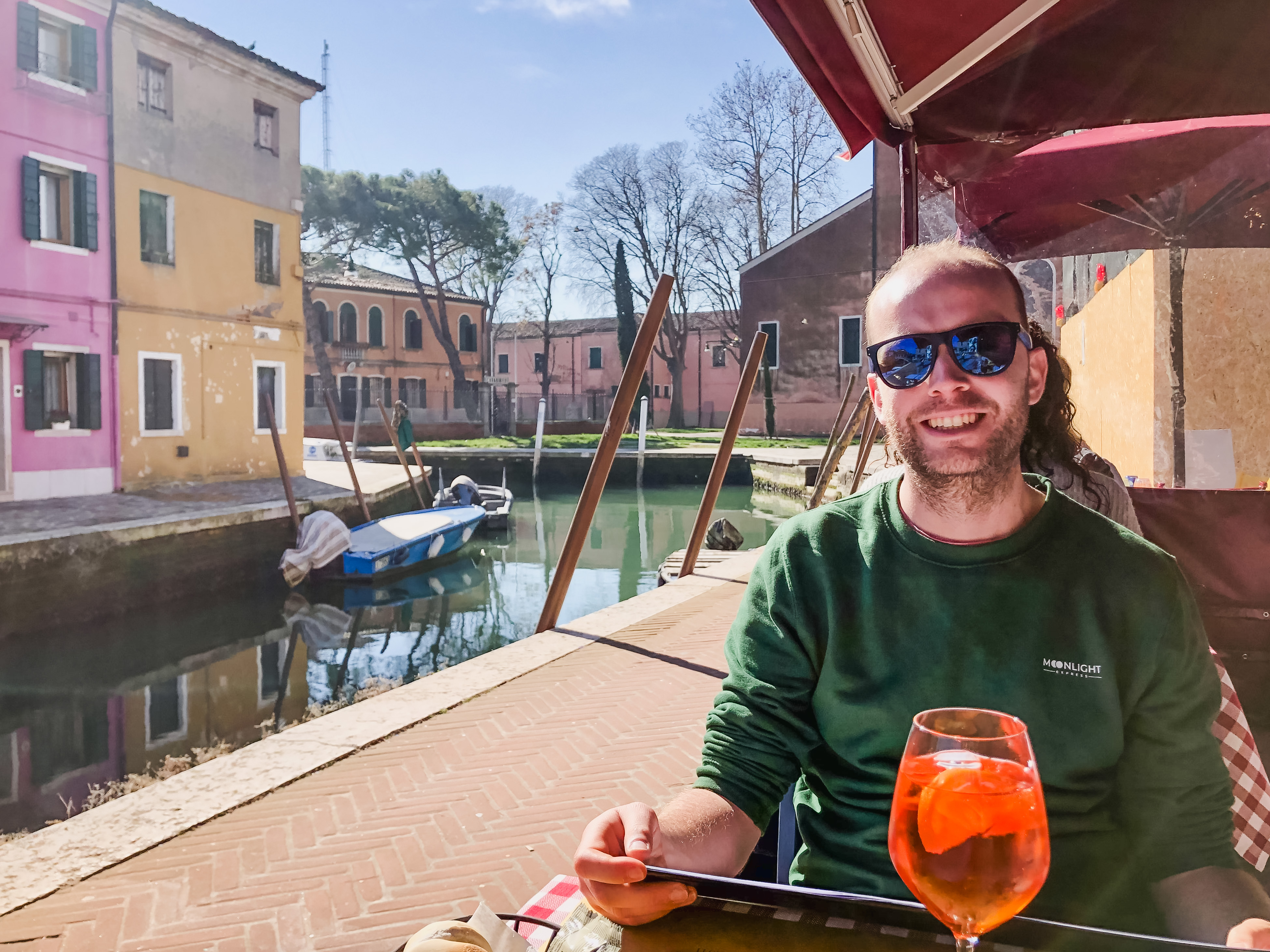
Just randomly strolling around in Venice is probably the best way to enjoy the architecture and views. We started the evening with an Aperol and aperitivo in Arcicchetti Bakaro and went for a restaurant after since it was a little too cold to stay outside all evening.


Day 2: Exploring Murano and Burano

Our second day started with breakfast on the little terrace of the hotel overlooking the Canal Grande.

Just after we left on a hotel-organized visit to a glass workshop on Murano Island. We were picked up by a taxi boat right at the hotel, adding a touch of luxury to our morning. Watching glass artisans in action brought the island’s rich history to life. This visit and boat ride was totally free, but of course they like it if you buy a souvenir… but to be honest, we did not see any glass work that we liked and could easily transport home, and the workshop did not mind either so it seemed.

From Murano, we took a bus boat to Burano, known for its colorful houses and charming streets. Lunch at Osteria Cicchetteria de Gigetto was a delightful experience. We highly recommend getting a multi-day boat pass, which made hopping between islands convenient and cost-effective.


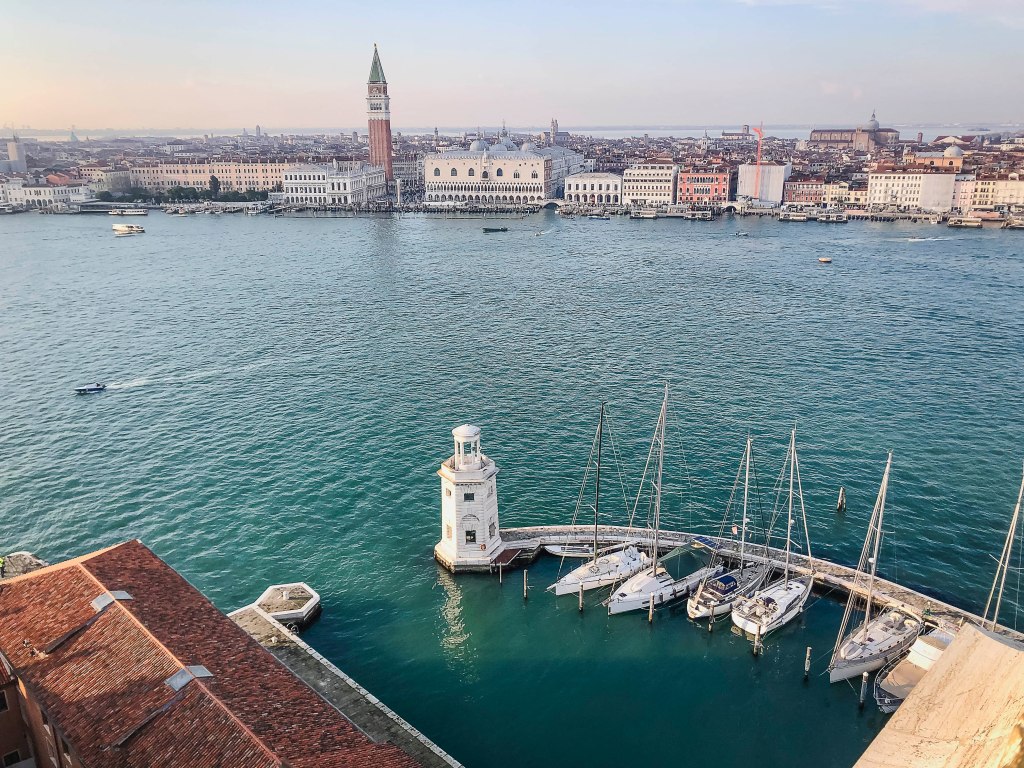
Day 3: Doge’s Palace, San Marco, and San Giorgio Maggiore

Before breakfast I started with an early morning run in the completely desolated narrow streets of Venice. For anyone capable of getting out of bed early, it gives such a curious and different view to the city life if you get to see the locals at 6 or 7am.

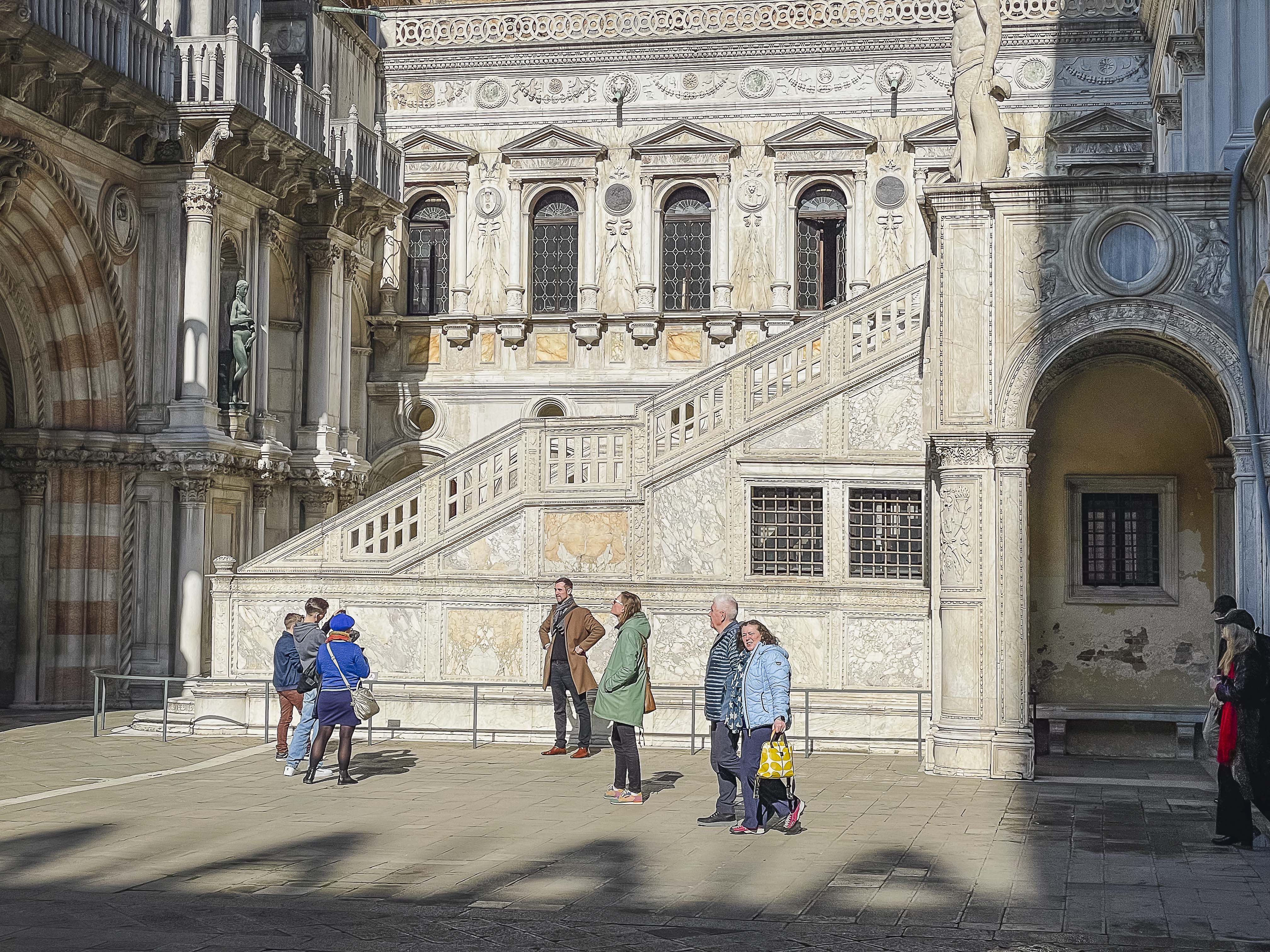
We visited the Doge’s Palace at San Marco in the morning. Make sure to reserve your tickets in advance. The grandeur of the palace was absolutely worth queuing.

Afterward, we enjoyed lunch on the terrace of Ombra del Leone, with plenty of sunshine and views of Canal Grande.

The afternoon was spent visiting San Giorgio Maggiore, where we climbed the tower for breathtaking panoramic views of Venice. The contrast between the busy San Marco and the tranquil San Giorgio was certainly a highlight of our trip.


Dining Highlights

Since good food makes a good mood:

  • Il Refettorio: For an Italian dinner experience, reservations are a must.
  • Ombra del Leone: Perfect for its terrace with a view of the Canal Grande, offering good food at reasonable prices.
  • Arcicchetti Bakaro: A bar with delightful aperitivo food — an absolute must-visit!

Traveling by train allowed us to enjoy Venice’s charm in line with our personal travel habits. The boat rides, less crowded streets, and cultural depth of Venice in the off-season made our trip extraordinary. For couples looking to combine romance and sustainability, we highly recommend this Venetian itinerary.

Eco-Friendly Prague Journey: Culture, History, and Fun

Experience the Magic of Prague’s Culture and Historic Charm

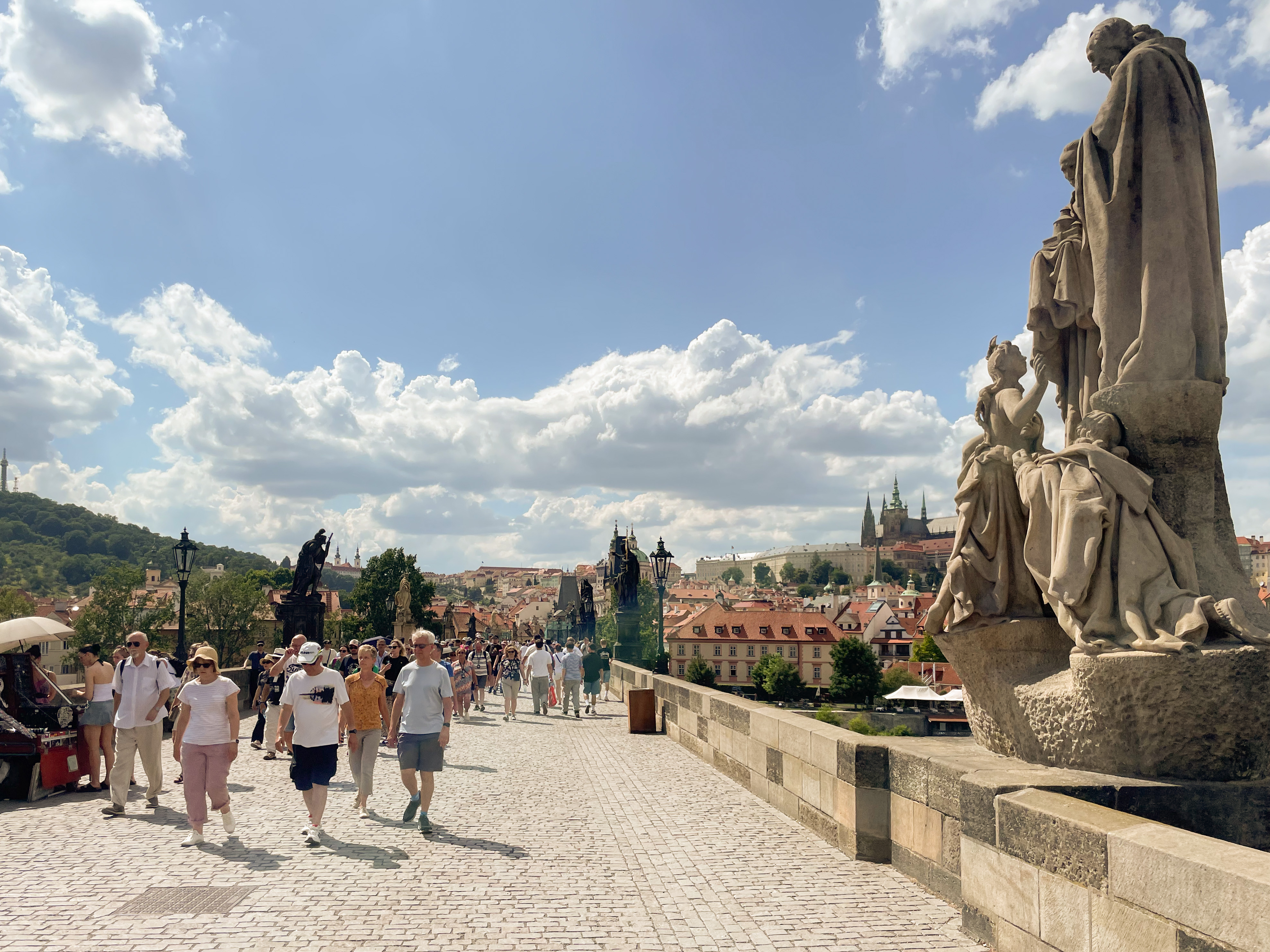
I’ve visited Prague multiple times before, but there’s always something new to discover that keeps the city intriguing. Next time I visit with my family, we’ll spend some time on Park Legií Island and explore the magnificent Prague Castle.

Day 1: Departure from Brussels

  • 19:22: Board the European Sleeper night train in Brussels, Antwerp, or from the Netherlands, heading directly to Berlin and Prague.
  • Accommodation: I stayed in a 5-bed couchette on the train for around €125-€150 one way.

Day 2: Exploring Prague

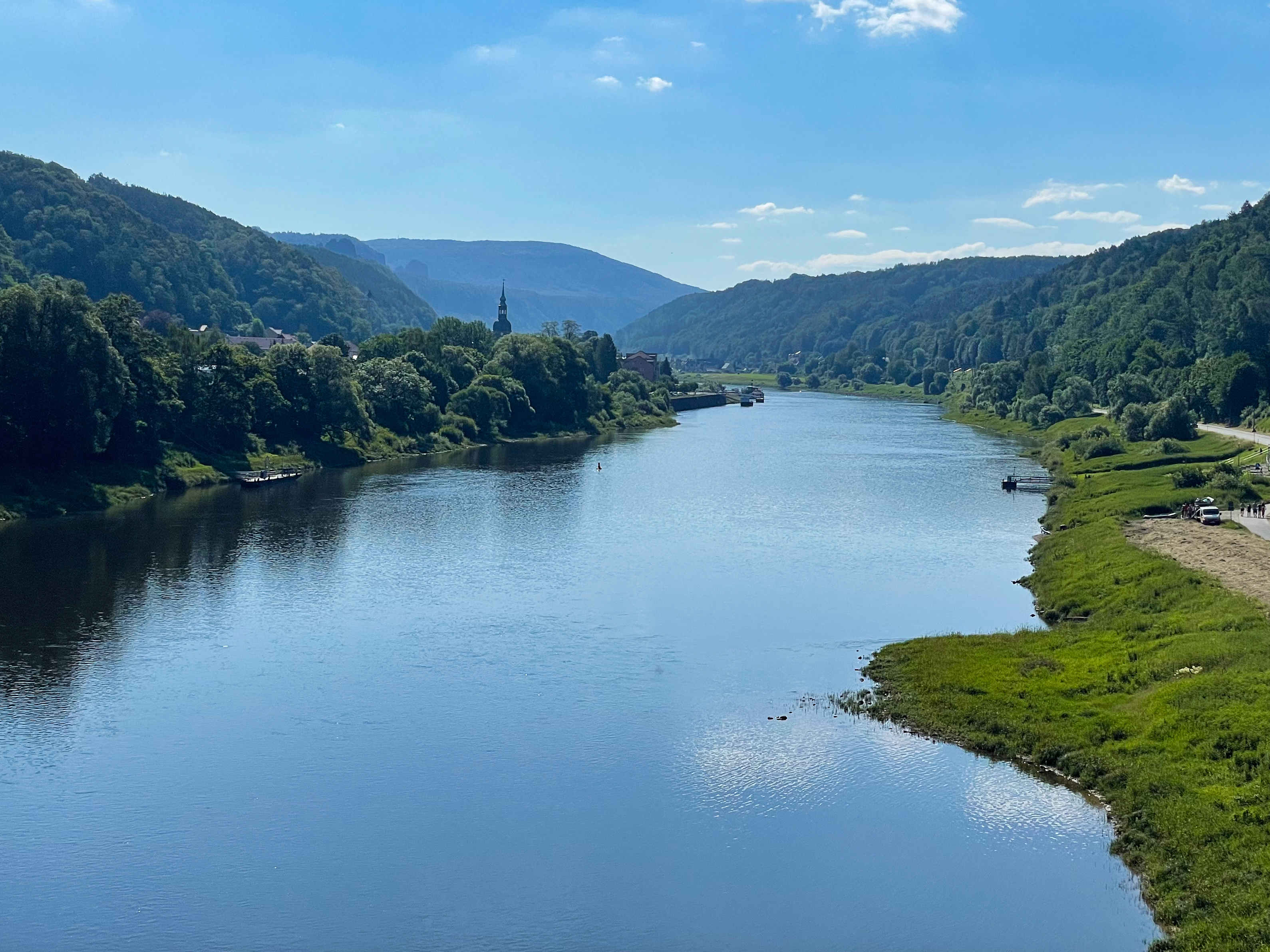
  • 10:56: Arrival at Praha main station after a scenic train ride with impressive views of the Elbe River and surrounding nature. After arrival I dropped my luggage at the hotel.
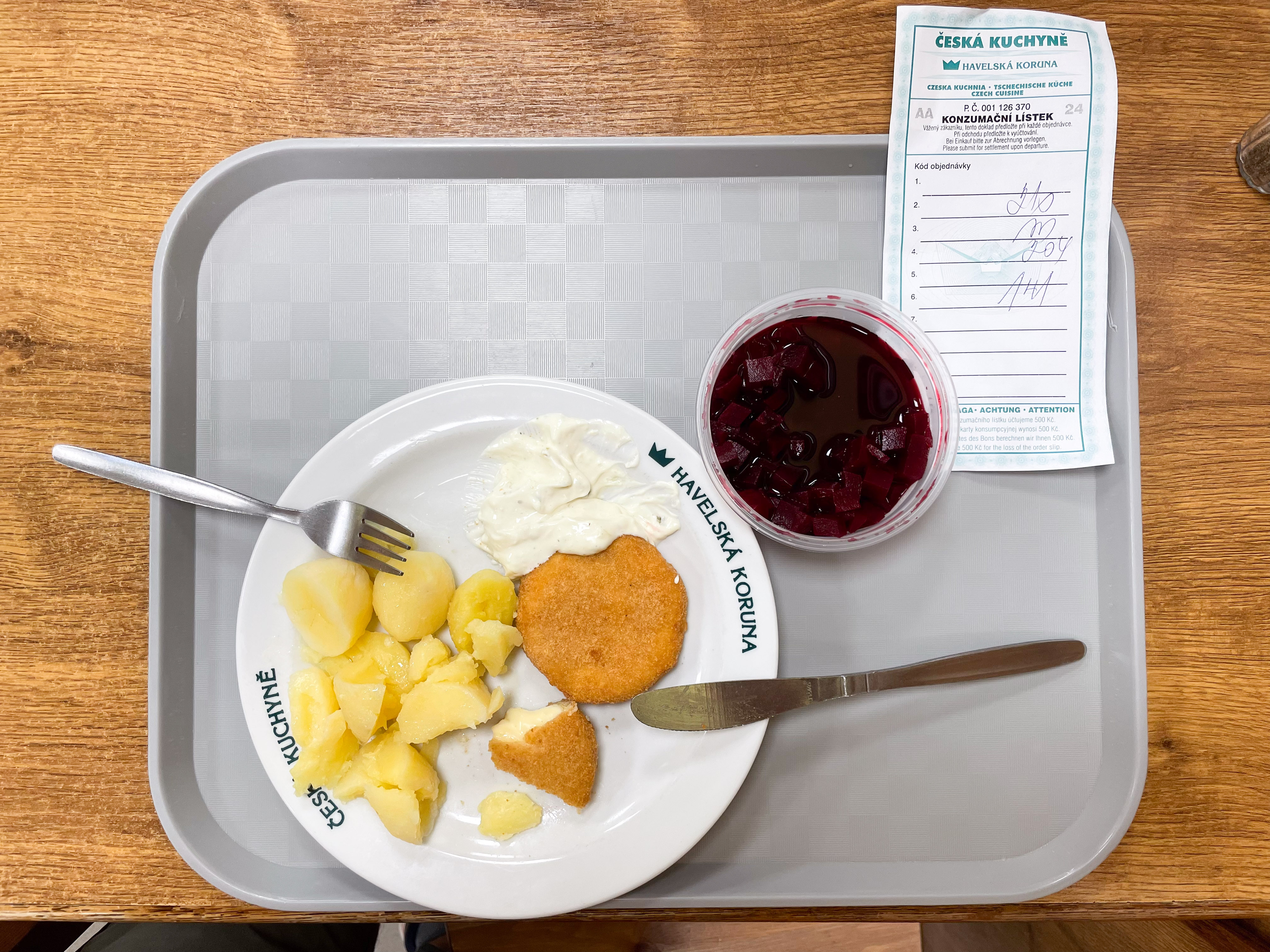
  • Lunch: For a culinary adventure, head to Havelská Koruna for a traditional Czech lunch.
  • Petřín Tower: Take the tram uphill to Petřín Park, then climb the stairs up Petřín Tower for breathtaking views of the city. It’s a nice activity to do towards sunset.
  • Prague Castle: Although I didn’t have time to visit the castle due to work appointments, it’s highly recommended. Even without paying for entry, you can see a lot by strolling around the grounds.
  • Dinner: Enjoy a delicious meal at the vegetarian restaurant Lehká Hlava.
  • Accommodation: I stayed at Hotel Metropolitan Old Town, a decent hotel costing €90 for a single room, with a rooftop bar and a good breakfast. I also considered spending a bit more on the Prague Carlo IV hotel, but finally decided to opt for a more central location and the rooftop.

Day 3: More Adventures in Prague

  • Morning Run: Along the Elbe River and through the Old Town.
  • Museum: After breakfast, I visited the House at the Stone Bell, where a modern art exhibition called “Group Therapy” was displayed. The museum offers a rich exhibition with social relevance, embracing Czech socialism history, rightist movements, LGBTQ+ awareness, and more.
  • Photo Exhibition: Later, I visited the Leica Gallery Prague for a fascinating photo exhibition.
  • Tea Time: Before heading back, me and a travel friend had tea at the beautiful bar in the former bank hall of Hotel NH Collection Prague Carlo IV—just a 5-minute walk from the main station. The drinks are priced similarly to those in the station but with a much better atmosphere.
  • 18:04: Board the train leaving Prague main station to return to Brussels, arriving the next day at 9:27.

Activities for Kids in Prague

  1. Petřín Hill and Observatory: Climb Petřín Hill via the funicular railway, perfect for an eco-friendly trip. Kids will love the Mirror Maze and the miniature Eiffel Tower!
  2. Letná Park: Rent bikes or have a picnic with stunning views of the Vltava River and Prague’s skyline.
  3. Vyšehrad: A historical fort with large green spaces, perfect for children to run around and enjoy nature.

Party Train to/from Prague

This trip was extra special—a 50th birthday party for one of the co-founders and some other employees took place on the ride from Prague back to Brussels! 🥳✨

If you’re planning something extraordinary with a larger group of friends (40-700 people), consider booking the party coaches from European Sleeper. It will be a train ride to remember!

Highlights:

  • Celebrate in Style: Imagine having an entire train coach dedicated to dancing and celebrating. The party train transforms your journey into an unforgettable event, filling the hours with joy and camaraderie.
  • Convenient and Eco-Friendly: Traveling by train is not only convenient but also a more environmentally friendly choice.

Discovering Sächsische Schweiz: Night Train Adventure from Brussels

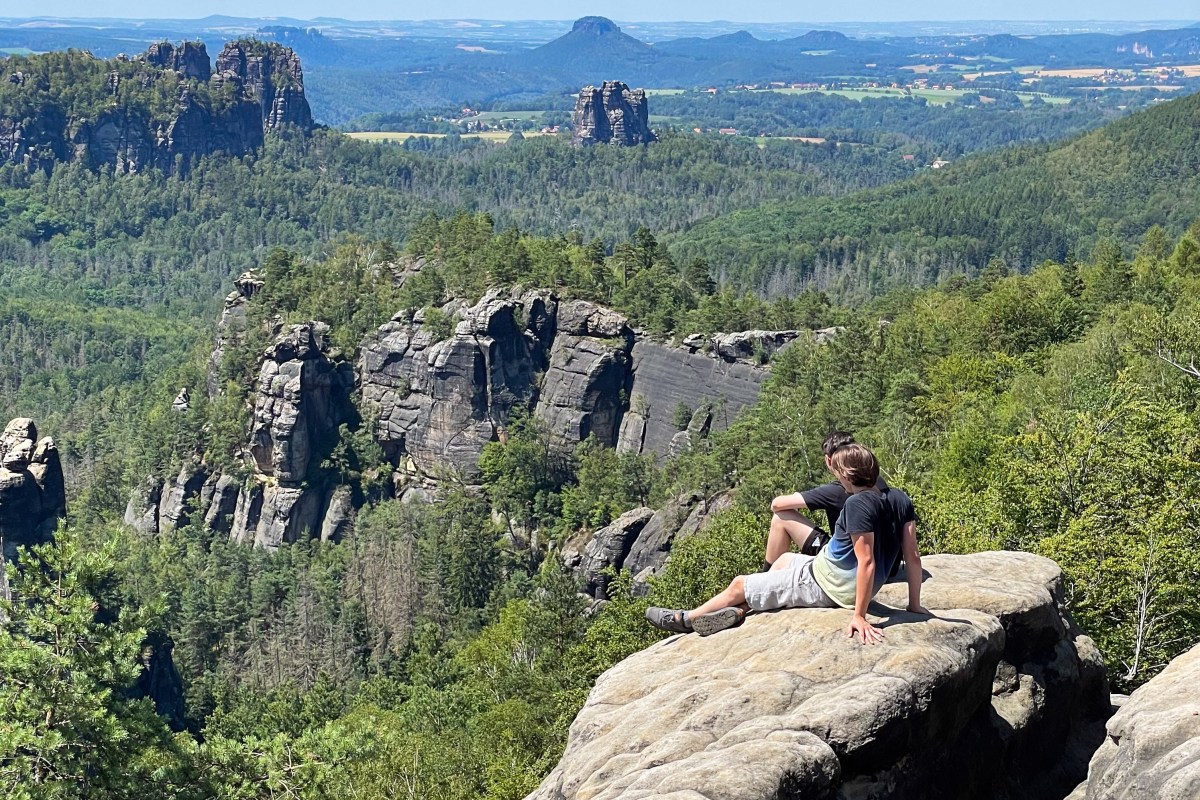
A couple of weeks ago, I discovered an impressive piece of nature only a night train away from Brussels—perfect for a long weekend trip immersed in breathtaking landscapes.

Have you ever heard about the National Park Sächsische Schweiz?

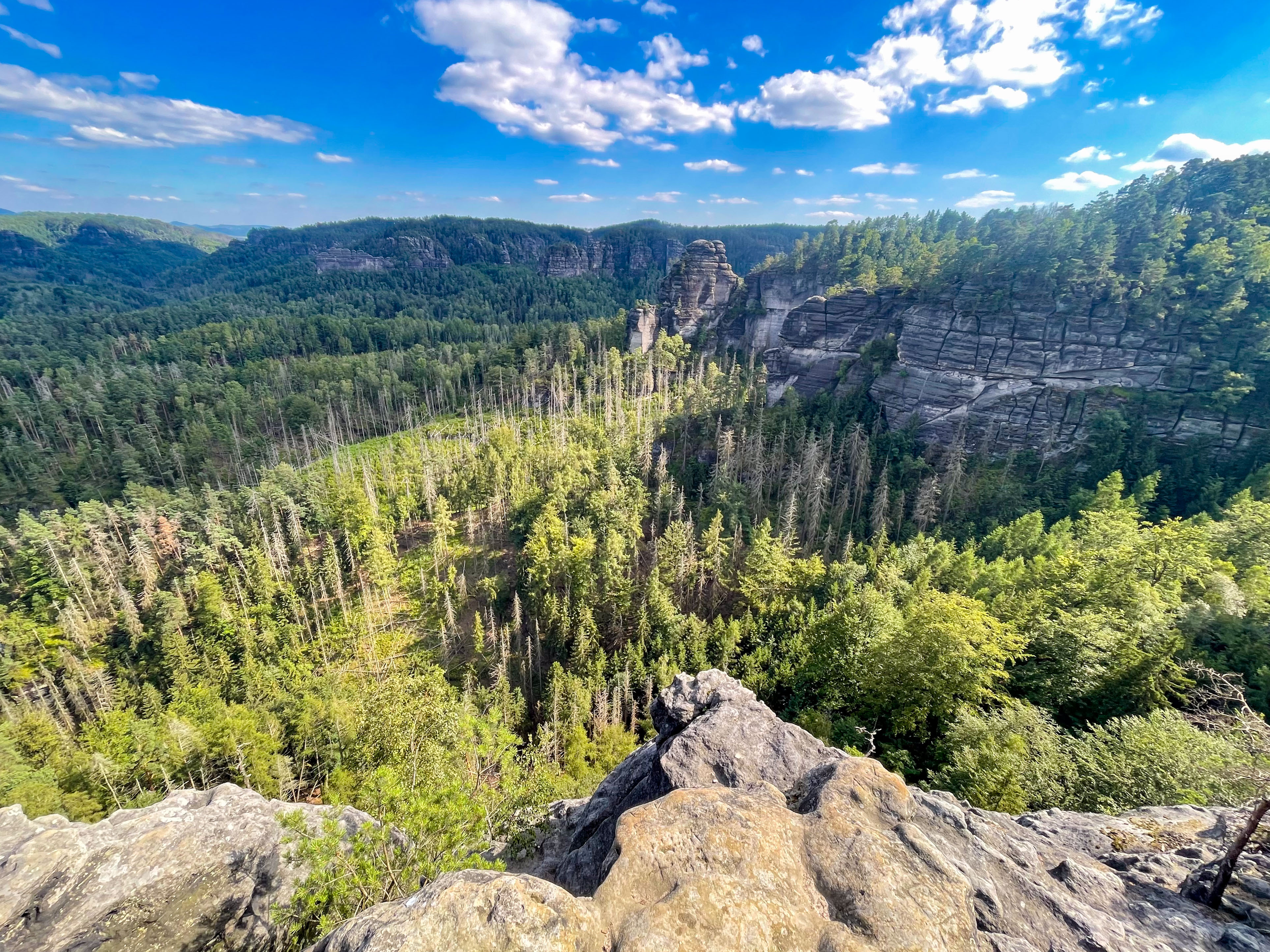
It’s a vast, mountainous forest filled with dramatic rock formations and stunning views at the German-Czech border. Let me take you there for a moment!

Family-Friendly Adventures and Thrilling Hikes

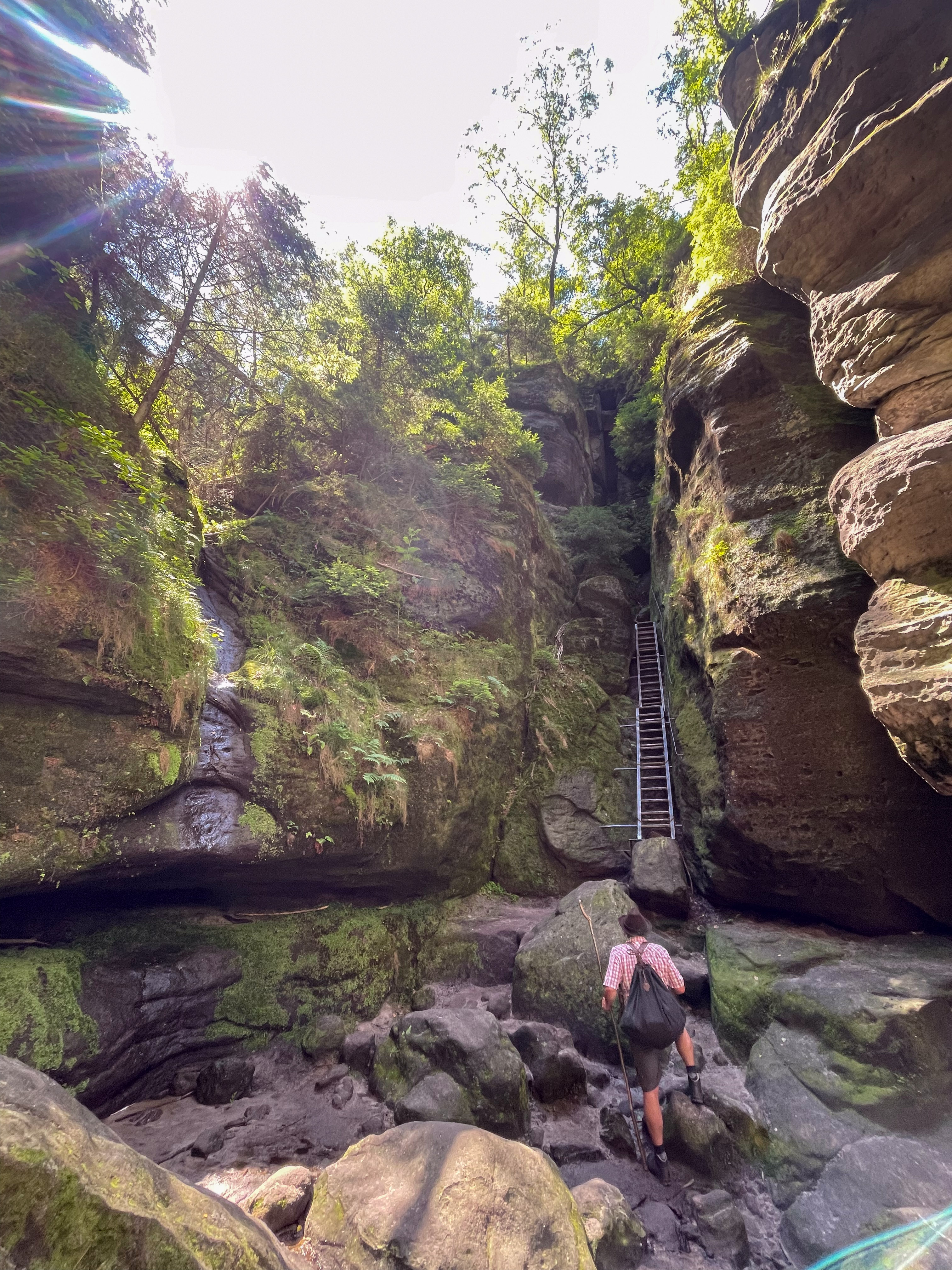
Visiting with Kids: There are plenty of charming, family-friendly routes to enjoy with the little ones. However, for those who crave adventure, I took a more challenging trail featuring metal ladders, narrow passages, and dramatic cliffs. No climbing gear is required! Here’s the GPX track I followed: Komoot Track

Safety Tips: If you choose one of the family routes, always keep your kids close, especially at the viewpoints. There are no fences, so hand-holding is essential.

Another great way to explore the park is by cycling—just remember to park your bike and take small hikes to reach those breathtaking viewpoints.

I took the walk during a Tuesday in June and was hoping to refill my water at a bar in the park… but found a closed door. Quite a disappointment since I finished my water at noon and did a detour of an hour hoping to refill at the refuge that was closed.

My 3-Day Ecological Travel Itinerary

Day 1: Departure from Brussels

  • 19:22: Board the European Sleeper night train, heading to Bad Schandau.
  • Accommodation: I stayed in a 5-bed couchette for around €125-€150 one way.

Day 2: Arrival and Hiking

  • 08:30: Arrive in Bad Schandau and grab picnic supplies at the railway station or supermarket accross the water.
  • Hike: An 8-hour hike through stunning spots like Carolafelsen, Panorama Heringsgrund and Goldsteinaussicht.
  • Accommodation: Found a cozy €35 cabin including breakfast at Zur alten Schule. Cancelled my €150 hotel room—great value for money!
  • Dinner: Enjoyed a vegetarian 4-course menu at Bio-Restaurant StrandGut.
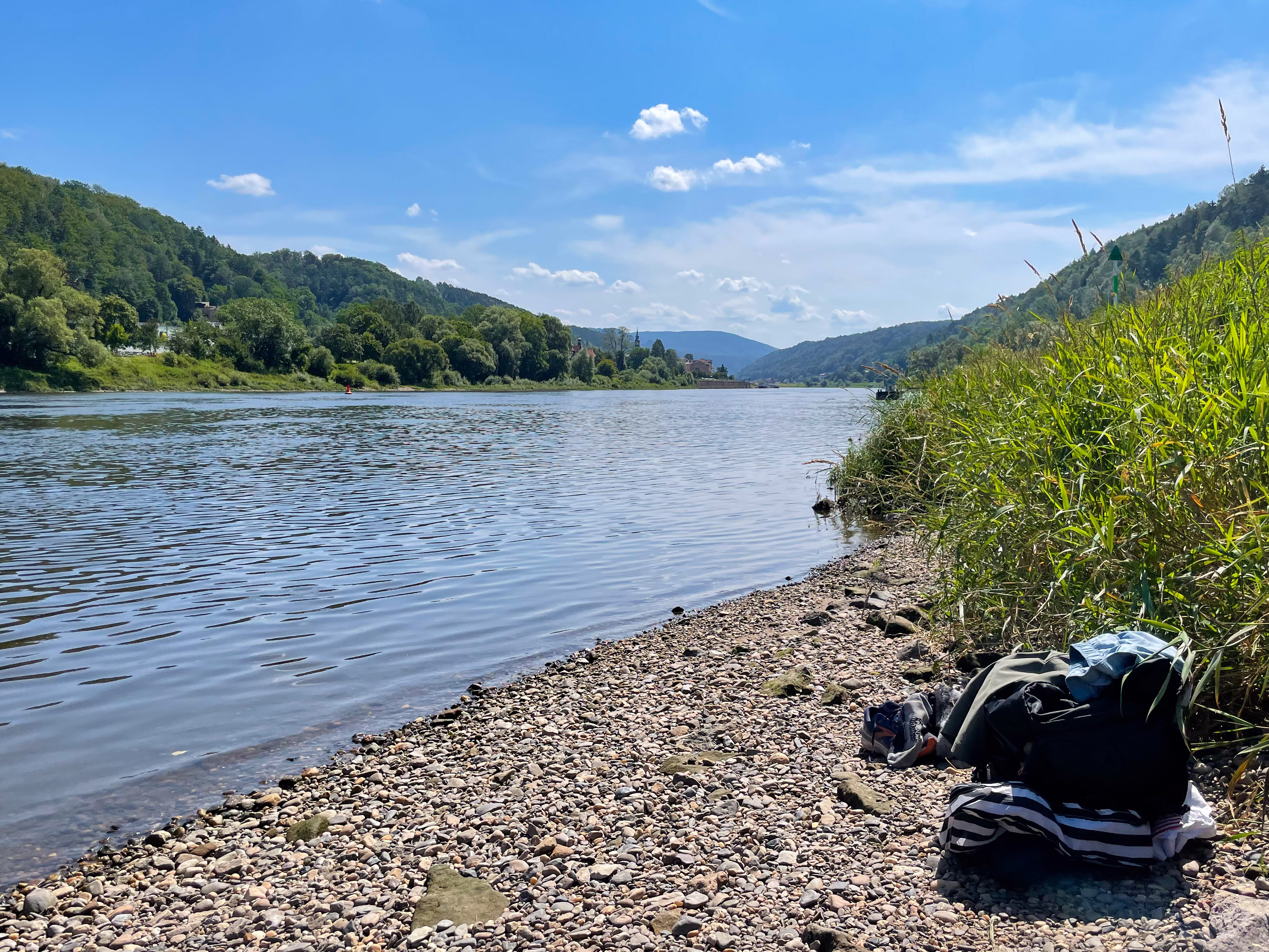
  • Swim: After dinner I took a swim in the Elbe a couple of meters downstream from where the little ferry leaves. Beware there’s quite some current, which can be dangerous… but also nice so you can swim against the current and stay in the same spot for as long as you want.

Day 3: More Adventures & Travel to Prague

  • Hiking: Explored more of the park, with options including hiking, canoeing on the Elbe, and the tram ride into the forest. I took the ferry to cross the Elbe and hiked for an hour and a half from Schmilka to Bad Schandau’s railway station where I started the journey.
  • Swim: To cool down before getting into the train, I took another swim at the small Canoe beach just in front of the railway station.
  • Travel: Took the train to Prague, but you can also return to Brussels at 19:59, arriving at 9:30 the next day.

Schmilka is a tiny but beautiful village positioning itself as eco-village. There are multiple biological hotels and restaurants, a biological educational garden along the Elbe, eco-sauna, and hot-tubs, … we found the concept to be very appealing. Nevertheless, most of the initiative is driven by one entrepreneur that supposedly owns 40 of the 80 houses in the village, where he made hotel rooms or houses for tourism purposes. Still, its inspiring to see the business model seems to work.

Copenhagen sauna & train adventure

Now imagine you have to go to the Nordics for work in wintertime… the first thing to think about is: nature, freezing cold and saunas, no?

Train adventure

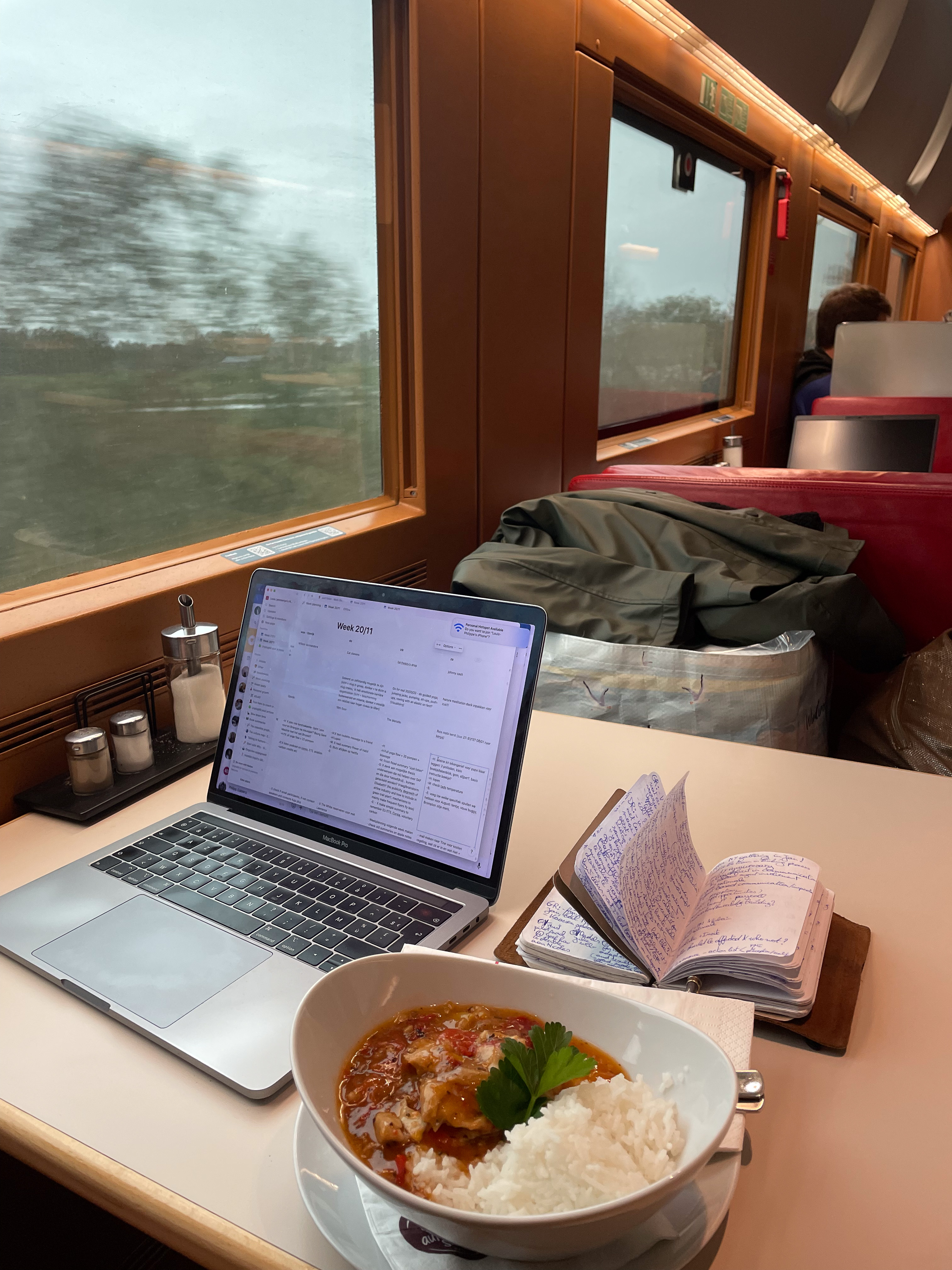
Traveling to Copenhagen by train is really easy and fairly cheap if you book a couple of weeks in advance. It cost me 219 euros for a return ticket in first class, which was only about 30 euros more expensive than in 2nd class. The most challenging part is getting your connections, given the fact that every single german train seems to have a delay. The nicest part is the cozy restaurant wagons with decent food options and a vegi offering. I can certainly recommend the vegetarian curry.

If you are planning to take the train from Brussels to Copenhagen with kids, checkout this post on making train travel with kids easier.

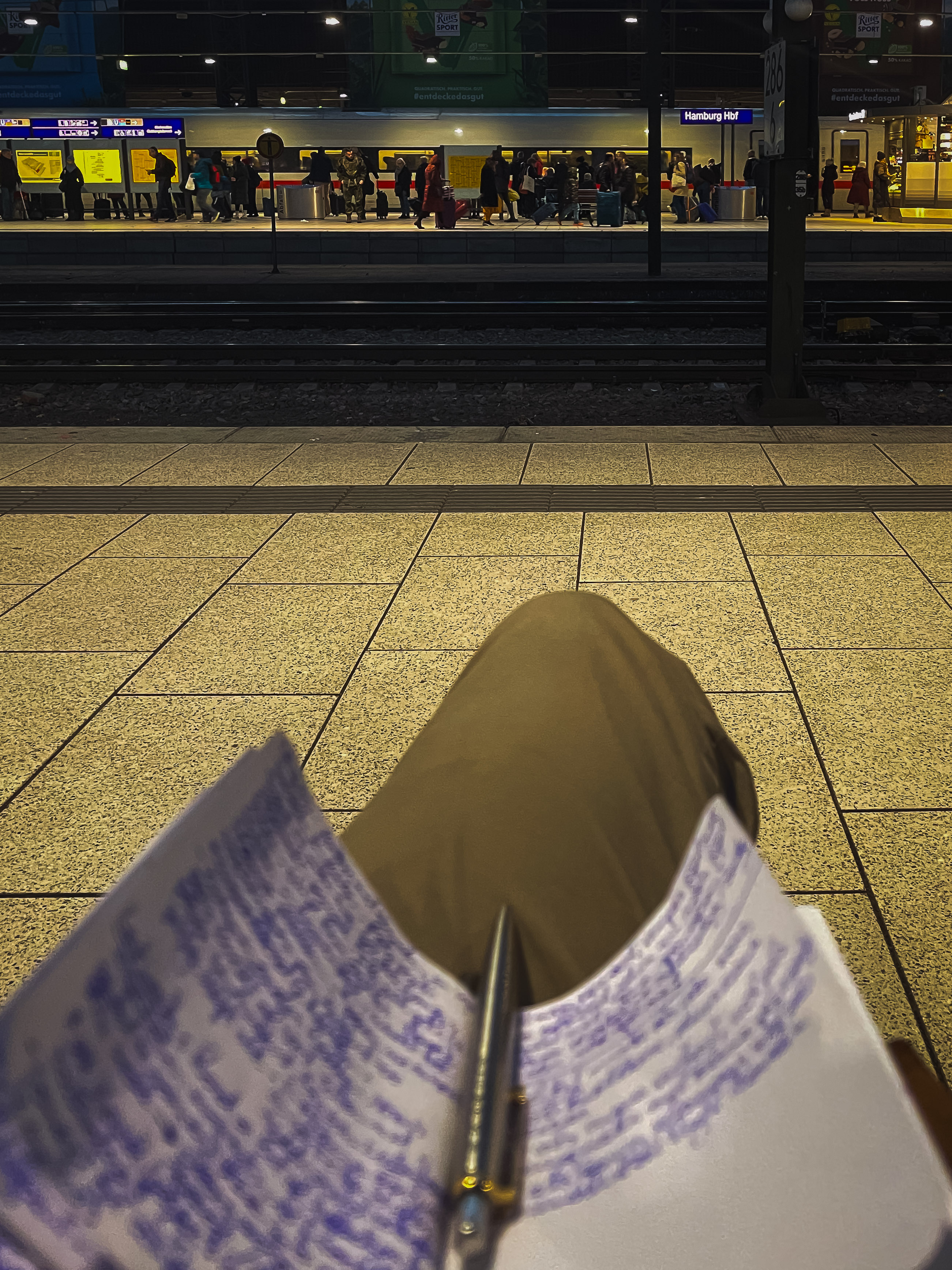
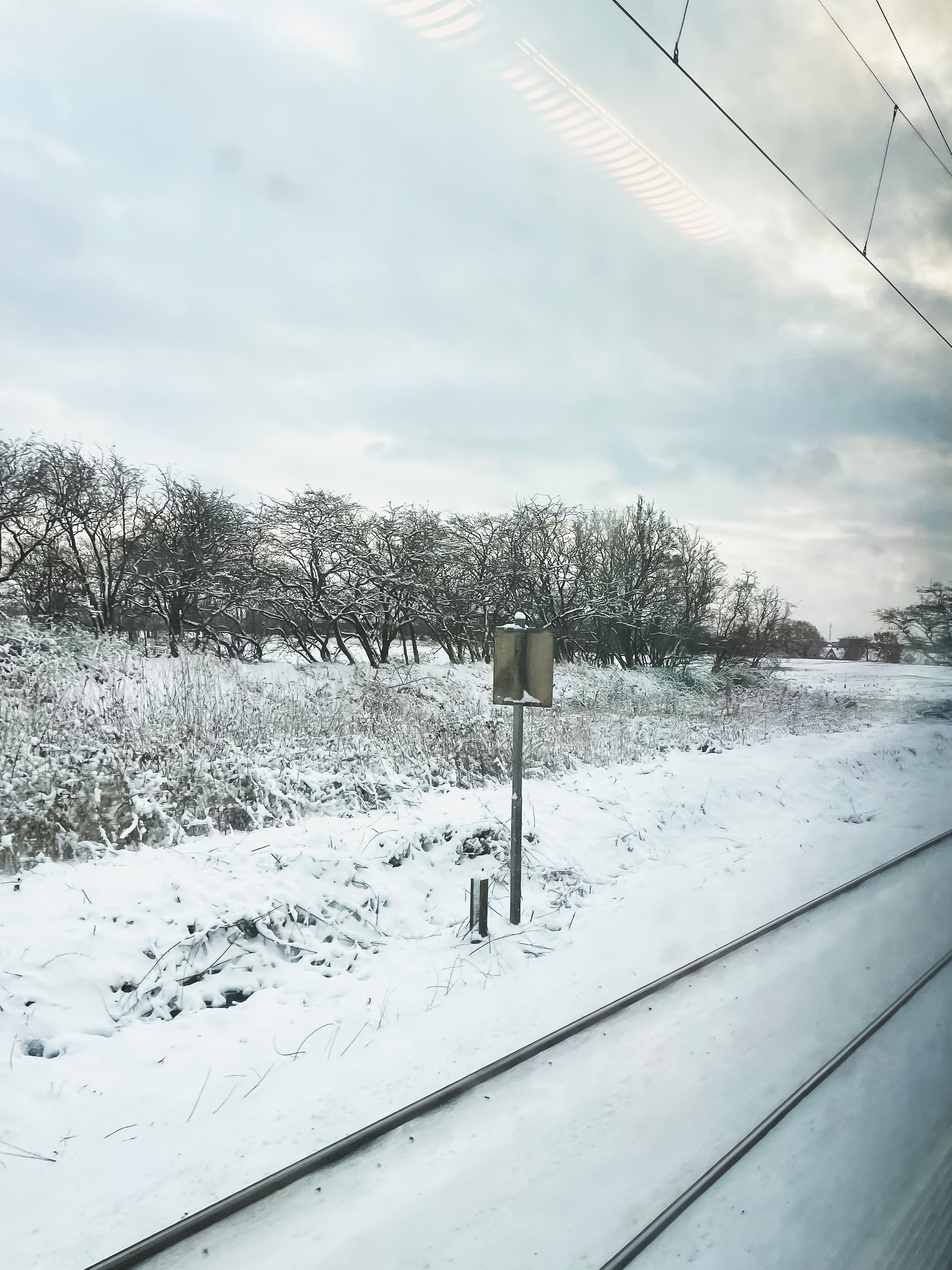
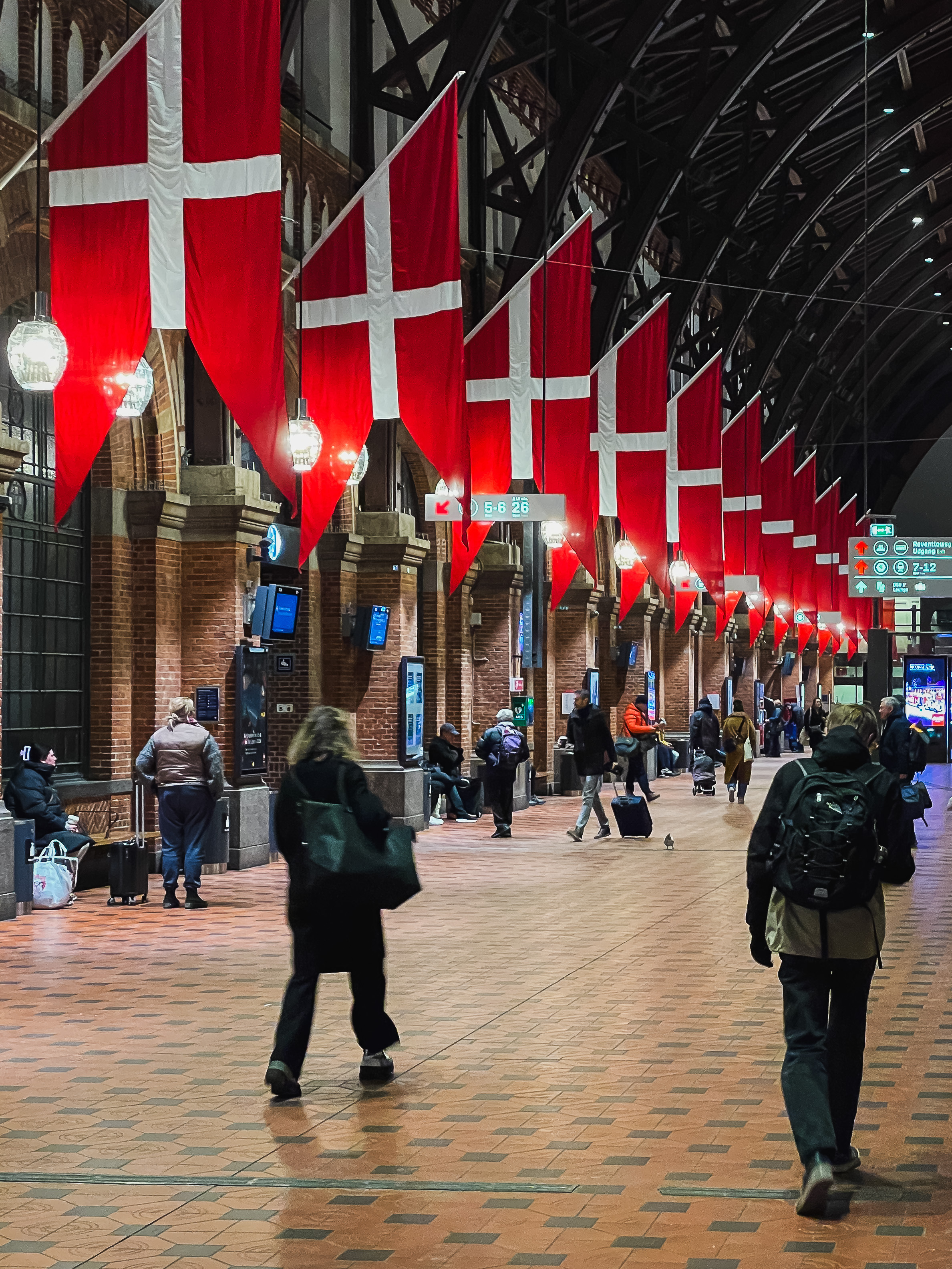
I left Brussels on Sunday morning around 8:30 in Brussels North Station, with a delay of half an hour. For my connection in Cologne, I had 2 hours, a nice buffer of which half was consumed. In Hamburg, I had 40 minutes. I arrived with about 20 minutes of delay, but my next train was also delayed… giving me again a nice buffer. No stress, since there’s almost always an alternative. You can take away your stress to already figure out your plan B in case you miss your connection. At 21:30 I arrived in Copenhagen’s main station in the freezing cold. The trip went smooth, both on the way going and on the way back, but I was happy that I consulted Seat61.com to get some recommendations and put the necessary time buffers in. On the way back I had two times 45 minutes only, but luckily the connecting trains were also always a bit delayed, so I did not miss any connection.

The Topsoe SAF conference was close to the station, so I took a room at Wide Hotel, a nice hotel around the corner. Since I was there for work, my days were pretty well filled with the conference and business diners and drinks in the evening.

I discovered the city in the dark by running early in the morning and on Tuesday afternoon I did find a moment to discover Copenhagen. I walked around to see some highlights and searched for a good Sauna option that would meet my high expectations of what a Nordics adventure should look like. Some of the regular highlights were:
  • Nyhavn – with the traditional boats and colored houses
  • Rosenborg Slot
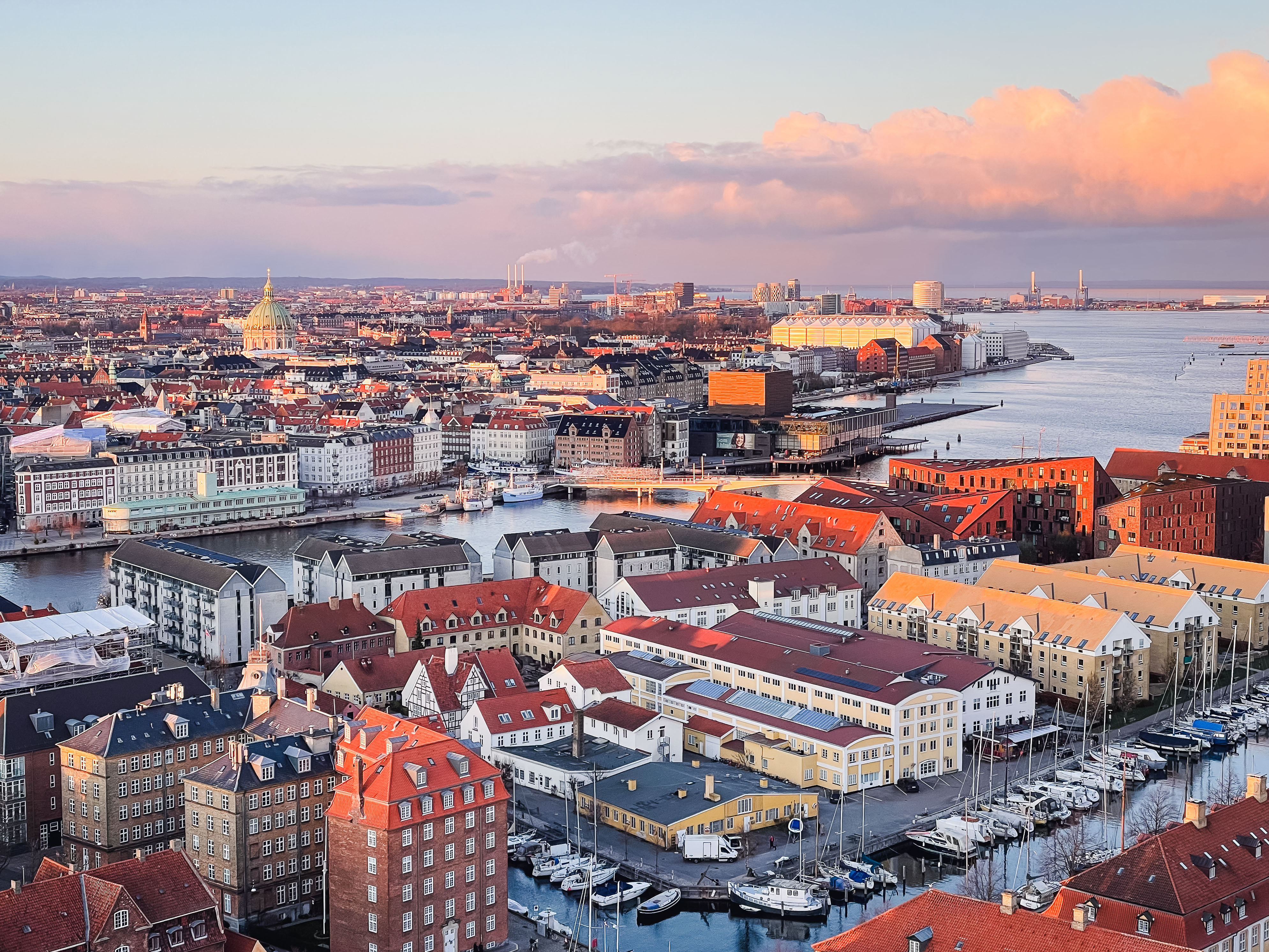
  • Vor Frelsers Kirke – Climb the stairs and get impressive views over the city (Every place I visit, I do. my best to find a good viewpoint by climbing a hill or a tower)
  • Christiania – known for its cozy atmosphere and hippie community (just skip the dodgy square where drugs are sold!)
  • City hall
  • Tivoli gardens
  • Mikkeler bar – my friend Mariano took me here… it’s a nice chain of cozy bars offering craft beers

The Sauna adventure.

While searching for sauna options in Copenhagen… I somehow stumbled upon a public bathhouse in Christiania. Now, for those who know what Christiania is… it’s a bit of an adventure to go to the local sauna. Walking in you get straight into the changing rooms where you pay 50 kr cash and get naked. Some easygoing guests are getting slightly high at the entrance in between two sauna sessions. There are no lockers so you put all your valuables in a paper bag, write your name on it and they put it in a drawer. You walk in through the fog and find some open showers, guests chilling on the benches, and a wooden sauna door. When walking in the nicely warm sauna, there are about 20 naked people, sometimes sweating in silence, sometimes having the craziest conversations about tattoos, nature, or life. I believe I will have to go back to the Nordics to get a typical sauna experience, but this one surely counts as an interesting one. It brought me in a similar vibe as in Suryalila, the yoga retreat we did in the South of Spain.
After the sauna, I had dinner in Morgenstedet, an extremely cozy vegetarian restaurant next door (also to be paid in cash).

My biggest gratitude goes to Jacques Fischbach for putting this small “Guide for First-timers” in the review on google maps:
“-Entry is 50kr (around 6.7€), you can stay as long as you want
– You need to pay in cash. (In case you need cash, there’s a “Nordea” ATM not far from Christianshavn Metro station.
-You come in, take off your shoes, hang your clothes, and get naked (everybody is naked, no bathing suits allowed)
-You pay and you can put your valuables in a bag and give it to the person behind the counter to store it for you (you write your name on the bag) Phones are not allowed inside, the best is if you just bring your wallet or even just the 50kr to not risk losing your valuables
-There are a couple of hot showers and soap, and cold showers to cool off after the sauna
-There is only one sauna, it’s about 80-90° Celsius, definitely hot enough, you can sit up on the benches or down if it’s too hot
-You can bring a towel to sit on but most people don’t use one
-You can pay 5 or 10kr for “Rasul”. This is a kind of mud that you can put on your skin for smoothness. It works like this: you buy the Rasul at the counter and take it with you into the sauna. (You need to go on the right side when you go into the sauna because with the Rasul it can get messy and they want to contain it to one side) When you start sweating you put the Rasul onto your whole body, just cream all your body parts in with it. After your sauna session, you go outside and you don’t wash it off immediately. You wait until it dries from the air (about 10-15 mins). Then you go wash it off completely for best results.


Like what you read? Do yourself and us a pleasure by subscribing to our blog by leaving your email addres below: