GR98 Magic: Hiking the Calanques From Cassis to Marseille & Cap Canaille

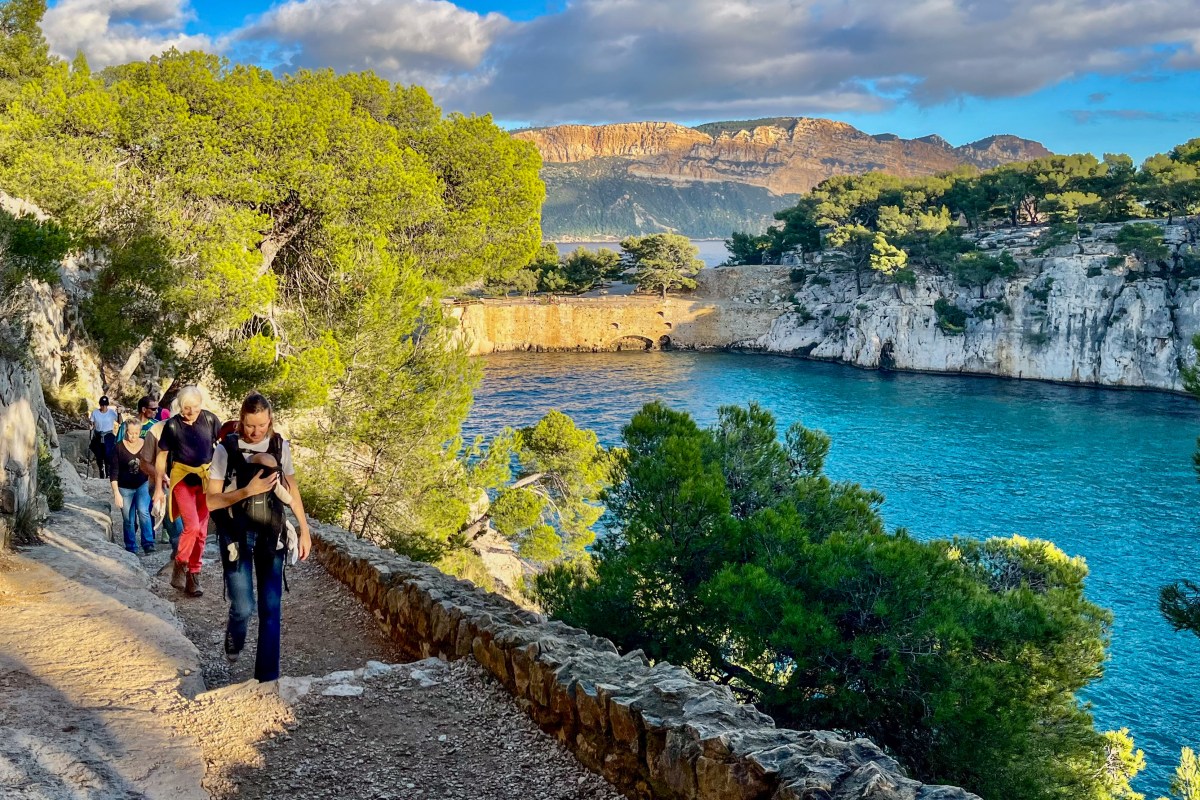
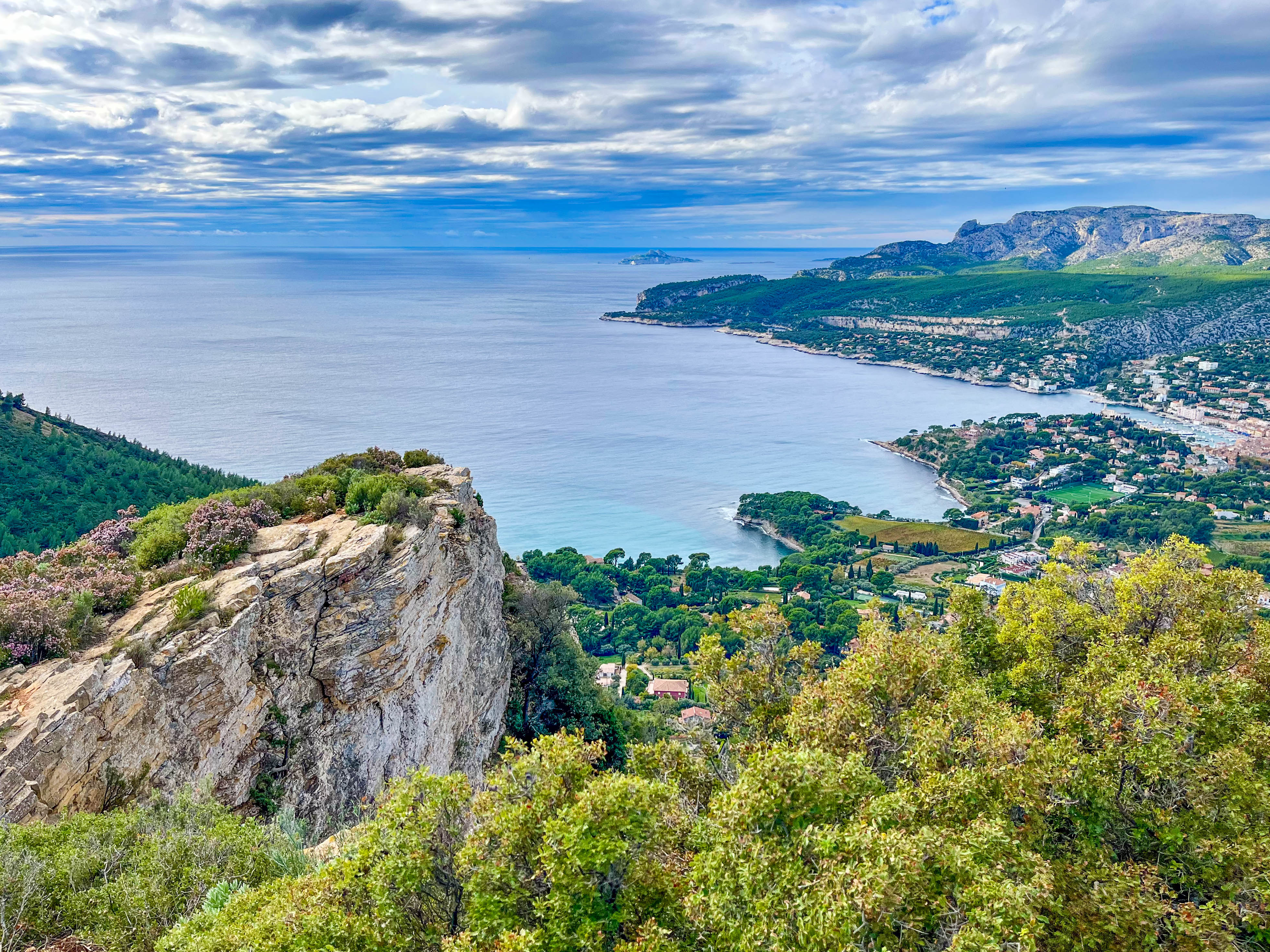
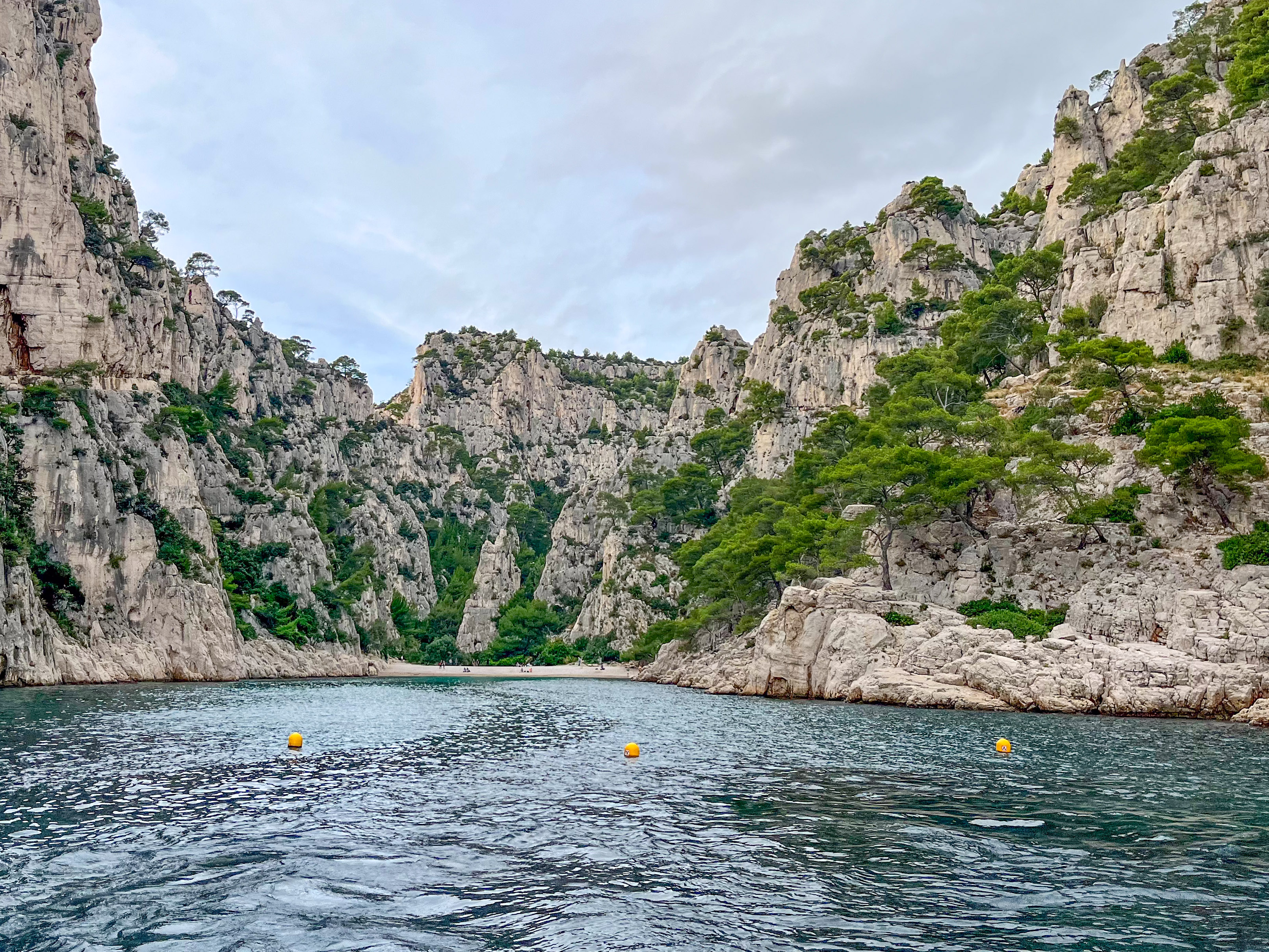
The GR98 glides through one of Europe’s most striking nature parks: Calanques National Park, washed by impossibly blue Mediterranean waters, carved by creeks, dreamy beaches, and framed by monumental cliffs like the Cap Canaille. Whether you’re a rugged adventurer eager to camp beneath the stars or a family with children seeking an unforgettable blend of nature and relaxation, this journey belongs on every carbon-conscious traveler’s wish list. We visited parts of the GR98, Cassis and Marseille early November and generally speaking the weather was still nice and warm. It’s a good trip for an autumn escape to the sun!


A. For Adventurous Backpacker Hikers

  • The GR98 is a legendary trek. The part between Marseille to Cassis, typically takes two days through demanding terrain that rewards you with constant views of limestone cliffs, sparkling creeks, wild pine forests, and turquoise beaches. The full GR98 hiking route between Marseille and Cassis covers about 28–36 km, depending on the precise start/end (and optional detours). The hike typically takes between 9.5 and 12 hours for most hikers, though some fit groups or experts may complete it in 6–8 hours if conditions are ideal and with minimal breaks. Terrain is demanding with substantial elevation change (around 1,500–2,300 meters total ascent/descent). It is generally considered an all-day or two-day hike for most walkers.
  • Wild camping is officially prohibited in the National Park, but many hikers bivouac well off the trail. Choose dawn or dusk for finding a discreet spot, leave no trace, and avoid fire hazards.
  • Essential tips:
    • Carry 3L of water/person per day (no sources en route!), sun protection, hat, and grippy shoes. The limestone can be slippery after rainy weather.
    • Morning runs are magical: from Cap Canaille towards the North, or deep into the Calanques. If you want solitude, you’ll find it outside high-season or before 8 am.
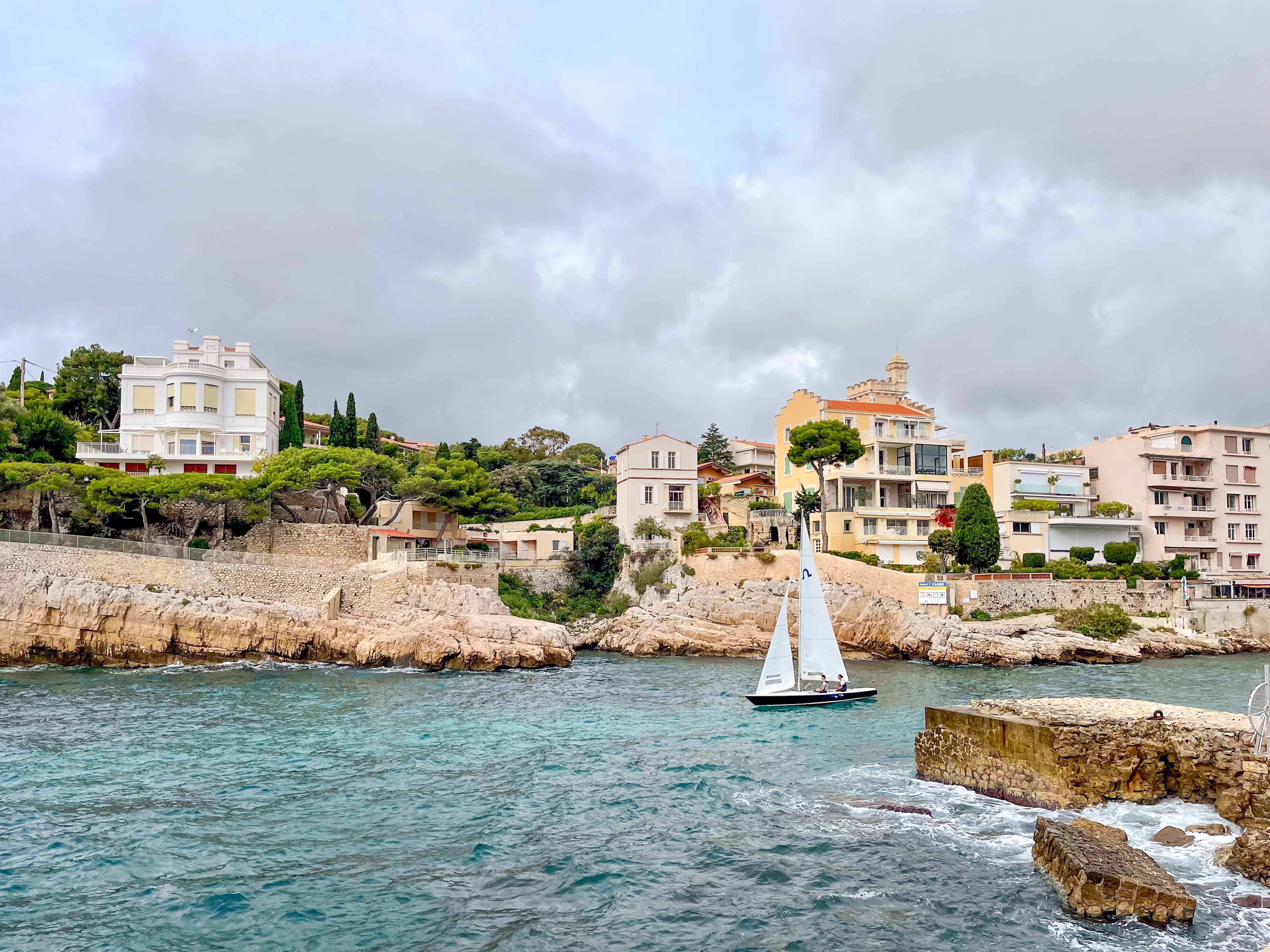
    • Cap Canaille is Europe’s highest sea cliff and the views are unforgettable.
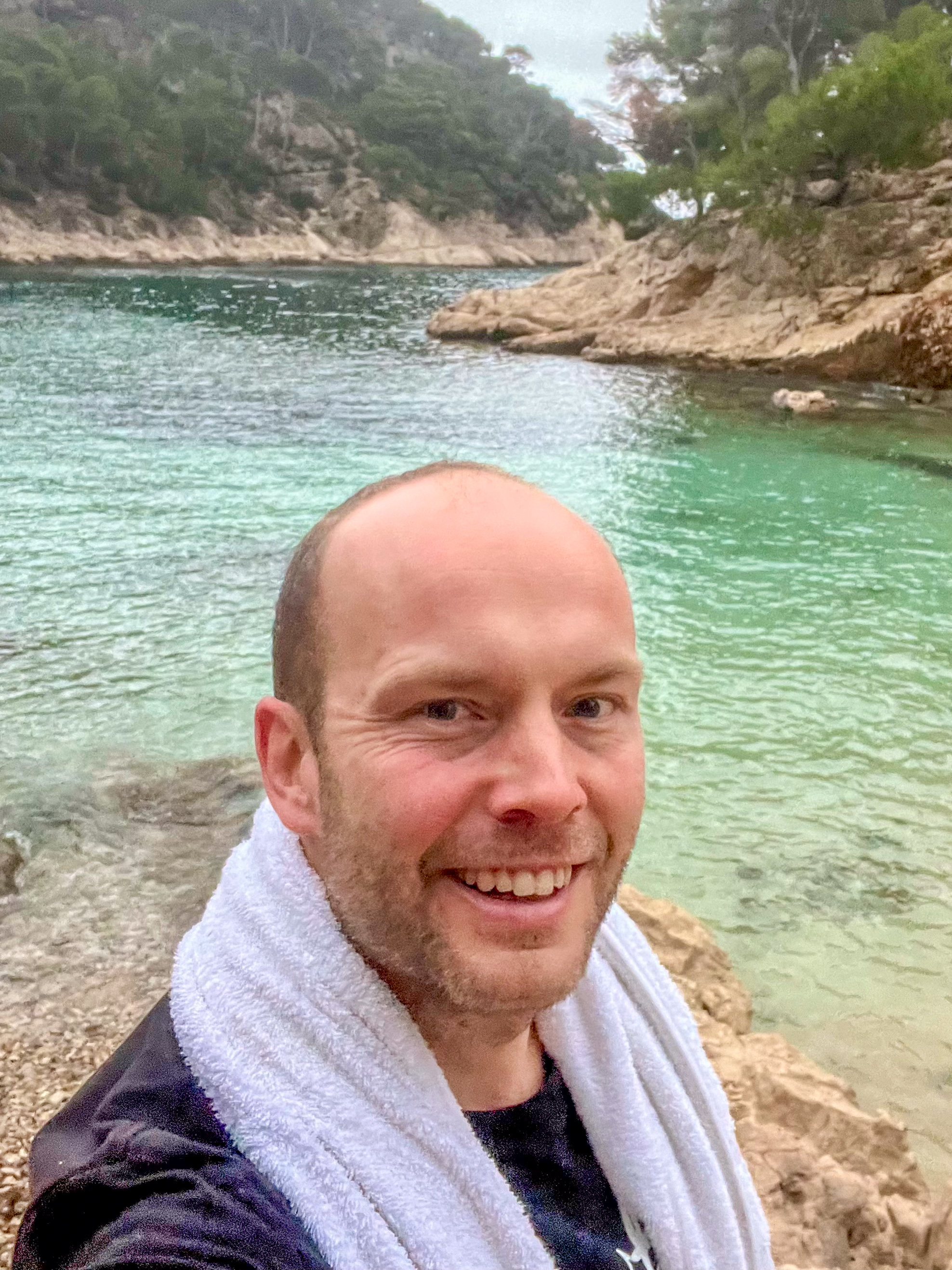
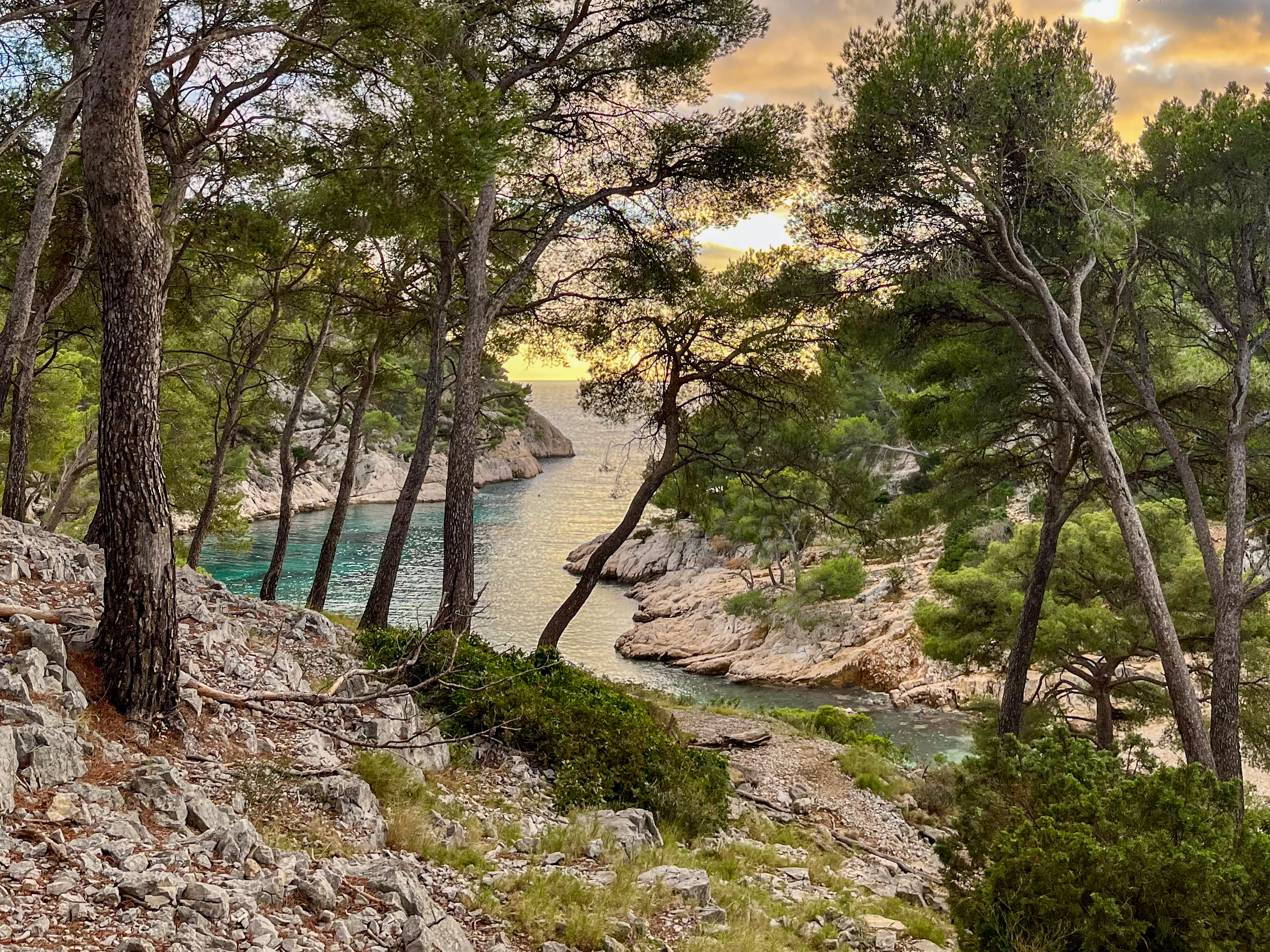
    • Combine with a swim at Calanque de Port Pin
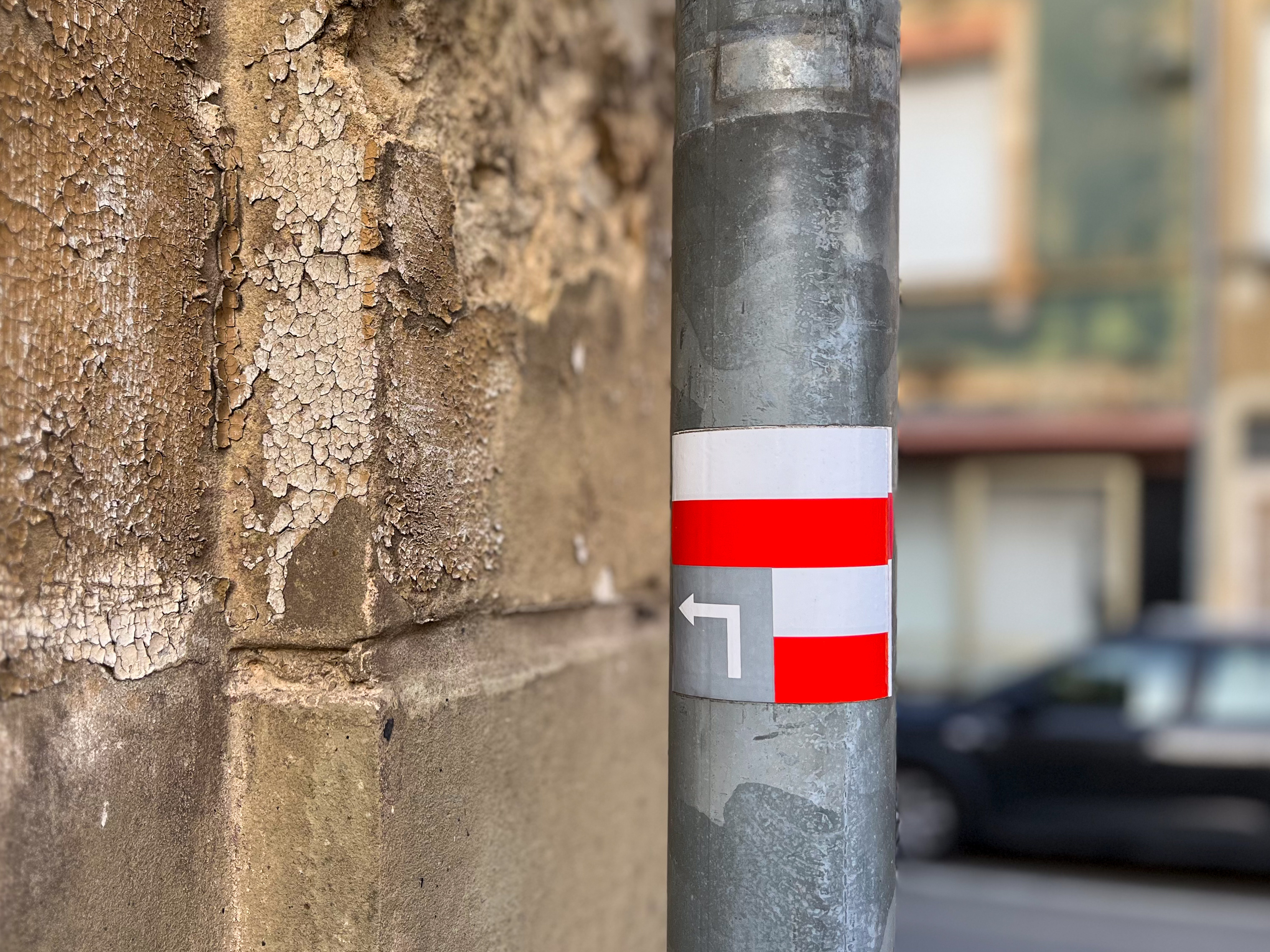
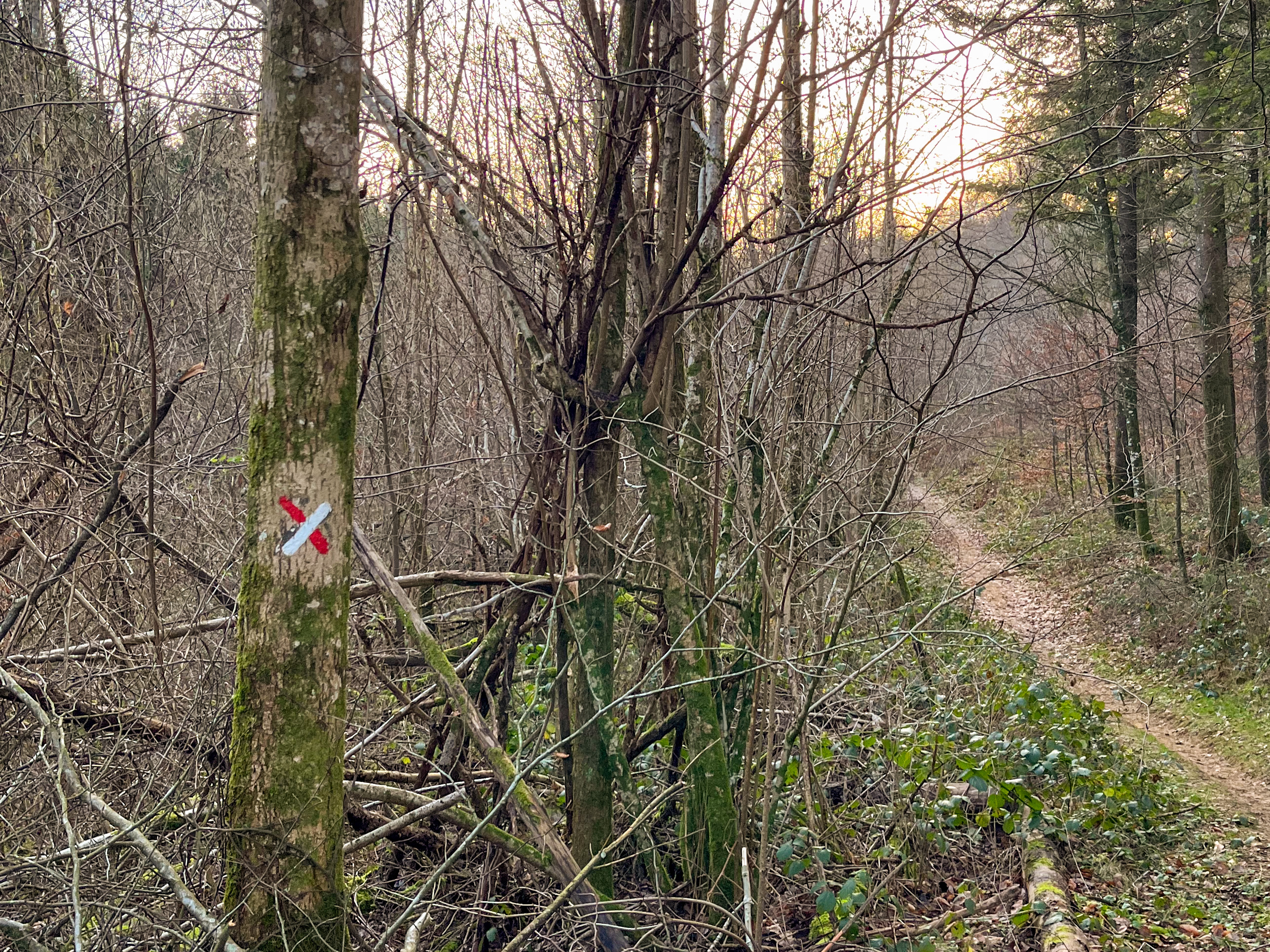
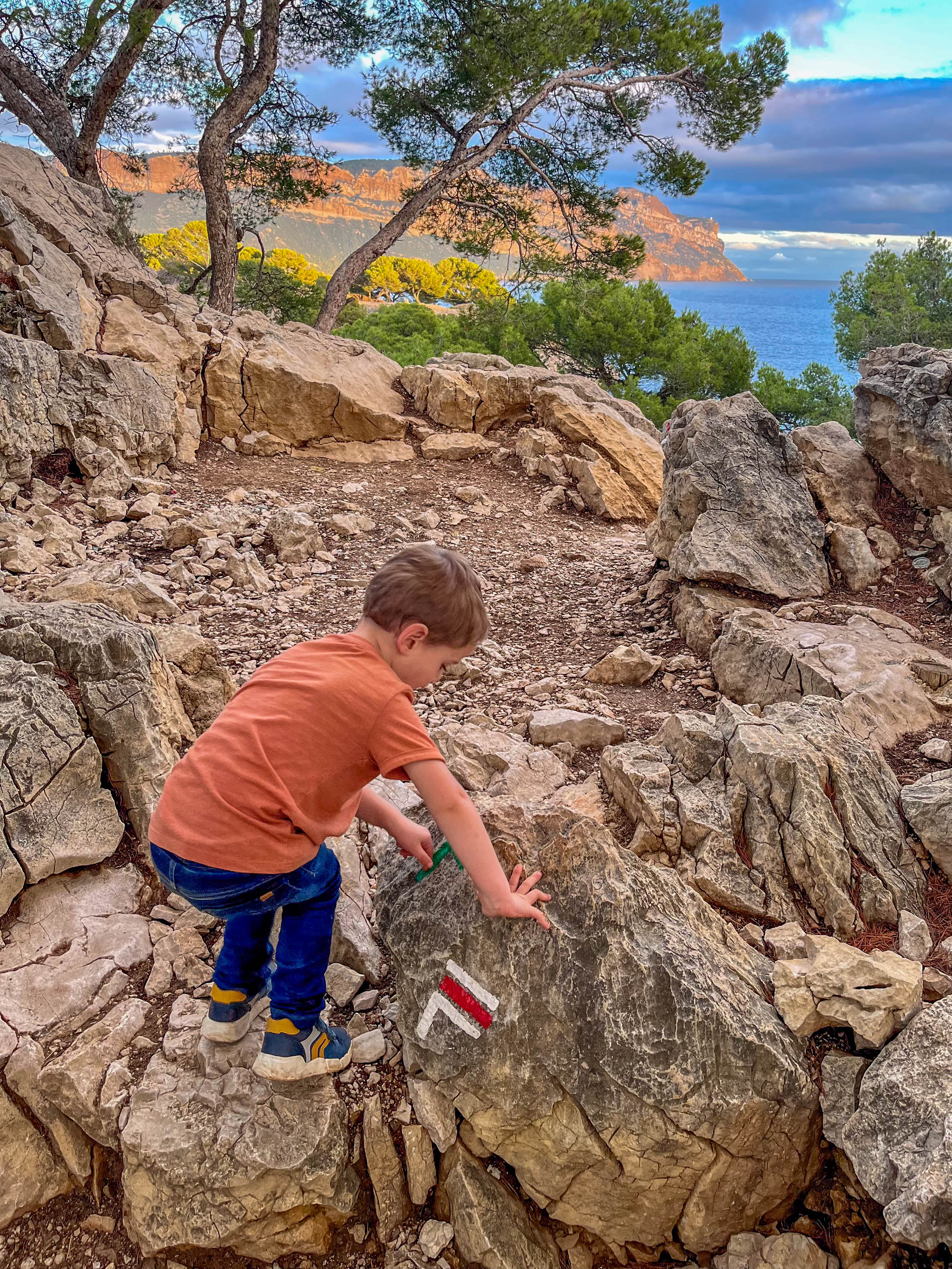
    • Navigation is straightforward: follow the famous red and white GR signs
    • In low season you’ll feel alone in the world. In midsummer you will have to start early or late to avoid crowds and the heat.

B. For Families With Kids

  • Cassis and Marseille make ideal bases, connected by direct train from Brussels: city-center to city-center in under 6 hours, with small kids riding free. Use folding strollers (Yoyo type) with scoot boards or baby carriers—no stroller can handle the GR98, and with kids you’ll have to manage shorter sections and get the best out of both places.
  • Warning: the Calenques paths are not kids friendly, so on the most dangerous parts I would have our 4-year old on my shoulders or firmly holding his hands. Cliffs are steep and dangerous.

Cassis

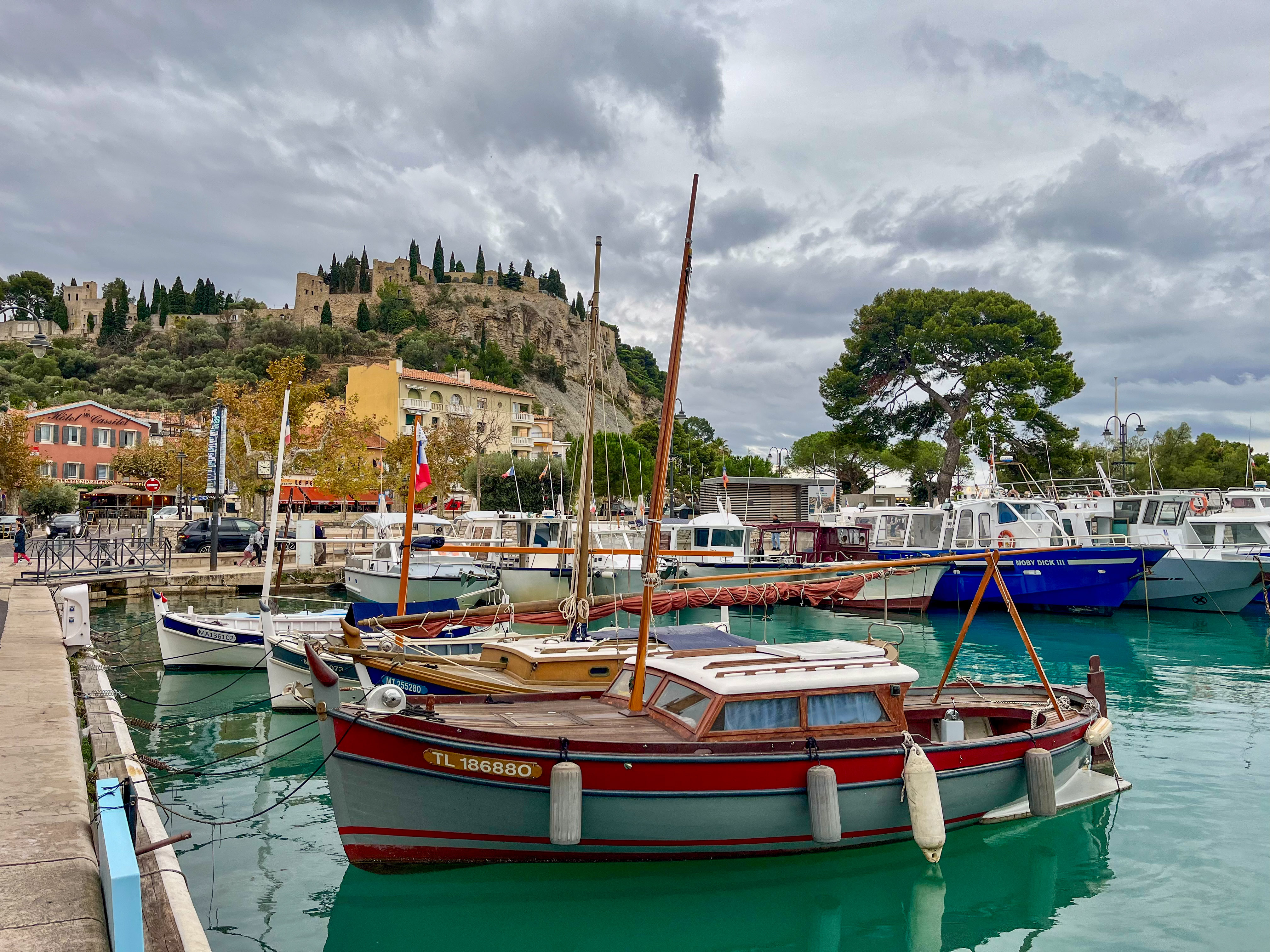
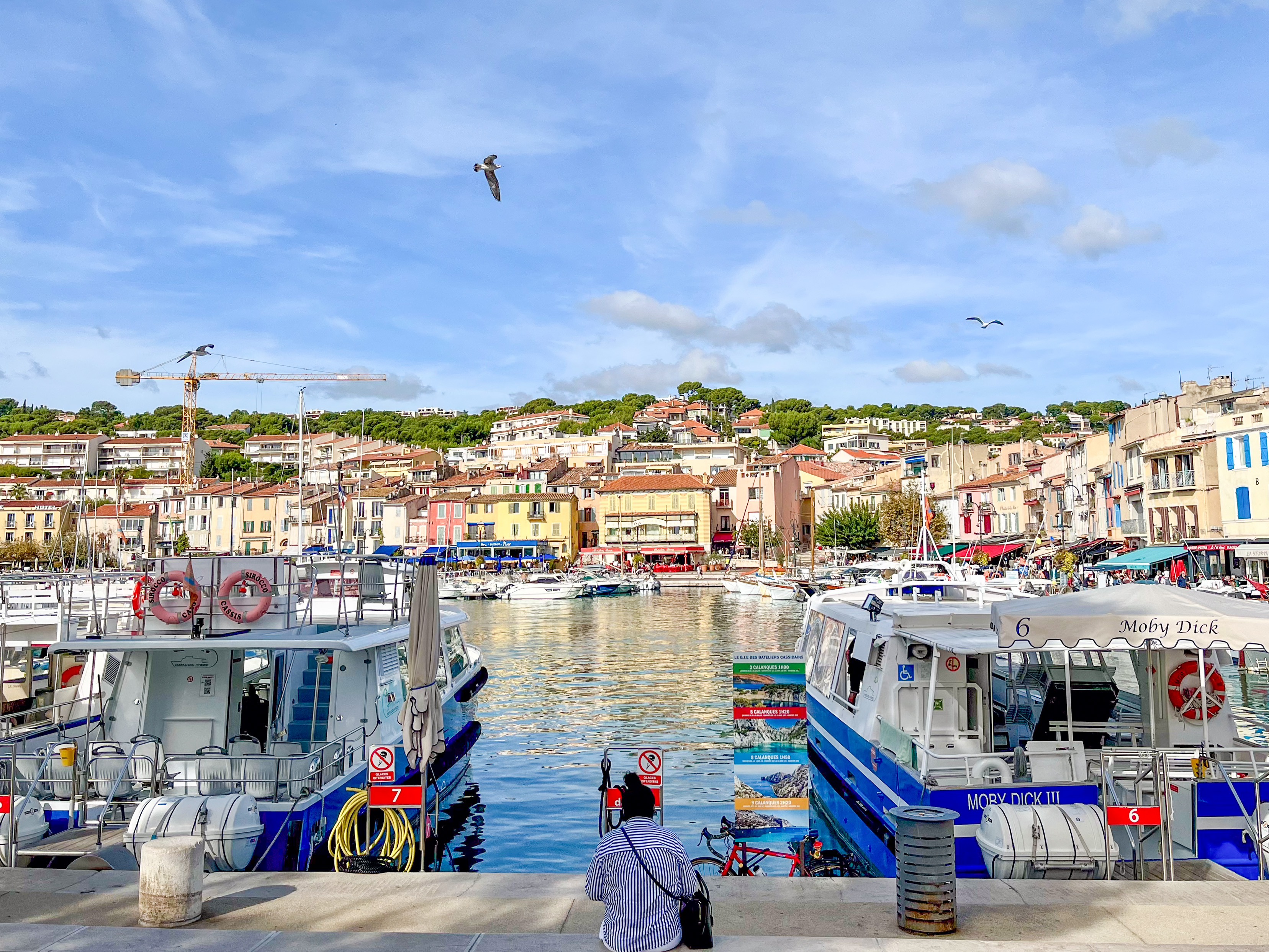
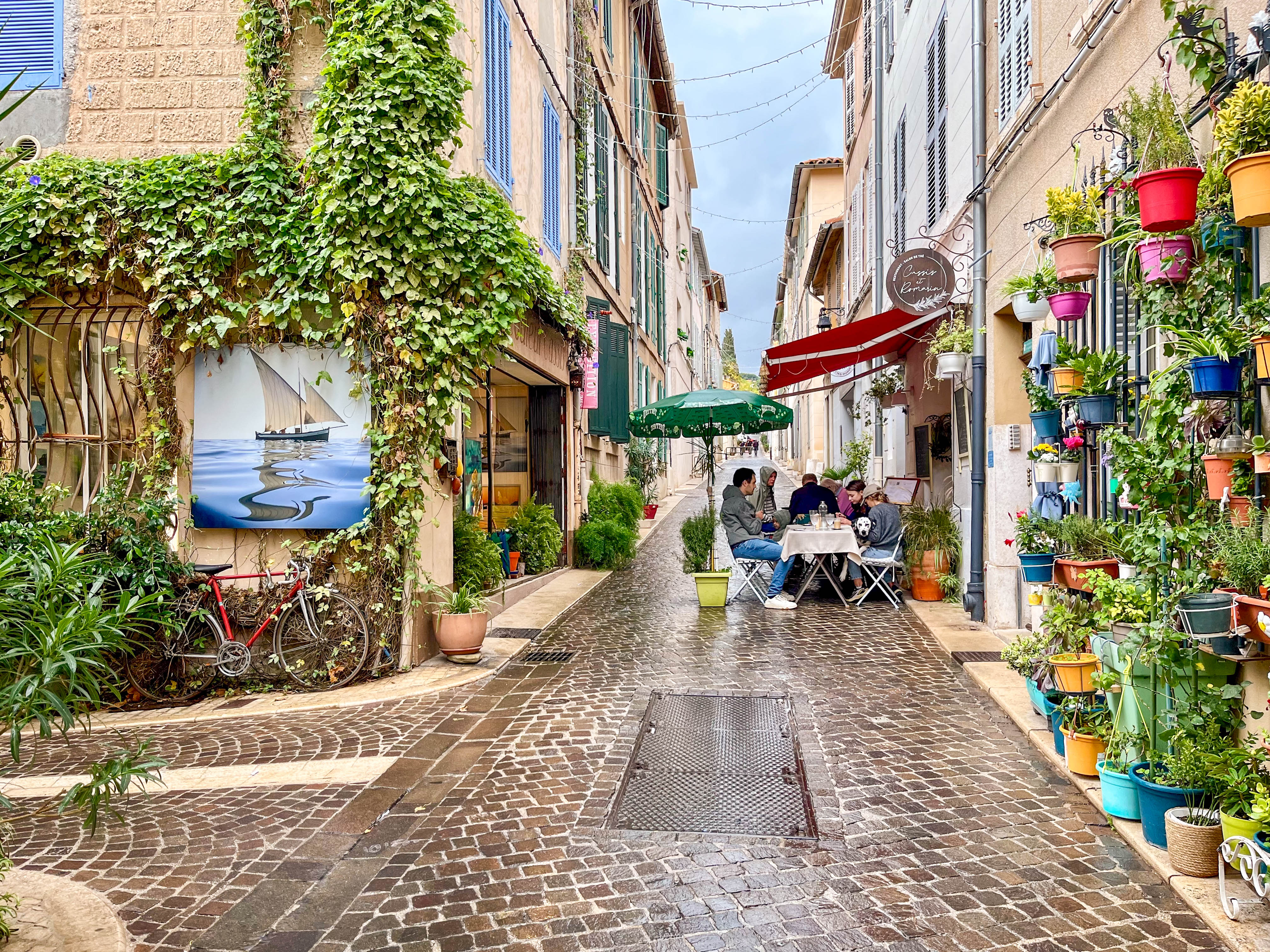
  • Base yourself several days in Cassis (Airbnb is optimal for multi-generational & multi-room stays): we explored the old port, took a boat tour of 8 Calanques, and enjoyed family-friendly restaurants like Cassis et Romarin and Chez Poulette.
  • Family hikes: Limit walks to 1-2 hours—enough to reach Calanque de Port Miou or Port Pin from Cassis. Four year old August loved collecting sticks under the pines and rocky parts to clamber on.
  • Take morning swims at Plage du Corton or Calanque de Port Pin. The water is clear, the setting super beautiful.
  • For longer hiker parents: Go out for morning runs in the Calanques or up Cap Canaille, switching off so both parents enjoy ‘trail time’.
  • The boat tours from Cassis are a safe way for families to experience the dramatic coastline—including Cap Canaille’s towering cliffs and the marine richness of the park.

Marseille

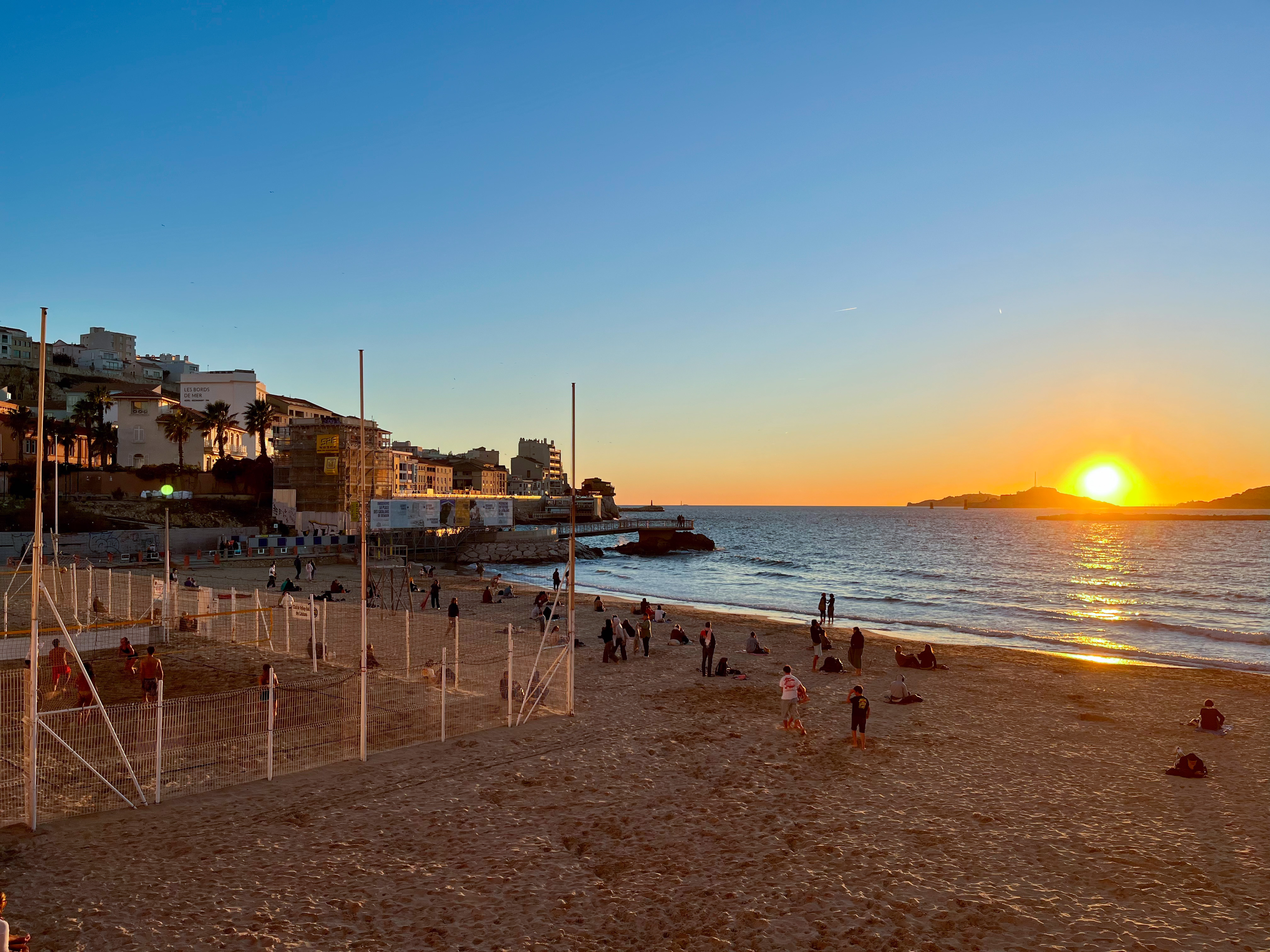
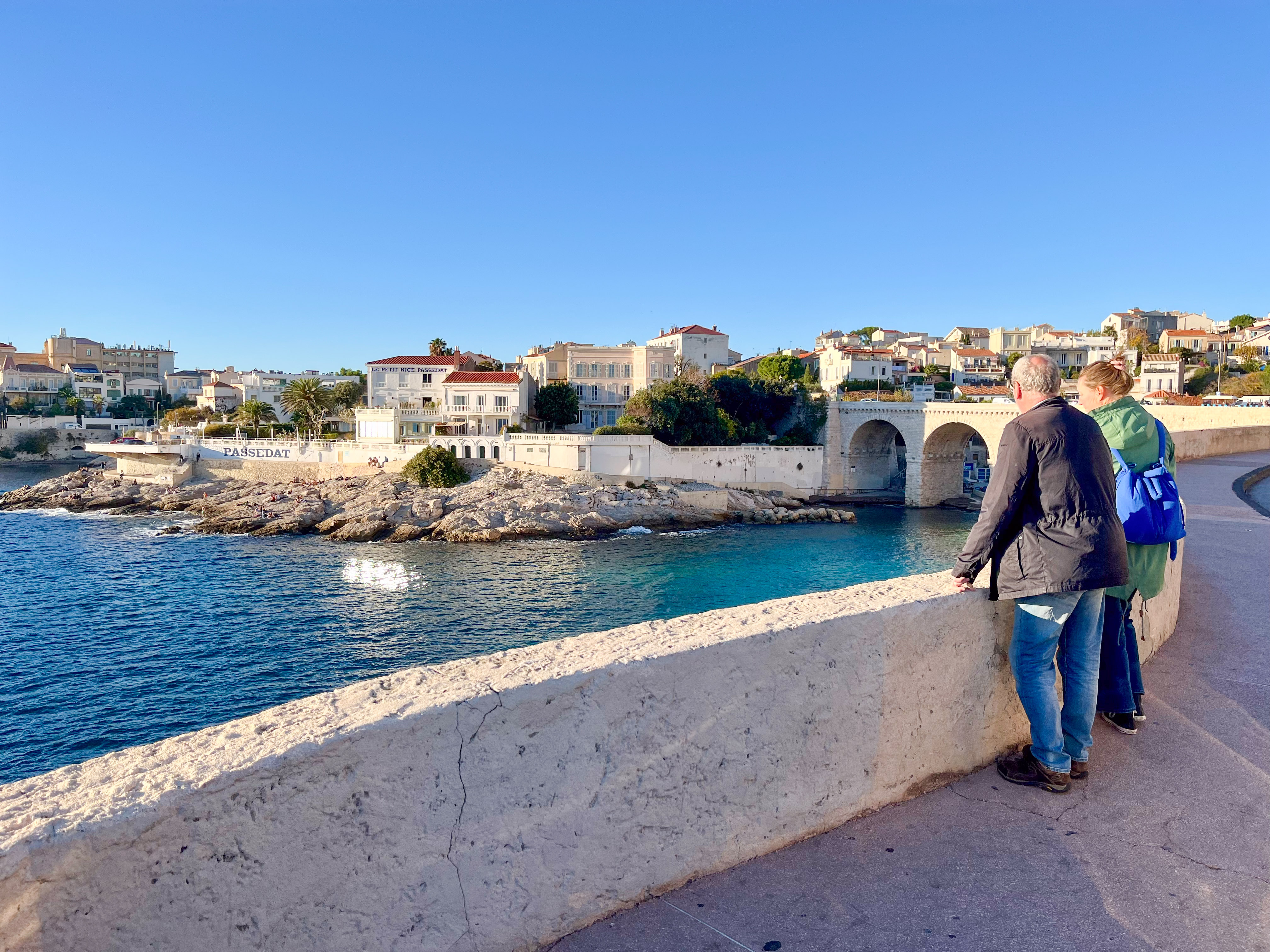
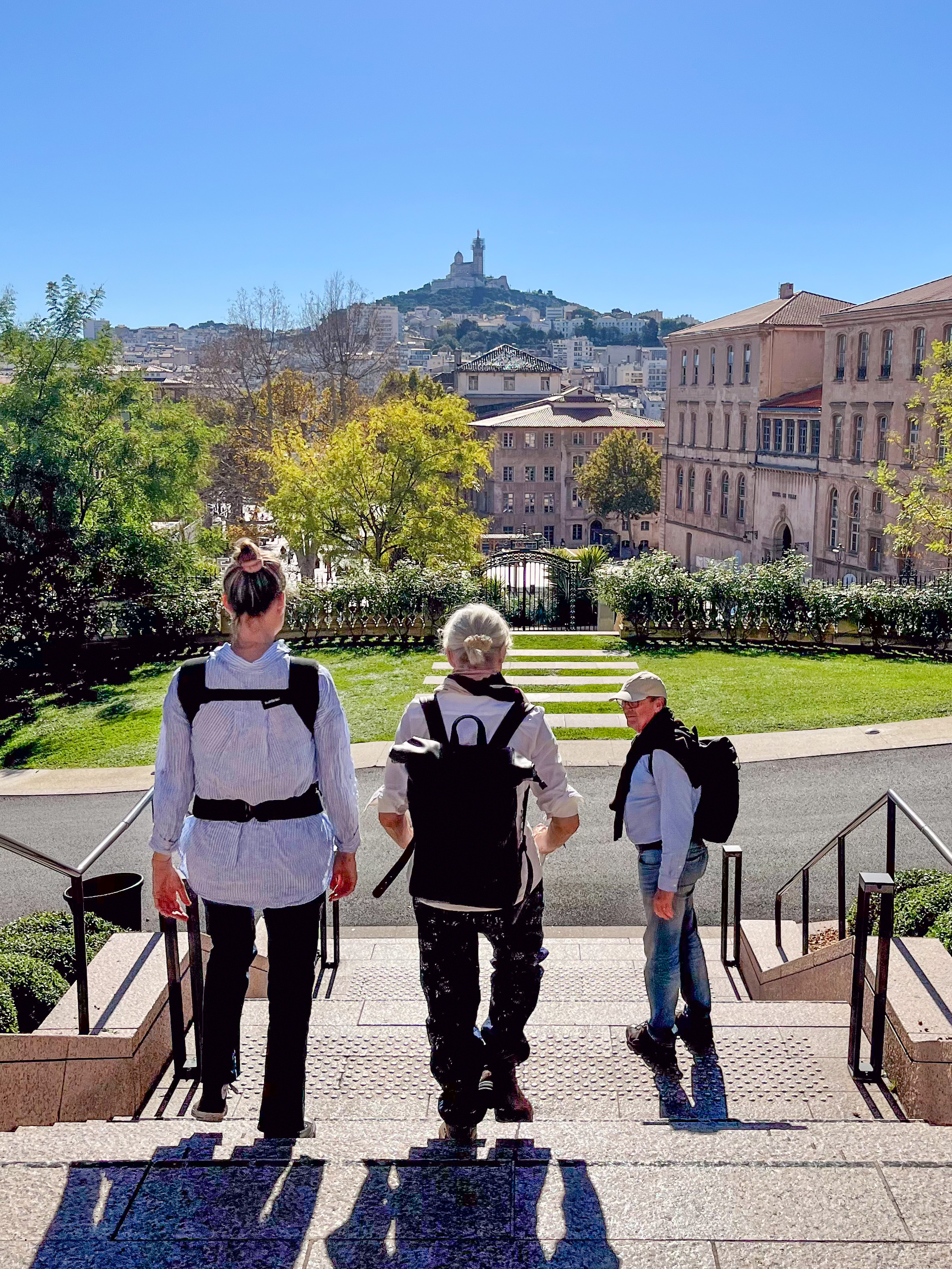
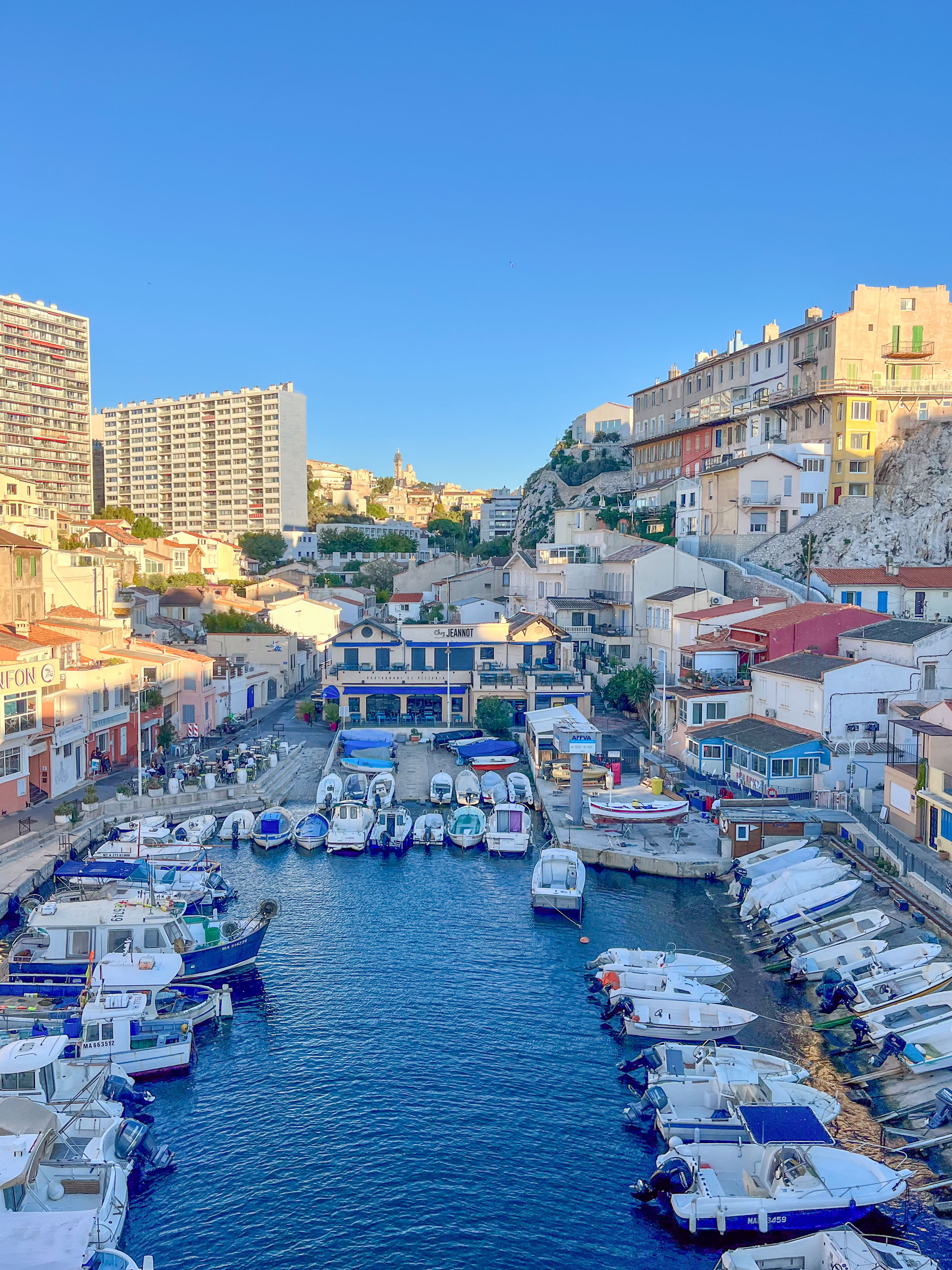
  • In Marseille, stay near Plage des Catalans for sunsets, jump between beach swims and city explorations, and hike to Notre Dame de la Garde for panoramic views.

The train journey

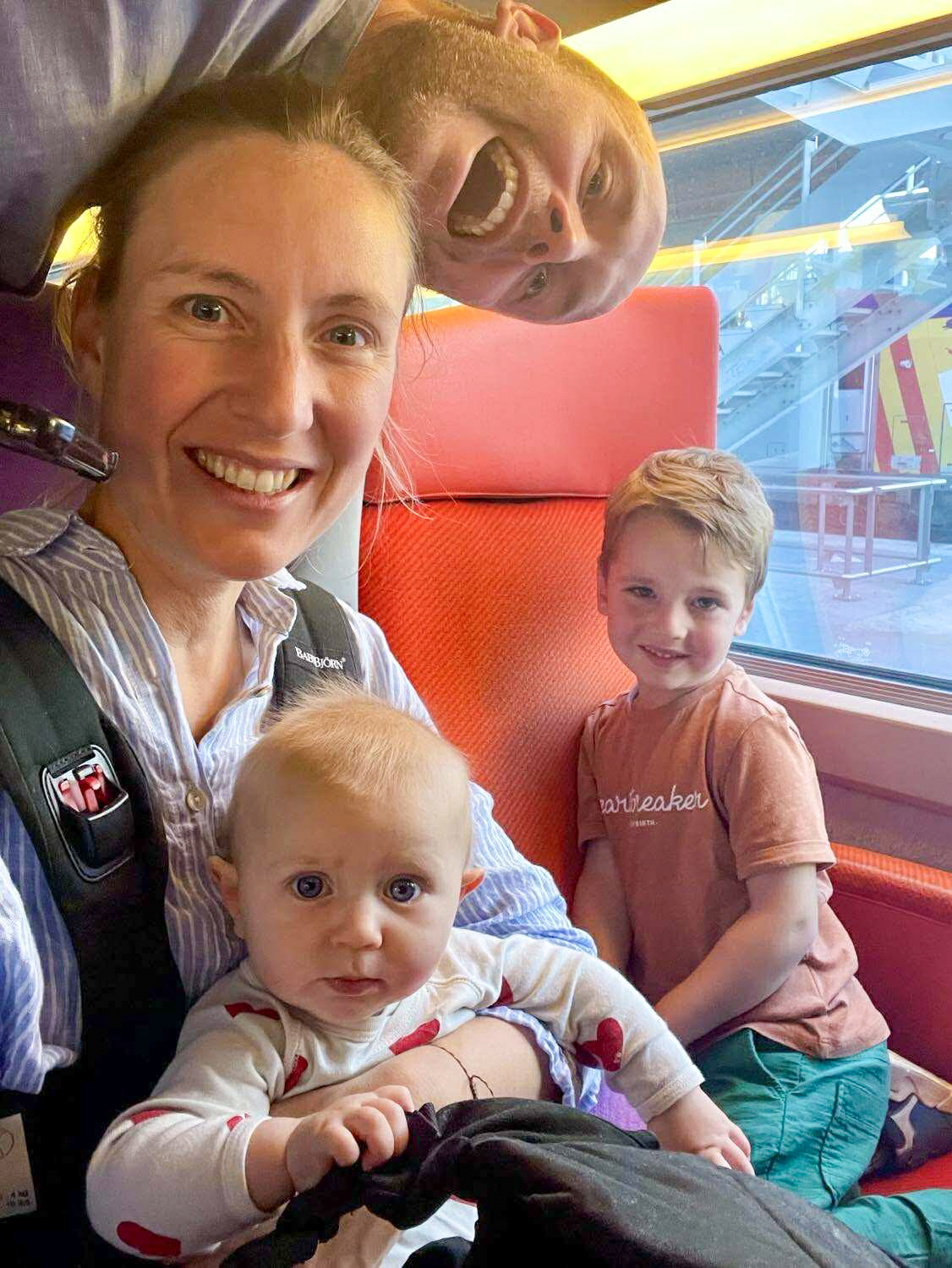
  • We took the train from Brussels to Marseille on Wednesday morning at 6:37… arrived nicely on time at 12:25 and jumped straight on the 12:35 train to Cassis. But even if we would have missed it, there’s a train every half an hour.
  • Our train going cost 103 EUR/person (we booked the kids free on our seat for Joanna & August), return was 90 EUR/person… so kind of affordable and super convenient to be from city center to city center in less than 6 hours.
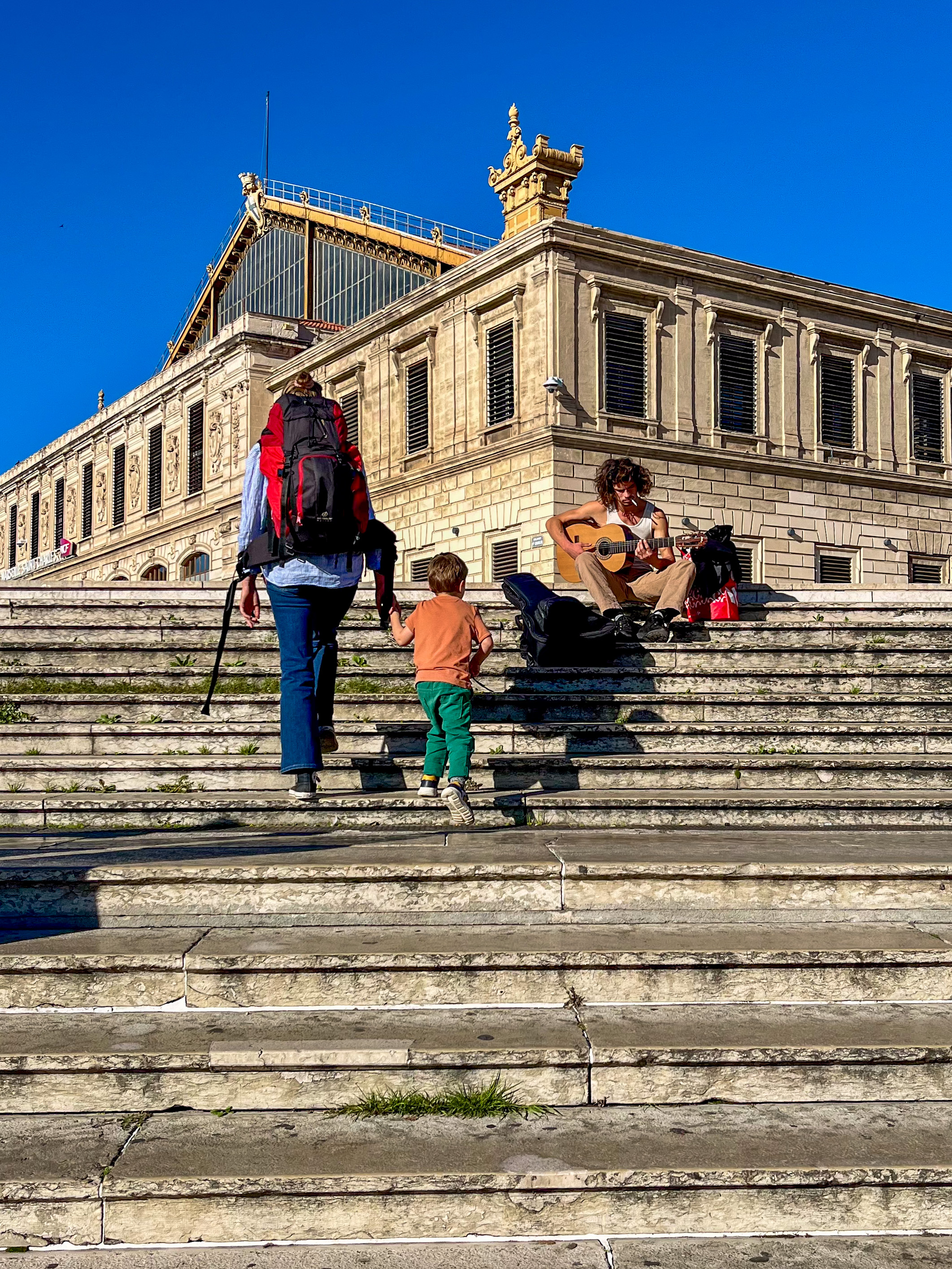
  • We travelled back the week after with the afternoon train from Marseille, after having a good lunch at the stunning Brasserie Les Fenêtres and walking to the Saint-Charles station, and left at 15:12, arriving in Brussels at 20h56. Again a smooth journey.
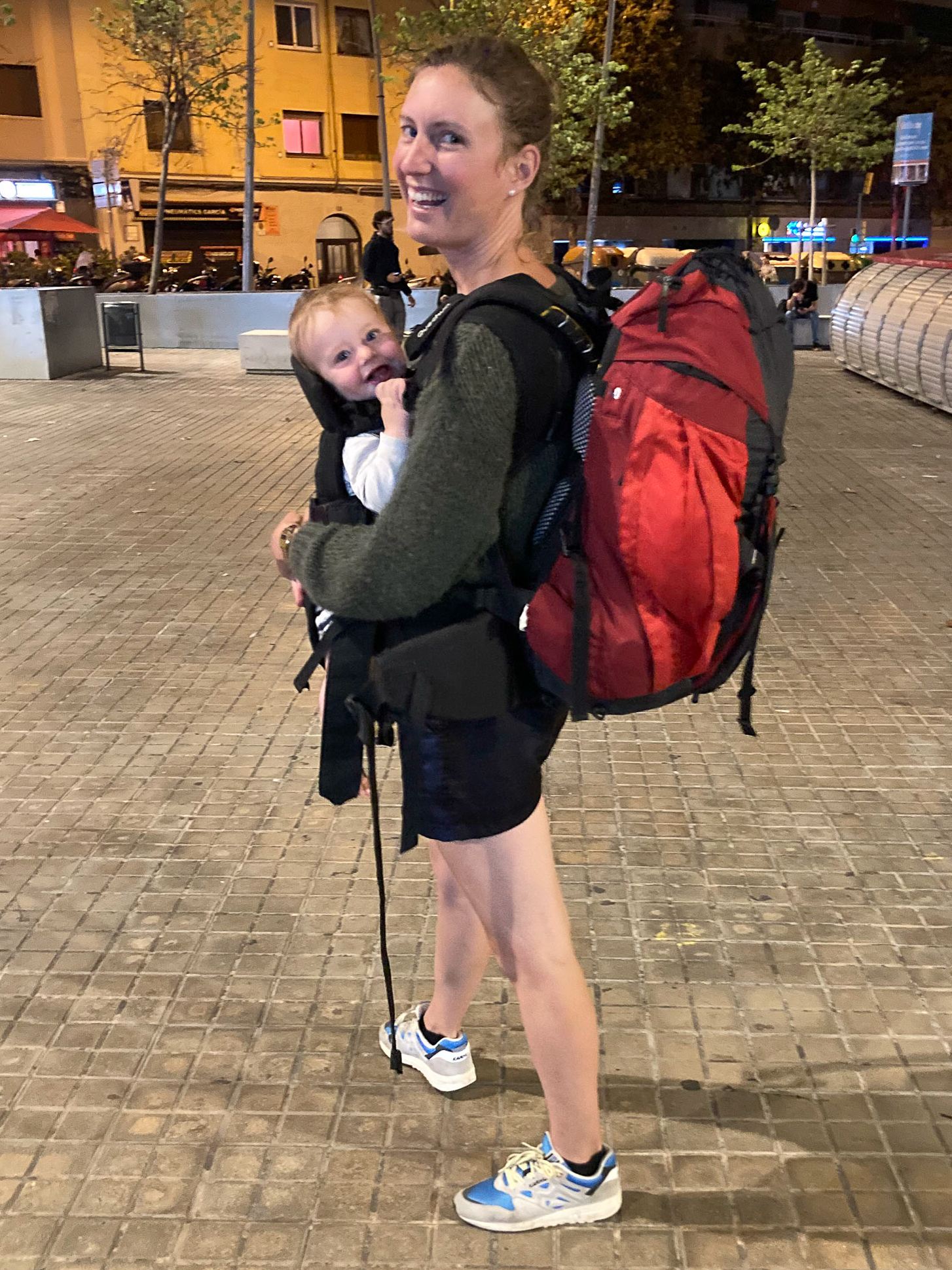
  • We travelled with a 4 year old and a 6 months old baby, so we took a light small foldable stroller (yoyo kind of), with a two wheeled plank behind it to put our 4-year old on. We also brought the baby carrying bag, which we used in the station and on the train.
  • We took 2 hiking backpacks: Tine’s had her clothes and those of Joanna, mine had my stuff and Augusts’
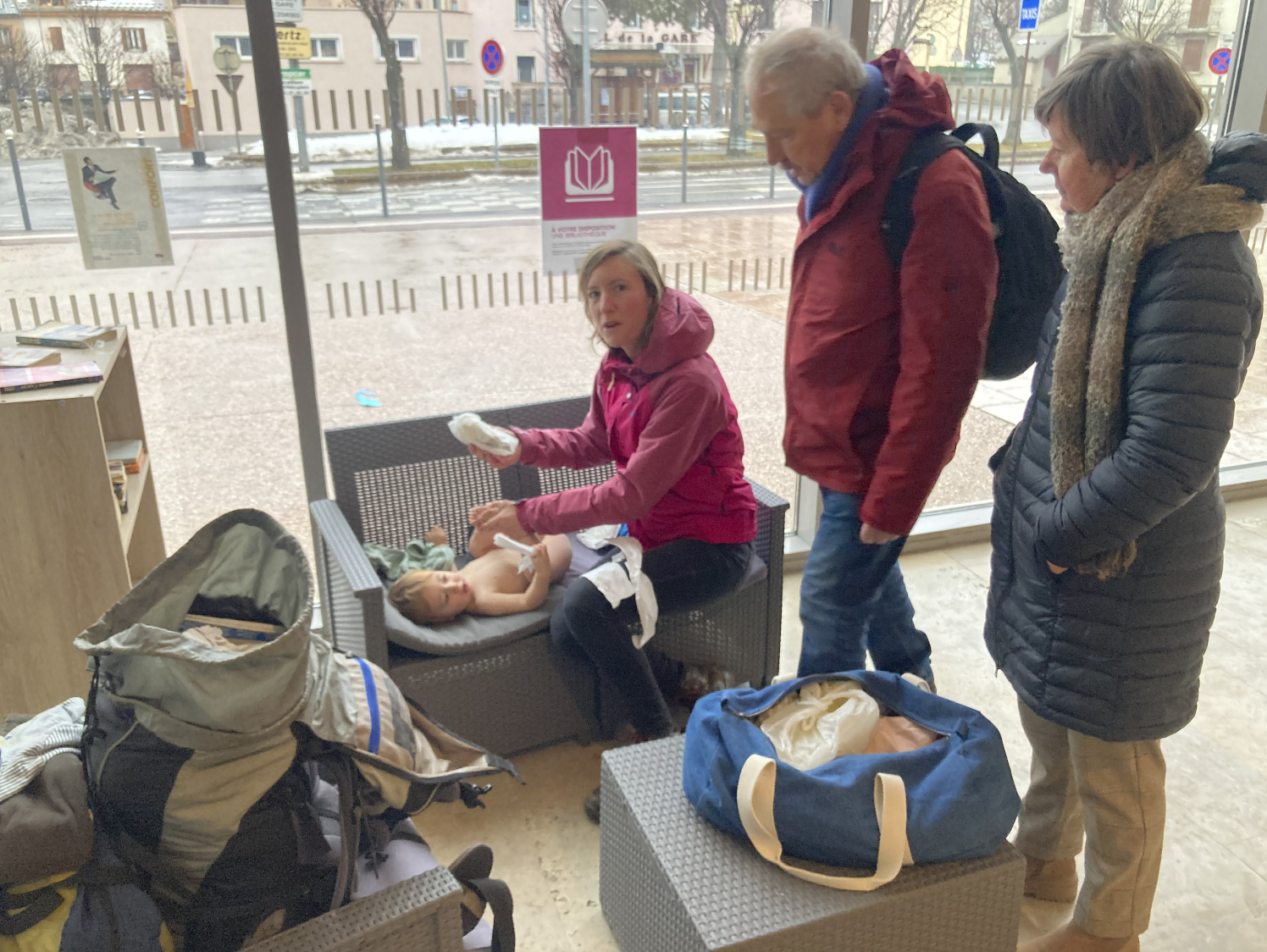
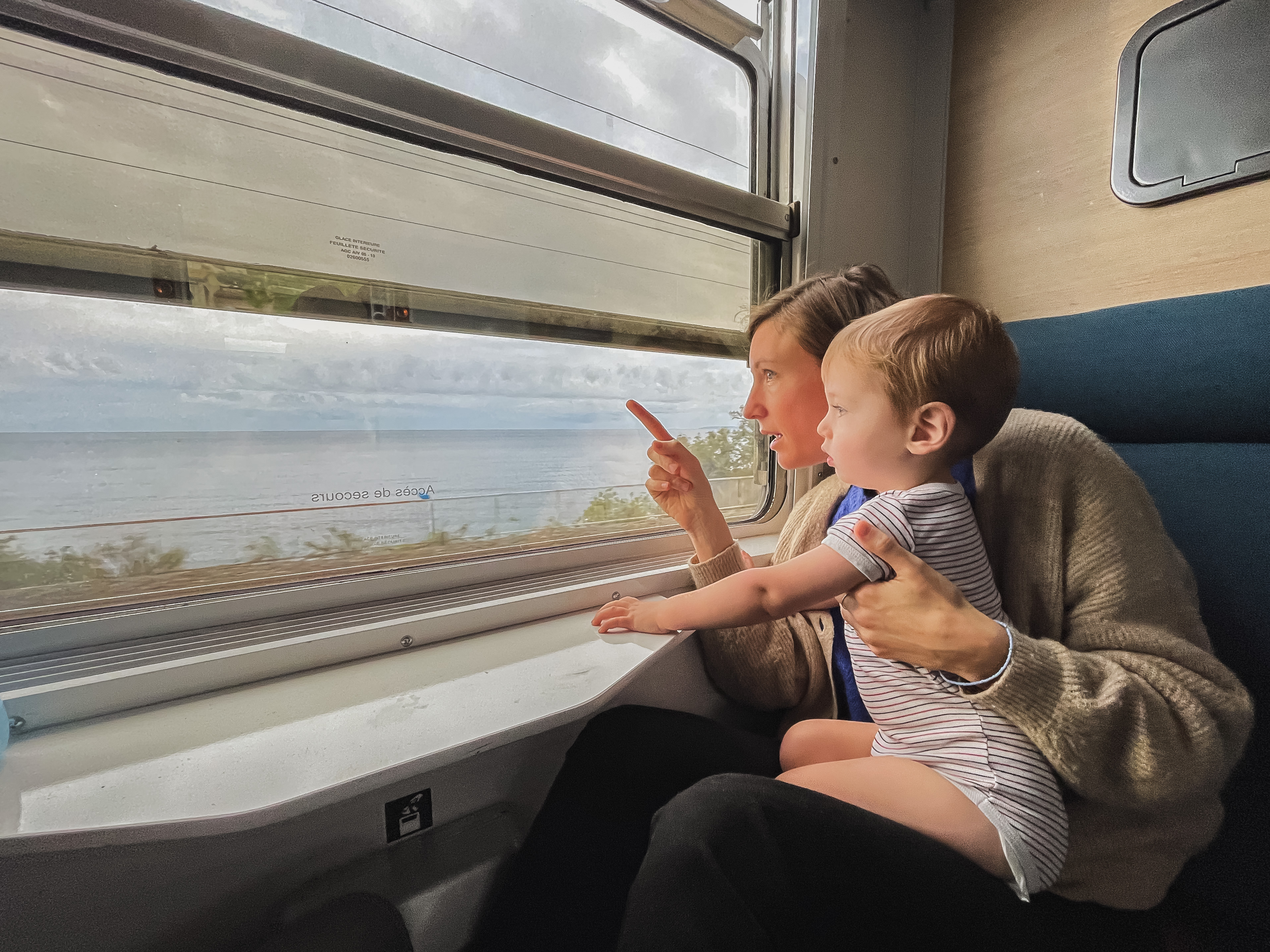
  • Important for the train is taking a lot of drinking water and food, and some small toys. I would sit a lot in the compartment to exit the train with the folding seats, where August or Joanna could make as much noise as they wanted. And we visited the bar coach a couple of times where there’s even more space to play. We were seated in the coach with the diaper changing room, very convenient.

Restaurant recommendations

Our restaurant recommendations in Cassis:

  • Cassis et Romarin
  • Chez Poulette a Cassis
  • Chill beach bar at Same Same Beach

Our restaurant recommendations in Marseille:

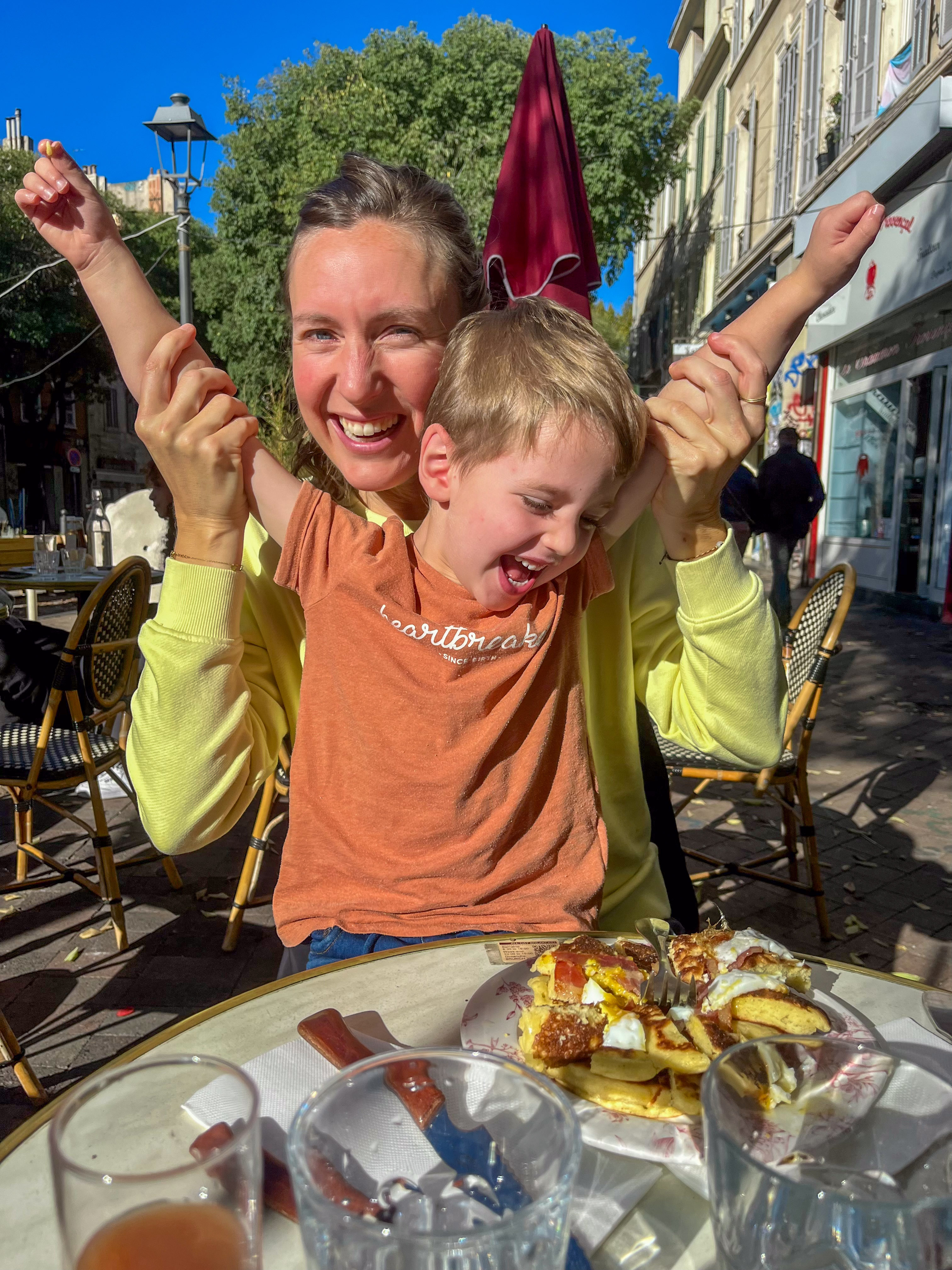
  • Brunch at Beans

  • Lunch with an impressive view and historic architecture on the terrace of Brasserie Les Fenêtres

  • Rooftop of Hotel Sofitel Marseille – absolutely impressive views for the evening, after sunset

  • 1860 Le Palais


Return to GR98 Nature

The GR98 and the Calanques will leave you humbled by nature’s scale and beauty. Traveling by train gifted us the luxury of a low-carbon journey, while sunny days among rocks, creeks, and beautiful views created memories our family (and legs) won’t soon forget.

Ready to experience this landscape’s magic for yourself? Pack light, hike with care, swim where the water is most blue, and let the Calanques and Cap Canaille feed your carbon-conscious spirit—whether you’re pushing your limits or sharing your love of the wild with your children.

Genval lake – sports & relax just outside Brussels

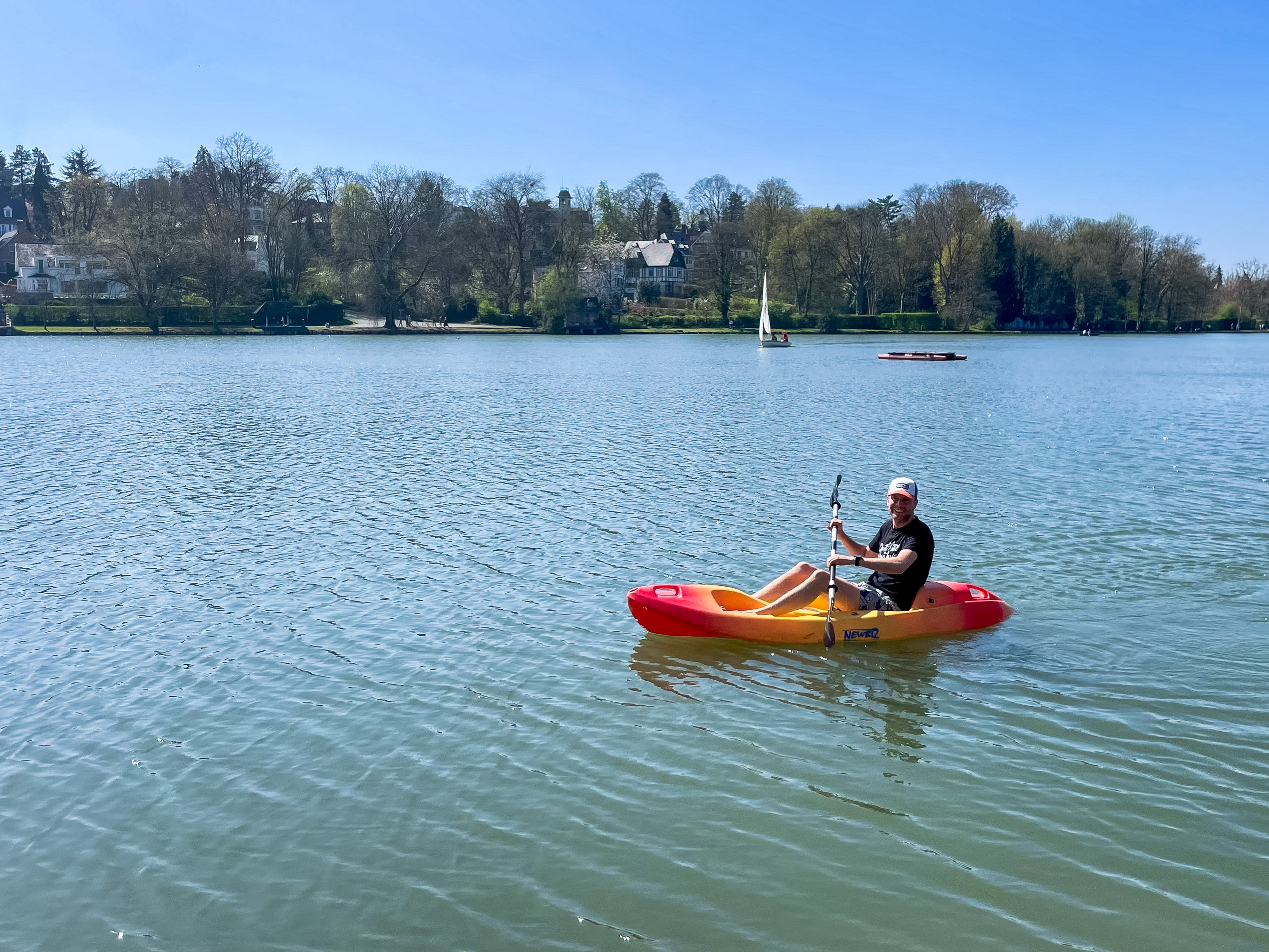
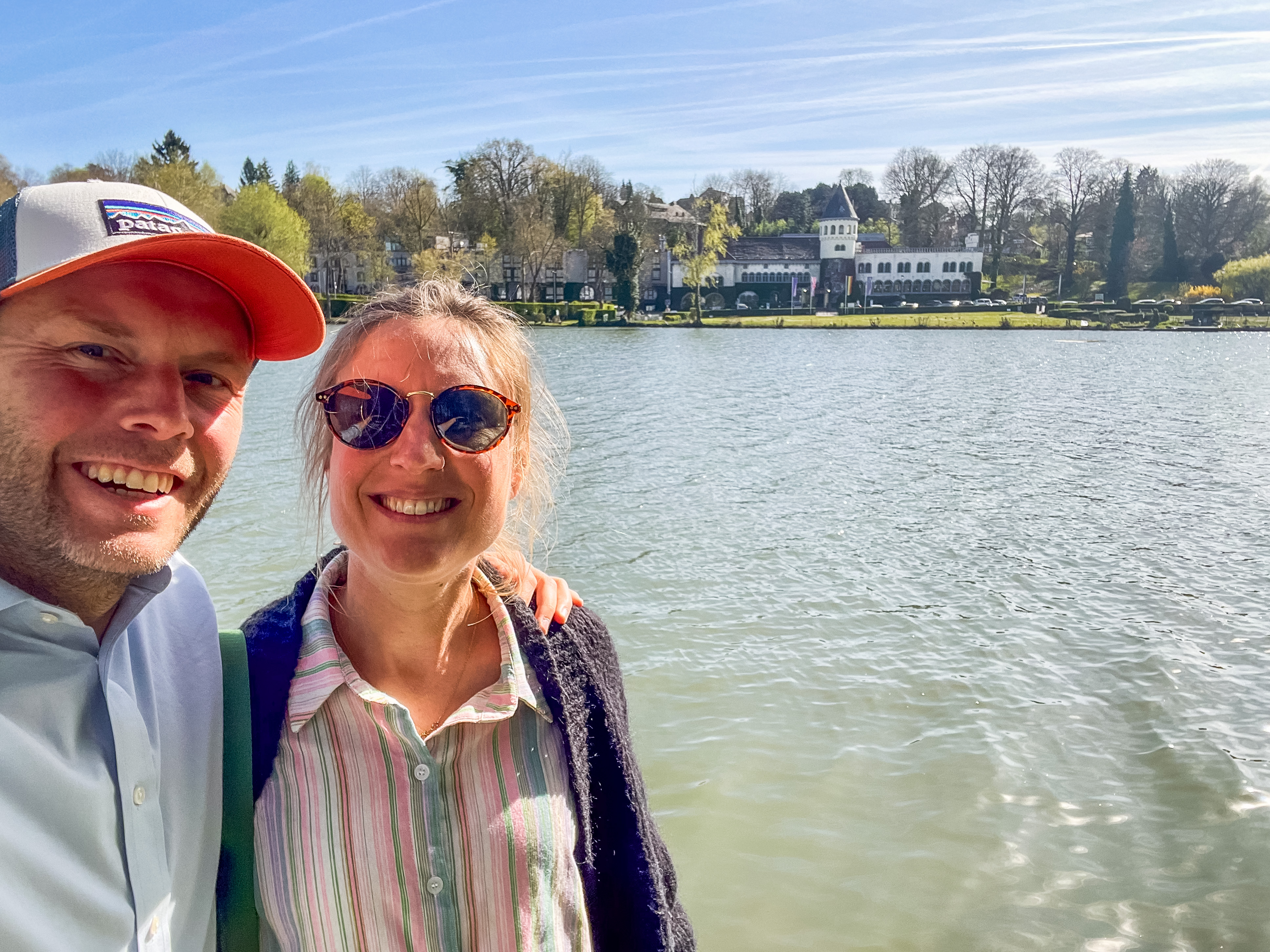
Looking for a quick family-friendly escape close to Brussels that’s both sustainable and full of adventure? For my birthday, my (very pregnant!) wife surprised me with a weekend at Lac de Genval—the perfect blend of slow travel, nature, and fun activities accessible for both big and small explorers.

Getting There the Green Way

  • Train: Hop on the direct train from Brussels North or Brussels Luxemburg station for a stress-free, low-carbon journey.
  • Bike: Feeling energetic? Cycle through the beautiful Sonian Forest for a scenic and eco-friendly route the kids will love. The trip takes between 1 and 1.5 hours from Brussels depending on where you start

What to Do at Lake Genval

  • On the Water: Rent a kayak, pedalo, SUP, rowing boat, or sailing boat at the local yacht club. Or, relax on the club’s terrace in a comfy beach chair while the kids watch the action.
  • Run or Stroll: Go for a run or a leisurely walk around the lake—perfect for burning off some energy in nature, spotting beautiful lakeside houses and classic cars driving around during the weekends.
  • Picnic & Play: Pack a picnic to enjoy by the water. Bring a book or some games for the kids. (Swimming is officially forbidden, but I couldn’t resist a sneaky early morning dip!)
  • Wellness & Tennis: Treat yourself at the spa or tennis courts at Martin’s Château du Lac—ideal for parents needing a little recharge. The spa also has a rooftop terrace where we read our books for hours.

Where to Eat

  • Lakeside Terraces: Grab a table at one of the many restaurants with terraces overlooking the water—Lucy Chang is a favorite for families.
  • Special Occasion: For something extra special, try L’amandier (my wife’s birthday treat for me!) for a 6-course haute-cuisine lunch or dinner.
  • Don’t Miss: An ice cream from La Laguna, right by the lake—guaranteed to delight! The cue on summer days is worth the wait.

Where to Stay

  • Lakeside Cabins: Book a cozy cabin or house along the water via Airbnb for a homey, kid-friendly stay.
  • Boutique Comfort: L’amandier offers charming but pricy guest rooms.
  • Hotel: We stayed at Martin’s Château du Lac (watch for deals including spa and tennis) for a touch of luxury and plenty of space for kids to roam.

Why We Loved It

This weekend reminded us that you don’t need to travel far to create lasting memories. Slow travel—by train or bike—makes the journey part of the adventure, and Lake Genval’s mix of nature, activities, and relaxation is perfect for families with young kids (and parents-to-be!).

Want tips or help booking your own sustainable lakeside escape? Drop me a message—I’m happy to share more!

Solitude and Reflection in Nature: Retreats for Personal Growth

When was the last time you dedicated a full day exclusively to yourself? No work, no family commitments, no phone—just pure, uninterrupted ‘me-time.’ If you’re like many, these moments are rare to nonexistent. Embracing solitude and reconnecting with oneself can ignite creativity and provide a surge of energy that’s hard to put into words.

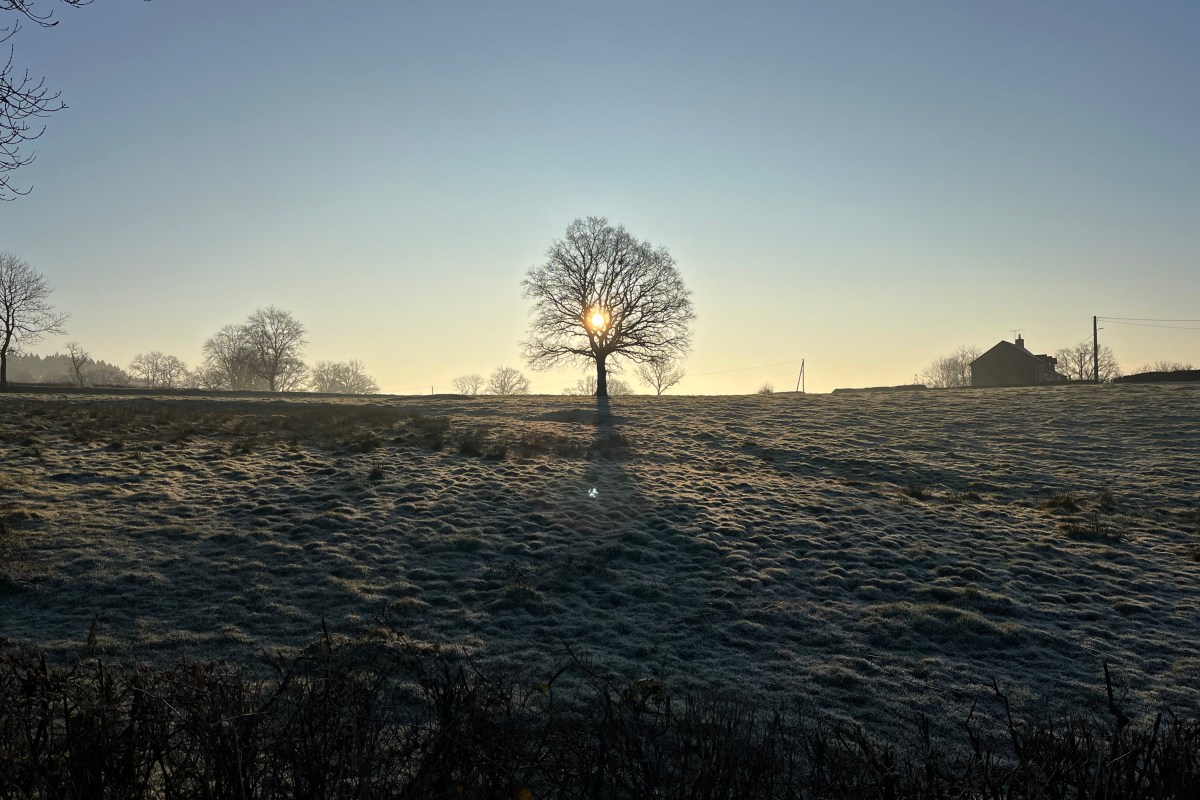
Recently, I embarked on a three-day dry fasting journey, surrounded by nature. I spent my days and nights watching sunsets, stars, moons, and sunrises—cycling through this routine with nothing but a sleeping bag and a rain cover. This simplest form of retreat, often referred to as a “vision quest,” was great to spark me with energy and insights. It’s also by far the easiest and least costly to organize: you only need a sleeping bag and find a bit of nature where you can hide, will not get disturbed and preferably feel some good energy with a nice view.

In this context of low-carbon adventures, here are some sustainable travel experiences and concepts I’ve personally tried and cherished:

1. Vision Quest

Immerse yourself in nature while fasting and sleeping under the stars. My recent quest included three days of fasting combined with two days in the beautiful hills of Auvergne, France, prepared with the guidance of my coach, Alessandro Schiavoni. I would not recommend the dry fasting, since not drinking any water for multiple days is heavy on the kidneys. Nevertheless, it was an amazingly impactful and simple retreat.

2. Silent Retreat

Opt for a 3-day silent retreat. I prepared by sourcing schedules from the internet, stocking up on provisions, and borrowing meditation books from the library. Locked in an apartment by the seaside in Ostend, I spent my days in silence, with occasional quiet walks along the beach, and a routine of repeated 1h meditation, 1h yoga, 2h studying, 1h eating, and sleeping.

3. Explore Retreat

Experience a psychedelic retreat organized by Carlien Cavens of Unplug 48. For a detailed insight, you can read the full article here.

4. Unplug Retreat

A reflective 3-day retreat in the South of France, focusing on past learnings, present strengths, and future missions. This transformative experience was organized by Carlien Cavens of Unplug 48, and reachable by train. You can hear my testimonial as part of this podcast episode made by Carlien.

5. Midweek Micro-Adventures

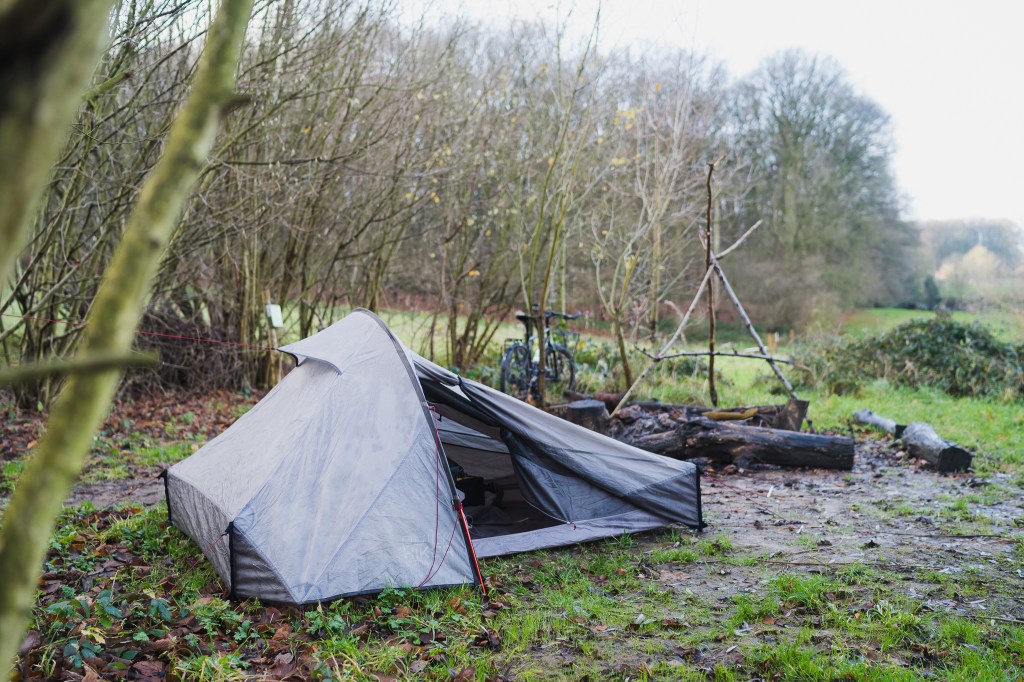
Escape for a midweek micro-adventure. Leave the office in the evening, walk along a scenic route or nearby forest, pitch a tent in a hidden spot (e.g. Sonian Forest), and spend the night in the company of a friend or alone. Resume work the next day, refreshed and reenergized.

6. Hiking with the Guys

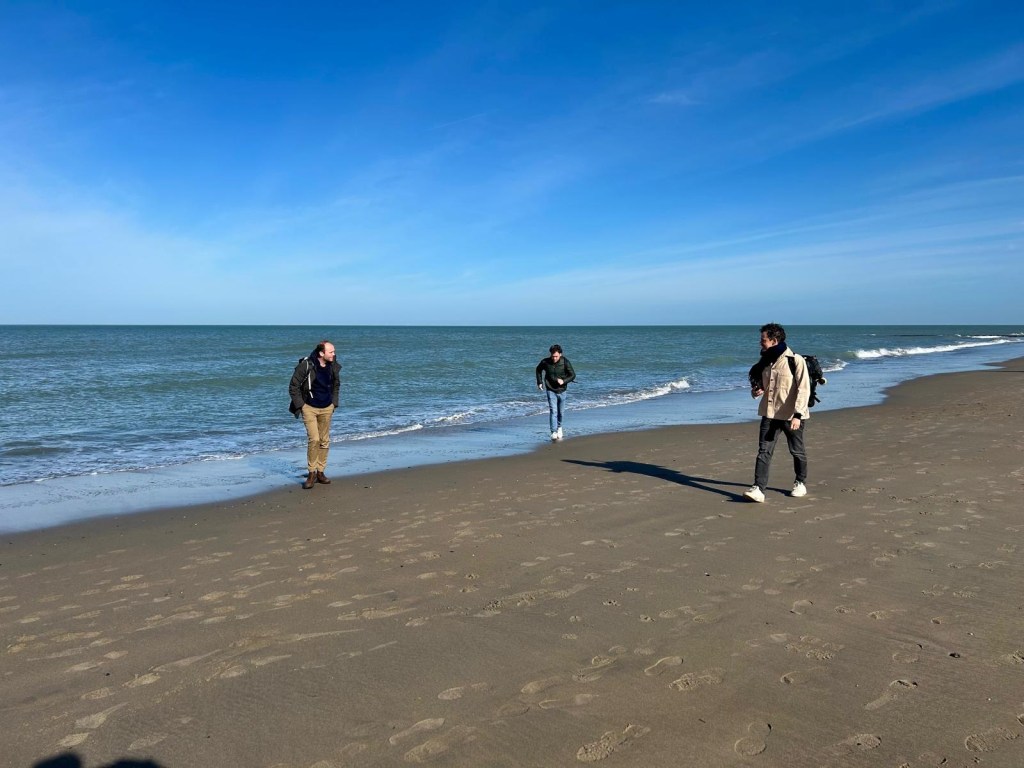
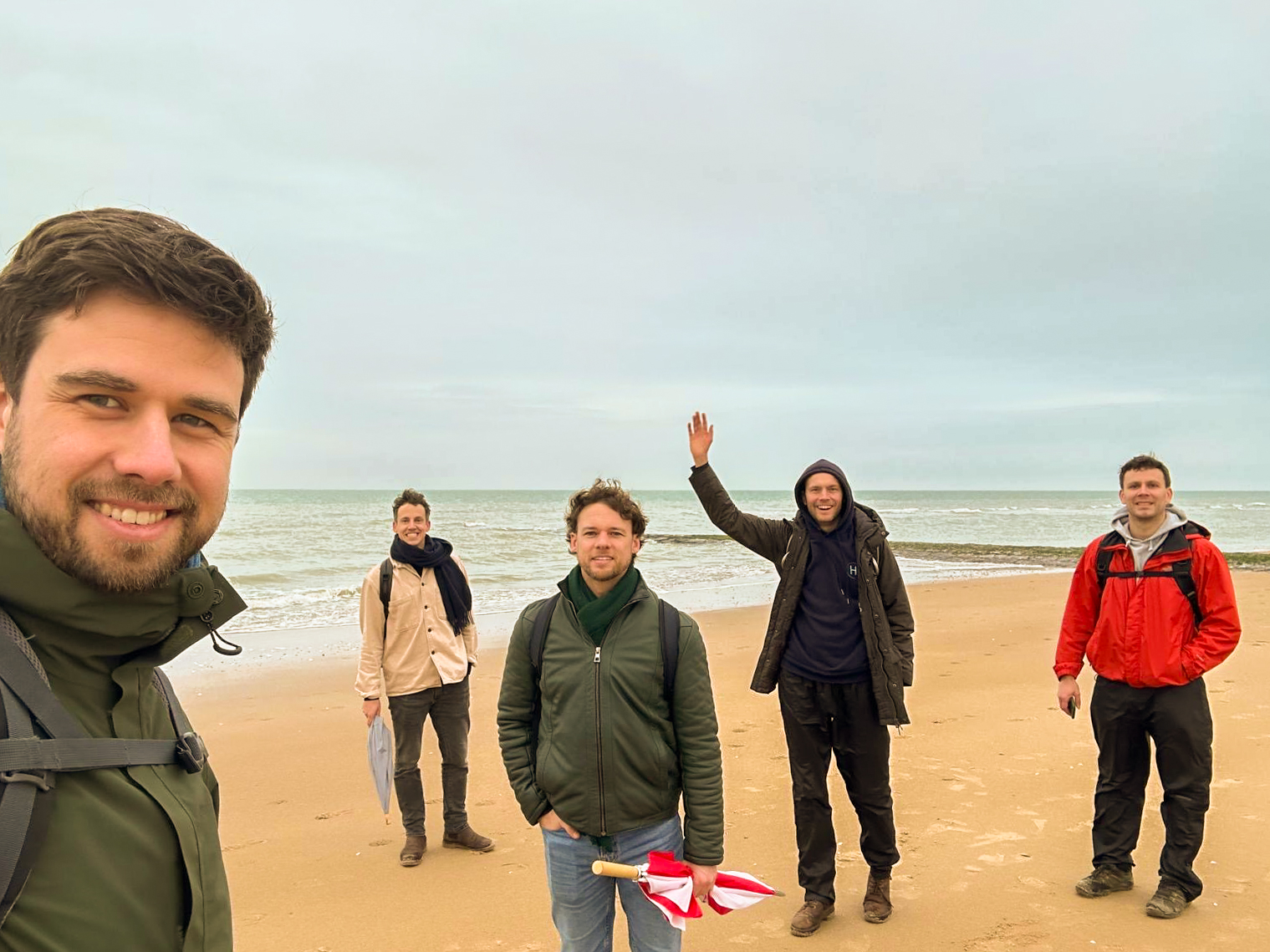
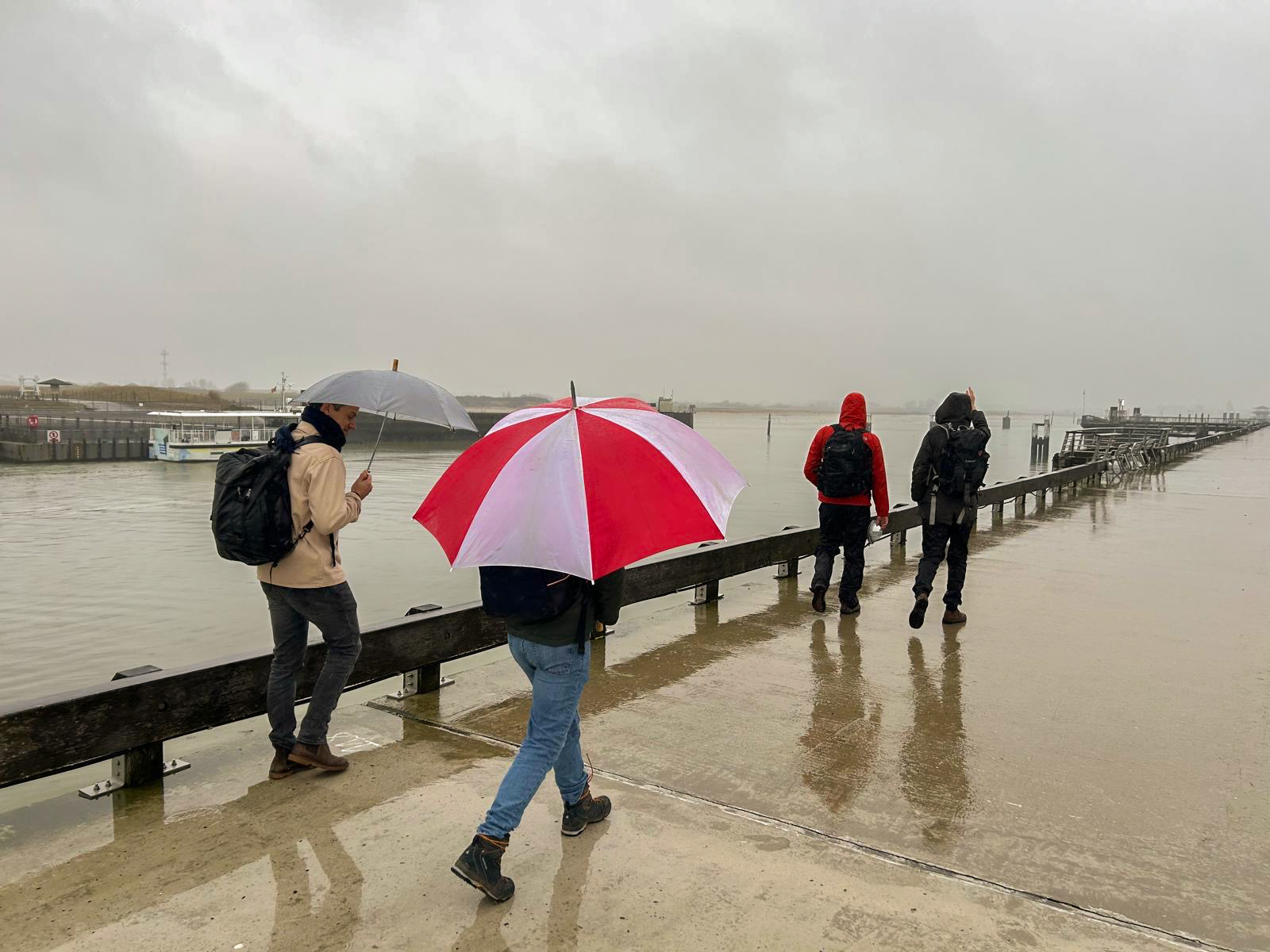
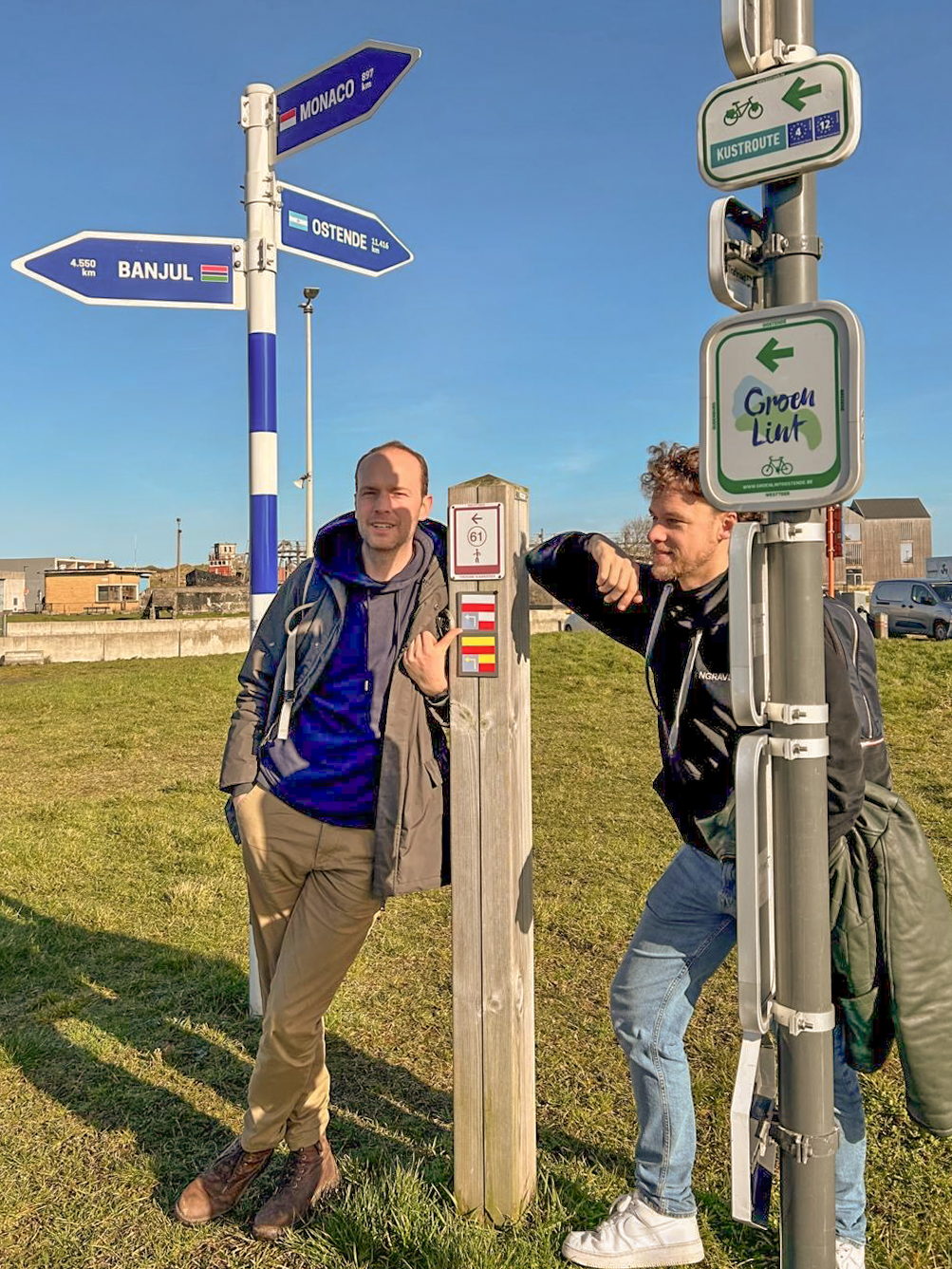
Plan a weekend hiking trip with long-time friends. Pick a GR route (see post on GR5A on the Belgian coast). Laugh, share, and reflect while exploring nature together. It’s the perfect blend of camaraderie and self-discovery.

Setting Intentions for Your Retreat

The outcome of these retreats largely depends on your intentions. Here are a few that have guided my own journeys:

  • Connect with Deepest Self: Seek out your most authentic nature.
  • Discover Life’s Purpose: Uncover your Ikigai and life’s calling.
  • Overcome Daily Fears: Face and conquer daily anxieties, embracing life with greater joy.
  • Learn Meditation: Embark on a journey of mindful meditation.
  • Trust and Connect with Nature: Build a deeper trust in life and its natural flow.

Next to clear intentions, not taking a phone or other electronics is probably the most basic starting point to prepare for a retreat. Make sure someone knows exactly where you will be, and inform those close to you that you will not be reachable for multiple days.

Closing Thoughts

These sustainable travel experiences not only minimize carbon footprints but also offer profound opportunities for personal growth and rejuvenation. Embrace solitude, reconnect with nature, and discover a more mindful, balanced life. Explore these sustainable travel adventures and let them inspire your next journey towards inner peace and environmental consciousness.

Weekend Getaway: 3-Day Hiking Tour on the Belgian Coast – GR5A

Are you looking for an eco-friendly adventure that combines lengthy beach walks and beautiful nature views, cultural activities, and the luxury of not needing to carry heavy gear? Our 3-day hiking trip along the Belgian Coast offers all this. Whether you’re planning a weekend with friends or a family trip with kids, this route is versatile, accessible, and packed with options for everyone.

Why This Coastal Hiking Route is Perfect

Easy Access to Transport and Amenities

One of the best things about this route is the coastal tram that runs alongside it. You can start your hike at any point and hop on the tram if you need a break or want to reach a destination quicker.

Additionally, there are numerous restaurants and hotels along the route, so you don’t need to carry heavy backpacks. This makes it perfect for a lightweight and stress-free hiking experience.

Cultural Activities and Refreshing Sea Dips

Along the way, you’ll find plenty of cultural activities to do, especially around Ostend (check out our Ostend post for more details). And what’s better than cooling off in the sea after a long day of hiking? Whether it’s in the summertime or braving the chilly winter waters, there are endless opportunities to enjoy a refreshing swim.

Family-Friendly and Flexible Routes

This hiking trip is ideal for a weekend escape with friends or a family outing with young kids. The route is so flexible that you can shorten it by taking the tram when needed. While most of the official GR5A route is stroller-friendly, some shortcuts, like the sandy stretch between Nieuwpoort-Bad and Lombardsijde-Bad, are better suited for those without strollers.

Our 3-Day Hiking Schedule

Day 1: Brussels to Nieuwpoort

  • Arrival: We took the train from Brussels to De Panne, located on the west side of the Belgian coast.
  • Evening: After arriving in De Panne, we took a tram to Nieuwpoort where we had dinner and stayed the night.

Day 2: Nieuwpoort to Ostend

  • Morning: We started our day by taking a small electric ferry from Nieuwpoort-Bad across the harbor channel. Best to check the evening in advance if it is working. The initial part of our hike was through the nature reserve, dunes and on the beach, which is both scenic and abit more challenging than on the dike.

  • Lunch: We reached Middelkerke by lunchtime and enjoyed a delicious meal at Silt restaurant, located in the new casino building with nice sea views.
  • Afternoon: Continuing on, we arrived in Raversijde where the route goes inland through dunes and nature reserves. As we approached Ostend, we passed historic landmarks like the Thermae Palace (Brasserie Albert is a great spot to stop).
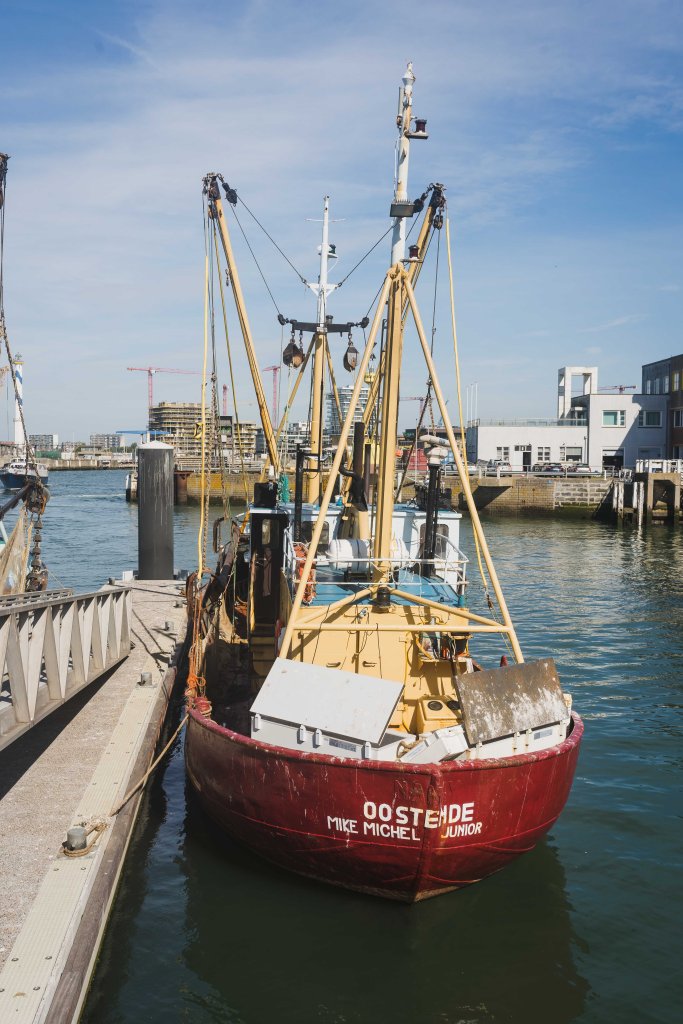
  • Evening: We stayed the night in Ostend. Check out our Ostend blogpost for more recommended restaurants and activities.

Day 3: Ostend to Bredene and Back

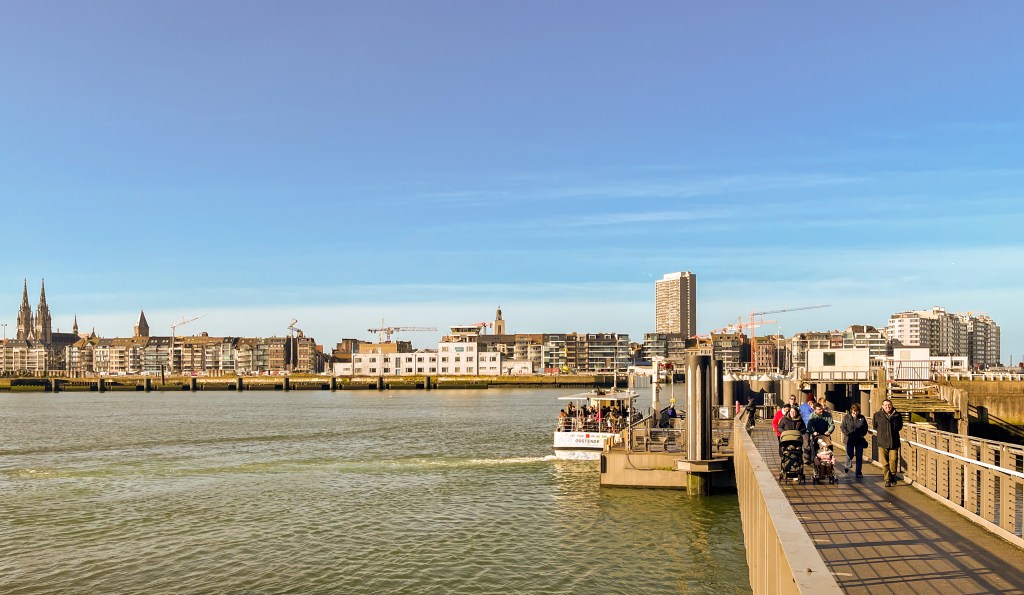
  • Morning: We took a small ferry from Ostend to the East-side of the harbor heading to Bredene, skipping the longer GR5A route around the harbor.

  • Afternoon: Hiking along Fort Napoleon and through the Bredene dunes, we enjoyed drinks and sun at Twins Club. On our way back we ran into a baby seal chilling in the sun on the beach. You can most often find seals in Ostend on the small beach next to the West-side of the harbor. We had lunch with shrimp croquettes and fish soup at De Cierk, a Fish & Food market on the east side of the harbor.
  • Return: We then headed back to Brussels. For those wanting a more extended hike, you can continue to Knokke and take the train back from there.

Discovering Sächsische Schweiz: Night Train Adventure from Brussels

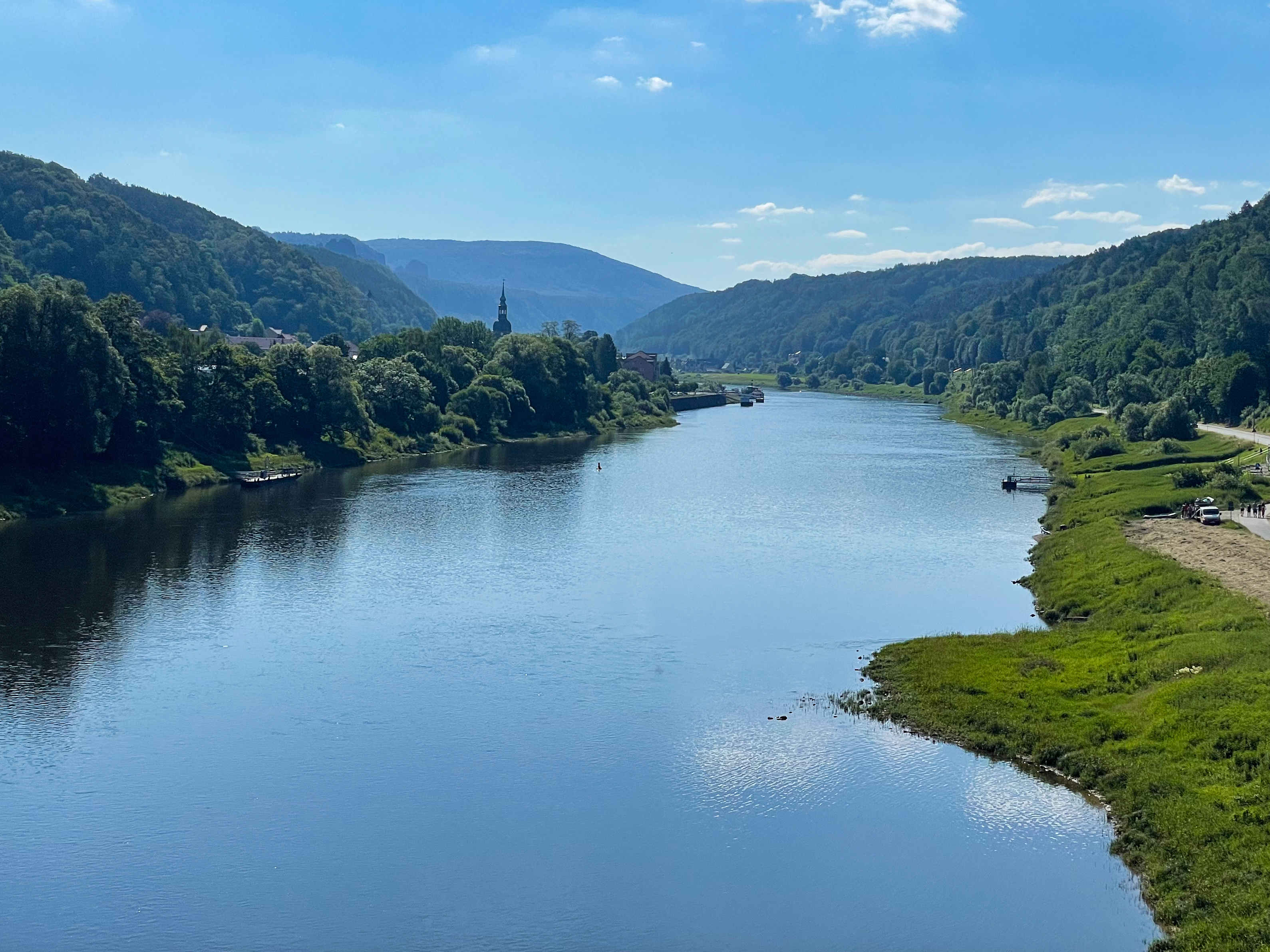
A couple of weeks ago, I discovered an impressive piece of nature only a night train away from Brussels—perfect for a long weekend trip immersed in breathtaking landscapes.

Have you ever heard about the National Park Sächsische Schweiz?

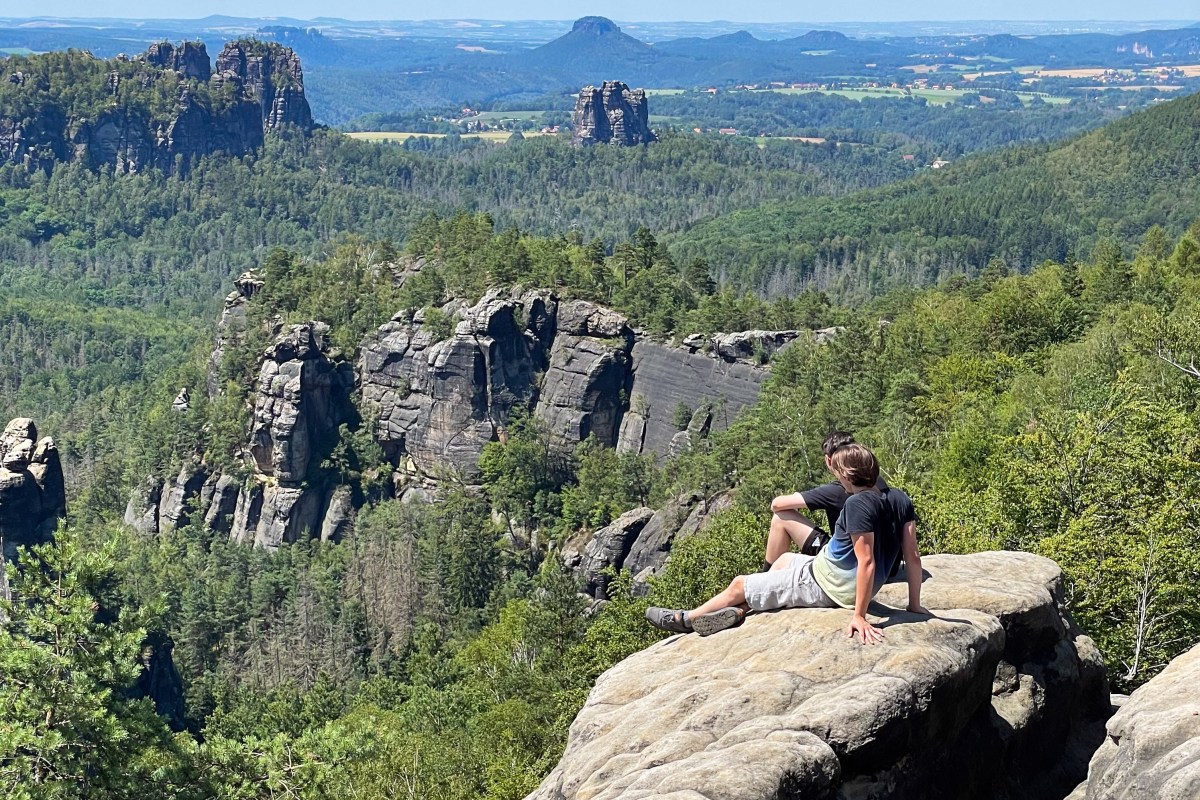
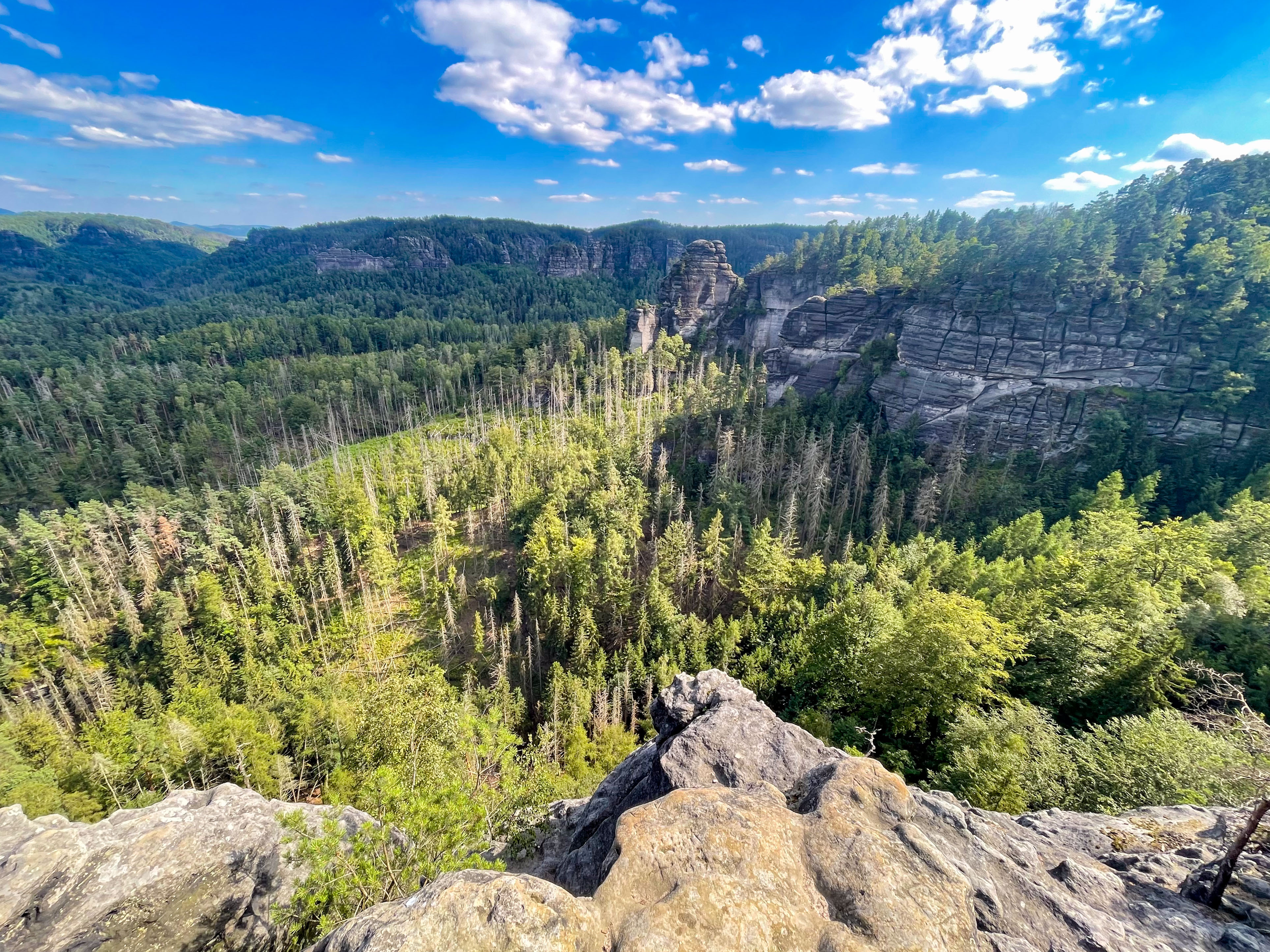
It’s a vast, mountainous forest filled with dramatic rock formations and stunning views at the German-Czech border. Let me take you there for a moment!

Family-Friendly Adventures and Thrilling Hikes

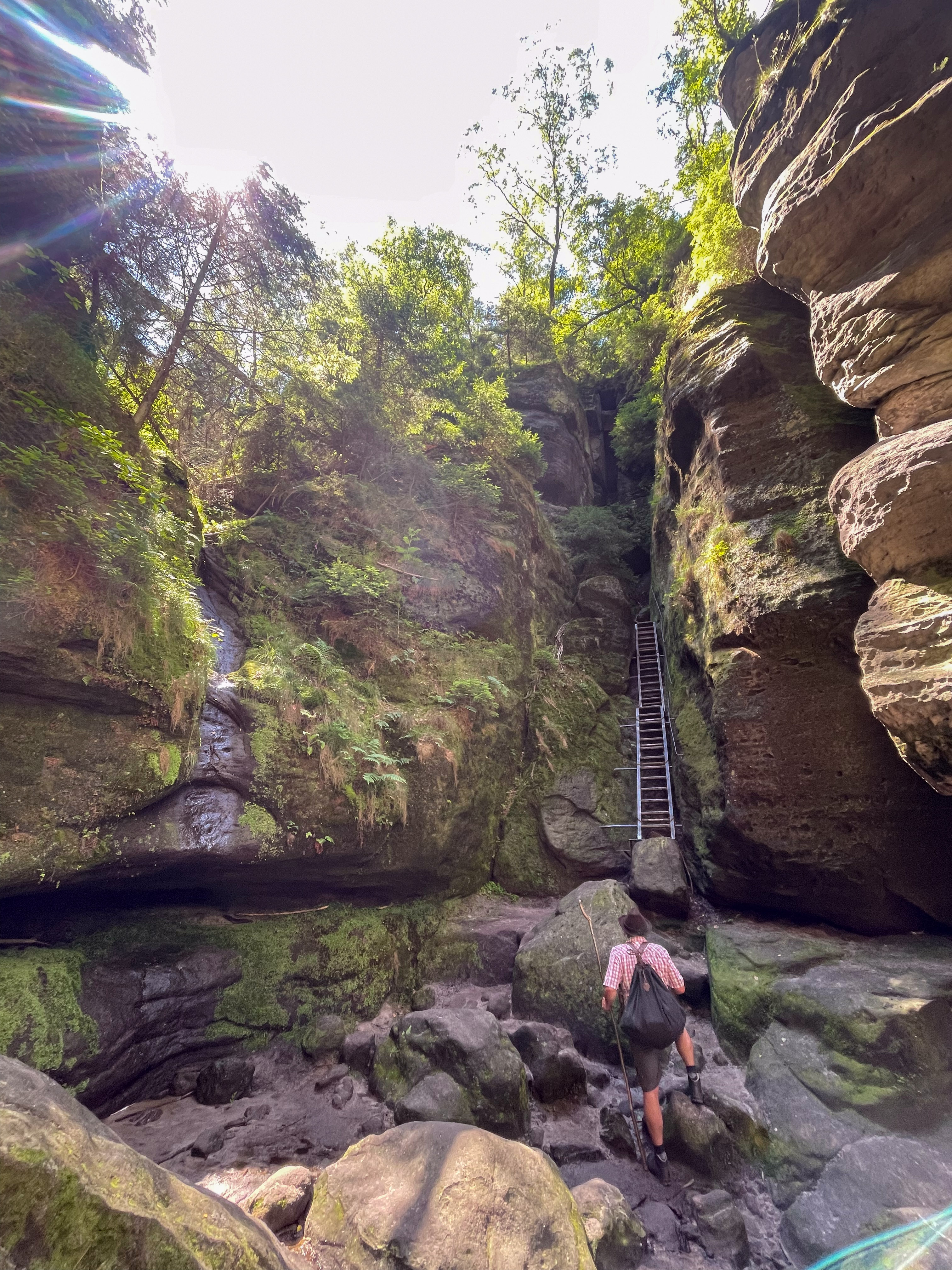
Visiting with Kids: There are plenty of charming, family-friendly routes to enjoy with the little ones. However, for those who crave adventure, I took a more challenging trail featuring metal ladders, narrow passages, and dramatic cliffs. No climbing gear is required! Here’s the GPX track I followed: Komoot Track

Safety Tips: If you choose one of the family routes, always keep your kids close, especially at the viewpoints. There are no fences, so hand-holding is essential.

Another great way to explore the park is by cycling—just remember to park your bike and take small hikes to reach those breathtaking viewpoints.

I took the walk during a Tuesday in June and was hoping to refill my water at a bar in the park… but found a closed door. Quite a disappointment since I finished my water at noon and did a detour of an hour hoping to refill at the refuge that was closed.

My 3-Day Ecological Travel Itinerary

Day 1: Departure from Brussels

  • 19:22: Board the European Sleeper night train, heading to Bad Schandau.
  • Accommodation: I stayed in a 5-bed couchette for around €125-€150 one way.

Day 2: Arrival and Hiking

  • 08:30: Arrive in Bad Schandau and grab picnic supplies at the railway station or supermarket accross the water.
  • Hike: An 8-hour hike through stunning spots like Carolafelsen, Panorama Heringsgrund and Goldsteinaussicht.
  • Accommodation: Found a cozy €35 cabin including breakfast at Zur alten Schule. Cancelled my €150 hotel room—great value for money!
  • Dinner: Enjoyed a vegetarian 4-course menu at Bio-Restaurant StrandGut.
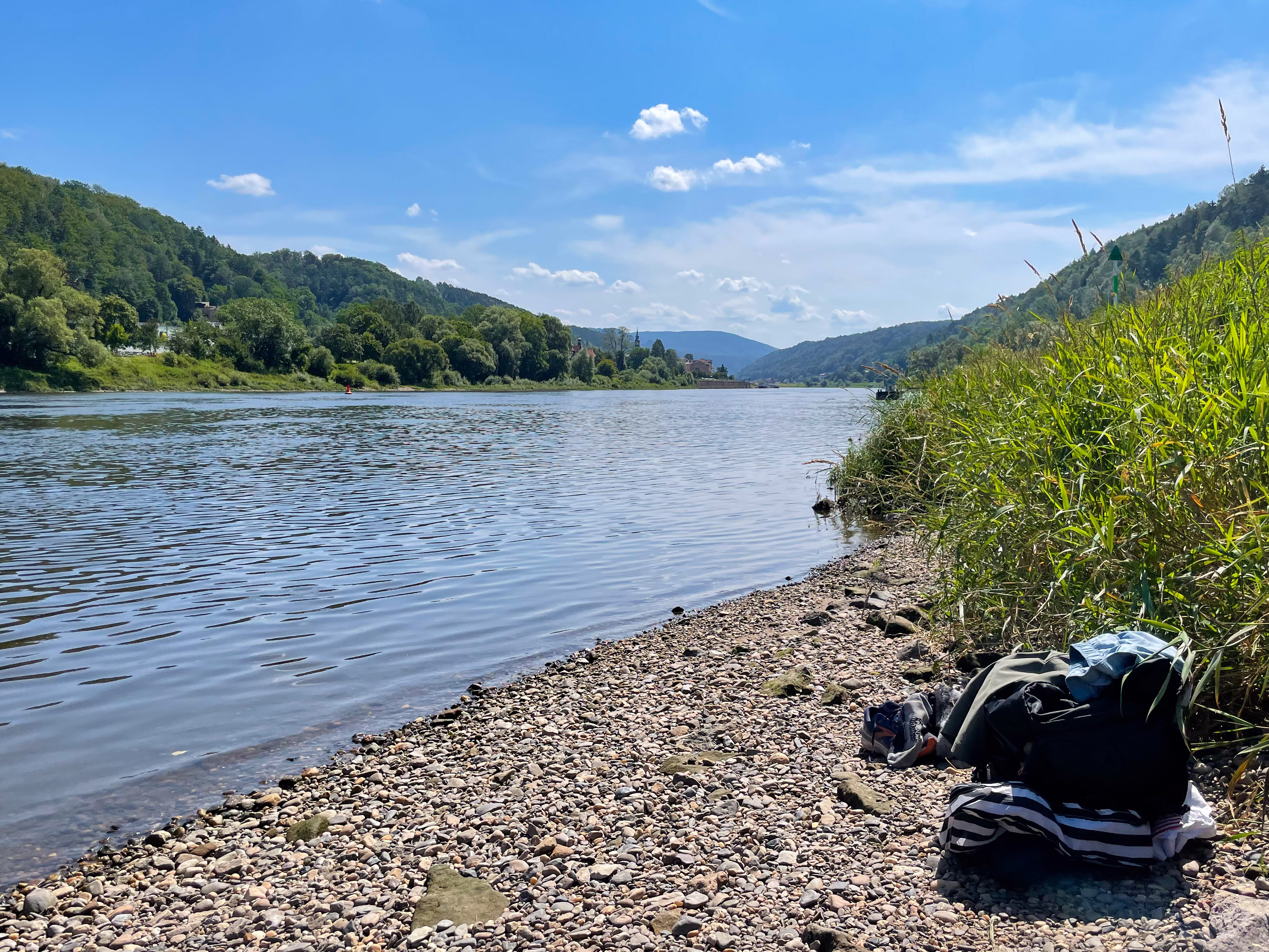
  • Swim: After dinner I took a swim in the Elbe a couple of meters downstream from where the little ferry leaves. Beware there’s quite some current, which can be dangerous… but also nice so you can swim against the current and stay in the same spot for as long as you want.

Day 3: More Adventures & Travel to Prague

  • Hiking: Explored more of the park, with options including hiking, canoeing on the Elbe, and the tram ride into the forest. I took the ferry to cross the Elbe and hiked for an hour and a half from Schmilka to Bad Schandau’s railway station where I started the journey.
  • Swim: To cool down before getting into the train, I took another swim at the small Canoe beach just in front of the railway station.
  • Travel: Took the train to Prague, but you can also return to Brussels at 19:59, arriving at 9:30 the next day.

Schmilka is a tiny but beautiful village positioning itself as eco-village. There are multiple biological hotels and restaurants, a biological educational garden along the Elbe, eco-sauna, and hot-tubs, … we found the concept to be very appealing. Nevertheless, most of the initiative is driven by one entrepreneur that supposedly owns 40 of the 80 houses in the village, where he made hotel rooms or houses for tourism purposes. Still, its inspiring to see the business model seems to work.

Kids on trains – 5 tips & tricks

Our 5 tips & tricks for train travel with babies or toddlers:

  1. Plan for the worst
  2. Bring a light foldable stroller – fold before boarding
  3. Bring a sleeping tent
  4. Walk around – benefit from the freedom
  5. Pack ultralight

—————————-

1. Plan for the worst

You need to come well prepared for all needs your kid might have along the journey: bring water, milk powder, food, fruit, extra diapers, fresh clothes, toilet paper, a light book, and some small toys,… and think about how you are going to easily access it on a shaky driving train, assuming there’s nowhere to heat food, now baby table or nothing. Mentally prepare yourself for some serious struggle. But to be clear: I rather have to take care of a kid for a full day in a driving train than in a driving car!

-> Think: exploded diaper while traveling alone in an old train… sh*t on your hands, his clothes… you’re happy if you have toilet paper at hand, and can access everything with one hand (pinning your little one to the train seat with the other hand) and asking for the help of the 2 grandmothers in your coupé.

2. Bring a light foldable stroller – fold it before boarding

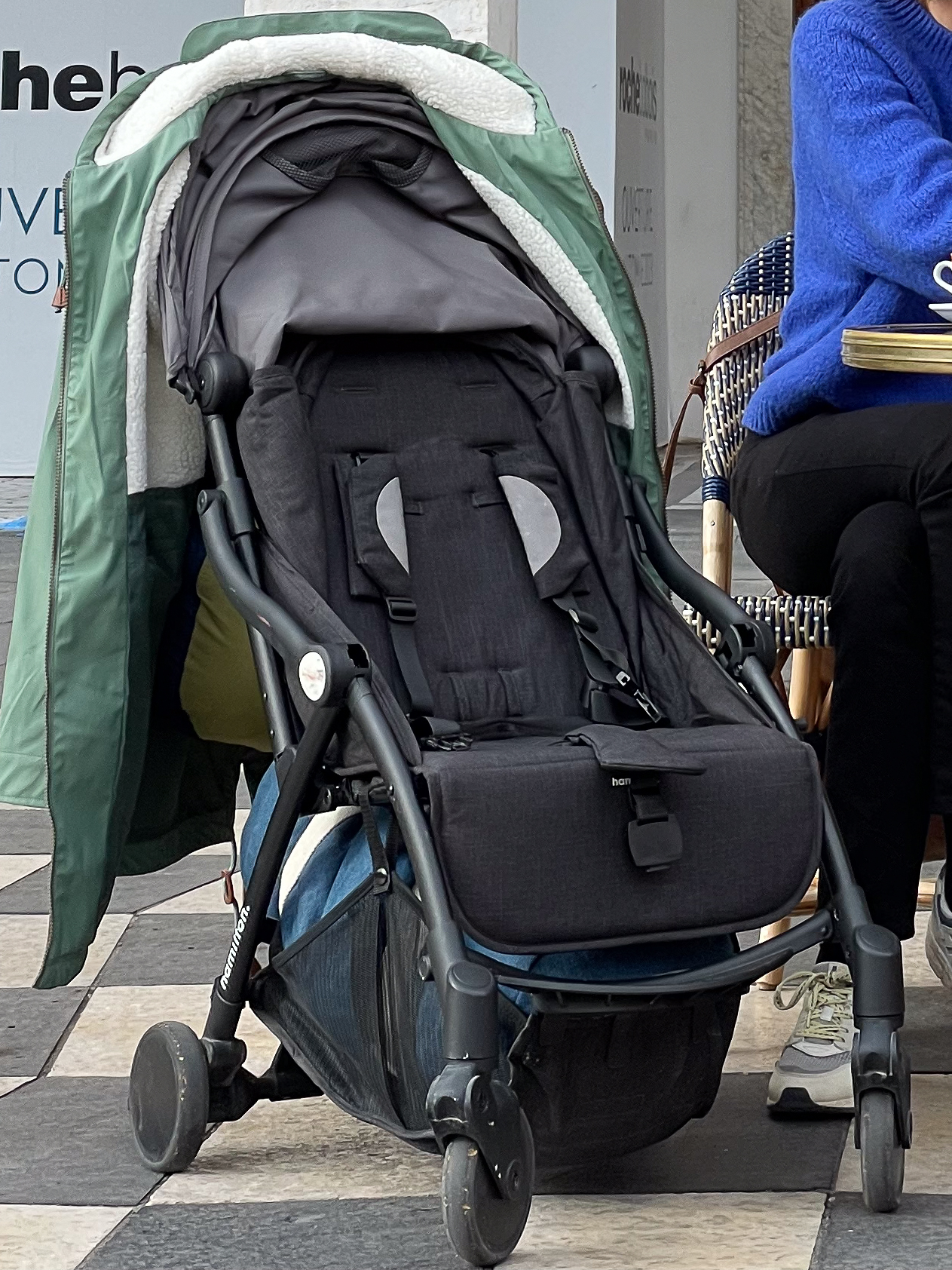
Big strollers are a pain on almost every train, no matter if it’s the Belgian IC trains, the high-speed trains of Eurostar, or the night trains with extra small passageways. You need to invest in a (second-hand) light compact travel stroller like Yoyo or Hamilton by Yoop… or the old-school foldable strollers.

For departure, you want to fold on the platform. It’s not always easy to hold a kid and your luggage, but on most international trains boarding is stressful and you don’t have the space nor time on board of the train to take your kid and luggage out of the stroller. For arrival you can already prepare and if space allows prepare before getting off.

-> We bought our Hamilton by Yoop S1 second-hand via Facebook marketplace, the day before leaving on our night train trip to Nice earlier this year. It folds nicely and is small so you can store it above the seats. We stored a soft bag that holds all the stuff of August under the stroller, easy to take out when folding and always accessible. Read more about our night train trip with August here.

3. Bring a sleeping tent

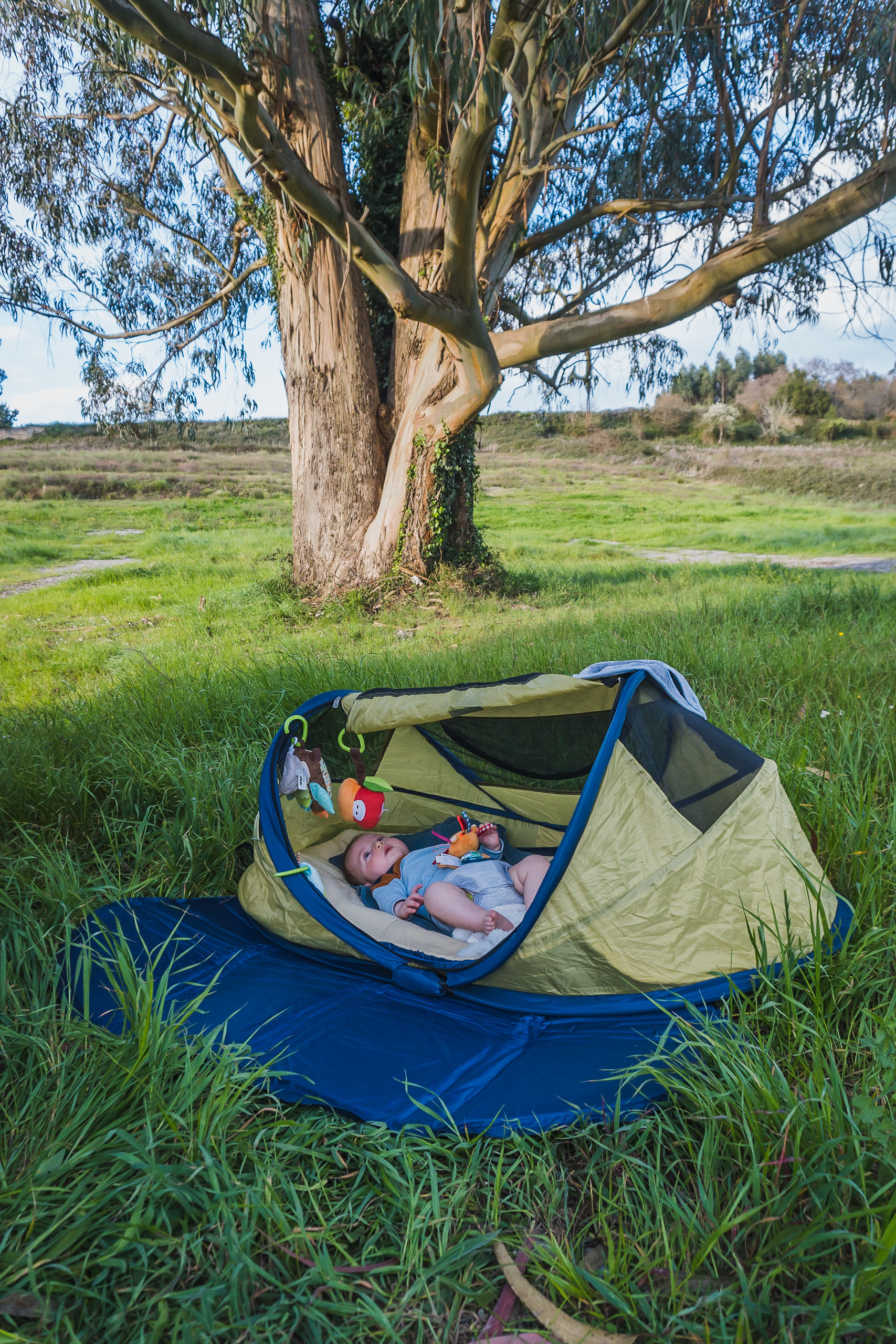
Instead of a foldable sleeping bed, we used a little sleeping tent (Deryan baby tent) that is very compact and can be used anywhere on the ground or a bed in the night train. When traveling by night train, we ALWAYS ask for the lower bed. Even if you have other beds, ask fellow travelers to switch: you don’t want your baby or toddler to fall 1.5m high from a bunk bed in case of a bumpy ride or a wild baby. You should find a way to attach the tent to the bed or wall of your coupé so it can not roll off.

-> During our last trip to Nice, we forgot to attach the tent to the wall and August and his tent rolled off the bed (30cm high). Luckily he was laughing instead of crying… but you want to check if the tent can roll off and put your bags/jackets next to the bed just in case. I would never place my kid on the middle or upper bed, not even with the safety nets you get from SNCF Intercité, since they don’t cover the full width of the bed. #honestparenting

4. Walk around – benefit from the freedom

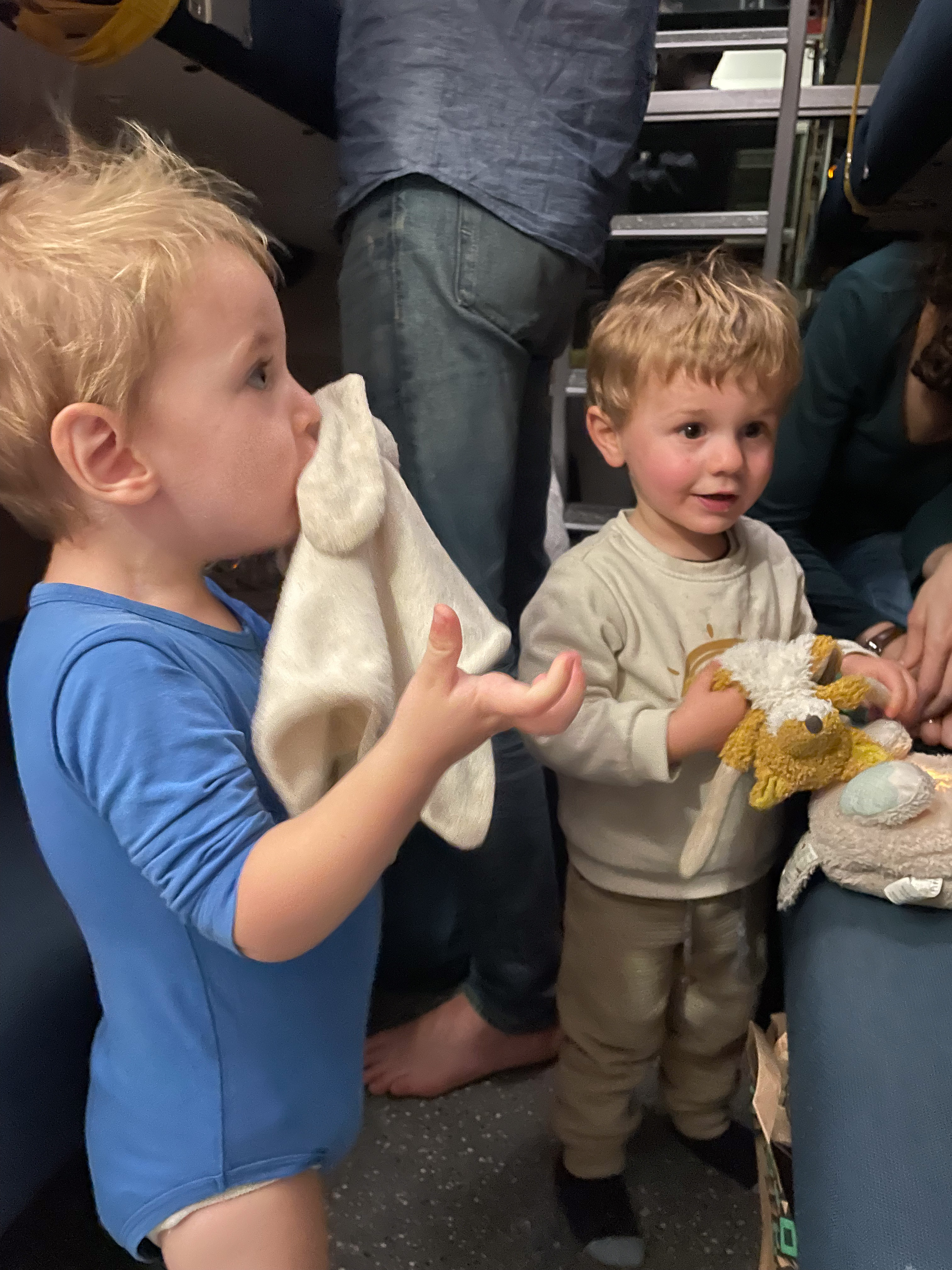
We all know how difficult it is to keep a kid seated on a chair. Contrary to airplanes, there’s quite a lot of space to walk up and down in the train, open doors (careful for little fingers!), go to the restaurant or bar car, and play on the ground. When August was smaller we used a carrying bag and would walk around in turns during longer train rides.

-> When traveling from Brussels to Sevilla by train, we would take turns and spend 1-2 hours in the bar car, letting August play on the ground with a couple of toys. He would take his naps in the carying bag. Don’t try to entertain the kid for too long in your seat: it often doesn’t work well, and after a while, your partner and neighbors start to get irritated anyway 🙂. More about our trip to Sevilla here.

5. Pack ultra-light

Determine in advance what bags you will take and reconsider everything you take until it fits… and not the other way around. Limit yourself in the space you can fill and pack accordingly. Worst case, you must buy additional things during your holiday or wash clothes or diapers a few times. For longer trips, we always pack assuming we will go to a supermarket on day 1 and wash clothes every 3 days.

When traveling to Nice for 5 days last Autumn, we had:

  • One backpack for Tine and my clothes / books / laptop,
  • One bag with August stuff (sleeping bag, (re-usable)diapers, milk powder for exactly 5 days, clothes, one meal, two water bottles, hygiene stuff) that fit under the stroller
  • A foldable stroller
  • A sleeping tent