Culture trip to Marseille by direct train

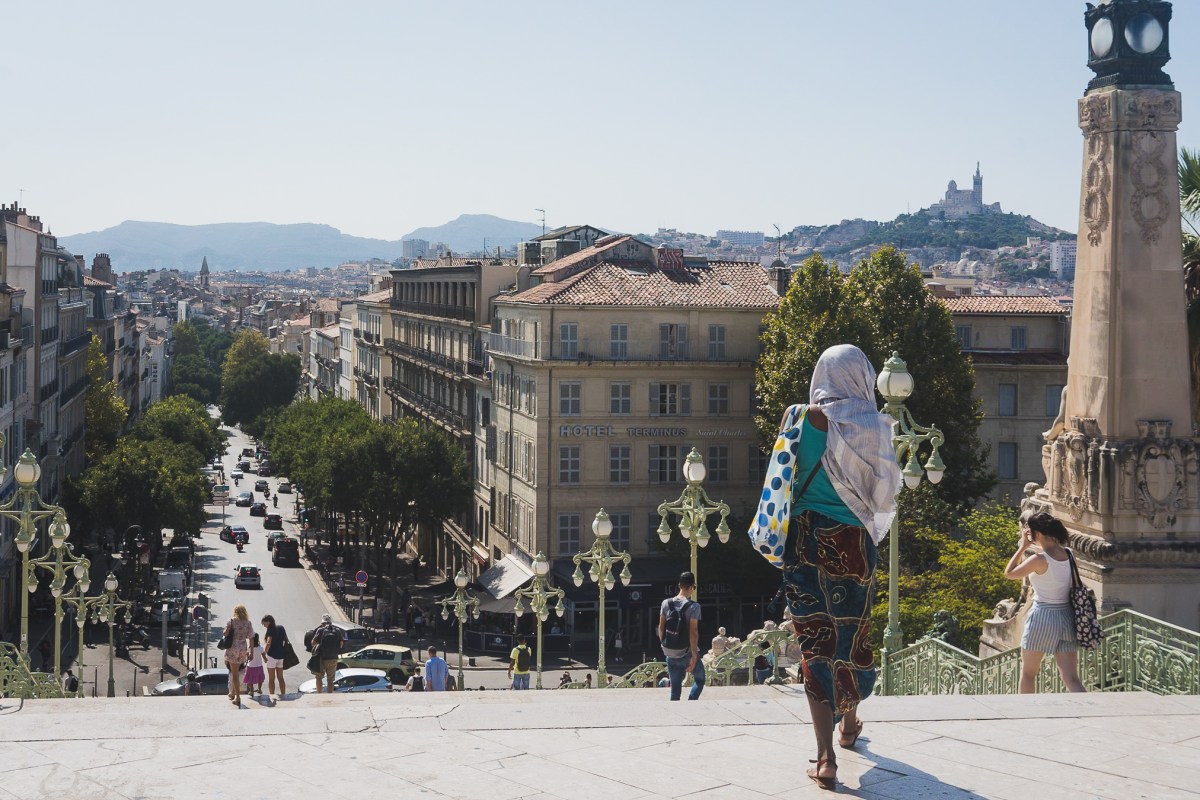
At the end of September we took the direct train from Brussels to Marseille. In six hours we got from rainy Belgium to this lovely port city. We spent 3 days walking, cycling visiting some museums and hanging around.

Marseille is a Mediterranean city full of different influences. A port city with a rough edge. It feels a bit like Brussels but with better weather. A port city with all of its colourfull aspects: diverse cultures, incredible architecture, beaches, restaurants. We could live here!

DSC08012.jpg

Day 1

On our first day we arrived around lunch and registered for the Velib bike sharing system. It only costs 1 euro for seven days. (30 min for free, same bikes as in Brussels, same way of unlocking etc.)

The direct train we took from Brussels to Marseille was rather pricy at our time of the year, so we paid more than 200 EUR per person going and back. The comfort on the other hand is great: you step into the train in Brussels-Midi with a coffee and a nice breakfast, and you arrive in the center of Marseille by noon.

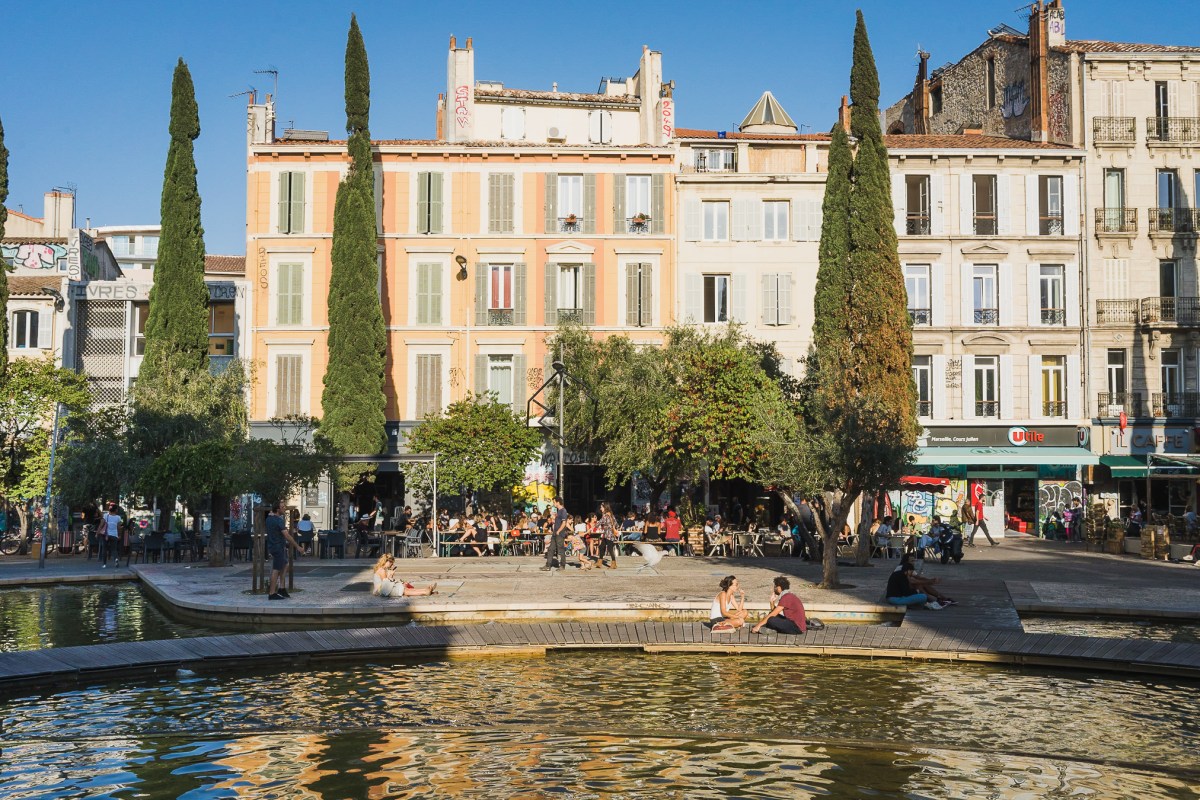
We checked-in in our Airbnb and started discovering at the Escaliers du Cours Julien. Colourful stairs lead to an arty neighbourhood with nice terraces around a fountain where we had Aperol’s at L’escalié.

DSC08554DSC08559DSC08565

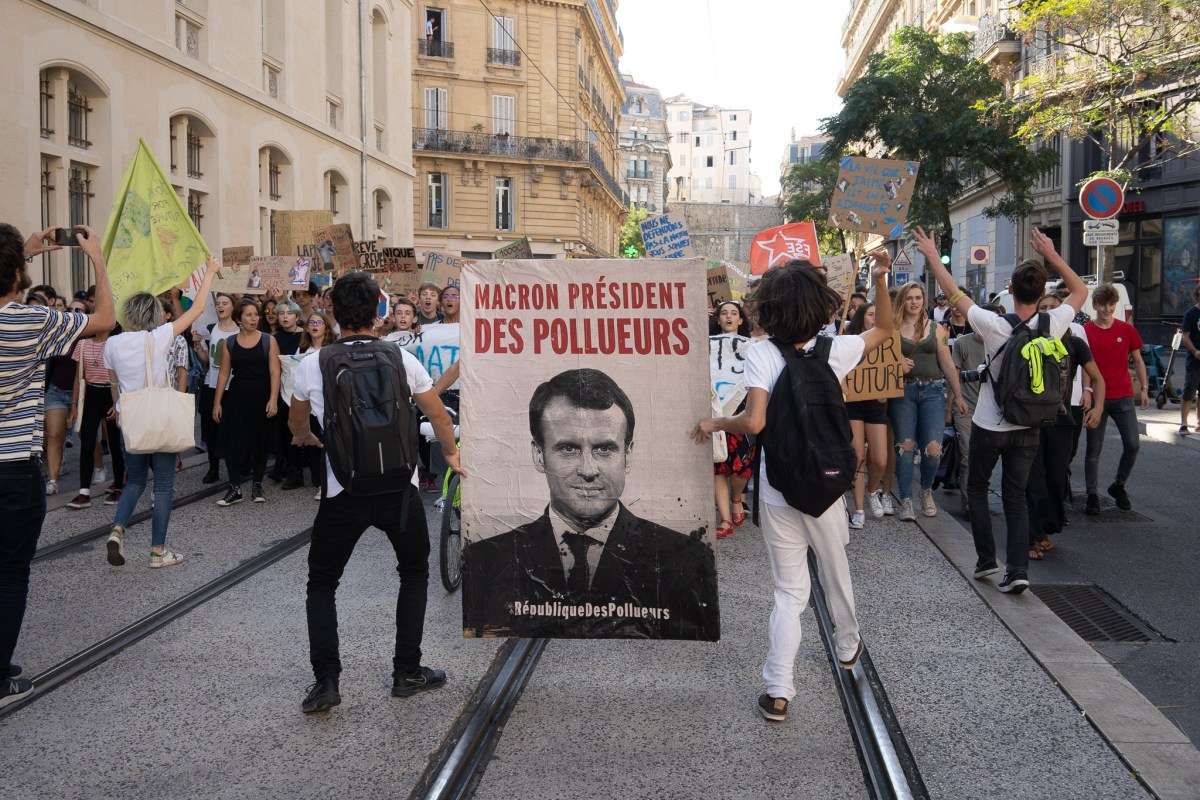
In the meantime we joined the local Youth for Climate strike at L’Ombrière to take some photos of their protest and continued our visit of Marseille.

DSC08286

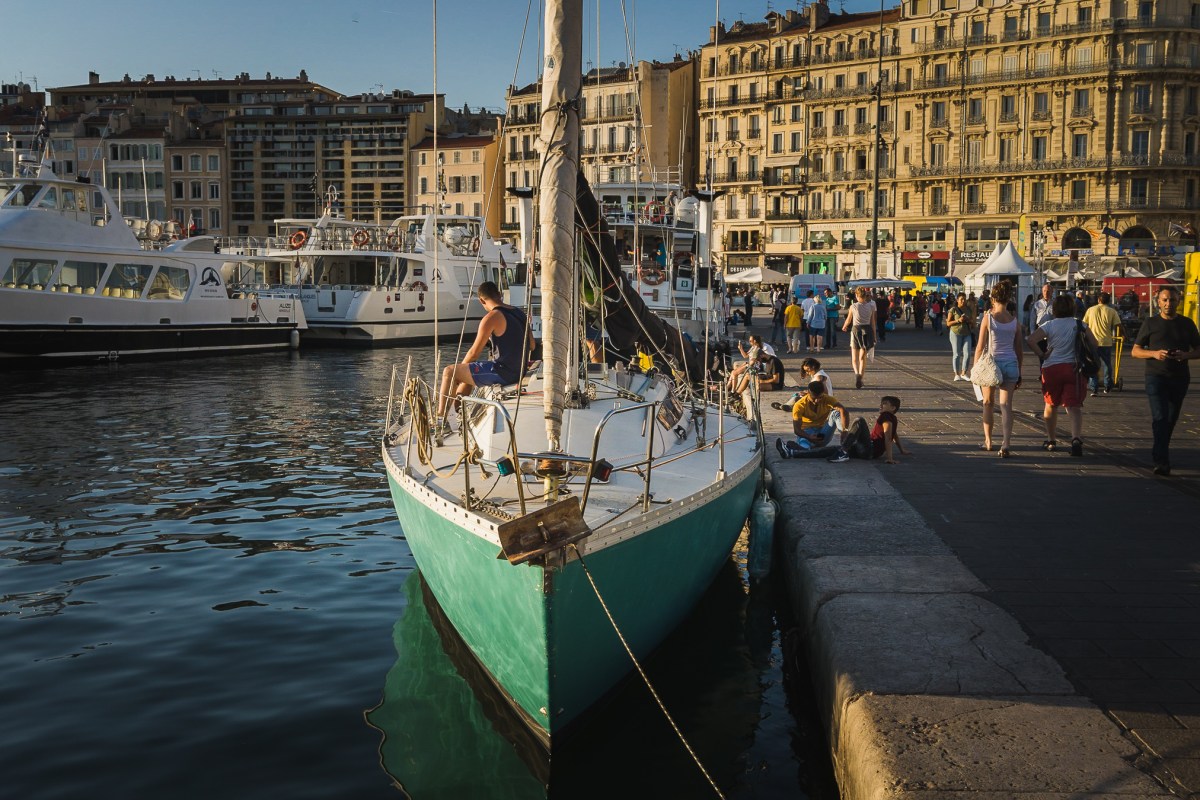
Afterwards we spent some time around the Vieux Port, the old harbour. It’s a nice walking neighbourhood, but hotels and restaurants around here tend to be touristy (and more pricy).

DSC08580DSC08582

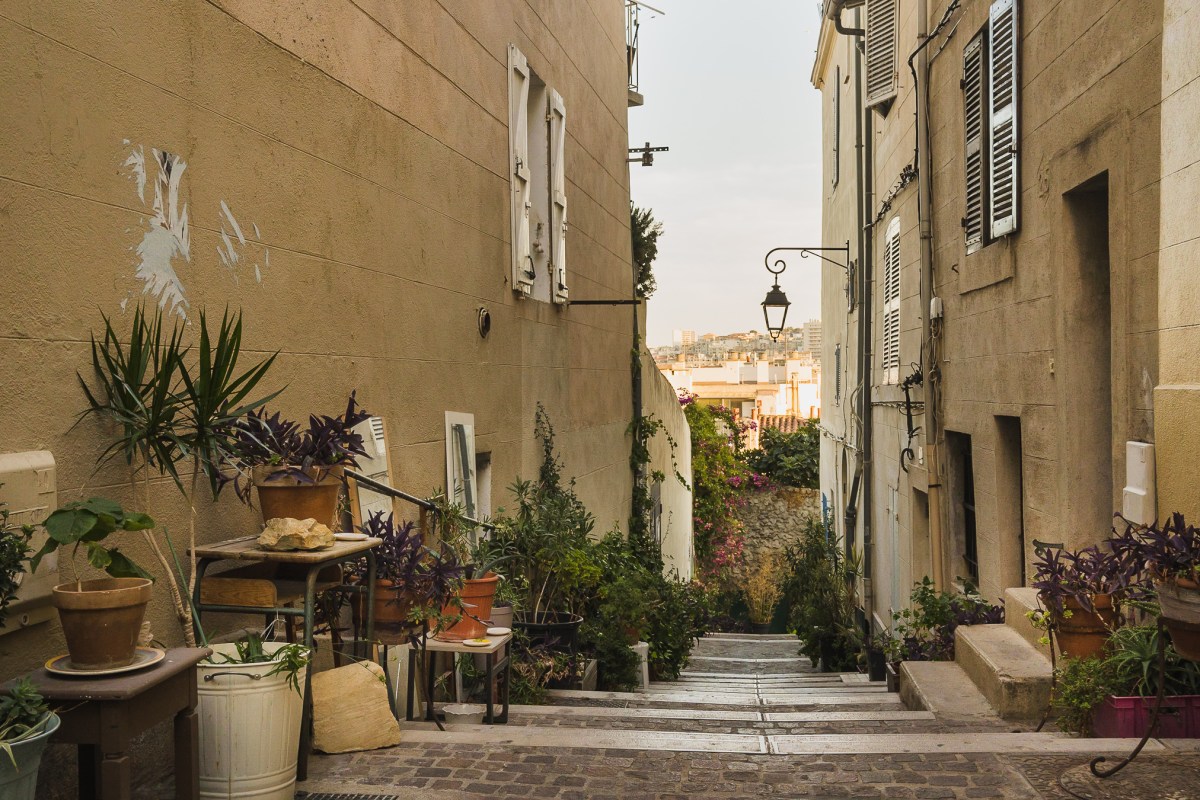
For dinner we just strolled into the backstreets around our airbnb and for convenience picked out a good looking Brasserie (similar to the ones you find all over Paris).

Day 2

A piece of impressive architecture of Le Corbusier is the Cité Radieuse. A very special apartment block designed in 1952 that is still inhabited today, mainly by architecture and art lovers.

DSC08698

When you visit the inside you can observe how different functions were integrated into one building: a supermarket, bookshop, doctor, school, library, … The apartments are duplex’es that are puzzled as Tetris blocks into the building.

After an extensive visit we took a big cycling and hiking tour: From Cité Radieuse to the (foggy) views from the Notre Dame de La Garde, to the MuCem and to Corniche Kennedy.

DSC08642

For dinner we went to a place next to the sea at Corniche Kennedy. There is quite some restaurants to pick from, but some tend to be very pricy. We went to Le petit Pavillon – nothing fancy, but views on the sea and good seafood without frills: oysters, grilled fish etc.

DSC08688

Day 3

Our third day we had breakfast in a nice arty airbnb at La Maison du Petit Canard in the Panier neighbourhood. The location is quite good, so this could be a good option to stay for your full weekend.

DSC08608

We strolled around the Panier neighbourhood, visited the Cathedral La Major and went to MuCEM for the complete rest of the day: the museum of European and Mediterranean civilisation offers on its own is already worth a trip to Marseille. It has a very diverse range of expositions with art, history and science, multiple restaurants and terraces to read a book, a fortress with gardens and a watchtower with views on the old harbour.

DSC00182

As in Paris, every first Sunday of the month entrance to the museums is free of charge. We visited multiple expositions, joined for part of a tour in the fortress and had a really good buffet lunch in the restaurant on the top floor.

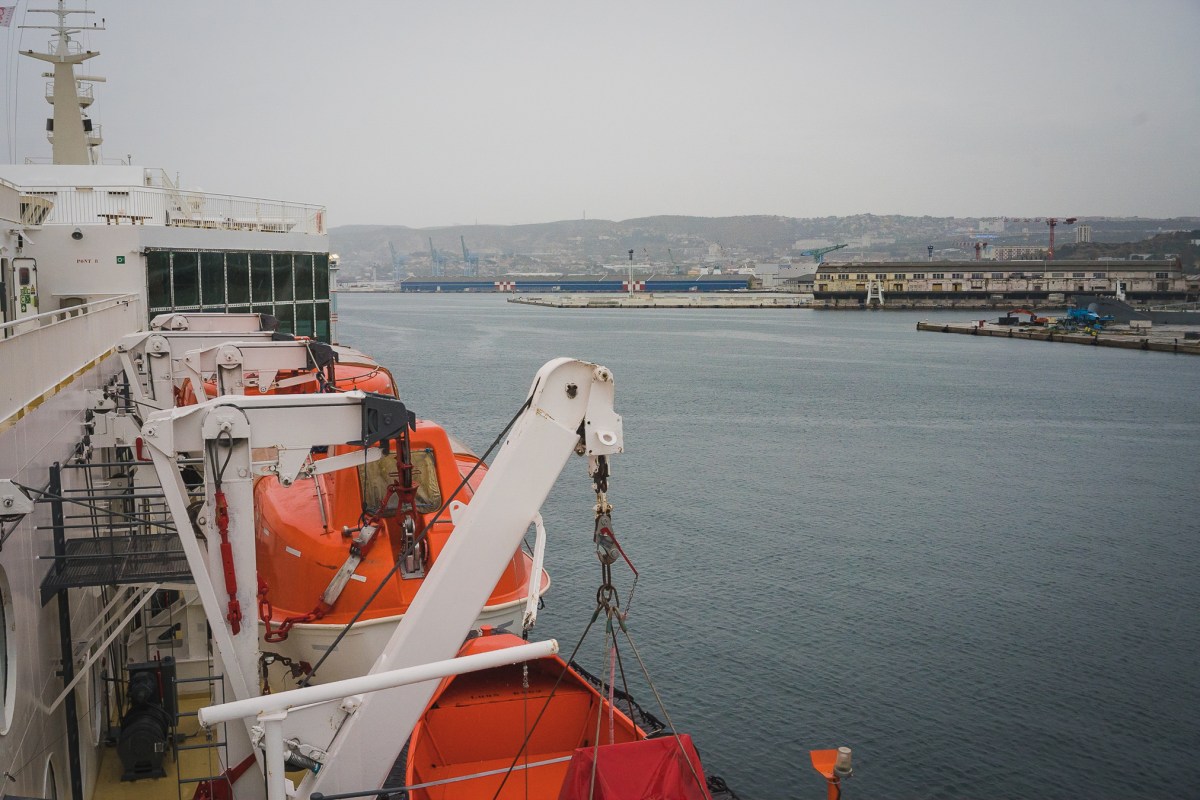
… and from Marseille we travelled on to Corsica with the night boat of Corsica linea.

DSC08889

After spending multiple days discovering Marseille we felt we could live there. So who knows in a couple of months or years you can come visit us here in Marseille!

Hiking through Corsica

Our most impressive trip of 2019 was to Corsica. We took some late summer holidays at the end of September/early October and went by direct train from Brussels to Marseille, and then by boat to Corsica.

Since it was a two week trip, there’s so much we would like to share… but we’ll keep the text a bit shorter and split this post in chapters:

  • Chapter 1: Arrival in Ajaccio
  • Chapter 2: The South
  • Chapter 3: The mountains
  • Chapter 4: The West
  • Chapter 5: Cap Corse
  • Chapter 6: The boat

We did the South of the island by hitchhiking and hiking. We took a train to the inland where we hiked for multiple days, and than continued by train to Calvi. In Calvi we rented a car for a couple of days to visit the West and Cap Corse, which is more complicated in terms of public transport… and it allowed for a bit more efficient travelling than by hitchhiking.

Screen Shot 2019-10-19 at 08.12.32

Chapter 1: Arrival in Ajaccio

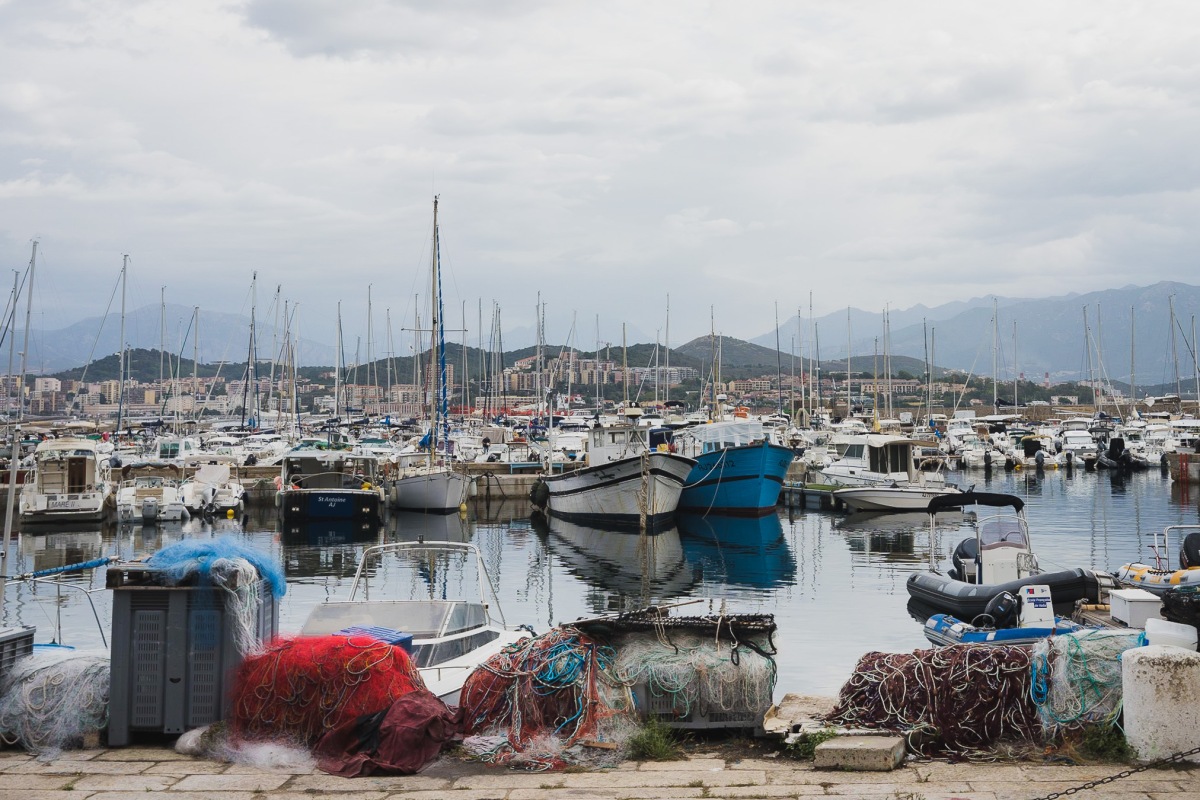
We arrived around 7h30 AM by boat from Marseille to Ajaccio. After a good night of sleep we decided we were ready for a good breakfast, a stroll in Ajaccio and some good hitchhiking to Sartène. Ajaccio has a nice small city center with a nice market place and a fishing harbour worth visiting.
Corsica_LL_09_DSC09024

Chapter 2: The south

(Day 1: Ajaccio – Sartène – Bonifacio; Day 2-3-4: Bonifacio)

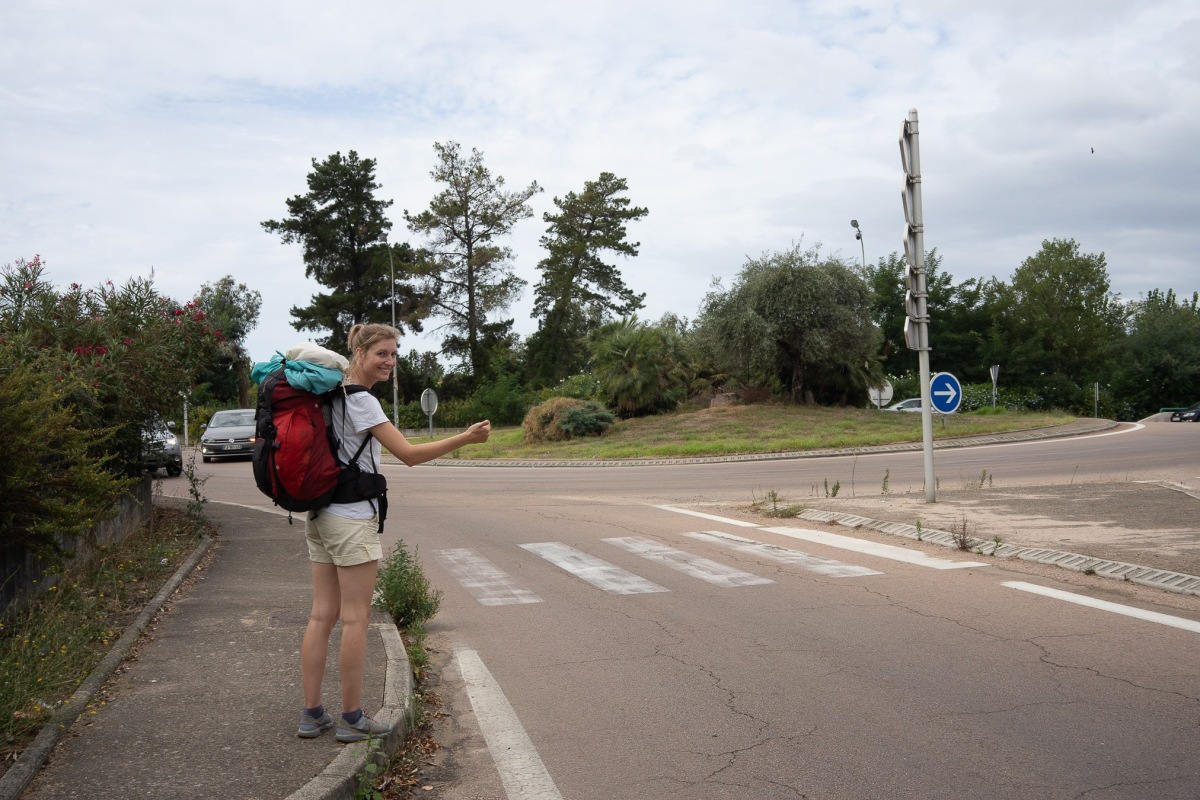
Contrary to what many people think, it is super easy to hitchhike. The drivers that took us along were each one of them so interesting and lovely that it really added an extra layer of enrichment to our trip. We never had to wait longer than 10-15 minutes and talked for hours with: a writer of police novels, a Parisian couple of pensioned real-estate experts, a theater couple, local kayak freak, … A nice and diverse set of local Corsicans and other tourists that shared tips and tricks and a bit of their life story.
Corsica_LL_10_DSC09049

Sartène is the perfect spot for a stop on the road, a stroll and a good lunch at L’arbousier.

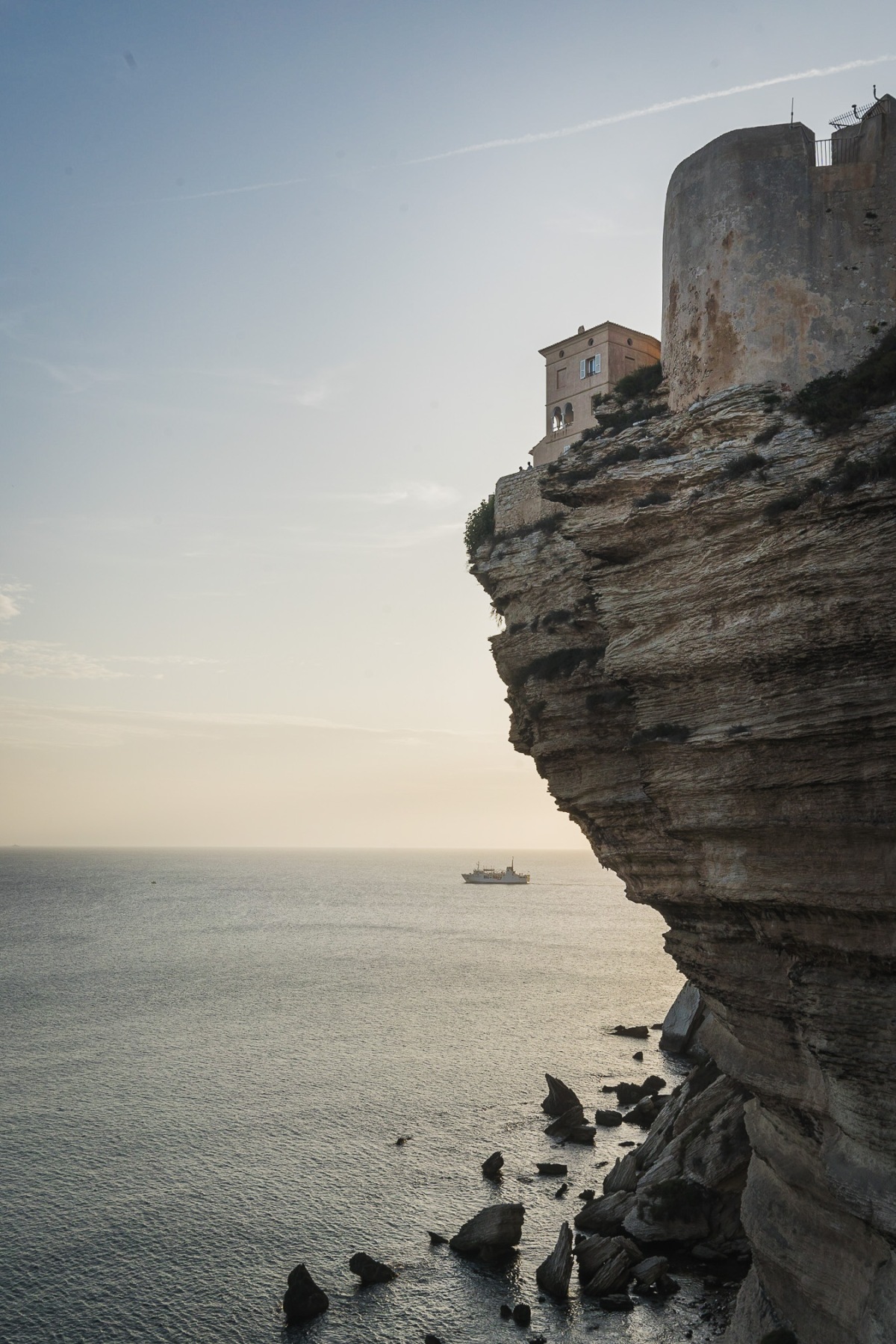
After stopping at some nice tropical beaches on the way, we arrived at Bonifacio. What a city. We camped at the local camping just before arriving at the harbour (not that good) and spent some time visiting the fortified city.

It’s touristy, but totally worth taking a tour at sea to visit some nearby caves and seeing the city from the water. So do spend some money on this.

Corsica_LL_13_DSC09132

Corsica_LL_14_DSC09139

The tiny beach (Sutta Rocca – hidden beach) just next to the village is good for a quick swim and some even more spectacular views on the rocks.

Corsica_LL_16_DSC09176

There’s plenty of good restaurants around… but there was one blast that truly amazed us due to the friendliness and the food quality: Lan’k. You need to take a reservation and bring some money (50 EUR/person for a starter, main and desert)… but if you are impressively lucky, like we were, you meet the most friendly people ever that suddenly decide to pay your whole bill without your notice.

Corsica_LL_20_DSC09239

Another good place to recommend, but in a less fancy location next to the harbour, is the ‘Kissing Pigs’. Here we had a great salad lunch. And after lunch we set off walking with all our stuff, to the next village.

Corsica_LL_22_DSC09255

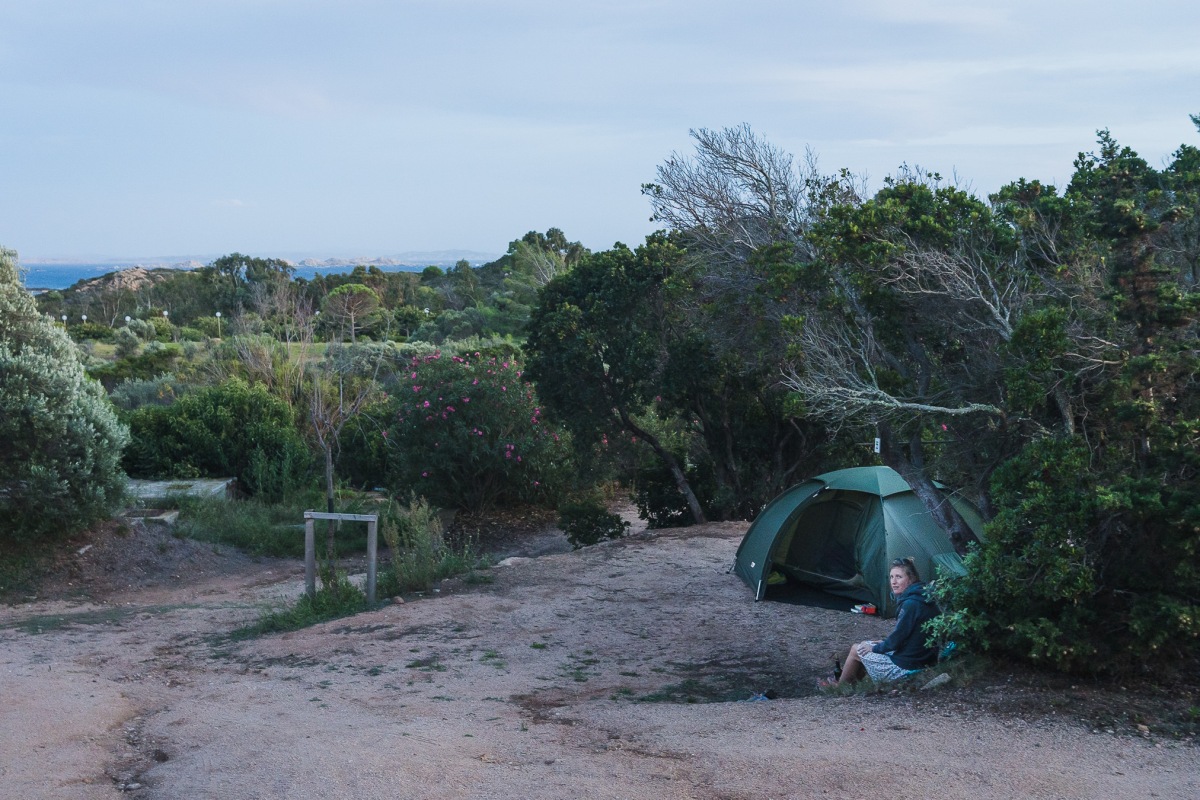
We found this impressive campsite ‘Camping des Iles’ where we stayed for multiple nights.  From there we did multiple hikes, a kayak tour, some swimming, book reading, etc. The kayak tour was a bit rough due to the strong wind, but we did manage to go to the close by island ‘Ile Piana’ and could catch some good waves to surf on with the kayak.
Corsica_LL_24_DSC09281

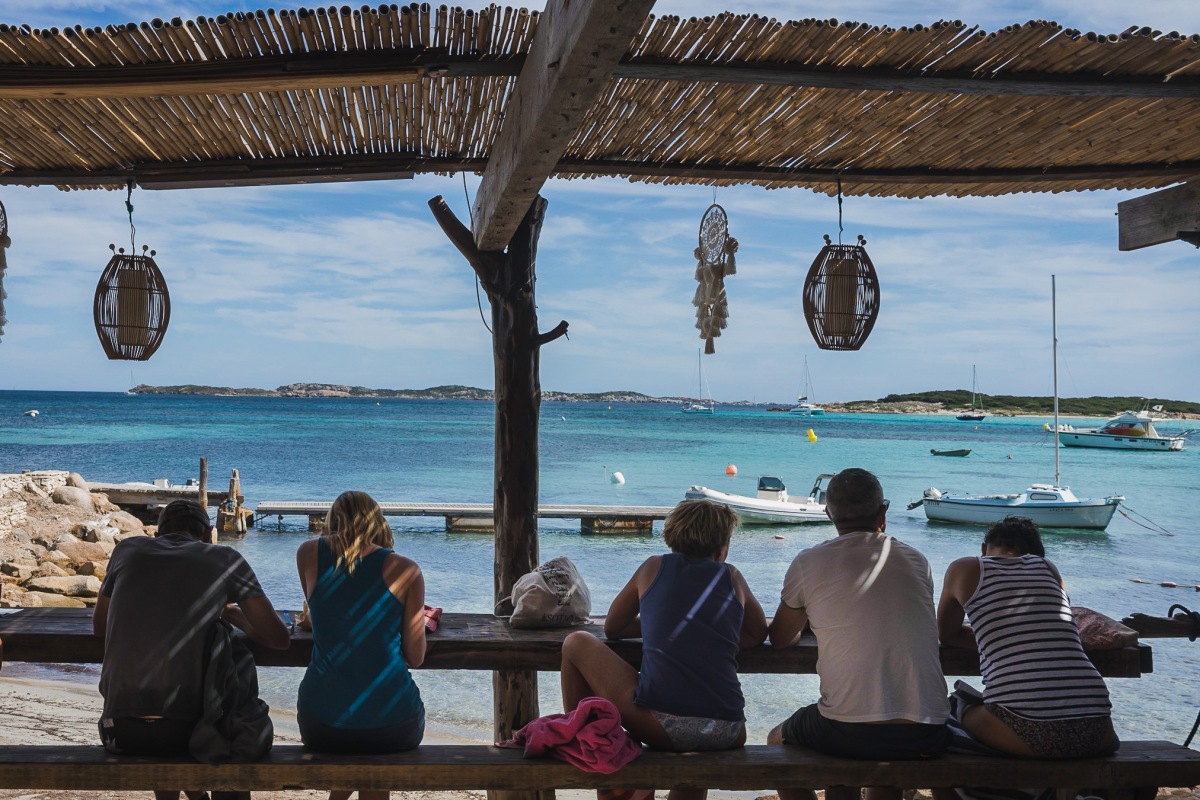
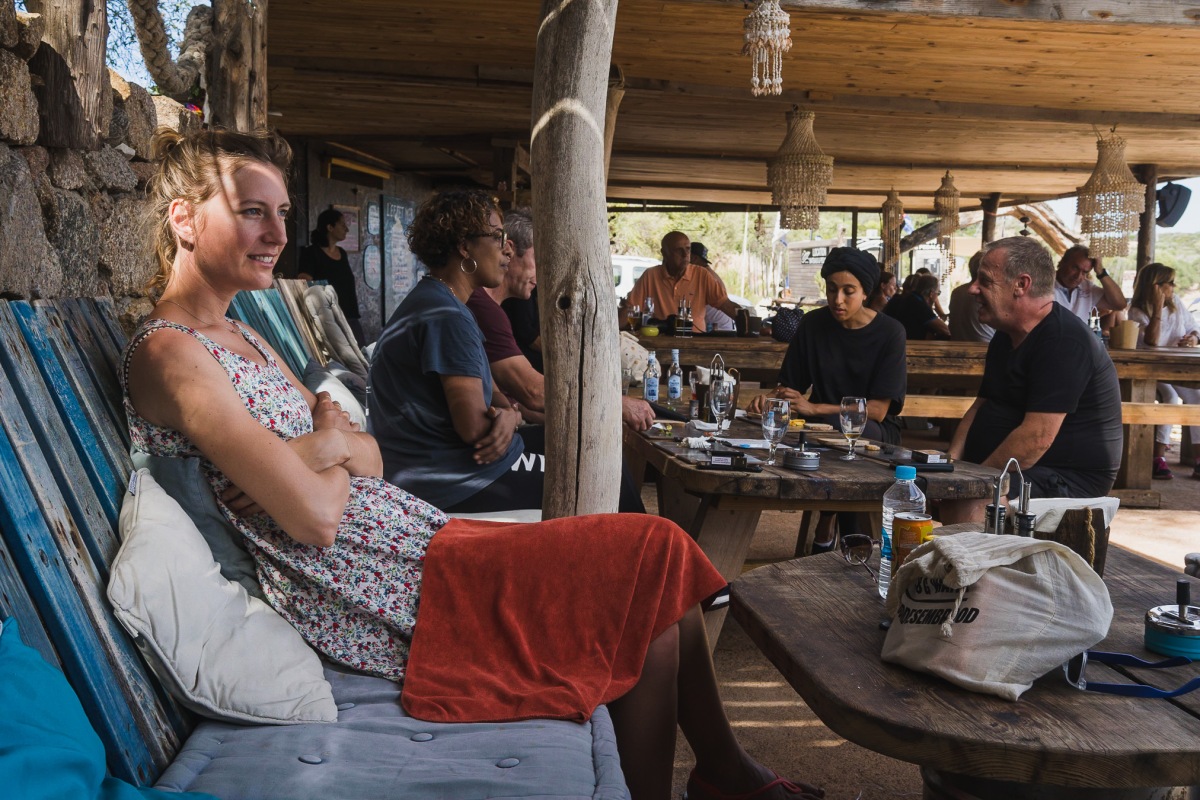
A lunch at ‘L’efet mer’ is a must do. The food is great and the views on the surfers and sailors on the blue water will entertain you.
Corsica_LL_25_DSC09286

Corsica_LL_26_DSC09287

Corsica_LL_27_DSC09301

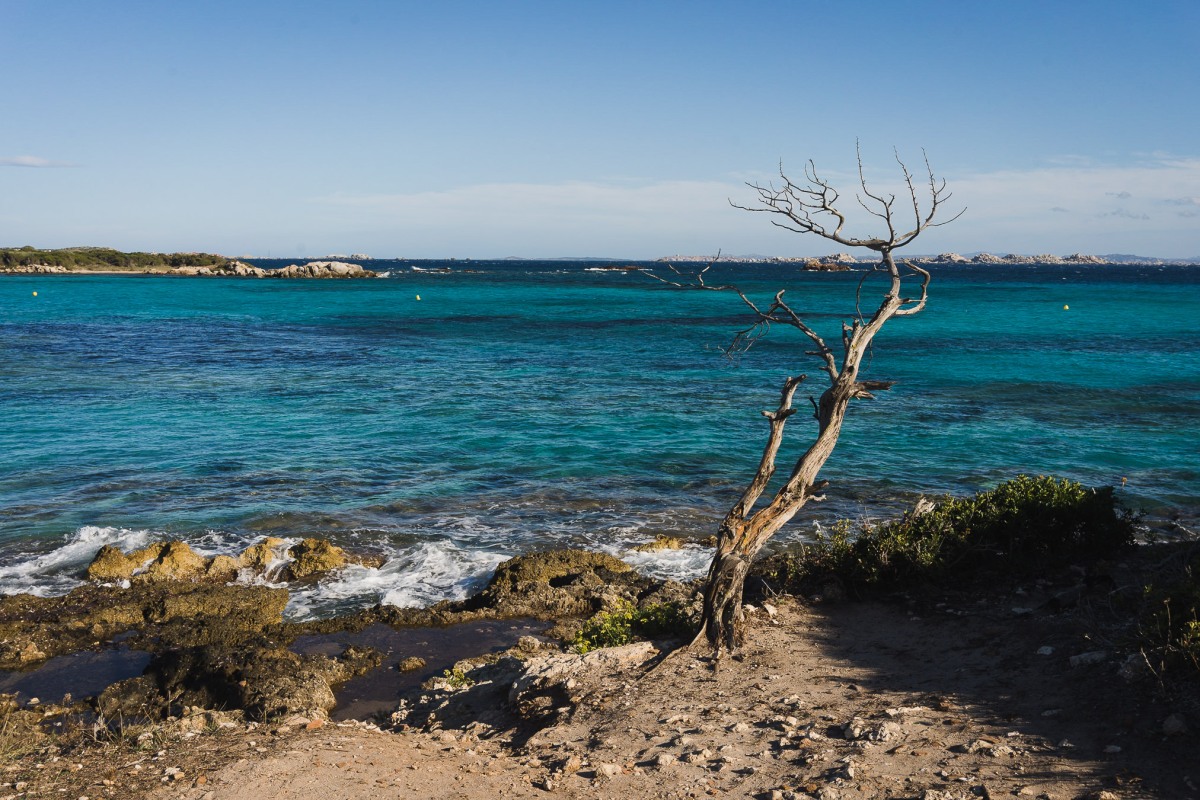
Make sure to take the hikes to the beaches of Petite Spérone and the Grand Spérone. The hike itself is nice, and the white sandy beaches are good to take a swim. Do notice there is no shadow, shops, nor bars or anything. It’s completely desolated.
Corsica_LL_28_DSC09304

Chapter 3: The mountains

(Day 5: Bonifacio to Ajaccio by hitchhiking, Ajaccio to Corte by train; Day 6-7-8-9 hiking Mare e Mare and GR20; Day 9: from Corte to Calvi by train)

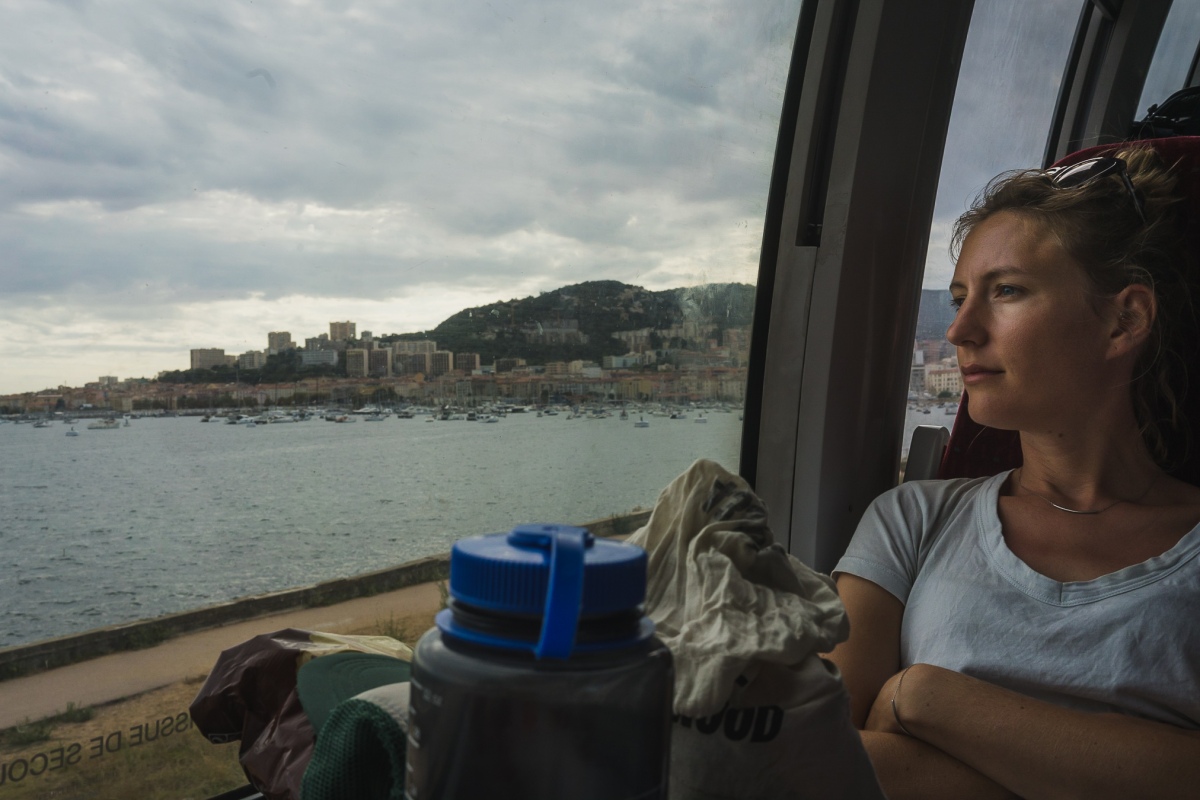
We hitchhiked back to Ajaccio, since in off-season there’s close to no busses in Corsica. The train system on the other hand is really good. You can buy your tickets in the railway station and there’s multiple trains per day going from Ajaccio to Calvi and to Bastia (with a transfer in the middle). We chose Corte as the base for our hiking trip and thus got out of the train there.
Corsica_LL_30_DSC09315

Corsica_LL_31_DSC09327

Corsica_LL_32_DSC09354

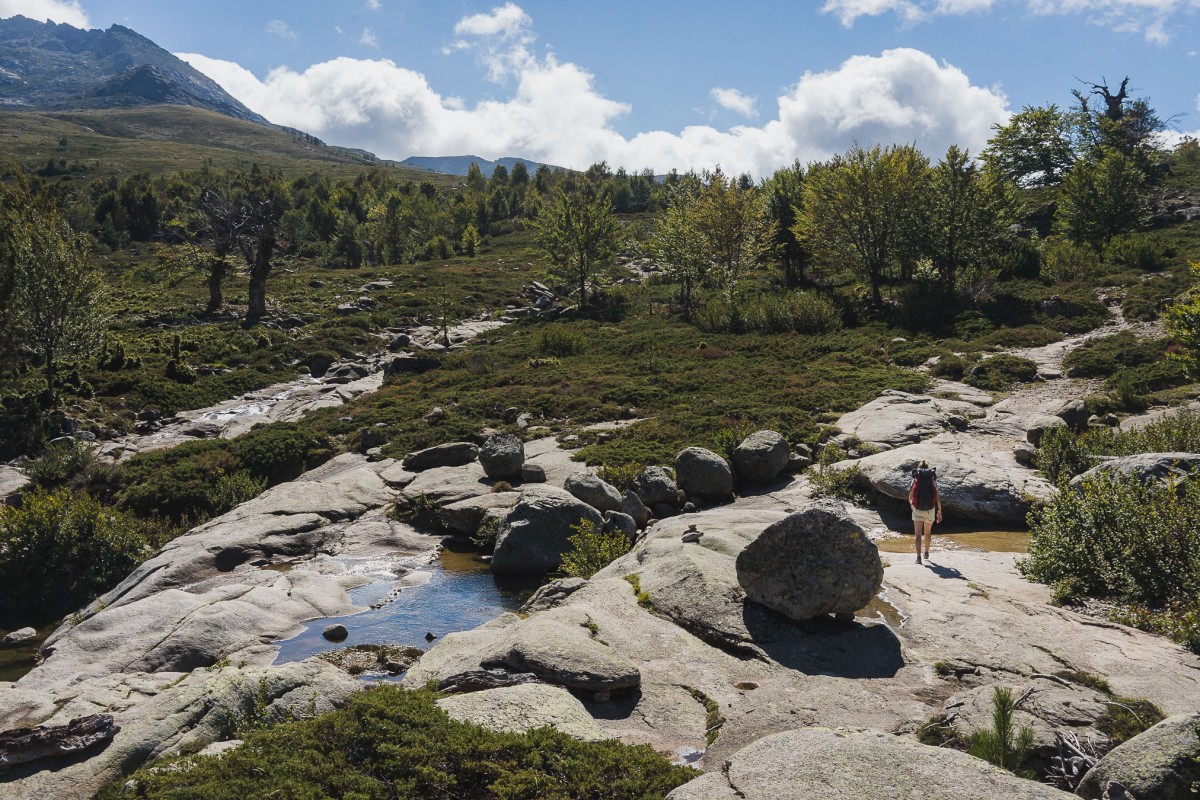
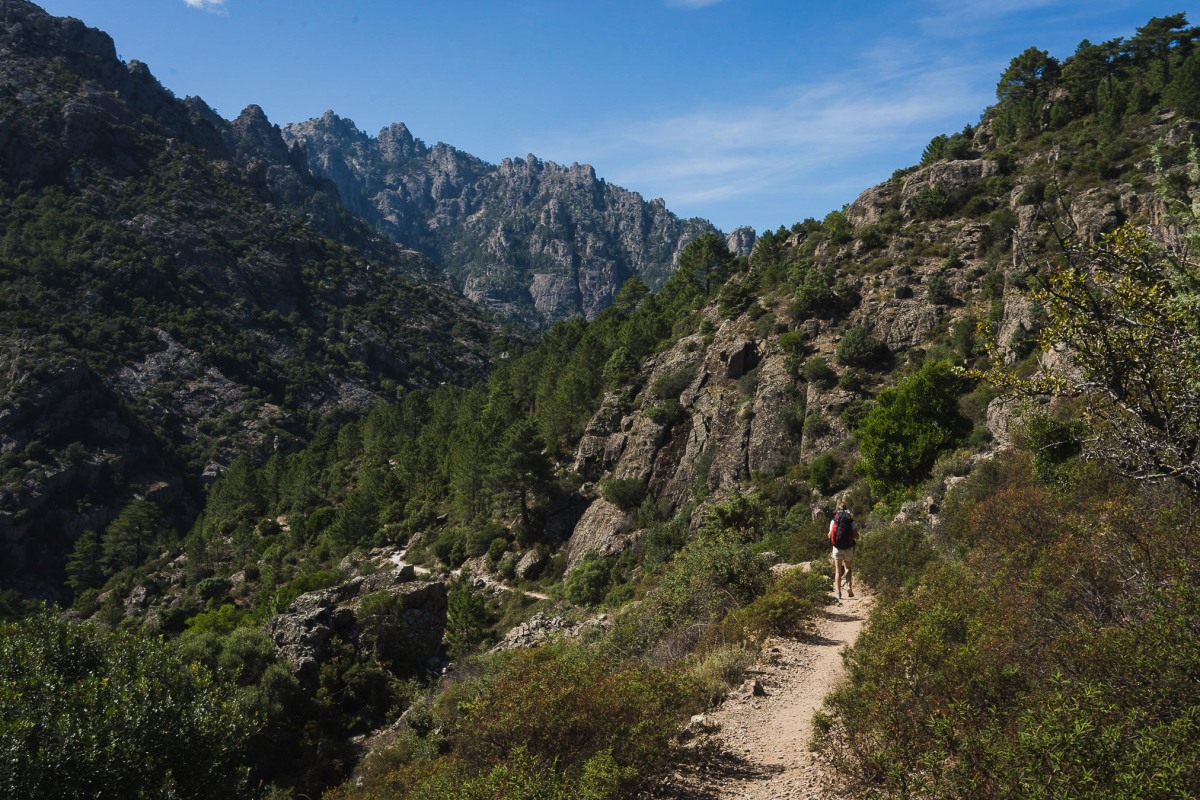
After an evening visit of Corte and a good night of sleep we set off in remote nature. Don’t underestimate and make sure you take enough pre-cautions such as food, water supplies, warm clothes, camping gear, good shoes, etc. It’s not just a random hike. We made our own loop by combining the Mare a Mare route withe the GR20 and then back down via the lake of Capitello and Melo lake.
Corsica_LL_35_DSC09414Corsica_LL_38_DSC09464

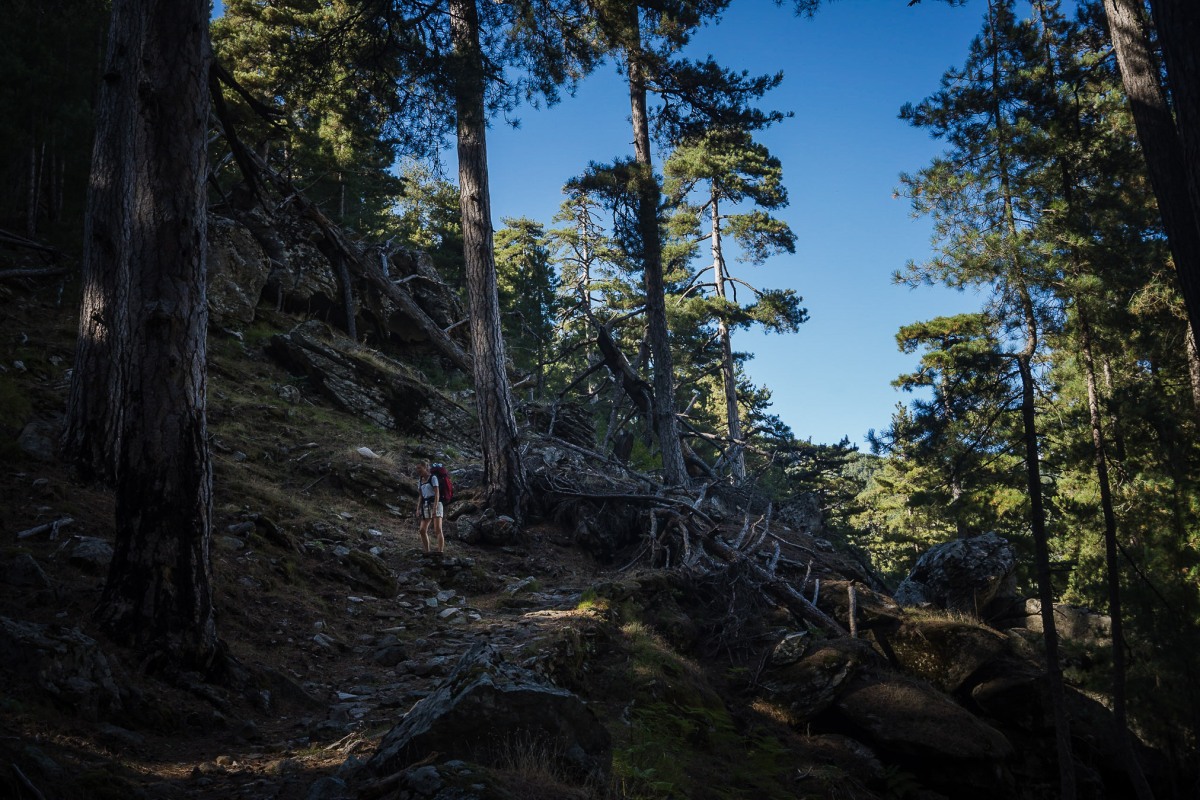
On the first day we followed the Mare a Mare route to the Refuge de la Sega. A good full day of hiking where we met close to no other people on the trails. There were a couple of wells so we could refill our bottles on the road.
Corsica_LL_39_DSC09480

Corsica_LL_40_DSC09484

At the refuge there were very few people since it was at the end of the season. We got the typical mountain food: starter with cheese, salad and bread and pasta for the main course. In the other refuges we also always got exactly the same food… so after four days we were totally saturated of this.
Corsica_LL_41_DSC09486

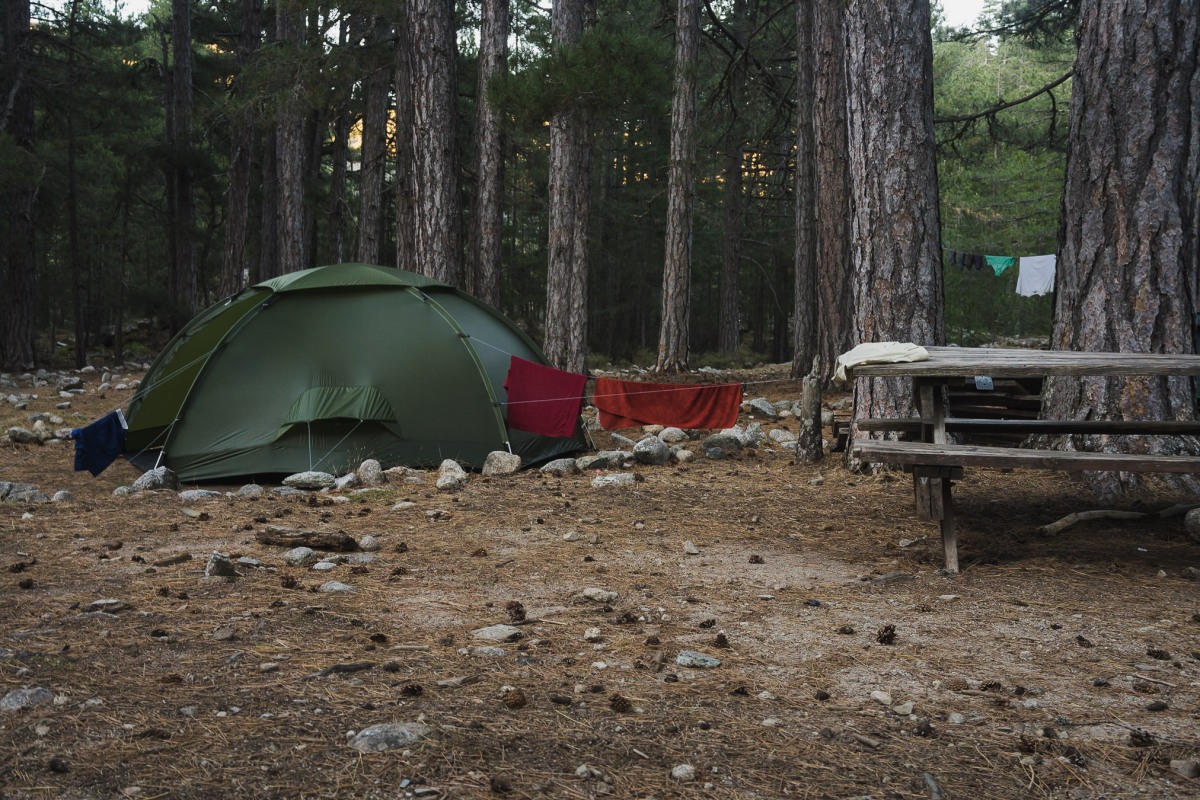
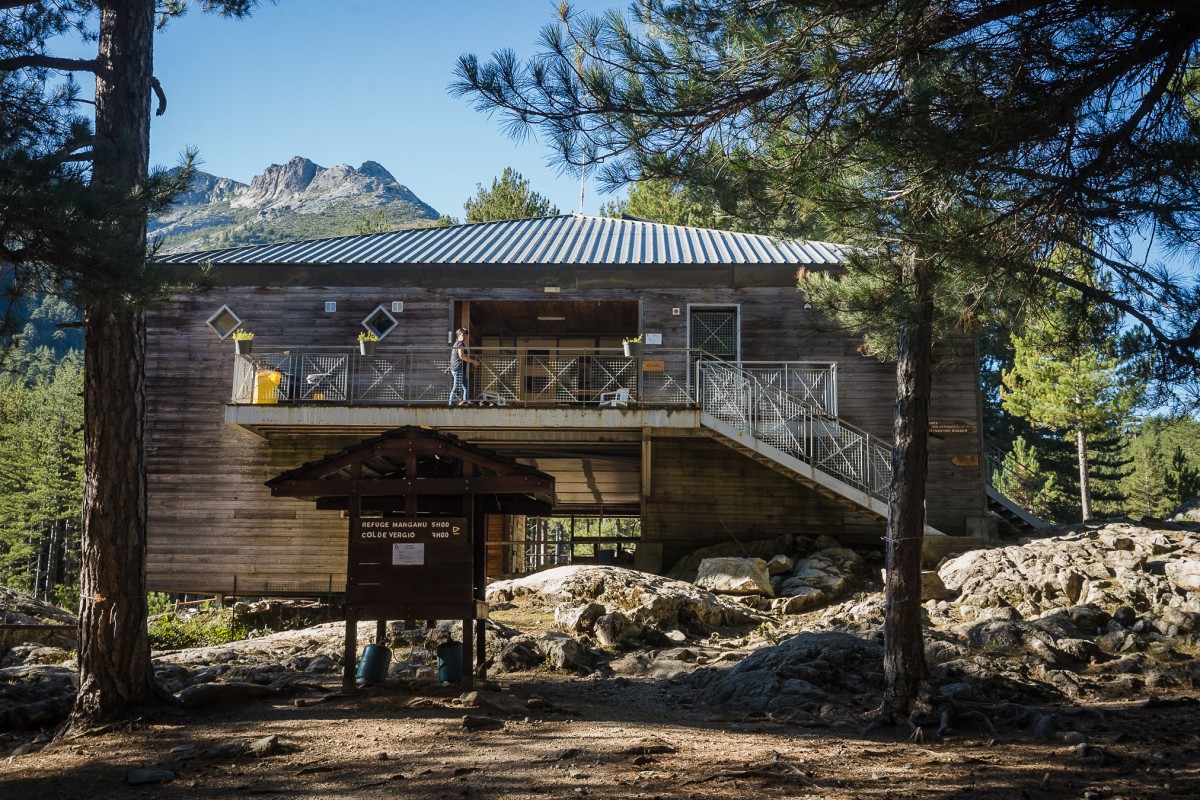
On the second day we continued until the Bergerie de Vaccaghia where we had a late lunch. From there we continued on the famous GR20 to refuge de Manganu, where we set camp for the night. On the GR20 there’s a lot more hikers, so even at the end of the season the campsite was rather full and we heard that all beds were booked.

Corsica_LL_42_DSC09492

Corsica_LL_43_DSC09522

Corsica_LL_44_DSC09527

Corsica_LL_46_DSC09556

Below you can see refuge de Manganu and the campground around it. This was before most of the other hikers arrived and setup camp.Corsica_LL_47_DSC09564

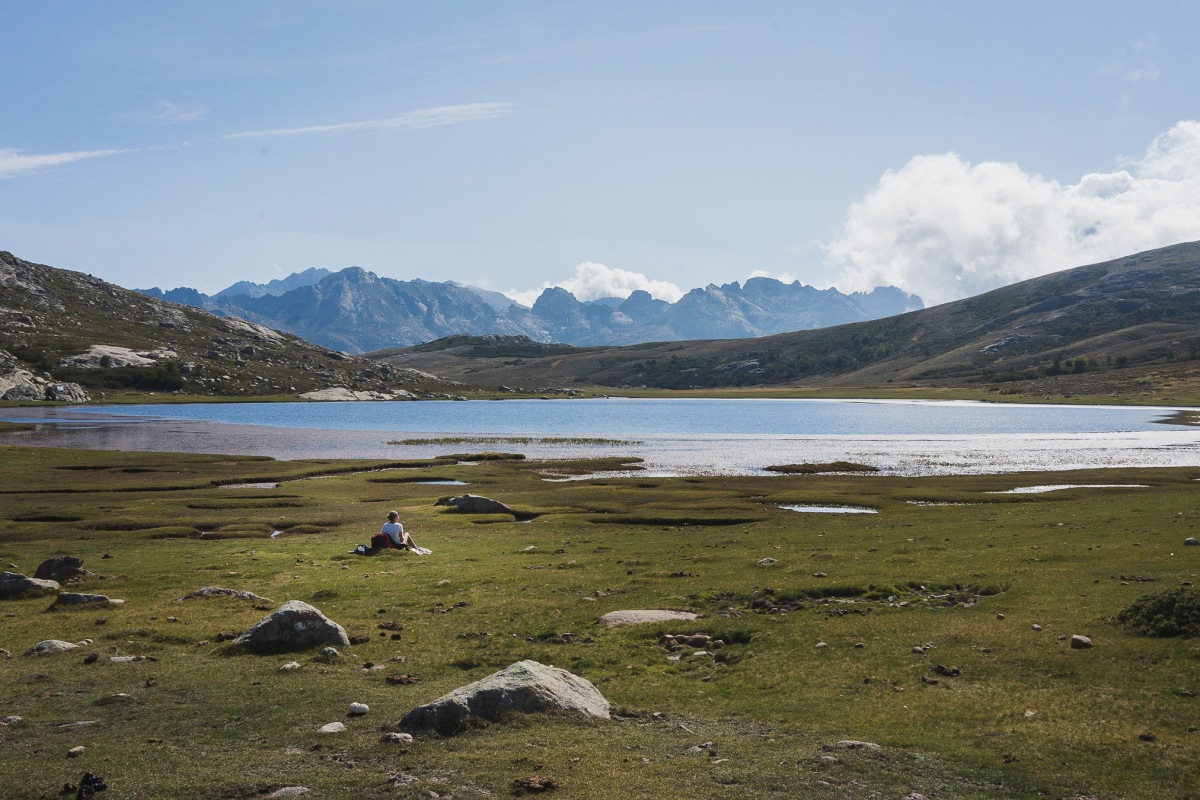
On the third day we left our tent and heavy gear at the refuge de Manganu, and just made ourselves a daypack to hike to Lac de Nino and surroundings. With a book and a good picknick we had a bit of a more relaxing day.
Corsica_LL_48_DSC09591

Corsica_LL_49_DSC09602

Corsica_LL_51_DSC09609

Corsica_LL_52_DSC09619

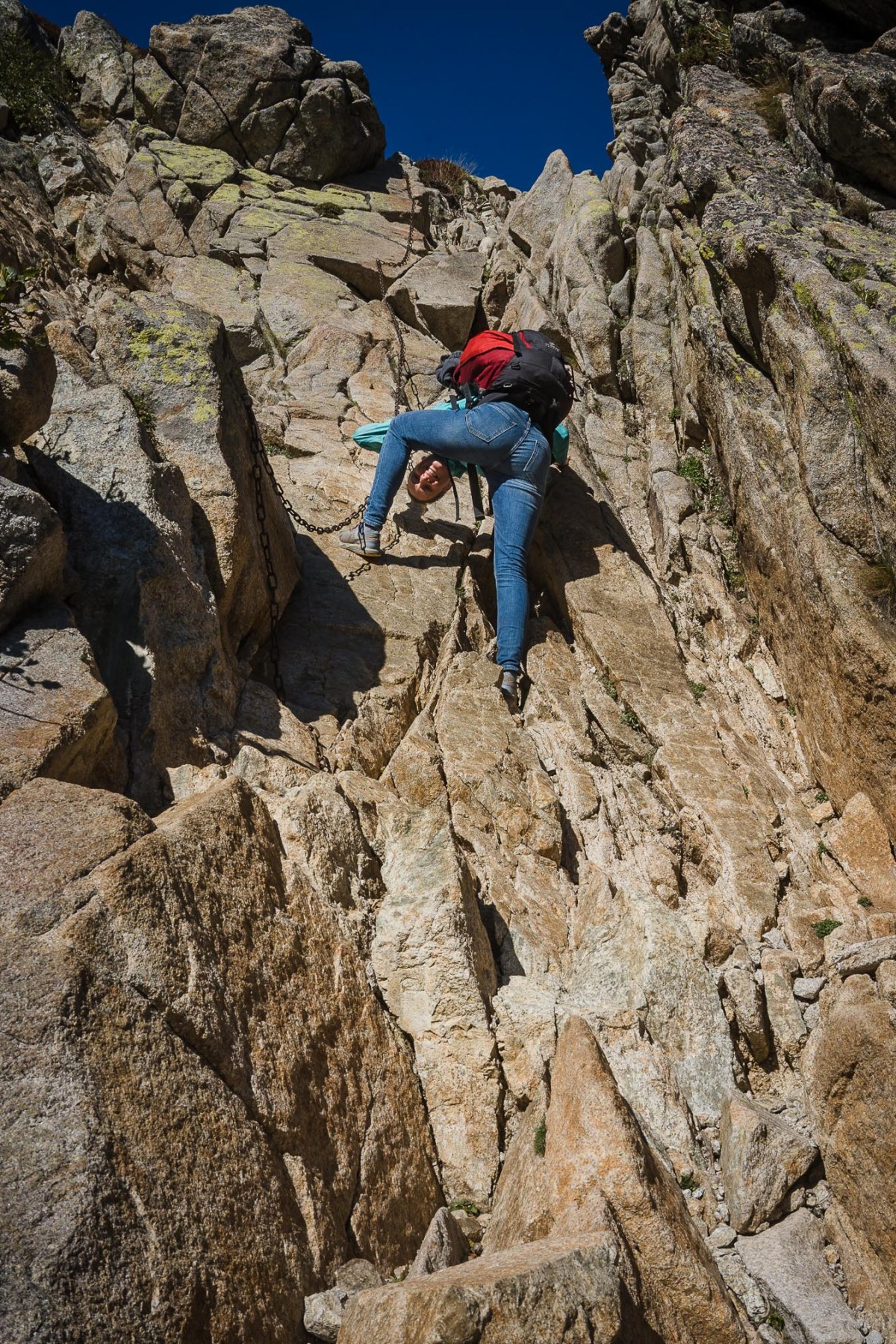
On the fourth day we woke up before sunrise to pack our tent and start early for the most technical hiking day. That way we were before most of the other hikers and could take our time and have a bit of space whenever we had to climb over dangerous bits of trail.

Corsica_LL_54_DSC09636

It was sure challenging multiple times and some slopes were rather steep with very deep gorges on the side. So I’dd rather not do this part of the GR20 with heavy rain or snow (which apparently does happen often, even sometimes during the summer!).

Corsica_LL_55_DSC09637

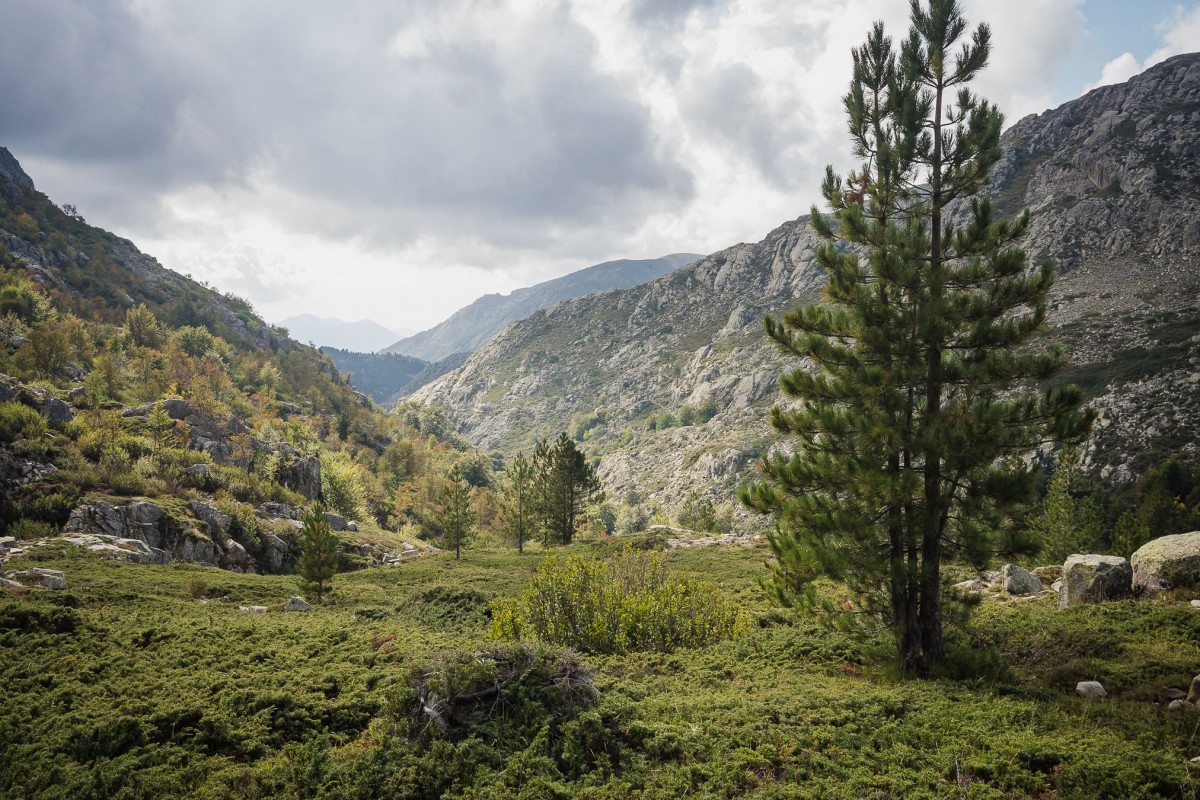
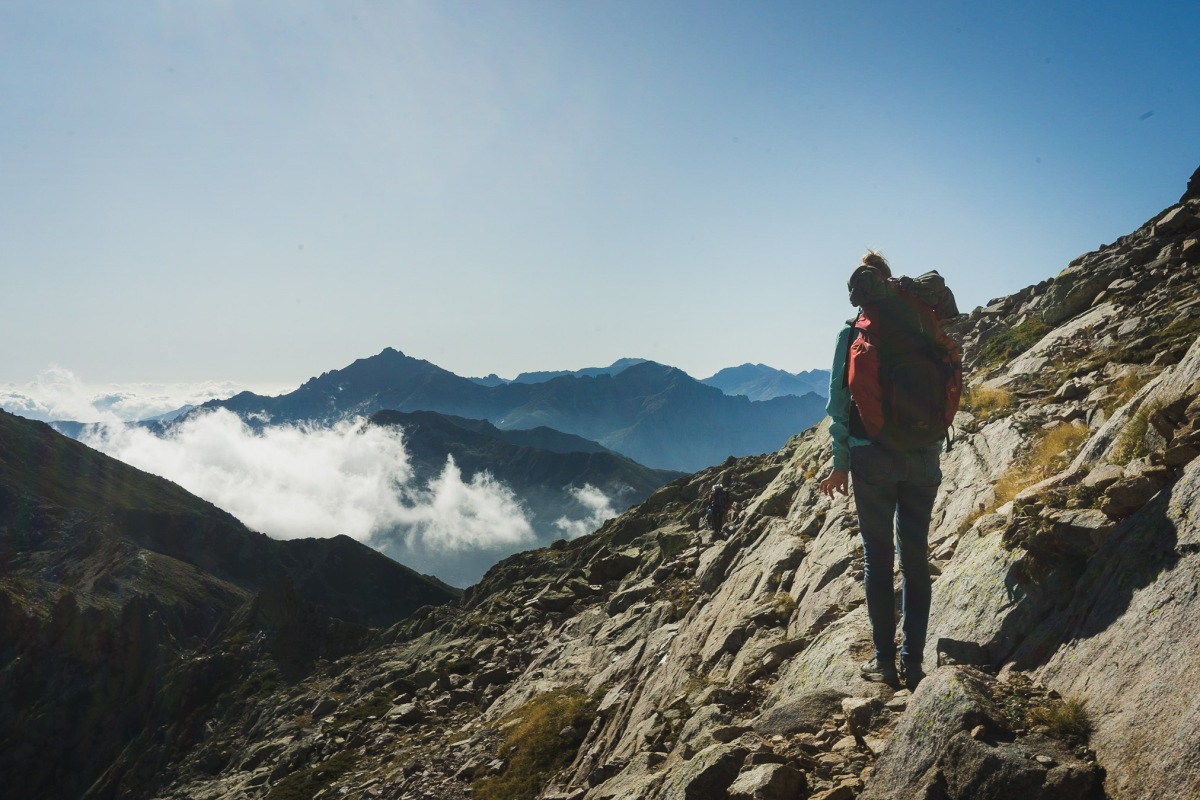
Reaching the mountain pass was impressive, and from there you have a view on the two big lakes far down the mountain: Lac de Capitello and Lac de Melo.

Corsica_LL_57_DSC09671

Corsica_LL_58_DSC09674

Corsica_LL_59_DSC09680

After four good days of hiking it was nice to go back to civilisation.

Chapter 4: The West

Calvi – Porto – Evisa

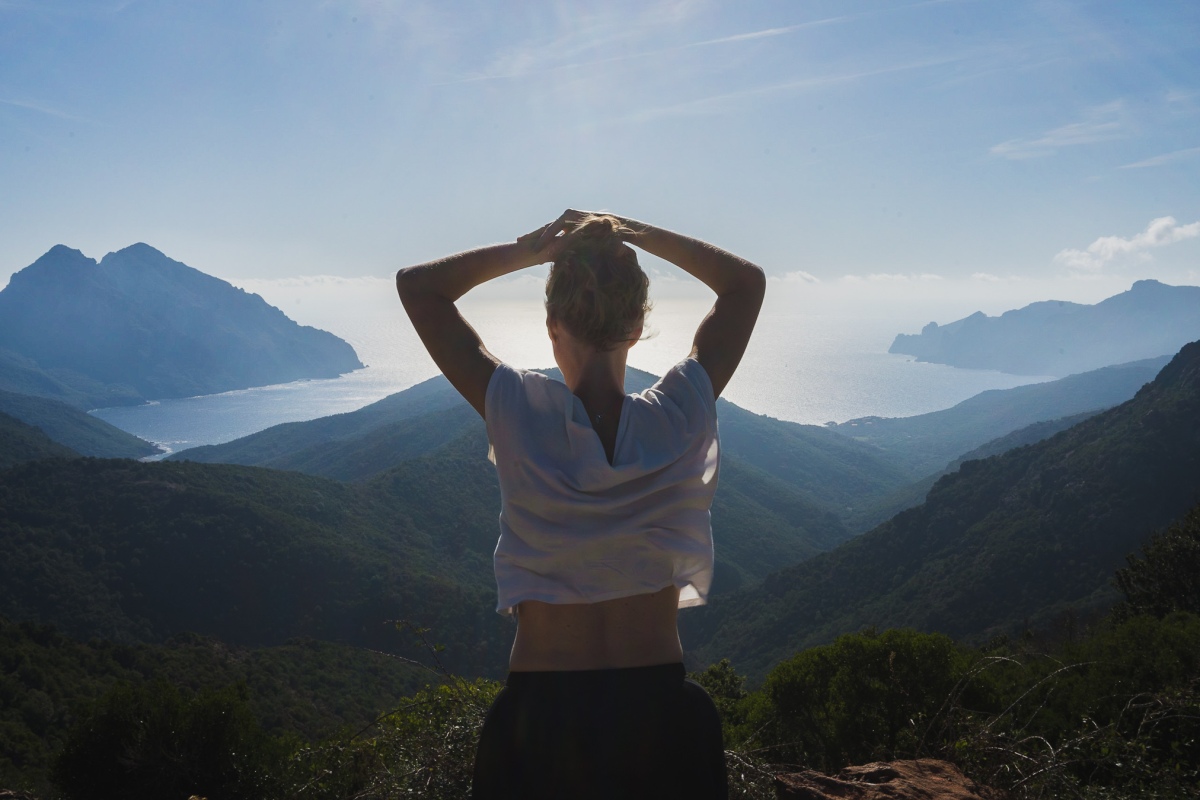
We took the train from Corte to Calvi and stayed the night at a good hotel with a nice swimming pool (Hotel Le Saint Erasme). Close by we found a must-go restaurant: U Fanale. The menu was not that expensive and having a candle light dinner under the big tree on the terrace feels like true holidays.
Corsica_LL_61_DSC09728

With our rental car we drove to Porto Ota. There we stayed at another nice campsite Les Olivers. We took another boat trip from Porto Ota to see the nature park of Scandolla. This place can only be visited by boat since it is a nature reserve where no people are allowed in.

Corsica_LL_63_DSC09813

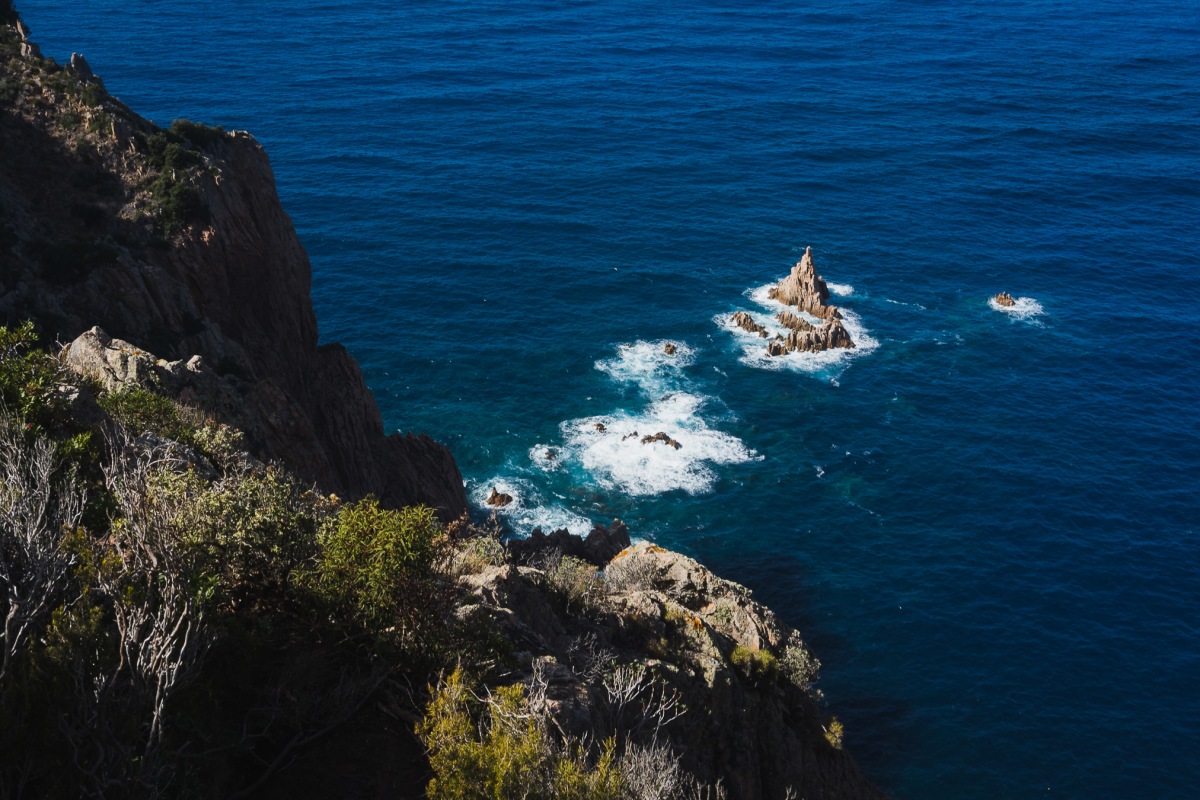
The day after we took a good hike to Capo Rosso. If I’m not mistaken it was 2 to 3 hours to get to the famous Genua tower.
Corsica_LL_65_DSC09898

Corsica_LL_66_DSC09902

Corsica_LL_67_DSC09923-SmartPreview-Pano

Corsica_LL_68_DSC09938

To then drive to Cap Corse we chose to cross the island and spend the night in the small mountain village of Evisa. We stayed at hotel Aitone… which was as friendly and funny as the Fawlty Towers hotel you know from the old days on BBC.
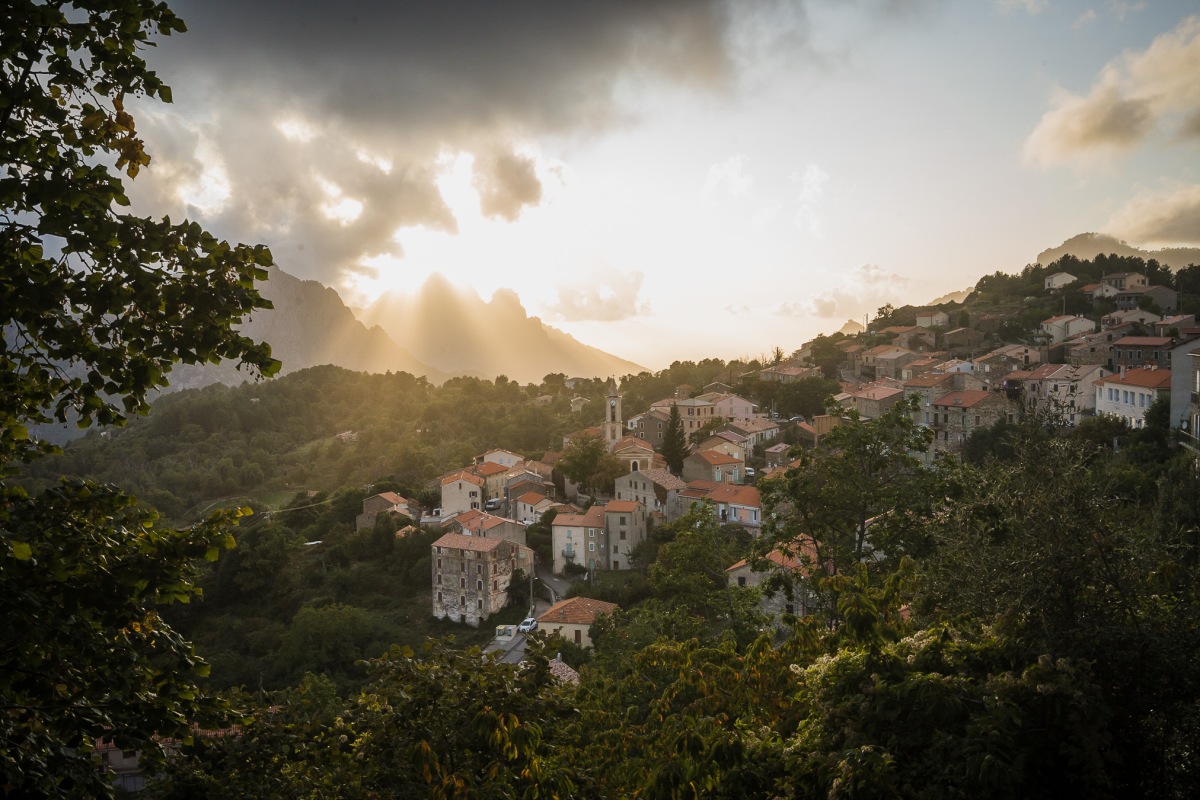
Corsica_LL_71_DSC09990

Chapter 5: Cap Corse

We saw Cap Corse as a good road trip of two days, where we crossed for Evisa to Cap Corse to Nonza and Ile-Rousse.

On the road it was our turn to take some (local Corsican) hitchhikers and get to know the small villages in the mountains around Sisco. Strolling around we visited the small roads, huge villa-like family graveyards and enjoyed the views on the sea.
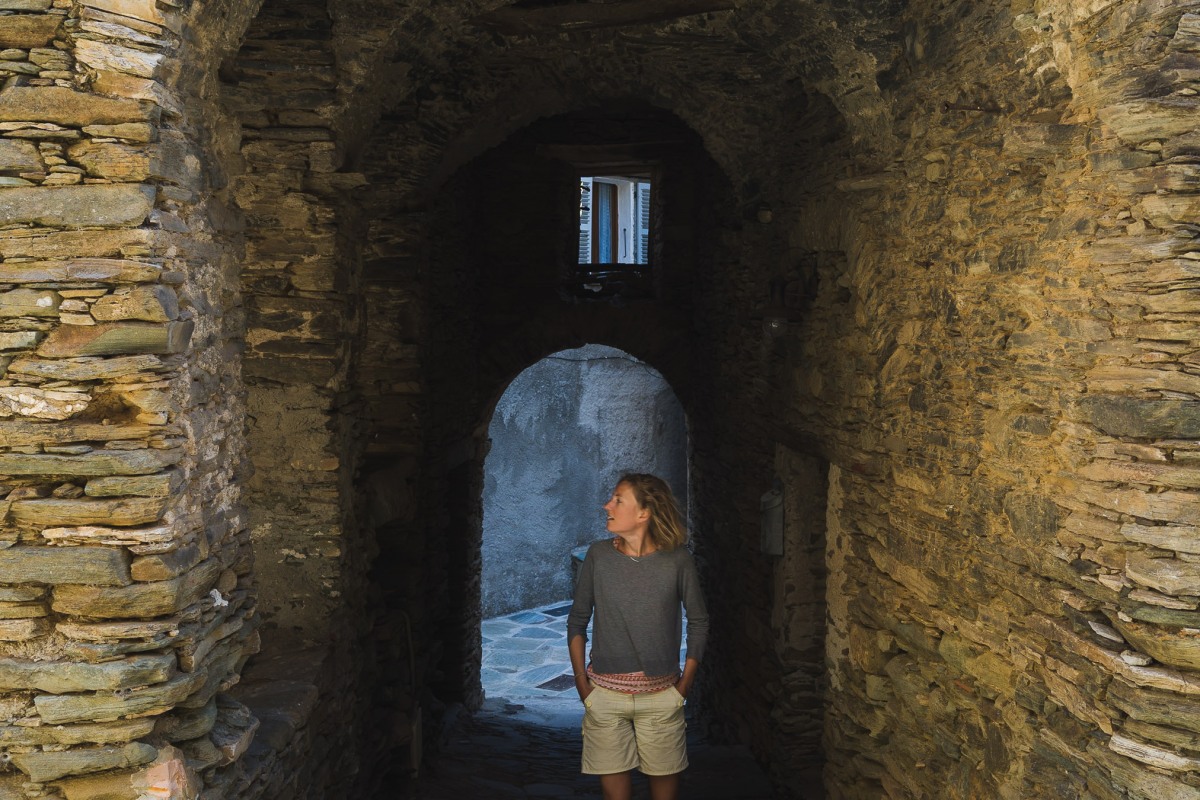
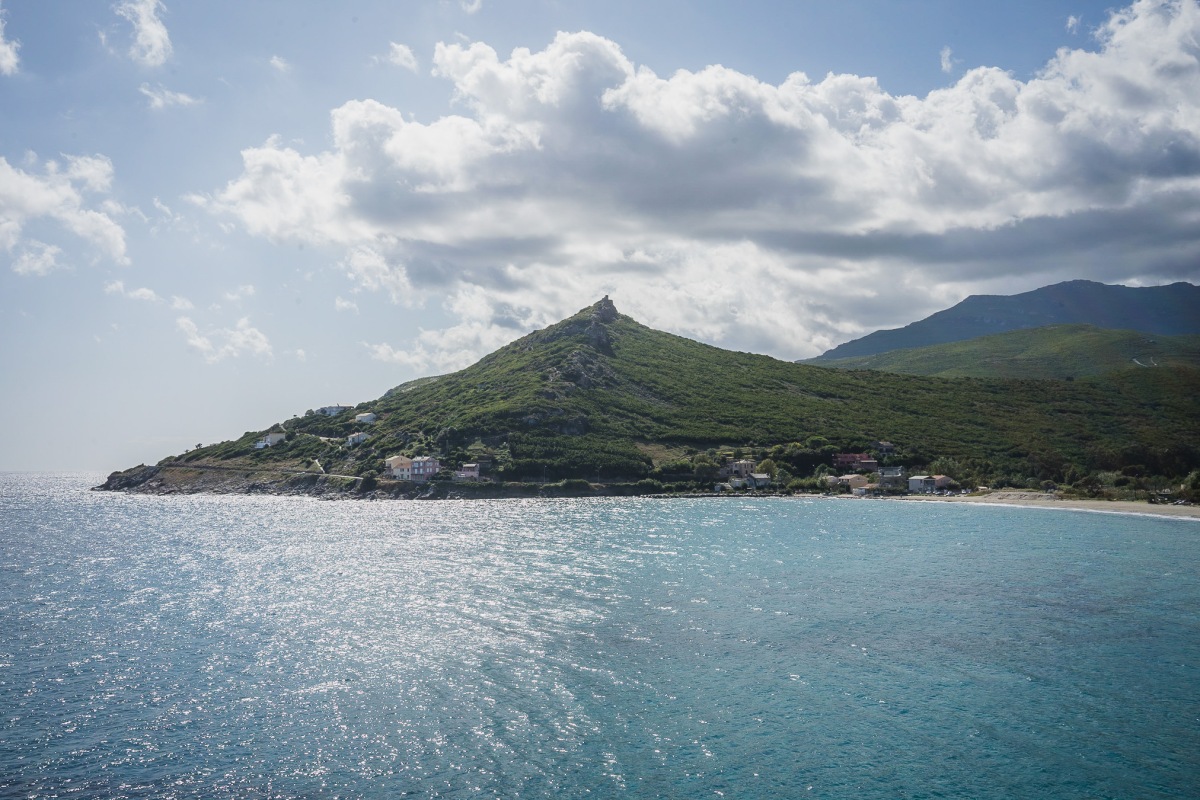
Corsica_LL_72_DSC00025

Corsica_LL_73_DSC00028

Corsica_LL_74_DSC00063

Afterwards we took a bigger hike at Plage de Tamarone and had a good salad lunch at ‘Sporting bar’ under the plants in the harbour of Centuri. We took another walk in the village of Pecorile.

After multiple hours of driving we finished our day in Nonza. We stayed at a superb small bed and breakfast called Casa Lisa. This was by far the most beautiful Corsican house we stayed at during our trip. We had a small sandwich/cheese platter dinner with the locals on the cosy terrace of Cafe De La Tour. During the season the restaurant of La Sassa is supposed to be a good one with impressive views… but that one was already closed for winter at the end of September.
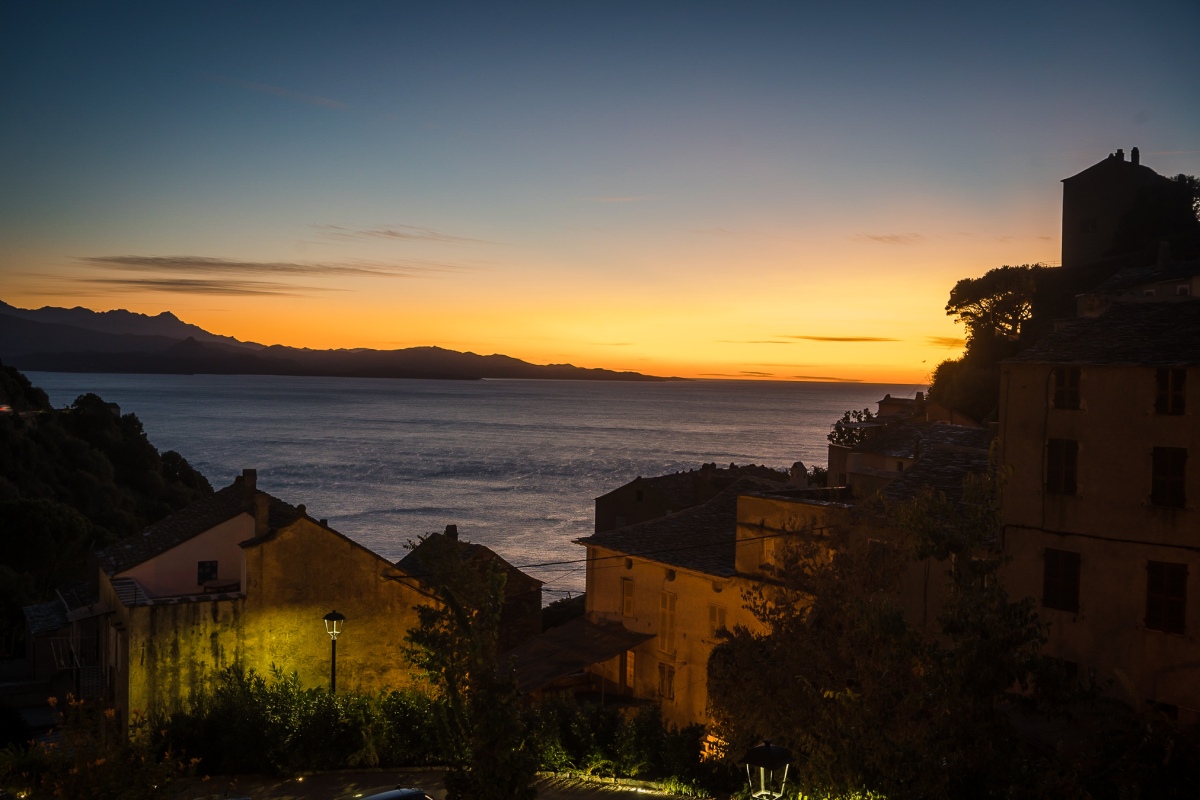
Corsica_LL_75_DSC00083

Corsica_LL_77_DSC00100

After breakfast on the terrace of the B&B we continued to Saint-Florent for lunch in La Vista (the city itself is not that special). In Ile-Rousse we did a bit of walking and had some good food at L’Escale.

Chapter 6: The boat

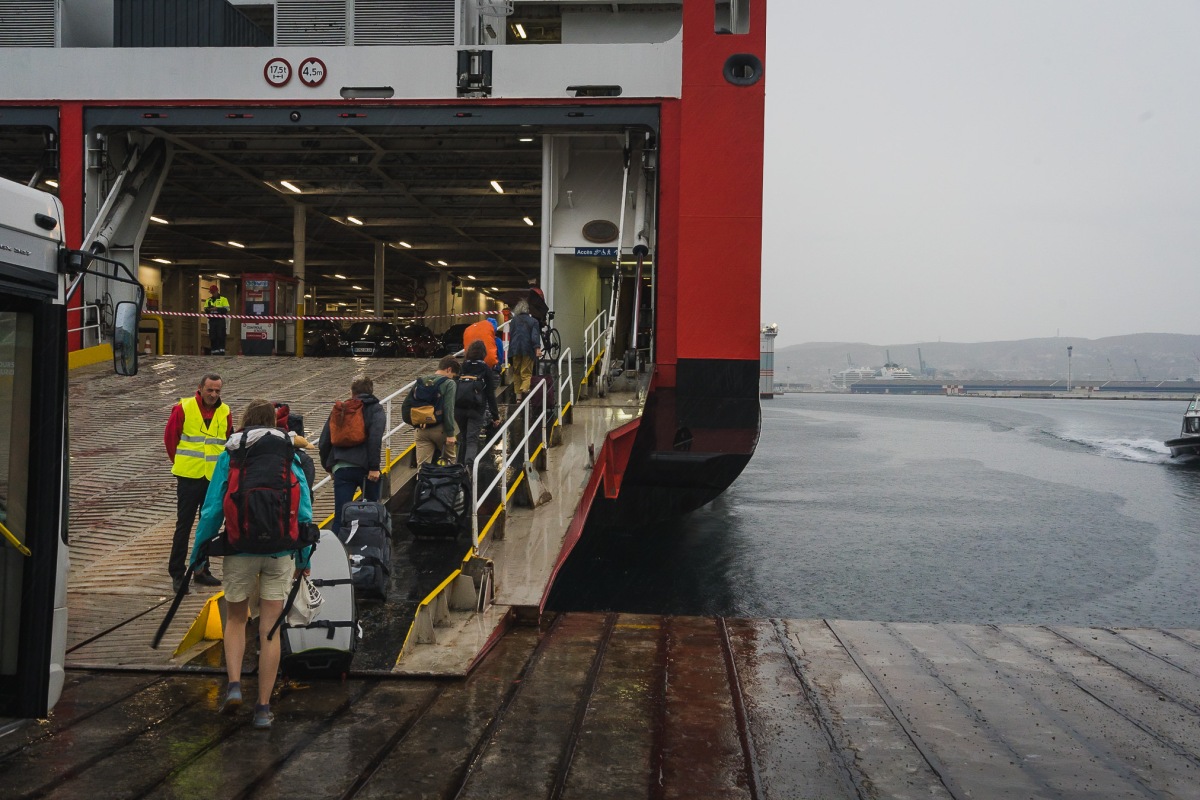
To go back to Marseille the next day we took the night ferry again. The famous Corsica Ferries and Corsica Linea boats go up and down between mainland France and Corsica (and some from Italy). They go extra slow so that you have enough time to take dinner on the boat in the evening, can have a good night of sleep in one of the cabins and have an early breakfast before arriving.

Try to imagine a completely out of date interior, possibly a live bar with maritime copper elements and foreign soldiers drinking cocktails or whiskey at the bar. The impressive charm of long lost days of glory is endless on board of these boats.
Corsica_LL_01_DSC08869

We are still waiting to get a 220 EUR refund of the taxi we had to urgently take from Ile-Rousse to Bastia… They decided to change the hour AND city of where the ferry would leave, because of weather conditions. They send us an email a couple of hours before (that we did not see on time) and they did not call us at all. They arranged a taxi for us that they promised to pay back… but so far they decline to pay back.

Corsica_LL_79_DSC00124

Corsica_LL_05_DSC08953

We took some drinks, but preferred our own fancy picknick with good bread, houmousse, olives, cheese and wine over the average but overpriced boat meals. So make sure to buy some good quality food before boarding.

We booked a cabin for 2 with a bathroom and shower…and honestly, you have all the comfort you need. Just make sure to take your earplugs since the boat engines or vibrations can be heard at night.

Corsica_LL_80_DSC00165

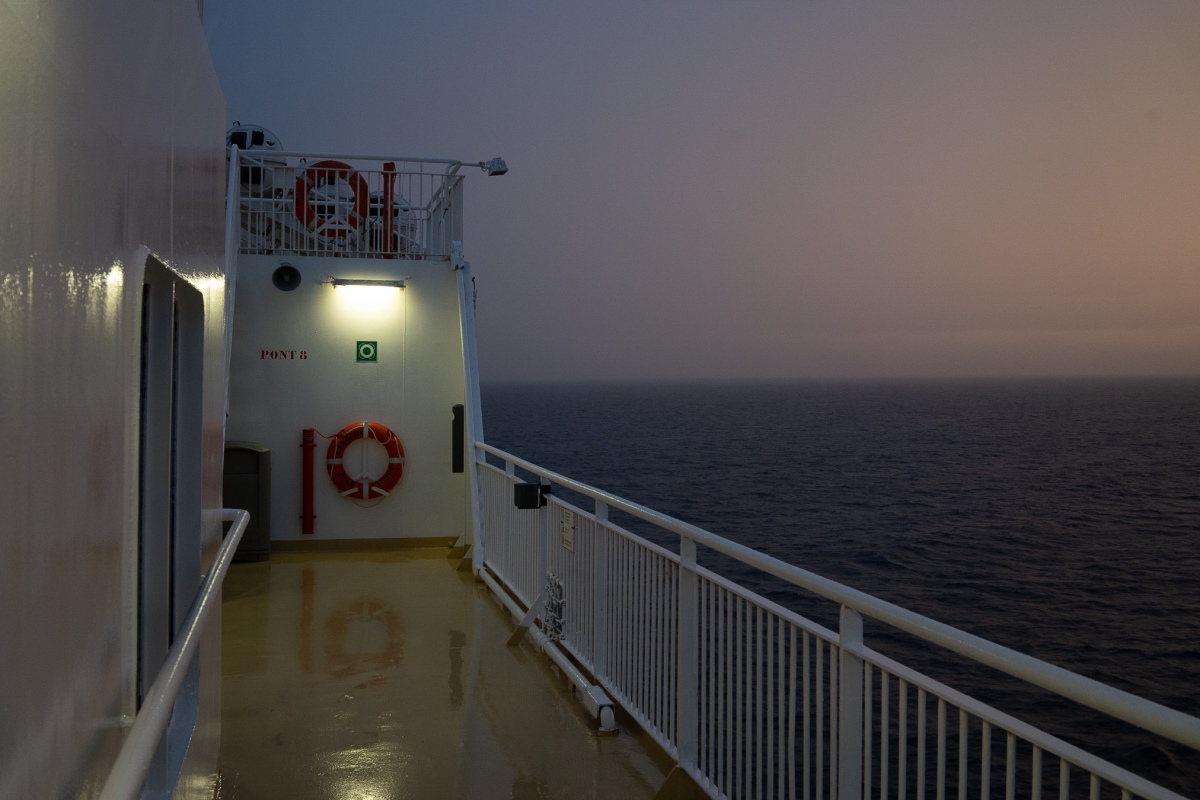
Nothing nicer than an early sunrise at sea after a good night of sleep.
Corsica_LL_07_DSC08969


Biketravel from Ieper to Boulogne-s-Mer

Looking for a nice bike trip to the sea? The roads from Ieper to Boulogne-sur-Mer take you through flanders fields, green valleys and impressive views on the sea. We took this trip together with Louis’ cousin Olivier whom grew up in Poperinge.

On Friday evening we took a direct train from Brussels-South station to Ieper. If you take a regular bike you just need to pay a 4 EUR ticket for your bicycle and try to catch the train responsible to see where you could best park your bike. In the newer trains there’s a dedicated spot with a special door for bikes and wheelchairs only, in older trains you might have to lift your bike up high and park it in the entrance of the train.

To go from Ieper to our camping spot on the Kemmelberg we took some detours, drove through the village of Kemmel, the park with the city hall and had dinner on the terrace of De Hollemeersch. We pitched our tent into the wild and enjoyed a good night of sleep (50°46’29.9″N 2°48’05.9″E).

DSC02257

On saturday morning we bought our breakfast in the old bakery “d’ovetote” in Dranouter, where they still make bread in a wood based oven. And of we went into France: Belle, Hazebroek, Ebblingem, next to the water to Arques, a flat tier and then to Saint-Omer for lunch in the rue Louis Martel.

DSC02322

After that the trip continued through the fields and woods all the way to the coast of Boulogne-sur-Mer via Coulomby and Bournonville. This route was mainly on double roads where you can advance well, but you share them with quite some cars. So for the way back we proposed another (way more calm road).

DSC02408

DSC02364

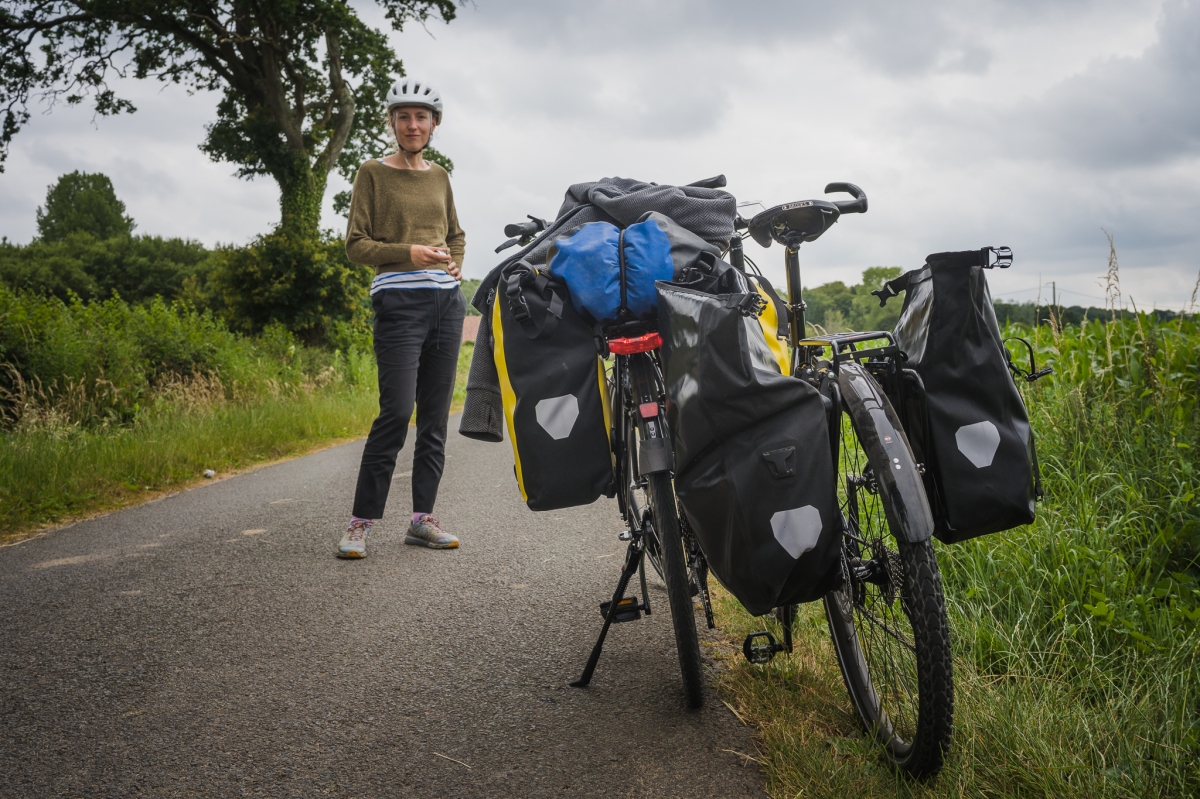
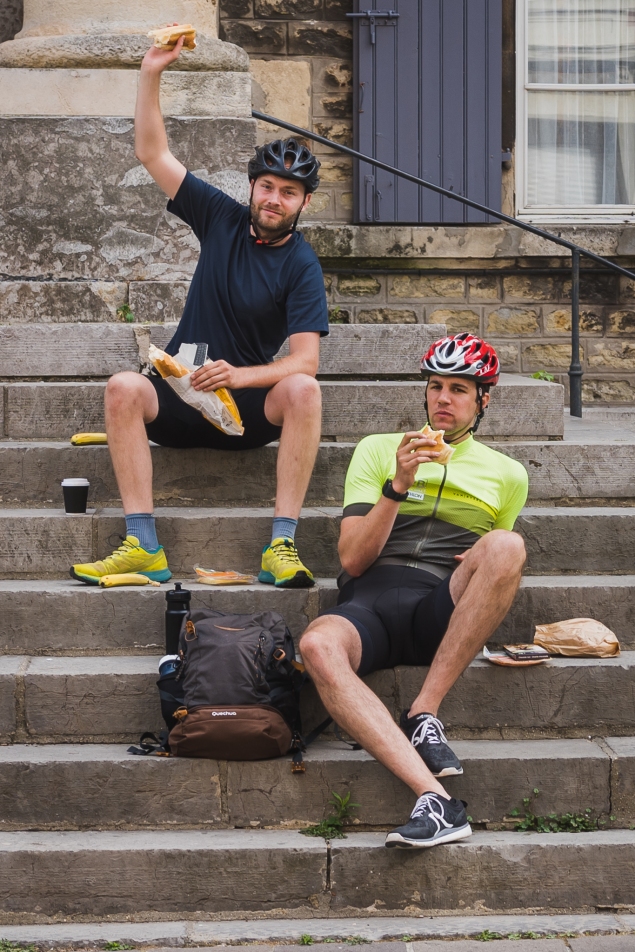
A good brake to eat bananas + muesli bars and drink liters of water is of course mandatory. And Tine was enjoying it!

DSC02385

Since we did not really do a lot of preparatory route planning, we searched on google maps on the way where we could take the smaller routes and enjoy driving through the fields, in between the typical hedges next to the road.

DSC02392

And while approaching Boulogne-sur-Mer the impressive tower of the cathedral is welcoming you. Just before reaching it you enter the fortified city center into the narrow streets. It’s a beautiful old city center worth taking the time to visit.

DSC02419

…but since we wanted to camp we did not stay there, but continued another couple of kilometers to camping Phare d’Opale Tohapi. The road google maps sent us to, did not exist, so we headed to the beach to drive (big tires) / pull (thin tires) our bikes to the next road.

DSC02434DSC02436

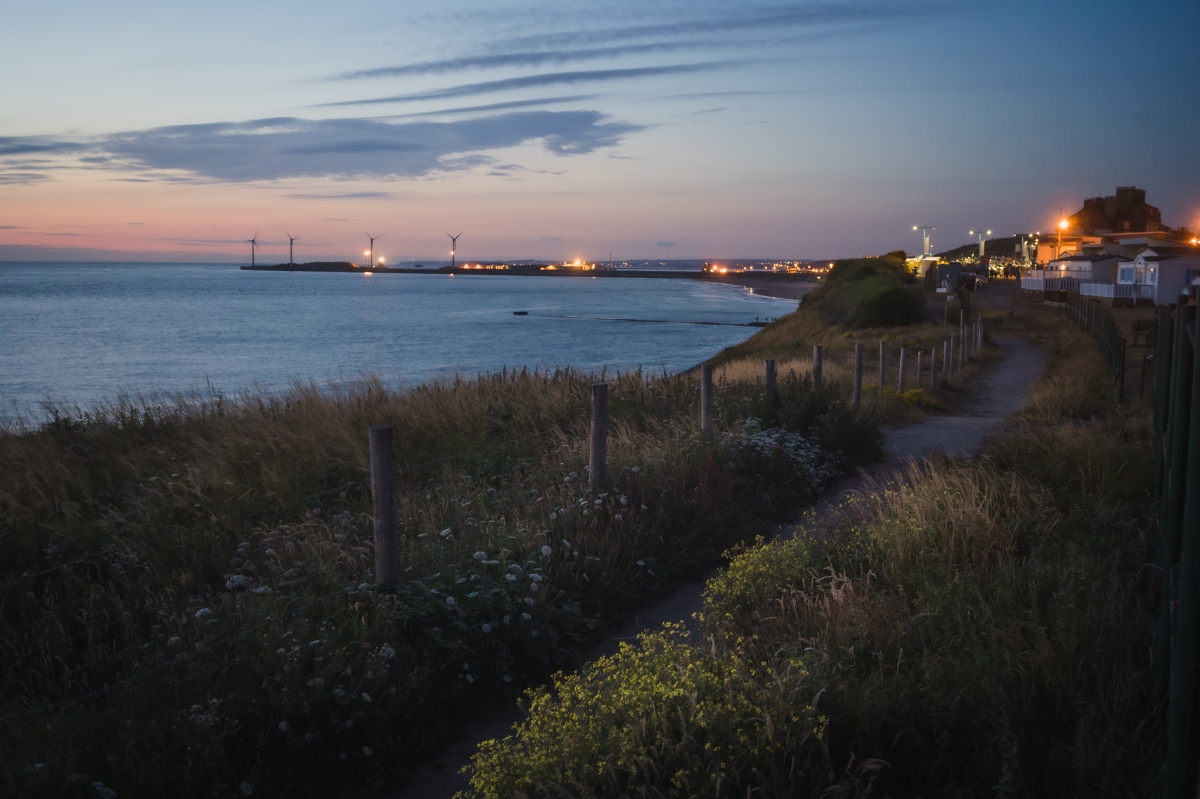
The campground itself is rather a trailer park, so nothing special, but on the side there’s some camping spots with a 5-star view to the sea and village (picture below). Good enough for a safe camping spot and a good shower. After a little more than 110km we pitched the tent, skipped the shower and went for aperitif!

DSC02517

The village of Le Portel is not the most beautiful one, based on a meters high concrete dyke that could survive every climate change water rise, but it had some good restaurants and nice atmosphere.

DSC02461

The seafood restaurant to go to is “Le Portelois”, it has a cosy terrace on the dyke and good food! No tourist trap here.

DSC02482

By coincidence we were there on the evening before the 14th of July festivities, and thus shared the village with thousands of other French people that were celebrating.

DSC02494DSC02544

It seems like 14th of July (Bastille day – the French national holiday) is celebrated as intense as new year, with impressive fireworks that lasted way too long.

DSC02603

On Sunday morning we bought a good baguette and cheese to have breakfast in the old city center of Boulogne-sur-Mer. Tine had her coffee, and so we were well prepared for another 100km back to Poperinge.

DSC02642

We were expecting google maps to send us back on roads with cars like the day before, but we got a slower and way more beautiful route proposed. It was a blast: small grass and stone paths through fields and valleys, from village to village! In short we took the following route. Passing by Liques, Tournehem-sur-la-Hem, Nordausques, Volkerinkhove, Wormhout, Herzeele, and Houtkerke on the border between France and Belgium.

We celebrated 14th of July with free lunch and beer from the villagers of Tournehem-sur-la-Hem.

DSC02674

A good drinking / evacuation break once in a while, combined with a short prayer on the road, gave us enough energy to continue.

DSC02759

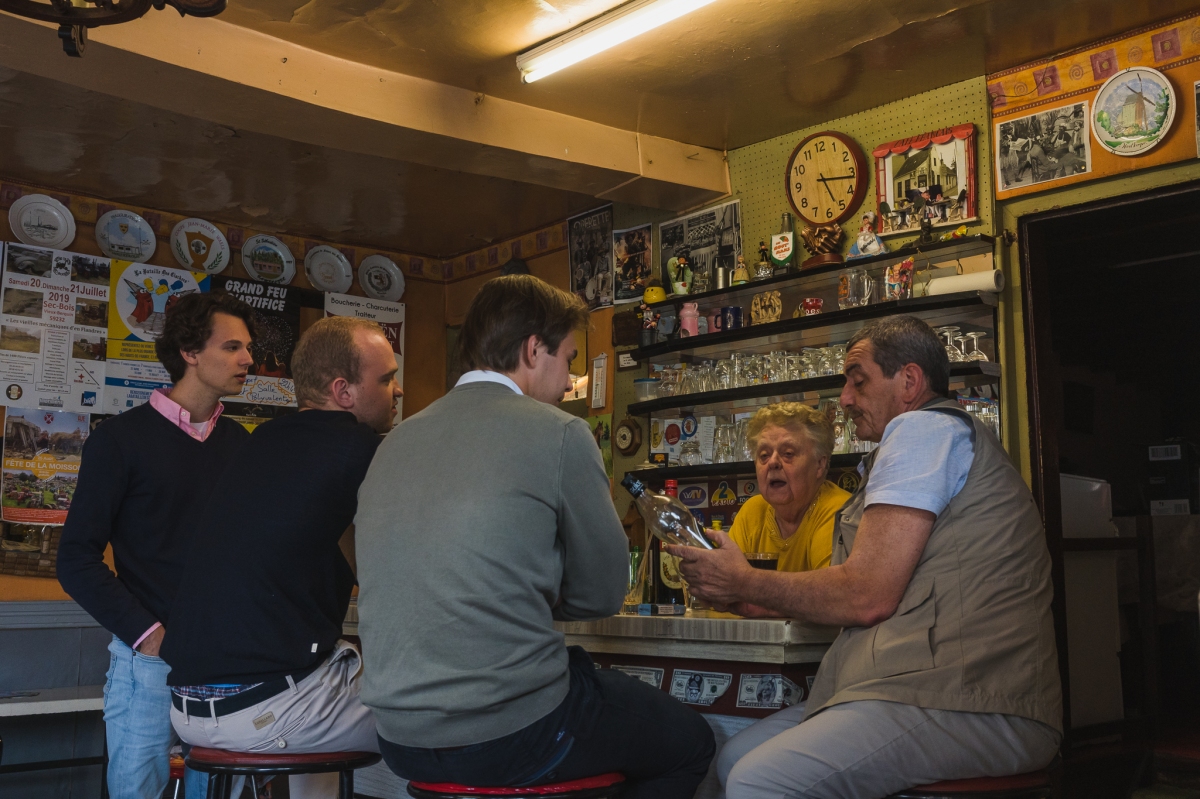
We never saw more flemish lion flags than in the North of France, also called “Flandres”. All the villages there have really flemish names. The older local villagers in that part of France speak West-Flemish and French, a very odd thing to discover. And no better place to discover this than with a Picon in the bar of Gisele in Houtkerke. The bar got stuck in time somewhere in the fifties.  The owner is more than 80 years old and only speaks french patois or West-Flemish.

DSC02789

DSC02792

After a good lemonade we hit the road to Poperinge and finished our trip by taking the train back to Brussels later that evening. A nice and intense weekend. Don’t make this your first bike-tour, but if you’re used to some cycling this is an impressive trip!

DSC02799

The Sahara in Belgium

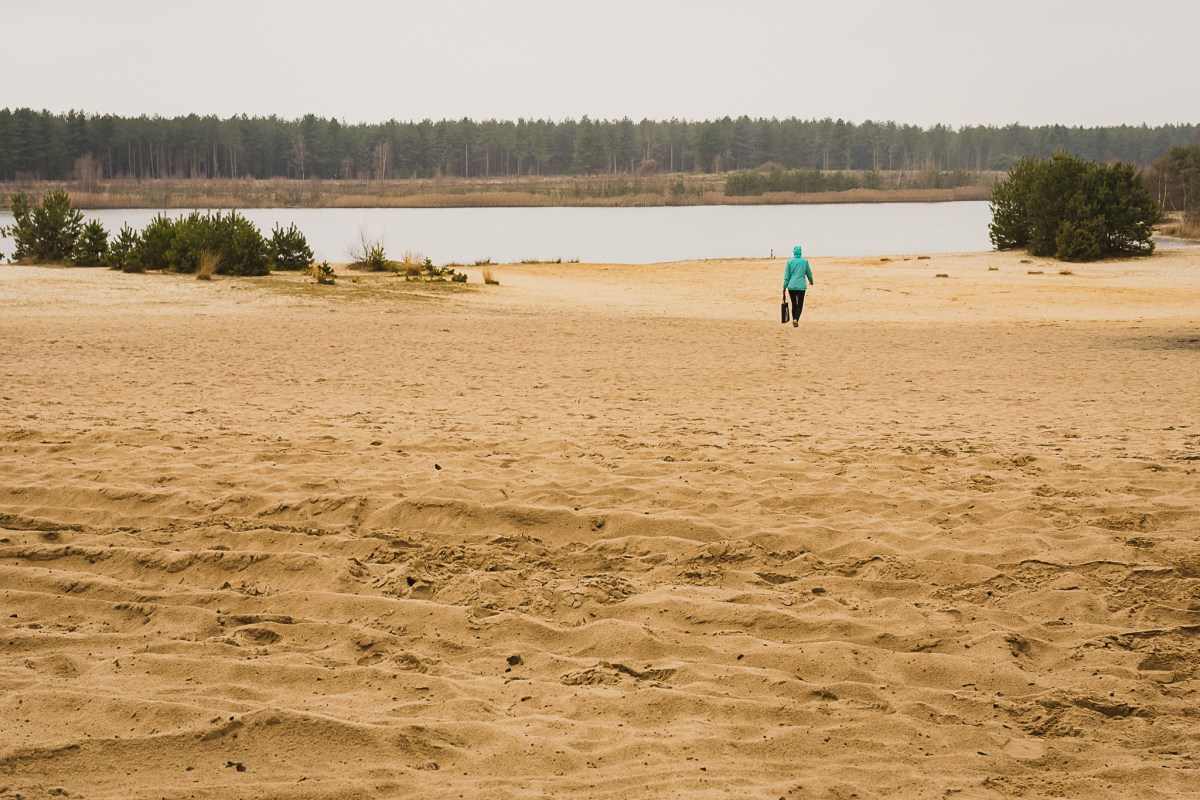
Lommel has a piece of nature that has been expanding like a desert and thus  looks like (a tiny piece of) the Sahara. Surrounded by Bosland it is a heaven for cycling or mountainbiking, hiking, horseback riding and hanging around. And if we’re this amazed with cloudy weather, a bit of sun would make it shine even more!

This bit of desert originally appeared in the early 1900’s after sand extraction and a neighboring zinc production plant that made almost all vegetation disappear. The woods were planted afterwerds to stop this piece of desert from expanding. Now it’s a nature park with lots of wildlife.

DSC04327

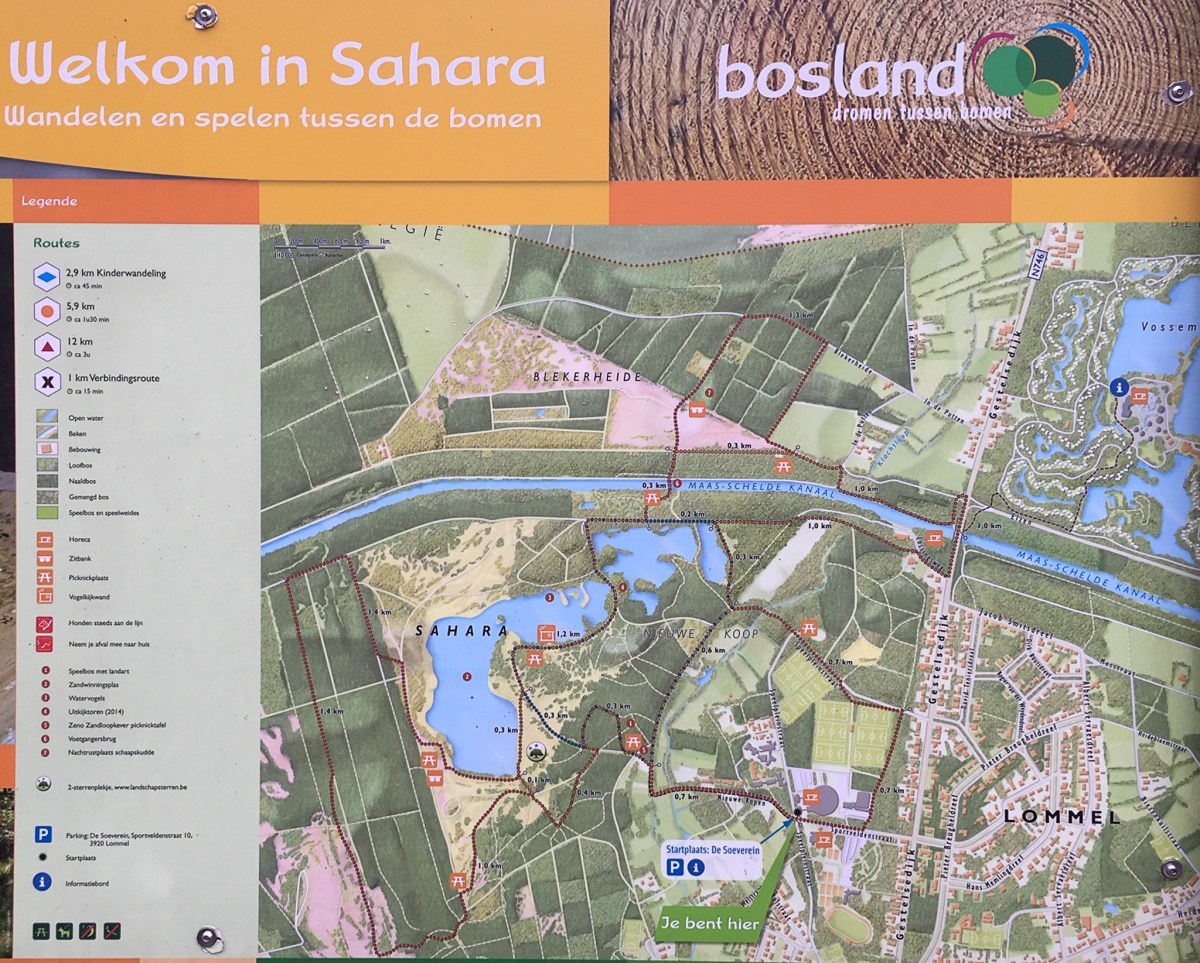
Lommel is a 1.5 hour train ride away from Brussels, but the Sahara park is another 15min by bike from the railway station… so taking your bike along certainly makes life easier.

It’s perfect for a weekend away…but camping seems illegal there, so we still need to find a solution for that. You can easily spend a day walking around in the nature park of Sahara and another day cycling around Bosland.

DSC04304

IMG_0755-2.jpg

DSC04361

It’s not all sand. A bridge crosses the canal into different kinds of “Heide” fields, so the hike does not get boring at all.

DSC04435

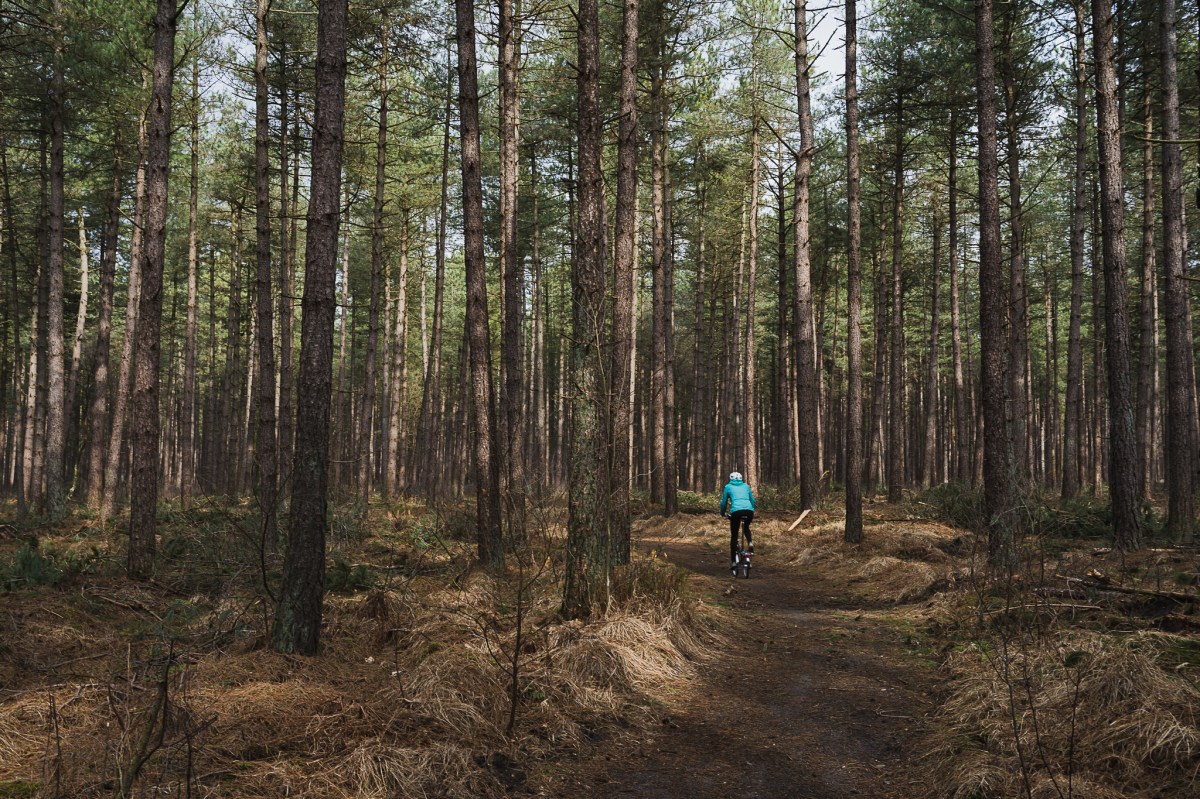
The whole Bosland is equiped with cycling lanes like the one below (but also off-road and hiking trails)… so it’s accessible to all, including wheelchairs.

DSC04451

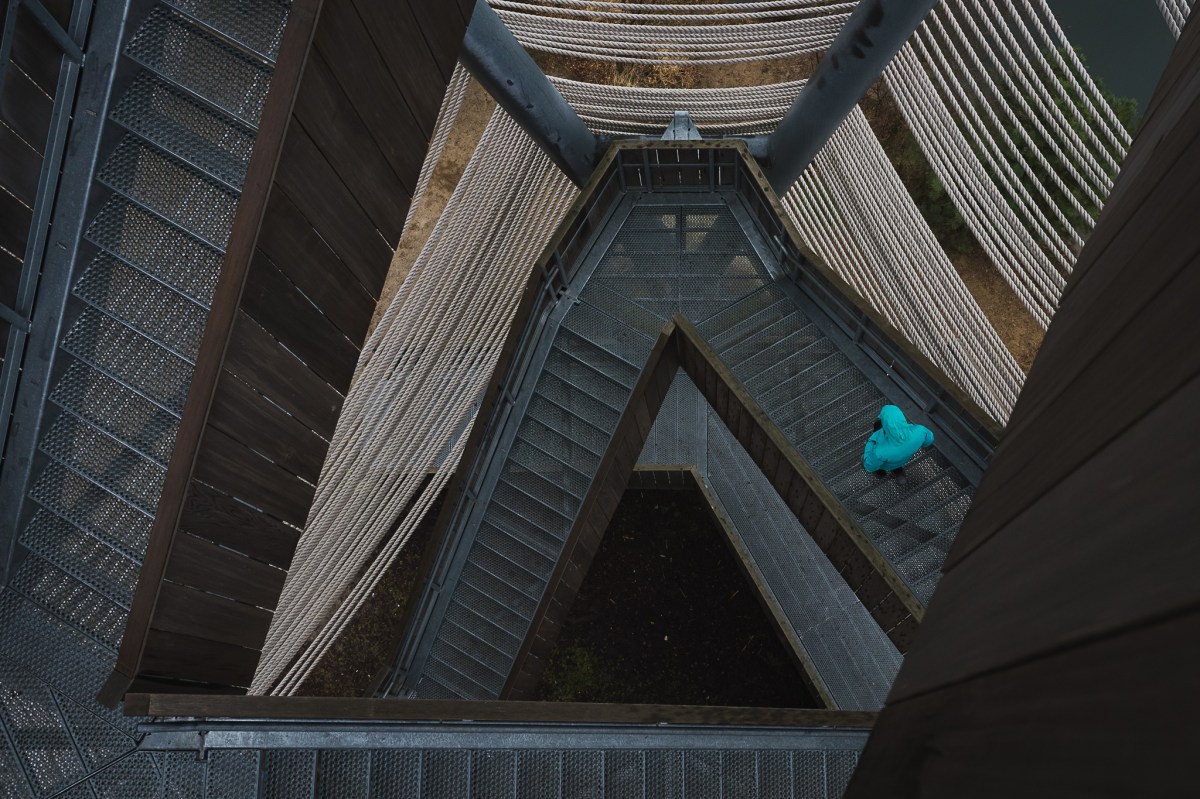
The watchtower in the Sahara is a must do. We were there in the afternoon on a cloudy day, but next time we want to stay there for sunset. Assured impressive colors and views.

DSC04464

DSC04512

DSC04533

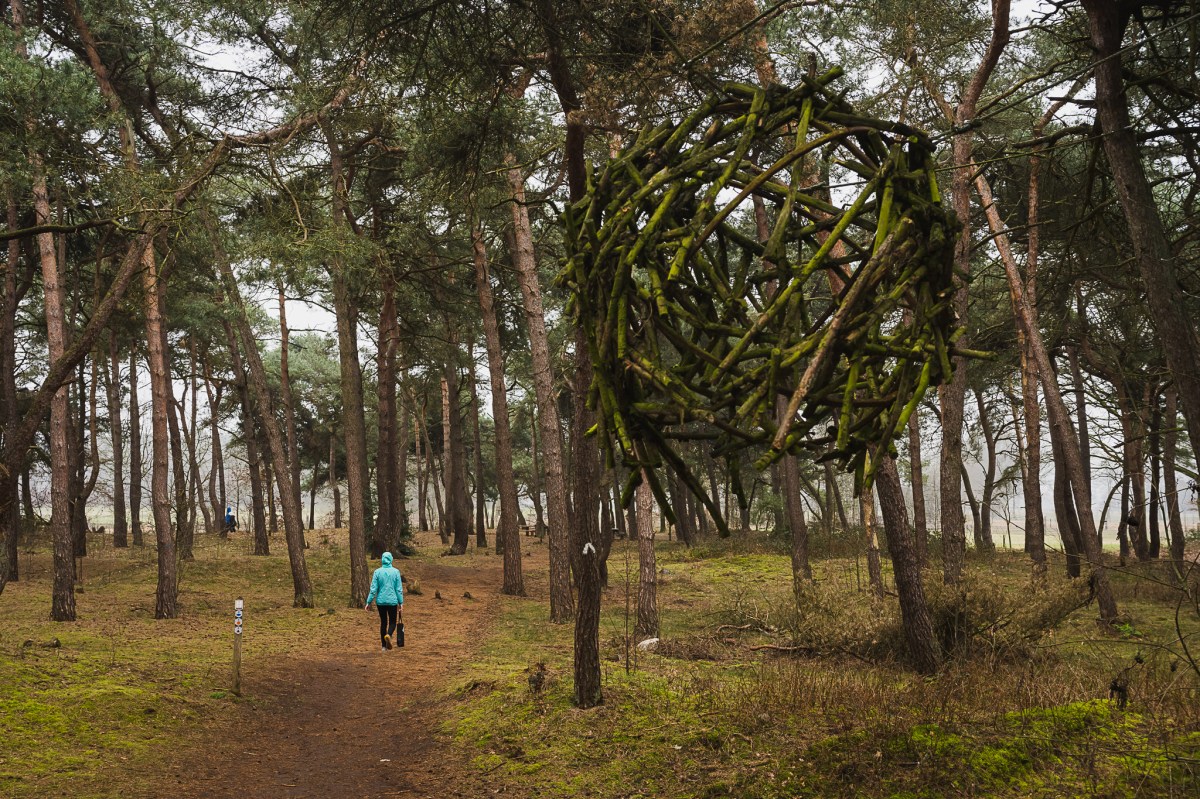
The artist Will Beckers made multiple installations throughout the woods of Bosland. His purpose is to create art that blends perfectly into nature without using conflicting colors or materials.

DSC04542

DSC04549

DSC04404

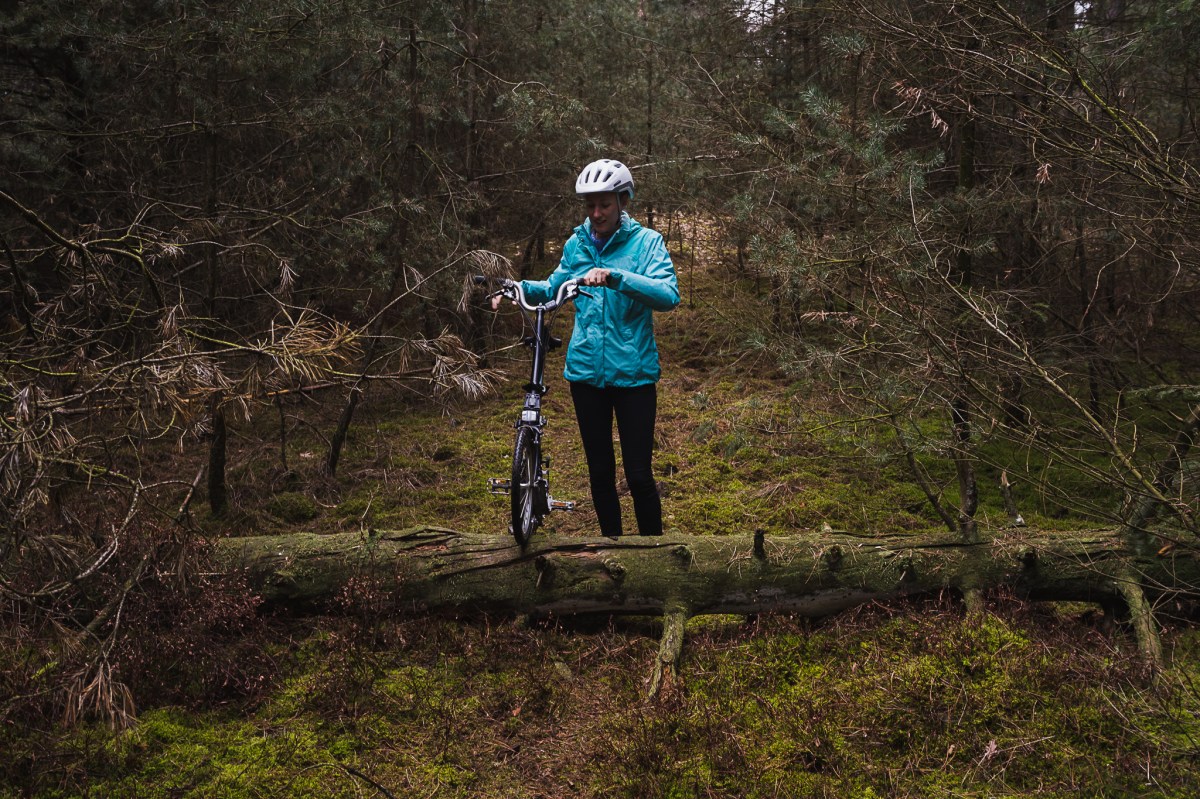
In bosland we did not follow a specific route but started by using the impressively nice cycling lanes through the woods, then ended up on one of the mountainbike parcours… and eventually crossing the woods off-road.

DSC04272

IMG_0756-2

DSC04263