
If you dream of immersing your family in wild nature, forging close bonds, and genuinely treading lightly on the earth—could a camper journey through Norway be your next adventure? For us, it was a test: could we spend a whole month traveling with our two kids, off the beaten path, using only HVO100 biofuel? Welcome to part one of our two-month camper parental leave—a journey blending slow travel, sustainable choices, and family joy.
Why Camper Trips with Young Kids are Perfect (and Perfectly Challenging)
There’s something special about camper life with kids: the flexibility to stop anywhere for diapers or naps, the freedom to picnic under a waterfall, and waking up together in a new place in nature every day. Our little rolling home gave us autonomy—each child with their own tiny locker, our own kitchen, and the ability to spend up to five days far from supermarkets with plenty of fresh and canned or dry food.
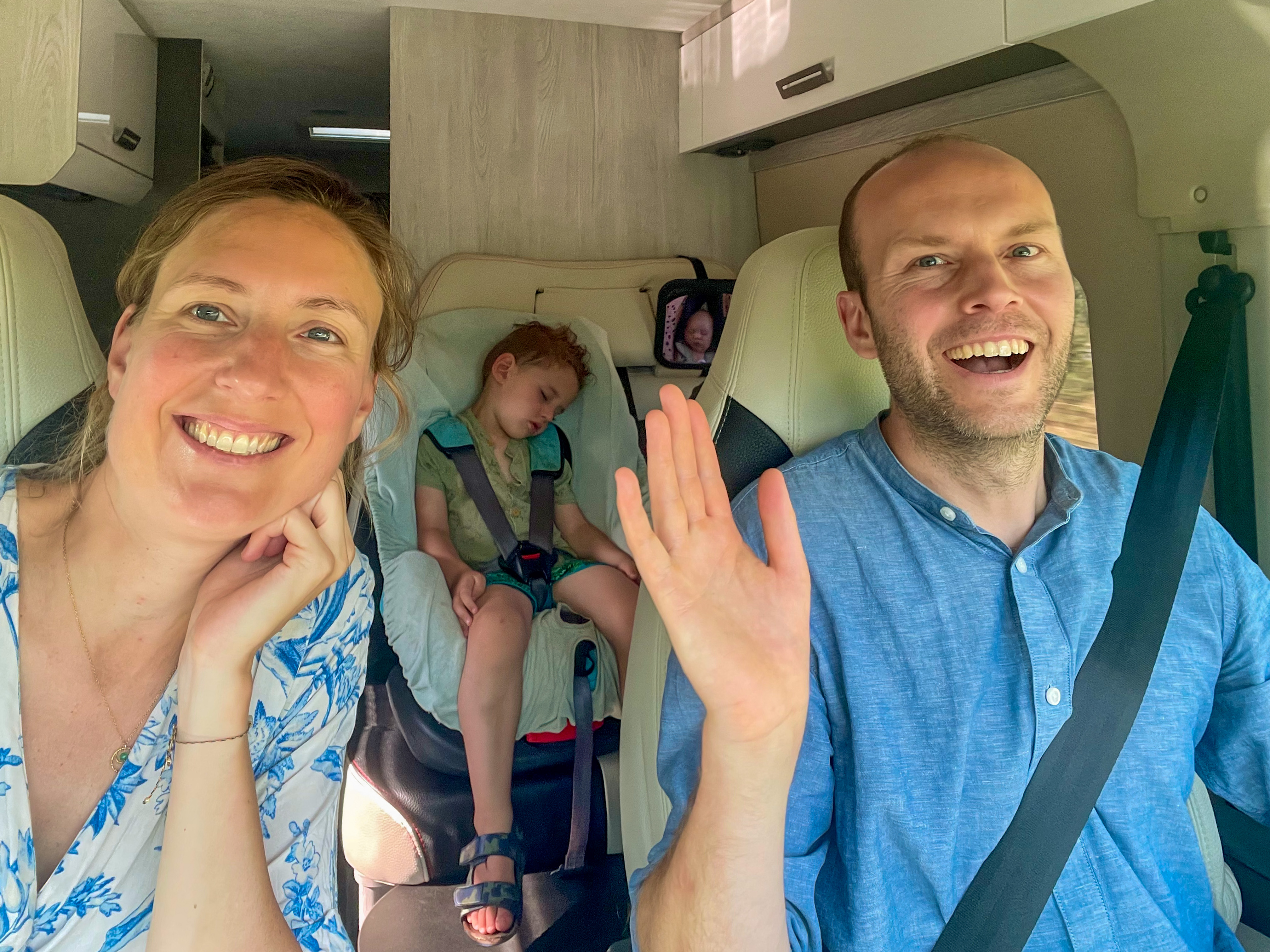
Traveling with a tiny baby (Joanna, two months) and an energetic toddler (August, 3.5 years), we sometimes had to limit long hikes, but the van let us blend adventure and comfort: August could walk, ride on our back, or rest, and we could instantly change plans if someone needed a break (or breastfeeding, a diaper, snacks, or a cuddle).


HVO100: The Biofuel Making Camper Trips Cleaner
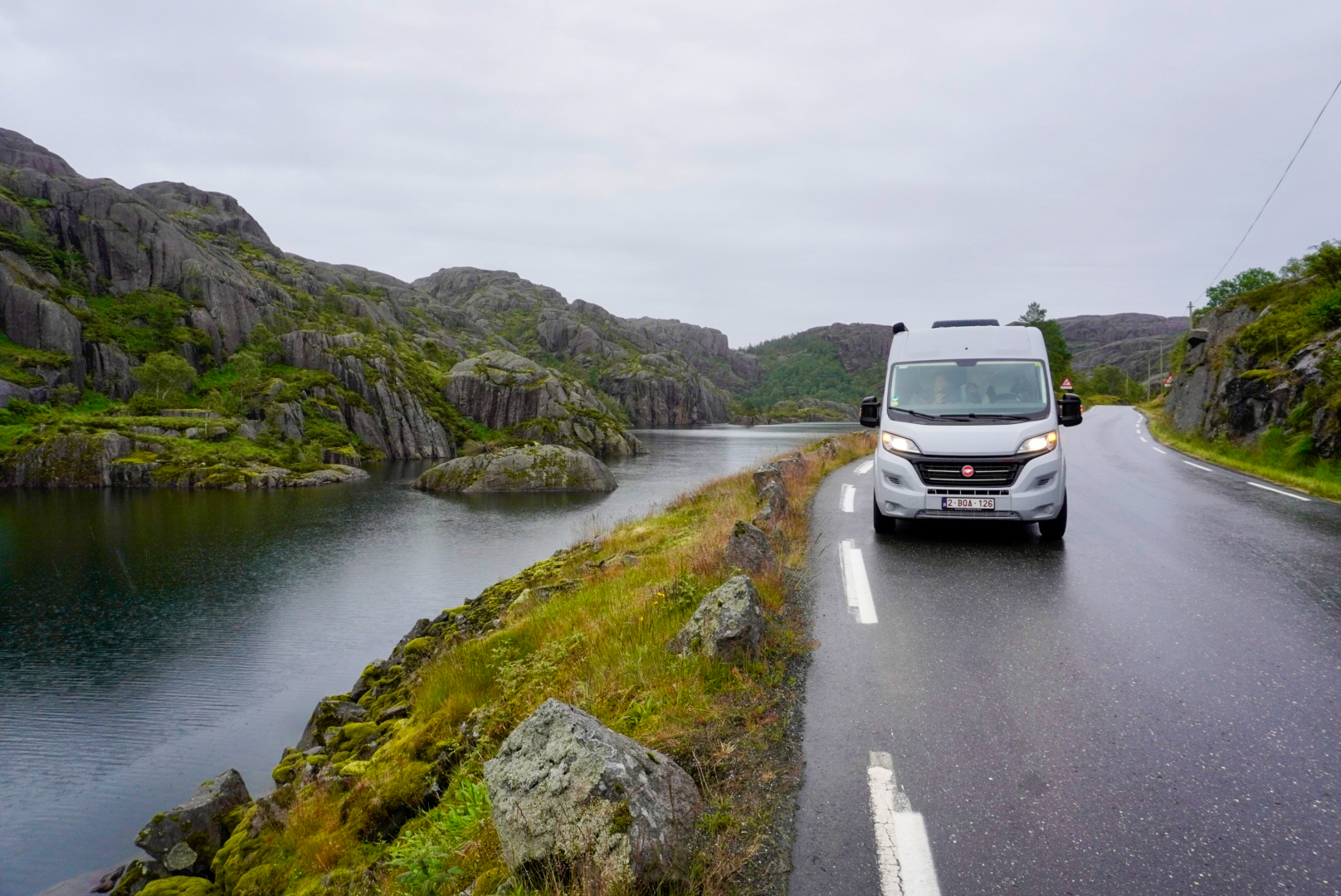
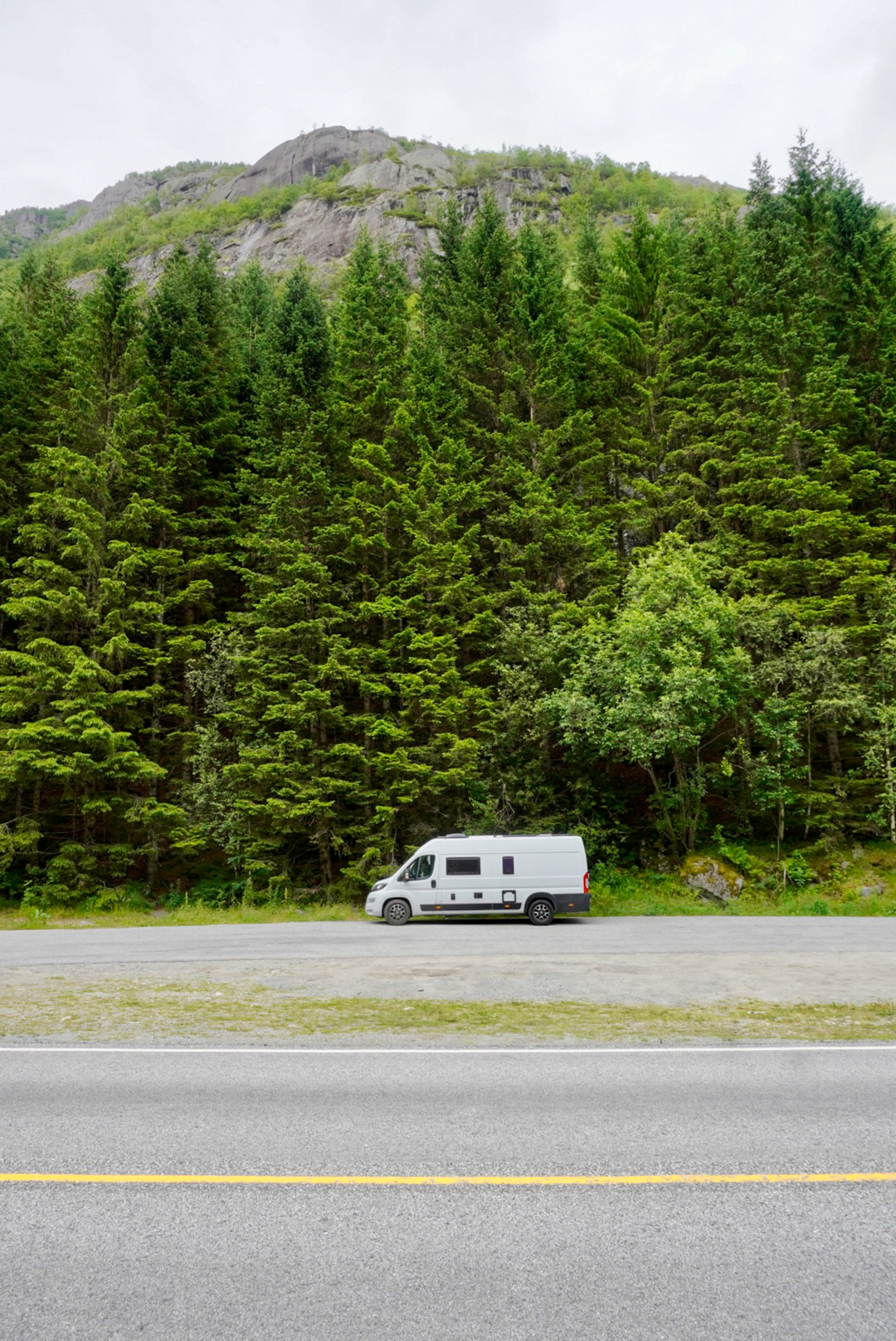
We wanted our camper trip to reflect our values, so our Fiat Ducato ran exclusively on HVO100—a “next generation” biofuel made from waste products, which can reduce CO₂ emissions by 80–90% compared to diesel.
- How do you find HVO100? In Germany, Denmark, and Norway, stations are best found using the DKV app—but always double check on site if it’s available! Reach out to me if you want our list of exact fuel stops.
- Why does it matter? Buying HVO100 is a small act of climate responsibility—each purchase signals to suppliers that you care. Unfortunately, current legislation often means HVO100 is used by fuel companies just to meet climate targets, not as a true “extra” emission savings. Your choice does matter, but let’s keep pushing for policies to really accelerate sustainable fuels!
- Eco driving tips? Go slower! Our under-aerodynamic campervan used 20–30% less fuel at 80–90 km/h versus 120. Bonus: it’s meditative to drive in the lane of the truckers, and you see more of the scenery (and if you ask the kids, less bumpy).
The Adventure Route: A Month of Nature, Fjords & Freedom
After leaving Belgium, we ferried from Hirtshals, Denmark to Kristiansand, Norway (pro tip: buy tickets from the Norwegian site using google translate, for us it was €100 cheaper!).
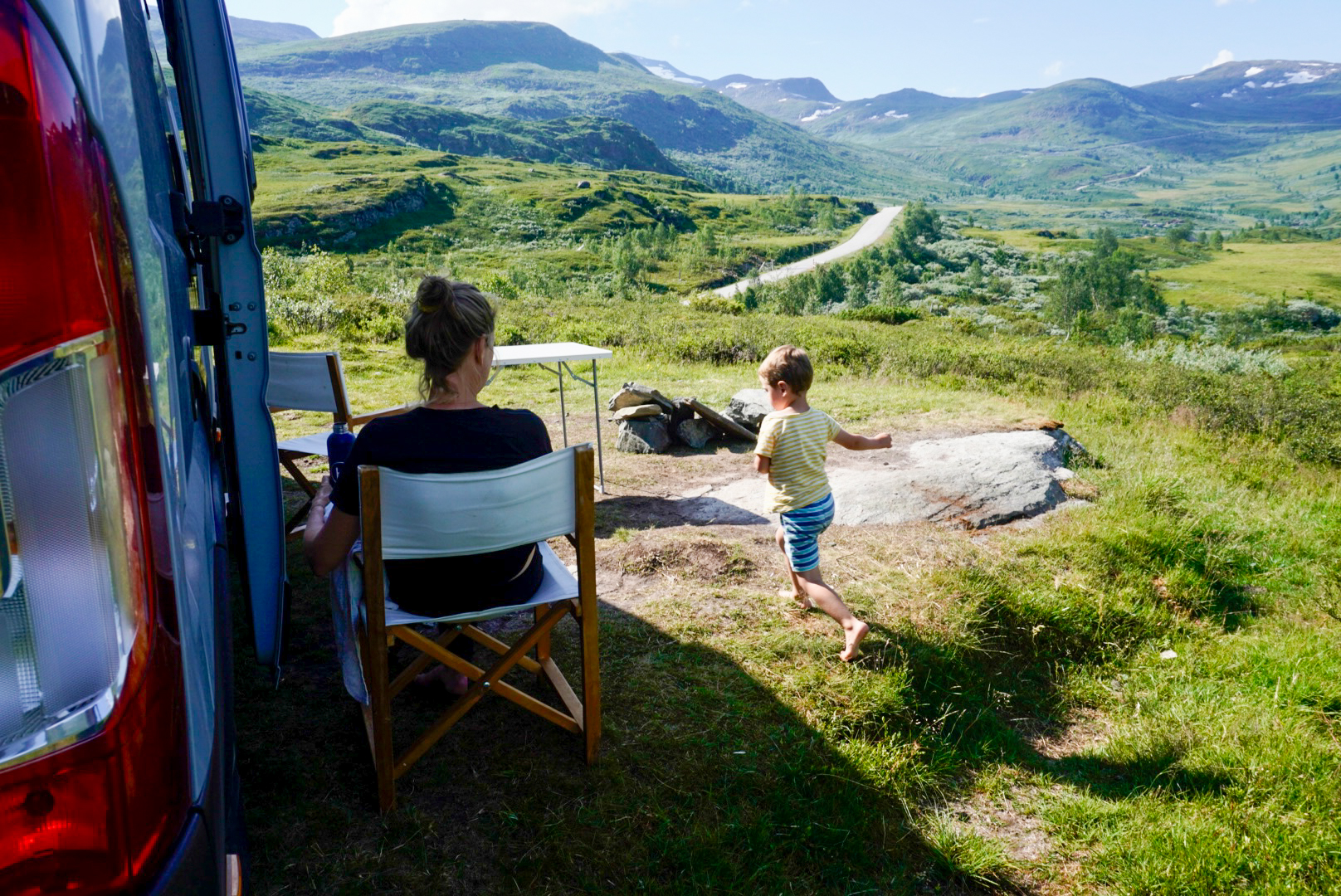
Wild camping is incredible in Norway—although finding a spot in peak summer can mean driving past a few “no camping” signs or busy lots before finding that perfect, peaceful place by a river, lake, or fjord. We only used campgrounds three times in a month; the rest, we lived off-grid, filling water tanks and emptying toilets at camper spots scattered around the country.
Overview of our highlights – in order of the circle we drove in the South of Norway:
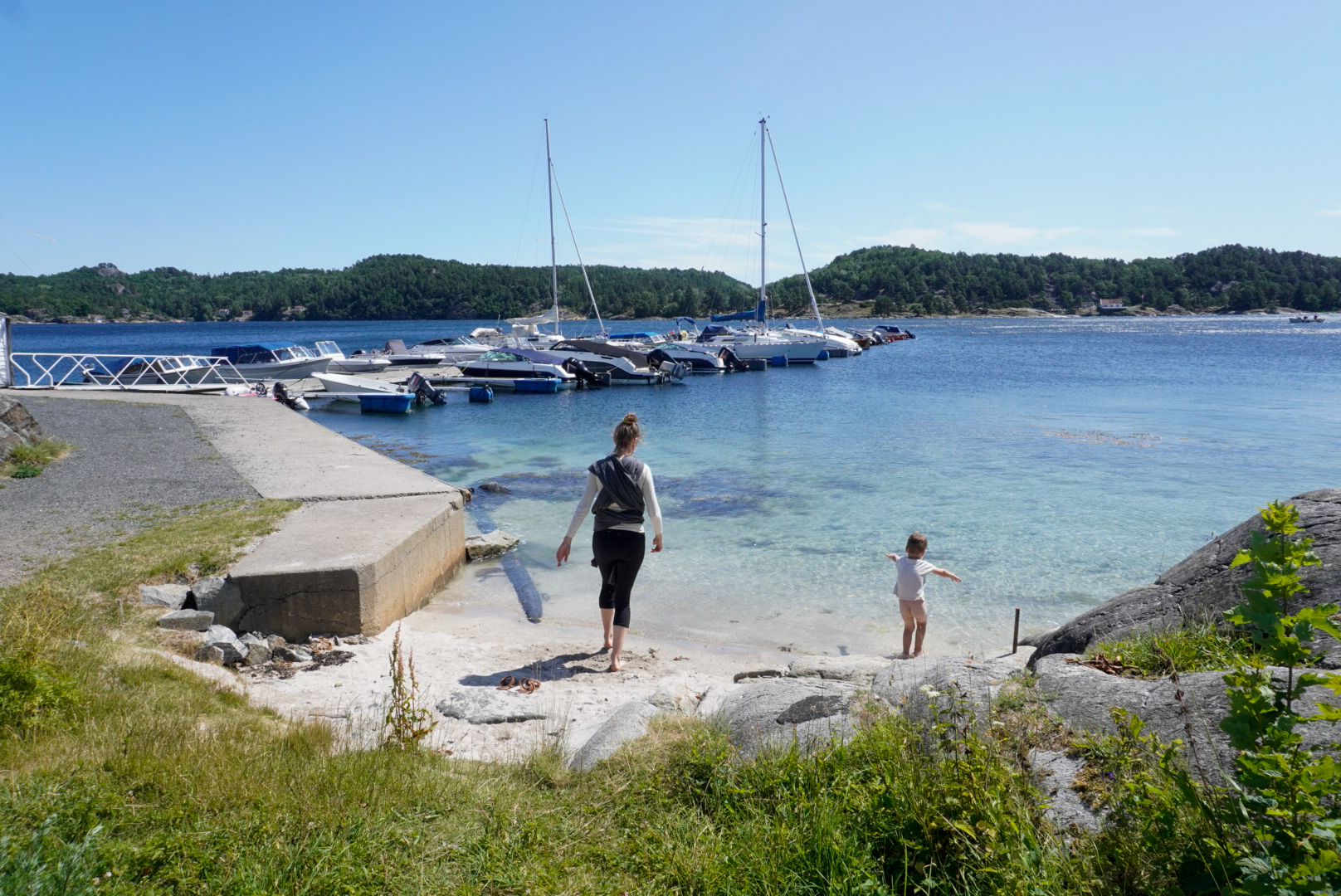
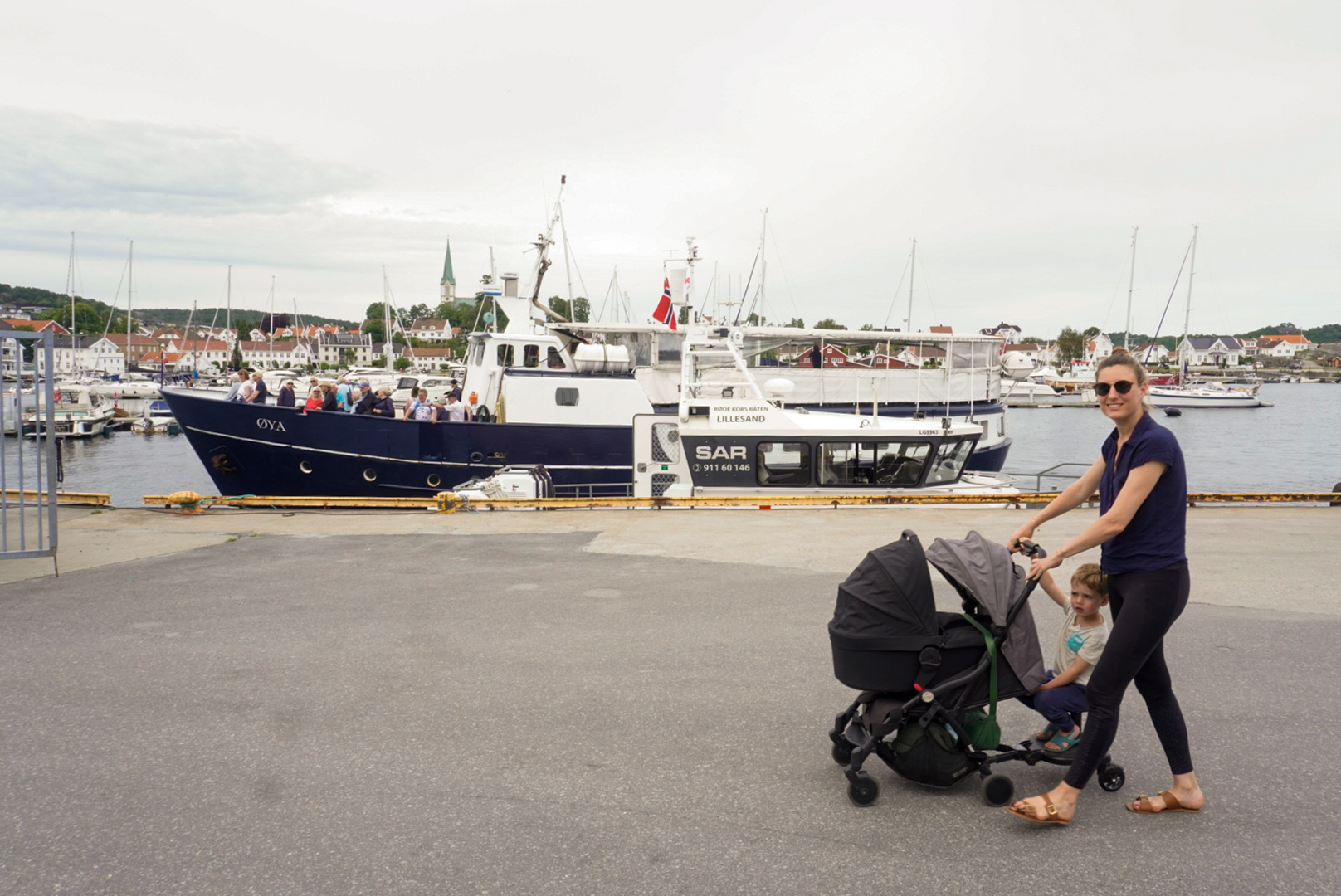
- Lillesand: Idyllic beach village perfect for kids, with swimming, play spots, and a cozy restaurant by the water.
- Scenic Route 44: The drive from Flekkefjord to Egersund felt otherworldly—craters and rolling hills, then on to Stavanger and the deep, blue fjords.
- Preikestolen Hike: Challenging, rewarding, and much longer than planned (6–7 hours with little legs!), but the views were worth every step.
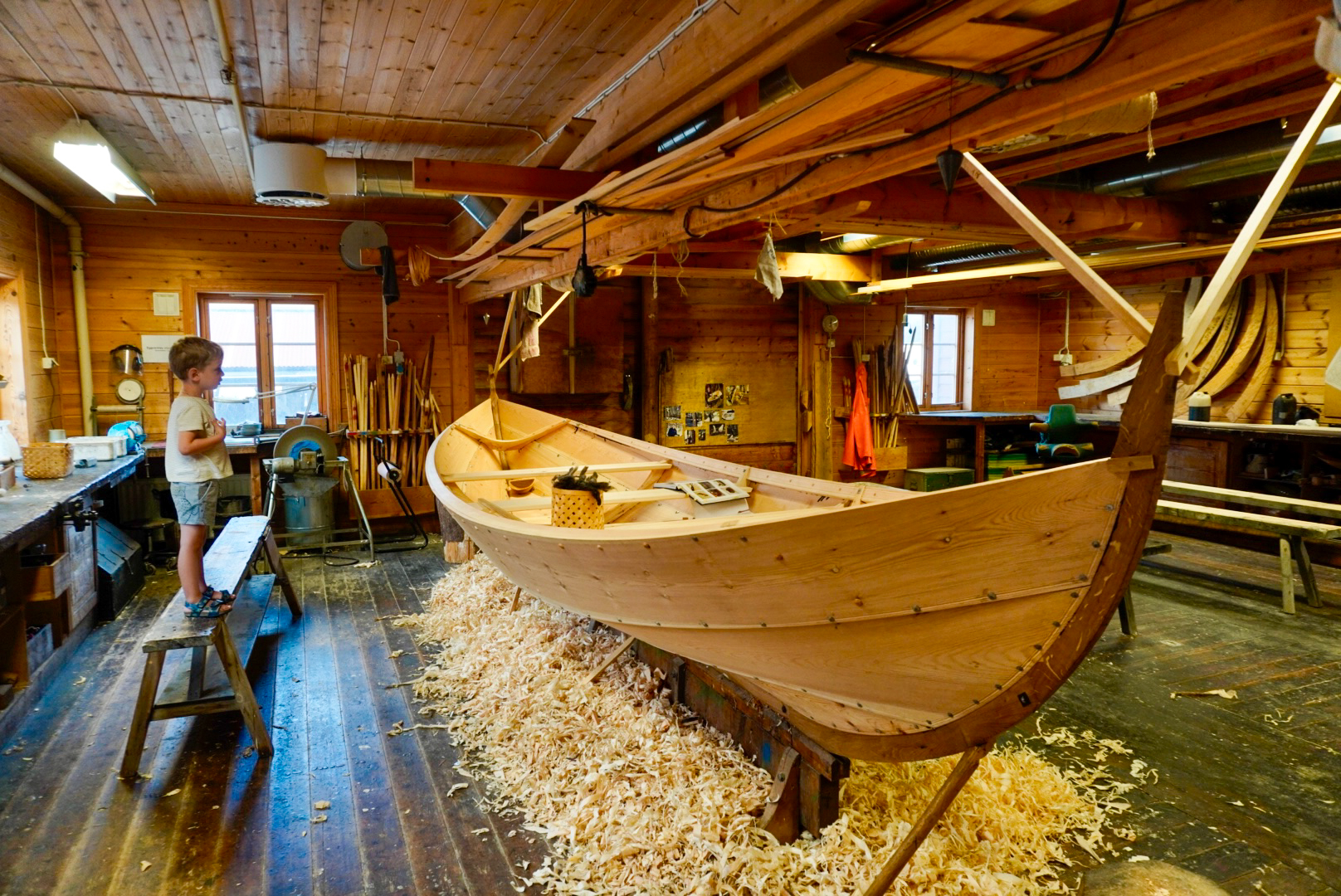
- Hardangerfjord: Cider tasting in Alde Sider, rowing on the fjord, enjoying Norway’s surprising microclimates, visiting Utne and the Hardanger Maritime Center showing wooden shipbuilding
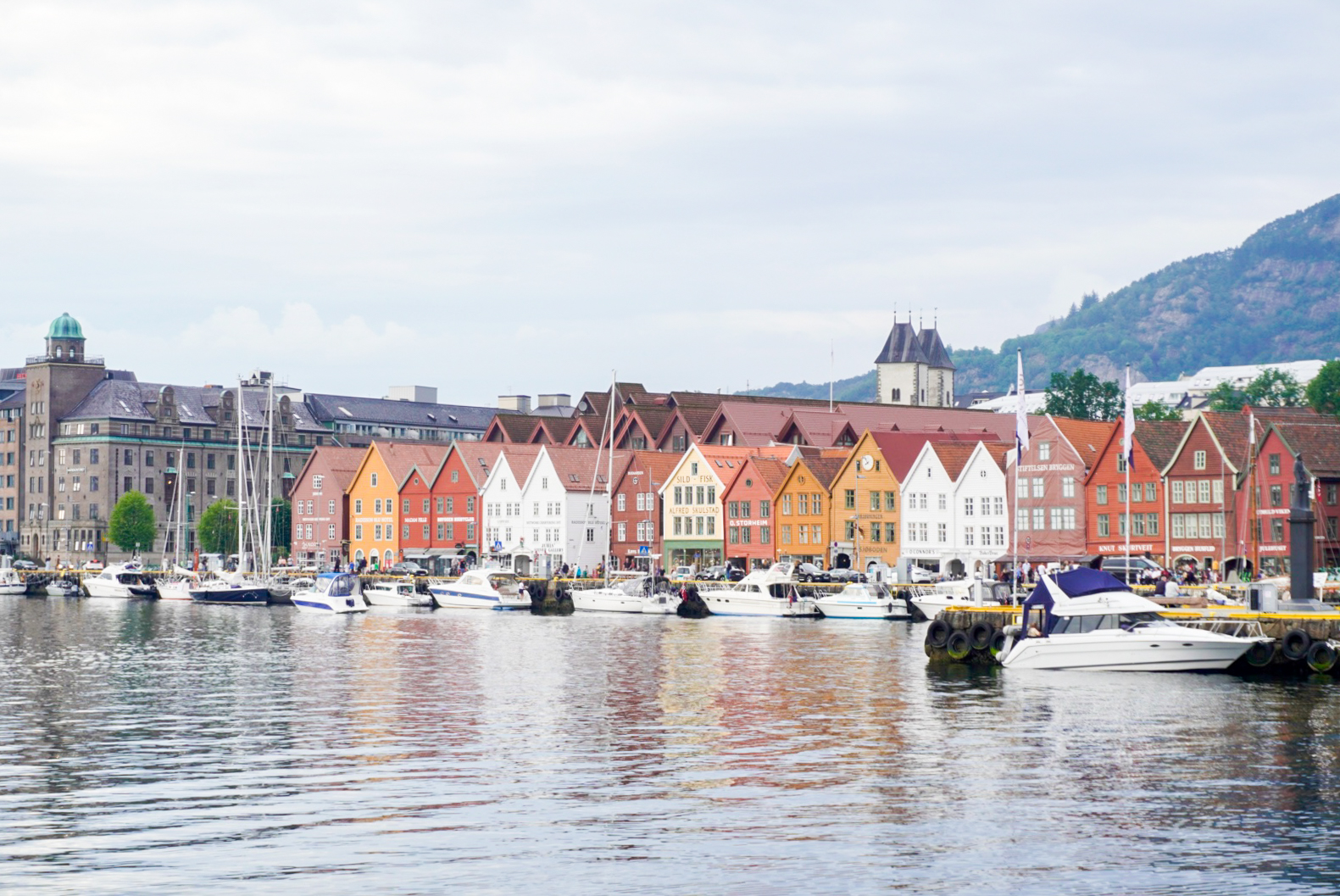
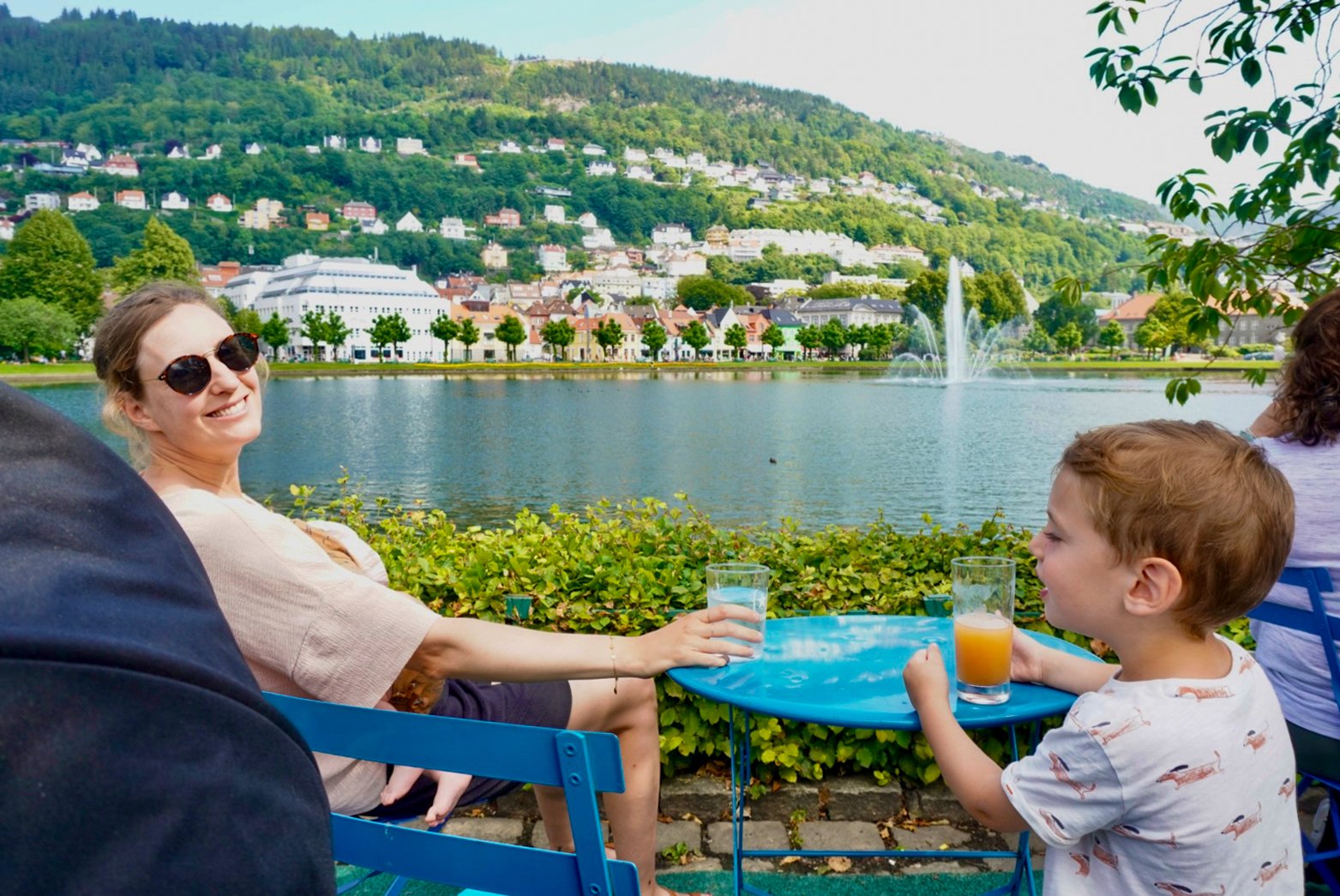
- Bergen: Camper-parking in the city center, panoramic cable car views, Bryggen’s historic streets, city beach swims, and tasty local food. We enjoyed lots of brunch and restaurants, with a good local dinner in Bryggen Tracteursted.
- Tvindefossen: Camping next to a roaring waterfall—beautiful (and loud).
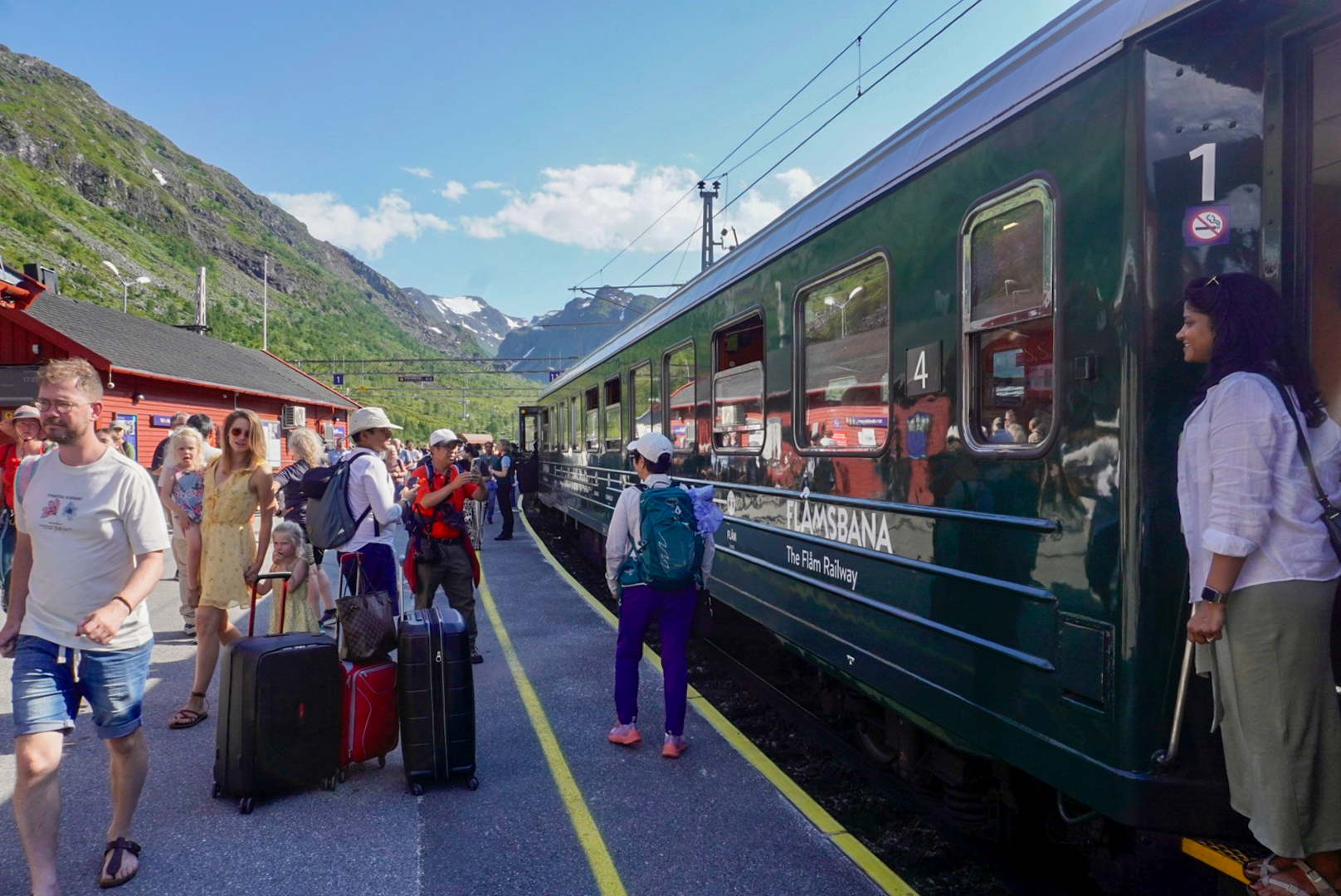
- Flamsbana: The train leaving from Flam into the mountains. Pretty touristy and expensive, but impressive views without having to hike for hours = handy with children.
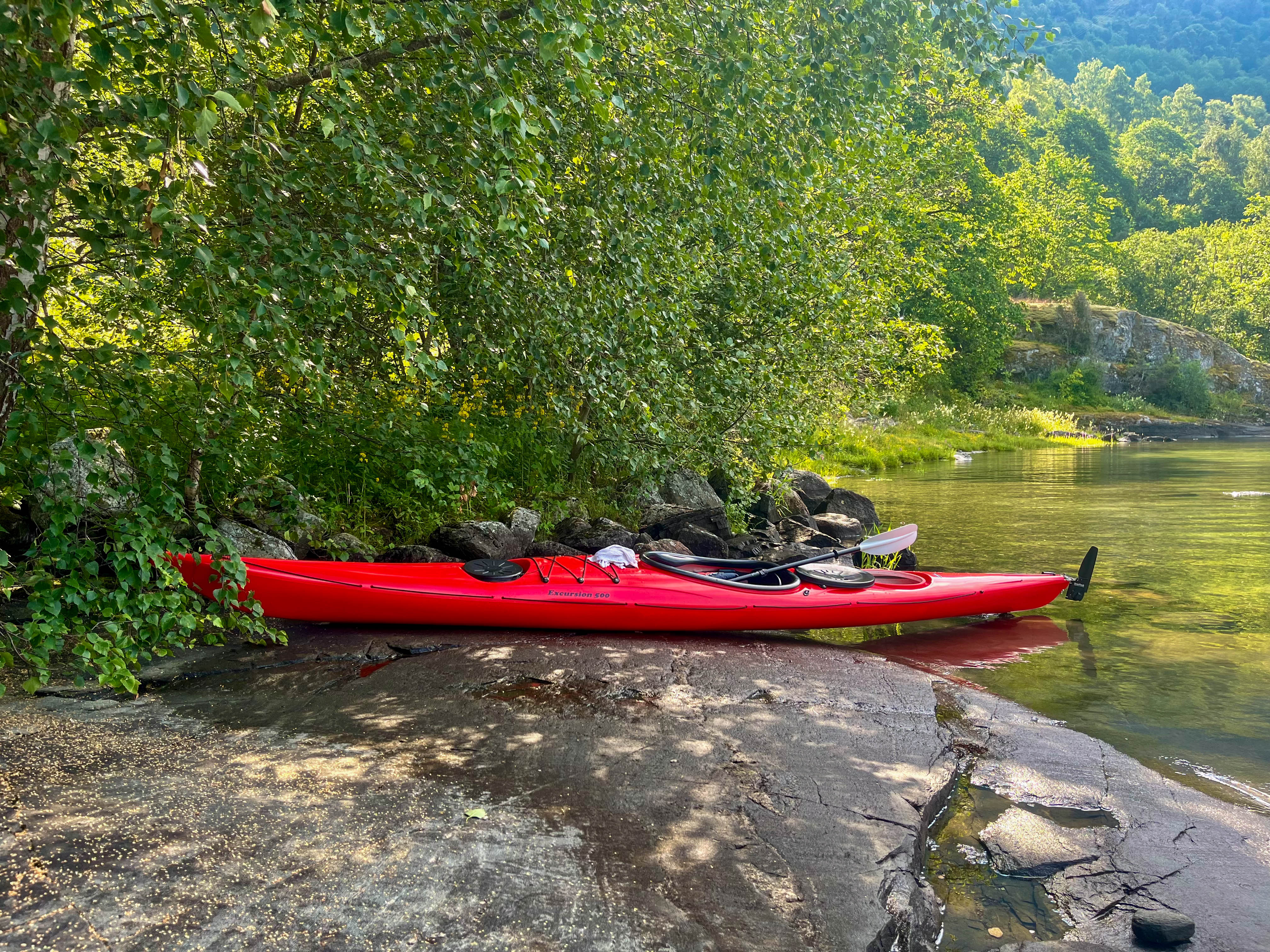
- Sogndal: Half-day solo kayak trip across clear blue water, hikes and playgrounds.
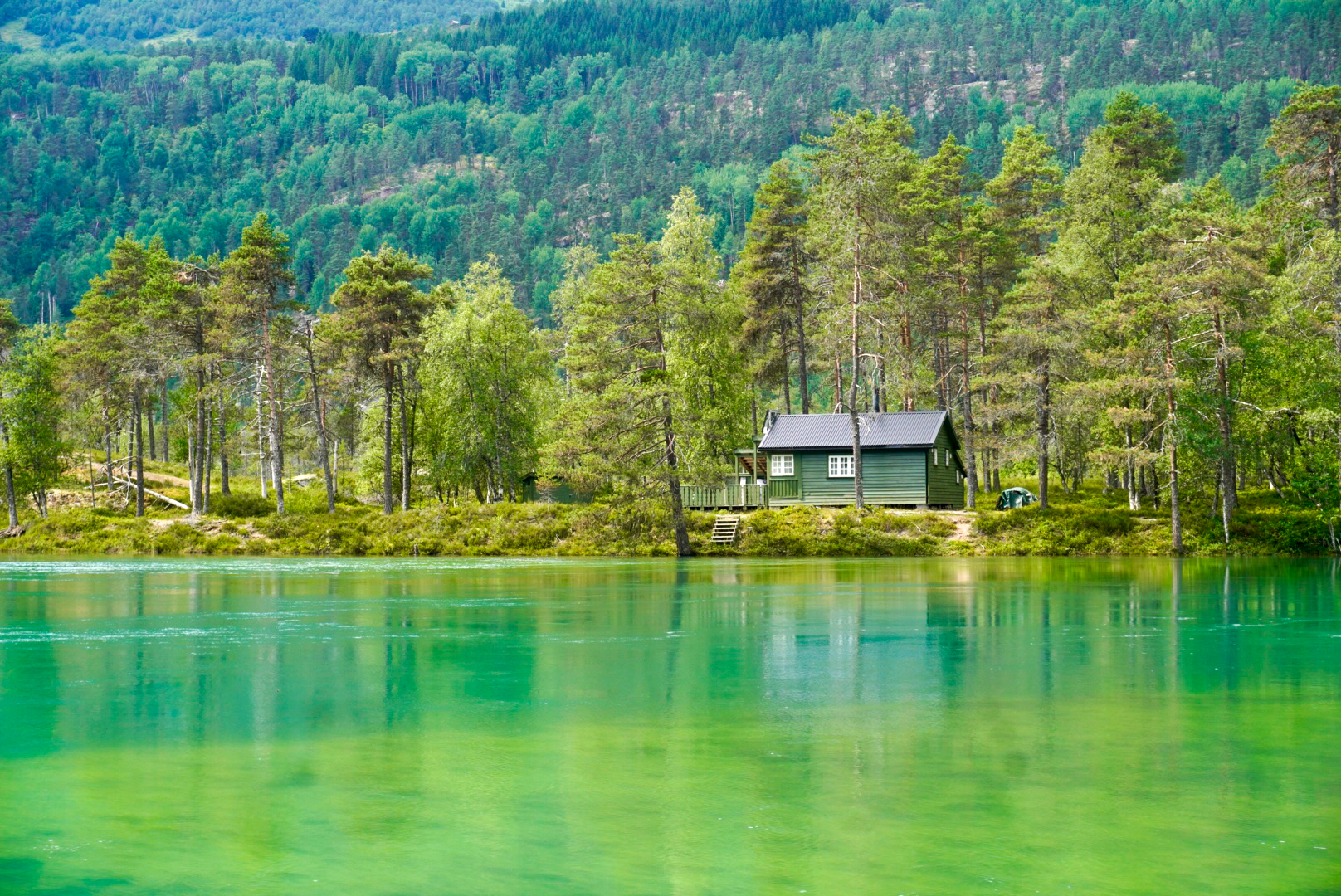
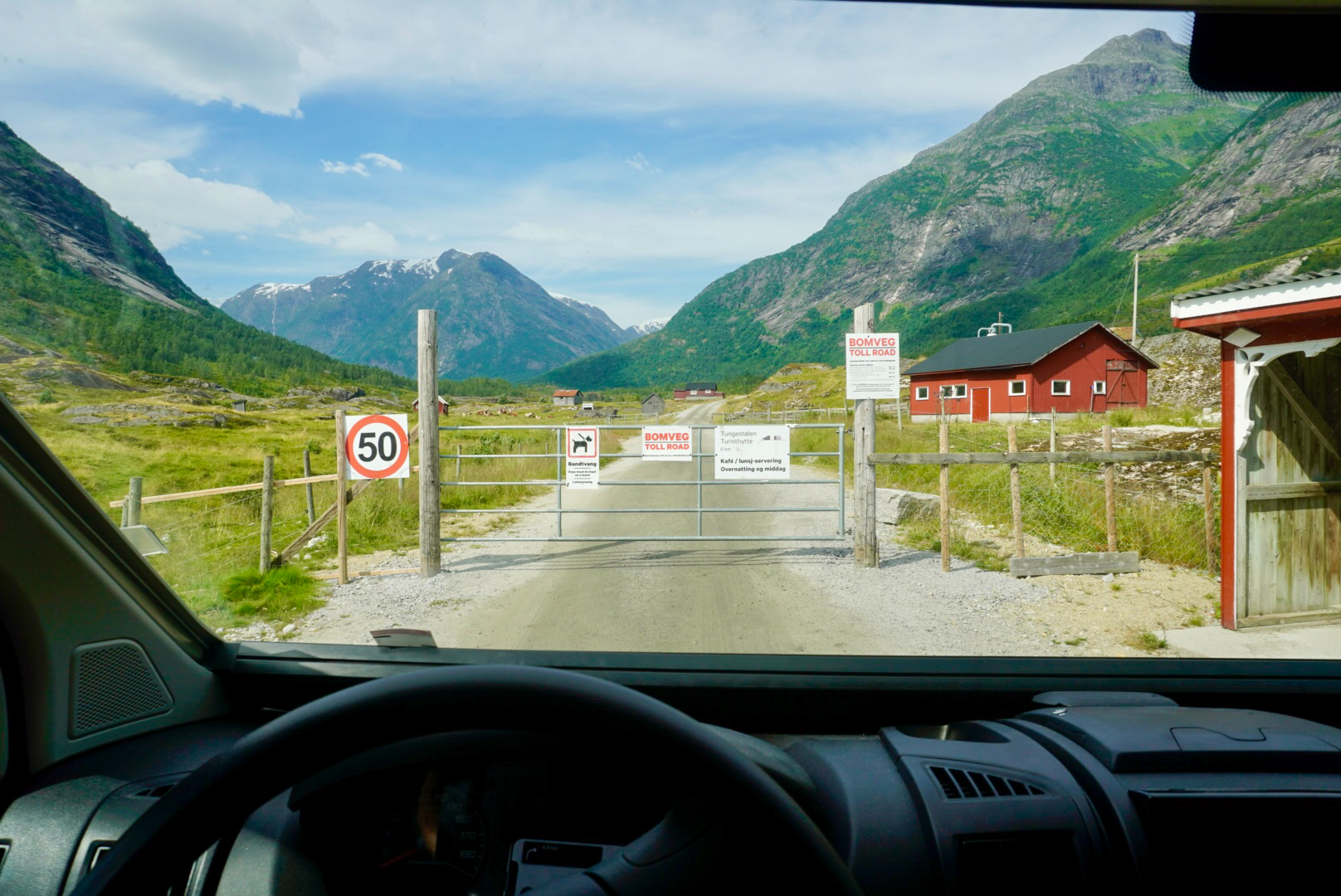
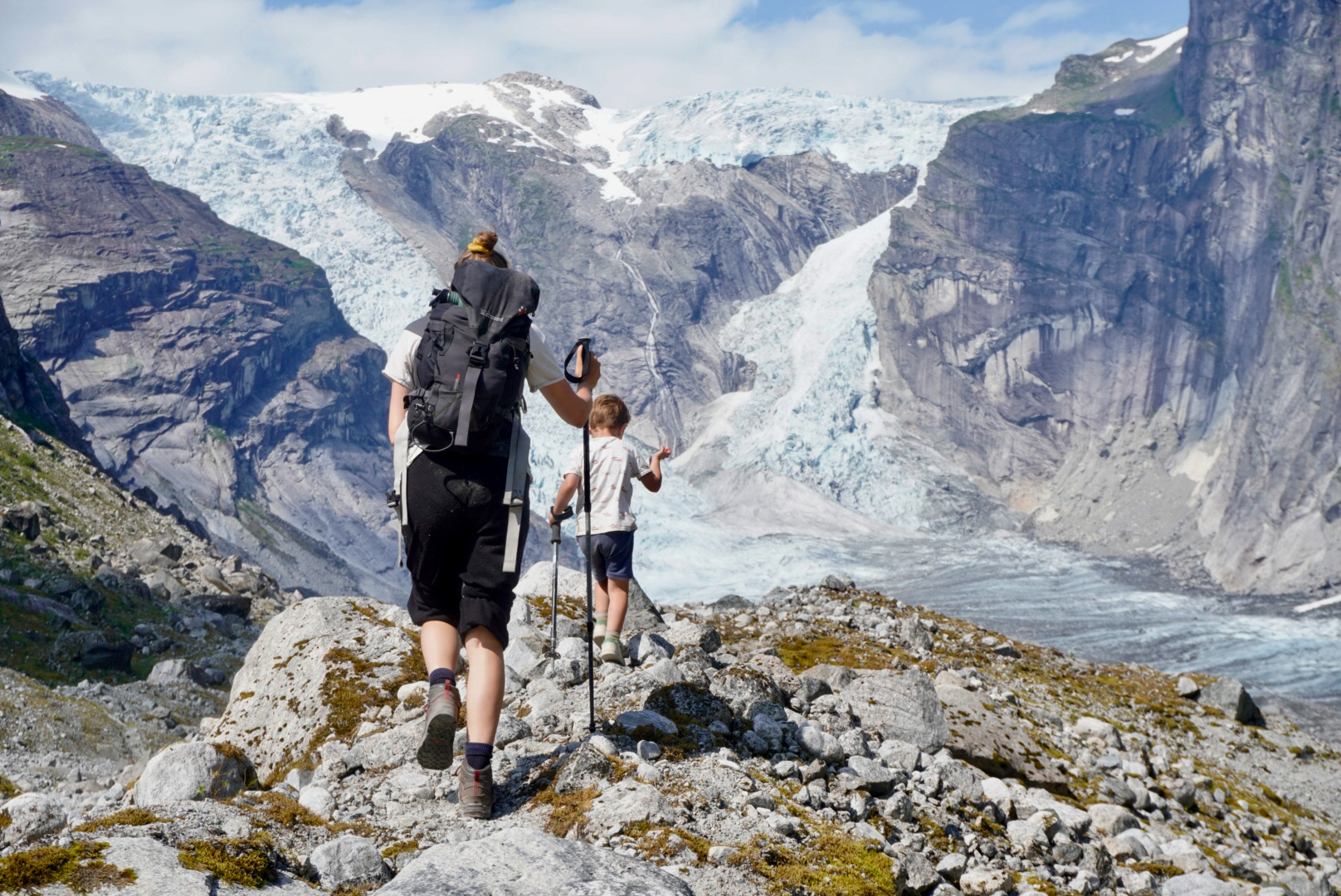
- Jostedalsbreen NP: Glacier hike from DNT Tungestolen—slow and steady with kids, but jaw-dropping scenery. This was the most beautiful camping spot we had on our trip – 4h took us 8h with the little ones, but the views were impressive
- Route 55 Glaciers: Views for days between Skjolden and Fossbergom, and wild camping at the edge of the world. We camped on a small parking lot just before Turtagro hotel with the most impressive views. Great spot for small hikes directly in nature.
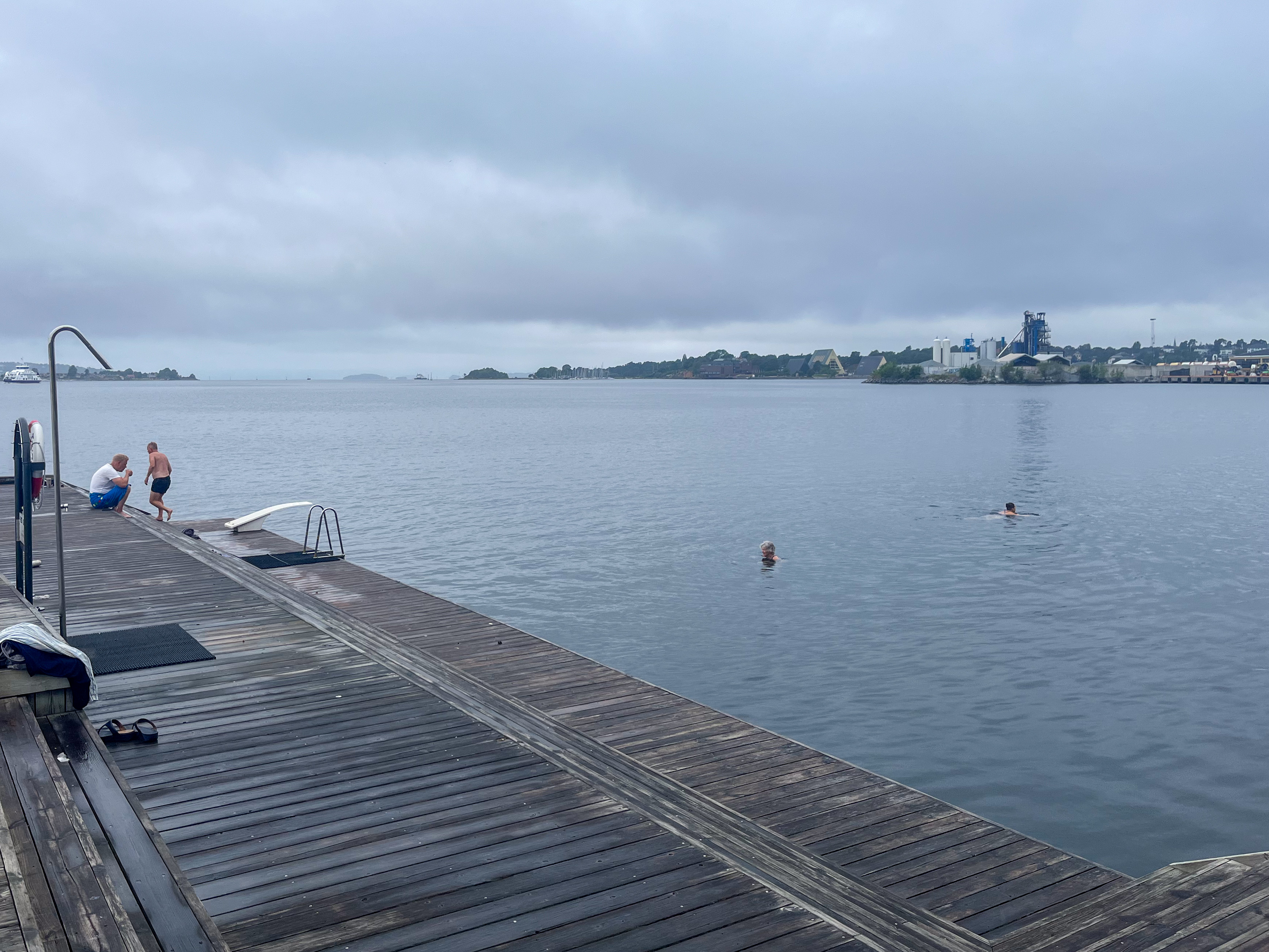
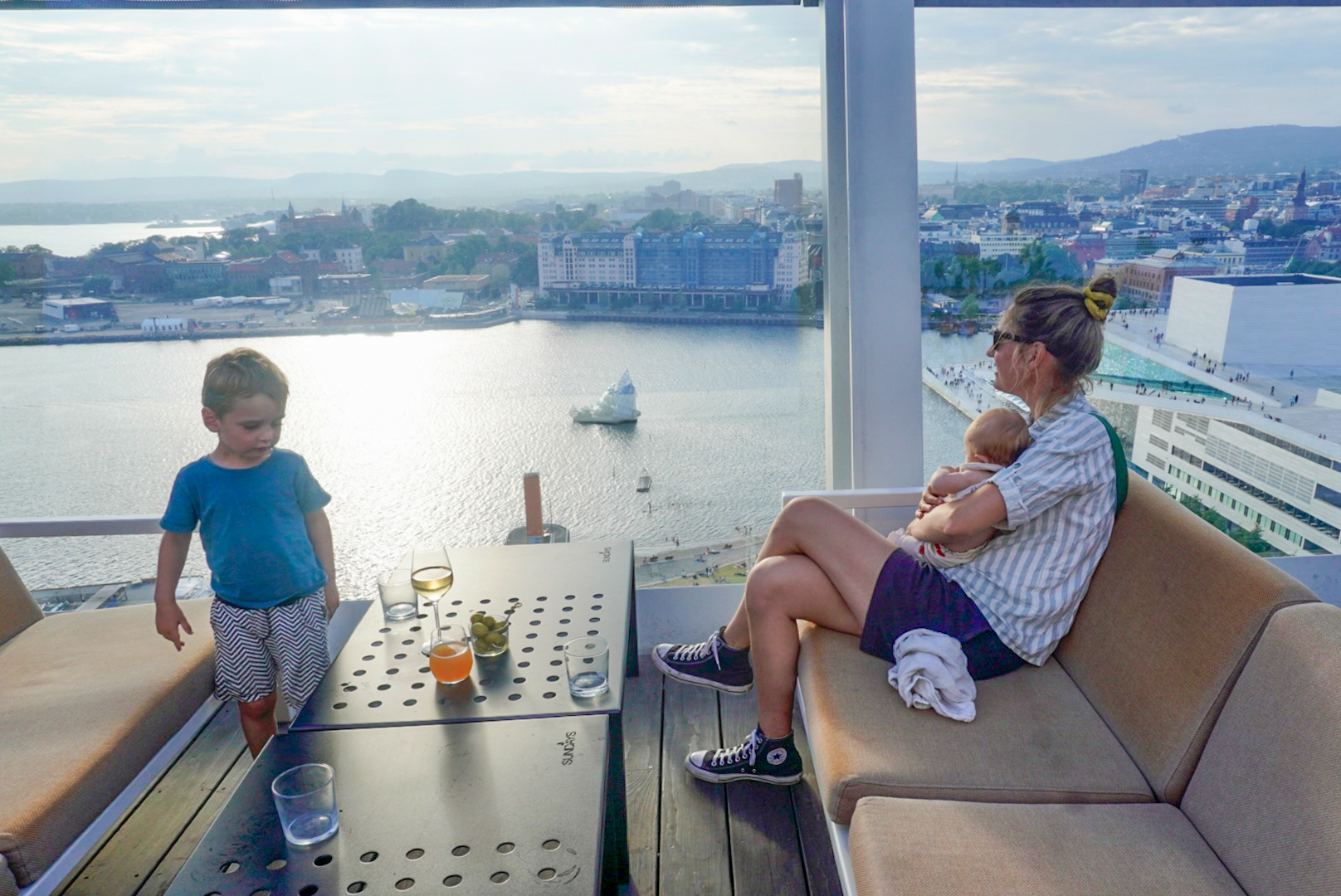
- Oslo: Easy city exploring from the camper, with surprising swim spots in the heart of the capital. We had a parking close to the Vigeland museum and the Vigeland park, went swimming at the spot in city center in front of the Astrup Furnley museum, enjoyed the views from the Opera house and the Munch museum rooftop.
A Peek into a Typical Camper Day
- 7:00 | A run, morning dip, or quiet writing for me before the rest of the family woke up.
- 8:30 | Family breakfast with a view.
- 10:00–11:00 | Convert van for driving, pack up chairs & table, get everyone bundled and ready.
- 11:00 | Drive (aim for 1–2 hours max), with snack and play stops for the kids.
- 13:00 | Picnic, mountain restaurant, or lakeside lunch.
- 15:00 | Afternoon nap (sometimes all four of us…).
- 16:00 | Seek out our next wild camp spot, patience required!
- 17:00 | Set up, let August run wild, apero, prep dinner.
- 19:30 | Bedtime routine for August, transform front seats for his tent, stories and cuddles.
- 20:30–22:00 | Parents wind down—reading, quiet time…
I made it my mission to swim once or twice each day—whether in a fjord, a glacier-fed river, or the local lake. No showers needed!
Step by step:
- Lillesand: Idyllic beach village perfect for kids, with swimming, play spots, and a cozy restaurant by the water.
- Scenic Route 44: The drive from Flekkefjord to Egersund felt otherworldly—craters and rolling hills, then on to Stavanger and the deep, blue fjords.


- Preikestolen Hike: Challenging, rewarding, and much longer than planned (6–7 hours with little legs!), but the views were worth every step.


- Hardangerfjord: Cider tasting in Alde Sider, rowing on the fjord, enjoying Norway’s surprising microclimates, visiting Utne and the Hardanger Maritime Center showing wooden shipbuilding
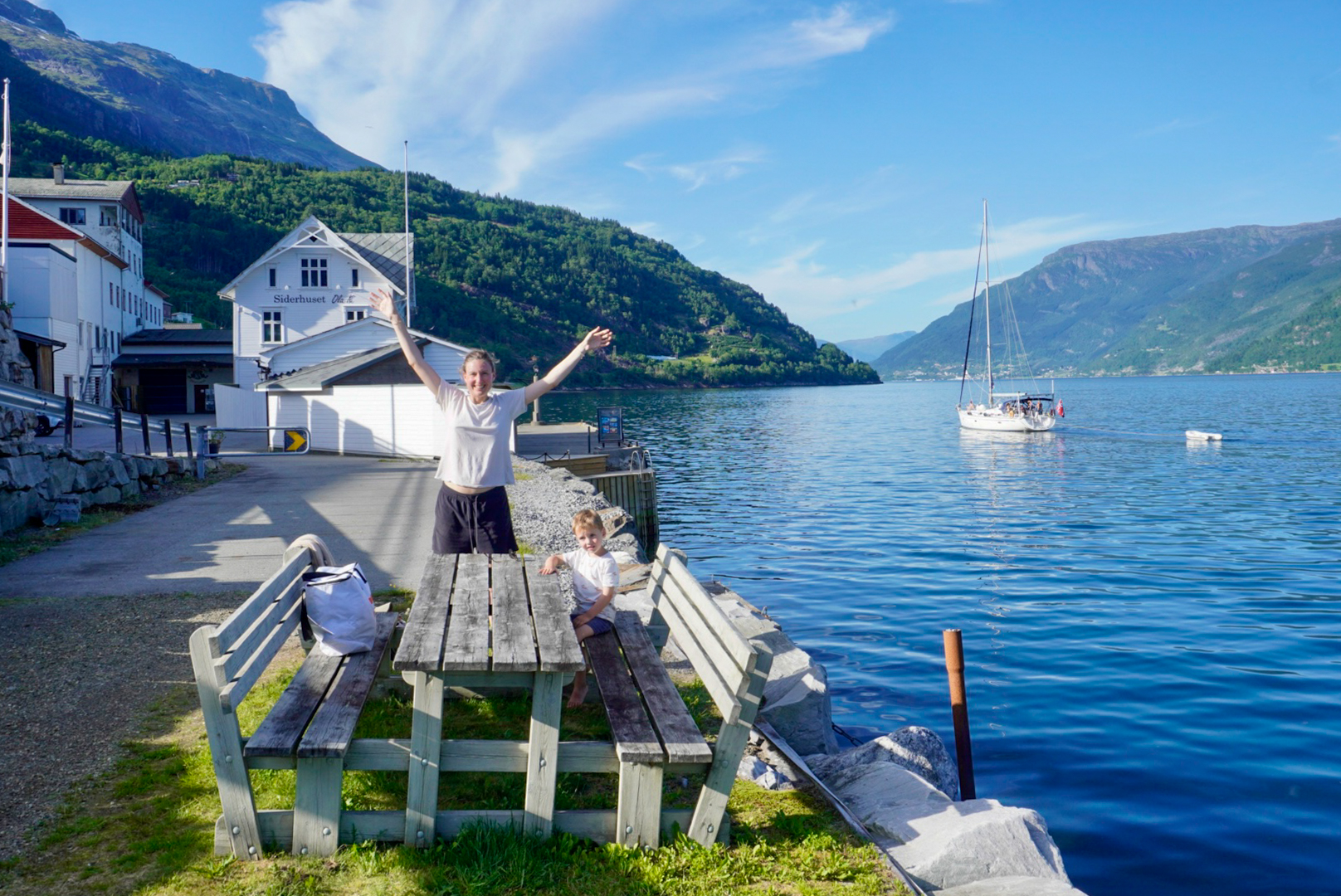

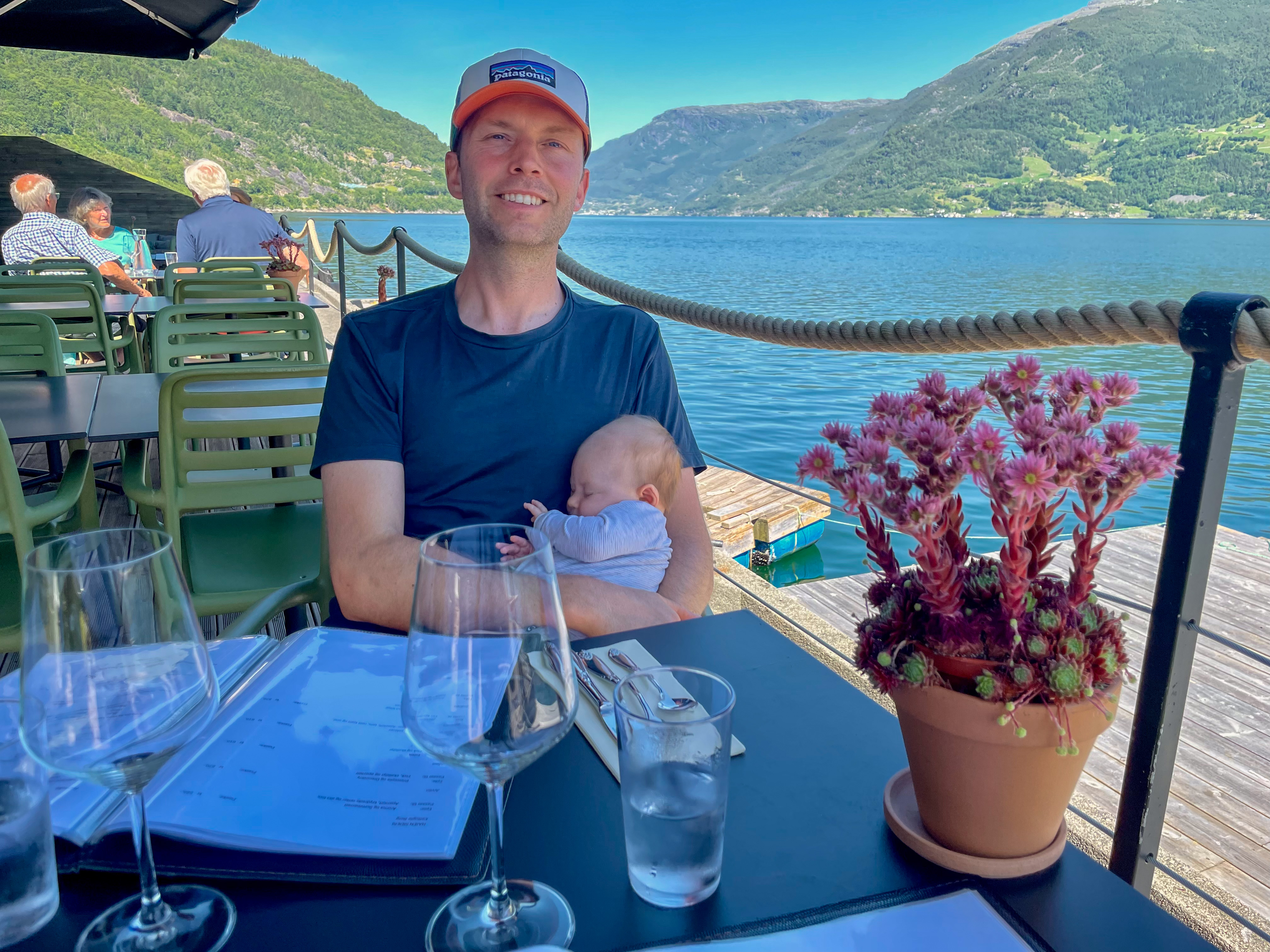
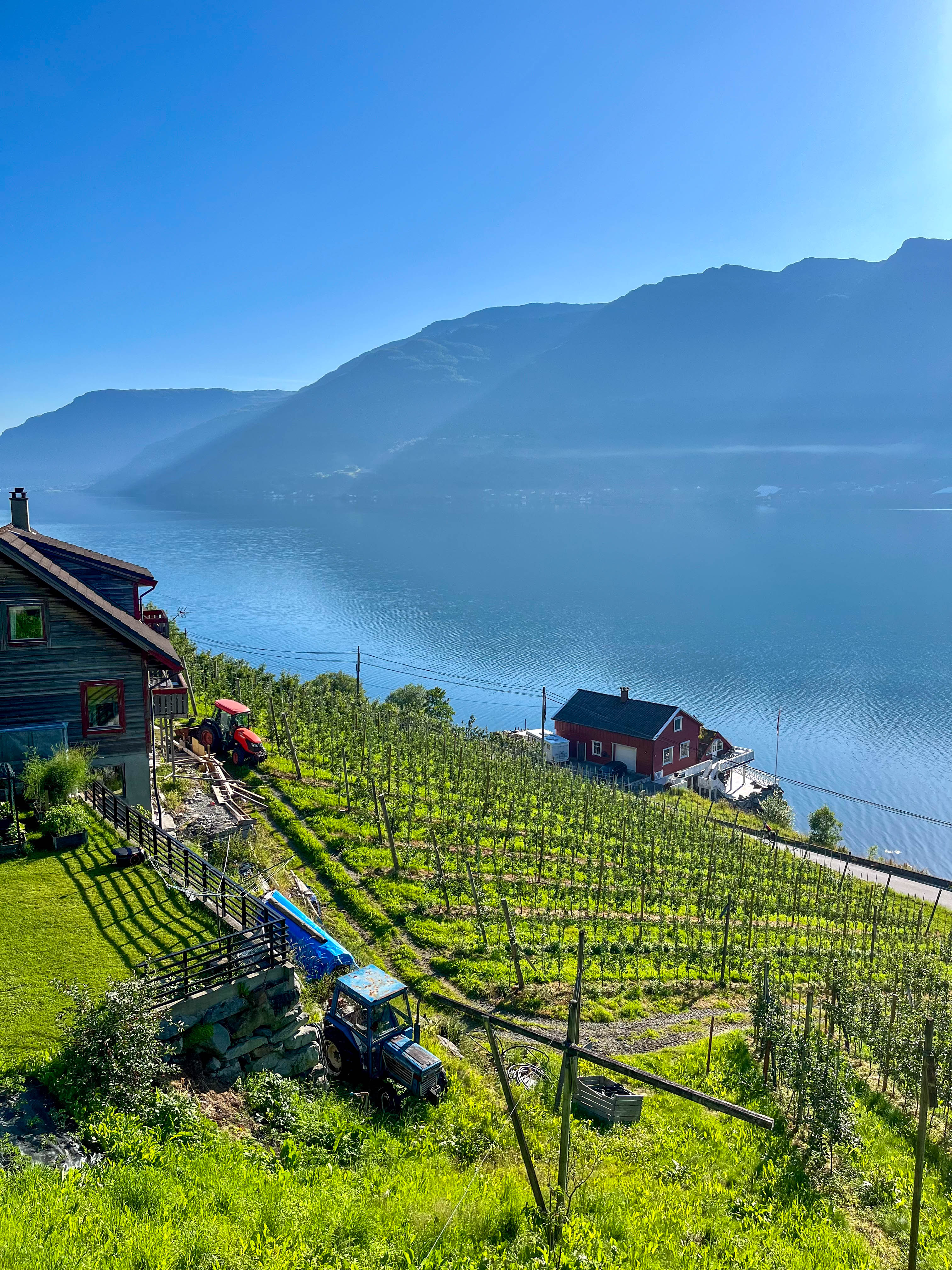


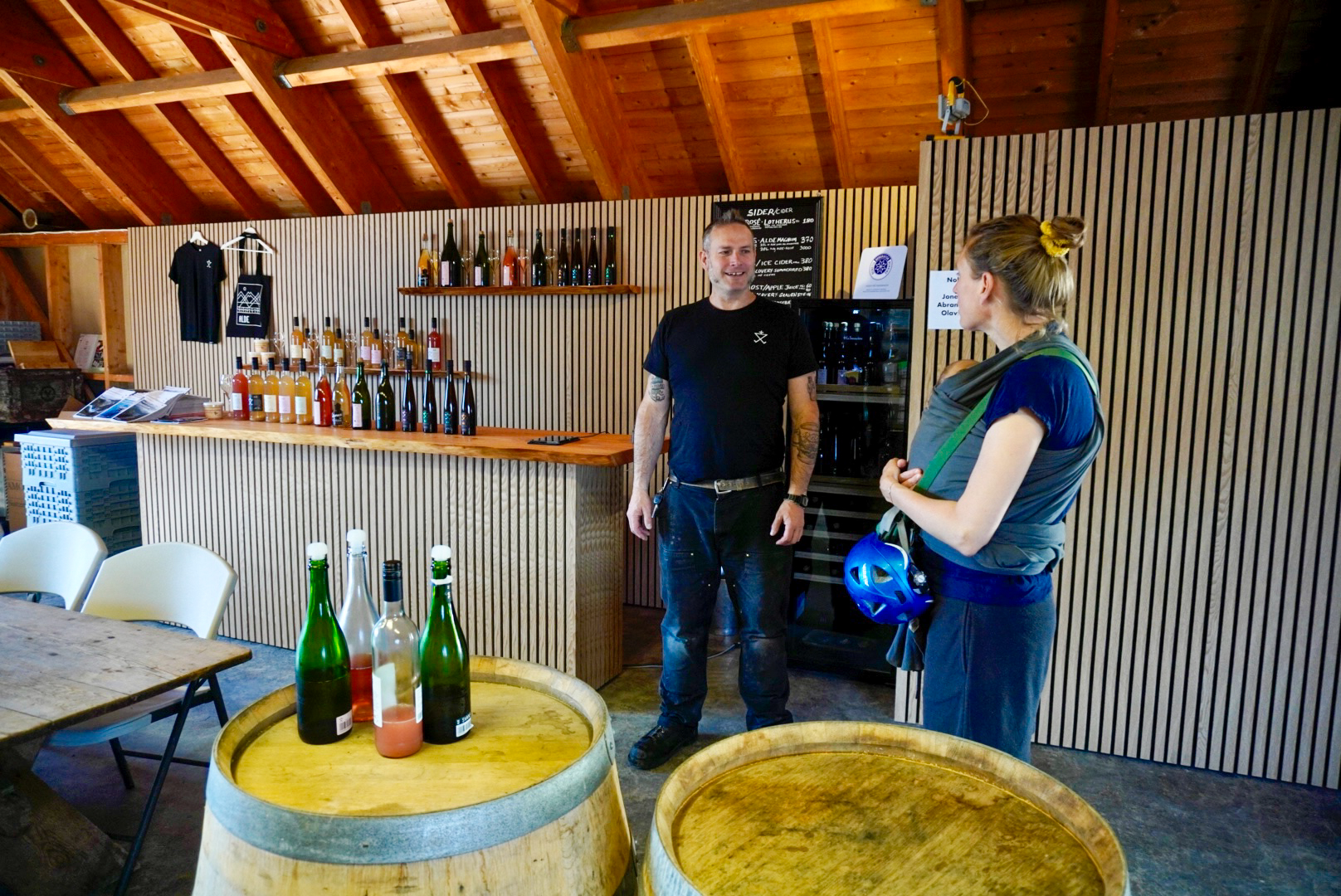



- Bergen: Camper-parking in the city center, panoramic cable car views, Bryggen’s historic streets, city beach swims, and tasty local food. We enjoyed lots of brunch and restaurants, with a good local dinner in Bryggen Tracteursted.
- Tvindefossen: Camping next to a roaring waterfall—beautiful (and loud).

- Flamsbana: The train leaving from Flam into the mountains. Pretty touristy and expensive, but impressive views without having to hike for hours = handy with children.

- Sogndal: Half-day solo kayak trip across clear blue water, hikes and playgrounds.

- Jostedalsbreen NP: Glacier hike from DNT Tungestolen—slow and steady with kids, but jaw-dropping scenery. This was the most beautiful camping spot we had on our trip – 4h took us 8h with the little ones, but the views were impressive



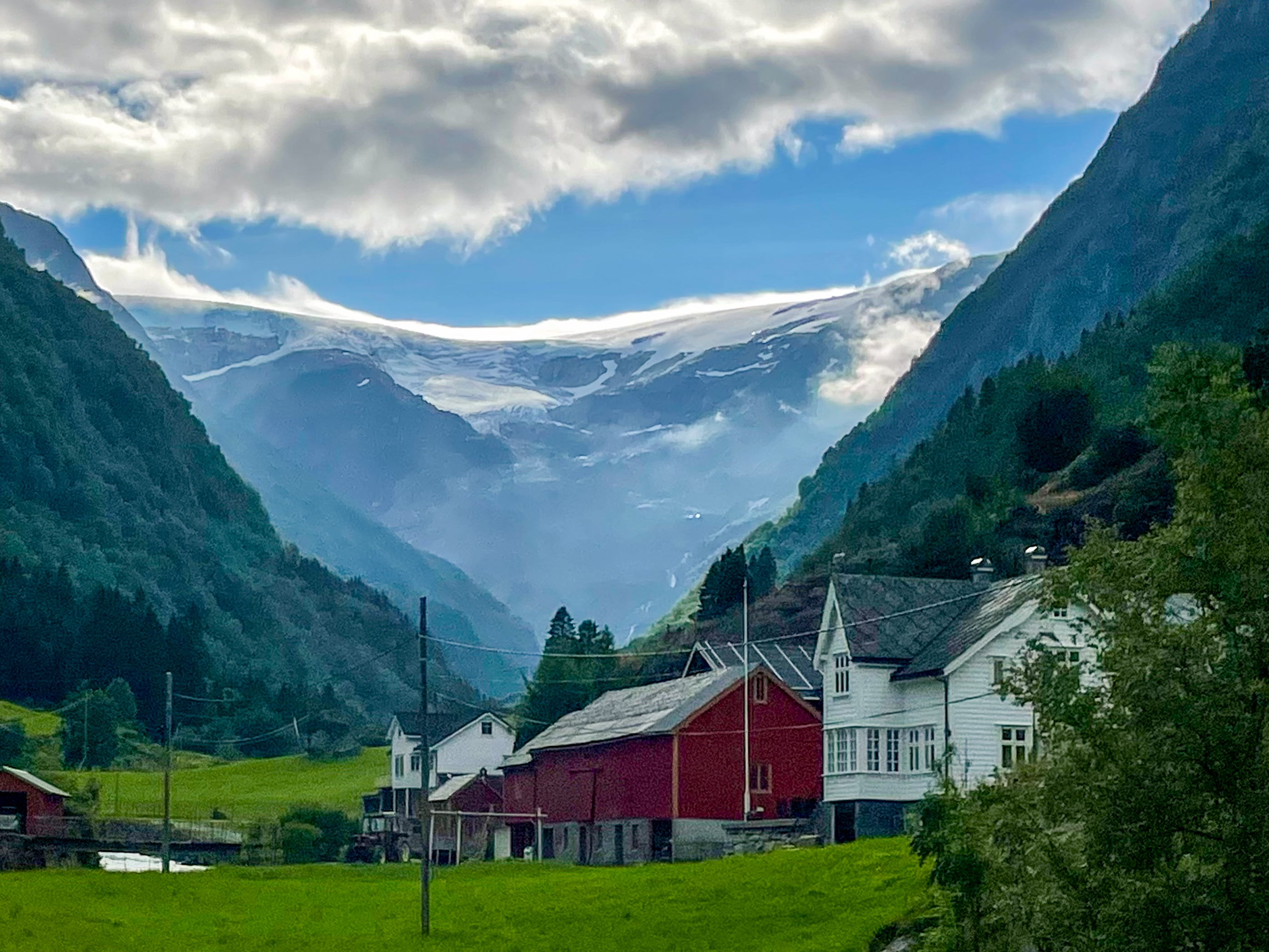
- Route 55 Glaciers: Views for days between Skjolden and Fossbergom, and wild camping at the edge of the world. We camped on a small parking lot just before Turtagro hotel with the most impressive views. Great spot for small hikes directly in nature.
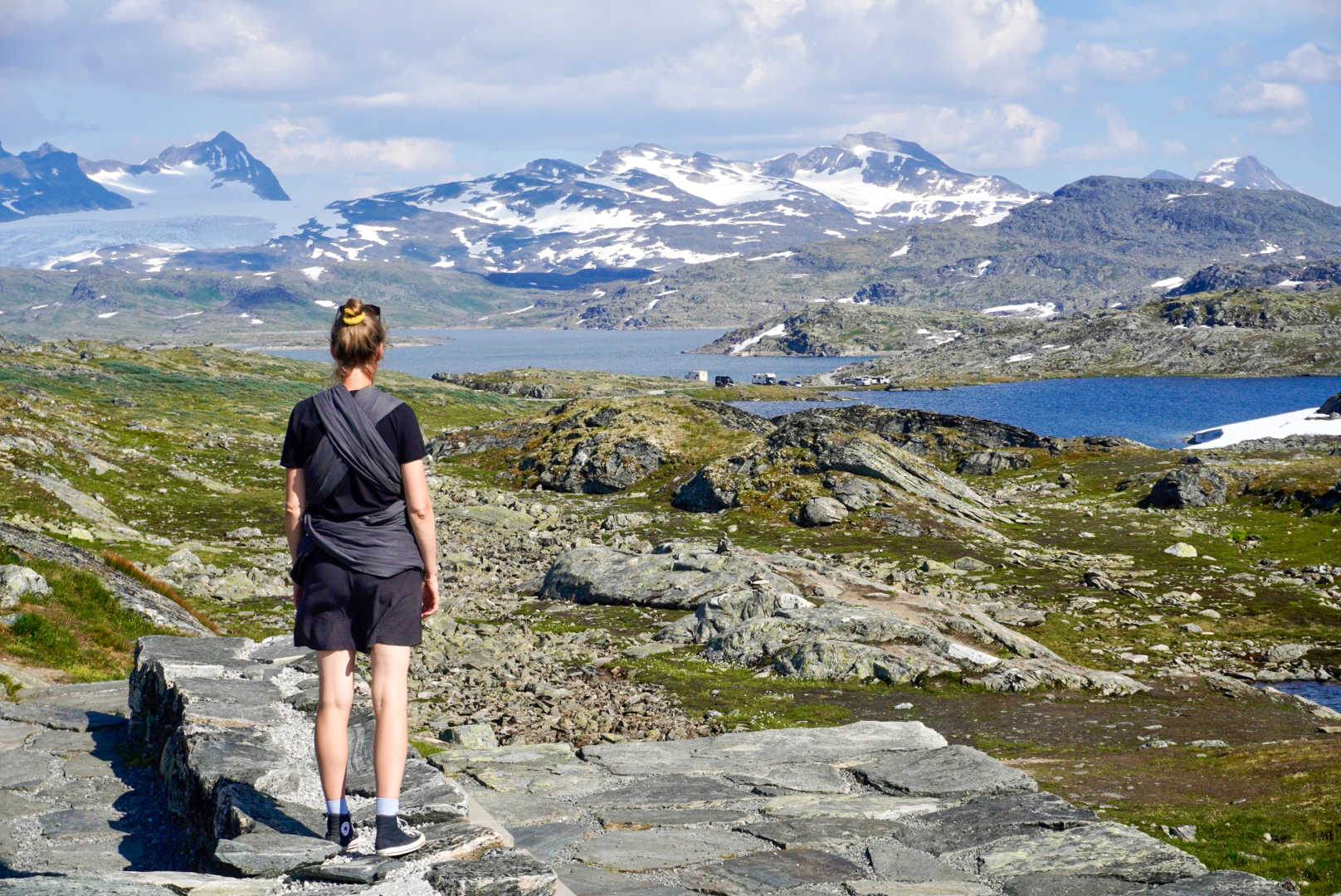
- Oslo: Easy city exploring from the camper, with surprising swim spots in the heart of the capital. We had a parking close to the Vigeland museum and the Vigeland park, went swimming at the spot in city center in front of the Astrup Furnley museum, enjoyed the views from the Opera house and the Munch museum rooftop.


Final Thoughts: The Real Joy of Family Camper Adventures
This journey was about more than just kilometers and breathtaking views—it was about connection, freedom, and a more conscious way to travel. With two small kids, we moved at the rhythm of nature (and nap schedules!), embraced the unexpected, and kept our footprint as light as we could.
Curious about the route, HVO100 fueling stations, or want tips for your own adventure? Send me a message—I’m happy to help! Stay tuned for part two, as we continue our two-month slow travel.
 Carbon Conscious Travel