Two-day bike trip to Villers-La-Ville

Last weekend we took the most beautiful cycling route out of Brussels consisting of pure nature only. In a little more than fifty kilometres you can drive from Brussels to the abbey ruins of Villers-La-Ville, where we camped.

On the first day we left around noon with our camping gear packed on the bicycles, ready for our big adventure. We were lucky that our friend Thomas had planned the route (GPX map) with almost only roads through forests and fields. To come back he planned another route that is a bit shorter and with different sceneries, but still plenty of nature as well. The 50-60 km route has more or less 600-700 meters of uphill cycling. Nothing impossible but still a bit sporty.

You don’t need crazy gear for this trip: a decent bike (Tine even went on her Brompton), a repair kit (or a Velofixer – Amor in our case) a good picknick with enough food and water and basic camping gear (tent, mattress, sleeping bag).

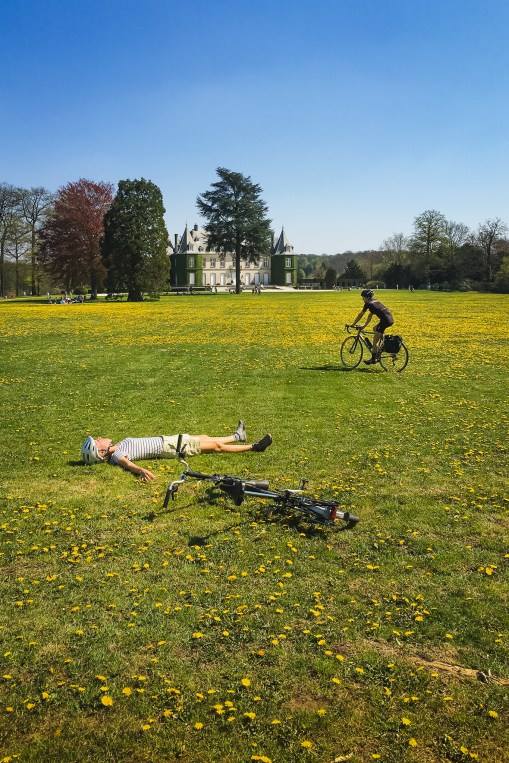
Chateau de La Hulpe

After cycling through Bois De La Cambre and the Sonian Forest, it takes you less than an hour to get to the La Hulpe castle. That’s where we had lunch before heading to the Lion of Waterloo.
IMG_1498

Waterloo’s Lion

DSC07645.jpg

While cycling out of the forest and into the fields, you soon see the Lion sticking out on its hill. Be aware it gets quite crowded and a simple walk to the top of the hill is not possible without paying a twenty euros ticket that includes a 2 hour tour in the museum as well. So we just admired the Lion from the terrace of the restaurant next door.

IMG_1515

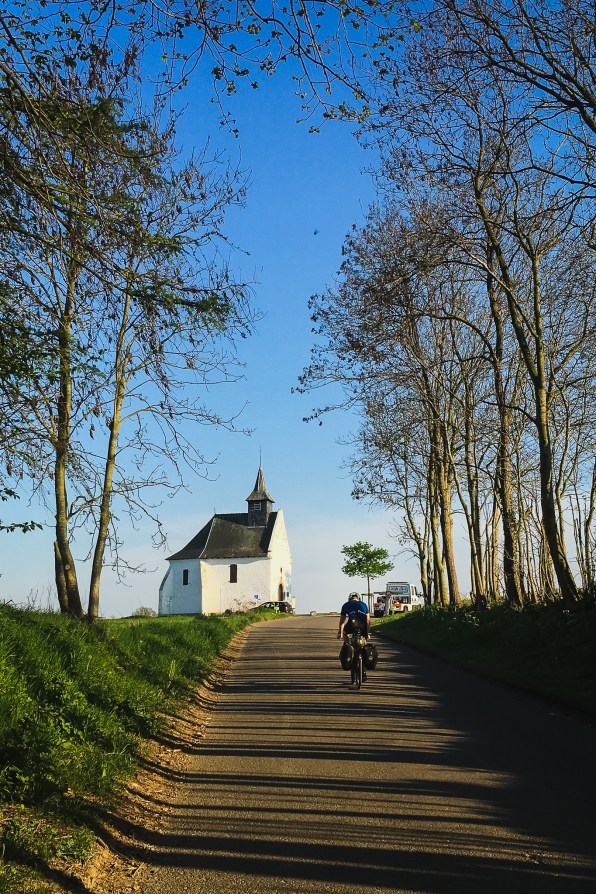
A couple of hours later, cycling through small routes through the forest and fields, uphill… downhill…, we got to closer to our end destination of the day: Villers-La-Ville. As you will see, this is the first picture with Tine having a quirky helmet position… and certainly not the last one 😉 !

IMG_1536

IMG_1544

Villers-La-Ville

Once we arrived to the ruins of the abbey of Villers-La-Ville we first had dinner at “Chalet de la Foret”, a good and cosy restaurant, and a perfect place to refill our water bottles and wash the suncream away after our trip. There are no campings closeby, but that should not stop you from camping.
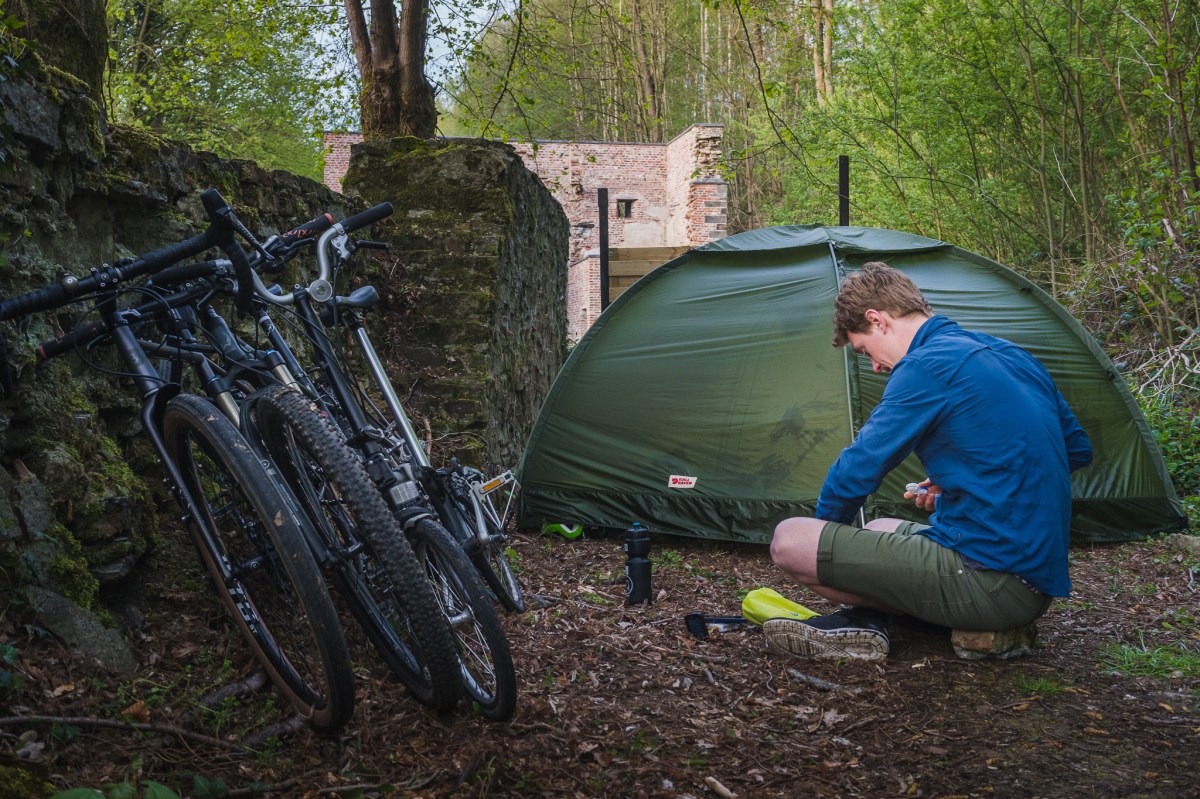
Once the evening started to fall we found ourselves a good spot to put our tent and get ready for the night. A lock around the bicycles, brushing our teeth with a view on the abbey ruins…and ready for bed.
DSC07689

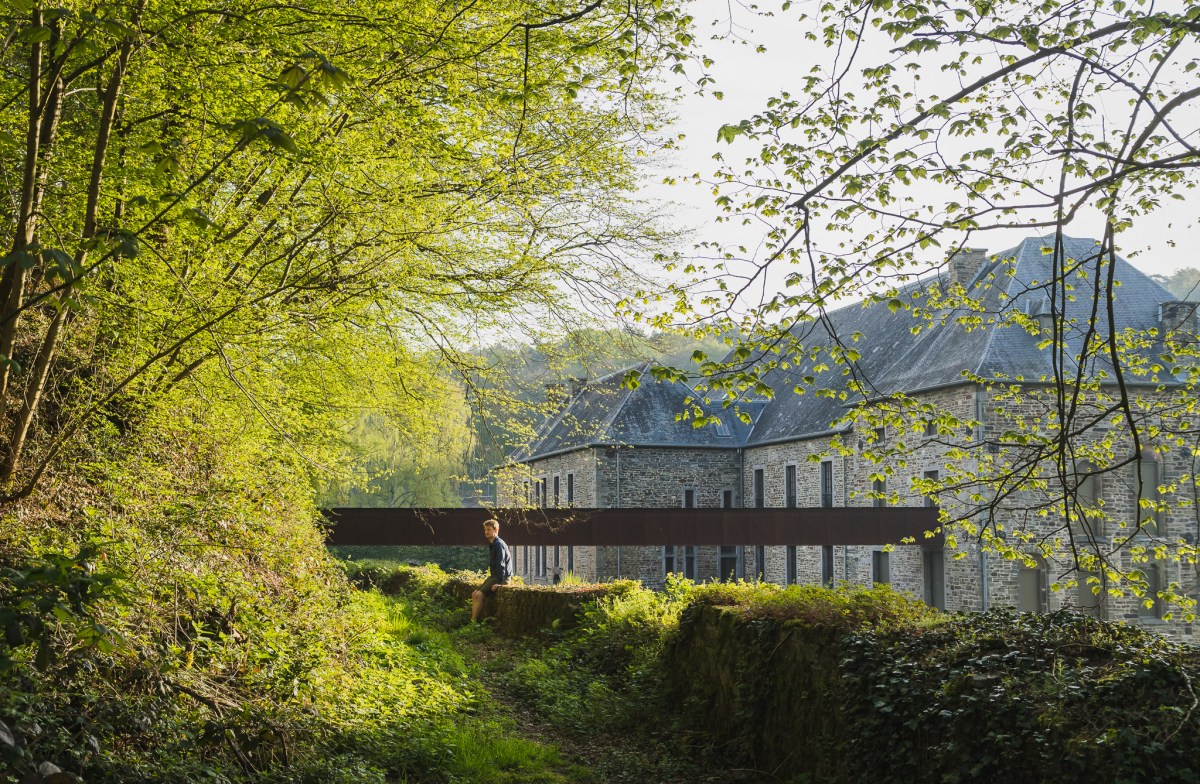
On the second day we woke up early, had breakfast and went for a walk. Notice that the abbey only opens at 10am on Sundays, so you might already take a hike before.
DSC07696

DSC07707

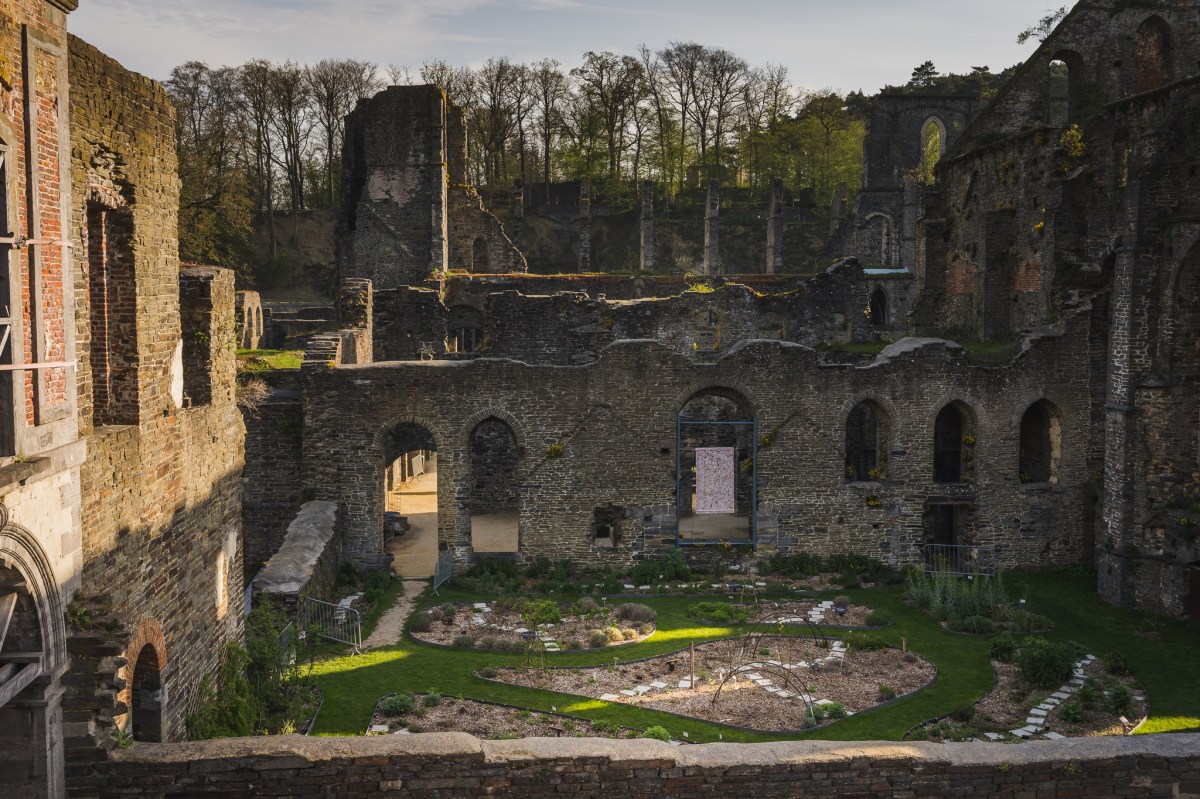
The history of the site is impressive and throughout the walk in the gardens and the abbey ruins the history is well explained. The waterworks, medicinal garden, protection walls, etc. date from around 1100…so plenty of stories to be told.
DSC07713

DSC07716

After the visit we packed our tent and camping gear into the waterproof bags and started to drive back to Brussels. The route took us through plenty of woods and small villages again. This route followed the railroad to Brussels for quite some time, so it’s rather easy to orientate yourself.

DSC07719

Genval

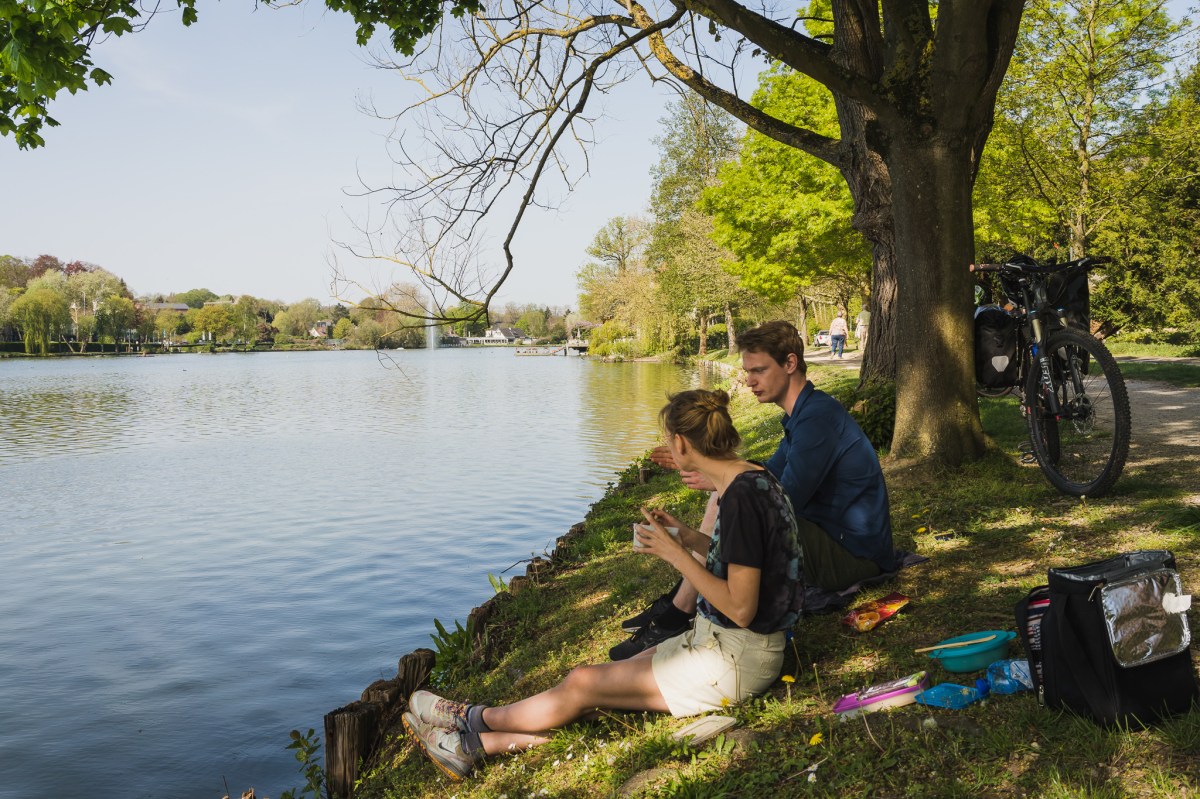
Halfway on the route back you pass the Genval lake with its relaxed atmosphere: rowing and sailing boats, restaurants around the lake and an esplanade with “Fancy people” that make you think you’re in Knokke.
DSC07722

Sonian Forest

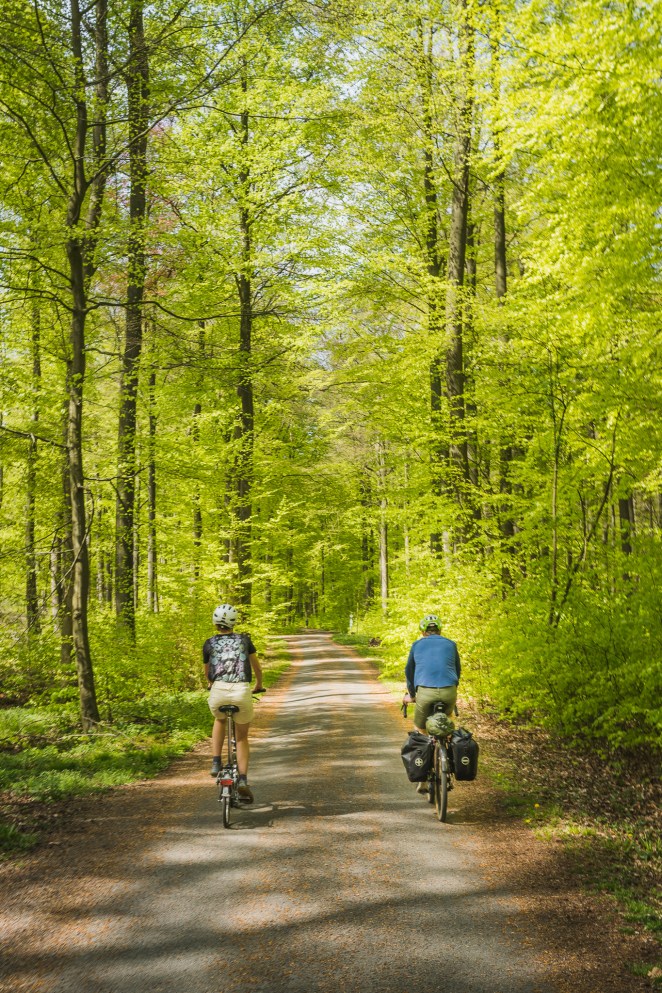
Once you leave the route around the lake you end up back in the Sonian Forest and back around the castle of La Hulpe. The Sonian forest has so many routes you can pick whatever alternative you want: asphalt, gravel or off-road!
DSC07756

It was our first cycling-camping holiday, so it was a true learning experience to understand what is important and how to prepare:
– Decide on the best bike for you? (city / touring / offroad with racks for bags) -> Make it as comfortable as possible
– How to plan your route and add a maximum of nature? (e.g. Garmin basecamp, google maps,… decide your highlights and modify the route step by step via green corridors) -> keep it as green as possible
– What to take? (water, food, camping gear, repair kit, sunscreen, spare (warm/rain) clothes,…) -> keep it as light as possible
A really big thanks to Thomas for figuring out this route. Nature all the way!

Mediterranean hike in Spain – GR92

The trip I’m describing in this post dates back from the summer of 2016. But since it was one of the nicest hikes I have done in Europe so far, I still wanted to share it.

The start of the hike is easy to reach by train. If you come from Belgium you can take a high-speed train to Perpignan (probably transfering in Paris or in Lyon), and then a smaller train (or hitchike) to Vilajuiga. When we did the trip we first spent 2 days in Barcelona visiting some friends and then took the train to Vilajuiga. On the way back we hitchhiked from Argèles to Perpignan where we took the train back to Brussels.

This part of the GR92 is a rather easy part, except for the heat when hiking inland. So make sure you always take enough supplies so you can easily spend a full night and day in nature without having to worry about food and water. The heat can be impressive so taking plenty of sunscreen, sunglasses and a hat is really needed. For sleeping we made a mix between camping in the wild in the mountains or on beaches, some campings and some small hotel rooms. To be specific: we did not always walk on the GR92 itself but made some variations first to get to the GR92, and later to avoid lost kilometers when looking for a camping spot.

With kids: We have done the walk before we had kids, but since most hikes were not too long, it should be possible to do this either with one kid in a hiking backpack, or from the age of 6-8 years old if you let them walk for a while. Strollers are not really possible since many parts have small tracks. To reduce weight you could opt not to go camping and always take a little hotel… or if you go camping and your little one is still small, you might want to bring a little baby tent. More details on that in the third bullet point of our blogpost about train travel with kids.

Day 1: Vilajuiga to Serra de Rodes

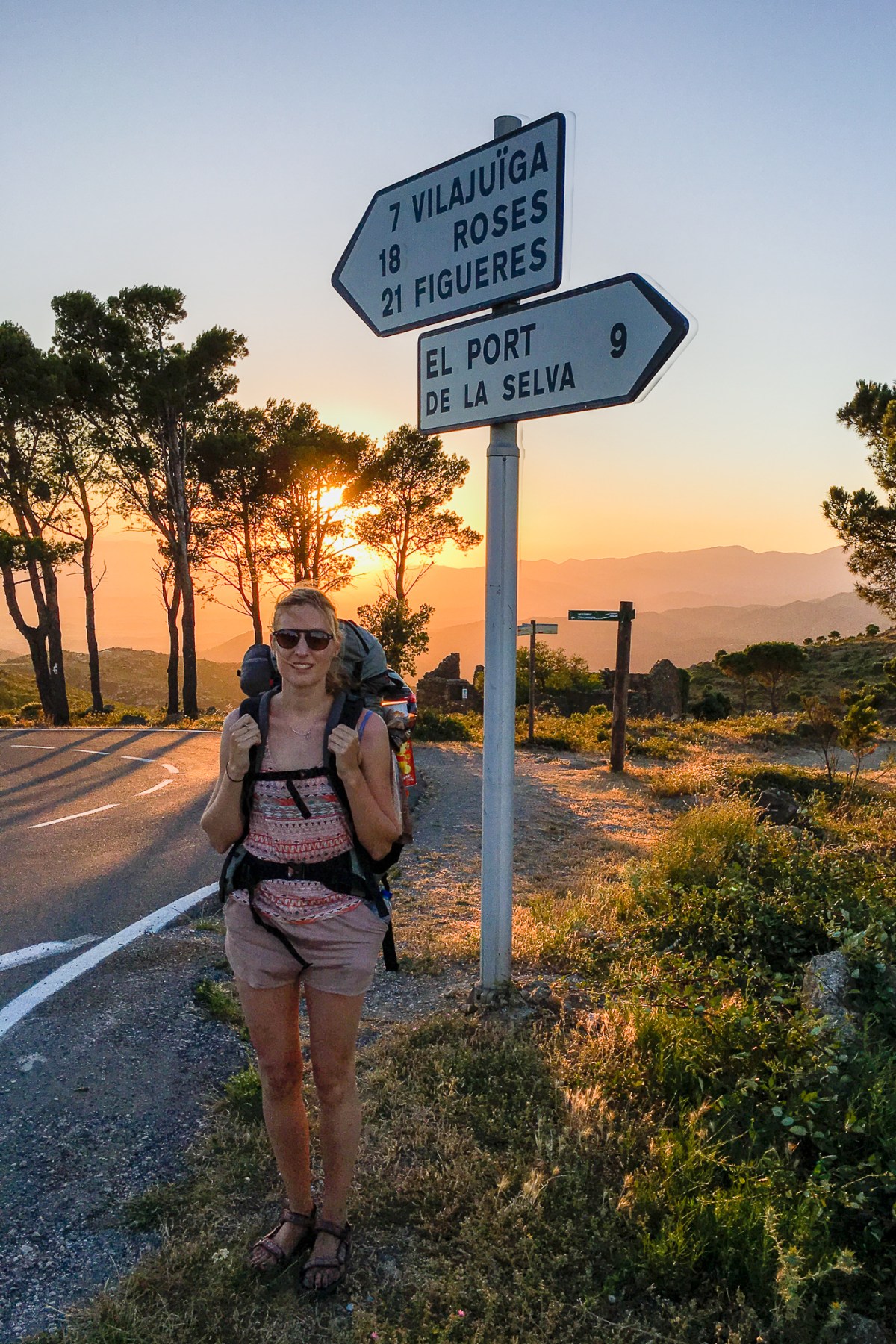
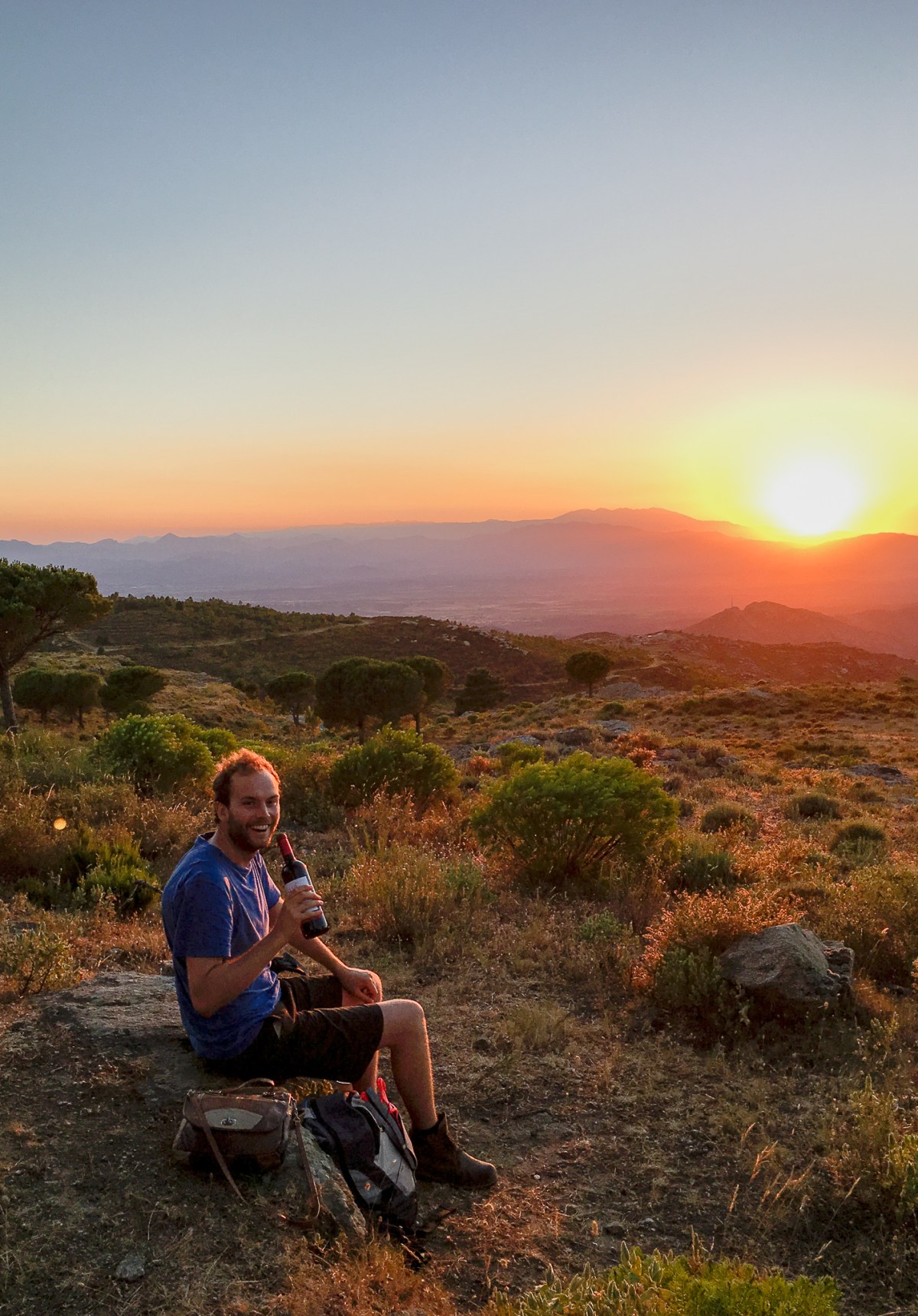
On the first day we took the time to get from Barcelona to Vilajuiga by train and to do some grocery shopping so we would be well prepared for the hike. In the tourism office we asked a map and best route to start, since the first part is not directly on the GR92. We left Vilajuiga around 16pm so there would be a little less sun for the first climb. After about 3-4 hours we reached the top and took our sunset picknick with a five star view on the sea.

IMG_0910

IMG_0919-HDR

IMG_0937-HDR

Day 2: Serra de Rodes to Cadaques

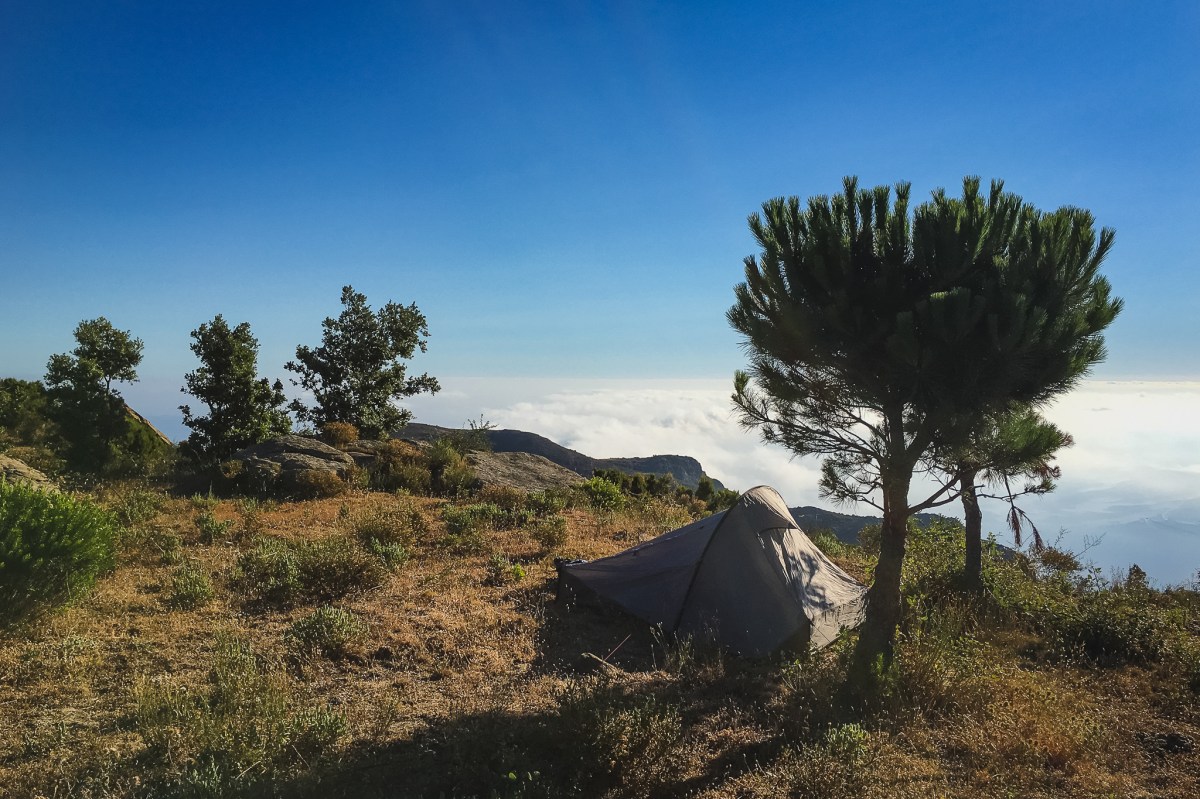
Waking up was impressive: the location where we pitched our tent was actually above the clouds and we couldn’t see the sea, but where we were the sun was shining. By visiting the Sant Pere de Rodes monastery, we split the hike in two parts to avoid walking in the heat at noon. In the afternoon we continued our hike to Cadaques where we spent the night in “camping Cadaques” at the side of the village. It’s worth spending enough time here: very good restaurants, lovely village and plenty of culture since Dali had a house there that is now transformed in a museum.

IMG_0979

IMG_1026

IMG_1059

Day 3: Cadaques – Cap de Creus

We started the day relaxing in Cadaques, having a very good lunch at Lua with seafood: highly recommended. We rented a sit-on-top kayak for a couple of hours and did a tour in all the small bays around Cadaques. The hiking part only started by the end of the day to avoid the heat.

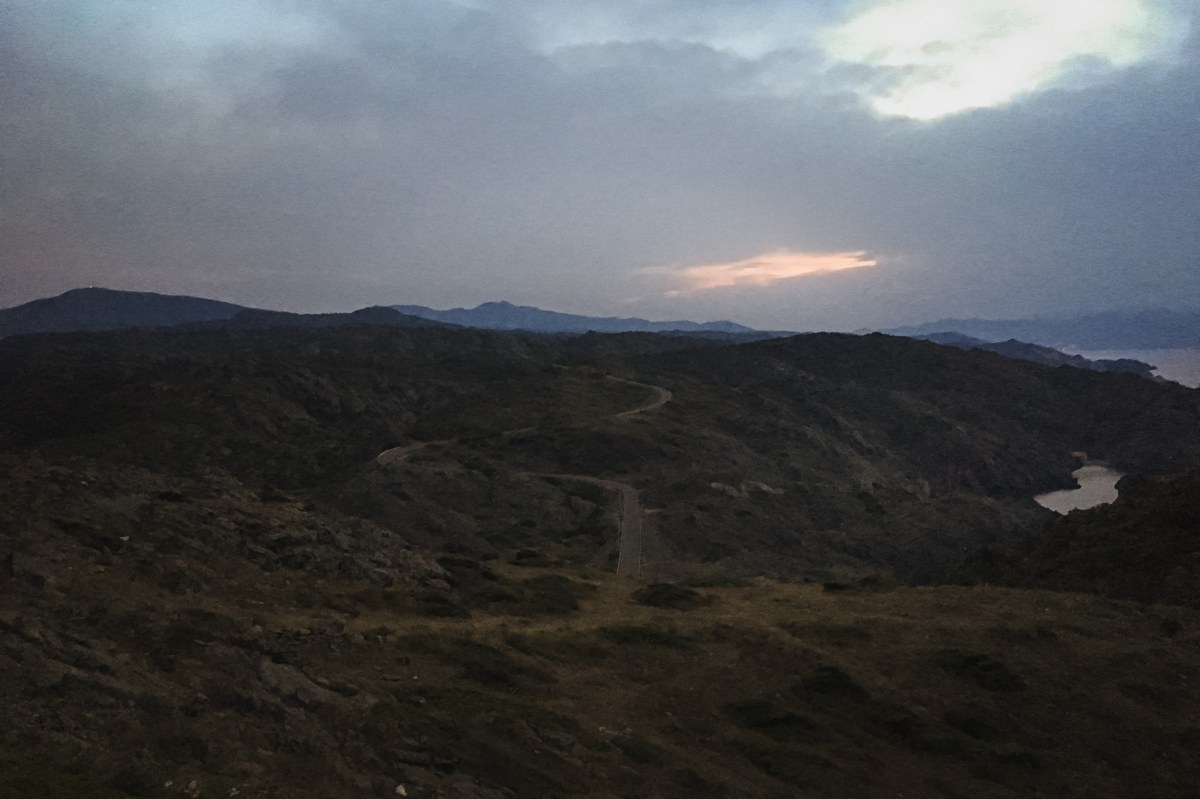
Nature between Cadaques and Cap de Creus is impressive. It looks like a moon landscape and has plenty of small bays and beaches to relax on. That night, after visiting the lighthouse and the restaurant of Cap de Creus, we camped on a small beach (Cala Fredosa) next to the Cap, since there was way too much wind and thunderstorm expected for that night.

IMG_1106

Day 4: Cap de Creus – El Port de la Selva

The fourth day started very rainy, so we hiked faster to Port de La Selva and stayed in a small hotel (Hostal Sol i Sombra).

IMG_1111

IMG_1149-Pano

Day 5: El port de la Selva – Colera

Camping Sant Miquel, a nice place with a swimming pool to relax. The village itself is not the most impressive place… but hiking on to Portbou would have been just a little too much.

Day 6: Colera – Portbou

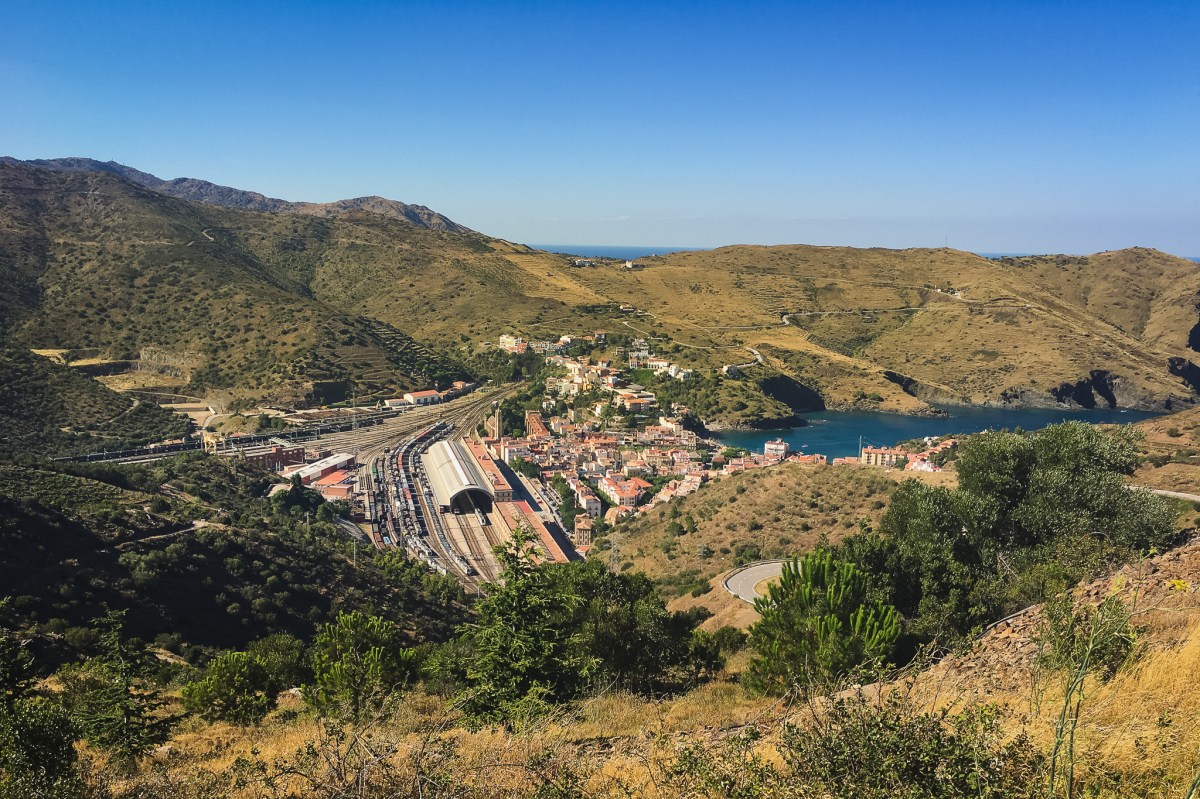
A short walk away from Colera crossing the mountain is Portbou. The views on this frontier city is impressive, mainly due to all the railway infrastructure. In the old days trains had to be switched from the French to the Spanish wheel base to continue their journey.

IMG_1188

It’s in Portbou that we met with David, an old university friend from when we studied in Mexico. It’s a small city with some nice atmosphere and a modern art installation in nature south of the esplanade. We were there when the local festivities were taking place. We stayed at David’s place for the night.

Day 7: Portbou – Cerbère – Banyuls-sur-mer – Collioure

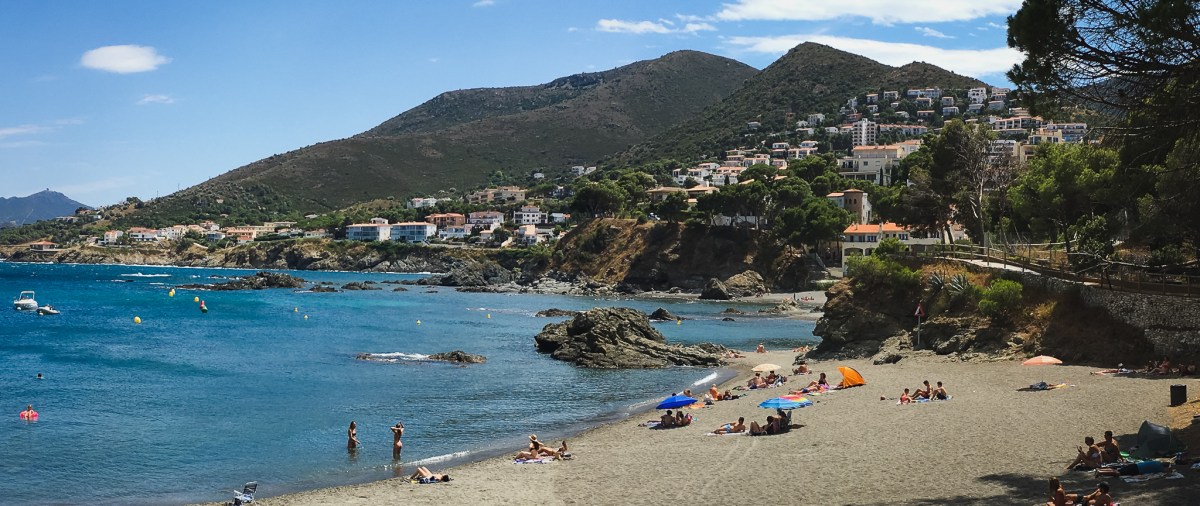
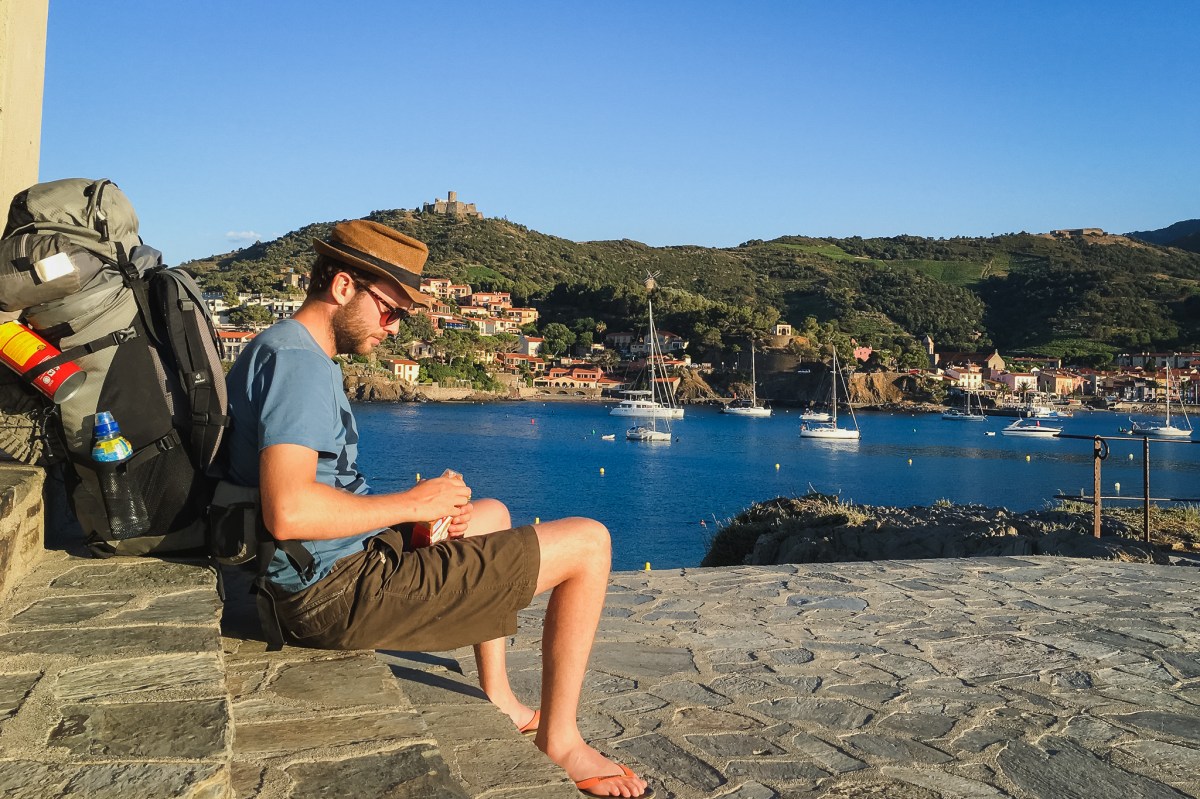
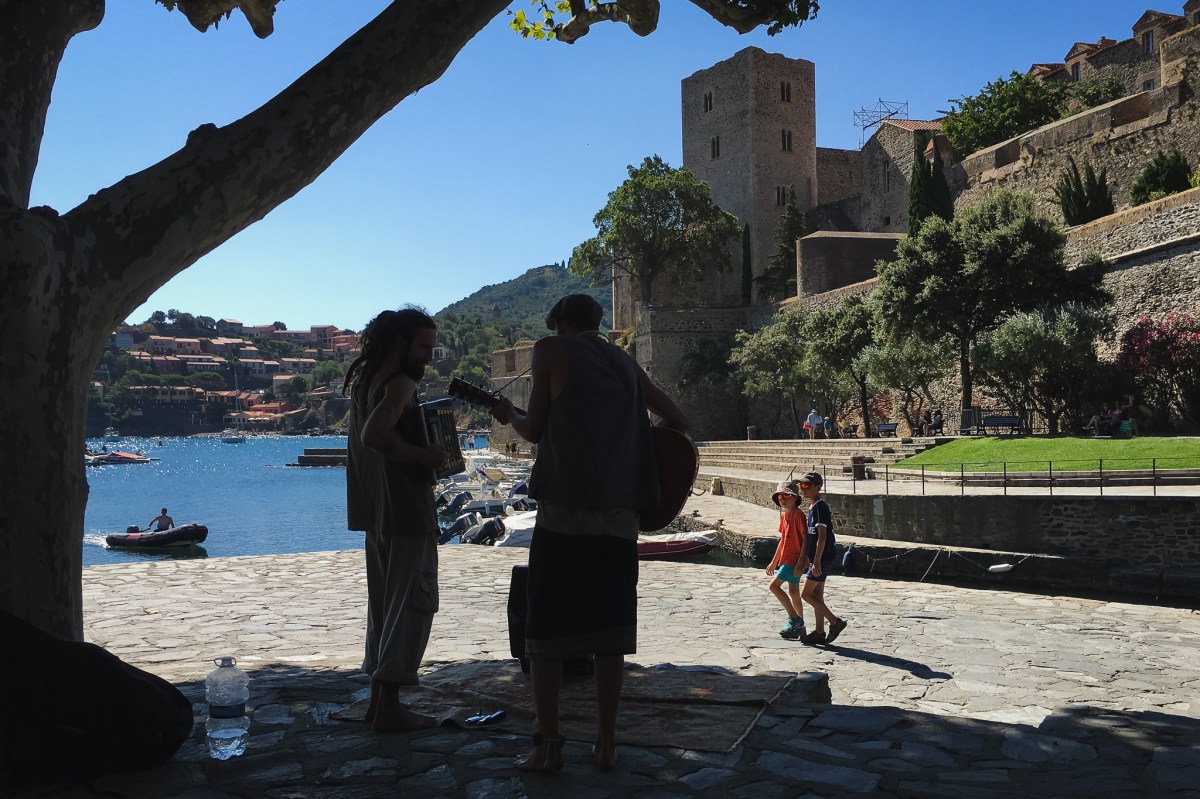
This was a long hike of more than seven hours passing multiple villages and crossing the Spain-France border walking.

IMG_1213

IMG_1244

IMG_1269

CUGI0214

Cities are always harder to camp, but in Collioure we found ourselves a good spot behind the Miradou fortress. Nicely hidden in the bushes.

Day 8: Collioure – Perpignan

On the last day of the hike we started hiking up to Argelès-sur-mère. And after a couple of hours decided that it was time to hitchike to Perpignan. If you make sure to check the timetables upfront you can certainly also catch a train.

IMG_5553

p.s. All images have been taken with an older iphone so the image quality is not always very high

If you like long hikes, make sure to also check the following posts: